João 12
Lëk yam · Toque num versículo para ver as referências cruzadas.
Maria acï tɛ̈ theek yen Jethu thïn nyuɔɔth
1Nïn kadätem Yan Ayum cïn yic luɔu nhom tueŋ, ke Jethu la Bethanï, pan ciëŋ Ladhäro thïn, raan wäär cï jɔ̈t bei thou yic. 2Gokë miëth guiir tënë ye, miëth cï Martha bɛ̈n luui thïn apɛi. Ku Ladhäro atɔ̈ kam kɔc ke rɛ̈ɛ̈r thïn aya. 3Go Maria karjac cï thiäŋ miök ŋïr cɔl naar, ye ɣɔɔc wëëu juëc lööm, ku puk Jethu cök ku wuuny nhïmken nhom. Go aŋïr miök ɣöt rum yic ëbën. 4Go raan tök kam kɔc Jethu buɔɔth, cɔl Judath Ithkariöt, raan bï ye luɔm lueel, 5“Yeŋö këc miök ŋïr kënë ɣaac wëëu juëc wär wëëu ye dɔ̈m raan tök, ku yïk ke kɔc ŋɔ̈ŋ?” 6Ku ëcie rin nhiɛ̈r kɔc ŋɔ̈ŋ yen lueel yen kënë, ee rin ye yen cuär, ee ye wëëu akut muk, ku ë ye rot kony thïn.
7Go Jethu lueel, “Pälkë, calkë amuk miök rin aköl bï ɣa thiɔ̈k. 8Kɔc ŋɔ̈ŋ aabï rëër thïn akölaköl kek we, ku ɣɛn acïï bï rëër kek we akölaköl.”
9Go kɔc juëc Itharel jäl ŋic lɔn tɔ̈ Jethu Bethanï, gokë la thïn, ku acie rin Jethu yetök, ee rin bïk Ladhäro la tïŋ aya, raan wäär cï Jethu jɔt kam kɔc cï thou. 10Go kɔc käk Nhialic wɛ̈t mat yic bïk Ladhäro nɔ̈k aya, 11rin wɛ̈t Ladhäro yen aye kɔc juëc Itharel bänyken puɔ̈l ku gamkë wɛ̈t Jethu.
Jethu acï la Jeruthalem ke ciëm yai
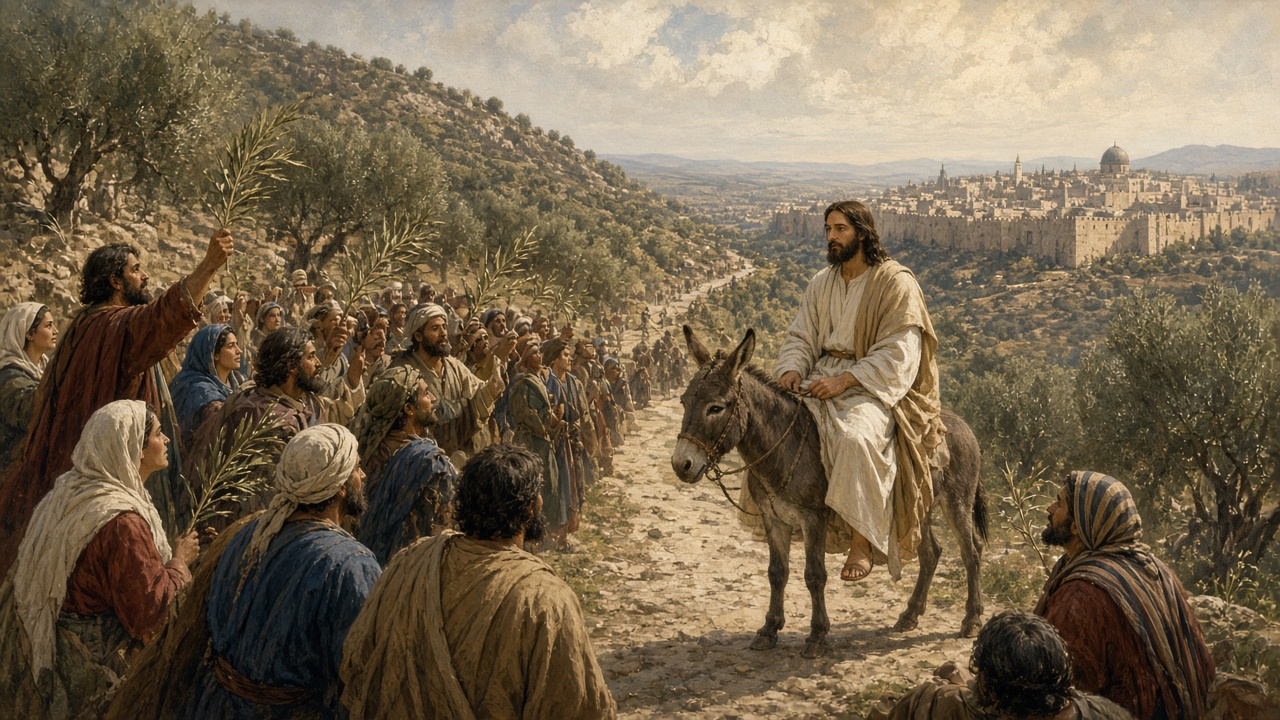
12Naɣɔn nhiääk dɛ̈t ke akutdït kɔc cï bɛ̈n Yan Ayum cïn yic luɔu yic, piŋ wɛ̈t lɔn bïï Jethu Jeruthalem. 13Gokë ayɔ̈r agɛ̈p lööm, ku lek bïk la lor, ku ketkë ëlä,
“Lɛc tënë Nhialic!
Nhialic dɔc raan bɔ̈ rin Bɛ̈ny!
Nhialic dɔc Bɛ̈ny Itharel!”
14Go Jethu akaja yök ku nyuuc yekɔ̈u, cït tɛ̈ cï gät ye athör thɛɛr wël Nhialic yic,
15“Duɔ̈kkë riɔ̈c kɔc Itharel! Yen kïn, Bänydun abɔ̈, ke cï nyuc akaja kɔ̈u.”
16Ku käkkä aake këc kɔcken ye buɔɔth deet yiic, nawën cï Jethu rot jɔt ke lɛc, ke jɔlkë ŋic lɔn cï käkkä gɔ̈t athör thɛɛr wël Nhialic yic, ku lɔn cï kek käkkä looi tënë ye.
17Ku kɔc juëc ke rɛ̈ɛ̈r thïn wäär cï Jethu Ladhäro caal aɣeer raŋ yic, ku jɔt kam kɔc cï thou, aake kë cïk tïŋ tɛ̈t kɔc. 18Ku rin wɛ̈t kënë aya yen aa lor kɔc juëc ye, rin cï kek luɔidït jäŋ gɔ̈i cï looi piŋ. 19Go kɔc akut Parathï lueel kamken, “Cäk ye tïŋ lɔn cïn yen kë yökku thïn. Tiɛ̈ŋkë, aye thɛ̈i ëbën buɔɔth cök.”
Kɔc Gïrïk kɔ̈k aa wïc Jethu bïk tïŋ
20Kɔc Gïrïk kɔ̈k aake tɔ̈ kam kɔc cï la Jeruthalem bïk Nhialic la door thïn. 21Gokë bɛ̈n tënë Pilipo, raan Galilia pan Bethaida ku luelkë, “Bɛ̈ny, ɣok aa wïc Jethu buk tïŋ.”
22Go Pilipo wɛ̈t lɛ̈k Andria, ku lekkë karou tënë Jethu bïk la lɛ̈k ye. 23Go Jethu bɛ̈ɛ̈r, “Ëmën, aköl bï Manh Raan ya leec apɛi acï guɔ ɣëët. 24Wɛ̈t yic alɛ̈k we, nyin rap ë rëër ke ye tök ë path, tɛ̈ këc ye tääu tiɔp yic bï ciɛ̈t kë cï thou. Na le yic pät bï ciɛ̈t kë cï thou, ka jɔl luɔk mïth juëc. 25Raan nhiar piɛ̈rde, abï muɔ̈r ku raan man piɛ̈rde pinynhom tɛ̈n abï muk tënë pïr akölriëëc ëbën. 26Kuat raan wïc ye bï ɣɛn luɔ̈ɔ̈i ka dhil ɣa buɔɔth cök, rin tɛ̈ rëër ɣɛn thïn, aluɔnydiɛ̈ abï rëër thïn aya, ku Wä abï kuat raan luui ɣa leec.
Jethu ajam wɛ̈t Thuɔnde
27“Piändiɛ̈ arem ëmën, ku ba ŋö lueel? Ba lueel, ‘Wä, duk kërɛɛc tit ɣa cɔl abɔ̈?’ Ku kënë ë yen cï ɣɛn bɛ̈n thïn, rin ba arɛɛm aköl kënë thöl. 28Wä, cɔl riɛnku alec!”
Go röl jam nhial ku lueel, “Aca cɔl alec ku aba bɛn cɔl alec.”
29Go kɔc ke kääc thïn tɛ̈ɛ̈n röl piŋ ku luelkë, “Deŋ acï mär.” Go kɔc kɔ̈k lueel, “Atuny Nhialic acï jam tënë ye.”
30Tɛ̈ɛ̈në, go Jethu lɛ̈k ke, “Ee cie tënë ɣa yen jiɛɛm röl kënë, ee riɛnkun. 31Ëmën, ë tɛ̈ bï luk teem tënë kɔc tɔ̈ pinynhom, ku bɛ̈ny jakrɛc abï cuɔp wei. 32Tɛ̈ cï ɣa jat nhial, ke ɣɛn abï kɔc ëbën miëët tënë ɣa.” 33Ku wën lueel yen kënë, ke wïc bï nyuɔɔth yen tɛ̈ bï yen thou thïn.
34Go akut bɛ̈ɛ̈r tënë ye, “Wɛ̈t cï gɔ̈t athör yic ë ɣok lɛ̈k lɔn bï Raan cï lɔc ku dɔc, pïr akölriëëc ëbën. Na yïïn lëu këdë ba lueel lɔn bï Manh Raan jat nhial? Ku yeŋa yen Manh Raan?”
35Go Jethu bɛ̈ɛ̈r, “Aŋoot tɛ̈thin nyɔɔt bï ruɛl rëër kamkun. Lakkë tueŋ dhɔ̈ldun yic ëmën tɔ̈u ruɛl tënë we bï muɔ̈ɔ̈th we cïï döt, rin raan cath muɔ̈ɔ̈th yic akuc tɛ̈ ler yen thïn. 36Gamkë ruɛl ëmën ŋoot yen kek we, rin bäk aa kɔc ruɛl.” Tɛ̈wën cï Jethu wëlkä lueel ke la aɣeer ku thiɛɛn rot tënë ke.
Kɔc Itharel aa kuec ë gam
37Na cɔk amën cï yen luɔi rilkä ëbën looi kenhïïm guɔ̈p, ke keek aa këc wɛ̈tde gam, 38bï wɛ̈t cï Ithaya, raan käk Nhialic tïŋ kaŋ lueel thɛɛr yenhom tiɛɛŋ, wɛ̈tden wäär lueel ëlä,
“Bɛ̈ny, yeŋa cï wɛ̈t cuk lɛ̈k kɔc gam?
Yeŋa cï Bɛ̈ny nyuɔ̈th riɛl?”
39Ku rin ë kënë acïn tɛ̈ bï kek gam, rin wɛ̈t kënë aya, acï Ithaya lueel ëlä,
40“Aacï Nhialic dhɔ̈ny nyïn, ku mɛ̈r kepuɔ̈th.
Bïk käŋ cïï tïŋ kenyïn, ku cïk wɛ̈t det kepuɔ̈th.
Bïk röt wɛ̈l ɣɛn ku ba keek kony.”
41Ithaya acï kënë lueel rin cï yen lɛc Jethu tïŋ ku jiɛɛm riɛnke.
42Ku ëmën aya, ke bäny kɔc Itharel aake cï wɛ̈t Jethu gam, ku akëckë lueel kɔc nhïïm, rin riɔ̈c kek kɔc akut Parathï bïk ke cïï cop wei tɛ̈n amat. 43Aake lɛc kɔc nhiaar tënë lɛc Nhialic.
Jethu abï luk looi tënë kɔc ëbën
44Go Jethu lueel röldït kɔc nhïïm, “Raan gam wɛ̈tdiɛ̈ acie wɛ̈tdiɛ̈ rot yen ye gam, ee wɛ̈t raan toc ɣa gam aya. 45Ku raan tïŋ ɣa, ka tïŋ raan cä tooc aya. 46Ɣɛn acï bɛ̈n cïmën ruɛl pinynhom, bï raan ëbën gam wɛ̈tdiɛ̈ cïï ben rëër muɔ̈ɔ̈th yic. 47Raan piŋ wɛ̈tdiɛ̈ ku cïï lɔ̈k looi, ke ɣɛn acïn wɛ̈t ba tɛ̈m ye, rin këc ɣɛn bɛ̈n ba kɔc pinynhom bɛ̈n luk, ɣɛn acï bɛ̈n ba ke bɛ̈n pïïr. 48Raan kuec ë ɣa ku cïï wɛ̈tdiɛ̈ gam, raan bï ye tɛ̈m awuɔ̈c abï tɔ̈ thïn, ku wɛ̈tdiɛ̈n ca lɛ̈k kɔc abï ye luk aköl ciëën. 49Ku ë këya, rin këc ɣɛn jam wɛ̈t piändiɛ̈ rot, ku ë Wä Aciëŋ toc ɣa, yen acï ɣa thɔ̈n kë ba dhiɛl lueel ku jaam ë yic. 50Ku aŋiɛc lɔn ye wɛ̈tde pïr akölriëëc ëbën bɛ̈ɛ̈i. Käk ya lueel aa käk cï Wä nyuɔ̈th ɣa ba ke lueel.”
Você sabia?
A unção em Betânia e a entrada em Jerusalém
- Betânia, onde Jesus chegou seis dias antes da Páscoa, ficava a cerca de duas milhas a leste de Jerusalém, na encosta sudeste do monte das Oliveiras, à beira da estrada para Jericó, e recebeu o nome das palmeiras que cresciam ali. Era o lar de Lázaro, a quem Jesus havia ressuscitado dos mortos depois de quatro dias no túmulo, e de suas irmãs Marta e Maria; os principais sacerdotes planejaram matar Lázaro também, porque por causa dele muita gente estava crendo em Jesus.Fontes: o próprio texto bíblico · Bethany · Lazarus
- Num jantar em que Marta servia e Lázaro se reclinava à mesa, Maria ungiu os pés de Jesus com cerca de uma pinta de perfume caro feito de nardo puro e os enxugou com os cabelos, de modo que a casa ficou cheia da fragrância. Judas Iscariotes, filho de Simão, cujo sobrenome significa um homem de Kerioth, perguntou por que o perfume não foi vendido por trezentos denários para os pobres; ele era ladrão e, como responsável pela bolsa, costumava tirar do que era colocado nela, e ia trair Jesus.Fontes: o próprio texto bíblico · Judas Iscariot · Simon
- No dia seguinte, a grande multidão que viera para a festa tomou ramos de palmeira e saiu ao encontro de Jesus, que vinha para Jerusalém sentado num jumentinho, gritando louvor ao Rei de Israel, como está escrito a respeito da Filha de Sião. Sião era o monte sudeste de Jerusalém, onde Davi construiu uma cidadela e um palácio depois de tomá-lo, de modo que se tornou a cidade de Davi. A princípio seus discípulos não entenderam essas coisas, mas, depois que Jesus foi glorificado, lembraram-se de que elas também tinham sido escritas a respeito dele.Fontes: o próprio texto bíblico · Zion
Notas escritas com auxílio de IA a partir de fontes abertas (Theographic Bible Metadata, CC BY-SA 4.0; Easton’s Bible Dictionary, domínio público) e revisadas antes de publicar.
Lugares deste capítulo
- Jerusalem · 31.777, 35.234 · versículos 11, 12, 20
- Zion · Hoje: Jerusalem · 31.777, 35.234 · versículo 15
- Galilee · 32.760, 35.527 · versículo 21
Só aparecem lugares com identificação de alta confiança (90% ou mais segundo as fontes acadêmicas reunidas pelo OpenBible). Mapa da época: DARE (Digital Atlas of the Roman Empire), CC BY 4.0; mapa atual: © colaboradores do OpenStreetMap; lugares: OpenBible.info (CC BY 4.0).
Créditos e licença desta tradução
Lëk yam
New Testament in Dinka, Southwestern (SU:dik:Dinka, Southwestern)
copyright © 2006 Wycliffe Bible Translators, Inc.
Language: Dinka, Southwestern
Translation by: Wycliffe Bible Translators, Inc.
Dinka, Southwestern
dik
Sudan
Copyright Information
© 2006, Wycliffe Bible Translators, Inc. All rights reserved.
This translation text is made available to you under the
terms of the Creative Commons License: Attribution-Noncommercial-No Derivative Works.
( http://creativecommons.org/licenses/by-nc-nd/3.0/ )
In addition, you have permission to port the text to different file formats, as long as you
do not change any of the text or punctuation of the Bible.
You may share, copy, distribute, transmit, and extract portions
or quotations from this work, provided that you include the above copyright
information:
You must give Attribution to the work.
You do not sell this work for a profit.
You do not make any derivative works that change any of the actual words or punctuation of the Scriptures.
Permissions beyond the scope of this license may be
available if you contact
us with your request.
The New Testament
in Dinka, Southwestern
© 2006, Wycliffe Bible Translators, Inc. All rights reserved.
This translation is made available to you under the terms of the
Creative Commons Attribution-Noncommercial-No Derivatives license 4.0.
You may share and redistribute this Bible translation or extracts from it in any format, provided that:
You include the above copyright and source information.
You do not sell this work for a profit.
You do not change any of the words or punctuation of the Scriptures.
Pictures included with Scriptures and other documents on this site are licensed just for use with those Scriptures and documents.
For other uses, please contact the respective copyright owners.
2014-04-22
Fonte: http://ebible.org/dikNT/ · eBible.org