Atos 15
Lëk yam · Toque num versículo para ver as referências cruzadas.
Löŋ Mothith
1Kɔc kɔ̈k pan Judia aacï bɛ̈n Antiök, ku piööckë kɔc cï gam ëlä, “Wek aacïï Nhialic bï kony tɛ̈ cïï we dhil ŋoot, cït tɛ̈ cï löŋ Mothith luɛ̈l ye.” 2Go Paulo kek Barnaba jam apɛi rin ë wɛ̈t kënë kek kɔc awën bɔ̈ Judia. Nawën ke mat yic, bï Paulo ku Barnaba ku kɔc kɔ̈k Antiök la Jeruthalem bïk wɛ̈t kënë la jääm yic kek atuuc Jethu ku kɔcdït kɔ̈k.
3Go akut kɔc cï gam ke jal tooc, ku wën tëëk kek Ponicia ku Thamaria, ee cïk lɛ̈k kɔc lɔn cï kɔc kɔ̈k cie kɔc Itharel wɛ̈t Nhialic gam. Wɛ̈t kënë acï kɔc cï gam ëbën cɔl amit puɔ̈th.
4Nawën ɣëëtkë Jeruthalem ë ke lor akut kɔc cï gam, ku atuuc Jethu ku kɔcdït, kɔc cïk bɛ̈n lɛ̈k käjuëc cï Nhialic ke kony bïk ke looi. 5Go kɔc kɔ̈k akut Parathï cï gam röt jat nhial ku luelkë, “Keek aa dhil ŋoot ku lëk ke bïk löŋ Mothith dhiɛl theek.”
6Go atuuc Jethu ku kɔcdït kenhïïm mat bïk wɛ̈t kënë tak yic. 7Wën cï kek wɛ̈t jääm yic apɛi, ke Pïtɛr jɔt rot ku lueel, “Wek kackiɛ̈ aŋiɛckë lɔn ɣɛn acï Nhialic lɔc wäär kamkun, ba Wɛ̈t Puɔth Yam lɛ̈k kɔc cie kuat Itharel, rin bï kek wɛ̈t Bɛ̈ny piŋ ku gamkë. 8Ku Nhialic aŋic kë tɔ̈ raan ëbën puɔ̈u, acï nyuɔɔth lɔn yeen alëu kɔc kɔ̈k cie kɔc Itharel bïk gam aya cïmën cï yen Wɛ̈ike cɔl abɔ̈ tënë ke, cïmën wäär cï yen ye luɔ̈i ɣo aya. 9Acï nyuɔɔth lɔn ɣok kɔc Itharel ku thäi kɔ̈k, ɣok aa thöŋ ëbën, ku nyɛɛi kärɛc kepuɔ̈th rin cï kek gam.
10“Na ye këya, ke yeŋö looi wek kë cï Nhialic nyuɔ̈th we bäk cïï loi, rin wïc wek ye ë path bäk tɛ̈ bï yen puɔ̈u riëëk thïn tïŋ. Tɛ̈ jɔ̈t ɣok kɔc cï gam nhïïm këril këc wärkuan dït ku ɣo aya, kaŋ lëu buk ɣääc? 11Acie tɛ̈de! Ayeku gam lɔn bï ɣo kony rin piath Bɛ̈ny Jethu, ku abï ya tɛ̈de aya tënë ke.”
12Go akut ëbën biɛt ku piŋkë käk jäŋ gɔ̈i cï Nhialic cɔl aa looi Barnaba ku Paulo ke, kam kɔc kɔ̈k cie kɔc Itharel. 13Wën cï kek thök jam, ke Jemith jɔt rot ku bëër ëlä, “Piɛŋkë wɛ̈tdiɛ̈ wek kɔc akuɔ̈tda! 14Acï Thaimon tɛ̈t ɣo tɛ̈ cï Nhialic ye nyuɔɔth thïn lɔn ye kɔc cie kuat Itharel kacke aya, rin cï yen kɔc kɔ̈k nyaai keyiic bïk aa kacke. 15Ku wël kɔc käk Nhialic tïŋ aacï rɔ̈m kek ë wëlkä alanden. Cïmën cï ye gɔ̈t athör thɛɛr wël Nhialic yic ëlä,
16‘Ku lueel Bɛ̈ny, ɣɛn abï dhuk,
ku ɣɛn abï many Debit cï riääk bɛn jɔt nhom.
Ku bɛn käkken cï riääk cɔ̈k piny bïk riɛl.
17Ku këya, kɔc ëbën aabï Bɛ̈ny wïc,
kɔc cie kɔc Itharel ca cɔɔl bïk aa kackiɛ̈.
18Yen ee wɛ̈t cï Bɛ̈ny lueel akan,
Bɛ̈ny yen cï wɛ̈t kënë cɔl aŋic thɛɛr.’
19“Ku la Jemith tueŋ ku lueel, na ye ɣɛn, ke ɣok aacïï kɔc cie kɔc Itharel cï Nhialic dhuɔ̈k rɛ̈ɛ̈m nhïïm. 20Aŋuɛ̈ɛ̈n buk ke gät athör ku lëkku ke, bïk cïï mïth kuat miëth cï ke jakrɛc door, ku titkë röt bïk gup cïï la akɔr. Ku cïk riɛm cam ku cïk cuët rïŋ län këc teem röl bï riɛm kuër. 21Rin löŋ Mothith acï kueen run juëc yiic, ɣɔ̈n ye kɔc Itharel mat thïn akööl cïï kek ë luui yiic, ku wëlkä aaye piɔ̈ɔ̈c gɛɛth yiic ëbën.”
Athör cï gät kɔc cie kɔc Itharel cï gam
22Nawën ke atuuc Jethu, ku kɔcdït kek kɔc akut kɔc cï gam ëbën, mat wɛ̈t yic bïk röör abɛ̈k akut yic kuany, ku bïk ke tuɔɔc Antiök kek Paulo ku Barnaba. Gokë Judath cɔl Barthabath aya, ku Thilath kɔc theek akut rin luɔiden, kuany. 23Ku gɛ̈mkë ke athör kënë tënë kɔc cï gam Antiök,
“Ɣok atuuc Jethu ku kɔcdït, miɛ̈thakun, ɣok aacï miäthda tuɔ̈c miɛ̈thakua cie kuat Itharel ciëŋ gen Antiök, ku pan Thiria ku Cilicia. 24Acuk piŋ lɔn cï kɔc kɔ̈k akuɔ̈tda yic la ku rɛckë wepuɔ̈th käk yekë lueel, ku keek aa këcku ke tooc bïk käkkä aala lueel. 25Këya, ɣok aacï ɣonhïïm mat ku gamku buk kɔc kuany ku tucku ke we. Ku aabï la kek wämäthkuan nhiarku Barnaba ku Paulo, 26cï wëiken gam bïk luui rin Jethu Krïtho. 27Wek aa tucku Judath ku Thilath, bïk we lëk wël cï gɔ̈t athör kën yic aya. 28Acï Wëi Nhialic tääu ɣopuɔ̈th bï ciɛ̈n löŋ ril dɛ̈t mɛtku ë lööŋ cï gät we kä yiic. 29Ku wek aa cïï käkkä dhil loi, duɔ̈kkë ye mïth miëth yeke jakrɛc door, duɔ̈kkë riɛm cam, duɔ̈kkë cuët rïŋ län këc teem röl bï riɛm kuër, ku tiɛtkë röt bäk gup cïï la akɔr. Na luɔikë käkkä cït ëmën cï ɣok ke lɛ̈k we, ke luɔidun abï piath. Yenakan.”
30Ku toockë atuuc Antiök. Nawën cïk ɣet, ke mat kɔc cï gam ëbën nhïïm ku gɛ̈mkë ke athöör. 31Wën cï kek athöör kueen ë ke mit puɔ̈th rin cï wël cï gɔ̈t athöör yic ke dɛɛt puɔ̈th. 32Judath ku Thilath, kɔc ke jam nyin Nhialic aya, aacï jam apɛi kek kɔc cï gam bïk ke dɛɛt puɔ̈th ku rilkë puɔ̈th. 33Tɛ̈wën cï kek nïn nɔ̈k ke ke lony wämäthakua dhöl bïk dhuk ke puɔl gup tënë kɔc ke toc ke. [ 34Ku Thilath acie nhom bɛ̈n waar ku döŋ.] 35Paulo ku Barnaba aake cï pɛ̈i nɔ̈k Antiök, ke piööc wɛ̈t Bɛ̈ny kek kɔc juëc kɔ̈k tënë kɔc Antiök.
Paulo ku Barnaba aacï puɔ̈k
36Nawën cïk pɛ̈i nɔ̈k Antiök, ke Paulo yöök Barnaba, “Dhukku ciëën gɛɛth wäär yiic cï ɣok Wɛ̈t Puɔth Yam piɔ̈ɔ̈c thïn, buk wämäthakua la neem, ku buk tïŋ lɔn le kek tueŋ apath kek gamden.” 37Ku ë wïc Barnaba bï Joon Marko cath ke ke, 38ku akëc Paulo tak lɔn puɔth yen bï cath ke ke rin acï bɛ̈n dhuk Pampilia, ku cïï rɛ̈ɛ̈r ke ke bïk luɔiden thääp kedhie. 39Wɛ̈t kënë acïk tɛɛr apɛi nawën ke puɔ̈k. Ku jiël Barnaba kek Joon Marko ku geerkë Thaipruth. 40Ku cɔl Paulo Thilath bï cath kek ye, ku pɛ̈l miɛ̈thakën ke dhöl bï Nhialic ke cɔl aa cath ke puɔl gup. 41Ku jɔlkë la Thiria ku Cilicia kek Thilath, ke deet kɔc cï gam puɔ̈th bïk gamden muk apath.
Você sabia?
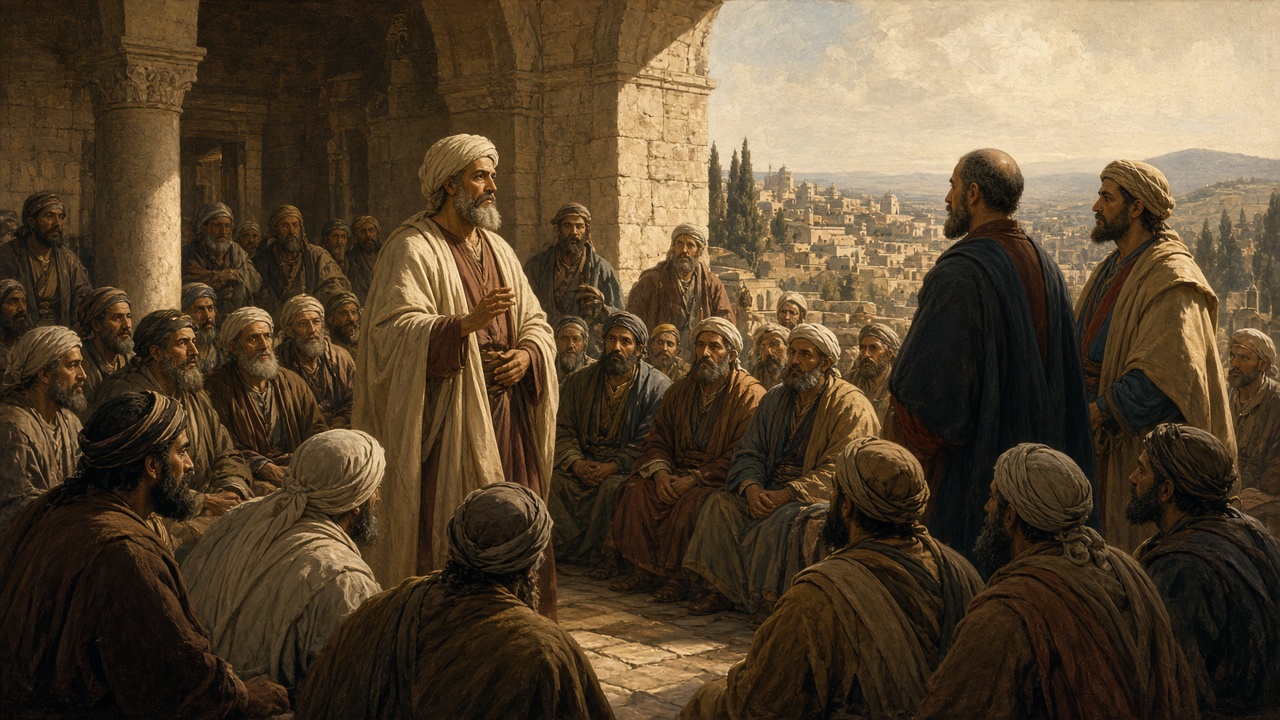
O concílio sobre os crentes gentios
- A controvérsia começou em Antioquia, às margens do Orontes, cerca de trezentas milhas ao norte de Jerusalém, cidade que então ocupava o terceiro lugar entre as cidades do Império Romano, depois de Roma e Alexandria. A caminho do concílio, Paulo e Barnabé passaram pela Fenícia, uma faixa litorânea de cerca de cento e vinte milhas, e pela Samaria. Uma nota cronológica data o Concílio de Jerusalém em 46 d.C.Fontes: Antioch (Syria) · Phenicia · o próprio texto bíblico · Jerusalem Council
- O Easton's Bible Dictionary (1897) afirma que Tiago, a quem chama de irmão ou parente próximo de Jesus, dirigia a igreja em Jerusalém e presidiu o concílio sobre os gentios. A carta que se seguiu foi endereçada aos crentes gentios em Antioquia, na Síria e na Cilícia. A Cilícia, província de origem de Paulo e província marítima romana no sudeste da Ásia Menor desde 67 a.C., incluía sua cidade natal, Tarso.Fontes: James (Brother of Jesus) · o próprio texto bíblico · Cilicia · Paul
- Judas, chamado Barsabás, e Silas, também conhecido como Silvano, eram profetas e homens de destaque da igreja de Jerusalém, enviados para confirmar pessoalmente a decisão do concílio. Um desentendimento posterior e acirrado por causa de João Marcos, primo de Barnabé, separou os dois missionários: Barnabé levou Marcos e embarcou para Chipre, enquanto Paulo escolheu Silas. Uma nota cronológica data essa separação em 47 d.C.Fontes: o próprio texto bíblico · Silas · John Mark · Paul and Barnabas part ways
Notas escritas com auxílio de IA a partir de fontes abertas (Theographic Bible Metadata, CC BY-SA 4.0; Easton’s Bible Dictionary, domínio público) e revisadas antes de publicar.
Lugares deste capítulo
- Antioch · Hoje: Antioch on the Orontes · 36.227, 36.172 · versículos 1, 22, 23, 30, 35
- Judea · Hoje: Judea 1 · 31.777, 35.234 · versículo 1
- Jerusalem · 31.777, 35.234 · versículos 2, 3, 4, 22, 23, 33
- Phoenicia · 33.271, 35.196 · versículo 3
- Samaria · Hoje: Samaria 2 · 32.276, 35.195 · versículo 3
- Cilicia · 36.913, 34.892 · versículos 23, 41
- Syria · Hoje: Syria 2 · 33.511, 36.306 · versículos 23, 41
- Pamphylia · 37.000, 31.000 · versículo 38
- Cyprus · 35.000, 33.000 · versículo 39
Só aparecem lugares com identificação de alta confiança (90% ou mais segundo as fontes acadêmicas reunidas pelo OpenBible). Mapa da época: DARE (Digital Atlas of the Roman Empire), CC BY 4.0; mapa atual: © colaboradores do OpenStreetMap; lugares: OpenBible.info (CC BY 4.0).
Créditos e licença desta tradução
Lëk yam
New Testament in Dinka, Southwestern (SU:dik:Dinka, Southwestern)
copyright © 2006 Wycliffe Bible Translators, Inc.
Language: Dinka, Southwestern
Translation by: Wycliffe Bible Translators, Inc.
Dinka, Southwestern
dik
Sudan
Copyright Information
© 2006, Wycliffe Bible Translators, Inc. All rights reserved.
This translation text is made available to you under the
terms of the Creative Commons License: Attribution-Noncommercial-No Derivative Works.
( http://creativecommons.org/licenses/by-nc-nd/3.0/ )
In addition, you have permission to port the text to different file formats, as long as you
do not change any of the text or punctuation of the Bible.
You may share, copy, distribute, transmit, and extract portions
or quotations from this work, provided that you include the above copyright
information:
You must give Attribution to the work.
You do not sell this work for a profit.
You do not make any derivative works that change any of the actual words or punctuation of the Scriptures.
Permissions beyond the scope of this license may be
available if you contact
us with your request.
The New Testament
in Dinka, Southwestern
© 2006, Wycliffe Bible Translators, Inc. All rights reserved.
This translation is made available to you under the terms of the
Creative Commons Attribution-Noncommercial-No Derivatives license 4.0.
You may share and redistribute this Bible translation or extracts from it in any format, provided that:
You include the above copyright and source information.
You do not sell this work for a profit.
You do not change any of the words or punctuation of the Scriptures.
Pictures included with Scriptures and other documents on this site are licensed just for use with those Scriptures and documents.
For other uses, please contact the respective copyright owners.
2014-04-22
Fonte: http://ebible.org/dikNT/ · eBible.org