Apocalipse 3
Nǫ̀htsı̨̨ Nı̨̨htł'è · Toque num versículo para ver as referências cruzadas.
Kǫ̀ta Sardıs Nǫ̀htsı̨ wecheekeè gıts'ǫ̀ aatł'è
1“Kǫ̀ta Sardıs Nǫ̀htsı̨ wecheekeè nàgedèe sìı dıı yatı gıts'ǫ yak'eet'ı̨į̀ ts'ǫ̀ ı̨ı̨tł'è:
“Ededı̨ Nǫ̀htsı̨ wets'ǫ ı̨nì degaı łǫ̀hdı̨ eyıts'ǫ whǫ̀ łǫ̀hdı̨ welatł'aà whelaa sìı dıı weyatıì hǫt'e: Dànì aahdaa sìı wek'èehsǫ, dǫ nezı̨į̀ aahda naxegı̨ı̨hwhǫ hanìkò dǫ ełaı̨dèe laaht'e. 2Ts'ıahdè! Ayìı naxıghǫ ełaàwı ha nìkw'oo sìı nàtsoò aahłe. Nǫ̀htsı̨ wek'ę̀ę̀ deghàà eghàlaahda nıìle wek'èehsǫ. 3Eyıt'à ayìı naxıghǫ̀t'ǫǫ eyıts'ǫ ayìı aàhkw'oo sìı wenaahdì. Eyı yatı wek'èaht'e xè edek'eahłı̨. Ts'ıahdè-le nı̨dè eeɂį̀ı̨-dǫǫ̀ lanì naxınaàhtǫ naxıts'àhtła ha. Ayìı sadzeè k'e naxıts'àhtła ha sìı wek'èahsǫ ha nıìle.
4“Hanìkò dǫ łǫ-lea kǫ̀ta Sardıs nàgedèe sìı hołı̨ı̨ t'à edegoht'ǫǫ̀ tsį̀gı̨ı̨hwho-le. Edegha hogeèhnǫ ne t'à goht'ǫ degoo t'à-aget'ı̨ xè sexè k'egedè ha. 5T'aa hołı̨ı̨ ghǫehnèe sìı eyı lanì goht'ǫ degoo yìı geèhkw'e ha. Nı̨htł'è k'e dǫ welǫ whìle ts'ǫ̀ geeda gha gıızì dek'eèhtł'èe sìı gots'ǫ gıızì ejınahwha ha-le, hanìkò Setà wenadąą̀ eyıts'ǫ yak'eet'ı̨į̀ gınadąą̀ eyı dǫ wek'èehsǫ dehsı̨ ha. 6Amìı wedzıì gǫ̀hłı̨ı̨ sìı Yedàyeh Nezı̨ı̨ Nǫ̀htsı̨ wecheekeè dàgòhdıı sìı gıìkw'o welè.
Kǫ̀ta Phıladelphıa Nǫ̀htsı̨ wecheekeè gıts'ǫ̀ aatł'è
7“Kǫ̀ta Phıladelphıa Nǫ̀htsı̨ wecheekeè nàgedèe sìı dıı yatı gıts'ǫ yak'eet'ı̨į̀ ts'ǫ̀ ı̨ı̨tł'è:
“Ededı̨ degaı xè ehkw'ı elı̨ı̨ sìı dıı weyatıì hǫt'e. Ededı̨ sìı k'àowocho Davıd weladlì k'èdìı elı̨ hǫt'e. Ayìı ts'ǫdaà xàedee sìı dǫ wı̨ı̨zìı yedaede ha dìì hǫt'e, eyıts'ǫ ayìı yedaedee sìı dǫ wı̨ı̨zìı yets'ǫdaà xàede ha dìì hǫt'e. 8Dànì eghàlaahdaa sìı wek'èehsǫ. Aàhkw'ǫ, naxınadąą̀ enìxàı̨tǫ ahłà eyıts'ǫ dǫ wı̨ı̨zìı enìyeechı ha dìì. Nàahtso-le naxık'èehsǫ, hanìkò seyatıì k'èahdì hǫt'e eyıts'ǫ sek'èahsǫ-le dahdı nıìle. 9Eyı dǫ wehłı̨ı̨ wecheekeè agı̨ı̨t'ee sìı naxınadąą̀ nàgògehgè agehłe ha. Naxıghǫneehtǫ hǫt'e gık'èezǫǫ̀ agehłe ha. Israel got'ı̨į̀ agı̨ı̨t'e-le kò xàè ‘Israel got'ı̨į̀ ats'ı̨ı̨t'e’ gedı t'à hogets'ìı-dǫǫ̀ agı̨ı̨t'e. 10Senàowoò k'èahdì eyıts'ǫ ts'èwhı̨į̀ daahɂa t'à hazǫǫ̀ dıı nèk'e dǫ xè hoìla agode ha sìı ch'à naxık'èhdì ha. Dıı nèk'e dǫ hazǫǫ̀ nàdèe sìı hoìla t'à geèdzà ha.
11“Whaà-le-t'ıì naxıts'ǫ̀ ehtła ha. Seghǫ naxınì nàtsoo sìı hotıì wek'èahdì, hanì-ı̨dè edegha t'asìı deahnǫǫ sìı dǫ wı̨ı̨zìı naxıghǫ neyıìwa ha-le. 12T'aa hołı̨ı̨ ghǫehnèe sìı Nǫ̀htsı̨kǫ̀-gocho goyìı kwe nàtsoo nàı̨ɂa elı̨į̀ awehłe xè t'aats'ǫǫ̀ ekǫ wehòhɂǫ ha. Nǫ̀htsı̨ wıızì eyıts'ǫ Nǫ̀htsı̨ wekǫ̀godeè wıızì wek'e dek'eèhtł'è ha. Eyı kǫ̀godeè wegòò sìı Jerusalem wìyeh; Nǫ̀htsı̨ yak'e gots'ǫ ı̨zhıì adeè ayele ha. T'aa wınì nàtsoo sìı sıızì wegòò wek'e dek'enèehtł'è ha. 13Amìı wedzıì gǫ̀hłı̨ı̨ sìı Yedàyeh Nezı̨ı̨ Nǫ̀htsı̨ wecheekeè dàgòhdıı sìı gıìkw'o welè.
Kǫ̀ta Laodısıya Nǫ̀htsı̨ wecheekeè gıts'ǫ̀ aatł'è
14“Kǫ̀ta Laodısıya Nǫ̀htsı̨ wecheekeè nàgedèe sìı dıı yatı gıts'ǫ yak'eet'ı̨į̀ ts'ǫ̀ ı̨ı̨tł'è:
“Ededı̨ ‘Amen’ wìyeh, t'aats'ǫǫ̀ ehkw'ı gode eyıts'ǫ Nǫ̀htsı̨ t'asìı hazǫǫ̀ whehtsı̨ ts'ǫ̀ K'àowo elı̨ı̨ sìı dıı weyatıì hǫt'e. 15Dànì eghàlaahdaa sìı wek'èehsǫ, segha whek'òo eyıts'ǫ whekǫ̀ǫ laaht'e-le. Eyı nàke sìı ı̨łè ààhchı nı̨dè dehwhǫ. 16Eyıt'à segha tı whekǫ̀ǫ eyıts'ǫ tı whek'òo laaht'e-le. Ekìı tı yaazea whekǫ̀ǫ laaht'e t'à sewà gots'ǫ xànaxeehsè ha. 17‘Ahxee ats'ı̨ı̨t'e,’ edèahdı, ‘T'asìı łǫ gots'ǫ t'à t'asìı wets'ı̨ı̨wǫ gǫ̀hłı̨-le,’ dahdı, hanìkò naxıxè gots'eèdı, eteaht'ı̨, naxıdaà goìle xè goht'ǫ dę dahkw'e hǫt'e, wek'èahsǫ-le nì? 18Sǫǫ̀mbaekwo kǫ̀-dèk'ǫ̀ǫ t'à wedeèdlı̨į̀ adlàa sìı seghǫ nàahdì nı̨dè ahxee aahłı̨ ha. Goht'ǫ degoo seghǫ nàahdì, hanì-ı̨dè goht'ǫ dę edeghǫ į̀į̀zhaahłı̨ ha-le, eyıts'ǫ godaàtłeè seghǫ nàahdì, hanì-ı̨dè k'eaht'į̀ ha.
19“T'aa gıghǫneehtǫǫ sìı hołı̨ı̨ hogehtsı̨ nı̨dè nàgeehɂǫ xè nezı̨į̀ geeda gha hoghàgeehtǫ hǫt'e. Eyıt'à ehkw'ı nànıahdè xè edek'eahłı̨. 20Jǫ tı̨ı̨dà nàhwho xè enìı̨tǫ ts'aht'ı; amìı sıìkw'o t'à sets'ǫ̀ enìxàechì nı̨dè wegà goyaehtła gà wexè shèhtı̨ ha, eyıts'ǫ ededı̨ sı sexè shètı̨ ha.
21“T'aa hołı̨ı̨ ghǫehnèe sìı sedaèhchı̨cho k'e segà whedaà awehłe ha. Sı̨ hołı̨ı̨ ghǫèhnǫ t'à Setà wedaèhchı̨cho k'e wegà whıhdaà asììdlà hǫt'e. 22Amìı wedzıì gǫ̀hłı̨ı̨ sìı Yedàyeh Nezı̨ı̨ Nǫ̀htsı̨ wecheekeè dàgòhdıı sìı gıìkw'o welè.”
Você sabia?
Cartas a Sardes, Filadélfia e Laodiceia
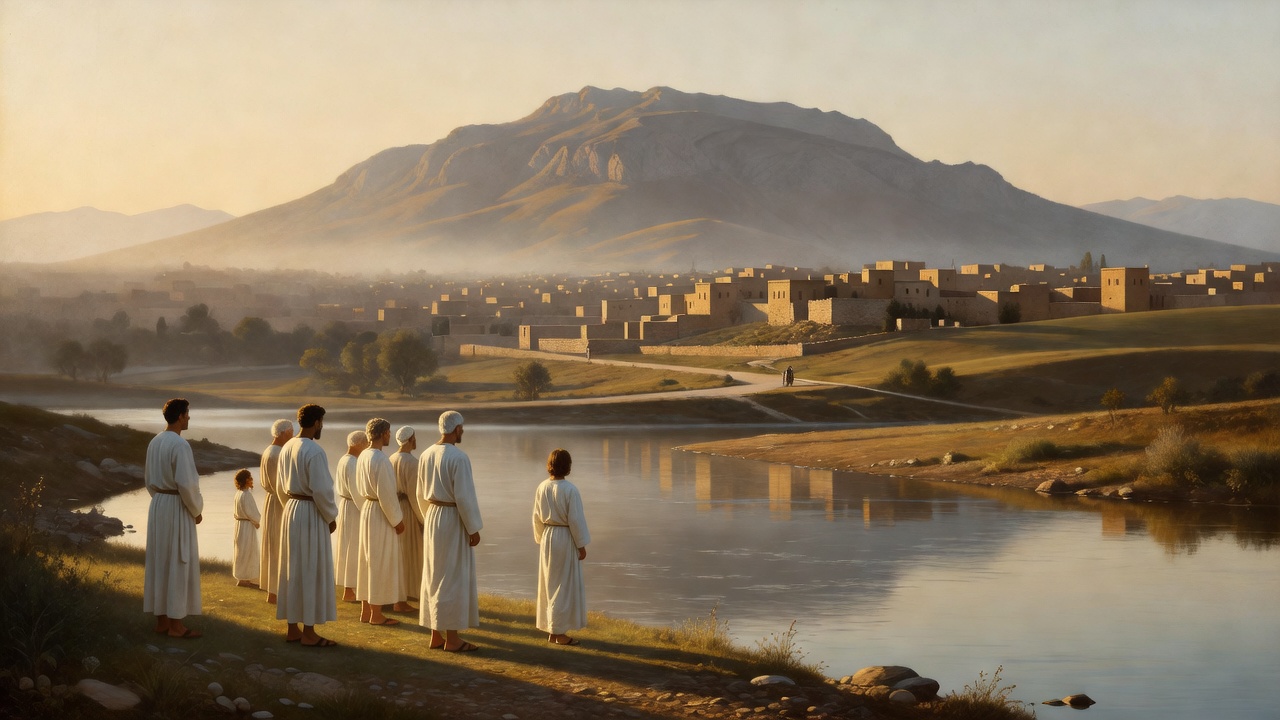
- O capítulo 3 do Apocalipse reúne cartas a igrejas de três cidades da Ásia Menor. Sardes, a metrópole da Lídia, ficava à beira do rio Pactolo, ao pé do monte Tmolo. Filadélfia, nome que significa “amor fraternal”, ficava a cerca de vinte e cinco milhas a sudeste de Sardes; Laodiceia ficava junto ao Lico, onde a Frígia e a Lídia se encontram, a cerca de quarenta milhas a leste de Éfeso.Fontes: Sardis · Philadelphia · Laodicea · o próprio texto bíblico
- Laodiceia chamou-se primeiro Dióspolis e depois Roas. Mais tarde recebeu o nome de Laodiceia por causa de Laódice, esposa de Antíoco II, rei da Síria, que a reconstruiu. O Easton's Bible Dictionary (1897) a apresenta como uma das cidades mais importantes e prósperas da Ásia Menor e como um antigo centro de destaque do cristianismo; na carta, diz-se que essa igreja afirma ser rica, ter enriquecido e não precisar de nada.Fontes: Laodicea · o próprio texto bíblico
- A carta a Filadélfia fala de uma “sinagoga de Satanás” e de pessoas que se dizem judias, mas a quem ela chama de mentirosas. Satanás significa “adversário” ou “acusador”, e no Novo Testamento o nome é usado de modo intercambiável com o diabo.Fontes: Satan · o próprio texto bíblico
Notas escritas com auxílio de IA a partir de fontes abertas (Theographic Bible Metadata, CC BY-SA 4.0; Easton’s Bible Dictionary, domínio público) e revisadas antes de publicar.
Lugares deste capítulo
- Sardis · 38.488, 28.040 · versículos 1, 4
- Philadelphia · Hoje: Alaşehir · 38.350, 28.517 · versículo 7
- Jerusalem · 31.777, 35.234 · versículo 12
- Laodicea · Hoje: Laodicea on the Lycus · 37.836, 29.108 · versículo 14
Só aparecem lugares com identificação de alta confiança (90% ou mais segundo as fontes acadêmicas reunidas pelo OpenBible). Mapa da época: DARE (Digital Atlas of the Roman Empire), CC BY 4.0; mapa atual: © colaboradores do OpenStreetMap; lugares: OpenBible.info (CC BY 4.0).
Créditos e licença desta tradução
Nǫ̀htsı̨̨ Nı̨̨htł'è
Dogrib: Dogrib Genesis & New Testament New Testament & Portions of Old Testament
copyright © 2009 Canadian Bible Society
Language: Dogrib
Translation by: Canadian Bible Society
Tłı̨chǫ Genesis and New Testament
About Tłı̨chǫ
Tłı̨chǫ (Dogrib) is a Na-Dene (Athabaskan) language. It is spoken by the First Nations Tłı̨chǫ people in the Northwest Territories in Canada. It has the largest number of speakers of any of the Aboriginal language communities in the NWT, and is one of the official languages of the Northwest Territories.
About This Translation
This translation includes the book of Genesis and the New Testament in Tłı̨chǫ. The first edition of the Tłı̨chǫ New Testament was published in 2003. It was a historic event, as it was the first time in more than a hundred years that a complete New Testament was published for one of the Dene First Nations in the Territories. The first edition was well received and quickly sold out. In the meantime the book of Genesis had been completed. Consequently, the 2008 reprint of the Tłı̨chǫ New Testament included Genesis.
Though this translation of the New Testament and Genesis took a total of ten years, the people who worked on it built on years of labor invested by the Tłı̨chǫ people, elders, priests and missionaries, translators, educators, and linguists. The material contained in this book was checked and approved by consultants from Wycliffe Bible Translators and the Canadian Bible Society.
If you are interested in obtaining a printed copy of this Bible, please contact the Canadian Bible Society at http://www.biblescanada.com .
Copyright Information
Dogrib Genesis and New Testament © 2003, 2008 Canadian Bible Society
The text of the Bible in Tłı̨chǫ that appears in this electronic format or website is for personal use only.
Up to five hundred (500) verses of the Bible text in any form (written, visual, electronic or audio) may be quoted without permission. The quoted verses may not be more than 50% of a complete book of the Bible, or more than 25% of the total text of the work in which they are quoted. Prior written permission must be obtained for any other use of the text. Copyright acknowledgement must in all cases appear on the title or copyright page.
For more information on copyright conditions or to apply, visit http://www.biblesociety.ca/copyright .
This translation is made available to you under the terms of the
Creative Commons Attribution-Noncommercial-No Derivatives license 4.0.
You may share and redistribute this Bible translation or extracts from it in any format, provided that:
You include the above copyright and source information.
You do not sell this work for a profit.
You do not change any of the words or punctuation of the Scriptures.
Pictures included with Scriptures and other documents on this site are licensed just for use with those Scriptures and documents.
For other uses, please contact the respective copyright owners.
2014-04-22
Fonte: http://ebible.org/dgrDOGNT/ · eBible.org