Mateus 13
Nǫ̀htsı̨̨ Nı̨̨htł'è · Toque num versículo para ver as referências cruzadas.
Wet'à t'asìı dehshee godıì
1Eyı dzęę̀ k'e Zezì eyı kǫ̀ gots'ǫǫ̀ naèhtła gà tabàa wheda. 2Sıì dǫ łǫ Zezì ts'ǫ̀ ełègehdè t'à Zezì elà yìetła gà dǫ ts'ǫ̀ gode. Dǫ hazǫǫ̀ tabàa nàgeèhza xè geèhkw'ǫ. 3Zezì godı łǫ t'à goxè godo, hadı, “Dǫ ı̨łè wet'à t'asìı dehshee dèè k'e nèyı̨ı̨la. 4Wet'à t'asìı dehshee dèè k'e ts'ǫ̀ yeehdè ekò mǫ̀hdaa tı̨lı k'e nàı̨tł'ı t'à chı̨ą gı̨ı̨ɂà. 5Mǫ̀hdaa kwe ta nàı̨tł'ı. Ekǫ ehtł'è łǫ-le t'à ı̨whąą̀ xànı̨ı̨shǫ. 6Sadeè nàtso t'à weɂı̨t'ǫ̀ą whegǫ xè ełaı̨dè. Weghochı̨į̀ nedè-le t'à whegǫǫ̀ ajà. 7Wet'à t'asìı dehshee mǫ̀hdaa ı̨chį̀ghoò ta nàı̨tł'ı t'à ełexè dèhshǫ; ı̨chį̀ghoò yeɂǫ̀ǫ̀ nànı̨ı̨htso t'à ełaı̨dè. 8Hanìkò mǫ̀hdaa dèè nezı̨ı̨ k'e nàı̨tł'ı. Nezı̨į̀ dèhshǫ eyıts'ǫ t'aàtłǫ dèè k'e nàı̨tł'ıı sìı ı̨łèakw'eènǫ, ek'ètaènǫ, hanì-le-ı̨dè taènǫ deɂǫ̀atłǫ ts'ǫ̀ xànı̨ı̨shǫ. 9Amìı wedzıì gǫ̀hłı̨ı̨ sìı eèhkw'ǫ welè,” Zezì gòhdıì goxè godo.
10Eyı tł'axǫǫ̀ wecheekeè dageehke, “Dànìghǫ wet'à nànıts'ewoo godıì zǫ t'à dǫ hoghàgı̨ı̨htǫ,” gıìhdı.
11Eyıt'à Zezì gots'ǫ̀ hadı, “Naxı̨ sìı Nǫ̀htsı̨ Wenàowoò k'ę̀ę̀ hòɂǫǫ k'èahsǫ ha naxıghàhòt'ǫ hǫt'e, hanìkò dǫ eyıì-le sìı hanì gıghàhòt'ǫ nıìle. 12Amìı t'asìı łǫ wets'ǫ sìı eyı weɂǫ̀atłǫ weghǫ̀zhe ha, hanì-ı̨dè t'asìı deɂǫ̀atłǫ wets'ǫ ade ha. Hanìkò amìı t'asìı wets'ǫ-le sìı t'asìı łǫ-lea wets'ǫ sìı eyı kò weghǫ ìchı ha hǫt'e. 13Dànìghǫ wet'à nànıts'ewoo godıì zǫ t'à hoghàgeehtǫǫ sìı naxıdaıhsį̀:
‘K'egeet'į̀ kò geɂį̀ ha-le eyıts'ǫ egeèhkw'ǫ kò dàhodıì-ahodıı sìı gınıedì ha-le.’
14Eyı dǫ gıxè hagòjàa sìı nakwenàoɂǫǫ Isaıah hanì dek'enèyı̨ı̨tł'è ı̨lèe sìı wek'ę̀ę̀ agòjà. Dıı hadı ı̨lè:
‘T'aats'ǫǫ̀ aàhkw'ǫ hanìkò ayìı awèts'edıı sìı wek'èahsǫ ha-le; t'aats'ǫǫ̀ naxıgha wègaat'ı̨ hanìkò wenıahdì ha-le. 15Dıı dǫ sìı gıkwì nàtsoò ajà. Gıdzıì goìle lagı̨ı̨t'e eyıts'ǫ k'egeet'į̀ ha gı̨ı̨wǫ-le. Hagı̨ı̨t'e-le nı̨dè ededaà t'à k'egeet'į̀ xè ededzıìhkw'ǫǫ̀ t'à egeèhkw'ǫ ha eyıts'ǫ ededzeè t'à t'asìı nıgeedì ha ı̨lè. Sets'ǫ̀ agejà nı̨dè k'aàt'ıì agehłe ha ı̨lè,’ Isaıah hadı dek'eèhtł'è.
16Hanìkò naxı̨ sìı naxıdaà t'à k'eaht'į̀ eyıts'ǫ naxıdzıìhkw'ǫǫ̀ t'à aàhkw'ǫ t'à naxıxè sìghà hǫt'e. 17Ehkw'ı anaxèehsı̨, ı̨nę̀ę nakwenàoɂǫǫ łǫ eyıts'ǫ dǫ ehkw'ı geeda łǫ ı̨lè, ayìı aahɂı̨ı̨ sìı gıghàeda ha gı̨ı̨wǫ ı̨lè hanìkò gıaɂı̨-le. Eyıts'ǫ dıì ayìı aàhkw'ǫǫ sìı geèhkw'ǫ ha gı̨ı̨wǫ ı̨lè hanìkò eyı gı̨į̀hkw'ǫ̀-le.
18“Eyı t'asìı dehshee wegodıì t'à dàhodıì-ahodıı sìı naxıts'ǫ̀ haehsı̨ ha: 19Eyı dǫ Nǫ̀htsı̨ Wenàowoò godıì yıìkw'o kò yenıedì-le sìı eyı godı wedzeè yìı ajà ı̨lèe sìı ekòet'ıì wehłı̨ı̨ yeghǫnıyıìchì. Eyı sìı wet'à t'asìı dehshee tı̨lı k'e nàı̨tł'ı lanì hǫt'e. 20Wet'à t'asìı dehshee kwe ta nàı̨tł'ıı sìı dıı lanì hǫt'e: dǫ eyı yatı ıìkw'o ts'ǫ̀et'ıì sıì wınà xè yìhchı. 21Hanìkò weghochı̨į̀ whìle t'à whaà-lea ts'ǫ̀ zǫ yek'ę̀ę̀ eda. Nǫ̀htsı̨ yatıì ts'ıhɂǫ̀ wegha hoìla xè daı̨ɂa nı̨dè ekòet'ıì wedę ayehɂį̀. 22Dǫ mǫ̀hdaa sìı wet'à t'asìı dehshee ı̨chį̀ghoò ta nàı̨tł'ı lagı̨ı̨t'e. Godı gıìkw'o hanìkò t'asìı łǫ ghǫ nànıgedè eyıts'ǫ sǫǫ̀mba łǫ gı̨ı̨wǫ t'à edeghǫyageeɂà lanì geeda. Eyıt'à yatı nezı̨ı̨ wedıhogehtsı̨ xè t'asìı nezı̨ı̨ wı̨ı̨zìı xàhogehwhı-le. 23Ekò dǫ yatı gıìkw'o xè gınıedìı sìı wet'à t'asìı dehshee dèè nezı̨ı̨ k'e nàı̨tł'ıı lagı̨ı̨t'e. T'aàtłǫ weghǫ̀zha ı̨lèe sìı wenahk'e ı̨łèakw'eènǫ, ek'ètaènǫ, hanì-le-ı̨dè taènǫ ts'ǫ̀ nègı̨ı̨la,” Zezì gòhdı.
Tł'oh nezı̨-le dehshee wegodıì
24Zezì hadı tł'axǫǫ̀ k'achı̨ godı eładı̨ı̨ t'à goxè godo, hadı, “Nǫ̀htsı̨ Wenàowoò k'ę̀ę̀ hòɂǫǫ sìı dıı hanì hǫt'e: Dǫ ı̨łè wet'à t'asìı nezı̨ı̨ dehshee sìı dèè k'e nèyı̨ı̨la. 25Hanìkò dǫ hazǫǫ̀ whete ekò dǫ ı̨łè yets'ǫ̀ xànı̨ı̨ɂaa sìı eyı dèè k'e tł'oh nezı̨-le dehshee sìı weta nèyı̨ı̨la. Eyı tł'axǫǫ̀ naèhtła. 26Eyı dèè k'e t'asìı nezı̨ı̨ xànı̨ı̨shǫ ekò wexè-t'ıì tł'oh nezı̨-le sı xànı̨ı̨shǫ.
27“Dǫ eyı wedèè ne sìı wecheekeè gıts'ǫ̀ hadı, ‘K'àowo, nedèè k'e t'asìı nezı̨ı̨ nèneela-le nì? Dànìghǫ tł'oh nezı̨-le sı weta dehshe?’ gıìhdı.
28“K'àowo gots'ǫ̀ hadı, ‘Dǫ sets'ǫ̀ xànı̨ı̨ɂaa sìı eyı ayį̀į̀là hǫt'e,’ gòhdı.
“Wecheekeè gıts'ǫ̀ hadı, ‘Tł'oh nezı̨-le weta dèhshǫǫ sìı xàts'ehdlà ha neewǫ nì?’ gıìhdı.
29“Hanìkò k'àowo gots'ǫ̀ hadı, ‘Į̀le, haahłe-le. Xàahdlà nı̨dè t'asìı nezı̨ı̨ dèhshǫǫ sìı weghochı̨į̀ wexè xàahdlà ha sǫnı. 30Nezı̨į̀ dıìdì ade ts'ǫ̀ į̀łah ełexè dehsheè aahłe. T'asìı hazǫǫ̀ nàgehtsį̀ tł'axǫǫ̀ nı̨dè secheekeè gıts'ǫ̀ dıı haehsı̨ ha: T'akwełǫ̀ǫ̀ tł'oh nezı̨-le hazǫǫ̀ nàahtsį̀ gà ełèhchıì aahłe gà wek'eahk'ǫ̀. Eyı haahłà tł'axǫǫ̀ nı̨dè t'asìı nezı̨ı̨ sìı hazǫǫ̀ nàahtsį̀ gà xehkǫ̀ goyaahwha,’ edecheekeè gòhdı,” Zezì hadıì goxè godo. Xehkǫ̀|src="HK070b.tif" size="span" ref="13.30"
T'asìı dehshee wejìa eyıts'ǫ łèt'èa
31K'achı̨ Zezì goxè godo, hadı, “Nǫ̀htsı̨ Wenàowoò k'ę̀ę̀ hòɂǫǫ sìı t'asìı dehshee wejìa lanì hǫt'e. Eyı sìı dǫ neyıìchı gà dèè goyìı yı̨ı̨ɂǫ. 32Eyı t'asìı dehshee wejìa sìı nechà-lea kò dehshe nı̨dè ts'ı nechàa ìhłè. Chı̨ą gık'e nììdè gà wekw'ıhchı̨į̀ k'e dageèhkw'e,” gòhdı.
33K'achı̨ godı eyıì-le t'à goxè godo, hadı: “Nǫ̀htsı̨ Wenàowoò k'ę̀ę̀ hòɂǫǫ sìı dıı hanì hǫt'e: Ts'èko łèt'èa łè ta ayehɂį̀, łèt'èa xè łè yeehtì gà tsı̨yeehdı. Hanì t'aa łè tsı̨èhdìı sìı łèt'èa hazǫǫ̀ weta-ts'ǫ̀ at'į̀,” gòhdı.
34Zezì dǫ łǫ wemǫǫ̀ ełègehdè taàt'eè hanıı godıì t'à hoghàgoèhtǫ; godı dę gots'ǫ̀ goı̨de whìle. 35Nakwenàoɂǫǫ yeghǫ goı̨de ı̨lèe sìı wek'ę̀ę̀ agòjà. Dıı hadı ı̨lè:
“Godı t'à gohde ha, hanì-ı̨dè dıı nèè hòèlı̨ gots'ǫ ayìı wek'èhoedzǫ-le sìı t'à dǫ hoghàehtǫ ha,” nakwenàoɂǫǫ hadı dek'eèhtł'è.
Zezì tł'oh nezı̨-le dehshee wegodıì yek'ayaehtı
36Zezì godı t'à goxè godo tł'axǫǫ̀ kǫ̀ goyaèhtła. Wecheekeè gıts'ǫ̀ nìı̨de, hagedı, “Eyı dèè k'e t'asìı dehshee wegodıì ayìı awį̀ı̨dı gots'ǫ̀ wek'ayaı̨htı,” gıìhdı.
37Zezì gots'ǫ̀ hadı, “Eyı dǫ wet'à t'asìı nezı̨ı̨ dehshee dèè k'e nèyı̨ı̨laa sìı Dǫ-wet'àaɂàa-deè hǫt'e. 38Eyı dèè sìı dıı nèk'e dǫ hazǫǫ̀ agı̨ı̨t'e, eyıts'ǫ wet'à t'asìı nezı̨ı̨ dehshee sìı dǫ Nǫ̀htsı̨ Wenàowoò gı̨ı̨wǫ agı̨ı̨t'e. Tł'oh nezı̨-le dehshee sìı dǫ wehłı̨ı̨ nàowoò gı̨ı̨wǫ agı̨ı̨t'e. 39Eyı dǫ wet'à tł'oh nezı̨-le dehshee dèè k'e ayı̨į̀làa sìı wehłı̨ı̨ hǫt'e. Eyı dzęę̀ k'e t'asìı dıìdìı hazǫǫ̀ nàgehtsį̀ı̨ sìı nǫǫde dzęę̀ hǫt'e, eyıts'ǫ k'àowo wecheekeè t'asìı nezı̨ı̨ hazǫǫ̀ xehkǫ̀ goyageewaa sìı yak'eet'ı̨į̀ agı̨ı̨t'e.
40“Tł'oh nezı̨-le sìı xàgehdlà gà gık'eehk'ǫ̀ǫ sìı nǫǫde dzęę̀ k'e nı̨dè eyı lagode ha. 41Eyı dzęę̀ k'e Dǫ-wet'àaɂàa-deè edets'ǫ yak'eet'ı̨į̀ dǫ ts'ǫ̀ agole ha. Dǫ nàowołı̨ı̨ k'ę̀ę̀ eghàlageeda xè Nǫ̀htsı̨ wets'ǫ dǫ ta nàgedè eyıts'ǫ dǫ hołı̨ı̨ hogehtsı̨ agehɂı̨ı̨ sìı yak'eet'ı̨į̀ godıhogehtsı̨ ha. 42Eyı dǫ sìı kǫ̀ nàtsoò dèk'ǫ̀ǫ yìı kwıìgogeehdè ha. Ekǫ getse xè sıì gıgha hoìla ha. 43Hanìkò dǫ ehkw'ı geedaa sìı Nǫ̀htsı̨-Gotà Wenàowoò k'ę̀ę̀ hòɂǫǫ ekǫ sa daaɂa lagı̨ı̨t'e ha. Naxıdzıì gǫ̀hłı̨ nı̨dè hotıì nezı̨į̀ aàhkw'o.
Sǫǫ̀mbaekwo eyıts'ǫ kwe degoo gots'ìhɂà
44“Nǫ̀htsı̨ Wenàowoò k'ę̀ę̀ hòɂǫǫ sìı dıı lanì hǫt'e: Dǫ dèè goyìı sǫǫ̀mbaekwo gòhɂǫ. Ekòet'ıì k'achı̨ dèè goyìı nayı̨ı̨ɂǫ. Sıì wınà t'à t'asìı hazǫǫ̀ wets'ǫ sìı weghǫ nàèdì. Eyı sǫǫ̀mba t'à eyı dèè nàgoèhdì.
45“Nǫ̀htsı̨ Wenàowoò k'ę̀ę̀ hòɂǫǫ sìı dıı sı lanì hǫt'e: Dǫ ahxee kwe degoo dètìı hak'eet'į̀. 46Kwe degoo ı̨łè wèdaat'ı̨ı̨ xè dètìı gòhɂǫ ekò t'asìı hazǫǫ̀ wets'ǫ sìı weghǫ nàèdì. Eyı sǫǫ̀mba t'à kwe degoo dètìı nàyeèhdì.
Mį̀ wegodıì
47“K'achı̨ Nǫ̀htsı̨ Wenàowoò k'ę̀ę̀ hòɂǫǫ sìı dıı lanì hǫt'e: Dǫ mį̀ tègı̨ı̨wa ekò łı hazǫǫ̀ xàɂaa geelì. 48Łıwe łǫ gehłì t'à mį̀ texàgeèlì. Łıwe nezı̨ı̨ sìı whatsǫǫ̀ tł'ohtǫ yìı gı̨ı̨wà, hanìkò łıwe nezı̨-le sìı ɂǫ̀geèhde. 49Nǫǫde dzęę̀ k'e nı̨dè eyı lagǫ̀ht'e ha. Yak'eet'ı̨į̀ dǫ ta ts'ǫ̀ agede ha, ehkw'ı-geedaa-dǫǫ̀ eyıts'ǫ hołı̨ı̨-k'ę̀ę̀-geedaa-dǫǫ̀ į̀łak'aà agogele ha. 50T'aa wejıı sìı kǫ̀ nàtsoò dèk'ǫ̀ǫ yìı kwıìgogeehdè ha. Ekǫ getse xè sıì gıgha hoìla ha.”
51Zezì gots'ǫ̀ hadı, “Dàehsı̨ı̨ sìı wenıahdì nì?” gòhdı.
“Hęɂę,” gıìhdı.
52Zezì gots'ǫ̀ hadı, “Nǫ̀htsı̨-yatıì-k'èdìı-dǫǫ̀ Nǫ̀htsı̨ Wenàowoò k'ę̀ę̀ hoghàweehtǫ nı̨dè dǫ ahxee lanì hǫt'e. Eyı dǫ whaà gots'ǫ t'asìı nezı̨ı̨ eyıts'ǫ t'asìı nezı̨ı̨ wegòò edets'ǫ xehkǫ̀ gots'ǫ xàyele hǫt'e.”
Xàè wekǫ̀ta gots'ǫ dǫ ehkw'ı adı gı̨ı̨hwhǫ-le
53Zezì godı t'à goxè godo ghǫ nǫǫt'e ekò ekǫ gots'ǫǫ̀ naèhtła. 54Kǫ̀ta dèzhǫǫ sìı ekǫ nììtła ekò ełègehdèe-kǫ̀ ts'ǫ̀ èhtła, ekǫ dǫ hoghàehtǫ. Dànì dǫ hazǫǫ̀ ts'ǫ̀ gode t'à sıì gıgha enıìyah lanì, ełets'ǫ̀ hagedı, “Dànıt'à dıı dǫ sıì gǫǫzǫ xè enıìyah hoehtsı̨? 55Dechı̨-eghàlaedaa-dǫǫ̀ weza nıìle nì? Wemǫ Mary wìyeh nì? Eyıts'ǫ wechı sı James, Joseph, Sımon eyıts'ǫ Zhıdàà agı̨ı̨t'e-le nì? 56Eyıts'ǫ wedè gota nàgedè-le nì? Hanì-ı̨dè dànìghǫ dıı dǫ eyı hazǫǫ̀ yeghàlaeda?” ełets'ǫ̀ hagedı. 57Weghǫ gık'èch'a agòjà. Eyıt'à Zezì gots'ǫ̀ hadı, “Nakwenàoɂǫǫ sìı wekǫ̀ta gots'ǫ dǫ eyıts'ǫ xàè wèot'ı̨ zǫ dǫ gìt'ı̨ nıìle,” gòhdı.
58Dǫ gıgha ehkw'ı-ahodı-le t'à, ekǫ enıìyah łǫ hòèhtsı̨-le.
Você sabia?
Parábolas do Reino dos Céus
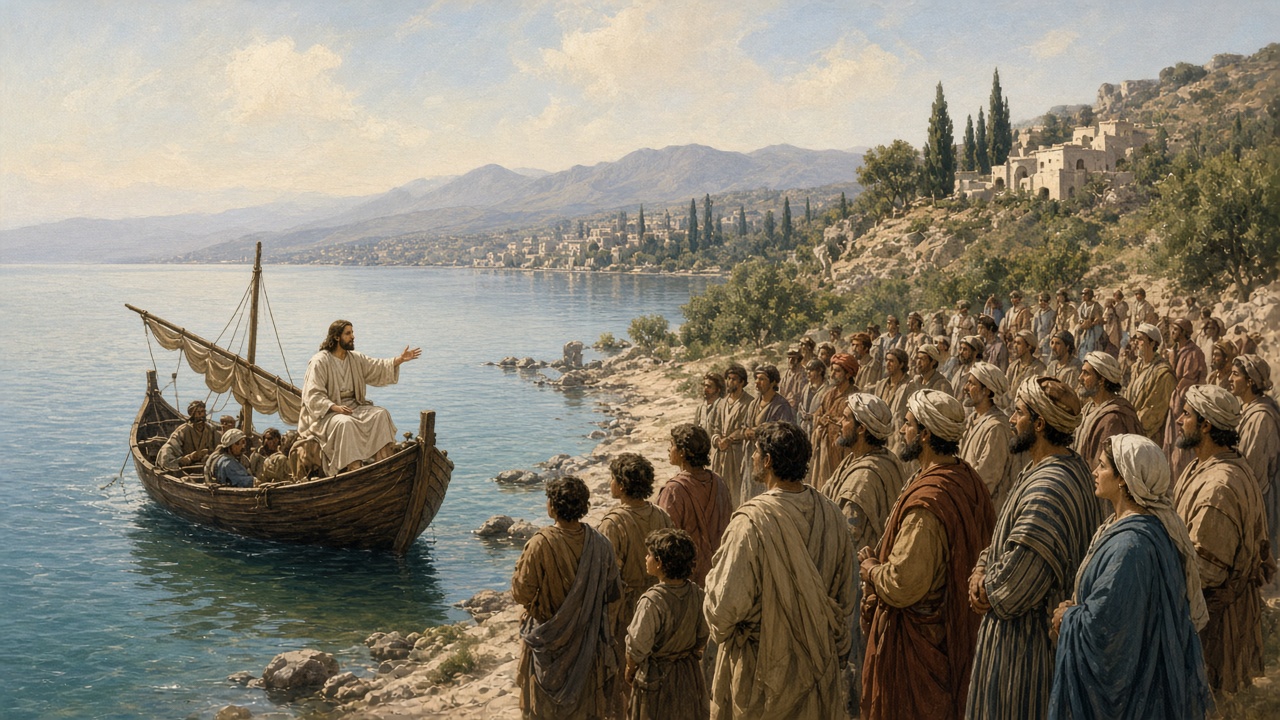
- No dia que este capítulo descreve, Jesus saiu de casa e sentou-se à beira do mar. A multidão ficou tão grande que ele entrou num barco e ensinou dali, enquanto o povo permanecia em pé na praia, e não lhes falou nada senão em parábolas. Uma cronologia data essas parábolas à beira-mar em 28 d.C.Fontes: o próprio texto bíblico · Seaside Parables and Miracle
- Quando os discípulos perguntaram por que ele falava ao povo em parábolas, Jesus respondeu que o conhecimento dos mistérios do reino dos céus lhes tinha sido dado, mas não às multidões. Disse que a profecia de Isaías se cumpria nas multidões: continuariam ouvindo e vendo, mas jamais entenderiam ou perceberiam, porque o coração delas se havia endurecido. O Easton’s Bible Dictionary (1897) descreve Isaías como filho de Amoz, que profetizou durante os reinados de Uzias, Jotão, Acaz e Ezequias.Fontes: o próprio texto bíblico · Isaiah
- Mais tarde, Jesus chegou à sua cidade natal, ensinou na sinagoga, e o povo se ofendeu com ele. Perguntaram se ele era o filho do carpinteiro, nomearam sua mãe Maria e seus irmãos Tiago, José, Simão e Judas, e observaram que suas irmãs viviam entre eles; por causa da incredulidade deles, ele não fez muitos milagres ali. Maria é identificada como esposa de José e mãe de Jesus, Simão como um dos irmãos do Senhor, e uma cronologia data essa segunda rejeição em Nazaré no ano 29 d.C.Fontes: o próprio texto bíblico · Mary (Mother of Jesus) · Simon · 2nd Rejection at Nazareth
Notas escritas com auxílio de IA a partir de fontes abertas (Theographic Bible Metadata, CC BY-SA 4.0; Easton’s Bible Dictionary, domínio público) e revisadas antes de publicar.
Lugares deste capítulo
- Nazareth · 32.702, 35.298 · versículo 54
Só aparecem lugares com identificação de alta confiança (90% ou mais segundo as fontes acadêmicas reunidas pelo OpenBible). Mapa da época: DARE (Digital Atlas of the Roman Empire), CC BY 4.0; mapa atual: © colaboradores do OpenStreetMap; lugares: OpenBible.info (CC BY 4.0).
Créditos e licença desta tradução
Nǫ̀htsı̨̨ Nı̨̨htł'è
Dogrib: Dogrib Genesis & New Testament New Testament & Portions of Old Testament
copyright © 2009 Canadian Bible Society
Language: Dogrib
Translation by: Canadian Bible Society
Tłı̨chǫ Genesis and New Testament
About Tłı̨chǫ
Tłı̨chǫ (Dogrib) is a Na-Dene (Athabaskan) language. It is spoken by the First Nations Tłı̨chǫ people in the Northwest Territories in Canada. It has the largest number of speakers of any of the Aboriginal language communities in the NWT, and is one of the official languages of the Northwest Territories.
About This Translation
This translation includes the book of Genesis and the New Testament in Tłı̨chǫ. The first edition of the Tłı̨chǫ New Testament was published in 2003. It was a historic event, as it was the first time in more than a hundred years that a complete New Testament was published for one of the Dene First Nations in the Territories. The first edition was well received and quickly sold out. In the meantime the book of Genesis had been completed. Consequently, the 2008 reprint of the Tłı̨chǫ New Testament included Genesis.
Though this translation of the New Testament and Genesis took a total of ten years, the people who worked on it built on years of labor invested by the Tłı̨chǫ people, elders, priests and missionaries, translators, educators, and linguists. The material contained in this book was checked and approved by consultants from Wycliffe Bible Translators and the Canadian Bible Society.
If you are interested in obtaining a printed copy of this Bible, please contact the Canadian Bible Society at http://www.biblescanada.com .
Copyright Information
Dogrib Genesis and New Testament © 2003, 2008 Canadian Bible Society
The text of the Bible in Tłı̨chǫ that appears in this electronic format or website is for personal use only.
Up to five hundred (500) verses of the Bible text in any form (written, visual, electronic or audio) may be quoted without permission. The quoted verses may not be more than 50% of a complete book of the Bible, or more than 25% of the total text of the work in which they are quoted. Prior written permission must be obtained for any other use of the text. Copyright acknowledgement must in all cases appear on the title or copyright page.
For more information on copyright conditions or to apply, visit http://www.biblesociety.ca/copyright .
This translation is made available to you under the terms of the
Creative Commons Attribution-Noncommercial-No Derivatives license 4.0.
You may share and redistribute this Bible translation or extracts from it in any format, provided that:
You include the above copyright and source information.
You do not sell this work for a profit.
You do not change any of the words or punctuation of the Scriptures.
Pictures included with Scriptures and other documents on this site are licensed just for use with those Scriptures and documents.
For other uses, please contact the respective copyright owners.
2014-04-22
Fonte: http://ebible.org/dgrDOGNT/ · eBible.org