Lucas 7
Nǫ̀htsı̨̨ Nı̨̨htł'è · Toque num versículo para ver as referências cruzadas.
Eghǫǫ-dǫǫ̀-gha-k'àowo sıì wegha ehkw'ı-ahodı
1Zezì dǫ hazǫǫ̀ ts'ǫ̀ goı̨de tł'axǫǫ̀ kǫ̀ta Capernaum ts'ǫ̀ èhtła. 2Eyı kǫ̀ta eghǫǫ-dǫǫ̀-gha-k'àowo edecheekeè ı̨łè ghǫneètǫǫ sìı hòtł'ò eyaelı̨ t'à ełaàdaawı ı̨lè. 3Eyıt'à eghǫǫ-dǫǫ̀-gha-k'àowo Zezì ghǫ ıìkw'o ekò Israel got'ı̨į̀ gıɂǫhdaà mǫ̀hdaa Zezì ts'ǫ̀ goèhɂà. Wecheekeè k'aàt'ıì ayele ha Zezì danatıı̨ɂǫ. 4Israel got'ı̨į̀ gıɂǫhdaà Zezì ghǫ nègı̨ı̨de ekò gıghǫnàdaetì, hagedı, “Dıı k'àowo goghǫneètǫ xè ełèts'ehdèe-kǫ̀ gogha gòhtsı̨ t'à, wets'ǫ̀ nezı̨į̀ eghàlaı̨da ha nets'ı̨ı̨hwhǫ,” gıìhdı. 6Eyıt'à Zezì gok'èè naèhtła. Wekǫ̀ ts'ǫ̀ nıwà-le nììtła ekò eghǫǫ-dǫǫ̀-gha-k'àowo edeàgı̨ą Zezì ts'ǫ̀ goèhɂà, hadı, “Sets'ǫ̀ K'àowo, dǫ lahoeht'ı̨ nıìle t'à sekǫ̀ nàwhı̨ı̨tła-le kò. 7Nets'ǫ̀ èhtła ha kò dǫ lahoeht'ı̨ı̨ aht'e dehwhǫ nıìle. Hanìkò neyatıì t'à xàyanehtı nı̨dè secheekeè k'aàt'ıì ade ha. 8Sı̨ kò segha k'àowo gǫ̀hłı̨ eyıts'ǫ eghǫǫ-dǫǫ̀ gıgha k'àowo ehłı̨. Įłè ‘Yeè nàątła,’ wèehsı̨ nı̨dè ekǫ nàtła, eyıts'ǫ k'achı̨ ı̨łè ‘Jǫ nàątła,’ wèehsı̨ nı̨dè jǫ nàtła. Secheekeè, ‘Dıı hanele,’ wèehsı̨ nı̨dè hayehɂı̨,” k'àowo hanì yedanatı̨ı̨ɂǫ.
9Zezì dǫ hanì yedanatı̨ı̨ɂǫ ghǫ ıìkw'o ekò eyı dǫ ghǫ wegha enıìyah dìì. Dǫ łǫ yek'èè k'edèe sìı ts'ǫ̀ hadı, “Ehkw'ı anaxèehsı̨, Israel nèk'e dǫ wınì hanànıhtso ghǫ eèhkw'o whìle,” gòhdı. 10Dǫ Zezì ts'ǫ̀ goèhɂà ı̨lèe sìı k'àowo wekǫ̀ ts'ǫ̀ nageèhde ekò wecheekeè k'aàt'ıì ajà ı̨lè nǫǫ̀.
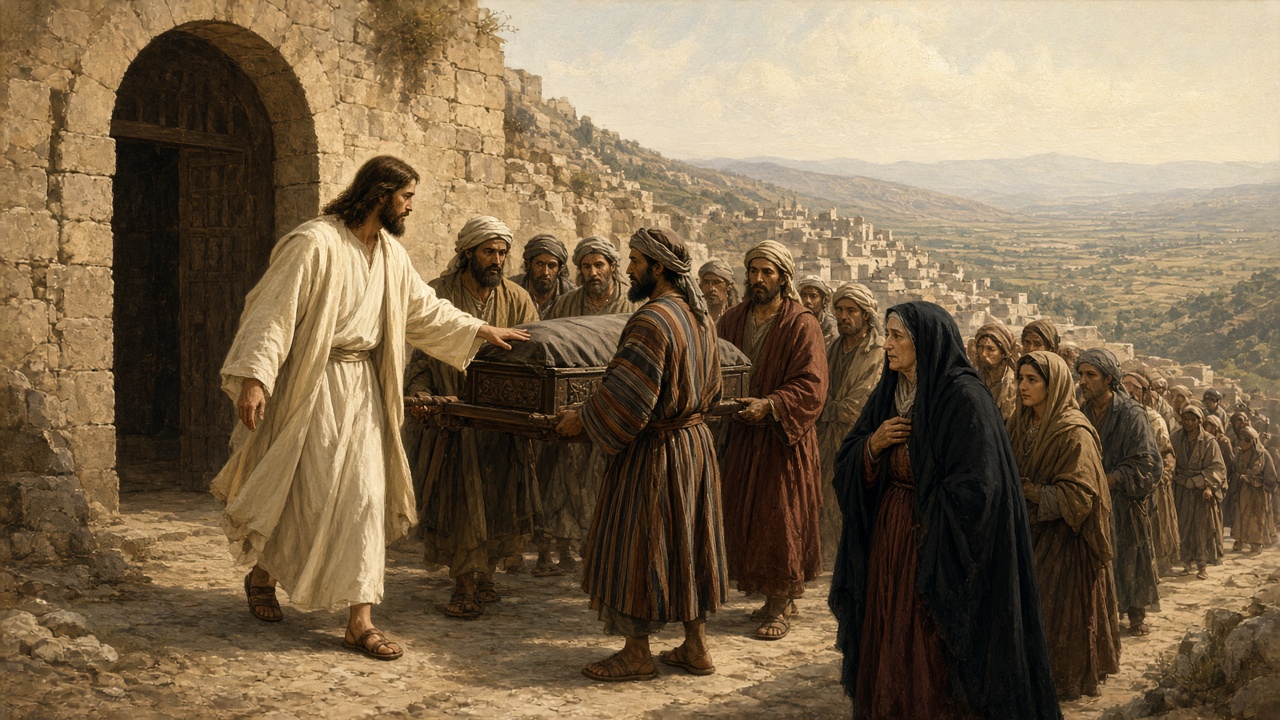
Zezì cheko naìdà ayį̀į̀là
11Eyıgots'ǫ whaà-le, Zezì kǫ̀ta Nayın gòyeh ts'ǫ̀ èhtła, wecheekeè eyıts'ǫ dǫ łǫ gık'èè k'edè. 12Kǫ̀ta ts'ǫ̀ nıwà-le nììtła ekò dǫkw'ǫǫ̀ xàgıatı̨ nǫǫ̀. Dǫ ełaı̨woo sìı wemǫ weza ı̨łàet'ee zǫ hǫt'e, eyıts'ǫ wemǫ wegà dǫzhìı whìle ı̨lè. Kǫ̀ta ts'ǫ dǫ łǫ goxè aget'ı̨. 13Gots'ǫ̀ K'àowo ts'èko eɂı̨ ekò weghǫ wedzeè dìì, hayèhdı, “Netse-le,” yèhdı.
14Dechı̨tǫ ts'ǫ̀ èhtła, edılà yek'e ayį̀į̀là t'à, dǫ dechı̨tǫ nagıatı̨ı̨ sìı nègı̨ı̨de. Zezì hadı, “Cheko nıį̀tła nèehsı̨,” yèhdı. 15Dǫ ełaı̨woo sìı hǫtsaa wheda xè godeè ajà. Zezì ts'èko weza yeghǫyı̨į̀htı̨.
16Dǫ hazǫǫ̀ gıgha enıìyah nechàa t'à Nǫ̀htsı̨ ghàsǫgeedı, hagedı, “Nakwenàoɂǫǫ-deè gota nììtła. Nǫ̀htsı̨ edets'ǫ dǫ ts'àdı ha goghǫ nììtła,” gedı. 17Judea nèk'e gots'ǫ eyıts'ǫ hazǫǫ̀ gımǫǫ̀ dǫ nàdèe sìı, Zezì wegodıì ghǫ gıìkw'o.
Zezì eyıts'ǫ John-Baptıst
18John-Baptıst wecheekeè eyı hazǫǫ̀ hagòjàa sìı John-Baptıst ts'ǫ̀ hagedı. 19Eyıt'à edecheekeè nàke Zezì ts'ǫ̀ goèhɂà. “Dıı hanì daweahke: ‘Dǫ ı̨łè jǫ nììtła ha ı̨lèe sìı asį̀į̀ eyı anet'e? Eyı anet'e-le nı̨dè asį̀į̀ dǫ eyıì-le danats'eèhɂı̨ ha?’ wèahdı,” gòhdı.
20Eyı dǫ nàke Zezì ghǫ nègı̨ı̨de ekò hagıìhdı, “John-Baptıst nets'ǫ̀ goèhɂà. Dıı danets'eehke ha gòhdı, ‘Dǫ ı̨łè jǫ nììtła ha ı̨lèe sìı asį̀į̀ eyı anet'e? Eyı anet'e-le nı̨dè asį̀į̀ dǫ eyıì-le danats'eèhɂı̨ ha?’ ” gıìhdı.
21Nègı̨ı̨de ekìıyeè k'e Zezì dǫ łǫ tàda gıts'ǫǫ eyıts'ǫ ı̨nìłı̨ı̨ gıts'ǫ̀-èlı̨ı̨ sìı k'aàt'ıì agǫ̀ǫ̀là, eyıts'ǫ gıdaà goìlee sìı gıdaà gǫ̀hłı̨į̀ agǫ̀ǫ̀là. 22Eyıt'à Zezì, eyı dǫ nàke ts'ǫ̀ hadı, “John-Baptıst ts'ǫ̀ anaahde. Ayìı aahɂı̨ı̨ eyıts'ǫ ayìı aàhkw'oo sìı hazǫǫ̀ wets'ǫ̀ haahdı: Dǫ gıdaà goìlee sìı k'egeet'į̀, k'egedè-le sìı k'egedè, gokwǫ̀ tàda t'à eyagı̨ı̨lı̨ı̨ sìı k'aàt'ıì agejà, gıdzıì goìlee sìı egeèhkw'ǫǫ̀ agejà, ełaàgı̨ı̨dèe sìı nagìdà eyıts'ǫ dǫ etegeèt'ı̨ı̨ sìı godı nezı̨ı̨ egıìkw'o. 23Amìı wek'èch'a aht'ı̨-le sìı wexè sìghà hǫt'e,” Zezì gòhdı.
24John-Baptıst wecheekeè nageèhde ekò Zezì John-Baptıst ghǫ dǫ hazǫǫ̀ ts'ǫ̀ hadı, “Ekìı-ka nèk'e ayìı ghàahda ha ekǫ k'eahdè? Tł'oh k'eweehts'ı ghàahda ha nì aaht'ı̨? 25Hanì-le-ı̨dè ayìı ghàahda ha ekǫ k'eahdè? Dǫ nezı̨į̀ nàhtł'ı̨ ghàahda ha nì aaht'ı̨? Į̀le, dǫ goht'ǫ dètìı t'à-aget'ı̨ı̨ sìı k'àowocho wekǫ̀ hoı̨zı̨ı̨ goyìı nàgedè hǫt'e. 26Ekǫ ayìı ghàahda ha aaht'ı̨ ı̨lè? Nakwenàoɂǫǫ? Hęɂę, nakwenàoɂǫǫ nahk'e elı̨ı̨ sìı weahɂı̨ hǫt'e. 27Eyı dǫ weghǫ dıı hanì dek'eèhtł'è,
‘Nenakweè dǫ ı̨łè seyatıì k'eɂa ha. Nenakweè negha ts'atà nìhòɂà ha,’ dek'eèhtł'è.
28Ehkw'ı anaxèehsı̨, dǫ hazǫǫ̀ gıgǫ̀hłı̨ı̨ sìı John-Baptıst wenahk'e gǫ̀hłı̨-le. Hanìkò Nǫ̀htsı̨ Wenàowoò k'ę̀ę̀ hòɂǫǫ geèhkw'ee sìı gıta dǫ dek'aɂį̀ elı̨ı̨ sìı John-Baptıst nahk'e elı̨ hǫt'e,” Zezì gòhdı.
29(Dǫ hazǫǫ̀, sǫǫ̀mba-nàgehtsį̀ı̨-dǫǫ̀ ededı̨ kò, Zezì John-Baptıst ghǫ dàdıı sìı gıìkw'o. John-Baptıst gok'ètaìdzǫ ı̨lè ne t'à, “Nǫ̀htsı̨ wenàowoò ehkw'ı hǫt'e,” gedı. 30Hanìkò Pharısee gı̨ı̨lı̨ı̨ eyıts'ǫ Nǫ̀htsı̨-yatıì-k'ègedìı-dǫǫ̀ gı̨ı̨lı̨ı̨ sìı Nǫ̀htsı̨ Wenàowoò k'ę̀ę̀ geeda ha sìı gıgha wedę, John-Baptıst gok'ètaìdzǫ nıìle t'à.)
31Zezì hagòhdı, “Dıı dǫ xàgeèɂaa sìı ayìı xègı̨ı̨ht'e ts'edı lì? Ayìı dǫǫ̀ lagı̨ı̨t'e? 32Chekoa tı̨lıbàa geèhkw'ee lagı̨ı̨t'e. Ełets'ǫ̀ hagedıì yagìzeh,
‘Naxıgha shı̨ ts'eehdı, hanìkò dagoahwho nıìle. Naxıgha ts'ǫǫ̀ts'ı̨ı̨wǫ-zhı̨į̀ t'à ts'ejı̨, hanìkò aahtse nıìle,’ gedı.
33John-Baptıst nììtła ekò edegǫ t'à łèt'è ghǫ shètı̨-le xè jìetì edǫ-le, hanìkò dıı haahdı, ‘Įnìłı̨ı̨ wets'ǫ̀-èlı̨,’ wèahdı. 34Dǫ-wet'àaɂàa-deè nììtła ekò shètı̨ xè yedǫ, eyıt'à dıı haahdı, ‘Bò gha edì-le xè yedǫ ghaewı. Sǫǫ̀mba-nàhtsį̀ı̨-dǫǫ̀ eyıts'ǫ hołı̨ı̨-hogehtsı̨ı̨-dǫǫ̀ edeàgı̨ą gòt'ı̨,’ wèahdı. 35Wet'à gots'ı̨ı̨zǫǫ sìı wek'ę̀ę̀ ts'eeda nı̨dè hoɂıì gok'e wègaat'ı̨ hǫt'e,” gòhdı.
Ts'èko Zezì k'e yìk'eetł'òo ayį̀į̀là
36Dǫ ı̨łè Pharısee elı̨ı̨ sìı Zezì yexè shètı̨ ha yekayaı̨htı. Eyıt'à Zezì yekǫ̀ nàhtła gà yexè shètı̨ ha ladà gà dètsǫhtı̨. 37Eyı kǫ̀ta gots'ǫ ts'èko ı̨łè wesıìdlaa sìı Zezì ekǫ shètı̨ ha yeghǫ ıìkw'o ekò, kwetǫą yìı yìk'eetł'òo dètìı k'ehtı̨ xè goyaèhtła. 38Zezì ts'ǫ̀ èhtła, yekèlǫ nàwo gà etse. Edenatì t'à yekè k'enaı̨htso gà edekwìghà t'à yedeedı. Yekè ets'į̀ eyıts'ǫ yìk'eetł'òo yek'e ayį̀į̀là.
39Pharısee yexàehɂàa sìı ts'èko hajà yaɂı̨ ekò edets'ǫ̀ hadı, “Eyı dǫ nakwenàoɂǫǫ elı̨ nı̨dè ts'èko dàhòt'ı̨ı̨ dayeechıı sìı wesıìdlaa hanıı hǫt'e yek'èezǫ ha ı̨lè,” edets'ǫ̀ hadı.
40Zezì Pharısee ts'ǫ̀ hadı, “Sımon, t'asìı nets'ǫ̀ haehsı̨ ha.”
Eyıt'à Sımon yets'ǫ̀ hadı, “Hęɂę, K'àowo, hasį̀ı̨dı,” yèhdı.
41Zezì yets'ǫ̀ hadı, “Dǫ nàke, dǫ goghaetł'èe ts'ǫ̀ gını̨htł'è łǫ ajà. Dǫ ı̨łè nàke xo eghàlats'eedaa haàtłǫ wenı̨htł'è ajà, ekò dǫ ı̨łè t'aa nàke sa eghàlats'eedaa haàtłǫ wenı̨htł'è ajà. 42Edenı̨htł'è nageele ha dìì t'à dǫ goghaetł'èe sìı į̀łak'aà gını̨htł'è wedę ayį̀į̀là. Eyı dǫ nàke sìı amìı denahk'e yeghǫneètǫ ha sǫnı?” Zezì yèhdı.
43Sımon hadı, “Dǫ denahk'e wenı̨htł'è łǫ sìı denahk'e yeghǫneètǫ ha sǫnaà,” yèhdı.
Zezì hayèhdı, “Ehkw'ı aı̨dı!”
44Hadı tł'axǫǫ̀ Zezì ts'èko ts'ǫ̀ naɂa gà Sımon ts'ǫ̀ hadı, “Nekǫ̀ goyaèhtła ekò sekè k'enaehtse ha tı saneedì-le t'à, dǫ seneehwhǫ-le ı̨lè. Hanìkò dıı ts'èko sìı edenatì t'à sekè k'enaı̨htso gà edekwìghà t'à sekè dèyı̨ı̨tso. 45Sek'èts'eneedlı̨-le hanìkò dıı ts'èko sìı goyaèhtła gots'ǫ sekè ets'į̀. 46Kwìtłe sekwì k'e anelà-le hanìkò ededı̨ sìı yìk'eetł'òo sekè k'e nałayeèhtł'ı. 47Eyıt'à, dıı hanèehsı̨ ha, dıı ts'èko wehołı̨į̀ łǫ weghǫ nahoazha, eyıt'à sıì seghǫneètǫ hǫt'e. Hanìkò amìı wehołı̨į̀ łǫ-lea weghǫ nahoezhee sìı hòtł'ò seghǫneètǫ nıìle,” yèhdı.
48Eyıt'à Zezì ts'èko ts'ǫ̀ hadı, “Nehołı̨į̀ neghǫ nahoazha,” yèhdı.
49Dǫ goxè shègezhee sìı ełets'ǫ̀ hagedı, “Dıı amìı ne, dǫ-hołı̨į̀ kò, goghǫ nahoele?” ełègeedı.
50Zezì ts'èko ts'ǫ̀ hadı, “Negha ehkw'ı-ahodı t'à edaxàneètı̨. Naı̨tłe, nexè sìghà welè,” yèhdı.
Você sabia?
Fé, compaixão e a pergunta de um profeta
- O Easton's Bible Dictionary (1897) descreve Cafarnaum como uma cidade da Galileia que não é mencionada no Antigo Testamento e que se tornou a cidade que Jesus tratava como sua depois de ser expulso de Nazaré, cenário de muitos episódios da sua vida. Neste capítulo, ele chega ali e encontra o servo muito estimado de um centurião à beira da morte; anciãos judeus rogam, dizendo que o oficial ama a nação deles e construiu a sinagoga deles.Fontes: Capernaum · o próprio texto bíblico
- O Easton's Bible Dictionary (1897) liga o nome Naim a uma palavra hebraica que significa pastos verdes ou amável, e identifica a cidade com a aldeia de Nein, na encosta noroeste do Jebel ed-Duhy, também chamado monte Moré ou Pequeno Hermom, a cerca de quatro milhas de Tabor e vinte e cinco milhas a sudoeste de Cafarnaum, acima da planície de Esdrelão. À porta da cidade, Jesus encontrou o funeral do filho único de uma viúva, e o espanto se espalhou pela multidão.Fontes: Nain · o próprio texto bíblico
- João Batista é apresentado como o precursor do Senhor e como homem de linhagem sacerdotal: seu pai, Zacarias, era sacerdote da turma de Abias, e sua mãe, Isabel, era uma das filhas de Arão. A missão dele é descrita como objeto de profecia, e neste capítulo Jesus diz às multidões que João é mais do que um profeta, o mensageiro enviado adiante para preparar o caminho, enquanto os discípulos de João perguntam se Jesus é aquele que havia de vir.Fontes: John the Baptist · o próprio texto bíblico
Notas escritas com auxílio de IA a partir de fontes abertas (Theographic Bible Metadata, CC BY-SA 4.0; Easton’s Bible Dictionary, domínio público) e revisadas antes de publicar.
Lugares deste capítulo
- Nain · Hoje: Nein · 32.631, 35.350 · versículo 11
- Judea · Hoje: Judea 1 · 31.777, 35.234 · versículo 17
Só aparecem lugares com identificação de alta confiança (90% ou mais segundo as fontes acadêmicas reunidas pelo OpenBible). Mapa da época: DARE (Digital Atlas of the Roman Empire), CC BY 4.0; mapa atual: © colaboradores do OpenStreetMap; lugares: OpenBible.info (CC BY 4.0).
Créditos e licença desta tradução
Nǫ̀htsı̨̨ Nı̨̨htł'è
Dogrib: Dogrib Genesis & New Testament New Testament & Portions of Old Testament
copyright © 2009 Canadian Bible Society
Language: Dogrib
Translation by: Canadian Bible Society
Tłı̨chǫ Genesis and New Testament
About Tłı̨chǫ
Tłı̨chǫ (Dogrib) is a Na-Dene (Athabaskan) language. It is spoken by the First Nations Tłı̨chǫ people in the Northwest Territories in Canada. It has the largest number of speakers of any of the Aboriginal language communities in the NWT, and is one of the official languages of the Northwest Territories.
About This Translation
This translation includes the book of Genesis and the New Testament in Tłı̨chǫ. The first edition of the Tłı̨chǫ New Testament was published in 2003. It was a historic event, as it was the first time in more than a hundred years that a complete New Testament was published for one of the Dene First Nations in the Territories. The first edition was well received and quickly sold out. In the meantime the book of Genesis had been completed. Consequently, the 2008 reprint of the Tłı̨chǫ New Testament included Genesis.
Though this translation of the New Testament and Genesis took a total of ten years, the people who worked on it built on years of labor invested by the Tłı̨chǫ people, elders, priests and missionaries, translators, educators, and linguists. The material contained in this book was checked and approved by consultants from Wycliffe Bible Translators and the Canadian Bible Society.
If you are interested in obtaining a printed copy of this Bible, please contact the Canadian Bible Society at http://www.biblescanada.com .
Copyright Information
Dogrib Genesis and New Testament © 2003, 2008 Canadian Bible Society
The text of the Bible in Tłı̨chǫ that appears in this electronic format or website is for personal use only.
Up to five hundred (500) verses of the Bible text in any form (written, visual, electronic or audio) may be quoted without permission. The quoted verses may not be more than 50% of a complete book of the Bible, or more than 25% of the total text of the work in which they are quoted. Prior written permission must be obtained for any other use of the text. Copyright acknowledgement must in all cases appear on the title or copyright page.
For more information on copyright conditions or to apply, visit http://www.biblesociety.ca/copyright .
This translation is made available to you under the terms of the
Creative Commons Attribution-Noncommercial-No Derivatives license 4.0.
You may share and redistribute this Bible translation or extracts from it in any format, provided that:
You include the above copyright and source information.
You do not sell this work for a profit.
You do not change any of the words or punctuation of the Scriptures.
Pictures included with Scriptures and other documents on this site are licensed just for use with those Scriptures and documents.
For other uses, please contact the respective copyright owners.
2014-04-22
Fonte: http://ebible.org/dgrDOGNT/ · eBible.org