Lucas 3
Nǫ̀htsı̨̨ Nı̨̨htł'è · Toque num versículo para ver as referências cruzadas.
John-Baptıst dǫ ts'ǫ̀ gode
1Tıberıas hoònǫ-daats'ǫ̀-dı̨ xo k'àowodeè elı̨ ekò, eyıts'ǫ Pontıus-Pılate Judea nèk'e gha k'àowo elı̨ ekò, eyıts'ǫ Herod Galılee nèk'e gha k'àowo elı̨ ekò, eyıts'ǫ Herod wechı Phılıp Iturıya nèk'e eyıts'ǫ Trakonıtıs nèk'e gha k'àowo elı̨ ekò, 2eyıts'ǫ Lysanıyas Abılene nèk'e gha k'àowo elı̨ ekò, eyıts'ǫ Annas eyıts'ǫ Caıphas yahtıı-wet'àaɂàa-deè gı̨ı̨lı̨ı̨ ekò, John-Baptıst, Zecharıah weza, whatsǫǫ̀ ekìı-ka nèk'e nàı̨dè. Ekǫ Nǫ̀htsı̨ yets'ǫ̀ goı̨de. 3Jordan deh nıɂà ts'ǫ̀ ajà. Ekǫ nèk'e dǫ hazǫǫ̀ ts'ǫ̀ hadı, “Edek'eahłı̨, naxınì ładı̨į̀ aahłe gà naxık'ètaìdzı̨į̀ aahde, hanì-ı̨dè Nǫ̀htsı̨ naxıhołı̨į̀ naxıghǫ nahoele ha,” gòhdı. 4Nakwenàoɂǫǫ Isaıah wenı̨htł'è k'e dıı hanì dek'eèhtł'èe sìı k'ę̀ę̀ agòjà:
“Ekìı-ka nèk'e dıı hats'edıì yats'ìzeh hǫt'e, ‘Gots'ǫ̀ K'àowo wegha sıìgoahłe; wegha tı̨lı ehkw'ı nıɂà aahłe. 5Shìh weyìı gǫǫ̀ɂàa sìı hazǫǫ̀ sıìgoahłe. Tı̨lı whezòo sìı ehkw'ı nıɂà aahłe, eyıts'ǫ tı̨lı weyìı gǫǫ̀ɂàa sìı hazǫǫ̀ dagoòɂǫǫ̀ aahłe. 6Hanì-ı̨dè dǫ hazǫǫ̀ Nǫ̀htsı̨ wets'ǫ Edaxàgolee elı̨ı̨ sìı gık'èezǫ ha,’ ” hanì dek'eèhtł'è.
7Dǫ łǫ gık'ètaìdzı̨ ha, John-Baptıst ts'ǫ̀ geède t'à, gots'ǫ̀ hadı, “Naxı̨, wehłı̨ı̨ weza laaht'e! Dànıt'à Nǫ̀htsı̨ naxeehkwa ch'à kwı̨ahdè ha dahwhǫ nǫǫ̀? 8Edek'eahłı̨ nı̨dè wek'ę̀ę̀ eghàlaahda. ‘Abraham gotà hǫt'e,’ dahdı-le. Nǫ̀htsı̨ sìı jǫ kwe whelaa t'à Abraham gha chekoa ehtsı̨ wegha dìì nıìle. 9Ts'ı nàekwį̀ ha gokwı̨ hòt'a ts'atà wheɂǫ hǫt'e. Ts'ı hazǫǫ̀ wek'e jìecho nezı̨-le dehshee sìı nàgeehkà gà kwıìgeehdè ha. Eyıt'à hotıì ts'ı nezı̨ı̨ laaht'e,” gòhdı.
10Eyıt'à dǫ John-Baptıst dageehke, “Hanì-ı̨dè ayìı dàts'ı̨ı̨là lì?” gıìhdı.
11John-Baptıst gots'ǫ̀ hadı, “Amìı ɂeh nàke wets'ǫ sìı dǫ ɂeh wets'ǫ-le sìı ɂeh yeghàwehchı. Eyıts'ǫ amìı weghǫ shèts'ezhee wets'ǫ sìı dǫ t'asìı wets'ǫ-le sìı ghàyııdı,” gòhdı.
12Sǫǫ̀mba nàgehtsį̀ı̨ gı̨ı̨lı̨ı̨ ededı̨ sı gık'ètaìdzı̨ ha eyı nègı̨ı̨de. John-Baptıst ts'ǫ̀ hagedı, “K'àowo, goxı̨ ayìı dàts'ele ha?” gıìhdı.
13John-Baptıst gots'ǫ̀ hadı, “Sǫǫ̀mba t'aàtłǫ nàahtsį̀ naxègedıı sìı wexètłǫ zǫ nàahtsį̀. Eyı weɂǫ̀atłǫ nàahtsį̀-le,” gòhdı. 14Eghǫǫ-dǫǫ̀, ededı̨ sı, John-Baptıst dageehke: “Ekò goxı̨ ayìı dàts'ele ha?” gıìhdı.
Hagòhdı, “Sǫǫ̀mba gha dǫ k'alaahdè-le, eyıts'ǫ hoahts'ì t'à dǫ k'e nìdahoahɂà-le. Sǫǫ̀mba naxıts'àɂeedìı sìı eyı weghǫ hòt'a masì dahwhǫ,” gòhdı.
15Ekìıyeè k'e dǫ łǫ hotıì Chrıst nììtła ha danageèhɂı̨ ı̨lè. Eyıt'à asį̀į̀ John-Baptıst eyı at'ı̨ sǫnı gı̨ı̨wǫ. 16John-Baptıst gots'ǫ̀ hadı, “Sı̨ sìı tı t'à naxık'ètaìhdzı̨ hǫt'e, hanìkò dǫ ı̨łè senahk'e elı̨ı̨ sìı sek'èè nììtła ha. Wekechı̨į̀tł'ıì ejıehge ha kò dǫ lahoeht'ı̨ nıìle. Ededı̨ sìı Yedàyeh Nezı̨ı̨ eyıts'ǫ kǫ̀ nàtsoo t'à naxık'ètaìdzı̨ ha hǫt'e. 17Jìe eyıts'ǫ t'asìı weta goet'ǫǫ sìı į̀łak'aà ayele gha sınìwheda hǫt'e. Jìe sìı xehkǫ̀ goyayeewa ha, hanìkò t'asìı weta goet'ǫǫ sìı welǫ whìle ts'ǫ̀ yek'eehk'ǫ̀ ha,” gòhdı. 18John-Baptıst yatı łǫ t'à nezı̨į̀ aahda gòhdı eyıts'ǫ godı nezı̨ı̨ t'à dǫ ts'ǫ̀ goı̨de.
19Hanìkò John-Baptıst, k'àowocho Herod edechı ts'èkeè Herodıas xè honìdza eyıts'ǫ hołı̨ı̨ łǫ eghàlaı̨dà t'à hołı̨ı̨ k'ę̀ę̀ eda yèhdıì nàyeeɂǫ. 20John-Baptıst hayèhdı ts'ıhɂǫ̀ dǫ-danìı̨laa-kǫ̀ goyayeèhxà. Eyıt'à deɂǫ̀ǫ̀ ekǫ-le hòèhtsı̨.
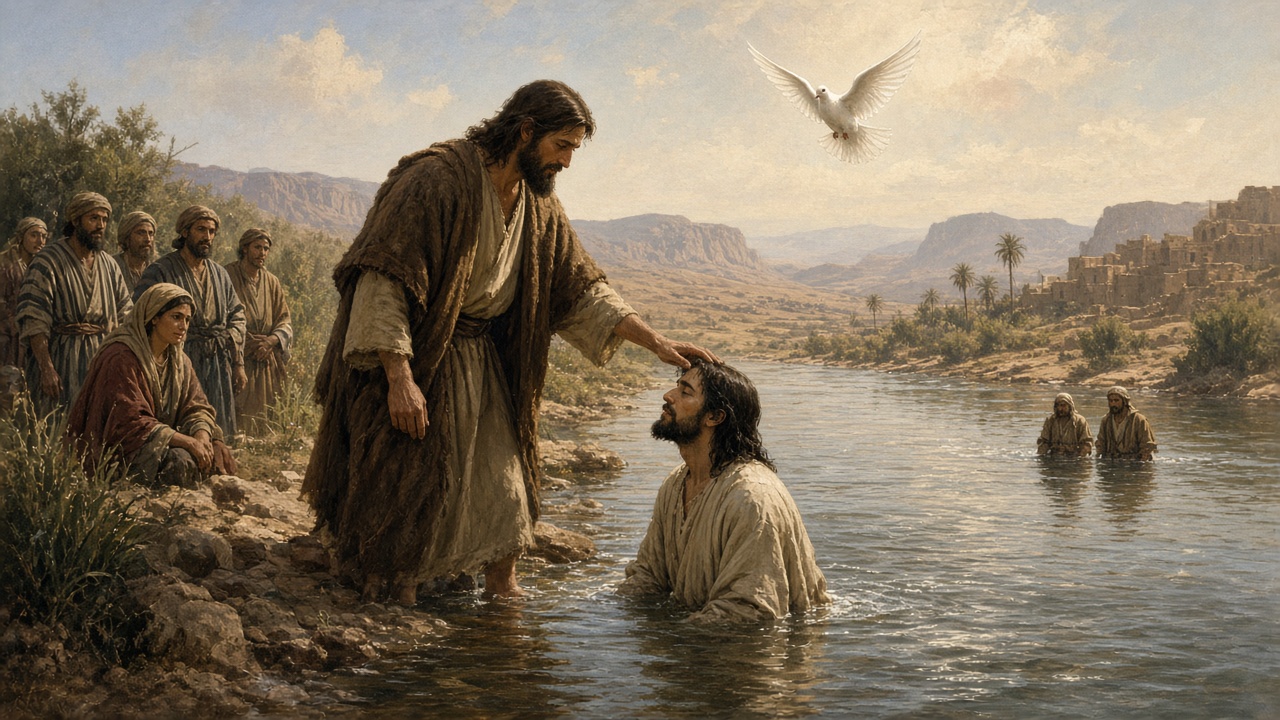
Zezì wek'ètaìdzǫ
21Dǫ hazǫǫ̀ gık'ètaìdzı̨ ekò Zezì ededı̨ sı wek'ètaìdzǫ. Ekìıyeè k'e Zezì yahtı ekò yak'e ehts'ǫǫ̀ ajà. 22Yedàyeh Nezı̨ı̨ Zezì k'e ajà, k'àba degoo lanì wègaat'ı̨. Yak'e gots'ǫ dıı hats'edıì hǫt'e, “Nı̨ Seza anet'e, neghǫneehtǫ eyıts'ǫ neghǫ sìghà dehwhǫ,” hats'edıì hǫt'e.
Zezì wekwe ts'ǫ wecho
23Zezì taènǫ weghoò ekò edılaà kèhoį̀hwho. Zezì, Joseph weza hǫt'e gı̨ı̨hwhǫ.
Joseph, Helı weza hǫt'e. Helı, 24Mathat weza hǫt'e. Mathat, Levı weza hǫt'e. Levı, Melkı weza hǫt'e. Melkı, Janaı weza hǫt'e. Janaı, Joseph weza hǫt'e. Joseph, 25Matathıas weza hǫt'e. Matathıas, Amos weza hǫt'e. Amos, Nahum weza hǫt'e. Nahum, Eslı weza hǫt'e. Eslı, Nagaı weza hǫt'e. Nagaı, 26Mayat weza hǫt'e. Mayat, Matathıas weza hǫt'e. Matathıas, Semeyın weza hǫt'e. Semeyın, Josek weza hǫt'e. Josek, Joda weza hǫt'e. Joda, 27Joanan weza hǫt'e. Joanan, Rhesa weza hǫt'e. Rhesa, Zerubabel weza hǫt'e. Zerubabel, Sheyaltıel weza hǫt'e. Sheyaltıel, Nerı weza hǫt'e. Nerı, 28Melkı weza hǫt'e. Melkı, Adı weza hǫt'e. Adı, Cosam weza hǫt'e. Cosam, Elmadam weza hǫt'e. Elmadam, Er weza hǫt'e. Er, 29Joshua weza hǫt'e. Joshua, Elıyezer weza hǫt'e. Elıyezer, Jorım weza hǫt'e. Jorım, Mathat weza hǫt'e. Mathat, Levı weza hǫt'e. Levı, 30Sımeyon weza hǫt'e. Sımeyon, Judah weza hǫt'e. Judah, Joseph weza hǫt'e. Joseph, Jonam weza hǫt'e. Jonam, Elıyakım weza hǫt'e. Elıyakım, 31Melıya weza hǫt'e. Melıya, Menna weza hǫt'e. Menna, Matatha weza hǫt'e. Matatha, Nathan weza hǫt'e. Nathan, Davıd weza hǫt'e. Davıd, 32Jesse weza hǫt'e. Jesse, Obed weza hǫt'e, Obed, Boaz weza hǫt'e. Boaz, Salmon weza hǫt'e. Salmon, Nashon weza hǫt'e. Nashon, 33Amınadab weza hǫt'e. Amınadab, Ram weza hǫt'e. Ram, Hezron weza hǫt'e. Hezron, Perez weza hǫt'e. Perez, Judah weza hǫt'e. Judah, 34Jacob weza hǫt'e. Jacob, Isaac weza hǫt'e. Isaac, Abraham weza hǫt'e. Abraham, Terah weza hǫt'e. Terah, Nahor weza hǫt'e. Nahor, 35Serug weza hǫt'e. Serug, Reu weza hǫt'e. Reu, Peleg weza hǫt'e. Peleg, Eber weza hǫt'e. Eber, Shelah weza hǫt'e. Shelah, 36Caınan weza hǫt'e. Caınan, Arfakad weza hǫt'e. Arfakad, Shem weza hǫt'e. Shem, Noah weza hǫt'e. Noah, Lamek weza hǫt'e. Lamek, 37Metuselah weza hǫt'e. Metuselah, Enoch weza hǫt'e. Enoch, Jared weza hǫt'e. Jared, Mahalel weza hǫt'e. Mahalel, Kenan weza hǫt'e. Kenan, 38Enosh weza hǫt'e. Enosh, Set weza hǫt'e. Set, Adǫ̀ weza hǫt'e. Adǫ̀, Nǫ̀htsı̨ weza hǫt'e.
Você sabia?
João Batista prepara o caminho
- Lucas situa a pregação de João no décimo quinto ano de Tibério César, enteado de Augusto, que o sucedeu em 14 d.C. e morreu em 37 d.C. O Dicionário Bíblico de Easton (1897) observa que João iniciou seu ministério público naquele ano e que Pôncio Pilatos, o sexto procurador romano da Judeia, de 26 a 36 d.C., manteve a sede em Cesareia num período que abrangeu os ministérios de João e de Jesus. Herodes Antipas, filho de Herodes, era então tetrarca da Galileia.Fontes: o próprio texto bíblico · Tiberius · Pontius Pilate · Herod Antipas
- O capítulo situa esses acontecimentos durante o sumo sacerdócio de Anás e de Caifás. O Dicionário Bíblico de Easton (1897) registra que Anás foi sumo sacerdote de 7 a 14 d.C. e foi deposto pelo procurador romano, e que Caifás, que havia se casado com a filha de Anás, foi elevado a esse cargo em 25 d.C. O mesmo verbete sugere que os judeus ainda podiam considerar Anás o sumo sacerdote legítimo, pois a lei de Moisés mantinha o cargo por toda a vida, e que ele provavelmente servia com Caifás como presidente do Sinédrio ou como adjunto do sumo sacerdote.Fontes: o próprio texto bíblico · Annas
- João, filho de Zacarias, era de linhagem sacerdotal: o pai era sacerdote da turma de Abias, e a mãe, Isabel, pertencia às filhas de Arão. O Dicionário Bíblico de Easton (1897) observa que a missão de João era objeto de profecia, inclusive a voz que clama no deserto em Isaías, e que seu nascimento ocorreu seis meses antes do de Jesus. Neste capítulo, ele prega um batismo de arrependimento em toda a região ao redor do Jordão, e o tetrarca Herodes depois o prende, após João o repreender por causa de Herodias.Fontes: o próprio texto bíblico · John the Baptist
Notas escritas com auxílio de IA a partir de fontes abertas (Theographic Bible Metadata, CC BY-SA 4.0; Easton’s Bible Dictionary, domínio público) e revisadas antes de publicar.
Lugares deste capítulo
- Abilene · 33.627, 36.106 · versículo 1
- Galilee · 32.760, 35.527 · versículos 1, 19
- Ituraea · 33.400, 35.850 · versículo 1
- Judea · Hoje: Judea 1 · 31.777, 35.234 · versículo 1
- Trachonitis · Hoje: Lajat · 32.969, 36.455 · versículo 1
- Jordan · Hoje: Jordan River · 31.761, 35.558 · versículo 3
Só aparecem lugares com identificação de alta confiança (90% ou mais segundo as fontes acadêmicas reunidas pelo OpenBible). Mapa da época: DARE (Digital Atlas of the Roman Empire), CC BY 4.0; mapa atual: © colaboradores do OpenStreetMap; lugares: OpenBible.info (CC BY 4.0).
Créditos e licença desta tradução
Nǫ̀htsı̨̨ Nı̨̨htł'è
Dogrib: Dogrib Genesis & New Testament New Testament & Portions of Old Testament
copyright © 2009 Canadian Bible Society
Language: Dogrib
Translation by: Canadian Bible Society
Tłı̨chǫ Genesis and New Testament
About Tłı̨chǫ
Tłı̨chǫ (Dogrib) is a Na-Dene (Athabaskan) language. It is spoken by the First Nations Tłı̨chǫ people in the Northwest Territories in Canada. It has the largest number of speakers of any of the Aboriginal language communities in the NWT, and is one of the official languages of the Northwest Territories.
About This Translation
This translation includes the book of Genesis and the New Testament in Tłı̨chǫ. The first edition of the Tłı̨chǫ New Testament was published in 2003. It was a historic event, as it was the first time in more than a hundred years that a complete New Testament was published for one of the Dene First Nations in the Territories. The first edition was well received and quickly sold out. In the meantime the book of Genesis had been completed. Consequently, the 2008 reprint of the Tłı̨chǫ New Testament included Genesis.
Though this translation of the New Testament and Genesis took a total of ten years, the people who worked on it built on years of labor invested by the Tłı̨chǫ people, elders, priests and missionaries, translators, educators, and linguists. The material contained in this book was checked and approved by consultants from Wycliffe Bible Translators and the Canadian Bible Society.
If you are interested in obtaining a printed copy of this Bible, please contact the Canadian Bible Society at http://www.biblescanada.com .
Copyright Information
Dogrib Genesis and New Testament © 2003, 2008 Canadian Bible Society
The text of the Bible in Tłı̨chǫ that appears in this electronic format or website is for personal use only.
Up to five hundred (500) verses of the Bible text in any form (written, visual, electronic or audio) may be quoted without permission. The quoted verses may not be more than 50% of a complete book of the Bible, or more than 25% of the total text of the work in which they are quoted. Prior written permission must be obtained for any other use of the text. Copyright acknowledgement must in all cases appear on the title or copyright page.
For more information on copyright conditions or to apply, visit http://www.biblesociety.ca/copyright .
This translation is made available to you under the terms of the
Creative Commons Attribution-Noncommercial-No Derivatives license 4.0.
You may share and redistribute this Bible translation or extracts from it in any format, provided that:
You include the above copyright and source information.
You do not sell this work for a profit.
You do not change any of the words or punctuation of the Scriptures.
Pictures included with Scriptures and other documents on this site are licensed just for use with those Scriptures and documents.
For other uses, please contact the respective copyright owners.
2014-04-22
Fonte: http://ebible.org/dgrDOGNT/ · eBible.org