Lucas 15
Nǫ̀htsı̨̨ Nı̨̨htł'è · Toque num versículo para ver as referências cruzadas.
Sahzǫ̀ą dıkǫèhgè wegodıì
1Įłàà sǫǫ̀mba-nàhtsį̀ı̨-dǫǫ̀ eyıts'ǫ hołı̨ı̨-hogehtsı̨ı̨-dǫǫ̀ Zezì weyatıì ts'ııhkw'ǫ̀ gı̨ı̨wǫ t'à wemǫǫ̀ nègı̨ı̨de. 2Hanìkò Pharısee gı̨ı̨lı̨ı̨ eyıts'ǫ Nǫ̀htsı̨-yatıì-k'ègedìı-dǫǫ̀ gıgha nezı̨-le t'à ełets'ǫ̀ hagedı, “Eyı dǫ hołı̨ı̨-hogehtsı̨ı̨-dǫǫ̀ edets'ǫ̀ agohɂı̨, eyıts'ǫ goxè shètı̨,” gedı.
3Eyıt'à Zezì goxè godo, hadı, 4“Naxıta ts'ǫ dǫ ı̨łè sahzǫ̀ą ı̨łèakw'eènǫ wets'ǫ hanìkò ı̨łè dıkǫèhgè nı̨dè sahzǫ̀ą łǫǫ̀tǫènǫ-daats'ǫ̀-łǫǫ̀tǫ sìı ekìı-ka gehteè agole gà sahzǫ̀ą ı̨łè whìle sìı yegòhɂà gots'ǫ̀ yekanıwǫ ha hǫt'e. 5Yegòį̀hɂǫ nı̨dè sıì wınà t'à edekǫ̀ ts'ǫ̀ nayeehgè ha. 6Edekǫ̀ nǫ̀ǫtła nı̨dè edeàgı̨ą eyıts'ǫ dǫ yegà nàgedèe sìı ts'ǫ̀ dıı hadı ha, ‘Sets'àahdè, sesahzǫ̀ą dıkǫèhgèe ı̨lèe sìı naèhtı̨ t'à, sexè naxınà welè,’ gòhdı ha. 7Eyı xèht'eè hołı̨ı̨-hohtsı̨ı̨-dǫǫ̀ ı̨łè edek'enadlı̨ nı̨dè, yak'e geèhkw'ee sìı sıì gınà ha hǫt'e. Łǫǫ̀tǫènǫ-daats'ǫ̀-łǫǫ̀tǫ ehkw'ı geeda kò, hołı̨ı̨-hohtsı̨ı̨-dǫǫ̀ ı̨łè edek'enadlı̨ nı̨dè yak'e geèhkw'ee sìı weghǫ denahk'e gınà ha hǫt'e.”
Satsǫ̀ą dètìı dıkǫdeèwò wegodıì
8“Ts'èko ı̨łè satsǫ̀ą dètìı hoònǫ wets'ǫ sìı ı̨łè weghǫ dıkǫdeèwò nı̨dè ek'aèk'ǫ yìhtła gà hazǫǫ̀ gok'eetį̀ xè hotıì nezı̨į̀ yekanıwǫ ha-le nì? 9Yenagòhɂǫ nı̨dè edeàgı̨ą eyıts'ǫ dǫ gıgà nàdèe sìı gokàehɂà gà hagòhdı ha, ‘Sesatsǫ̀ą dıkǫdeèwòo sìı wenagòhɂǫ t'à sexè naxınà welè,’ hadı ha. 10Ehkw'ı anaxèehsı̨, eyı xèht'eè hołı̨ı̨-hohtsı̨ı̨-dǫǫ̀ ı̨łè edek'enadlı̨ nı̨dè Nǫ̀htsı̨ weyak'eet'ı̨į̀ gınà t'à sìgoèt'ı̨ ha hǫt'e,” Zezì gòhdı.
Cheko ı̨łè edek'enadlı̨ wegodıì
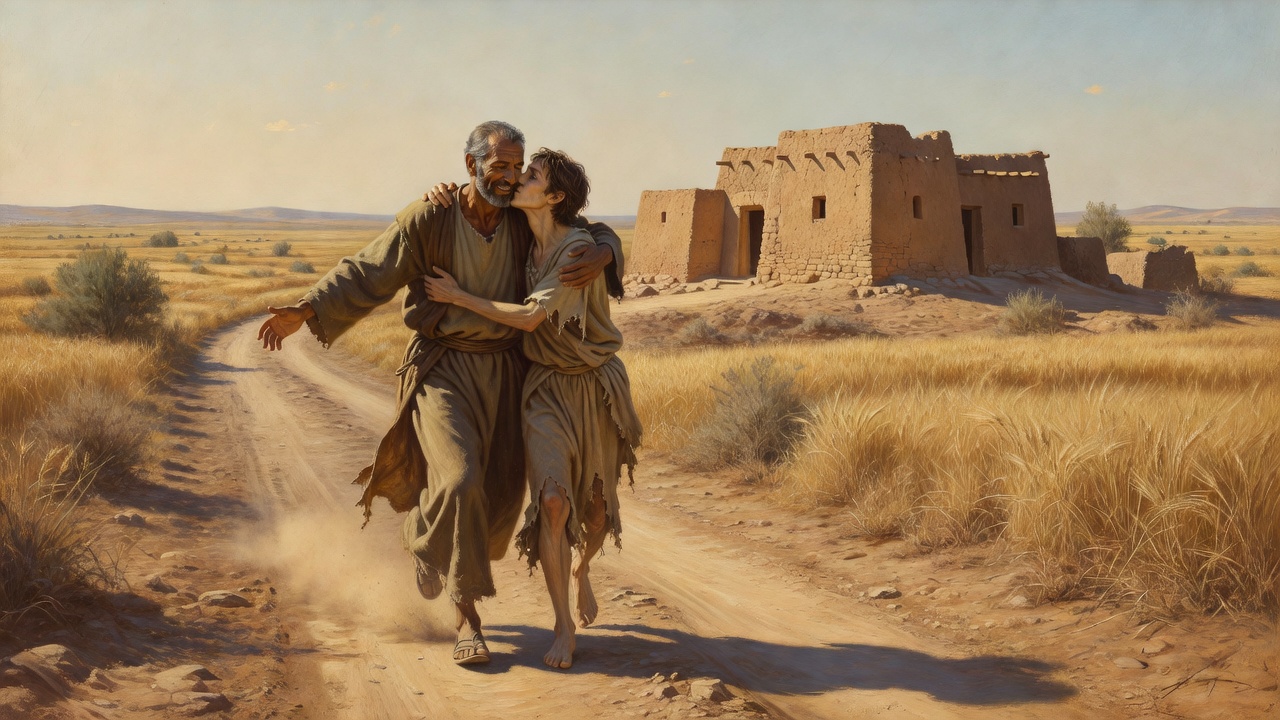
11Zezì k'achı̨ dǫ xè godoò hadı, “Įłàà dǫ ı̨łè weza nàke gǫ̀hłı̨. 12Weza nǫǫde edetà ts'ǫ̀ hadı, ‘T'asìı hazǫǫ̀ nets'ǫ sìı łats'ınewa gà ayìı sets'ǫ̀ ade ha sìı seghàı̨le,’ yèhdı. Eyıt'à wetà edeza gogha t'asìı whehłaa sìı gogha łats'ıyı̨ı̨wa.
13“Whaà-le-t'ıì weza nǫǫde t'asìı hazǫǫ̀ wets'ǫ sìı sınìı̨la gà nıwà kǫ̀taèhtła. Ekǫ sìgoèt'ı̨ zǫ nıwǫ t'à, t'asìı wet'àaɂà-le ts'ǫ̀ edesǫǫ̀mbaà hǫt'ıì k'ehǫǫhwho. 14Edesǫǫ̀mbaà hazǫǫ̀ k'ehǫǫhwho tł'axǫǫ̀ eyı nèk'e bò whìle agòjà. Whaà-le-t'ıì yeghǫ shèwetı̨ whìle. 15Eyıt'à eyı nèk'e dǫ gha eghàlaedaà adììdlà. Eyı k'àowo gha gogòò k'èdì ha ekǫ ts'ǫ̀ ayį̀į̀là. 16Gogòò yeghǫ shètı̨ı̨ sìı weghǫ shèwehtı̨ nıwǫ, hanìkò dǫ wı̨ı̨zìı yewàedı-le.
17“Nǫǫde ts'ǫ̀ ts'ı̨ı̨woò lajà t'à edets'ǫ̀ hadı, ‘Dǫ setà gha eghàlageedaa sìı nezı̨į̀ shègezhe hǫt'e, ekò sı̨ sìı jǫ bò dę whıhda. 18Setà ts'ǫ̀ anahde gà dıı hawèehsı̨ ha: Età, Nǫ̀htsı̨ wek'èch'a hòwhıhtsı̨, nı̨ sı nek'èch'a hòwhıhtsı̨. 19Jǫ gots'ǫ ı̨daà neza aht'e dehsı̨ ha dìì. Hanìkò dǫ negha eghàlageedaa lanì, sı̨ sı negha eghàlaıhdà, haehsı̨ ha,’ nıwǫ. 20Eyıt'à eyı cheko sìı nıìtła gà edetà ts'ǫ̀ naèhtła.
“Įłaà nıwà naeda et'ıì wetà yaɂı̨, weghǫ wedzeè eteèɂı̨. Hanì-t'ıì edeza ts'ǫ̀ tı̨mǫèhza, edeyàdo gà yı̨ı̨ts'į̀.
21“Weza edetà ts'ǫ̀ hadı, ‘Età, Nǫ̀htsı̨ wek'èch'a hòwhıhtsı̨, nı̨ sı nek'èch'a hòwhıhtsı̨. Jǫ gots'ǫ ı̨daà neza aht'e dehsı̨ ha dìì,’ yèhdı.
22“Hanìkò wetà wınà t'à edecheekeè ts'ǫ̀ hadı, ‘Įwhąą̀ goht'ǫ denahk'e nezı̨ı̨ sìı nìahwha gà yeyìetłaà aweahłe. Lamǫ̀ǫ wek'e nèahchı eyıts'ǫ ke nezı̨ı̨ sı yìı weahtà. 23Ejıezaa łek'àa sìı ełaahwhı, nàsı̨ hots'ıhtsı̨ xè sìgoèt'ı̨ ha. 24Seza sìı ełaı̨wo ı̨lè, hanìkò dıì eda. Dıkǫehtła ı̨lè, hanìkò dıì wenagòt'ǫ,’ gòhdı. Eyıt'à wegha nàsı̨ hogèhtsı̨.
25“Ekò k'e weza ǫhdaà t'asìı dehshee k'è eghàlaeda ı̨lè. La ghǫ nǫǫt'e t'à edekǫ̀ ts'ǫ̀ naetłe ekò wekǫ̀ ts'ǫ̀ nàdahoowo hǫt'e. 26Eyıt'à wetà wecheekeè ı̨łè ts'ǫ̀ gode, dayeehke. ‘Dàgodıì-agodı?’ yèhdı. 27Wetà wecheekeè hayèhdı, ‘Nechı nǫ̀ǫtła! Wexè t'asagòjà-le t'à, netà yegha ejıezaa łek'àa ełaı̨hwho,’ yèhdı.
28“Hanìkò weza ǫhdaà wınì-le, gıgà goyaehtła ha nıwǫ-le. Eyıt'à wetà yets'ǫ̀ xàèhtła, yeghǫnàdaetì. 29Hanìkò edetà ts'ǫ̀ hadı, ‘Łǫ xo negha hòtł'ò eghàlaıhdà eyıts'ǫ t'aats'ǫǫ̀ nek'èɂaıht'è. Hanìkò seàgı̨ą gıxè shèhtı̨ ha, sahzǫ̀ą nechà-lea wı̨ı̨zìı seghàneehtı̨ whìle. 30Ekò eyı neza sìı ts'èkojıı ts'ǫ̀ nesǫǫ̀mbaà k'ehǫǫhwho. Hanìkò dıì nǫ̀ǫtła t'à wegha ejıezaa łek'àa ełaànèehwho,’ edetà èhdı.
31“Wetà yets'ǫ̀ hadı, ‘Seza, nı̨ sìı t'aats'ǫǫ̀ sexè anet'e, eyıt'à t'asìı hazǫǫ̀ sets'ǫ sìı nets'ǫ hǫt'e. 32Goınà xè sǫts'ı̨ı̨wǫ ha t'ıį̀t'e. Nechı wewhìle ı̨lè, hanìkò dıì edaà anajà. Dıkǫehtła ı̨lè, hanìkò dıì wenagòt'ǫ,’ yèhdı,” Zezì hadıì goxè godo.
Você sabia?
Perdido e encontrado
- Cobradores de impostos e pecadores estavam se reunindo para ouvir Jesus, e os fariseus e os escribas começaram a murmurar que ele acolhe pecadores e come com eles. Jesus então lhes contou parábolas sobre uma ovelha perdida, uma moeda de prata perdida e um filho perdido.Fontes: o próprio texto bíblico
- O ensino e a cura na Pereia em direção a Jerusalém são registrados como começando em 30 d.C. com duração de um dia.Fontes: Teaching and Healing in Perea to Jerusalem
Notas escritas com auxílio de IA a partir de fontes abertas (Theographic Bible Metadata, CC BY-SA 4.0; Easton’s Bible Dictionary, domínio público) e revisadas antes de publicar.
Créditos e licença desta tradução
Nǫ̀htsı̨̨ Nı̨̨htł'è
Dogrib: Dogrib Genesis & New Testament New Testament & Portions of Old Testament
copyright © 2009 Canadian Bible Society
Language: Dogrib
Translation by: Canadian Bible Society
Tłı̨chǫ Genesis and New Testament
About Tłı̨chǫ
Tłı̨chǫ (Dogrib) is a Na-Dene (Athabaskan) language. It is spoken by the First Nations Tłı̨chǫ people in the Northwest Territories in Canada. It has the largest number of speakers of any of the Aboriginal language communities in the NWT, and is one of the official languages of the Northwest Territories.
About This Translation
This translation includes the book of Genesis and the New Testament in Tłı̨chǫ. The first edition of the Tłı̨chǫ New Testament was published in 2003. It was a historic event, as it was the first time in more than a hundred years that a complete New Testament was published for one of the Dene First Nations in the Territories. The first edition was well received and quickly sold out. In the meantime the book of Genesis had been completed. Consequently, the 2008 reprint of the Tłı̨chǫ New Testament included Genesis.
Though this translation of the New Testament and Genesis took a total of ten years, the people who worked on it built on years of labor invested by the Tłı̨chǫ people, elders, priests and missionaries, translators, educators, and linguists. The material contained in this book was checked and approved by consultants from Wycliffe Bible Translators and the Canadian Bible Society.
If you are interested in obtaining a printed copy of this Bible, please contact the Canadian Bible Society at http://www.biblescanada.com .
Copyright Information
Dogrib Genesis and New Testament © 2003, 2008 Canadian Bible Society
The text of the Bible in Tłı̨chǫ that appears in this electronic format or website is for personal use only.
Up to five hundred (500) verses of the Bible text in any form (written, visual, electronic or audio) may be quoted without permission. The quoted verses may not be more than 50% of a complete book of the Bible, or more than 25% of the total text of the work in which they are quoted. Prior written permission must be obtained for any other use of the text. Copyright acknowledgement must in all cases appear on the title or copyright page.
For more information on copyright conditions or to apply, visit http://www.biblesociety.ca/copyright .
This translation is made available to you under the terms of the
Creative Commons Attribution-Noncommercial-No Derivatives license 4.0.
You may share and redistribute this Bible translation or extracts from it in any format, provided that:
You include the above copyright and source information.
You do not sell this work for a profit.
You do not change any of the words or punctuation of the Scriptures.
Pictures included with Scriptures and other documents on this site are licensed just for use with those Scriptures and documents.
For other uses, please contact the respective copyright owners.
2014-04-22
Fonte: http://ebible.org/dgrDOGNT/ · eBible.org