Tiago 2
Nǫ̀htsı̨̨ Nı̨̨htł'è · Toque num versículo para ver as referências cruzadas.
Dǫ mǫ̀hdaa zǫ nezı̨į̀ gıts'ǫ̀ naahɂa-le
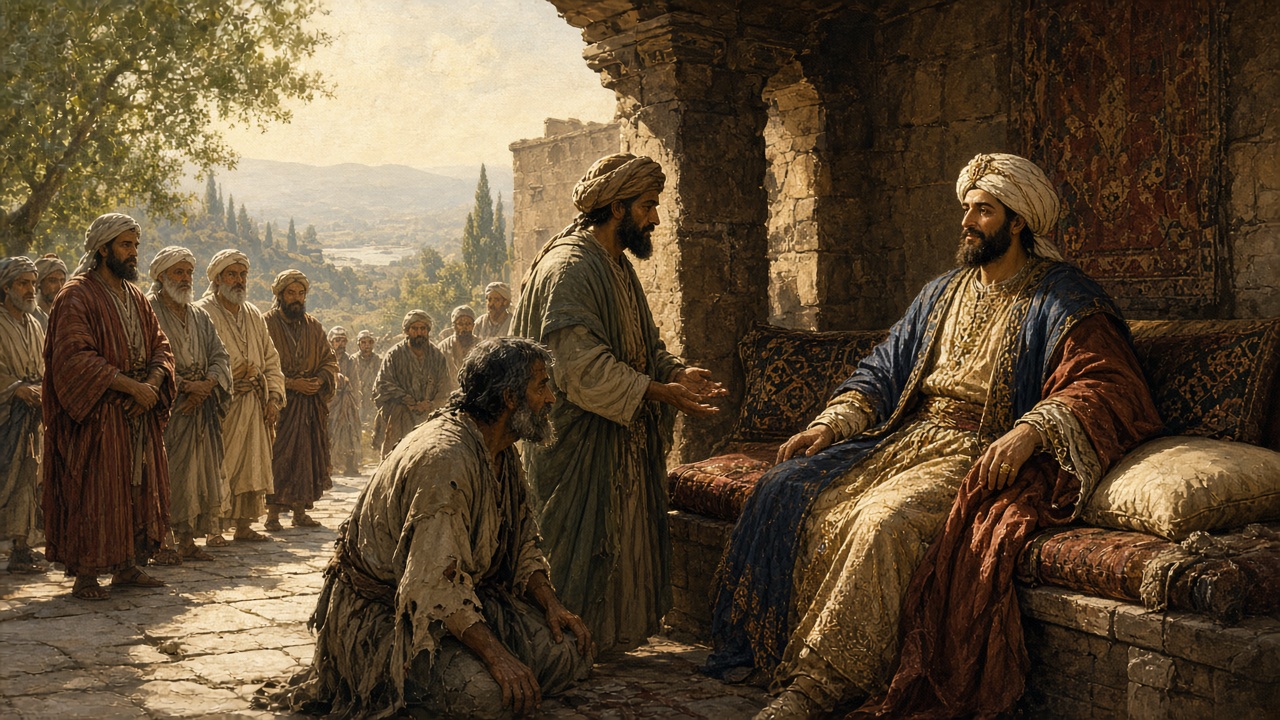
1Sèot'ı̨ı̨, gots'ǫ̀ K'àowo Zezì-Krı wexè enıìyah hòɂǫǫ sìı naxıgha ehkw'ı-ahodı t'à, dǫ mǫ̀hdaa zǫ nezı̨į̀ gıts'ǫ̀ naahɂa-le, dǫ hazǫǫ̀ naxıgha ełègı̨ı̨ht'e ha hǫt'e. 2Edahxǫ dǫ goht'ǫ dètìı t'à-at'ı̨ xè welakw'ǫǫ̀ k'e sǫǫ̀mbaekwo lamǫ̀ǫ wheɂǫǫ sìı ełeahdìı-kǫ̀ goyaèhtła, eyıts'ǫ edahxǫ dǫ-teèt'ı̨ı̨ goht'ǫts'ıa t'à-at'ı̨ ededı̨ sı ełeahdìı-kǫ̀ goyaèhtła nı̨dè 3dǫ ahxee wègaat'ı̨ı̨ sìı nezı̨į̀ wets'ǫ̀ naahɂa xè wets'ǫ̀ dıı haahdı, “Jǫ daèhchı̨ nezı̨ı̨ negha whetǫ,” wèahdı, hanìkò dǫ-teèt'ı̨ı̨ ts'ǫ̀ dıı haahdı, “Nı̨ ekǫ nàąwo,” hanì-le-ı̨dè “Sekè gà dechı̨tè k'e wheęda,” wèahdı. 4Hanì k'ehoahɂa nı̨dè ekǫ-le eghàlaahda hǫt'e. Naxèot'ı̨ ı̨łè wet'àhoòɂà eyıts'ǫ ı̨łè wet'àhoòɂà-le k'ę̀ę̀ gıts'ǫ̀ k'ehoahɂa. Haaht'ı̨ nı̨dè hołı̨ı̨ nàowoò k'ę̀ę̀ ełesınìyaahtı hǫt'e.
5Sèot'ı̨ı̨, seàhkw'ǫ: dǫ-teèt'ı̨ı̨ gı̨ı̨lı̨ı̨ sìı gıgha ehkw'ı-ahodı ha Nǫ̀htsı̨ gòį̀hchì hǫt'e, eyıt'à gıxè sìghà hòɂǫ hǫt'e. Dıı nèk'e gogha dǫ-teèt'ı̨ı̨ gı̨ı̨lı̨ı̨ kò, Nǫ̀htsı̨ goghǫ dıı hadı, “Gıgha ehkw'ı aehsı̨ xè seghǫnegeètǫ t'à dǫ ahxee gı̨ı̨lı̨ ha eyıts'ǫ senàowoò k'ę̀ę̀ hòɂǫǫ gıghǫ̀t'à ha,” hadı. 6Naxı̨ sìı dǫ-teèt'ı̨ı̨ į̀į̀zhagı̨ı̨lı̨į̀ agıahɂı̨. Dǫ ahxee gı̨ı̨lı̨ı̨ sìı naxıt'ǫ̀ǫ̀ ahxe gìhłè hǫt'e. Ededı̨ sìı nàyaetıı-kǫ̀ ts'ǫ̀ anaxegehɂı̨ hǫt'e. 7Eyı hanıı dǫ sìı naxıts'ǫ̀ K'àowo elı̨ı̨ sìı wıızì jıı gehtsı̨.
8Nǫ̀htsı̨ Nı̨htł'è k'e dıı hanì dek'eèhtł'èe, “Edeghǫnıahtǫ k'ę̀ę̀ naxèot'ı̨ ghǫnıahtǫ.” Eyı nàowo nezı̨ı̨ wek'èahdì nı̨dè ehkw'ı eghàlaahda hǫt'e. 9Hanìkò dǫ mǫ̀hdaa zǫ gıts'ǫ̀ nezı̨į̀ naahɂa nı̨dè hołı̨ı̨ hoahtsı̨ hǫt'e, eyıts'ǫ gonàowoò k'ę̀ę̀ nàowo-k'eezhìı-dǫǫ̀ lanì naxısınìyaetı hǫt'e. 10Nàowo hazǫǫ̀ k'èahdì hanìkò nàowo ı̨łè zǫ nàahzhì nı̨dè nàowo hazǫǫ̀ k'eahzhì gha naxısınìyaetı ha hǫt'e. 11Nǫ̀htsı̨ dıı hadı ı̨lè, “Ełexè hołı̨ı̨ hoahtsı̨-le,” eyıts'ǫ, “Dǫ ełaahwhı-le,” hadı ı̨lè. Ełexè hołı̨ı̨ hoahtsı̨-le, hanìkò dǫ ełaahwhı nı̨dè Nǫ̀htsı̨ wenàowoò nàezhìı dǫǫ̀ k'ę̀ę̀ naxııtà hǫt'e.
12Nàowo wet'à hołı̨ı̨ gots'ǫ̀ k'àowo-le sìı wek'ę̀ę̀ aahda. Eyı nàowo weghàà naxısınìyaetı ha ts'ıhɂǫ̀, eyı nàowo k'ę̀ę̀ nezı̨į̀ goahde eyıts'ǫ wek'ę̀ę̀ k'ehoahɂa. 13Dǫ wedzeè eteèɂı̨-le sìı wesınìyaetıı dzęę̀ k'e nı̨dè eteweèɂı̨ ha nıìle. Ełets'ǫ̀ godzeè eteèɂı̨ı̨ sìı ełesınìyats'ehtı nahk'e elı̨ hǫt'e!
Gogha ehkw'ı-ahodı eyıts'ǫ wek'ę̀ę̀ k'ehots'eɂa
14Sèot'ı̨ı̨, dǫ, “segha ehkw'ı-ahodı,” hadı hanìkò yek'ę̀ę̀ eghàlaeda-le nı̨dè wegha wet'àaɂà-le hǫt'e. “Segha ehkw'ı-ahodı,” hadı zǫ t'à edaxàweetè ha nıìle. 15Edahxǫ naxıta gots'ǫ dǫzhìı hanì-le-ı̨dè ts'èko goht'ǫ wets'ǫ-le xè yeghǫ shètı̨ı̨ whìle nı̨dè, 16naxı̨ ı̨łè yets'ǫ̀ dıı hadı, “Nexè sìghà welè; negha gòkǫ̀ xè weghǫ shèı̨tı̨ı̨ negha deghàà welè,” yèhdı, hanìkò goht'ǫ eyıts'ǫ yeghǫ shètı̨ı̨ t'à yets'àı̨dı-le nı̨dè eyı t'asìı nıìle. 17Eyı lanì, “gogha ehkw'ı-ahodı,” ts'edı, hanìkò wek'ę̀ę̀ eghàlats'eeda-le nı̨dè, k'ètł'ǫ̀ gogha ehkw'ı-ahodı hǫt'e.
18Hanìkò dǫ sets'ǫ̀ dıı hadı nı̨dè, “Nı̨ negha ehkw'ı-ahodı, hanìkò sı̨ nezı̨į̀ eghàlaehda,” sèhdı nı̨dè, wets'ǫ̀ dıı haehsı̨ ha. “Negha ehkw'ı kò wek'ę̀ę̀ eghàlaı̨da-le sìı weghàıhdà, ekò sı̨ ayìı dàhɂı̨ weghàà segha ehkw'ı-ahodıı sìı weghàı̨daà anehłe ha,” haehsı̨ ha. 19Nǫ̀htsı̨ ı̨łè zǫ gǫ̀hłı̨ı̨ sìı negha ehkw'ı-ahodı. Ehkw'ı aneewǫ hǫt'e! Įnìłı̨ı̨ kò ededı̨ sı eyı gıgha ehkw'ı hǫt'e, eyıt'à geejı̨ xè gıts'ehłı̨ laget'į̀.
20Gonezǫ-le dìì! Gogha ehkw'ı-ahodı hanìkò wek'ę̀ę̀ ts'eeda-le nı̨dè wet'àhoòɂà nıìle. Dıı weghàà wek'èı̨zǫ anııhłe: 21Gocho Abraham wedaànıahdè. Tso ełeka nèyı̨ı̨la k'e Nǫ̀htsı̨ ts'ǫ̀ edeza Isaac ełaehwhı xè yek'eehk'ǫ̀ ha sınìhòı̨ɂǫ, hajà t'à dǫ ehkw'ı eda gha wııtà hǫt'e. 22Wegha ehkw'ı-ahodı xè yek'ę̀ę̀ eghàlaı̨dàa sìı ełexè at'ı̨ hǫt'e. Yek'ę̀ę̀ eghàlaı̨dà t'à wegha ehkw'ı-ahodıı sìı deghàà ajà hǫt'e. 23Nǫ̀htsı̨ Nı̨htł'è k'e dànì dek'eèhtł'èe sìı wek'ę̀ę̀ agòjà hǫt'e. Dıı hanì dek'eèhtł'è: “Abraham Nǫ̀htsı̨ yegha ehkw'ı adı ts'ıhɂǫ̀, ehkw'ı eda gha wııtà ayį̀į̀là,” eyıts'ǫ Nǫ̀htsı̨ weàgı̨ą wìyeh. 24Eyı ts'ıhɂǫ̀ dǫ dànì eghàlaeda weghàà dǫ ehkw'ı eda k'ę̀ę̀ wııtà hǫt'e, wegha ehkw'ı-ahodı zǫ t'à nıìle.
25Eyı xèht'eè ts'èkojıı Rahab wìyeh ededı̨ kò wexè hagòjà. Israel gots'ǫ nàeɂį̀ı̨-dǫǫ̀ nàke edekǫ̀ goyagǫ̀ǫwa gà edèot'ı̨ naàhtǫ et'ıì t'asį̀ı̨ nagoèhɂà ı̨lè. Hanì eghàlaı̨da t'à ehkw'ı eda k'ę̀ę̀ wııtà hǫt'e. 26Gozhį̀į̀ wets'ǫ ı̨nì wedę nı̨dè ełaı̨wo hǫt'e, eyı lanì gogha ehkw'ı-ahodı wek'ę̀ę̀ ts'eeda-le nı̨dè gogha wet'àaɂà-le hǫt'e.
Você sabia?
Imparcialidade e fé viva
- Tiago recorda que Abraão foi justificado ao oferecer seu filho Isaque no altar, sua fé agindo junto com suas ações e aperfeiçoada pelo que ele fez. Isaque, o único filho de Abraão com Sara, foi aquele a quem Deus ordenou que Abraão oferecesse como sacrifício num monte na terra de Moriá.Fontes: o próprio texto bíblico · Isaac
- Tiago também cita Raabe, a prostituta, justificada por acolher os espias e enviá-los por outro caminho. Os dois espias, enviados por Josué enquanto os hebreus estavam acampados em Sitim, em frente a Jericó, tinham ido à casa dela, enfrentaram perigo na cidade e foram salvos por sua fidelidade.Fontes: o próprio texto bíblico · Rahab
Notas escritas com auxílio de IA a partir de fontes abertas (Theographic Bible Metadata, CC BY-SA 4.0; Easton’s Bible Dictionary, domínio público) e revisadas antes de publicar.
Créditos e licença desta tradução
Nǫ̀htsı̨̨ Nı̨̨htł'è
Dogrib: Dogrib Genesis & New Testament New Testament & Portions of Old Testament
copyright © 2009 Canadian Bible Society
Language: Dogrib
Translation by: Canadian Bible Society
Tłı̨chǫ Genesis and New Testament
About Tłı̨chǫ
Tłı̨chǫ (Dogrib) is a Na-Dene (Athabaskan) language. It is spoken by the First Nations Tłı̨chǫ people in the Northwest Territories in Canada. It has the largest number of speakers of any of the Aboriginal language communities in the NWT, and is one of the official languages of the Northwest Territories.
About This Translation
This translation includes the book of Genesis and the New Testament in Tłı̨chǫ. The first edition of the Tłı̨chǫ New Testament was published in 2003. It was a historic event, as it was the first time in more than a hundred years that a complete New Testament was published for one of the Dene First Nations in the Territories. The first edition was well received and quickly sold out. In the meantime the book of Genesis had been completed. Consequently, the 2008 reprint of the Tłı̨chǫ New Testament included Genesis.
Though this translation of the New Testament and Genesis took a total of ten years, the people who worked on it built on years of labor invested by the Tłı̨chǫ people, elders, priests and missionaries, translators, educators, and linguists. The material contained in this book was checked and approved by consultants from Wycliffe Bible Translators and the Canadian Bible Society.
If you are interested in obtaining a printed copy of this Bible, please contact the Canadian Bible Society at http://www.biblescanada.com .
Copyright Information
Dogrib Genesis and New Testament © 2003, 2008 Canadian Bible Society
The text of the Bible in Tłı̨chǫ that appears in this electronic format or website is for personal use only.
Up to five hundred (500) verses of the Bible text in any form (written, visual, electronic or audio) may be quoted without permission. The quoted verses may not be more than 50% of a complete book of the Bible, or more than 25% of the total text of the work in which they are quoted. Prior written permission must be obtained for any other use of the text. Copyright acknowledgement must in all cases appear on the title or copyright page.
For more information on copyright conditions or to apply, visit http://www.biblesociety.ca/copyright .
This translation is made available to you under the terms of the
Creative Commons Attribution-Noncommercial-No Derivatives license 4.0.
You may share and redistribute this Bible translation or extracts from it in any format, provided that:
You include the above copyright and source information.
You do not sell this work for a profit.
You do not change any of the words or punctuation of the Scriptures.
Pictures included with Scriptures and other documents on this site are licensed just for use with those Scriptures and documents.
For other uses, please contact the respective copyright owners.
2014-04-22
Fonte: http://ebible.org/dgrDOGNT/ · eBible.org