Colossenses 2
Nǫ̀htsı̨̨ Nı̨̨htł'è · Toque num versículo para ver as referências cruzadas.
1Naxıgha, kǫ̀ta Laodısıya dǫ nàgedèe sìı gıgha eyıts'ǫ dǫ xàè segıaɂı̨-le sìı gıgha daıhɂa. Dàı̨hcho ts'ǫ̀ naxıgha daıhɂaa sìı wek'èahsǫ ha dehwhǫ. 2Gıdzeè nàtso ha, eyıts'ǫ dǫ ı̨łè lanì ełeghǫnegeètǫ ha, gıgha daıhɂa. Hanì-ı̨dè deghàà t'asìı k'ègeezǫǫ̀ agede ha, eyıts'ǫ Nǫ̀htsı̨ t'asìı deɂı̨į̀ whehɂǫǫ sìı k'ègeezǫǫ̀ agede ha, Zezì-Krı k'ègeezǫǫ̀ agede ha t'à. 3T'asìı deè hazǫǫ̀ weghàà t'asìı k'èts'eezǫǫ xè weghàà gots'ı̨ı̨zǫǫ sìı Zezì-Krı weyìı deɂı̨į̀ whela hǫt'e. 4Dǫ, nezı̨į̀ gogede t'à naxıghǫyagııɂà sǫ̀ǫ̀ dehwhǫ t'à anaxèehsı̨. 5Sezhį̀į̀ t'à naxıts'ǫ̀ gǫǫwà whıhda, hanìkò sınì t'à naxıxè aht'e. Hotıì ehkw'ı aahda, eyı xè Zezì-Krı ghǫ naxınì nàtso t'à sıì sınà hǫt'e.
Zezì-Krı wexè ts'eedaà agòìdlà
6Eyıt'à, Zezì-Krı naxıts'ǫ̀ K'àowo elı̨ı̨ aahłà k'ę̀ę̀ t'aats'ǫǫ̀ wexè aahda. 7Wexè ı̨łè zǫ laaht'e eyıts'ǫ wet'à naxınì nàtsoò aahłe welè. Ayìı hoghànaxeètǫ k'ę̀ę̀ eghàlaahda, wet'à naxınì nàwetso, eyıts'ǫ t'aats'ǫǫ̀ naxıdzeè t'à masì dahwhǫ.
8Hotıì edexoahdı, yatı ekǫ-le eyıts'ǫ nàowo ładı̨ı̨ t'à dǫ naxınì gìhchı sǫ̀ǫ̀. Ayìı hoghànaxegeehtǫǫ sìı nezı̨į̀ lagodı, hanìkò dıı nèk'e gots'ǫ gınàowoò zǫ hǫt'e. Zezì-Krı wenàowoò k'ę̀ę̀ agedı-le.
9Nǫ̀htsı̨-Gotà t'asìı hazǫǫ̀ t'à wehòhɂǫǫ sìı Zezì-Krı wezhį̀į̀ sı yìı wehòhɂǫǫ hǫt'e, 10eyıts'ǫ naxı̨ sı Zezì-Krı wet'à t'asìı hazǫǫ̀ naxıghǫ̀zha. Ededı̨ k'àowo hazǫǫ̀ gha K'àowodeè elı̨ hǫt'e. 11Ededı̨ wet'à naxıkwǫ̀ nàat'a lanì ı̨lè, eyıt'à naxınìłı̨ı̨ k'ę̀ę̀ aahda-le aahjà. Dǫlà t'à naxıkwǫ̀ nàat'a awèts'edı-le, Zezì-Krı ededı̨ wet'à gokwǫ̀ nàat'a lanì awèts'edı. 12Naxık'ètaìdzǫ t'à wexè naxıkw'ǫǫ̀ nìtǫ lanì ı̨lè. Nǫ̀htsı̨-Gotà enıìyah t'à nàtso xè Zezì naìdà ayį̀į̀là, eyı sìı naxıgha ehkw'ı-ahodı t'à, Zezì wexè naàhdà anaxììdlà hǫt'e.
13Naxıhołı̨į̀ ts'ıhɂǫ̀ dǫ ełaı̨dèe laaht'e eyıts'ǫ naxınìłı̨ı̨ k'ę̀ę̀ aahda ekò k'e Nǫ̀htsı̨-Gotà, Zezì-Krı wexè naàhdà anaxììdlà hǫt'e. Gohołı̨į̀ hazǫǫ̀ goghǫ nahoı̨la. 14Nàowo dek'eèhtł'èe sìı hazǫǫ̀ wedę ayį̀į̀là; eyı nàowo gok'èch'a hǫt'e eyıts'ǫ wet'à gok'e nìdahoet'à, hanìkò Nǫ̀htsı̨ goghǫ yį̀į̀hchì xè Zezì wexè dechı̨et'aa k'e yedı̨į̀htsò. 15Hanì t'aa Nǫ̀htsı̨ ı̨nìłı̨ı̨ eyıts'ǫ gıts'ǫ k'aodèe hazǫǫ̀ goghǫèhnǫ, eyıts'ǫ wet'à nàgetsoo sìı hazǫǫ̀ goghǫ whìle ayį̀į̀là xè dǫ nadąą̀ edeghǫ į̀į̀zhagı̨ı̨lı̨į̀ agǫ̀ǫ̀là. Dechı̨et'aa t'à hazǫǫ̀ goghǫèhnǫ hǫt'e.
16Eyıt'à ayìı ghǫ shèahzhe, eyıts'ǫ ayìı aahdǫ, dzędeè k'èahdìı, adzęzah-gòò gha nàsı̨ hoahtsı̨, hanì-le-ı̨dè Nǫ̀htsı̨ Wedzęę̀ k'èahdìı, eyı hanıı ghǫ dǫ naxık'e nìdahogııɂà-le. 17Eyı hanıı hazǫǫ̀ sìı ı̨daà dàgode gha weɂı̨zhı̨į̀ lanì ı̨lè, hanìkò t'asìı wedeèdlı̨ı̨ Zezì-Krı wexè wegots'ìhɂà. 18Dǫ k'èeweèt'ı̨ edegeetsı̨ eyıts'ǫ yak'eet'ı̨į̀ ts'ǫ̀ yagehtıı sìı Nǫ̀htsı̨ t'asìı nezı̨ı̨ naxıghàɂà ch'à anaxegııle sǫ̀ǫ̀. Eyı dǫ hanıı sìı gınazhıı xègoèht'į̀ ghǫ naxıts'ǫ̀ gogede ghageewı, hanìkò Nǫ̀htsı̨ ts'ǫ̀ gınì nàtso-le t'à dǫ nahk'e ts'ı̨ı̨lı̨ gı̨ı̨wǫ xè xàdahogedì. 19Zezì gokwì elı̨ı̨ sìı xè aget'ı̨-le agejà t'à aget'ı̨. Goxı̨ wezhį̀į̀ lats'ı̨ı̨t'ee sìı hazǫǫ̀ dǫ ı̨łè zǫ lats'ı̨ı̨t'e, godzats'ìı eyıts'ǫ gokw'èh t'à gozhį̀į̀ hazǫǫ̀ yàłııtǫ̀. Zezì gokwì elı̨ lanì ts'ıhɂǫ̀ goxı̨ wezhį̀į̀ ts'ı̨ı̨lı̨ı̨ sìı Nǫ̀htsı̨ ełexè ts'eezheè agohɂı̨ hǫt'e.
20Zezì-Krı wexè ełaahdè ne t'à dıı nèè gots'ǫ nàowo k'ę̀ę̀ aahda-le aahjà hǫt'e. Eyıt'à dànìghǫ ı̨łaà dıı nèè gots'ǫ nàowo k'èaht'e ha dahwhǫ? Įłaà wek'ę̀ę̀ aahda ha dahwhǫ nì? 21Dànìghǫ dıı haahdı, “Eyı k'alaahdè-le! Eyı aahdè-le! Eyı daahchì-le!” 22Eyı nàowo sìı dıı nèk'e gots'ǫ dǫnì k'ę̀ę̀ hòèlı̨, eyıts'ǫ dǫ gınàowoò k'ę̀ę̀ hoghàgogeehtǫ t'à hazǫǫ̀ wet'àaɂà-le hǫt'e. 23Eyı nàowo sìı wet'àaɂà lanì xè wet'à gots'ı̨ı̨zǫ gògaat'ı̨. Wet'à dǫ gınàowoò k'ę̀ę̀ Nǫ̀htsı̨ gha ts'eedaa hoghàgoetǫ. Wet'à xàhots'edì-le gògaat'ı̨ eyıts'ǫ wet'à gozhį̀į̀ daı̨ɂaà adets'į̀į̀hwhǫ. Hanìkò eyı nàowo wet'à hołı̨ı̨ k'ę̀ę̀ eghàlats'eeda-le adets'ele ha dìì hǫt'e, eyıt'à wet'àaɂà-le hǫt'e.
Você sabia?
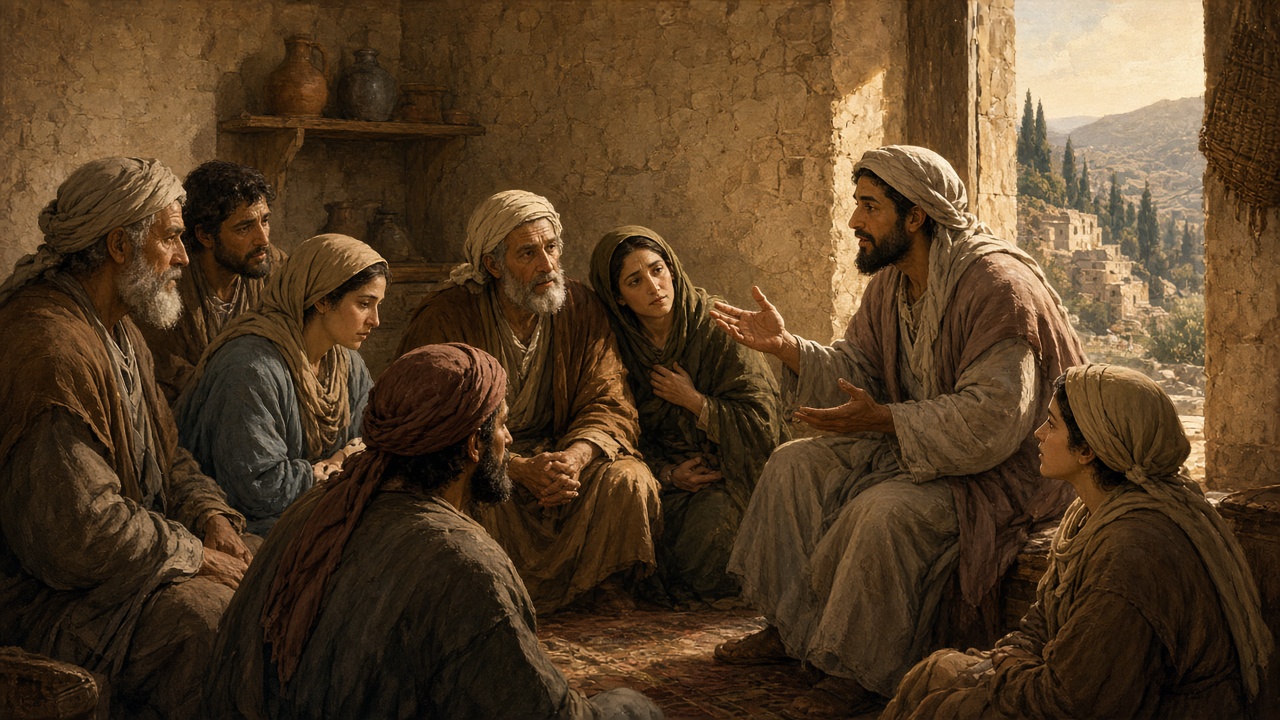
Plenitude em Cristo, não um ensino vazio
- O autor diz que está lutando pelos leitores, pelos que estão em Laodiceia e por todos os que nunca o encontraram cara a cara. Laodiceia ficava na fronteira entre a Frígia e a Lídia, às margens do Lico, cerca de quarenta milhas a leste de Éfeso, e era uma das cidades mais importantes e prósperas da Ásia Menor.Fontes: o próprio texto bíblico · Laodicea
- Ele os adverte a não se deixarem levar cativos por filosofia e engano vazio, baseados na tradição humana e nas forças espirituais do mundo, e a não se deixarem enganar por uma retórica suave.Fontes: o próprio texto bíblico
- O capítulo também diz que não devem permitir que alguém os julgue pelo que comem ou bebem, nem por uma festa, uma lua nova ou um sábado — coisas que o texto chama de sombra do que havia de vir — e que devem resistir à falsa humildade, ao culto dos anjos e a regras contra manusear, provar e tocar, fundadas em mandamentos humanos.Fontes: o próprio texto bíblico
Notas escritas com auxílio de IA a partir de fontes abertas (Theographic Bible Metadata, CC BY-SA 4.0; Easton’s Bible Dictionary, domínio público) e revisadas antes de publicar.
Lugares deste capítulo
- Laodicea · Hoje: Laodicea on the Lycus · 37.836, 29.108 · versículo 1
Só aparecem lugares com identificação de alta confiança (90% ou mais segundo as fontes acadêmicas reunidas pelo OpenBible). Mapa da época: DARE (Digital Atlas of the Roman Empire), CC BY 4.0; mapa atual: © colaboradores do OpenStreetMap; lugares: OpenBible.info (CC BY 4.0).
Créditos e licença desta tradução
Nǫ̀htsı̨̨ Nı̨̨htł'è
Dogrib: Dogrib Genesis & New Testament New Testament & Portions of Old Testament
copyright © 2009 Canadian Bible Society
Language: Dogrib
Translation by: Canadian Bible Society
Tłı̨chǫ Genesis and New Testament
About Tłı̨chǫ
Tłı̨chǫ (Dogrib) is a Na-Dene (Athabaskan) language. It is spoken by the First Nations Tłı̨chǫ people in the Northwest Territories in Canada. It has the largest number of speakers of any of the Aboriginal language communities in the NWT, and is one of the official languages of the Northwest Territories.
About This Translation
This translation includes the book of Genesis and the New Testament in Tłı̨chǫ. The first edition of the Tłı̨chǫ New Testament was published in 2003. It was a historic event, as it was the first time in more than a hundred years that a complete New Testament was published for one of the Dene First Nations in the Territories. The first edition was well received and quickly sold out. In the meantime the book of Genesis had been completed. Consequently, the 2008 reprint of the Tłı̨chǫ New Testament included Genesis.
Though this translation of the New Testament and Genesis took a total of ten years, the people who worked on it built on years of labor invested by the Tłı̨chǫ people, elders, priests and missionaries, translators, educators, and linguists. The material contained in this book was checked and approved by consultants from Wycliffe Bible Translators and the Canadian Bible Society.
If you are interested in obtaining a printed copy of this Bible, please contact the Canadian Bible Society at http://www.biblescanada.com .
Copyright Information
Dogrib Genesis and New Testament © 2003, 2008 Canadian Bible Society
The text of the Bible in Tłı̨chǫ that appears in this electronic format or website is for personal use only.
Up to five hundred (500) verses of the Bible text in any form (written, visual, electronic or audio) may be quoted without permission. The quoted verses may not be more than 50% of a complete book of the Bible, or more than 25% of the total text of the work in which they are quoted. Prior written permission must be obtained for any other use of the text. Copyright acknowledgement must in all cases appear on the title or copyright page.
For more information on copyright conditions or to apply, visit http://www.biblesociety.ca/copyright .
This translation is made available to you under the terms of the
Creative Commons Attribution-Noncommercial-No Derivatives license 4.0.
You may share and redistribute this Bible translation or extracts from it in any format, provided that:
You include the above copyright and source information.
You do not sell this work for a profit.
You do not change any of the words or punctuation of the Scriptures.
Pictures included with Scriptures and other documents on this site are licensed just for use with those Scriptures and documents.
For other uses, please contact the respective copyright owners.
2014-04-22
Fonte: http://ebible.org/dgrDOGNT/ · eBible.org