Atos 5
Nǫ̀htsı̨̨ Nı̨̨htł'è · Toque num versículo para ver as referências cruzadas.
Ananıas eyıts'ǫ Sapphıra
1Dǫ ı̨łè Ananıas wìyeh, wets'èkeè Sapphıra wìyeh, ededı̨ sı dèè gıghǫ nàèdì. 2Eyı dǫ, edets'èkeè xè yatı whehtsı̨ t'à, sǫǫ̀mba mǫ̀hdaa edegha gık'èdì, eyıts'ǫ mǫ̀hdaa Zezì wecheekeèdeè ghàgı̨ı̨wa.
3Eyıt'à Peter eyı dǫ ts'ǫ̀ hadı, “Ananıas, dànìghǫ wehłı̨ı̨ nedzeè nezı̨-le ayį̀į̀là t'à Yedàyeh Nezı̨ı̨ ghǫyanèɂǫ? Dànìghǫ dèè neghǫ nàèdìı sìı wesǫǫ̀mbaà mǫ̀hdaa edegha wek'èı̨dì? 4Dèè neghǫ nàèdì kwe sìı eyı dèè nets'ǫ ı̨lè ne sǫnaà? Neghǫ nàèdì tł'axǫǫ̀ wesǫǫ̀mbaà ts'ǫ̀ k'àı̨wo ı̨lè ne sǫnaà? Dànìghǫ ekǫ-le eghàlaneedà? Dǫ ts'ǫ̀ hoı̨ts'ì nıìle, Nǫ̀htsı̨ ts'ǫ̀ hoı̨ts'ì hǫt'e,” yèhdı.
5Ananıas eyı ghǫ ıìkw'o ts'ǫ̀et'ıì nàakw'o gà ełaı̨wo. Dǫ hazǫǫ̀ dàgòjàa sìı ghǫ egıìkw'o t'à sıì geèhyeh. 6Cheko mǫ̀hdaa goyaède, wekw'ǫǫ̀ ɂehtł'ı̨ yìı gı̨ı̨htı̨ gà xàgeèhchì, eyıts'ǫ wekw'ǫǫ̀ nègı̨į̀tǫ.
7Taı sadzeè tł'axǫǫ̀, wets'èkeè goyaèhtła. Dàgòjàa sìı yek'èezǫ-le. 8Peter yets'ǫ̀ hadı, “Sets'ǫ̀ haı̨dı, dıı sǫǫ̀mba haàtłǫǫ k'èxa dèè naxıghǫ nàèdì nìı̨t'e?” yèhdı.
Ts'èko hadı, “Hęɂę, haàtłǫ sǫǫ̀mba k'èxa dèè goghǫ nàèdì,” yèhdı.
9Peter yets'ǫ̀ hadı, “Dànìghǫ Yedàyeh Nezı̨ı̨ weahdzà ha dahwhǫ nǫǫ̀? Cheko nedǫǫ̀ xàgeèhchìı sìı jǫ tı̨ı̨dà ts'ǫ̀ gıadè. Nı̨ sı xànegeehtè ha,” yèhdı.
10Ekòet'ıì ts'èko yenadąą̀ nàakw'o gà ełaı̨wo. Cheko goyageèdee sìı ts'èko ełaı̨wo gıaɂı̨ t'à wekw'ǫǫ̀ xàgeèhchì, wedǫǫ̀ gà wekw'ǫǫ̀ nègı̨į̀tǫ. 11Nǫ̀htsı̨ wecheekeè eyı hazǫǫ̀ hagòjà ghǫ egıìkw'o ekò sıì geèhyeh.
Zezì wecheekeèdeè dǫ łǫ k'aàt'ıì agı̨į̀là
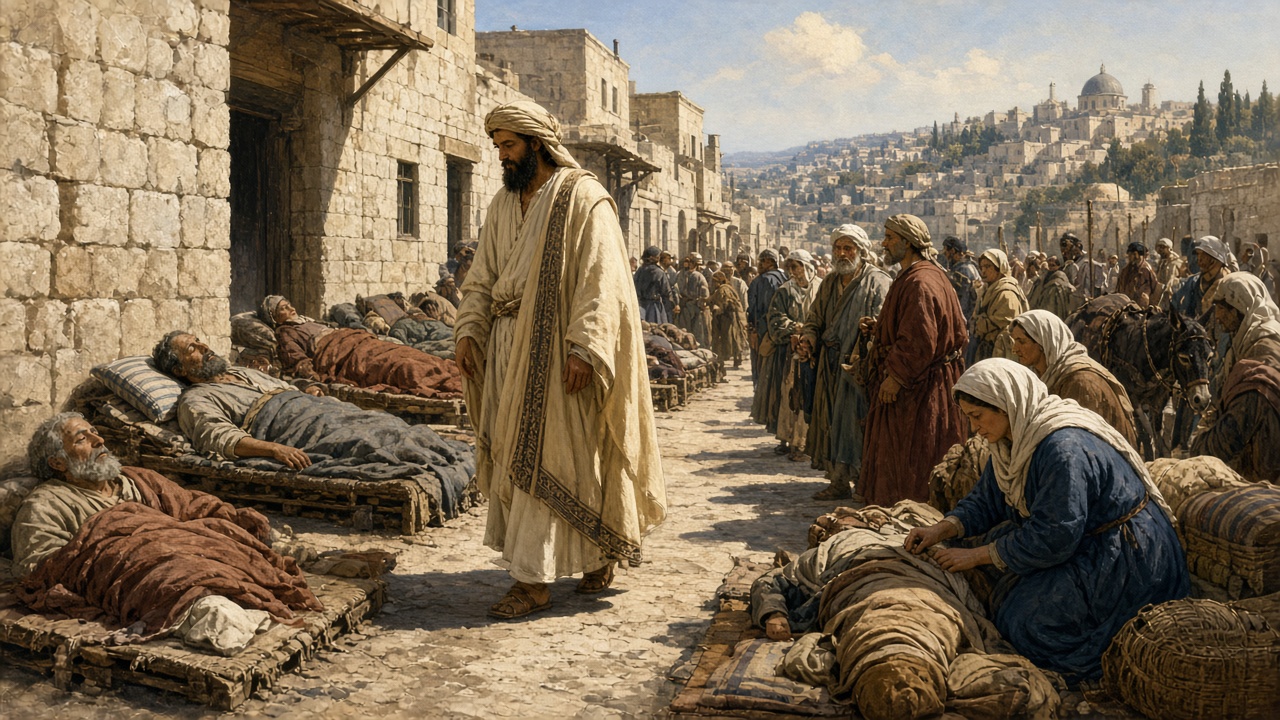
12Zezì wecheekeèdeè dǫnı enıìyah łǫ hogèhtsı̨. Gıgha ehkw'ı-ahodıı gı̨ı̨lı̨ı̨ sìı Solomon wets'ǫ sagòhɂı̨ı̨-k'è łą̀ą ełènagehdè ı̨lè. 13Dǫ łǫ gots'ǫ̀ nezı̨į̀ agı̨ı̨wǫ kò goxè aget'ı̨ ha geejı̨. 14Hanìkò dǫzhìı eyıts'ǫ ts'èko łǫ gots'ǫ̀ K'àowo gıgha ehkw'ı-ahodı, eyıt'à deɂǫ̀ǫ̀ dǫ łǫ goxè aget'ı̨į̀ ajà. 15Dǫ eyagı̨ı̨lı̨ı̨ sìı tè k'e tı̨lıbàa nègogį̀ı̨wa. Peter goxaèhtła-ı̨dè edahxǫ weɂı̨zhı̨į̀ gık'e ajà nı̨dè k'aàt'ıì agede ha gı̨ı̨wǫ. 16Jerusalem wemǫǫ̀ kǫ̀ta yàgòlaa gots'ǫ dǫ łǫ nègı̨ı̨de, dǫ eyaelı̨ı̨ eyıts'ǫ dǫ ı̨nìłı̨ı̨ t'à eyagı̨ı̨lı̨ı̨ sìı eyı nègogį̀ı̨wa. Hazǫǫ̀ k'aàt'ıì agejà.
K'aodèe Zezì wecheekeèdeè dagogį̀ı̨hɂa
17Hagòjà t'à yahtıı-wet'àaɂàa-deè eyıts'ǫ k'aodèe hazǫǫ̀, Sadducee gı̨ı̨lı̨ı̨ sìı sıì goghǫ ts'ohogeedı. 18Zezì wecheekeèdeè dagogıachì gà dǫ-danìı̨laa-kǫ̀ nègogį̀ı̨wa. 19Totanı ekìıyeè k'e yak'eet'ı̨į̀ dǫ-danìı̨laa-kǫ̀ enìxàı̨wa gà xàgoèwa. 20Yak'eet'ı̨į̀ gots'ǫ̀ hadı, “Nǫ̀htsı̨kǫ̀-gocho gà dǫ ts'ǫ̀ goahde, eładı̨į̀ ts'eedaa wegodıì t'à dǫ hazǫǫ̀ xè goahdo,” gòhdı.
21K'omǫǫ̀dǫǫ̀ et'ıì Nǫ̀htsı̨kǫ̀-gocho gà nègı̨ı̨de, eyıts'ǫ dǫ hoghàgogeehtǫ.
Yahtıı-wet'àaɂàa-deè eyıts'ǫ wexè k'aodèe gı̨ı̨lı̨ı̨ sìı eyı nègı̨ı̨de ekò Israel got'ı̨į̀ gha k'aodèe hazǫǫ̀ ełegeèhdì gha gokàgehɂà, eyıts'ǫ Zezì wecheekeèdeè dǫ-danìı̨laa-kǫ̀ nègogį̀ı̨waa sìı gıkàgòhdì. 22Hanìkò Nǫ̀htsı̨kǫ̀-xogııhdıı-dǫǫ̀ dǫ-danìı̨laa-kǫ̀ nègı̨ı̨de ekò Zezì wecheekeè gıwhìle nǫǫ̀. Eyıt'à ek'èt'à nageèhde gà k'aodèe ts'ǫ̀ dıı hagedı, 23“Dǫ-danìı̨laa-kǫ̀ hòtł'ò eneèdo eyıts'ǫ dǫ-xogııhdıı-dǫǫ̀ enìı̨tǫ gà nàgeèhza, enìxàts'aachì ekò dǫ wı̨ı̨zìı goyìı wheda-le nǫǫ̀,” gedı. 24Nǫ̀htsı̨kǫ̀-xogııhdıı-dǫǫ̀ gha k'àowo eyıts'ǫ yahtıı-gha-k'aodèe eyı godı gıìkw'o ekò gıgha enıìyah lanì. Dànıt'à hagòjà sǫnı gı̨ı̨wǫ.
25Dǫ ı̨łè eyı nììtła hadı, “Dǫ gıdaèzha ı̨lèe sìı yeè Nǫ̀htsı̨kǫ̀-gocho gà dǫ hoghàgogeehtǫ,” gòhdı. 26Eyıt'à Nǫ̀htsı̨kǫ̀-xogııhdıı-dǫǫ̀ gha k'àowo, edecheekeè xè Zezì wecheekeèdeè ts'ǫ̀ geède. Dǫ kwe t'à nàgogeehshì ha sǫnı gı̨ı̨wǫ t'à ts'èwhı̨į̀ negogı̨į̀wa.
27Yahtıı-wet'àaɂàa-deè Zezì wecheekeèdeè dagoehke ha t'à, k'aodèe ełegeèhdìı sìı nadąą̀ nàgeèhzaà agogį̀į̀là. 28Yahtıı-wet'àaɂàa-deè gots'ǫ̀ hadı, “Yatı nàtsoo naxıghàts'ı̨ı̨ɂǫ ı̨lè; Zezì wıızì t'à dǫ hoghàgıahtǫ-le naxèts'edı ı̨lè. Hanìkò Jerusalem dǫ hazǫǫ̀ ayìı hoghàgıahtǫǫ sìı eyı ghǫ gogedeè agejà, eyıts'ǫ goxı̨ got'àat'à eyı dǫ ełaı̨wo dahdı ha, k'ehoahɂa,” gòhdı.
29Peter eyıts'ǫ Zezì wecheekeèdeè mǫ̀hdaa hagedı, “Nǫ̀htsı̨ sìı dǫ nahk'e wek'èats'ı̨ı̨t'e ha hǫt'e! 30Zezì dechı̨et'aa k'e ełaàwèahwho kò gocho Gınǫ̀htsı̨ sìı Zezì naìdà ayį̀į̀là. 31Nǫ̀htsı̨ ı̨dòo ts'ǫ̀ neyı̨į̀htı̨, edegà nàgòts'ehnèe whedaà ayį̀į̀là, gogha k'àowocho yèhtsı̨ eyıts'ǫ edaxàgole ha ayį̀į̀là. Eyıt'à Israel got'ı̨į̀ edek'egı̨ı̨lı̨ nı̨dè gıhołı̨į̀ goghǫ nahoele ha. 32Eyı hazǫǫ̀ nàhòwoo sìı weghàts'ı̨ı̨dà hǫt'e, wet'à dǫ xè gots'edo, eyıts'ǫ Yedàyeh Nezı̨ı̨ ededı̨ sı dǫ ts'ǫ̀ hadı. Dǫ Nǫ̀htsı̨ k'èagı̨ı̨t'ee sìı Yedàyeh Nezı̨ı̨ goghàɂà hǫt'e,” Peter gòhdı.
33Peter hadıì goı̨de k'aodèe gıìkw'o ekò sıì gınì-le t'à ełaàgogìhde ha gı̨ı̨wǫ. 34Hanìkò Pharısee ı̨łè, Gamalıel wìyeh, Nǫ̀htsı̨-yatıì-k'ègedìı-dǫǫ̀ gota wheda elı̨ı̨ sìı dǫ nezı̨į̀ gıts'ǫ̀ naɂa hǫt'e. K'aodèe gota nàwo gà hadı, “Whaà-lea ts'ǫ̀ Zezì wecheekeè mǫ̀ht'a xàgııdè agıahłe,” gòhdı. 35Xàgeède tł'axǫǫ̀ k'aodèe gots'ǫ̀ hadı, “Israel got'ı̨į̀, eyı dǫ dàgıahłe ha sìı hotıì nezı̨į̀ weghǫ nànıahdè. 36Įdì whaà-le ekò dǫ ı̨łè Theudas wìyeh ‘T'asìı deè aht'e,’ dı t'à dǫ ta at'ı̨ ı̨lè. Eyıt'à dı̨akw'eènǫ dǫ haàtłǫǫ gıts'ǫ̀ ajà. Hanìkò ełaàgı̨ı̨hwho tł'axǫǫ̀ wecheekeè hazǫǫ̀ ehkègı̨ı̨de. Eyı hanàhòwoo sìı t'asìı wı̨ı̨zìı whelı̨-le. 37Eyıts'ǫ dǫ hazǫǫ̀ nagıhtà ekìıyeè k'e Galılee nèk'e gots'ǫ dǫ ı̨łè Zhıdàà wìyeh dǫ łǫ edegha nàwhehtsı̨ gà dèe-ts'ǫ̀-k'àowo xè ełegıagǫ ı̨lè. Hanìkò ededı̨ sı ełaı̨wo t'à wecheekeè hazǫǫ̀ ehkègı̨ı̨de. 38Eyıt'à, dıì dàgot'ı̨ı̨ sìı weghǫ dıı hanaxèehsı̨ ha: Eyı dǫ whatsǫǫ̀ agııt'į̀! Nagııdè agıahłe! Edınì k'ę̀ę̀ eghàlageeda aget'ı̨ nı̨dè t'asagode ha nıìle. 39Hanìkò Nǫ̀htsı̨ wınì k'ę̀ę̀ agot'ı̨ nı̨dè eyı dǫ gık'èch'a aaht'ı̨ ha dìì. Nǫ̀htsı̨ k'èch'a eghàlaahda ha ne,” gòhdı.
40Gamalıel ehkw'ı adı gı̨ı̨wǫ t'à weyatıì k'èhogı̨ı̨ɂǫ. Zezì wecheekeèdeè goyagogeèwa gà gok'egı̨ı̨hkwa. Zezì wıızì t'à goahde ha-le gògedı tł'axǫǫ̀ nagogeèhɂà.
41Zezì wecheekeèdeè Israel got'ı̨į̀ gha k'aodèe gots'ǫǫ̀ nageèhde. Zezì gha dagı̨ı̨ɂaà agììdlà t'à sıì gınà xè masì gı̨ı̨wǫ. 42Dzę taàt'eè Nǫ̀htsı̨kǫ̀-gocho gà eyıts'ǫ dǫkǫ̀ goyìı t'aats'ǫǫ̀ dǫ hoghàgeehtǫǫ sìı ghǫ naget'è-le. Zezì, Chrıst hǫt'e gedı, eyı godı nezı̨ı̨ t'à dǫ hazǫǫ̀ xè gogedo.
Você sabia?
Engano, maravilhas e o Sinédrio
- Ananias, membro da igreja de Jerusalém, e sua esposa Safira, cujo nome significa bela, venderam um terreno e, com o conhecimento dela, retiveram parte do valor, levando o restante aos apóstolos. Ele poderia ter conservado a propriedade; Pedro lembrou que ela continuava à sua disposição tanto antes como depois da venda. O erro foi a mentira: ele afirmou ter entregue tudo, Safira confirmou o preço falso, e os dois morreram, ela participando da culpa e do castigo dele.Fontes: Ananias (Husband of Sapphira) · Sapphira · o próprio texto bíblico
- Os crentes reuniam-se de comum acordo no Pórtico de Salomão, onde os apóstolos realizavam muitos sinais e maravilhas. Essa colunata ficava provavelmente no lado oriental do templo. Não é mencionada em conexão com o primeiro templo, embora Josefo se refira a um pórtico com esse nome no templo de Herodes.Fontes: Solomon's Portico · o próprio texto bíblico
- Quando o sumo sacerdote e os seus associados, que pertenciam ao partido dos saduceus, mandaram prender os apóstolos, um fariseu chamado Gamaliel levantou-se no Sinédrio. Ele é descrito como mestre da lei, honrado por todo o povo, filho do rabino Simeão e neto do famoso rabino Hilel, e como opositor dos saduceus; pediu ao conselho que deixasse aqueles homens em paz. Apontou para Teudas, que liderou uma insurreição contra a autoridade romana e, segundo o relato de Gamaliel, reuniu cerca de quatrocentos homens antes de o movimento acabar em nada — além disso, nada mais se sabe de Teudas — e para Judas, o galileu, que pereceu nos dias do recenseamento.Fontes: Gamaliel · Theudas · o próprio texto bíblico
Notas escritas com auxílio de IA a partir de fontes abertas (Theographic Bible Metadata, CC BY-SA 4.0; Easton’s Bible Dictionary, domínio público) e revisadas antes de publicar.
Lugares deste capítulo
- Solomon’s Portico · Hoje: in Jerusalem · 31.777, 35.234 · versículo 12
- Jerusalem · 31.777, 35.234 · versículos 16, 28
- Galilee · 32.760, 35.527 · versículo 37
Só aparecem lugares com identificação de alta confiança (90% ou mais segundo as fontes acadêmicas reunidas pelo OpenBible). Mapa da época: DARE (Digital Atlas of the Roman Empire), CC BY 4.0; mapa atual: © colaboradores do OpenStreetMap; lugares: OpenBible.info (CC BY 4.0).
Créditos e licença desta tradução
Nǫ̀htsı̨̨ Nı̨̨htł'è
Dogrib: Dogrib Genesis & New Testament New Testament & Portions of Old Testament
copyright © 2009 Canadian Bible Society
Language: Dogrib
Translation by: Canadian Bible Society
Tłı̨chǫ Genesis and New Testament
About Tłı̨chǫ
Tłı̨chǫ (Dogrib) is a Na-Dene (Athabaskan) language. It is spoken by the First Nations Tłı̨chǫ people in the Northwest Territories in Canada. It has the largest number of speakers of any of the Aboriginal language communities in the NWT, and is one of the official languages of the Northwest Territories.
About This Translation
This translation includes the book of Genesis and the New Testament in Tłı̨chǫ. The first edition of the Tłı̨chǫ New Testament was published in 2003. It was a historic event, as it was the first time in more than a hundred years that a complete New Testament was published for one of the Dene First Nations in the Territories. The first edition was well received and quickly sold out. In the meantime the book of Genesis had been completed. Consequently, the 2008 reprint of the Tłı̨chǫ New Testament included Genesis.
Though this translation of the New Testament and Genesis took a total of ten years, the people who worked on it built on years of labor invested by the Tłı̨chǫ people, elders, priests and missionaries, translators, educators, and linguists. The material contained in this book was checked and approved by consultants from Wycliffe Bible Translators and the Canadian Bible Society.
If you are interested in obtaining a printed copy of this Bible, please contact the Canadian Bible Society at http://www.biblescanada.com .
Copyright Information
Dogrib Genesis and New Testament © 2003, 2008 Canadian Bible Society
The text of the Bible in Tłı̨chǫ that appears in this electronic format or website is for personal use only.
Up to five hundred (500) verses of the Bible text in any form (written, visual, electronic or audio) may be quoted without permission. The quoted verses may not be more than 50% of a complete book of the Bible, or more than 25% of the total text of the work in which they are quoted. Prior written permission must be obtained for any other use of the text. Copyright acknowledgement must in all cases appear on the title or copyright page.
For more information on copyright conditions or to apply, visit http://www.biblesociety.ca/copyright .
This translation is made available to you under the terms of the
Creative Commons Attribution-Noncommercial-No Derivatives license 4.0.
You may share and redistribute this Bible translation or extracts from it in any format, provided that:
You include the above copyright and source information.
You do not sell this work for a profit.
You do not change any of the words or punctuation of the Scriptures.
Pictures included with Scriptures and other documents on this site are licensed just for use with those Scriptures and documents.
For other uses, please contact the respective copyright owners.
2014-04-22
Fonte: http://ebible.org/dgrDOGNT/ · eBible.org