Atos 2
Nǫ̀htsı̨̨ Nı̨̨htł'è · Toque num versículo para ver as referências cruzadas.
Yedàyeh Nezı̨ı̨ Zezì wecheekeè gok'e ajà
1Pentecost dzędeè k'e agòjà ekò Zezì wecheekeè hazǫǫ̀ ı̨łèhkǫ̀ goyìı geèhkw'e ı̨lè. 2Hǫtsaa yak'e gots'ǫ nı̨hts'ı nàtsoo hoòwo. Kǫ̀ goyìı geèhkw'ee sìı goyìı hazǫǫ̀ ts'ǫ̀ nı̨hts'ı dèekw'ǫ. 3Dǫ eyı geèhkw'ee sìı kǫ̀woò nechà-lea lanıı ełets'ǫǫ̀ ajà gà hazǫǫ̀ gıtaàt'eè gık'e ajà gıaɂı̨. 4Yedàyeh Nezı̨ı̨ dǫ hazǫǫ̀ eyı geèhkw'ee sìı k'e ajà. Yatı eyıì-le xàɂaa k'ę̀ę̀ gogedeè agǫ̀ǫ̀là.
5Ekò k'e Israel got'ı̨į̀ Nǫ̀htsı̨ ghǫ hòtł'ò agı̨ı̨wǫǫ sìı hazǫǫ̀ nèk'e gots'ǫ Jerusalem nègı̨ı̨de ı̨lè. 6Eyı nı̨hts'ı dèekw'ǫ gıìkw'o ekò dǫ hazǫǫ̀ łą̀ą ełèwhede. Zezì wecheekeè yatı eyıì-le xàɂaa k'ę̀ę̀ gogede gogıìkw'o t'à sıì gıgha enıìyah dìì. 7Sıì gıgha enıìyah t'à dałegeehke, “Dıı dǫ gok'ę̀ę̀ gogedee sìı hazǫǫ̀ Galılee got'ı̨į̀ agı̨ı̨t'e kò 8goxı̨ xàè goyatıì k'ę̀ę̀ gıts'ıìkw'o. 9Hazǫǫ̀ nèk'e gots'ǫ Israel got'ı̨į̀ eyıts'ǫ dǫ eyıì-le xàɂaa Moses wenàowoò k'ę̀ę̀ geedaà agejàa sìı jǫ ełèwhede: Parthıa, Mede eyıts'ǫ Elamıte got'ı̨į̀. Eyıts'ǫ hazǫǫ̀ nèk'e gots'ǫ aget'ı̨: Mesopotamıa, Judea, Cappadocıa, Pontus, Asıa, 10Phrygıa, Pamphylıa, eyıts'ǫ Egypt nèk'e, eyıts'ǫ Lıbya nèk'e, kǫ̀ta Cyrene ts'ǫ̀ gǫǫwà-le. Eyıts'ǫ Rome, 11Crete eyıts'ǫ Arab got'ı̨į̀ jǫ nègı̨ı̨de. Goxı̨ hazǫǫ̀ xàè goyatıì k'ę̀ę̀ dànì Nǫ̀htsı̨ enıìyah eghàlaı̨da ghǫ gogedee gıts'ıìkw'o!” gedı. 12Dǫ hazǫǫ̀ gıgha enıìyah t'à, dałegeehke, “Dàgot'ı̨į̀-agot'ı̨?” gedı.
13Hanìkò dǫ mǫ̀hdaa sìı Zezì wecheekeè k'adageedè, “Jìetì łǫ gıadǫ t'à agedı,” gedı.
Peter dǫdeè ełèwhedee gots'ǫ̀ gode
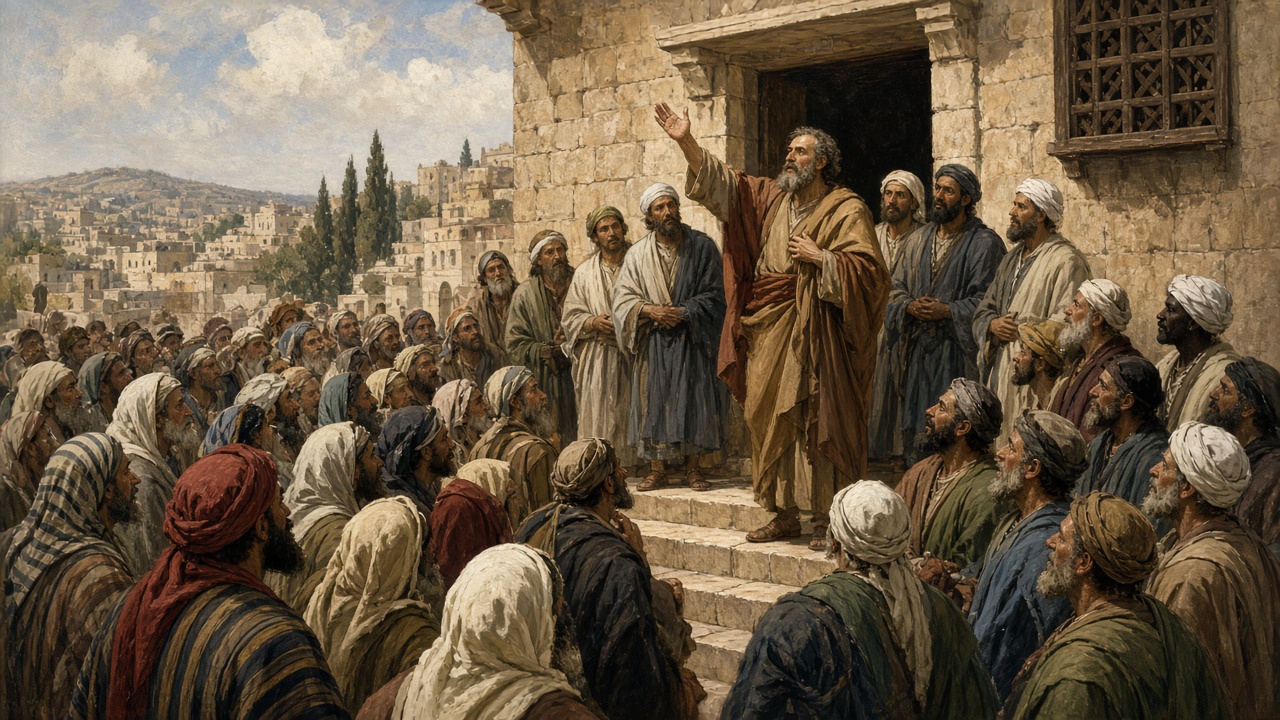
14Peter, Zezì wecheekeèdeè hoònǫ-daats'ǫ̀-ı̨łè gota nàwo gà hòtł'ò dǫ hazǫǫ̀ ts'ǫ̀ xàyaı̨htı, hadı, “Sèot'ı̨ı̨, Israel got'ı̨į̀ yàahłı̨ı̨, eyıts'ǫ naxı̨ hazǫǫ̀ jǫ Jerusalem nàahdèe sìı hotıì nezı̨į̀ seàhkw'ǫ. Ayìı dàgòjàa sìı naxıts'ǫ̀ wek'ayahtı ha. 15Dıı dǫ geèhde aget'ı̨ dahwhǫ nì? K'ǫ̀ą t'aa k'omǫǫ̀dǫǫ̀ łǫǫ̀tǫ nìı̨ɂǫ agǫ̀ht'e! 16Į̀le, geèhde nıìle, dıı sìı nakwenàoɂǫǫ Joel dıı hanì yeghǫ goı̨de ı̨lè:
17‘Nǫ̀htsı̨ hadı, Nǫǫde dzęę̀ ts'ǫ̀ hawe nı̨dè sets'ǫ Yedàyeh Nezı̨ı̨ dǫ hazǫǫ̀ k'e ahłe ha. Wedahxà naxıza eyıts'ǫ naxıtì xàyagehtı ha. Naxıts'ǫ cheko gınazhıı xègaat'ı̨ ha, naxıts'ǫ eneèko nàgete ha. 18Ekìıyeè k'e nı̨dè secheekeè, dǫzhìı eyıts'ǫ ts'èko gı̨ı̨lı̨ı̨ sìı Yedàyeh Nezı̨ı̨ gık'e ahłe ha eyıts'ǫ wedahxà xàyagehtı ha. 19Įdòo yat'a enıìyah hohtsı̨ ha eyıts'ǫ dèè gok'e enıìyah nàhòwoò ahłe ha. Edoò łǫ nı̨ı̨lı̨ ha, kǫ̀ nàtsoo xè ło łǫ agode ha. 20Gots'ǫ̀ K'àowo enıìyah t'à nììtłaa dzęę̀ kwe, sadeè xè togoòtł'ò agode ha eyıts'ǫ adzęzah edoò lade ha. 21Dǫ hazǫǫ̀ gots'ǫ̀ K'àowo ghǫ gınì nàtsoo sìı edaxàweetè ha,’ dek'eèhtł'è.
22“Israel got'ı̨į̀ yàahłı̨ı̨ sìı seàhkw'ǫ: Nǫ̀htsı̨ sìı, Nazareth got'ı̨į̀ Zezì naxıts'ǫ̀ yı̨ı̨hɂà hǫt'e, enıìyah łǫ hòèhtsı̨ı̨ eyı weghàà wek'èahsǫ hǫt'e. Nǫ̀htsı̨ yet'à hanì naxıta eghàlaı̨dà, naxı̨ kò wek'èahsǫ hǫt'e. 23Eyı Zezì sìı naxıghàwììtı̨ hǫt'e. Nǫ̀htsı̨ hanì ha nıwǫ t'à eyıts'ǫ hawedle ha nadąą̀ yek'èezǫ t'à naxıghàyı̨ı̨htı̨ hǫt'e. Naxı̨ dǫjıı naxıts'àgı̨ı̨dì t'à dechı̨et'aa k'e wedeàhtsò xè ełaàwèahwho hǫt'e. 24Hanìkò Nǫ̀htsı̨ sìı naìdà ayį̀į̀là, łǫ̀ǫ̀ weweè t'à daı̨ɂà-le. Nǫ̀htsı̨ t'asìı wegha dìì-le t'à, łǫ̀ǫ̀ ełaı̨wo ayį̀į̀là-le. 25K'àowocho Davıd dıı hanì yeghǫ ı̨ı̨tł'è ı̨lè,
‘Sets'ǫ̀ K'àowo t'aats'ǫǫ̀ senadąą̀ wègaat'ı̨. Nàgòts'ehnèe k'e segà wheda t'à dehjı̨ ha-le. 26Eyıt'à sedzeè t'à sınà xè sewà t'à ehjı̨ ha. Nǫ̀htsı̨ sekw'ǫǫ̀ dèè goyìı aìtǫǫ̀ ayele ha-le t'à sezhį̀į̀ edaxàhtè ha hotıì segha ehkw'ı-ahodı. Nǫ̀htsı̨ wets'ǫ degaı elı̨ı̨ sìı wekwǫ̀ ehjı ch'à yek'èdì ha hǫt'e. 28Nàowo wet'à ts'eedaa sìı wek'èehsǫǫ̀ asį̀į̀là. Nǫ̀htsı̨ wexè ehda t'à sıì sınà asele ha,’ dek'eèhtł'è.
29“Sèot'ı̨ı̨, k'àowocho Davıd ełaı̨wo hotıì wek'èehsǫ, wekw'ǫǫ̀ nègı̨į̀tǫ eyıts'ǫ dıı dzęę̀ ts'ǫ̀ jǫ wekw'ǫǫ̀ whetǫ hǫt'e. 30Nǫ̀htsı̨ yegha yatı nàtsoo whehtsı̨ı̨ sìı nakwenàoɂǫǫ elı̨ t'à yek'èezǫ xè hanì xàyaı̨htı. Eyı sìı nǫǫde-ı̨dè ededı̨ wets'ıhɂǫ̀ǫ-dǫǫ̀ ı̨łè yetł'axǫǫ̀ k'àowocho elı̨ ha, Nǫ̀htsı̨ yèhdı ı̨lè. 31Įdaà dàgode ha yek'èezǫ t'à Chrıst naìdà ghǫ xàyaı̨htı. Wekw'ǫǫ̀ kwe yìı aìtǫ nıìle, eyıts'ǫ wekwǫ̀ sı ı̨hjıì ajà-le. 32Nǫ̀htsı̨ sìı Zezì naìdà ayį̀į̀là. Goxı̨ hazǫǫ̀ godaà agòjà hǫt'e. 33Įdòo Nǫ̀htsı̨ ts'ǫ̀ nıwıìtı̨ eyıts'ǫ yegà nàgòts'ehnèe wheda hǫt'e. Nǫ̀htsı̨-Gotà, Yedàyeh Nezı̨ı̨ ghǫ goı̨dee sìı Zezì ghàyı̨ı̨ɂǫ. Zezì eyı Yedàyeh Nezı̨ı̨ gots'ǫ̀ ayį̀į̀làa sìı dıì weghàahda xè weàhkw'ǫ hǫt'e. 34K'àowocho Davıd ı̨dòo yak'e ts'ǫ̀ nıwıìtı̨ nıìle, hanìkò dıı hadı,
‘Gots'ǫ̀ K'àowo, sets'ǫ̀ K'àowo ts'ǫ̀ hadı, Amìı nets'ǫ̀ xànegı̨ı̨ɂaa sìı hazǫǫ̀ gıghǫı̨hnè agehłe gots'ǫ̀, nàgòts'ehnèe k'e segà wheęda,’ dek'eèhtł'è.
36“Eyıt'à Israel got'ı̨į̀ hazǫǫ̀ Nǫ̀htsı̨ dànì gogha eghàlaı̨dàa sìı hotıì gık'èezǫ ha: Eyı Zezì dechı̨et'aa k'e wedeàhtsòo sìı Nǫ̀htsı̨ gogha K'àowo yèhtsı̨ eyıts'ǫ Chrıst sı yèhtsı̨,” Peter hadıì dǫ ts'ǫ̀ goı̨de.
37Dǫ hazǫǫ̀ eyı egıìkw'o ekò geèhyeh lagejà. Peter eyıts'ǫ Zezì wecheekeèdeè ts'ǫ̀ hagedı, “Gòet'ı̨ı̨, hanì-ı̨dè ayìı dàts'ı̨ı̨là lì?” gedı.
38Peter gots'ǫ̀ hadı, “Edek'eahłı̨, naxınì eładı̨į̀ aahłe. Naxıhołı̨į̀ naxıghǫ nahoezhe ha t'à, hazǫǫ̀ naxıtaàt'eè Zezì wıızì t'à naxık'ètaìdzı̨į̀ adeahłe. Hanì-ı̨dè Yedàyeh Nezı̨ı̨ naxık'e ade ha. 39Nǫ̀htsı̨ sìı naxıgha, naxıza gıgha, dǫ hazǫǫ̀ nıwà nàgedèe sìı gıgha, eyıts'ǫ t'aa Nǫ̀htsı̨ gokayahtı ha sìı hanì gogha yatı nìı̨ɂǫ hǫt'e,” gòhdı.
40Peter yatı łǫ t'à gots'ǫ̀ goı̨de xè goghǫnàdaetì, hadı, “Dǫ nàowołı̨ı̨ k'ę̀ę̀ geeda gıta nàahdèe sìı gıch'à edaxàahdè,” gòhdı. 41Dǫ gıgha ehkw'ı-ahodı xè weyatıì gį̀į̀hchìı sìı gık'ètaìdzǫ. Eyı dzęę̀ k'e taı-lemì dǫ haàtłǫǫ goxè aget'ı̨į̀ agejà.
Dǫ gıgha ehkw'ı-ahodıı sìı dànì ełexè geeda
42Zezì wecheekeèdeè hoghàgogeehtǫ ekò hotıì egeèhkw'ǫ, eyıts'ǫ yagehtı xè Nǫ̀htsı̨ łèt'è ghǫ shègezhe gha łą̀ą ełègehdè. 43Zezì wecheekeèdeè enıìyah łǫ eghàlagı̨ı̨dà t'à, dǫ hazǫǫ̀ gıgha enıìyah dìì. 44Dǫ hazǫǫ̀ gıgha ehkw'ı-ahodıı sìı ełexè aget'ı̨, eyıts'ǫ t'asìı hazǫǫ̀ gıts'ǫ sìı ełèht'eè ełeghàgeedı. 45T'asìı gıts'ǫ sìı gıghǫ nàèdì, eyı sǫǫ̀mba t'à dǫ t'asìı wegha whìle sìı ts'àgedı. 46Dzę taàt'eè Nǫ̀htsı̨kǫ̀-gocho gà łą̀ą nègııdè. Edekǫ̀ Nǫ̀htsı̨ łèt'è tàgeezhì gà ełexè shègezhe, sìgeèt'ı̨ xè ehkw'ı agı̨ı̨wǫ. 47Nǫ̀htsı̨ ghàsǫgeedı eyıts'ǫ dǫ hazǫǫ̀ goghǫ nezı̨į̀ agı̨ı̨wǫ. Dzę taàt'eè gots'ǫ̀ K'àowo dǫ deɂǫ̀atłǫ gots'ǫ̀ ayehɂı̨ı̨ sìı edaxàgole.
Você sabia?
O Espírito vem no Pentecostes
- Judeus tementes a Deus, de todas as nações debaixo do céu, já moravam em Jerusalém quando um som como o de um vento forte e impetuoso veio do céu e encheu a casa, e os que falavam começaram a anunciar as maravilhas de Deus em outras línguas. Neste capítulo, “Ásia” é a província romana da Ásia Proconsular, na parte ocidental da Ásia Menor, cuja capital era Éfeso — e não o continente com esse nome. O Ponto, ao longo da costa sul do mar Euxino, era uma província romana no tempo dos apóstolos e um lugar frequentado por muitos judeus da Dispersão; a Capadócia era a província mais oriental e a maior da Ásia Menor.Fontes: o próprio texto bíblico · Asia · Pontus · Cappadocia
- A multidão ficou espantada de que os que falavam fossem galileus. Quem se levantou com os Onze e lhes falou foi Simão Pedro, chamado antes Simão — isto é, Simeão, que significa “ouvir” —, um pescador de Betsaida, na costa ocidental do mar da Galileia, a quem seu irmão mais novo, André, levou primeiro a Jesus.Fontes: o próprio texto bíblico · Simon Peter
- Pedro disse que aquilo era o que havia falado o profeta Joel. Joel, o segundo dos doze profetas menores, era filho de Petuel, e sua história pessoal só é conhecida pelo seu livro. Pedro também citou Davi, o oitavo e o mais novo dos filhos de Jessé, de Belém, e disse à multidão que esse patriarca havia morrido e fora sepultado, e que seu túmulo ainda estava com eles em Jerusalém.Fontes: o próprio texto bíblico · Joel · David
Notas escritas com auxílio de IA a partir de fontes abertas (Theographic Bible Metadata, CC BY-SA 4.0; Easton’s Bible Dictionary, domínio público) e revisadas antes de publicar.
Lugares deste capítulo
- Jerusalem · 31.777, 35.234 · versículos 5, 14
- Galilee · 32.760, 35.527 · versículo 7
- Asia · 38.400, 28.300 · versículo 9
- Cappadocia · 38.671, 34.839 · versículo 9
- Judea · Hoje: Judea 1 · 31.777, 35.234 · versículos 9, 14
- Mesopotamia · Hoje: Aram-naharaim · 36.864, 39.033 · versículo 9
- Pontus · 40.680, 37.830 · versículo 9
- Cyrene · 32.821, 21.851 · versículo 10
- Egypt · 30.129, 31.308 · versículo 10
- Libya · 32.821, 21.851 · versículo 10
- Pamphylia · 37.000, 31.000 · versículo 10
- Phrygia · 39.000, 31.000 · versículo 10
- Rome · 41.892, 12.485 · versículo 10
- Nazareth · 32.702, 35.298 · versículo 22
Só aparecem lugares com identificação de alta confiança (90% ou mais segundo as fontes acadêmicas reunidas pelo OpenBible). Mapa da época: DARE (Digital Atlas of the Roman Empire), CC BY 4.0; mapa atual: © colaboradores do OpenStreetMap; lugares: OpenBible.info (CC BY 4.0).
Créditos e licença desta tradução
Nǫ̀htsı̨̨ Nı̨̨htł'è
Dogrib: Dogrib Genesis & New Testament New Testament & Portions of Old Testament
copyright © 2009 Canadian Bible Society
Language: Dogrib
Translation by: Canadian Bible Society
Tłı̨chǫ Genesis and New Testament
About Tłı̨chǫ
Tłı̨chǫ (Dogrib) is a Na-Dene (Athabaskan) language. It is spoken by the First Nations Tłı̨chǫ people in the Northwest Territories in Canada. It has the largest number of speakers of any of the Aboriginal language communities in the NWT, and is one of the official languages of the Northwest Territories.
About This Translation
This translation includes the book of Genesis and the New Testament in Tłı̨chǫ. The first edition of the Tłı̨chǫ New Testament was published in 2003. It was a historic event, as it was the first time in more than a hundred years that a complete New Testament was published for one of the Dene First Nations in the Territories. The first edition was well received and quickly sold out. In the meantime the book of Genesis had been completed. Consequently, the 2008 reprint of the Tłı̨chǫ New Testament included Genesis.
Though this translation of the New Testament and Genesis took a total of ten years, the people who worked on it built on years of labor invested by the Tłı̨chǫ people, elders, priests and missionaries, translators, educators, and linguists. The material contained in this book was checked and approved by consultants from Wycliffe Bible Translators and the Canadian Bible Society.
If you are interested in obtaining a printed copy of this Bible, please contact the Canadian Bible Society at http://www.biblescanada.com .
Copyright Information
Dogrib Genesis and New Testament © 2003, 2008 Canadian Bible Society
The text of the Bible in Tłı̨chǫ that appears in this electronic format or website is for personal use only.
Up to five hundred (500) verses of the Bible text in any form (written, visual, electronic or audio) may be quoted without permission. The quoted verses may not be more than 50% of a complete book of the Bible, or more than 25% of the total text of the work in which they are quoted. Prior written permission must be obtained for any other use of the text. Copyright acknowledgement must in all cases appear on the title or copyright page.
For more information on copyright conditions or to apply, visit http://www.biblesociety.ca/copyright .
This translation is made available to you under the terms of the
Creative Commons Attribution-Noncommercial-No Derivatives license 4.0.
You may share and redistribute this Bible translation or extracts from it in any format, provided that:
You include the above copyright and source information.
You do not sell this work for a profit.
You do not change any of the words or punctuation of the Scriptures.
Pictures included with Scriptures and other documents on this site are licensed just for use with those Scriptures and documents.
For other uses, please contact the respective copyright owners.
2014-04-22
Fonte: http://ebible.org/dgrDOGNT/ · eBible.org