2 Tessalonicenses 2
Nǫ̀htsı̨̨ Nı̨̨htł'è · Toque num versículo para ver as referências cruzadas.
Dǫ wejıı Nǫ̀htsı̨ k'èch'a hohtsı̨
1Sèot'ı̨ı̨, gots'ǫ̀ K'àowo nììtła ha eyıts'ǫ wexè łą̀ą nèts'ııdè ha sìı eyı ghǫ naxıts'ǫ̀ gots'ede ha ts'ı̨ı̨wǫ. 2Dǫ mǫ̀hdaa ekìı ts'edıı yatıì t'à naxıta k'egedè. Nǫ̀htsı̨ weyatıì gıghǫ̀t'ǫ gedı t'à, hanì-le-ı̨dè goxı̨ godı gıghàts'ı̨ı̨ɂǫ gedı t'à, hanì-le-ı̨dè enı̨htł'è naxıts'ǫ̀ ts'ı̨ı̨tł'è gedı t'à gogedeè-agedı. Gots'ǫ̀ K'àowo hòt'a nììtła ı̨lèe ne naxègedı, hanìkò eyı ghǫ nànıahdè xè naxıgha gots'eèdı ha ts'ı̨ı̨wǫ-le. 3T'asìı wı̨ı̨zìı t'à dǫ wı̨ı̨zìı naxıghǫyagııɂà sǫ̀ǫ̀. Dǫ łǫ Nǫ̀htsı̨ k'èch'a hogehtsı̨ gots'ǫ̀, eyıts'ǫ dǫ wejıı Nǫ̀htsı̨ k'èch'a hohtsı̨ı̨ sìı wek'èhoedzǫǫ̀ ade gots'ǫ̀, eyı dzęę̀ nèhòkw'ı ha nıìle. Eyı dǫ wejıı sìı wedıhołè awedle ha hǫt'e. 4Eyı dǫ wejıı sìı t'asìı hazǫǫ̀ dǫ Nǫ̀htsı̨ gìt'ı̨ı̨ sìı eyıts'ǫ t'asìı hazǫǫ̀ ts'ǫ̀ yagehtıı sìı k'èch'a k'ehoɂa xè gınahk'e ehłı̨ hadı ha. Eyıt'à Nǫ̀htsı̨kǫ̀-gocho goyìı wheda gà Nǫ̀htsı̨ aht'e edèhdı ha.
5Naxıxè whıhda ekò eyı hazǫǫ̀ naxıts'ǫ̀ haehsı̨ ı̨lè. Asį̀į̀ wenaahdì? 6Eyı dǫ wejıı sìı ayìı ts'ıhɂǫ̀ ı̨łaà nììtła-le sìı wek'èahsǫ hǫt'e, ehkw'ı nèhòı̨wo nı̨dè wègoèht'į̀ ha. 7Dıì hòt'a deɂı̨į̀ Nǫ̀htsı̨ k'èch'a eghàlaeda hǫt'e, hanìkò amìı dıı nèk'e wègoèt'į̀ ch'à ayį̀į̀hwhǫǫ sìı ı̨ɂǫ̀ǫ̀ awedle gots'ǫ̀ ı̨łaà ı̨dè ayį̀į̀hwhǫ ha hǫt'e. 8Eyı tł'axǫǫ̀-ı̨dè eyı dǫ wejıı sìı wègoèt'į̀ ha. Hanìkò gots'ǫ̀ K'àowo Zezì nììtła nı̨dè, ededaàzhìı t'à yek'e ehsò t'à yeghǫehnè ha eyıts'ǫ enıìyah deè t'à yedıhohtsı̨ ha. 9Eyı dǫ wejıı nììtła nı̨dè wehłı̨ı̨ wedahxà eghàlaeda ha, ts'àhohtsı̨ xè enıìyah deè hohtsı̨ ha, eyıt'à dǫ ghǫyaeɂà ha. 10Dǫ gıdıhołè ha sìı hołı̨ı̨ nàowoò hazǫǫ̀ xàɂaa t'à goghǫyaeɂà ha. Nàowo ehkw'ıı ghǫnegeètǫ-le xè edaxàgeeze ha gı̨ı̨wǫ-le t'à gıdıhołè ha. 11Nàowo ehkw'ıı gı̨ı̨wǫ-le ts'ıhɂǫ̀ Nǫ̀htsı̨ t'asìı enıìyah xè goghǫyaeɂàa sìı geɂį̀ agole ha, eyıt'à dǫ wejıı gots'ǫ̀ hots'ì kò gıgha ehkw'ı-ahodı ha. 12Eyı dǫ hazǫǫ̀ nàowo ehkw'ıı gıgha ehkw'ı-ahodı-le, hanìkò t'asìı wejıı zǫ ts'ǫ̀ nàgetso xè hołı̨ı̨ gıgha nezı̨, eyıt'à ełaàgede gha gısınìyaetı ha hǫt'e.
Naxınì nàtsoò aahwhǫ
13Hanìkò sèot'ı̨ı̨, naxı̨ gots'ǫ̀ K'àowo naxıghǫneètǫǫ sìı kèhǫǫ̀wo gots'ǫ edaxànaxeeze ha naxį̀į̀hchì hǫt'e t'à, t'aats'ǫǫ̀ naxıgha Nǫ̀htsı̨ masì wets'ı̨ı̨hwhǫ hǫt'e. Yedàyeh Nezı̨ı̨ sìı Nǫ̀htsı̨ wets'ǫ dǫ degaı aahłı̨į̀ anaxį̀į̀là t'à eyıts'ǫ naxıgha ehkw'ı-ahodı t'à edaxànaxı̨ı̨la hǫt'e. 14Godı nezı̨ı̨ hoghànaxets'eèhtǫ eyı wet'à Nǫ̀htsı̨ naxıkayaı̨htı hǫt'e, hanì-ı̨dè gots'ǫ̀ K'àowo Zezì-Krı dànì wexè enıìyah hòɂǫǫ sìı wexè hanì naxıxè hòɂǫǫ̀ ayele ha hǫt'e. 15Eyıt'à sèot'ı̨ı̨, nàowo hoghànaxets'eèhtǫǫ sìı weghǫ naxınì nàtso aahwhǫ. Goyatıì t'à hanì-le-ı̨dè enı̨htł'è t'à ayìı hoghànaxets'eèhtǫǫ sìı wedeahchı sǫ̀ǫ̀.
16Nǫ̀htsı̨-Gotà goghǫneètǫǫ sìı wesǫnıwǫ t'à welǫ whìle ts'ǫ̀ ts'eeda ha edeyatıì nàtsoo goghàı̨ɂǫ, eyıts'ǫ wet'à goınì nàtsoò agǫ̀ǫ̀là. Gots'ǫ̀ K'àowo Zezì-Krı xàè ededı̨ eyıts'ǫ Nǫ̀htsı̨-Gotà 17hotıì naxıdzeè nàtsoò agııle, eyıts'ǫ wet'à t'aats'ǫǫ̀ nezı̨į̀ eghàlaahda gha, eyıts'ǫ wet'à nezı̨į̀ goahde gha nàahtso welè.
Você sabia?
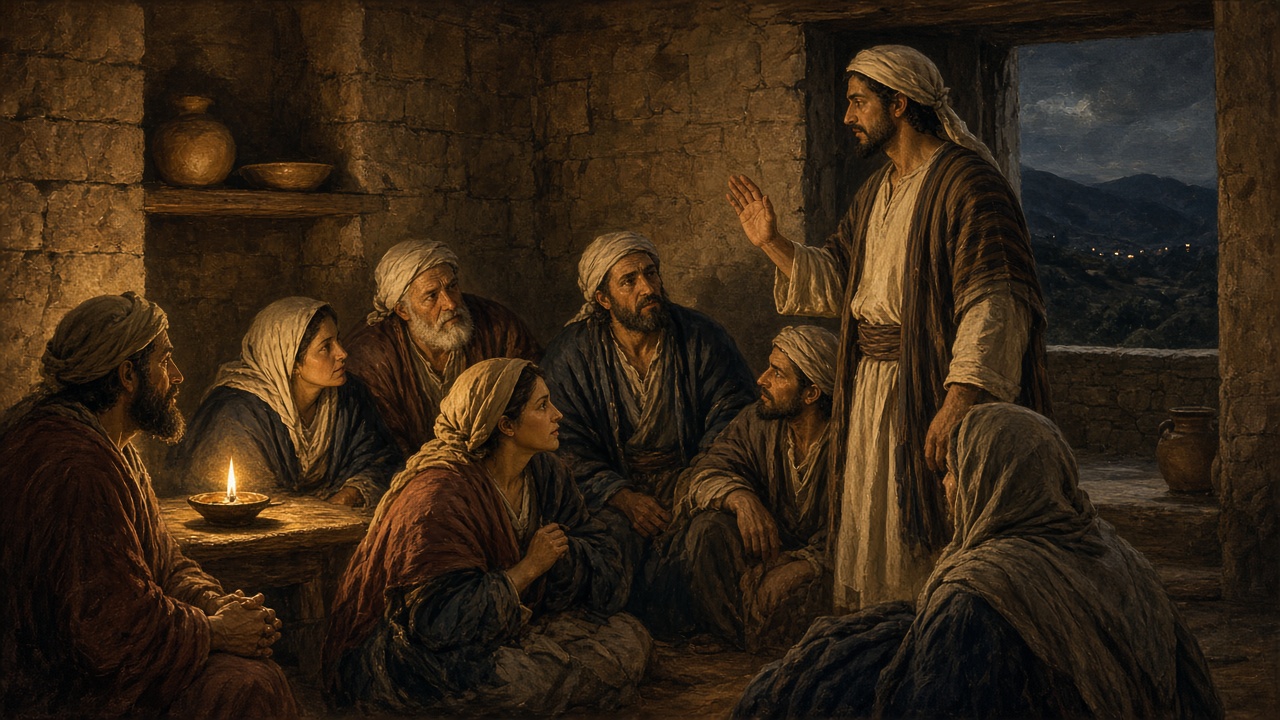
O Dia do Senhor ainda não chegou
- O capítulo pede aos leitores que não se alarmem facilmente com um espírito, uma mensagem ou uma carta que apenas pareça vir dos autores e afirme que o Dia do Senhor já chegou. Diz que esse dia não virá enquanto não ocorrer a rebelião e não for revelado o homem da iniquidade.Fontes: o próprio texto bíblico
- Chamado também filho da perdição, ele é descrito como quem se exalta acima de todo suposto deus, senta-se no templo de Deus e se proclama Deus. O texto fala do que agora o detém e daquele que o detém, mas não dá nome a essa restrição.Fontes: o próprio texto bíblico
- A vinda do iníquo vem acompanhada da atuação de Satanás, com todo tipo de poder, sinais e falsos prodígios. Satanás significa adversário ou acusador; no Novo Testamento o nome é usado de modo intercambiável com Diabolos, o diabo, mais de trinta vezes.Fontes: o próprio texto bíblico · Satan
Notas escritas com auxílio de IA a partir de fontes abertas (Theographic Bible Metadata, CC BY-SA 4.0; Easton’s Bible Dictionary, domínio público) e revisadas antes de publicar.
Créditos e licença desta tradução
Nǫ̀htsı̨̨ Nı̨̨htł'è
Dogrib: Dogrib Genesis & New Testament New Testament & Portions of Old Testament
copyright © 2009 Canadian Bible Society
Language: Dogrib
Translation by: Canadian Bible Society
Tłı̨chǫ Genesis and New Testament
About Tłı̨chǫ
Tłı̨chǫ (Dogrib) is a Na-Dene (Athabaskan) language. It is spoken by the First Nations Tłı̨chǫ people in the Northwest Territories in Canada. It has the largest number of speakers of any of the Aboriginal language communities in the NWT, and is one of the official languages of the Northwest Territories.
About This Translation
This translation includes the book of Genesis and the New Testament in Tłı̨chǫ. The first edition of the Tłı̨chǫ New Testament was published in 2003. It was a historic event, as it was the first time in more than a hundred years that a complete New Testament was published for one of the Dene First Nations in the Territories. The first edition was well received and quickly sold out. In the meantime the book of Genesis had been completed. Consequently, the 2008 reprint of the Tłı̨chǫ New Testament included Genesis.
Though this translation of the New Testament and Genesis took a total of ten years, the people who worked on it built on years of labor invested by the Tłı̨chǫ people, elders, priests and missionaries, translators, educators, and linguists. The material contained in this book was checked and approved by consultants from Wycliffe Bible Translators and the Canadian Bible Society.
If you are interested in obtaining a printed copy of this Bible, please contact the Canadian Bible Society at http://www.biblescanada.com .
Copyright Information
Dogrib Genesis and New Testament © 2003, 2008 Canadian Bible Society
The text of the Bible in Tłı̨chǫ that appears in this electronic format or website is for personal use only.
Up to five hundred (500) verses of the Bible text in any form (written, visual, electronic or audio) may be quoted without permission. The quoted verses may not be more than 50% of a complete book of the Bible, or more than 25% of the total text of the work in which they are quoted. Prior written permission must be obtained for any other use of the text. Copyright acknowledgement must in all cases appear on the title or copyright page.
For more information on copyright conditions or to apply, visit http://www.biblesociety.ca/copyright .
This translation is made available to you under the terms of the
Creative Commons Attribution-Noncommercial-No Derivatives license 4.0.
You may share and redistribute this Bible translation or extracts from it in any format, provided that:
You include the above copyright and source information.
You do not sell this work for a profit.
You do not change any of the words or punctuation of the Scriptures.
Pictures included with Scriptures and other documents on this site are licensed just for use with those Scriptures and documents.
For other uses, please contact the respective copyright owners.
2014-04-22
Fonte: http://ebible.org/dgrDOGNT/ · eBible.org