1 Pedro 2
Nǫ̀htsı̨̨ Nı̨̨htł'è · Toque num versículo para ver as referências cruzadas.
1Hanìkò dıì sìı hołı̨ı̨ hazǫǫ̀ k'ę̀ę̀ k'ehoahɂaa, ełeghǫyaahɂàa, degaı daahtsı̨ı̨, ełeghǫ ts'oxoahdıı, ełıızì jıı aahtsı̨ı̨, eyı hazǫǫ̀ wedę aahłe. 2Bebìa k'ǫǫ̀t'a dǫ gı̨ı̨lı̨ı̨ sìı edemǫ wet'ò wedeèdlı̨ı̨ ghageewı lanì Nǫ̀htsı̨ wenàowoò ghaahwhı welì. Hanì-ı̨dè edaxàahdè gha naxınì nàtsoò ade ha, 3gots'ǫ̀ K'àowo gots'ǫ̀ wınì nezı̨ı̨ wek'èahsǫǫ̀ aahjà t'à.
Nǫ̀htsı̨ wets'ǫ dǫ aaht'e
4Amìı wets'ǫ̀ aahjàa sìı “kwe wet'à ts'eedaa” wìyeh. Dıı nèk'e ts'ǫ dǫ eyı kwe gı̨ı̨wǫ-le, hanìkò Nǫ̀htsı̨ eyı kwe wegha sıì wet'àhoòɂà ne t'à yį̀į̀hchì hǫt'e. 5Eyı lanì naxı̨ sı kwe edaa laaht'e. Naxı̨ sìı Nǫ̀htsı̨ wekǫ̀ gocho laaht'e eyıts'ǫ yahtıı degaı lanì wegha k'ehoahɂa. Zezì-Krı naxıgha ehkw'ı adı t'à, Nǫ̀htsı̨ wınì k'ę̀ę̀ weghàdeahła. 6Nǫ̀htsı̨ Nı̨htł'è k'e dıı hanì dek'eèhtł'è:
“Aàhkw'o! Jerusalem ekǫ kwe wheɂǫ ahłà. Eyı kwe ìhchì hǫt'e eyıts'ǫ segha wet'àaɂà hǫt'e. Amìı yegha ehkw'ı adıı sìı yek'eelı̨ hǫı̨lı̨ ha nıìle,” hanì dek'eèhtł'è.
7Naxıgha ehkw'ı adı t'à eyı kwe naxıgha sıì wet'àhoòɂà hǫt'e. Hanìkò amìı wegha ehkw'ı-ahodı-le sìı gıgha dıı hanì dek'eèhtł'è:
“Kwekǫ̀-gogehtsı̨ı̨-dǫǫ̀ kwe ɂǫ̀geèhk'aa sìı eyı kwe denahk'e wet'àhoòɂà whelı̨,”
8eyıts'ǫ dıı hanì dek'eèhtł'è:
“Eyı kwe wet'à dǫ dagıìtà eyıts'ǫ wet'à dèè k'e nàgeetł'ì hǫt'e,” hanì dek'eèhtł'è.
Godı nezı̨ı̨ k'ę̀ę̀ geeda-le ts'ıhɂǫ̀ dagıìtà. Gıts'ǫ̀ hagot'ı̨ı̨ sìı hanì gıgha hòɂǫǫ̀ adlà hǫt'e.
9Hanìkò naxı̨ sìı naxììchì hǫt'e, Nǫ̀htsı̨ wedahxà yahtıı aaht'e, Nǫ̀htsı̨ wets'ǫ aaht'e eyıts'ǫ dǫ degaı aaht'e. Eyı ts'ıhɂǫ̀ Nǫ̀htsı̨ ghàsǫahdı; ededı̨ sìı togoòtł'òo yìı gots'ǫ dzęh nı̨ı̨dı̨ı̨ ts'ǫ̀ naxıkayaı̨htı hǫt'e. 10Įnę̀ę Nǫ̀htsı̨ wets'ǫ dǫ aaht'e-le ı̨lè, hanìkò dıì sìı Nǫ̀htsı̨ wets'ǫ aaht'e. Įnę̀ę etenaxeèɂı̨-le ı̨lè, hanìkò dıì sìı etenaxeèɂı̨ hǫt'e.
11Seàgı̨ą, dıı nèk'e ts'ǫ dǫ gıta xàhtǫ laaht'e t'à hołı̨ı̨ naxıdą̀ązhį̀ı̨ k'alawoo sìı wek'ę̀ę̀ aahda ha-le naxıghǫ hòtł'ò hahwhǫ. 12Dǫ Nǫ̀htsı̨ k'ègeezǫ-le sìı gıta t'aats'ǫǫ̀ ehkw'ı aahda. Hanì aahda nı̨dè ekǫ-le eghàlaahda naxık'e nìdahogeeɂà kò, t'asìı nezı̨ı̨ haahłàa sìı gıghàeda ha hǫt'e, hanì-ı̨dè Nǫ̀htsı̨ gots'ǫ̀ adee dzęę̀ k'e nı̨dè gıghàsǫedı ha hǫt'e.
Dèe-ts'ǫ̀-k'àowo eyıts'ǫ k'aodèe gı̨ı̨lı̨ı̨ sìı gık'èaht'e
13Nǫ̀htsı̨ wınì k'ę̀ę̀ dǫ naxıts'ǫ̀ k'aodèe gıhòèlı̨ı̨ sìı gık'èaht'e. Eyıt'à k'àowocho t'asìı hazǫǫ̀ gha k'àowo elı̨ı̨ sìı wek'èaht'e, 14eyıts'ǫ wedahxà dèe-ts'ǫ̀-k'àowo naxıts'ǫ̀ gohɂaa sìı gık'èaht'e. Ededı̨ sìı dǫ ekǫ-le hogehtsı̨ nı̨dè nàgogeehkwa ha hǫt'e, eyıts'ǫ dǫ ehkw'ı geedaa sìı nezı̨į̀ goghǫ gogede hǫt'e. 15Dǫ gogı̨ı̨zǫ-le sìı yatıjıı t'à naxıghǫ gogede kò dàgedıì-agedıı sìı gık'èezǫ-le. Nǫ̀htsı̨ sìı nezı̨į̀ aahda ha nıwǫ, hanì-ı̨dè eyı dǫ agııdì whìle ageahłe ha. 16Dǫ Moses wenàowoò tł'a geèhkw'e-le lanì nàahdè, hanìkò dıı haahwhǫ-le, “Hòt'a Moses wenàowoò tł'a ts'eèhkw'e-le t'à hołı̨ı̨ hots'ehtsı̨ ha dìì-le,” dahwhǫ-le. Į̀le, Nǫ̀htsı̨ wecheekeè lanì nàahdè ha hǫt'e. 17Nezı̨į̀ ełets'ǫ̀ naahɂa xè dıı hanì aahda: Amìı naxıxèht'eè gıgha ehkw'ı-ahodıı sìı gıghǫnıahtǫ, Nǫ̀htsı̨ wek'èaht'e, eyıts'ǫ k'àowocho wets'ǫ̀ nezı̨į̀ naahɂa.
18Dǫ gıcheekeè yàahłı̨ı̨ sìı naxıts'ǫ̀ k'àowo ts'ǫ̀ nezı̨į̀ naahɂa xè gık'èaht'e ha hǫt'e. Naxıts'ǫ̀ k'àowo naxıts'ǫ̀ dǫ nezı̨ı̨ elı̨ nı̨dè zǫ wets'ǫ̀ dǫ nezı̨ı̨ aahłı̨-le, hanìkò k'àowo naxıts'ǫ̀ wenàhǫǫht'è kò wets'ǫ̀ dǫ nezı̨ı̨ aahłı̨. 19Amìı Nǫ̀htsı̨ ehkw'ı adı nıwǫ xè nezı̨į̀ eda k'èxa nàweekwa nı̨dè eyı dǫ sìı eyı k'èxa weghàsǫedı ha hǫt'e. 20Hanìkò ekǫ-le hòahtsı̨ k'èxa naxıkwǫ̀ǫyaà-naxììdlà kò naxıgha t'asanìle nı̨dè dànì naxıgha hoǫzı̨ lì? Hanìkò nezı̨į̀ aahda k'èxa nànaxeekwa xè ts'èwhı̨į̀ daahɂa nı̨dè eyı sìı Nǫ̀htsı̨ wegha nezı̨ hǫt'e. 21Zezì-Krı naxıgha daı̨ɂà ne t'à, hanì aahda gha naxıkayaetı hǫt'e. Ededı̨ hanì gogha daı̨ɂàa sìı wek'ę̀ę̀ ts'eeda ha agǫ̀ǫ̀là. 22Ededı̨ sìı
“Hołı̨ı̨ wı̨ı̨zìı hòèhtsı̨-le eyıts'ǫ hots'ì whìle,” dek'eèhtł'è.
23Yatıjıı t'à gık'adaedè kò ek'èt'à yatıjıı t'à gots'ǫ̀ nagode-le; daı̨ɂà kò gots'ǫ̀ yedaı̨t'e xàyaı̨htı-le. Į̀le, Nǫ̀htsı̨ ehkw'ı dǫ sınìyaehtıı sìı ghàdìtı̨. 24Ededı̨ sìı edezhį̀į̀ t'à dechı̨et'aa k'e ts'ǫ̀ gohołı̨į̀ edexè ayį̀į̀là hǫt'e. Hanì-ı̨dè hołı̨ı̨ ts'ǫ̀ ełaàts'ede ha, hanìkò ehkw'ı k'ehots'eɂa gha ts'eedaà ats'ede ha; eyıts'ǫ wekaà wek'e whela t'à k'aàt'ıì anaxììdlà hǫt'e. 25Naxı̨ hazǫǫ̀ sahzǫ̀ą dıkǫèdee laaht'e, hanìkò dıì amìı sahzǫ̀ą k'èdìı elı̨ı̨ sìı ts'ǫ̀ anaahde; ededı̨ sìı naxıdą̀ązhį̀ı̨ k'èdìı elı̨ hǫt'e.
Você sabia?
Pedras vivas e um povo escolhido
- Este capítulo cita a Escritura sobre uma pedra angular escolhida e preciosa colocada em Sião: quem nela crê jamais será envergonhado. Sião era a colina do sudeste de Jerusalém, uma das elevações sobre as quais a cidade foi construída, cercada por vales profundos de todos os lados, exceto o norte.Fontes: o próprio texto bíblico · Zion
- Davi tomou Sião dos jebuseus, construiu ali uma cidadela e um palácio, e a colina passou a ser conhecida como a cidade de Davi. A carta usa esse nome de lugar ao citar a Escritura sobre uma pedra angular colocada em Sião e descreve os leitores como pedras vivas, edificadas como casa espiritual e sacerdócio santo.Fontes: Zion · o próprio texto bíblico
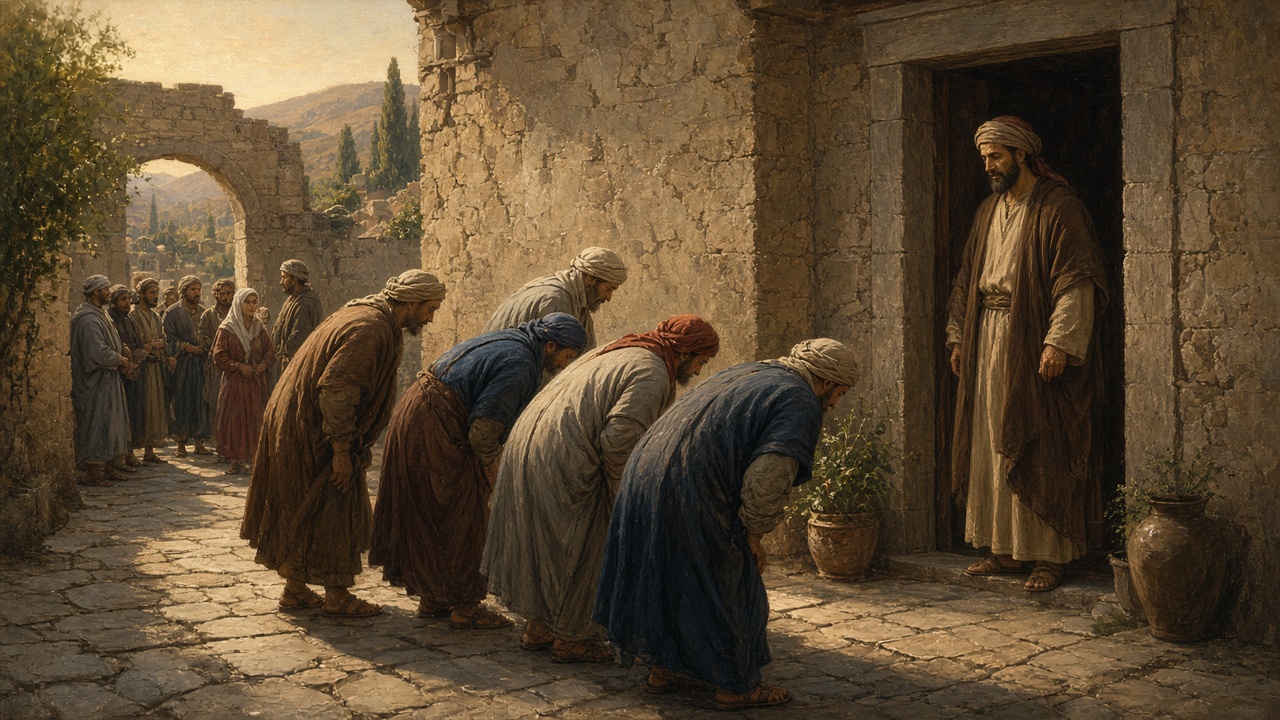
- O capítulo exorta à submissão, por causa do Senhor, a toda instituição humana: ao rei, como autoridade suprema, e aos governadores enviados para punir os que fazem o mal e louvar os que fazem o bem. Diz aos servos que respeitem até os senhores que agem sem razão, e apresenta o sofrimento de Cristo — sem pecado, sem engano, sem ameaças e sem retaliação — como modelo para suportar a dor injusta.Fontes: o próprio texto bíblico
Notas escritas com auxílio de IA a partir de fontes abertas (Theographic Bible Metadata, CC BY-SA 4.0; Easton’s Bible Dictionary, domínio público) e revisadas antes de publicar.
Lugares deste capítulo
- Zion · Hoje: Jerusalem · 31.777, 35.234 · versículo 6
Só aparecem lugares com identificação de alta confiança (90% ou mais segundo as fontes acadêmicas reunidas pelo OpenBible). Mapa da época: DARE (Digital Atlas of the Roman Empire), CC BY 4.0; mapa atual: © colaboradores do OpenStreetMap; lugares: OpenBible.info (CC BY 4.0).
Créditos e licença desta tradução
Nǫ̀htsı̨̨ Nı̨̨htł'è
Dogrib: Dogrib Genesis & New Testament New Testament & Portions of Old Testament
copyright © 2009 Canadian Bible Society
Language: Dogrib
Translation by: Canadian Bible Society
Tłı̨chǫ Genesis and New Testament
About Tłı̨chǫ
Tłı̨chǫ (Dogrib) is a Na-Dene (Athabaskan) language. It is spoken by the First Nations Tłı̨chǫ people in the Northwest Territories in Canada. It has the largest number of speakers of any of the Aboriginal language communities in the NWT, and is one of the official languages of the Northwest Territories.
About This Translation
This translation includes the book of Genesis and the New Testament in Tłı̨chǫ. The first edition of the Tłı̨chǫ New Testament was published in 2003. It was a historic event, as it was the first time in more than a hundred years that a complete New Testament was published for one of the Dene First Nations in the Territories. The first edition was well received and quickly sold out. In the meantime the book of Genesis had been completed. Consequently, the 2008 reprint of the Tłı̨chǫ New Testament included Genesis.
Though this translation of the New Testament and Genesis took a total of ten years, the people who worked on it built on years of labor invested by the Tłı̨chǫ people, elders, priests and missionaries, translators, educators, and linguists. The material contained in this book was checked and approved by consultants from Wycliffe Bible Translators and the Canadian Bible Society.
If you are interested in obtaining a printed copy of this Bible, please contact the Canadian Bible Society at http://www.biblescanada.com .
Copyright Information
Dogrib Genesis and New Testament © 2003, 2008 Canadian Bible Society
The text of the Bible in Tłı̨chǫ that appears in this electronic format or website is for personal use only.
Up to five hundred (500) verses of the Bible text in any form (written, visual, electronic or audio) may be quoted without permission. The quoted verses may not be more than 50% of a complete book of the Bible, or more than 25% of the total text of the work in which they are quoted. Prior written permission must be obtained for any other use of the text. Copyright acknowledgement must in all cases appear on the title or copyright page.
For more information on copyright conditions or to apply, visit http://www.biblesociety.ca/copyright .
This translation is made available to you under the terms of the
Creative Commons Attribution-Noncommercial-No Derivatives license 4.0.
You may share and redistribute this Bible translation or extracts from it in any format, provided that:
You include the above copyright and source information.
You do not sell this work for a profit.
You do not change any of the words or punctuation of the Scriptures.
Pictures included with Scriptures and other documents on this site are licensed just for use with those Scriptures and documents.
For other uses, please contact the respective copyright owners.
2014-04-22
Fonte: http://ebible.org/dgrDOGNT/ · eBible.org