1 João 3
Nǫ̀htsı̨̨ Nı̨̨htł'è · Toque num versículo para ver as referências cruzadas.
1Nǫ̀htsı̨-Gotà sıì goghǫneètǫ t'à Nǫ̀htsı̨ weza gòyeh agǫ̀ǫ̀là. Eyı sıì gogha enıìyah hǫt'e! Weza ats'ı̨ı̨t'e t'ıį̀t'e. Dıı nèk'e ts'ǫ dǫ Nǫ̀htsı̨ k'ègeezǫ-le t'à gok'ègeezǫ-le hǫt'e. 2Seàgı̨ą, dıì Nǫ̀htsı̨ weza ats'ı̨ı̨t'e, ı̨daà dǫ dàhòt'ı̨ı̨ ts'ı̨ı̨lı̨ ha sìı ı̨łaà wek'èts'eezǫ nıìle. Hanìkò Zezì-Krı dànì wègaat'ı̨ k'ę̀ę̀ wets'eɂį̀ ha ne t'à nììtła nı̨dè wexèht'eè lats'ede ha wek'èts'eezǫ. 3Dǫ hazǫǫ̀ eyı hagode ha gıgha ehkw'ı-ahodıı sìı degaı k'ę̀ę̀ edek'ègedì ha hǫt'e, Zezì-Krı dànì degaı elı̨ k'ę̀ę̀.
4Amìı hołı̨ı̨ hohtsı̨ı̨ sìı Nǫ̀htsı̨ nàowoò k'eezhì hǫt'e, hołı̨ı̨ t'à ts'eedaa sìı Nǫ̀htsı̨ nàowoò k'èch'a ts'eeda hǫt'e. 5Hanìkò gohołı̨į̀ whìle ayele gha gots'ǫ̀ ajà ı̨lè, eyı wek'èahsǫ hǫt'e. Ededı̨ sìı hołı̨ı̨ wı̨ı̨zìı wek'e wheɂǫ nıìle. 6Dǫ yexè edaa sìı ı̨łaà hołı̨ı̨ k'ę̀ę̀ eda nıìle. Amìı ı̨łaà hołı̨ı̨ k'ę̀ę̀ edaa sìı yaɂı̨ whìle eyıts'ǫ yek'èezǫ nıìle.
7Eyıt'à sèot'ı̨ı̨, dǫ wı̨ı̨zìı ekǫ-le ts'ǫ̀ anaxegııle sǫ̀ǫ̀. Amìı ehkw'ı k'ehoɂaa sìı ehkw'ı hǫt'e, Zezì-Krı ehkw'ı hǫt'e lanì. 8Amìı hołı̨ı̨ nàowoò k'ę̀ę̀ edaa sìı wehłı̨ı̨ nàowoò k'ę̀ę̀ eghàlaeda hǫt'e, kèhoį̀wo gots'ǫ wehłı̨ı̨ sìı hołı̨ı̨ hohtsı̨ ne t'à. Nǫ̀htsı̨ Weza sìı wehłı̨ı̨ wılaà yedıhohtsı̨ gha jǫ ajà ı̨lè. 9Nǫ̀htsı̨ dahxà dǫ wegǫ̀hłı̨ı̨ sìı ı̨łaà hołı̨ı̨ nàowoò k'ę̀ę̀ eda nıìle, Nǫ̀htsı̨ wets'ǫ Įnì wedzeè yìı wheɂǫ ne t'à. Nǫ̀htsı̨ dahxà wegǫ̀hłı̨ ne t'à ı̨łaà hołı̨ı̨ k'ę̀ę̀ eda ha nıìle. 10Amìı Nǫ̀htsı̨ weza agı̨ı̨t'ee, eyıts'ǫ amìı wehłı̨ı̨ weza agı̨ı̨t'ee sìı dıı weghàà gık'èts'eezǫ hǫt'e: Dǫ ehkw'ı eghàlageeda-le, eyıts'ǫ edèot'ı̨ ghǫnegeètǫ-le sìı Nǫ̀htsı̨ weza gı̨ı̨lı̨ nıìle.
Ełeghǫnıahtǫ
11Kèhots'ı̨į̀hwho gots'ǫ dıı yatı weàhkw'ǫ ı̨lè: Ełeghǫnets'eètǫ ha hǫt'e. 12Caın wexèaht'e-le, ededı̨ sìı wehłı̨ı̨ wets'ǫ dǫ hǫt'e, eyıts'ǫ edechı ełaı̨hwho ı̨lè. Dànìghǫ ayį̀į̀là? Ededı̨ wenàowoò jıı t'à ełaàyį̀ı̨hwho, hanìkò wechı wenàowoò ehkw'ı hǫt'e. 13Sèot'ı̨ı̨, dıı nèk'e ts'ǫ dǫ naxınìgelı̨-le nı̨dè eyı ghǫ naxıtł'ahk'e welè-le. 14Gòet'ı̨ gıghǫnets'eètǫ ts'ıhɂǫ̀ ełaàts'ı̨ı̨dè gots'ǫ nats'ìdà lats'ejà wek'èts'eezǫ hǫt'e. Amìı edèot'ı̨ ghǫneètǫ-le sìı ı̨łaà ełaı̨wo hǫt'e. 15Amìı edèot'ı̨ nèlı̨-le sìı eweèt'ı̨ı̨ gha wııtà hǫt'e, dǫ eweèt'ı̨ı̨ elı̨ı̨ sìı welǫ whìle ts'ǫ̀ eda ha nıìle, eyı wek'èahsǫ hǫt'e.
16Zezì gogha ełaı̨woo sìı eyı weghàà goghǫneètǫ wek'èts'eezǫǫ̀ ats'ejà. Eyı xèht'eè gòet'ı̨ gıgha ehkw'ı-ahodıı sìı gıgha ełaàts'ıde ts'ı̨ı̨wǫ welì. 17Dǫ t'asìı łǫ wets'ǫ sìı wèot'ı̨ t'asìı wets'ǫ-le yek'èezǫ kò eteyeèɂı̨-le nı̨dè, dànì Nǫ̀htsı̨ goghǫneètǫǫ sìı k'ę̀ę̀ eda ha? 18Sèot'ı̨ı̨, goyatıì zǫ t'à ełeghǫnets'eètǫ welè-le, hanìkò nàowo ehkw'ıı k'ę̀ę̀ ełets'àts'edı ha hǫt'e. 19Hats'ı̨ı̨t'e nı̨dè nàowo ehkw'ıı wets'ǫ ats'ı̨ı̨t'e wek'èts'eezǫ ha. Godzeè t'à edesınìyats'ehtı nı̨dè Nǫ̀htsı̨ ts'ǫ̀ ats'ııde, hanì-ı̨dè wenadąą̀ godzeè xè ts'èwhı̨į̀ hòɂǫ ha. Nǫ̀htsı̨ sìı godzeè nahk'e elı̨ hǫt'e eyıts'ǫ t'asìı hazǫǫ̀ k'èezǫ hǫt'e.
21Seàgı̨ą, godzeè t'à edesınìyats'ehtı-le nı̨dè Nǫ̀htsı̨ wenadąą̀ goınì nàtso ha 22eyıts'ǫ wenàowoò k'èats'ı̨ı̨t'e eyıts'ǫ wınì k'ę̀ę̀ k'ehots'eɂa t'à t'asìı wets'eekèe sìı goghàyeɂà ha hǫt'e. 23Dıı nàowo goghàı̨ɂǫ hǫt'e: Weza Zezì-Krı gogha ehkw'ı adı ha hǫt'e, eyıts'ǫ ełeghǫnets'eètǫ ha hǫt'e. 24Amìı yenàowoò k'èı̨t'ee sìı Nǫ̀htsı̨ xè eda hǫt'e, eyıts'ǫ Nǫ̀htsı̨ yexè eda hǫt'e. Yedàyeh Nezı̨ı̨ goghàı̨ɂǫ t'à goxè eda wek'èts'eezǫ hǫt'e.
Você sabia?
Filhos de Deus e amor fraterno
- A advertência para não ser como Caim lembra o primogênito de Adão e Eva, lavrador da terra, cujo irmão Abel seguia a vida pastoral. Eles apresentaram ofertas: a de Abel, dos primogênitos e da gordura do rebanho, foi aceita como mais excelente, e Caim, cuja oferta era do fruto da terra, ficou muito irado. A carta diz que Caim era do maligno e assassinou Abel porque as suas próprias obras eram más e as de seu irmão eram justas.Fontes: Cain · o próprio texto bíblico
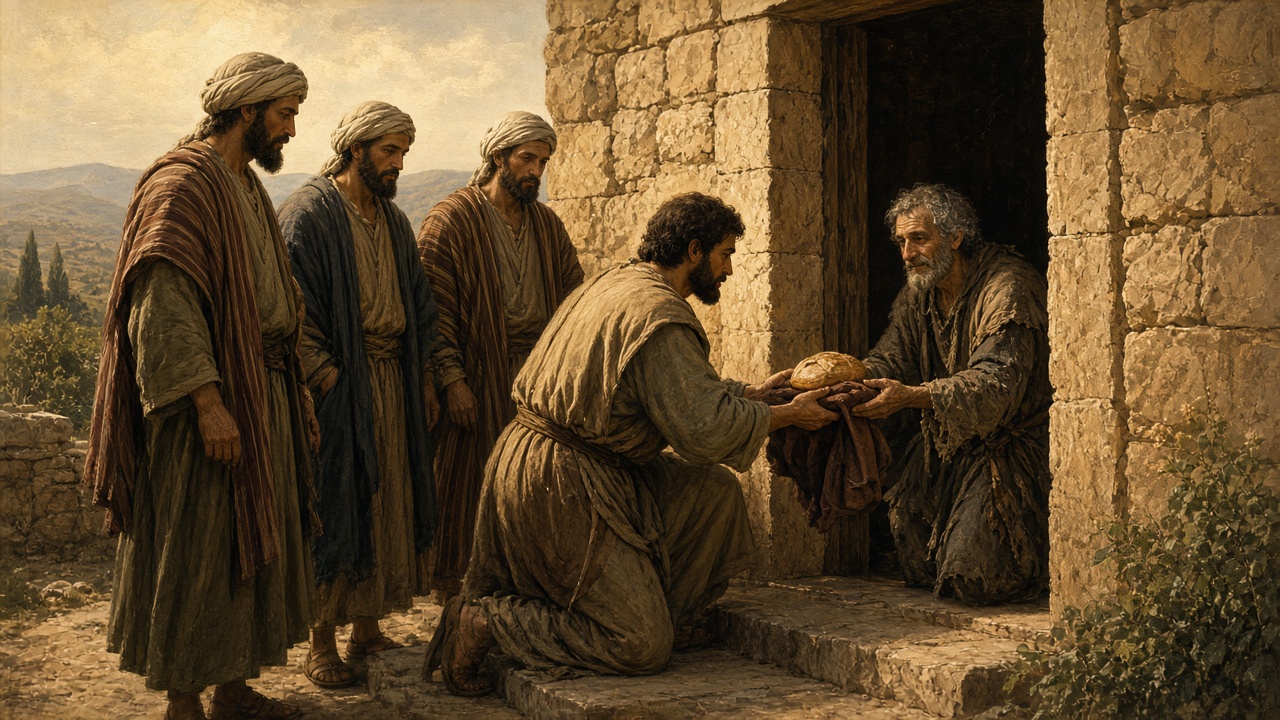
- Neste capítulo, odiar o irmão é tratado como homicídio: todo aquele que odeia seu irmão é homicida, e a vida eterna não reside num homicida. O amor se conhece porque Jesus entregou a sua vida por nós, e se diz aos leitores que devem entregar a vida pelos irmãos.Fontes: o próprio texto bíblico
- Os filhos de Deus se distinguem dos filhos do diabo por praticar a justiça e por amar o irmão. A mensagem ouvida desde o princípio é que devemos amar uns aos outros, e o mandamento de Deus é crer no nome de seu Filho, Jesus Cristo, e amar uns aos outros como ele ordenou.Fontes: o próprio texto bíblico
Notas escritas com auxílio de IA a partir de fontes abertas (Theographic Bible Metadata, CC BY-SA 4.0; Easton’s Bible Dictionary, domínio público) e revisadas antes de publicar.
Créditos e licença desta tradução
Nǫ̀htsı̨̨ Nı̨̨htł'è
Dogrib: Dogrib Genesis & New Testament New Testament & Portions of Old Testament
copyright © 2009 Canadian Bible Society
Language: Dogrib
Translation by: Canadian Bible Society
Tłı̨chǫ Genesis and New Testament
About Tłı̨chǫ
Tłı̨chǫ (Dogrib) is a Na-Dene (Athabaskan) language. It is spoken by the First Nations Tłı̨chǫ people in the Northwest Territories in Canada. It has the largest number of speakers of any of the Aboriginal language communities in the NWT, and is one of the official languages of the Northwest Territories.
About This Translation
This translation includes the book of Genesis and the New Testament in Tłı̨chǫ. The first edition of the Tłı̨chǫ New Testament was published in 2003. It was a historic event, as it was the first time in more than a hundred years that a complete New Testament was published for one of the Dene First Nations in the Territories. The first edition was well received and quickly sold out. In the meantime the book of Genesis had been completed. Consequently, the 2008 reprint of the Tłı̨chǫ New Testament included Genesis.
Though this translation of the New Testament and Genesis took a total of ten years, the people who worked on it built on years of labor invested by the Tłı̨chǫ people, elders, priests and missionaries, translators, educators, and linguists. The material contained in this book was checked and approved by consultants from Wycliffe Bible Translators and the Canadian Bible Society.
If you are interested in obtaining a printed copy of this Bible, please contact the Canadian Bible Society at http://www.biblescanada.com .
Copyright Information
Dogrib Genesis and New Testament © 2003, 2008 Canadian Bible Society
The text of the Bible in Tłı̨chǫ that appears in this electronic format or website is for personal use only.
Up to five hundred (500) verses of the Bible text in any form (written, visual, electronic or audio) may be quoted without permission. The quoted verses may not be more than 50% of a complete book of the Bible, or more than 25% of the total text of the work in which they are quoted. Prior written permission must be obtained for any other use of the text. Copyright acknowledgement must in all cases appear on the title or copyright page.
For more information on copyright conditions or to apply, visit http://www.biblesociety.ca/copyright .
This translation is made available to you under the terms of the
Creative Commons Attribution-Noncommercial-No Derivatives license 4.0.
You may share and redistribute this Bible translation or extracts from it in any format, provided that:
You include the above copyright and source information.
You do not sell this work for a profit.
You do not change any of the words or punctuation of the Scriptures.
Pictures included with Scriptures and other documents on this site are licensed just for use with those Scriptures and documents.
For other uses, please contact the respective copyright owners.
2014-04-22
Fonte: http://ebible.org/dgrDOGNT/ · eBible.org