Apocalipse 3
Bigu a tipan: I mahusay a baheta para ta panahun tam · Toque num versículo para ver as referências cruzadas.
Tu Sulat To Simbaan Ta Sardis
1Nadid, kinagi man dén no lélake diyakén, a “Isulat mo ye to tagapamahala to simbaan ta Sardis:
“Saye i peekagia ni Jesus. Siya i pégiyanan na Banal a Espiritu a te pitu a tungkulin. Siya i te pitu a biton.
“Napospusan ko dén i gégemtén moya,” kagi na. “Kagi de a buhay kam dén, pero para diyakén éy pate kam dén! 2Kanya nadid, éy mangilag kam, a patibayén moy i péniwala moya, da adene dén a maglipas. Neta na Diyos a éwan pabi naganap i gégemtén moya a para diya. 3Isipén moy tu nabaheta moy a tinanggap moy to éya. Sugsugén moy ya, sakay ibutan moy tu gégemtén moy a medukés. Eng éwan kam mangilag, éy demtan ta kam a bigla a talaga. Ey éwan moy mapospusan i oras a kédemét ko.
4“Pero te sénganya sina dikam ta Sardis a éwan tu kasalanan. Mara éwan de hinupitan i badu dia ta medukés a ugali ta ina. Kumuyoyog ya side diyakén a te solot side ta melatak, da mahusay side. 5Ey du éwan madaig na medukés ta mundua, éy pégbaduén ko side ta melatak, a tanda ya a banal side. Sakay éwan ko ibutan i ngahen de to libru a listaan na ngahen na mabuhay a éwan tu katapusan. Sakay ipagtapat ko side Nama ko sakay du anghel na, a side i sakup kua.
6“Eng mékabati kam, éy baten moy i kékagin na Banal a Espiritu du simbaan.”
Tu Sulat To Simbaan Ta Piladelpia
7Nadid kinagi na man dén diyakén, a “Isulat mo ye to tagapamahala to simbaan ta Piladelpia:
“Saye i peekagia no banal a lélake a pégkatiwalaan tam. Siya i te kapangyarian ta kaharian ni Dabid. Ewan tu makasaway ta pasdépén na ta kaharian na, at sakay éwan tu makasdép to pintuan éng éwan na pakultaden.
8“Napospusan ko dén i gégemtén moya,” kagi na. “Tukoy ko a maski mehina i kapangyarian moy, éy sinunud moy dén i pégtoldu kua. Sakay éwanék moy pinabayan. Ey nadid éy binukasan ko dén i pintuan ko ta harap moya. Ey éwan tu makasaway dikam a somdép. 9Entan moy, padulugén ko dikam du tolay a sakup ni Satanas, sakay paluhudén ko side ta harap moya. Mégwari-wari side a Judeo side a méniwala ta Diyos, pero éwan. Ipeta ko dide a sikam i mahal kua.
10“Ey nadid, da tinupad moy dén i niutus kua dikam a nagtiyaga kam, éy agawén ta kam be ta hirap a dumemét ta mundua. I éya a hirap i pangpuhuba ta étanan a tolay ta mundua. 11Dumeméték agad. Kanya manatili kam ta péniwala moya diyakén monda éwan tu makaagew ta gantimpala moya. 12Du éwan madaig na medukés ta mundua éy gemtén ko side a manatili a pirmi ta pégiyanan na Diyos, a éwan side maibut ta éya, maski nikésiya. Sakay tandaan ko side ta ngahen na Diyos ko. Sakay tandaan ko side a side i sakup na bigu a Jerusalem a dumibi a gébwat ta Diyos. Sakay tandaan ko side ta ngahen ko a bigu.
13“Eng mékabate kam, éy baten moy i kékagin na Banal a Espiritu du simbaan.”
Tu Sulat To Simbaan Ta Laodisia
14Nadid, kinagi no lélake diyakén a huway, a “Isulat mo ye to tagapamahala to simbaan ta Laodisia:
“Saye i peekagia no matapat a mégpatunay ta katutuhanan. Siya i kégébwatan na étanan a nilalang na Diyos.
15“Napospusan ko dén i gégemtén moya,” kagi na. “Tukoy ko a éwanék moy kéiyamutan. Pero éwanék moy be mémahalén. Maano maka éy kaiyamutanék moy, o dikaya éy mahalénék moy. 16Pero nadid, éwanék moy kéiyamutan sakay éwanék moy be mahalén. Basta éwanék moy isipén. Kanya isopha ta kam ta labi kua. 17Sikam, éy kagi moy a mayaman kam, a sagana kam ta étanan. Pero éwan, da éwan moy tukoy a kakakagbi kam, sakay pobre kam, sakay buhék kam, sakay uba kam. 18Kanya i bilin kua dikam, éy mangalap kam diyakén ta tunay a kayamanan moy, monda mayaman kam a talaga. Sakay mangalap kam be diyakén ta melatak a damit a takléb na bégi moya, da makasani-sanike. Sakay mangalap kam diyakén ta gamot na mata moya, monda maketa kam.
19“Tandaan moy, paginglan ko du étanan a tolay ko a mahal ko, a parusaan ko side. Ey purusaan ta kam be éng éwan moy ibutan tu ketamad moy diyakén, sakay éng éwan kam magsisi. 20Entan moy, te taknégék ta luwas na pintuan a mégtétuktukén. Eng batenék na maski ti ésiya, a bukasan na i pintuan na, éy somdépék ta pégiyanan na, sakay magagum kame ta mahusay. 21Du éwan madaig na medukés ta mundua, éy atdinan ko side ta kapangyarian, a kaguman ko side a maghari. Kona sa Tama ko diyakén, a kagumanék na be a méghari, da nadaig ko i mundua.
22“Eng mékabati kam, éy baten moy i kékagin na Banal a Espiritu du simbaan.”
Você sabia?
Cartas a Sardes, Filadélfia e Laodiceia
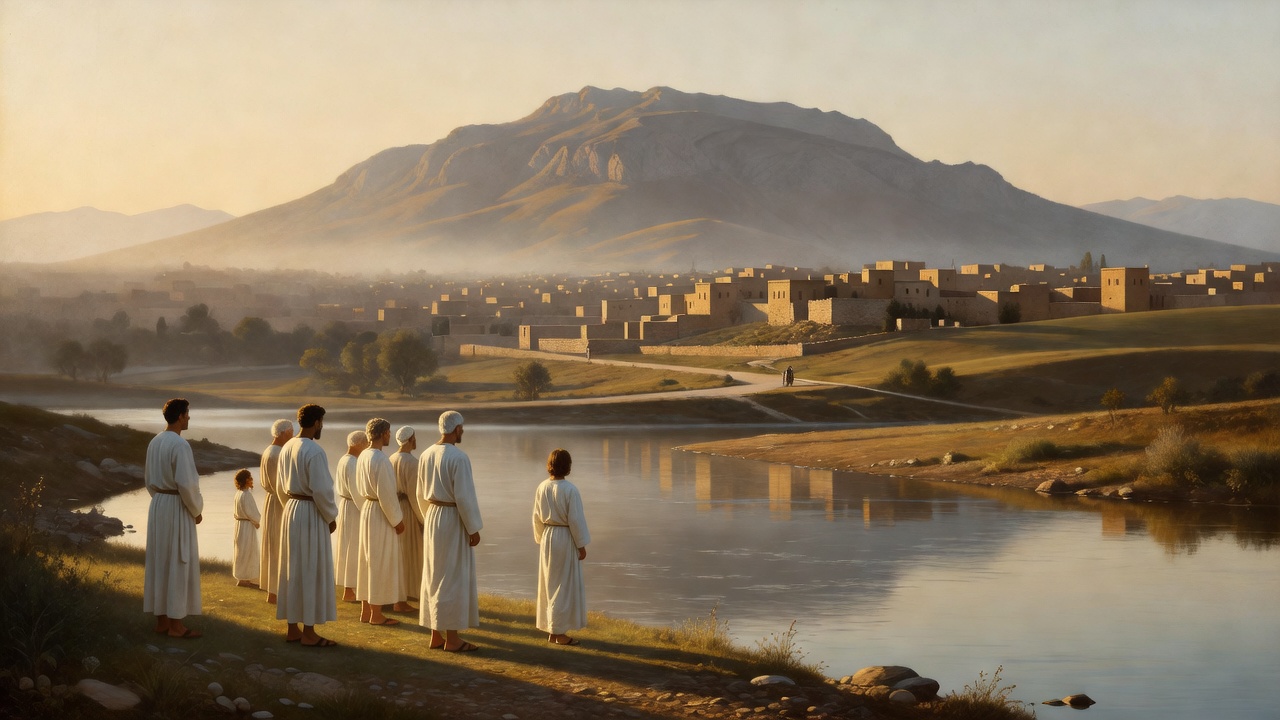
- O capítulo 3 do Apocalipse reúne cartas a igrejas de três cidades da Ásia Menor. Sardes, a metrópole da Lídia, ficava à beira do rio Pactolo, ao pé do monte Tmolo. Filadélfia, nome que significa “amor fraternal”, ficava a cerca de vinte e cinco milhas a sudeste de Sardes; Laodiceia ficava junto ao Lico, onde a Frígia e a Lídia se encontram, a cerca de quarenta milhas a leste de Éfeso.Fontes: Sardis · Philadelphia · Laodicea · o próprio texto bíblico
- Laodiceia chamou-se primeiro Dióspolis e depois Roas. Mais tarde recebeu o nome de Laodiceia por causa de Laódice, esposa de Antíoco II, rei da Síria, que a reconstruiu. O Easton's Bible Dictionary (1897) a apresenta como uma das cidades mais importantes e prósperas da Ásia Menor e como um antigo centro de destaque do cristianismo; na carta, diz-se que essa igreja afirma ser rica, ter enriquecido e não precisar de nada.Fontes: Laodicea · o próprio texto bíblico
- A carta a Filadélfia fala de uma “sinagoga de Satanás” e de pessoas que se dizem judias, mas a quem ela chama de mentirosas. Satanás significa “adversário” ou “acusador”, e no Novo Testamento o nome é usado de modo intercambiável com o diabo.Fontes: Satan · o próprio texto bíblico
Notas escritas com auxílio de IA a partir de fontes abertas (Theographic Bible Metadata, CC BY-SA 4.0; Easton’s Bible Dictionary, domínio público) e revisadas antes de publicar.
Lugares deste capítulo
- Sardis · 38.488, 28.040 · versículos 1, 4
- Philadelphia · Hoje: Alaşehir · 38.350, 28.517 · versículo 7
- Jerusalem · 31.777, 35.234 · versículo 12
- Laodicea · Hoje: Laodicea on the Lycus · 37.836, 29.108 · versículo 14
Só aparecem lugares com identificação de alta confiança (90% ou mais segundo as fontes acadêmicas reunidas pelo OpenBible). Mapa da época: DARE (Digital Atlas of the Roman Empire), CC BY 4.0; mapa atual: © colaboradores do OpenStreetMap; lugares: OpenBible.info (CC BY 4.0).
Créditos e licença desta tradução
Bigu a tipan: I mahusay a baheta para ta panahun tam
New Testament in Agta, Casiguran Dumagat
copyright © 1979 Wycliffe Bible Translators, Inc.
Language: Casiguran Dumagat Agta (Agta, Casiguran Dumagat)
Translation by: Wycliffe Bible Translators
Contributor: Wycliffe Bible Translators, Inc.
Copyright Information
© 1979, Wycliffe Bible Translators, Inc. All rights reserved.
This translation text is made available to you under the
terms of the Creative Commons License: Attribution-Noncommercial-No Derivative Works.
( http://creativecommons.org/licenses/by-nc-nd/3.0/ )
In addition, you have permission to port the text to different file formats, as long as you
do not change any of the text or punctuation of the Bible.
You may share, copy, distribute, transmit, and extract portions
or quotations from this work, provided that you include the above copyright
information:
You must give Attribution to the work.
You do not sell this work for a profit.
You do not make any derivative works that change any of the actual words or punctuation of the Scriptures.
Permissions beyond the scope of this license may be
available if you contact
us with your request.
The New Testament
in Agta, Casiguran Dumagat
© 1979, Wycliffe Bible Translators, Inc. All rights reserved.
This translation is made available to you under the terms of the
Creative Commons Attribution-Noncommercial-No Derivatives license 4.0.
You may share and redistribute this Bible translation or extracts from it in any format, provided that:
You include the above copyright and source information.
You do not sell this work for a profit.
You do not change any of the words or punctuation of the Scriptures.
Pictures included with Scriptures and other documents on this site are licensed just for use with those Scriptures and documents.
For other uses, please contact the respective copyright owners.
2015-03-17
Fonte: http://ebible.org/dgc/ · eBible.org