Lucas 15
Majepacʉ jʉ̃menijicʉi yávaiye mamaene coyʉitucubo · Toque num versículo para ver as referências cruzadas.
“Oveja mamateyʉre” jã́ri dápiarĩ ne d̶arãjiyepe aino
1Apenʉmʉ earejaimad̶a Jesús yebai obedivʉ Roma ãmicʉrõ jaboteino jabovare tãutʉra ĩcaipõeva aru ãmeno d̶aipõeva máre, jápiarãeaivʉ ʉ̃́re. 2Fariseova aru Jʉ̃menijicʉi yávaiye báquede bueipõeva máre borotedejaimad̶a, ne bajumia aivʉ:
—Ñai ʉ̃mʉ copʉ etaibi ãmeno d̶aipõevare aru ãimi náque, arejaimad̶a na.
3Ne que aiye boje, Jesús coyʉrejamed̶a náre yo jã́ri dápiarĩ ne d̶arãjiyepe ainore:
4—Mʉjacacʉ ovejavare coreipõecʉ cʉvacʉ baru cien paivʉ ovejavare, aru cũinácʉ nácacʉ ʉ̃i mamatedu, ñai dajocajebu ina noventa y nueve paivʉ ovejavare põecʉbenoi, vocʉñʉ ñai bíjayʉ bácʉre ʉ̃́re earĩta. 5Aru ʉ̃́re earĩ, ĩni, arʉboi tʉorĩ, torojʉrĩ nʉvajebu ñai ovejare ʉ̃i cʉ̃ramita. 6Cʉ̃rami earĩ, órejajebu ʉ̃i yóvaimarare aru ʉ̃i cad̶ajĩecavʉre máre. Aru ajebu náre yópe: “Torojʉjarã yʉ́que, ji oveja bíjayʉ bácʉre ji eaiye boje”, ajebu. 7Nopedeca coyʉyʉbu mʉjare: Ina cavarõ mearo Jʉ̃menijicʉi cʉrõcavʉ torojʉrãjarama cũinácʉ ãmeno d̶aipõecʉ chĩori, oatʉvaru ʉ̃i d̶aiyede, apevʉ noventa y nueve paivʉ pʉeno, ina “Chĩori oatʉvaiye jaʉbevʉ yʉre”, arĩ dápiaivʉ, arĩ buedejamed̶a Jesús.
“Tãutʉratʉravare” jã́ri dápiarĩ ne d̶arãjiyepe aino
8Cojedeca Jesús coyʉrejamed̶a apeno jã́ri dápiarĩ ne d̶arãjiyepe ainore, náre buecʉyʉ:
—Cũináco nomió cʉvaco baru pʉcapʉrʉape paitʉrava tãutʉratʉravare aru cũinátʉrava bíjaru ṍre, ico nomió pẽoibʉre pẽori, õi cʉ̃ramine oeni, vojebu pʉ ditʉravare earĩta. 9Ditʉravare earĩ, ĩni, epeni, torojʉrĩ órejajebu õi yóvaimarare aru õi cad̶ajĩecavʉre máre. Aru ajebu náre yópe: “Torojʉjarã yʉ́que, ji tãutʉratʉrava bíjaino mácarõre ji eaiye boje”, ajebu. 10Nopedeca coyʉyʉbu mʉjare: Ina Jʉ̃menijicʉi ángeleva torojʉrãjarama cũinácʉ ãmeno d̶aipõecʉ chĩori, oatʉvaru ʉ̃i d̶aiyede, arĩ buedejamed̶a Jesús.
“Mamacʉ mamateyʉre” jã́ri dápiarĩ ne d̶arãjiyepe aino
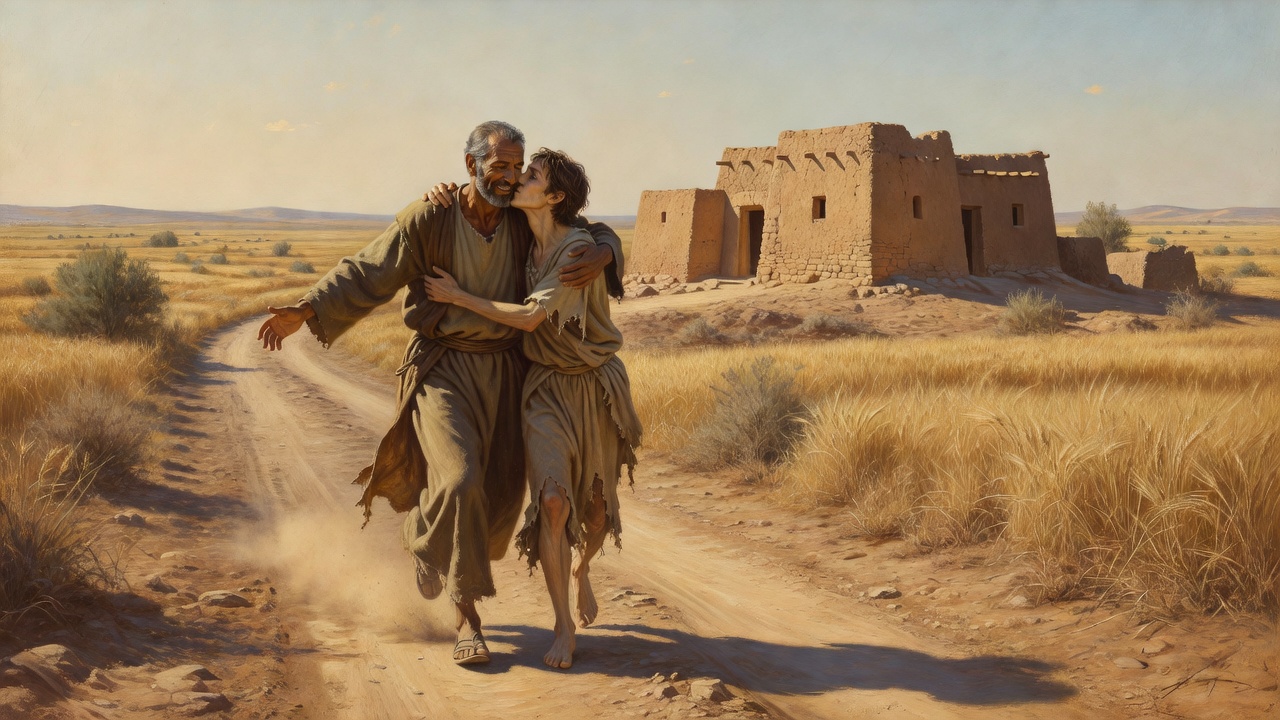
11Cojedeca Jesús coyʉrejamed̶a apeno jã́ri dápiarĩ ne d̶arãjiyepe ainore, náre buecʉyʉ:
—Cũinácʉ ʉ̃mʉ cʉvatequemavʉ pʉcarã mamara. 12Aru ñai ĩmacʉcapũravʉ pued̶abecʉ jípacʉre aquemavʉ: “Mʉ, jipacʉ, jíjacʉ yʉre, ‘Míye baquiyébu’, mi aiye báquede yʉre”, aquemavʉ. (Mamacʉ nópe ayʉ jípacʉre, “Mi yaiquínore ʉvʉ yʉ”, ayʉbe ʉ̃.) Dinʉmʉma népacʉ jíquemavʉ diede náre coapa. 13Obebejãravʉa yóboi, ñai ĩmacʉ caiye ʉ̃i apejĩene mead̶arĩ, ĩni, nʉquemavʉ joai, apeno joborõi. Aru noi jarʉvaquemavʉ caiye ʉ̃i cʉvaede ʉ̃i ʉrõpe d̶arĩ. 14Aru ʉ̃i jarʉvarĩburu yóboi caiye ʉ̃i cʉvae báquede, ãvʉé daquemavʉ caino no ʉ̃i cʉrijoborõre. Que baru ʉ̃ ʉrarõ ñájiquemavʉ ãvʉéna. 15Nʉri, memeino voquemavʉ apecʉ ʉ̃mʉ, dijoborõcacʉre. Que teni ñai jaroquemavʉ ʉ̃́re, coreicõjeñʉ oteivãrivare. 16Aru ãiyʉtequemavʉ oteivãriva ne ãinore. Ʉbenita ñame jíbetequemavʉ ʉ̃́re. 17Ãrʉri earĩ, dápiarĩ aquemavʉ ʉ̃i baju: “Caivʉ ina jipacʉre memecaivʉ cʉvarãma ʉrarõ ne ãiye méne aru pʉpʉiye máre. Ʉbenita yʉ yaiyʉ́tamu ãvʉéna. 18Caride copaiquijivʉ jipacʉ yebai. Coyʉquijivʉ ʉ̃́re yópe: ‘Mʉ, jipacʉ, ãmeno d̶avʉ yʉ Jʉ̃menijicʉre aru mʉre máre. 19Que baru “jímacʉ”, abejacʉ yʉre caride. Jã́jacʉ yʉre yópe mi jã́iyepe cũinácʉ memecayʉre mʉre’ ”, arĩ dápiaquemavʉ ʉ̃.
20’Que teni nacajari nʉquemavʉ jípacʉ yebai. Aru jípacʉ dayʉre jã́ri joamica, cõmaje ãroje jã́quemavʉ ʉ̃́re. Que baru cúyarĩ, copʉ nʉri, ʉ̃́re narióquemavʉ. Aru ʉ̃i viobʉrã nuquemavʉ mamacʉre. 21Aru mamacʉ aquemavʉ ʉ̃́re: “Mʉ, jipacʉ, ãmeno d̶avʉ yʉ Jʉ̃menijicʉre aru mʉre máre. Que baru ‘jímacʉ’, abejacʉ mʉ yʉre caride”, aquemavʉ jípacʉre. 22Ʉbenita jípacʉ aquemavʉ ʉ̃́re memecaivʉre: “Davacajarã maumejiena ʉ̃́re meacaje cuitótecajede. Doajarã ʉ̃́re. Ad̶ajarã ãmuyo ad̶aitarabʉre máre. Aru cʉraidoare máre doajarã ʉ̃́re. 23Davajarã ñai oteivecʉ mamacʉ me jiacʉcʉre. Boajárã, ãmuri, torojʉve tenajivʉ caivʉ ĩmarocavʉ. 24Ñai jímacʉ yaiyʉ́ bácʉpe páyʉ ũmedayʉpebe cojedeca. Javede bíjame yʉre jocarĩ. Ʉbenita eaivʉ ʉ̃́re cojedeca”, aquemavʉ jípacʉ. Aru torojʉve teni bʉ́quemavʉ na.
25’Que teiyedeca, jíbʉcʉ memeñʉ matequémavʉ jioi. Copaini cʉ̃rami, joabejĩnoi jápiaquemavʉ ne upaiyede. 26Aru cũinácʉ memecaipõecʉre órejarĩ, jẽniari jã́quemavʉ ʉ̃́re, “¿Aipe teni upaivʉba na?” 27Jʉ aquemavʉ ʉ̃́re: “Míyocʉ copaini dacʉbe. Que baru mipacʉ boaicõjemi ñai oteivecʉ me jiacʉcʉre, mamacʉ meacʉre copʉ etaiye boje”, aquemavʉ ʉ̃́re. 28Ʉbenita ñai jíbʉcʉ jarayʉ, torojʉve teinoi ecoiyʉbetequemavʉ. Que baru jípacʉ, etarĩ ʉ̃i yebai, jẽniaquemavʉ ʉ̃́re: “Mʉ, bʉcʉ, ecorĩ, ãjacʉ”. 29Ʉbenita aquemavʉ jípacʉre: “Obediʉjʉa memecaivʉ mʉre yebacacʉpe. Aru cainʉmʉa jʉ aivʉ mʉre aru mi cõjeiyede d̶aivʉ. Ʉbenita yʉre mʉ jíbevʉ cũinájieneca cũinácʉ oteiãimajicʉre, ñʉje ãrajiyepe ji yóvaimaraque torojʉve teinoi. 30Ʉbenita ñai mímacʉ ʉ̃i eaiyede, mi jíye báquede ʉ̃́re jarʉvayʉ bácʉreca nomiva ãmenaque, boacáicõjenebu mʉ ʉ̃́re oteivecʉ me jiacʉcʉre”, aquemavʉ ʉ̃. 31Aru jípacʉ aquemavʉ ʉ̃́re: “Mʉ, bʉcʉ, mʉ cʉvʉ yʉ́que cainʉmʉa. Aru caiye ji cʉvae míyetamu. 32Ñai míyocʉ yaiyʉ́ bácʉpe páyʉ apʉcʉpebe cojedeca. Ñai bíjayʉ bácʉ eaimʉme caride. Que baru torojʉve teiye jaʉvʉ majare”, aquemavʉ népacʉ, arĩ coyʉrejamed̶a Jesús.
Você sabia?
Perdido e encontrado
- Cobradores de impostos e pecadores estavam se reunindo para ouvir Jesus, e os fariseus e os escribas começaram a murmurar que ele acolhe pecadores e come com eles. Jesus então lhes contou parábolas sobre uma ovelha perdida, uma moeda de prata perdida e um filho perdido.Fontes: o próprio texto bíblico
- O ensino e a cura na Pereia em direção a Jerusalém são registrados como começando em 30 d.C. com duração de um dia.Fontes: Teaching and Healing in Perea to Jerusalem
Notas escritas com auxílio de IA a partir de fontes abertas (Theographic Bible Metadata, CC BY-SA 4.0; Easton’s Bible Dictionary, domínio público) e revisadas antes de publicar.
Créditos e licença desta tradução
Majepacʉ jʉ̃menijicʉi yávaiye mamaene coyʉitucubo
New Testament in Cubeo (CO:cub:Cubeo)
copyright © 2009 Wycliffe Bible Translators, Inc.
Language: Cubeo
Translation by: Wycliffe Bible Translators, Inc.
Cubeo [cub], Colombia
Copyright Information
© 2009, Wycliffe Bible Translators, Inc. All rights reserved.
This translation text is made available to you under the
terms of the Creative Commons License: Attribution-Noncommercial-No Derivative Works.
( http://creativecommons.org/licenses/by-nc-nd/3.0/ )
In addition, you have permission to port the text to different file formats, as long as you
do not change any of the text or punctuation of the Bible.
You may share, copy, distribute, transmit, and extract portions
or quotations from this work, provided that you include the above copyright
information:
You must give Attribution to the work.
You do not sell this work for a profit.
You do not make any derivative works that change any of the actual words or punctuation of the Scriptures.
Permissions beyond the scope of this license may be
available if you contact
us with your request.
The New Testament
in Cubeo
© 2009, Wycliffe Bible Translators, Inc. All rights reserved.
This translation is made available to you under the terms of the
Creative Commons Attribution-Noncommercial-No Derivatives license 4.0.
You may share and redistribute this Bible translation or extracts from it in any format, provided that:
You include the above copyright and source information.
You do not sell this work for a profit.
You do not change any of the words or punctuation of the Scriptures.
Pictures included with Scriptures and other documents on this site are licensed just for use with those Scriptures and documents.
For other uses, please contact the respective copyright owners.
2014-04-22
Fonte: http://ebible.org/cubNT/ · eBible.org