1 Tessalonicenses 5
Majepacʉ jʉ̃menijicʉi yávaiye mamaene coyʉitucubo · Toque num versículo para ver as referências cruzadas.
1Mʉja, ñʉjevʉ, põecʉ cʉbebi majicʉ aipijãravʉa jaʉrõre aru aipe vaiquíyede maje jabocʉ Jesús ʉ̃i daquiye jipocare. Que baru toivaiye jaʉbevʉ ñʉjare diede. 2Mʉjavacari coreóvaivʉbu me maje jabocʉ Jesús copaidacʉyʉre ijãravʉi põeva ne corebede, ʉ̃i copaidaquinʉmʉre majibedeca yópe ñavaipõecʉ daiyepe ñamine põeva ne corebedeca. 3Põeva, yópe arĩ, coyʉrĩdurãjarama ne bajumia: “Caino cãrijimene d̶aivʉ. Yéde jidʉbevʉ maja”, arĩdurãjarama. Aru ne nópe coyʉrĩduiyedeca, cũiná bíjarãjarama na. Ñájini bʉ́rãjarama maumejiena. Aru dupini majibenajarama na diede jocarĩ. Ñájinajarama na yópe ico jʉed̶ocʉvacod̶o maumejiena ãmei ijiéde ñájiyepe põed̶are d̶acod̶o mamajicʉre.
4Ʉbenita mʉja, ñʉjevʉ, mʉjacapũravʉ Jʉ̃menijicʉre coreóvabevʉ ãmevʉ mʉja. Aru ãmeina teivʉ ãmevʉ mʉja nápe, Jesúre jʉ abevʉ, ñeminoi cʉrivʉpe. Que baru mʉje coreóvaiye boje maje jabocʉ Jesús dacʉyʉre, ʉ̃ cuavabecʉyʉme mʉjare ʉ̃i copaidaiyede ijãravʉi, yópe ñavaipõecʉ ʉ̃i cuavaiyepe cʉ̃ramicavʉre. 5Caivʉ mʉja Jesúre jʉ aivʉ majidivʉpe d̶aivʉbu cainʉmʉa põeva ne jã́inoi mʉje d̶aiyede, mʉje coreóvaiye boje Jʉ̃menijicʉre. Que baru caivʉ mʉja miad̶ároi cʉrivʉ jãravʉcavʉpebu. Maja Jesúre jʉ aivʉ d̶abevʉ cainʉmʉa majibevʉpe, ne coreóvabe boje Jʉ̃menijicʉre põeva ne jã́iyede maje d̶aiyede. Que baru ñamicavʉ aru ñeminocavʉ máre ãmevʉ maja. 6Que baru dápiabenajarevʉ maja nápe, Jesúre jʉ abevʉpe. Cãivʉpebu na. Quénora dápiarãjarevʉ maja me apʉrivʉpe, me oaburĩ coreivʉ maje bajure. 7Ñaminecabu ina cãivʉ ne cãiyede. Aru ñaminecabu ina pacoteivʉ ne pacoteiyede. 8Ʉbenita majacapũravʉ coateivʉbu ina ñamicavʉre jarʉvarĩ. Aru ñeminoi cubevʉ maja. Quénora jãravʉcavʉtamu maja. Aru miad̶ároi cuivʉbu maja.
Que baru me d̶aicõjeiye jaʉvʉ maje bajure. Maje jʉ aiye Jʉ̃menijicʉre jaʉvʉ majare aru maje ʉe apevʉre máre. Yópe d̶arĩ taoivʉbu maja nópe churarava ne taoiyepe ne bajure jãjaricaje doicajeque. Aru jaʉvʉ majare maje napini coreiye Jʉ̃menijicʉi mead̶aquiyede. Nópe d̶arĩ taoivʉbu maja yópe churarava ne taoiyepe ne jipobʉre jãjaribo moiboque. 9Que baru Jʉ̃menijicʉ epebebi majare ñájine d̶acʉyʉ. Quénora epeibi majare maje jabocʉ Jesucristoi mead̶aquiyepe ayʉ, ñájimemuri ãmenaque. 10Jesús yaidéjamed̶a majare boje, maje cʉrãjiyepe ayʉ ʉ̃́que cainʉmʉa. Ina apʉrivʉ cãreja aru ina yaivʉ bácavʉ máre ʉ̃i copaidaquiyede caivʉ maja cũinátʉrʉ cʉrãjaramu ʉ̃́que cainʉmʉa. 11Que baru parʉre d̶ajarã mʉja pʉeno baju cainʉmʉa, mʉje baju jʉ aiyede Jesúre parʉrõ nʉre d̶aquiyepe aivʉ. Aru cad̶atejarã cainʉmʉa mʉje bajumia, nopedeca mʉje d̶are nʉiyepe caride.
Pablo ʉ̃i majicaino Jesúre jʉ aipõevare aipe d̶aiye jaʉrõre náre
12Mʉja, ñʉjevʉ, ñʉja jẽniaivʉbu parʉrõreca mʉjare, mʉje pued̶arãjiyepe aivʉ ina memecaivʉre maje jabocʉ Jesúre mʉje jẽneboi. Nárecabu maje jabocʉ Jesúi epeimara, jabotenajivʉ aru majicarãjivʉ máre. Aru buenajivʉbu mʉjare aipe d̶aiye jaʉrõre, mʉje d̶arãjiyepe aivʉ mearo maje jabocʉ Jesús ʉ̃i jã́inoi. 13Que baru pued̶ajarã náre. Aru pare ʉjarã náre, ne cad̶ateiye boje mʉjare. Cʉjarã mʉja cãrijimevʉva mʉjevʉque.
14Mʉja, ñʉjevʉ, ñʉja jẽniaivʉbu parʉrõreca, mʉje d̶arãjiyepe aivʉ yópe mʉjare jaʉéde. Majicajarã ina memeiyʉbevʉre, ne memenajiyepe aivʉ. Torojʉre d̶ajarã ina jidʉrivʉre, ne jidʉbenajiyepe aivʉ. Cad̶atejarã ina chĩoivʉre, ne torojʉre d̶arãjiyepe aivʉ ne ũmei. Aru napijara caivʉre.
15Apecʉ ʉ̃i ãmeno d̶aru cũinácʉ mʉjacacʉre, d̶abejacʉrĩ ãmeno ʉ̃́re copʉ. Quénora cainʉmʉa napini dápiajarã mʉje d̶arãjiyede mearore mʉje bajumia aru caivʉ põevaque máre.
16Torojʉjarã mʉja mʉje ũmei. 17Aru ʉetʉbevʉva coyʉjarã Jʉ̃menijicʉque. 18Aipe vaiye vaijárõri mʉjare. Cainʉmʉa torojʉede jíjarã Jʉ̃menijicʉre. Jʉ̃menijicʉ ʉbi maje nópe d̶aiyede, maje jʉ aiye boje ʉ̃́re.
19Ñai Espíritu Santore maucʉvabejarã mʉja ʉ̃i d̶aiyʉrõre mʉjaque. 20Jʉ̃menijicʉi yávaiyede coyʉcaiyedeca jápiaiyʉbevʉpe tebejarã mʉja. 21Caiyede me jã́ri coreóvajarã mʉja. Aru coreóvarĩburu yóboi, d̶ajarã caiye méne. 22Ʉbenita d̶abejarã caiye ãmene.
23Jʉ̃menijicʉvacari, cãrijimenoque cʉre d̶ayʉ põevare, cʉre d̶ajacʉrĩ mʉjare caivʉ meara baju. Aru corejacʉrĩ mʉjare coapa caivʉ, mʉje decocʉre, mʉje ũmene, aru mʉje bajure máre, mʉje boropatebenajiyepe aivʉ maje jabocʉ Jesucristoi copaidaquijãravʉ baquinói. 24Jʉ̃menijicʉ cutuibi mʉjare ʉ̃ jina márajivʉva. Aru cainʉmʉa d̶ayʉbe yópe ʉ̃i aiye báquepedeca. Que baru ʉ̃́vacari mearo d̶acacʉyʉme mʉjare.
Pablo ʉ̃i meaicõjeino Tesalónicacavʉre
25Mʉja, ñʉjevʉ, jẽniajara Jʉ̃menijicʉque ñʉjare. 26Meaicõjeivʉbu ñʉja caivʉ mʉja Jesúre jʉ aipõevare. Me jacoyʉjarã mʉja mʉjevʉre, mʉje jivare nuri, mʉje Jʉ̃menijicʉ jina mae boje. 27Maje jabocʉ Jesús ʉ̃i jã́inoi yʉ jã́ri boroteicõjeivʉ mʉjare iyoca paperayocare caivʉ mʉjevʉ Jesúre jʉ aipõevare. 28Me cʉjarã mʉja maje jabocʉ Jesucristo ʉ̃i mearo d̶acaiye bojecʉbeda ʉ̃i me boje. Quénoramu.
Você sabia?
Despertos para o Dia do Senhor
- Este capítulo diz que o Dia do Senhor virá como um ladrão de noite e que a destruição chegará de repente, como dores de parto, enquanto as pessoas dizem: “Paz e segurança”. Ele chama os irmãos de filhos da luz e filhos do dia e os exorta a não dormir como os outros, mas a permanecer despertos e sóbrios.Fontes: o próprio texto bíblico
- Aos que pertencem ao dia se pede que sejam sóbrios e vistam a couraça da fé e do amor e o capacete da esperança da salvação. O capítulo diz que Deus não os destinou à ira, mas a obter a salvação por meio do Senhor Jesus Cristo, que morreu para que, despertos ou dormindo, vivam juntos com ele.Fontes: o próprio texto bíblico
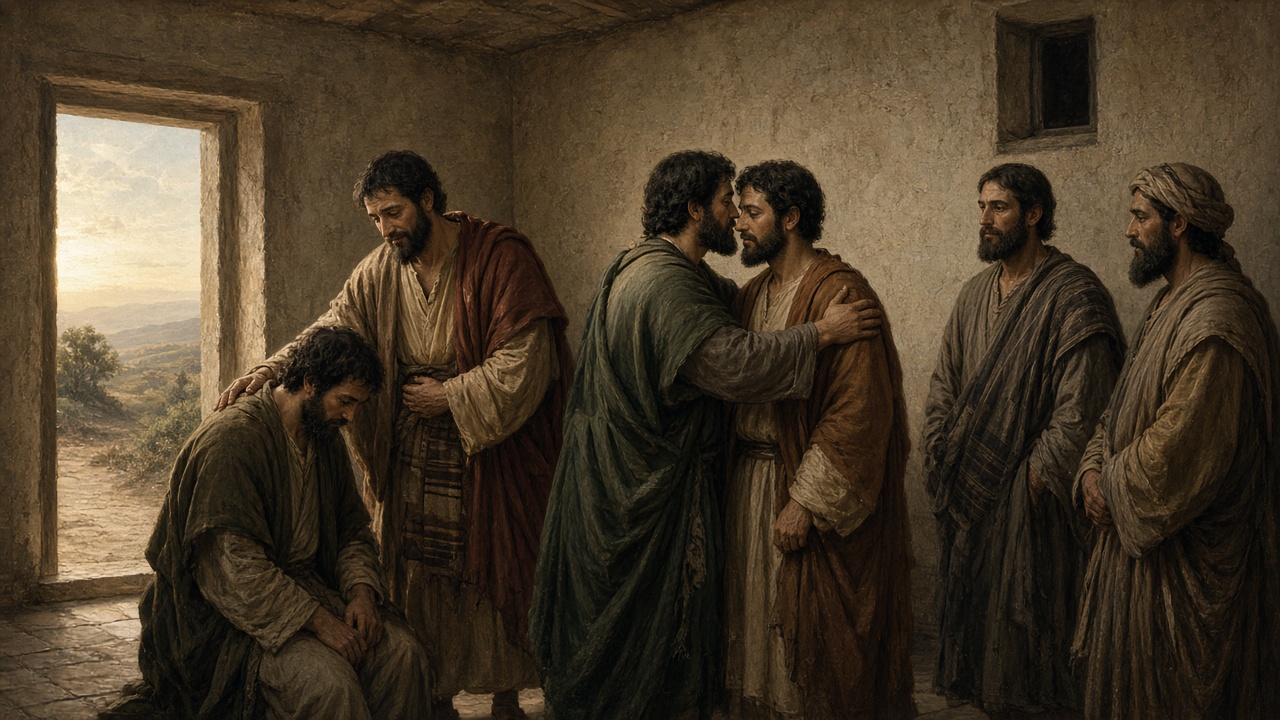
- As palavras finais pedem aos irmãos que reconheçam os que trabalham com diligência entre eles, presidem sobre eles e os instruem, tendo-os na mais alta estima por causa do seu trabalho. São exortados a advertir os indisciplinados, encorajar os desanimados, ajudar os fracos, ser pacientes com todos e não retribuir mal com mal. Também se lhes diz que não apaguem o Espírito nem tratem as profecias com desprezo, mas que provem todas as coisas, saúdem todos os irmãos com um beijo santo e façam esta carta ser lida a todos os irmãos.Fontes: o próprio texto bíblico
Notas escritas com auxílio de IA a partir de fontes abertas (Theographic Bible Metadata, CC BY-SA 4.0; Easton’s Bible Dictionary, domínio público) e revisadas antes de publicar.
Créditos e licença desta tradução
Majepacʉ jʉ̃menijicʉi yávaiye mamaene coyʉitucubo
New Testament in Cubeo (CO:cub:Cubeo)
copyright © 2009 Wycliffe Bible Translators, Inc.
Language: Cubeo
Translation by: Wycliffe Bible Translators, Inc.
Cubeo [cub], Colombia
Copyright Information
© 2009, Wycliffe Bible Translators, Inc. All rights reserved.
This translation text is made available to you under the
terms of the Creative Commons License: Attribution-Noncommercial-No Derivative Works.
( http://creativecommons.org/licenses/by-nc-nd/3.0/ )
In addition, you have permission to port the text to different file formats, as long as you
do not change any of the text or punctuation of the Bible.
You may share, copy, distribute, transmit, and extract portions
or quotations from this work, provided that you include the above copyright
information:
You must give Attribution to the work.
You do not sell this work for a profit.
You do not make any derivative works that change any of the actual words or punctuation of the Scriptures.
Permissions beyond the scope of this license may be
available if you contact
us with your request.
The New Testament
in Cubeo
© 2009, Wycliffe Bible Translators, Inc. All rights reserved.
This translation is made available to you under the terms of the
Creative Commons Attribution-Noncommercial-No Derivatives license 4.0.
You may share and redistribute this Bible translation or extracts from it in any format, provided that:
You include the above copyright and source information.
You do not sell this work for a profit.
You do not change any of the words or punctuation of the Scriptures.
Pictures included with Scriptures and other documents on this site are licensed just for use with those Scriptures and documents.
For other uses, please contact the respective copyright owners.
2014-04-22
Fonte: http://ebible.org/cubNT/ · eBible.org