1 João 4
Majepacʉ jʉ̃menijicʉi yávaiye mamaene coyʉitucubo · Toque num versículo para ver as referências cruzadas.
Jʉ̃menijicʉi Espíritu Santo aru ñai Cristore maucʉvacʉ
1Mʉja, jívʉ, ji ʉmara, jʉ abejarã mʉja caivʉ ina “Jʉ̃menijicʉi Espíritu coyʉicõjeimi yʉre” aivʉre. Ʉbenita cainʉmʉa cũinácʉ põecʉ “Que aibi Jʉ̃menijicʉ” ʉ̃i arĩ coyʉru, jã́ri coreóvajarã mʉja ʉ̃i coyʉiyede, majinajivʉ jãve Jʉ̃menijicʉi Espíritu dápiaicõjeñʉre ʉ̃́re. Que d̶ajarã mʉja, obedivʉ Jʉ̃menijicʉi yávaiyede coyʉcaipõevape teniduivʉ ne daiye boje. Coyʉre cuivʉbu “Jʉ̃menijicʉi yávaiyede coyʉcaipõecʉbu yʉ” arĩduivʉ. Ʉbenita borocʉrivʉbu na. 2Coyʉquijivʉ mʉjare aipe d̶arĩ coreóvarĩ bʉojarãjivʉre cũinácʉ põecʉ dápiayʉre yópe Jʉ̃menijicʉi Espíritu ʉ̃i cõjeiyepe. Caivʉ ina aivʉ “Jesucristo, Jʉ̃menijicʉi mácʉ, jãve daibi põecʉpe ijãravʉi”, dápiaivʉbu na yópe Jʉ̃menijicʉi Espíritu ʉ̃i dápiaicõjeiyepe. 3Ʉbenita ñai jãve dápiabecʉ yópe Jʉ̃menijicʉi Espíritu ʉ̃i dápiaicõjeiyepe, dápiaibi yópe Cristoi maucʉ ʉ̃i dápiaiyepe. Javede jápiad̶avʉ̃ mʉja ñai Cristoi maucʉ dacʉyʉre. Aru caride cʉrivʉbu ijãravʉi ina Jʉ̃menijicʉi yávaiyede coyʉcaipõevape teniduivʉ, ʉbenita borocʉrĩ. Yópe Cristoi maucʉ ʉ̃i dápiaiyepe dápiaivʉbu. Que baru borocʉeque coyʉivʉbu na.
4Mʉja, jímajinape paivʉ, mʉjacapũravʉ Jʉ̃menijicʉ jinatamu. Que baru Jʉ̃menijicʉi Espíritu Santo dápiaicõjeimi mʉjare. Ijãravʉcavʉ Jesúre jʉ abevʉ ñai abujuvai jabocʉ jinatamu. Aru ñai abujuvai jabocʉ dápiaicõjeimi náre. Ʉbenita parʉcʉbe ñai dápiaicõjeñʉ mʉjare, ñai náre dápiaicõjeñʉ pʉeno. Que baru mʉja vainí tʉivʉbu ina Jʉ̃menijicʉi yávaiyede coyʉcaipõevape teniduivʉ borocʉrivʉre. 5Nácapũravʉ ijãravʉcavʉ Jesúre jʉ abevʉ névʉtamu. Que baru cainʉmʉa coyʉivʉbu na ijãravʉquede. Aru ina jápiaivʉ náre máre ijãravʉcavʉ Jesúre jʉ abevʉtamu na. 6Ʉbenita majacapũravʉ Jʉ̃menijicʉ jinatamu. Ñai coreóvayʉ Jʉ̃menijicʉre torojʉcʉ jápiaibi maje bueiyede. Ʉbenita ñai coreóvabecʉ Jʉ̃menijicʉre jápiabebi maje bueiyede. Que d̶arĩ coreóvaivʉbu maja ñamene coyʉyʉre yávaiyede jãvene aru ñamene yávaiye borocʉede.
Jʉ̃menijicʉ ʉbi põevare
7Mʉja, jívʉ, ji ʉmara, Jʉ̃menijicʉ ʉre d̶aibi majare majevʉre. Que baru ʉe jaʉvʉ majare majevʉre. Caivʉ ʉrivʉ apevʉre Jʉ̃menijicʉi máramu maja. Aru coreóvaivʉbu maja Jʉ̃menijicʉre máre. 8Jʉ̃menijicʉ ʉbi caivʉ põevare. Que baru ñai ʉbecʉ ʉ̃ jivʉre, Jʉ̃menijicʉre coreóvabebi ʉ̃. 9Jʉ̃menijicʉ jã́d̶ovarejaquemavʉ ʉ̃i ʉrõre majare daroyʉ bácʉ mamacʉre cũinácʉra yui ijãravʉi, maje cʉvarãjiyepe ayʉ jãravʉ cũiméjãravʉ baquinóre, mamacʉi yaiye báque boje majare. 10Maja bʉojarĩ ʉrivʉbu Jʉ̃menijicʉre quĩ́jinora. Ʉbenita Jʉ̃menijicʉ bʉojarĩ ʉbi majare pʉeno ʉrarõ baju. Yópebu Jʉ̃menijicʉi ʉe jãve: Jʉ̃menijicʉ darorejaquemavʉ mamacʉre ijãravʉi, jícʉyʉ ʉ̃́re ʉ̃i yaicáquiyepe ayʉ majare boje, Jʉ̃menijicʉi ãrʉmetequiyepe ayʉ maje ãmeina teiyede.
11Mʉja, jívʉ, ji ʉmara, nópe ʉrarõ baju ʉbi Jʉ̃menijicʉ majare. Que baru nopedeca ʉe jaʉvʉ majare máre maje baju. 12Ácʉ põecʉ Jʉ̃menijicʉre jã́ñʉ mácʉ cʉbebi ʉ̃. Ʉbenita maje ʉru majevʉre, Jʉ̃menijicʉ yóvaibi majare cũinávʉpe, cũinátʉrʉ maje ũmei. Que teni coreóvaivʉbu me aipe d̶arĩ bʉojarĩ ʉrivʉ Jʉ̃menijicʉre jãve. 13Jʉ̃menijicʉ darorejaquemavʉ ñai Espíritu Santore, ʉ̃i cʉquiyepe ayʉ majaque, maje majinajiyepe ayʉ jãve Jʉ̃menijicʉi yóvaiyede majare aru maje cʉvaede ʉ̃́re máre cũinávʉpe, cũinátʉrʉ maje ũmei. 14Aru ñʉjavacari jã́rejacarã Jʉ̃menijicʉi mácʉre. Que baru coyʉivʉbu majepacʉ Jʉ̃menijicʉi daroiye báquede mamacʉre ijãravʉi. Põevare coyʉivʉbu majepacʉi daroiye báquede mamacʉre, ʉ̃i mead̶aquiyepe ayʉ ijãravʉcavʉre abujuvai jabocʉi parʉéde jarʉvarĩ. 15Ácʉ põecʉ “Jesucristo Jʉ̃menijicʉi mácʉbe” ayʉ, ʉ̃ jãve yóvaibi Jʉ̃menijicʉre aru Jʉ̃menijicʉ máre yóvaibi ʉ̃́re cũinávʉpe, cũinátʉrʉ ne ũmei.
16Que baru maja coreóvaivʉbu Jʉ̃menijicʉ ʉcʉre majare. Aru jʉ aivʉbu maja diede jãve. Jʉ̃menijicʉ ʉbi caivʉ põevare. Ñai ʉcʉ Jʉ̃menijicʉre aru apevʉre máre cainʉmʉa, ʉ̃́recabe yóvayʉ Jʉ̃menijicʉre aru Jʉ̃menijicʉ máre yóvaibi ʉ̃́re cũinávʉpe, cũinátʉrʉ ne ũmei. 17Coreóvaiye jaʉvʉ majare aipe d̶arĩ maje ʉrõre Jʉ̃menijicʉre jãve, jidʉbenajivʉ ʉ̃i ñájiovaquijãravʉ baquinóre ãmeina teivʉre. Jesucristoi pacʉ Jʉ̃menijicʉbe. Aru maja máre, ijãravʉ cʉrivʉi pacʉbe ʉ̃. 18Ñai ʉcʉ Jʉ̃menijicʉre jãve jidʉbecʉbe ʉ̃́re ʉ̃i ñájiovaquijãravʉ baquinóre. Ʉ̃ majibi Jʉ̃menijicʉ ñájine d̶abecʉyʉre náre, ina ʉrivʉre ʉ̃́re jãve, ne ãmeina teiye boje. Que baru jidʉbecʉbe ʉ̃. Ʉbenita ácʉ põecʉ jidʉcʉ baru, bʉojabebi ʉcʉ Jʉ̃menijicʉre jãve cãreja.
19Jʉ̃menijicʉcapũravʉ ʉrejaquemavʉ majare mamarʉmʉre. Que baru maja máre ʉvʉ Jʉ̃menijicʉre caride. 20Ñai “Jʉ̃menijicʉre ʉvʉ yʉ” ayʉ baru, aru que ayʉvacari ʉbecʉ baru ʉ̃ jicʉre, ñai põecʉ borocʉbi ʉ̃. Ñai ʉbecʉ baru ʉ̃ jicʉre, ʉ̃i jã́imʉre, jãve bʉojabebi ʉcʉ Jʉ̃menijicʉre, ʉ̃i jã́memʉre. 21Que baru d̶aicõjeimaramu maja. Ñai ʉcʉ Jʉ̃menijicʉre, ʉjacʉrĩ ʉ̃ jicʉre máre.
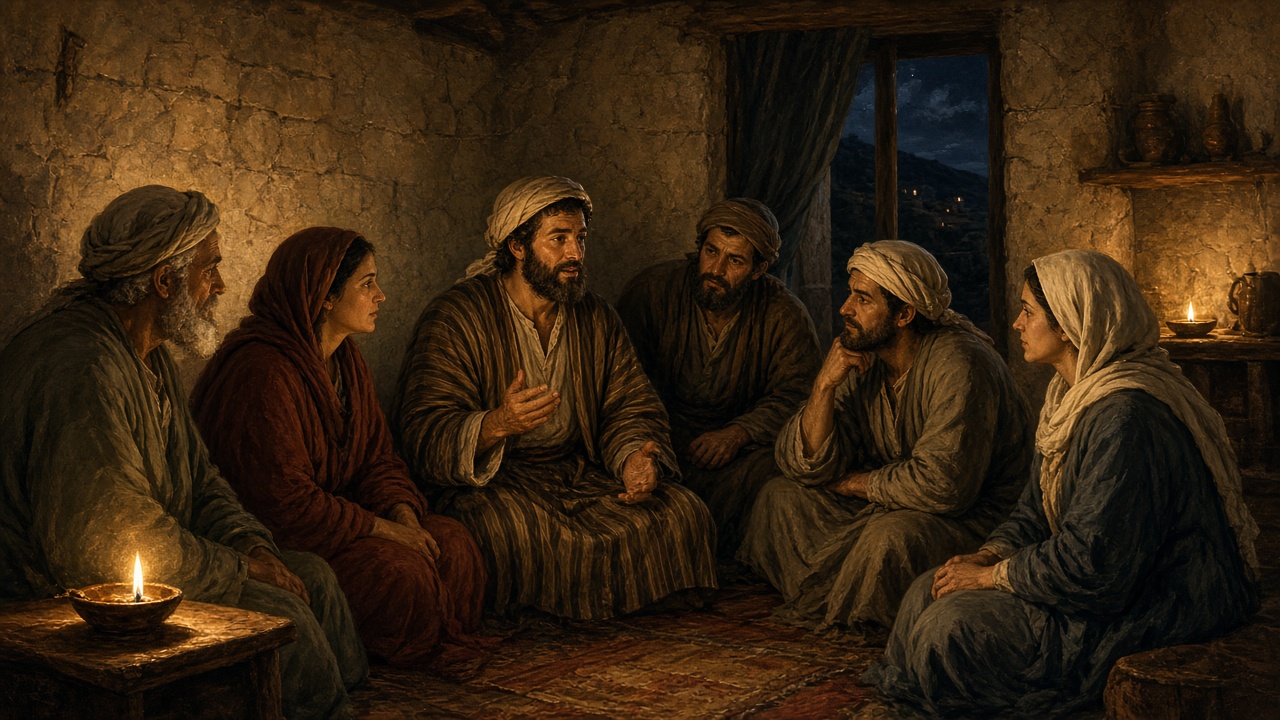
Você sabia?
Provando os espíritos e o amor que vem de Deus
- Aos leitores tratados como amados se diz que não creiam em todo espírito, mas que provem os espíritos, pois muitos falsos profetas têm saído pelo mundo. O Espírito de Deus é reconhecido quando um espírito confessa que Jesus Cristo veio em carne; todo espírito que não confessa Jesus não é de Deus e é o espírito do anticristo, que já está no mundo.Fontes: o próprio texto bíblico
- O amor vem de Deus, e Deus é amor, de modo que quem não ama não conhece a Deus. O amor de Deus foi revelado ao enviar seu Filho único ao mundo como sacrifício expiatório pelos pecados, e aos que foram assim amados se diz que devem amar uns aos outros.Fontes: o próprio texto bíblico
- Ninguém jamais viu a Deus, mas se amamos uns aos outros, Deus permanece em nós e o seu amor é aperfeiçoado em nós. Quem diz “Eu amo a Deus”, mas odeia seu irmão, é mentiroso, pois quem não ama seu irmão, a quem viu, não pode amar a Deus, a quem não viu, e o mandamento é que quem ama a Deus também ame seu irmão.Fontes: o próprio texto bíblico
Notas escritas com auxílio de IA a partir de fontes abertas (Theographic Bible Metadata, CC BY-SA 4.0; Easton’s Bible Dictionary, domínio público) e revisadas antes de publicar.
Créditos e licença desta tradução
Majepacʉ jʉ̃menijicʉi yávaiye mamaene coyʉitucubo
New Testament in Cubeo (CO:cub:Cubeo)
copyright © 2009 Wycliffe Bible Translators, Inc.
Language: Cubeo
Translation by: Wycliffe Bible Translators, Inc.
Cubeo [cub], Colombia
Copyright Information
© 2009, Wycliffe Bible Translators, Inc. All rights reserved.
This translation text is made available to you under the
terms of the Creative Commons License: Attribution-Noncommercial-No Derivative Works.
( http://creativecommons.org/licenses/by-nc-nd/3.0/ )
In addition, you have permission to port the text to different file formats, as long as you
do not change any of the text or punctuation of the Bible.
You may share, copy, distribute, transmit, and extract portions
or quotations from this work, provided that you include the above copyright
information:
You must give Attribution to the work.
You do not sell this work for a profit.
You do not make any derivative works that change any of the actual words or punctuation of the Scriptures.
Permissions beyond the scope of this license may be
available if you contact
us with your request.
The New Testament
in Cubeo
© 2009, Wycliffe Bible Translators, Inc. All rights reserved.
This translation is made available to you under the terms of the
Creative Commons Attribution-Noncommercial-No Derivatives license 4.0.
You may share and redistribute this Bible translation or extracts from it in any format, provided that:
You include the above copyright and source information.
You do not sell this work for a profit.
You do not change any of the words or punctuation of the Scriptures.
Pictures included with Scriptures and other documents on this site are licensed just for use with those Scriptures and documents.
For other uses, please contact the respective copyright owners.
2014-04-22
Fonte: http://ebible.org/cubNT/ · eBible.org