Apocalipse 7
I T’an Dios · Toque num versículo para ver as referências cruzadas.
144,000 tsa' aq'uentiyob i sellojlel
1Ti wi'il tsaj q'uele chʌntiquil ángelob wa'alo' bʌ ti chʌmp'ejl i xujc pañimil. Woli' tic'ob chʌnchajp ic' am bʌ ti pañimil ame ñumic ti pañimil yic'ot ti colem ñajb yic'ot ti te'el. 2Tsaj q'uele ja'el yambʌ ángel woli' letsel tilel ti' pasibal q'uin, chucul i cha'an i sellojlel jini cuxul bʌ Dios. Ti c'am bʌ t'an tsi' pejca jini chʌntiquil ángelob tsa' bʌ aq'uentiyob i p'ʌtʌlel cha'an mi' tic'lañob pañimil yic'ot colem ñajb. 3Tsi' yʌlʌ: Mach mi la' tic'lan jini lum mi colem ñajb mi te', jinto mi la cʌc' i sellojlel Dios ti' pam i winicob Dios, che'en.
4Tsa cubi jaytiquilob tsa' aq'uentiyob i sellojlel loq'uemo' bʌ ti jujunmojt i p'olbal Israel. An waxʌclujumpic (144,000). 5Tsa' aq'uentiyob i sellojlel: lajchʌmp'ejl mil (12,000) i p'olbal Judá, lajchʌmp'ejl mil i p'olbal Rubén, lajchʌmp'ejl mil i p'olbal Gad, 6lajchʌmp'ejl mil i p'olbal Aser, lajchʌmp'ejl mil i p'olbal Neftalí, lajchʌmp'ejl mil i p'olbal Manasés, 7lajchʌmp'ejl mil i p'olbal Simeón, lajchʌmp'ejl mil i p'olbal Leví, lajchʌmp'ejl mil i p'olbal Isacar, 8lajchʌmp'ejl mil i p'olbal Zabulón, lajchʌmp'ejl mil i p'olbal José, yic'ot lajchʌmp'ejl mil i p'olbal Benjamín.
Bajc'ʌl winicob x'ixicob lʌpʌl i cha'añob sʌsʌc bʌ pʌl bʌ i bujc
9Awilan, ti wi'il tsaj q'uele motocñayob winicob x'ixicob. Ma'anic majqui tsa' mejli i tsicob. Ch'oyolob ti pejtelel tejclum tac, ti jujunmojt winicob, ti pejtelel lum yic'ot ti pejtelel t'an tac. Wa'alob ti' tojel i buchlib Dios, ti' tojlel jini Tiñʌme', lʌpʌl i cha'añob pʌl bʌ i bujc sʌsʌc bʌ. An i yopol xan ti' c'ʌb. 10Tsi' cha'leyob c'am bʌ t'an. Tsi' yʌlʌyob: Yujil coltaya lac Dios buchul bʌ ti' ye'tel yic'ot jini Tiñʌme', che'ob. 11Pejtelel ángelob tsa' wa'leyob ti' joytʌlel i buchlib, ti' joytʌlel ancianojob yic'ot jini chʌntiquil querubiñob. Tsi' pʌcchocoyob i bʌ ti' tojel i buchlib Dios. Tsi' ch'ujutesayob Dios. 12Tsi' yʌlʌyob: Amén. La' lac suben i c'uxbintel yic'ot i ñuclel yic'ot i ña'tʌbal lac Dios. La' lac suben wocolix i yʌlʌ cha'an i ñuclel yic'ot i p'ʌtʌlel yic'ot i wersa ti pejtelel ora. Amén, che'ob.
13Juntiquil anciano tsi' subeyon: ¿Majqui jini winicob lʌpʌl i cha'añob sʌsʌc bʌ i bujc? ¿Baqui ch'oyolob? che'en. 14Tsac sube: C yum, a wujil jatet, cho'on. Tsi' subeyon: Tsa' loq'uiyob ti ñuc bʌ wocol. Tsa'ix i wuts'uyob i pislel. Tsi' sʌq'uesayob ti' ch'ich'el jini Tiñʌme'. 15Jini cha'an wʌ' añob ti' tojel i buchlib Dios. Mi' cha'libeñob i ye'tel ti q'uiñil ti ac'ʌlel ti mal i Templo. Jini buchul bʌ ti' yumʌntel mi caj i yajñel yic'otob. 16Ma'anix mi caj i chʌn ubiñob wi'ñal mi tiquin ti'. Jini q'uin ma'anix mi caj i pulob. Ma'anix mi caj i yubiñob ticwal. 17Jini Tiñʌme' am bʌ ti' tojel i buchlib Dios mi caj i cʌntañob. Mi caj i pʌsbeñob majlel cuxul bʌ ja'. Dios mi caj i sujcubeñob pejtelel i ya'lel i wut, che'en.
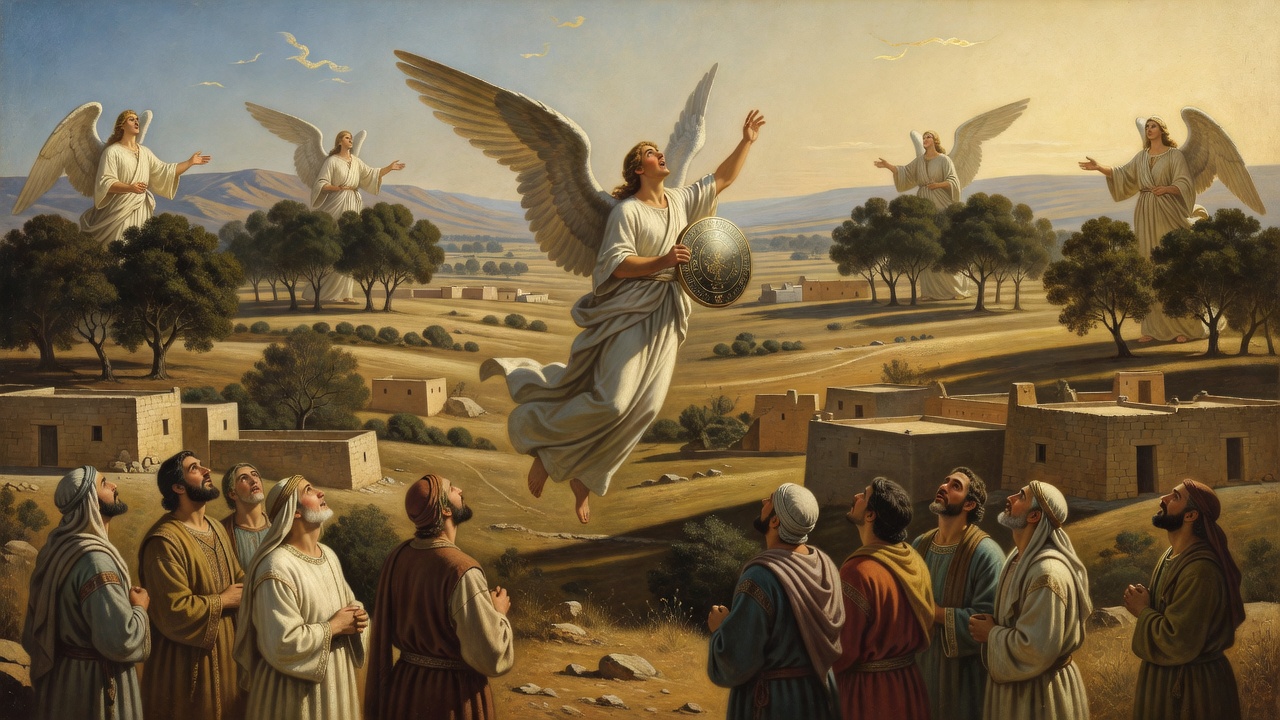
Você sabia?
As tribos seladas e a grande multidão
- Apocalipse 7 apresenta o número dos selados como 144.000, doze mil de cada uma das tribos de Israel nomeadas no capítulo. Israel era outro nome de Jacó, o segundo dos filhos gêmeos de Isaque e Rebeca; o Easton's Bible Dictionary (1897) explica o nome de Jacó como alguém que segue os calcanhares de outro, ou um suplantador.Fontes: o próprio texto bíblico · Jacob (Israel)
- Embora Rúben fosse o filho mais velho de Jacó e Lia, a lista dos selados começa com Judá e depois nomeia Rúben. A lista inclui também tanto José como Manassés; Manassés era o filho mais velho de José, e Jacó adotou a ele e a seu irmão Efraim como seus próprios filhos.Fontes: o próprio texto bíblico · Reuben · Manasseh (son of Joseph)
- Depois do selamento, a visão mostra uma multidão grande demais para ser contada, de toda nação, tribo, povo e língua, de pé diante do trono e do Cordeiro, com vestes brancas e ramos de palmeira nas mãos. Um dos anciãos diz que eles saíram da grande tribulação e lavaram as suas vestes, tornando-as brancas no sangue do Cordeiro.Fontes: o próprio texto bíblico
Notas escritas com auxílio de IA a partir de fontes abertas (Theographic Bible Metadata, CC BY-SA 4.0; Easton’s Bible Dictionary, domínio público) e revisadas antes de publicar.
Créditos e licença desta tradução
I T’an Dios
Bible without Deuterocanon in Chol Tumbala; ctu (MX:ctu:Chol)
copyright © 1977 Wycliffe Bible Translators, Inc.
Language: Chol
Translation by: Wycliffe Bible Translators, Inc.
Chol, Tumbalá [ctu], Mexico
Copyright Information
© 1977, Bible League International
This translation text is made available to you under the
terms of the Creative Commons License: Attribution-Noncommercial-No Derivative Works.
( http://creativecommons.org/licenses/by-nc-nd/3.0/ )
In addition, you have permission to port the text to different file formats, as long as you
do not change any of the text or punctuation of the Bible.
You may share, copy, distribute, transmit, and extract portions
or quotations from this work, provided that you include the above copyright
information:
You must give Attribution to the work.
You do not sell this work for a profit.
You do not make any derivative works that change any of the actual words or punctuation of the Scriptures.
Permissions beyond the scope of this license may be
available if you contact
us with your request.
The Bible without Deuterocanon
in Chol
© 1977, Bible League International
This translation is made available to you under the terms of the
Creative Commons Attribution-Noncommercial-No Derivatives license 4.0.
You may share and redistribute this Bible translation or extracts from it in any format, provided that:
You include the above copyright and source information.
You do not sell this work for a profit.
You do not change any of the words or punctuation of the Scriptures.
Pictures included with Scriptures and other documents on this site are licensed just for use with those Scriptures and documents.
For other uses, please contact the respective copyright owners.
2014-04-22
Fonte: http://ebible.org/ctuBl/ · eBible.org