Salmos 125
Thai Phum Holy Bible · Toque num versículo para ver as referências cruzadas.
Miphunnaw ni kâuepnae
Kathutkung: Panuekhoeh, tami tangawn ni Hezekiah a ti awh
1BAWIPA ka kâuep e naw teh,
kâhuen hoeh niteh, a yungyoe kangning e
Zion mon patetlah ao han.
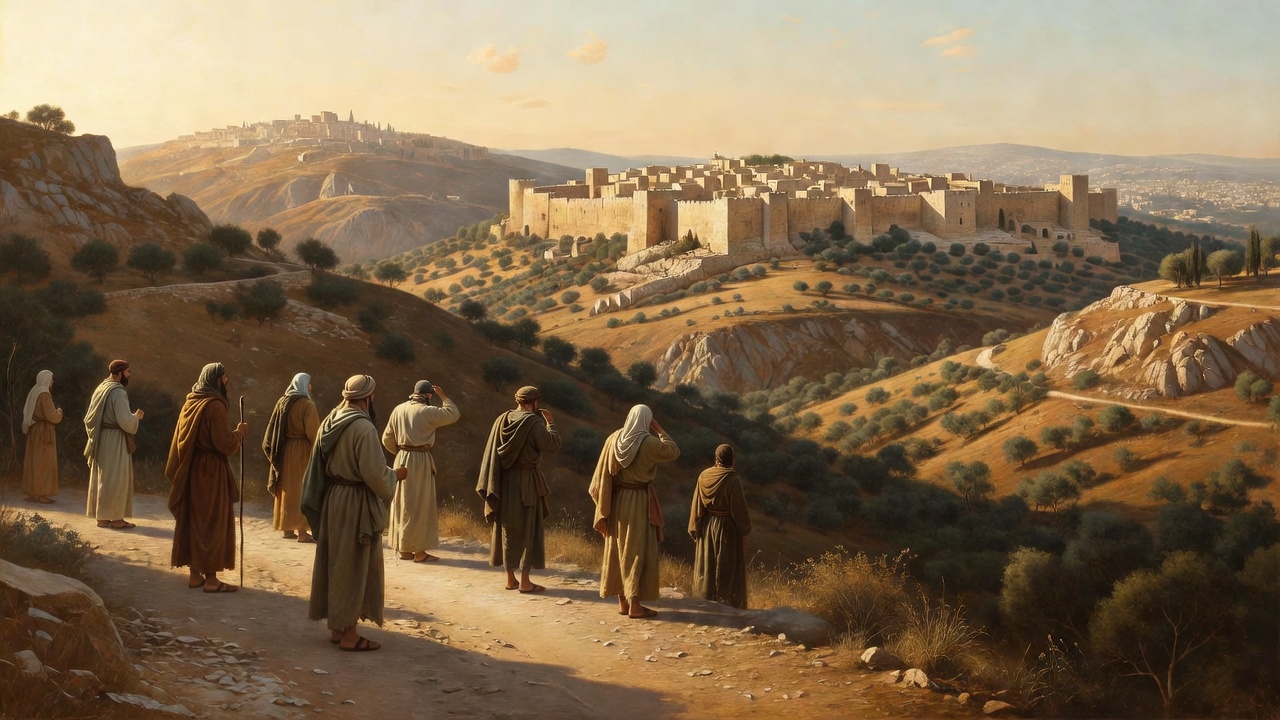
2Monnaw ni Jerusalem a kalup e patetlah,
BAWIPA ni a miphunnaw hah atuhoi pout laipalah a kalup.
3Tami kalannaw ni amamae kut hoi,
kahawihoehe hno a sak awh hoeh nahanelah,
tamikaponaw e sonron teh,
tami kalannaw e râw talai dawk awm hanh naseh.
4Oe BAWIPA, tami kahawinaw hoi
tami kalannaw koe hawinae sak haw.
5Amamae dumyennae lam dawk ka cet e naw hateh,
yonnae ka sak e naw hoi cungtalah,
BAWIPA ni a pâlei han. Isarelnaw koe roumnae awm lawiseh.
Você sabia?
A segurança inabalável em Jerusalém
- O Salmo 125 é um dos Cânticos de Romagem que compara aqueles que confiam em Deus ao monte Sião. O monte Sião era uma colina naturalmente fortificada em Jerusalém, cercada por vales profundos em quase todos os lados, servindo como símbolo de permanência e estabilidade.Fontes: o próprio texto bíblico · Mount Zion
- O salmista recorre à geografia local ao mencionar como as montanhas cercam Jerusalém. Construída como uma fortaleza sobre montanhas em meio a elevações vizinhas, a cidade oferecia uma vívida ilustração física da proteção divina ao redor de seu povo.Fontes: o próprio texto bíblico · Jerusalem
- O salmo é concluído com uma oração de paz sobre Israel, o que se relaciona com o significado tradicional do nome hebraico de Jerusalém como posse ou fundamento de paz.Fontes: o próprio texto bíblico · Jerusalem
Notas escritas com auxílio de IA a partir de fontes abertas (Theographic Bible Metadata, CC BY-SA 4.0; Easton’s Bible Dictionary, domínio público) e revisadas antes de publicar.
Lugares deste capítulo
Só aparecem lugares com identificação de alta confiança (90% ou mais segundo as fontes acadêmicas reunidas pelo OpenBible). Mapa da época: DARE (Digital Atlas of the Roman Empire), CC BY 4.0; mapa atual: © colaboradores do OpenStreetMap; lugares: OpenBible.info (CC BY 4.0).
Créditos e licença desta tradução
Thai Phum Holy Bible
The Holy Bible in the Thaiphum Chin language of Myanmar
Copyright © 2020 Batupuei Christian Fellowship
Language: Thai Phum (Chin, Thaiphum)
Translation by: Batupuei Christian Fellowship
copyright only valid in Myanmar; Public Domain elsewhere
This translation is made available to you under the terms of the
Creative Commons Attribution Share-Alike license 4.0.
You have permission to share and redistribute this Bible translation in any format and to make reasonable revisions and adaptations of this translation, provided that:
You include the above copyright and source information.
If you make any changes to the text, you must indicate that you did so in a way that makes it clear that the original licensor is not necessarily endorsing your changes.
If you redistribute this text, you must distribute your contributions under the same license as the original.
Pictures included with Scriptures and other documents on this site are licensed just for use with those Scriptures and documents.
For other uses, please contact the respective copyright owners.
Note that in addition to the rules above, revising and adapting God's Word involves a great responsibility to be true to God's Word. See Revelation 22:18-19.
2024-05-01
Fonte: http://ebible.org/cth/ · eBible.org