Jó 18
Thai Phum Holy Bible · Toque num versículo para ver as referências cruzadas.
Bildad lawk: tami kathoutnaw teh ouk rektap awh
1Shuhi tami Bildad ni a pathung teh,
2Nâsittouh maw pout laipalah, lawk heh na tawng han,
thaipanueknae tawn awh, hahoi lawk na dei pouh han.
3Bang kecu dawk maw moithang patetlah touksin lah o awh teh,
nangmae mithmu vah tamipathu patetlah ka kâpouk.
4Lungkhueknae hoi namahoima na kâraphoe.
Nang hanelah talai heh ceitakhai lah ao han maw,
Hoeh pawiteh, lungsong heh aonae koehoi puen lah ao han maw.
5Tamikathoutnaw e angnae teh roup padue pouh lah ao teh,
a hmaiang hai ang hoeh.
6Rim e angnae hah a hmo teh,
ateng e hmaiim teh padue e lah ao.
7A khoksampha a thaonae hah duem sak la ao teh,
amae khokhangnae ni a tâkhawng han.
8A khok ni tamlawk dawk a kâman sak teh,
karap thung vah a cei sak.
9A khoksampha dawk tamlawk a man teh,
ama hah karap dawk a bo.
10Ama hanelah karap hah talai dawk hro e la ao teh,
lamthung dawk ama hane karap a patung.
11Avoivang hoi takikatho e ni a pakhi teh,
a hnuk lahoi a pâlei.
12A thaonae hah a thayoun toung dawkvah,
atengpam vah rawkphainae coungkacoe lah ao.
13Hote runae ni a vuen hah a ca pouh teh,
duenae camin ni a kutkhok hah a ca pouh.
14A kângue e rim hoi ahni teh takhoe lah ao teh,
takikatho pounge siangpahrang hmalah tâcokhai e lah ao.
15A tami hoeh e hah rim dawk kho a sak awh teh,
kho a saknae dawk gan a phuen pouh awh.
16A rahim e a tangpha hah koung a ke teh,
a lathueng lae akangnaw teh a kamyai.
17Ama pahnim thai hoeh nahanlah talai dawk hoi a kahma teh,
a min kamthangnaw e um vah a min awm hoeh.
18Ahni teh angnae koehoi hmonae dawkvah a hrek teh,
talai dawk hoi pâlei e lah ao.
19A taminaw thung dawk hoi a capa hoi a na mincanaw tawn hoeh.
Hoeh pawiteh, a khosaknae dawkvah a imthung buet touh hai cawi mahoeh.
20Ahnie tueng nah kaawm e taminaw ni a taki awh e patetlah,
ahni hnukkhu kaawm e naw ni hai ahni kecu a kângai a ru awh han.
21Tamikathoutnaw khosaknae koe teh, hot patetlah ao han.
Hetheteh Cathut ka panuek hoeh naw a onae hmuen doeh telah a ti.
Você sabia?
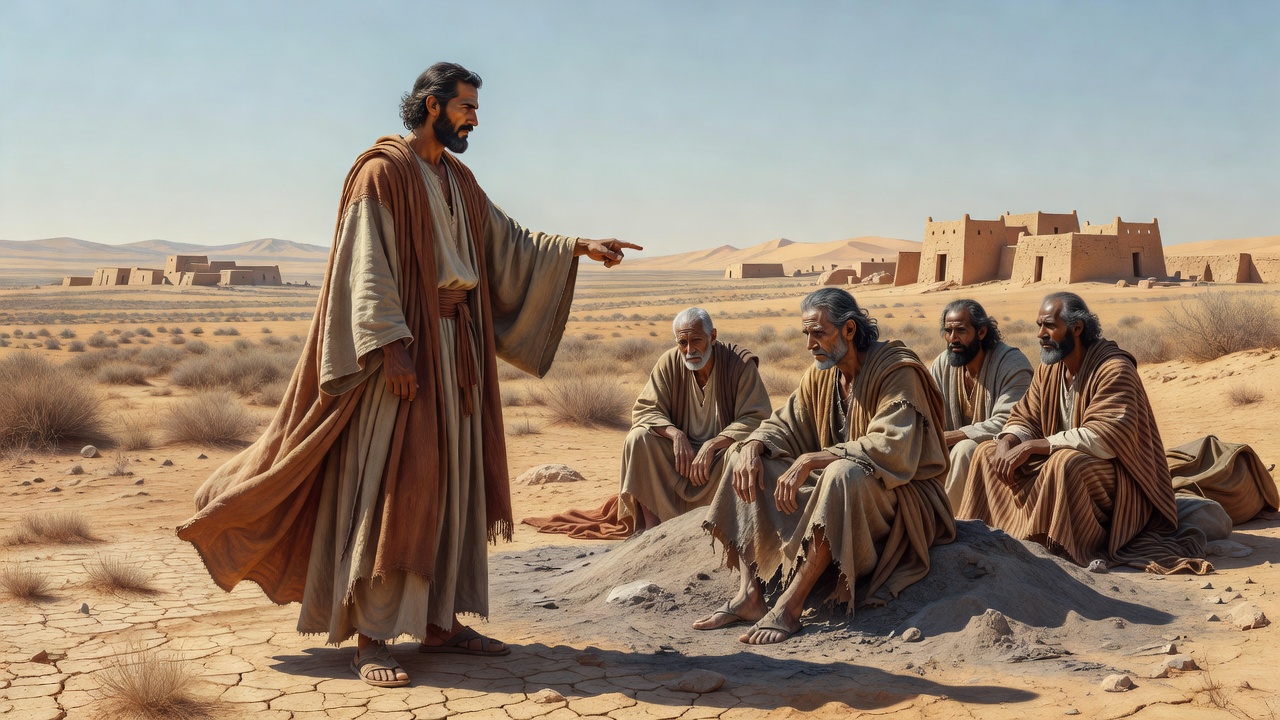
O segundo discurso de Bildade sobre o destino dos ímpios
- Bildade é chamado de suíta, uma designação tradicionalmente associada a Suá, região da Arábia ligada aos descendentes de Abraão e Quetura. Neste segundo discurso a Jó, Bildade mantém um tom severo ao repreendê-lo e afirmar a ruína inevitável dos ímpios.Fontes: Bildad · o próprio texto bíblico
- Para ilustrar a destruição reservada aos maus, Bildade recorre a imagens de caça antigas. Ele retrata a queda dos ímpios por meio de metáforas de laços ocultos, armadilhas enterradas e redes que capturam os passos de quem caminha.Fontes: o próprio texto bíblico
Notas escritas com auxílio de IA a partir de fontes abertas (Theographic Bible Metadata, CC BY-SA 4.0; Easton’s Bible Dictionary, domínio público) e revisadas antes de publicar.
Créditos e licença desta tradução
Thai Phum Holy Bible
The Holy Bible in the Thaiphum Chin language of Myanmar
Copyright © 2020 Batupuei Christian Fellowship
Language: Thai Phum (Chin, Thaiphum)
Translation by: Batupuei Christian Fellowship
copyright only valid in Myanmar; Public Domain elsewhere
This translation is made available to you under the terms of the
Creative Commons Attribution Share-Alike license 4.0.
You have permission to share and redistribute this Bible translation in any format and to make reasonable revisions and adaptations of this translation, provided that:
You include the above copyright and source information.
If you make any changes to the text, you must indicate that you did so in a way that makes it clear that the original licensor is not necessarily endorsing your changes.
If you redistribute this text, you must distribute your contributions under the same license as the original.
Pictures included with Scriptures and other documents on this site are licensed just for use with those Scriptures and documents.
For other uses, please contact the respective copyright owners.
Note that in addition to the rules above, revising and adapting God's Word involves a great responsibility to be true to God's Word. See Revelation 22:18-19.
2024-05-01
Fonte: http://ebible.org/cth/ · eBible.org