Gálatas 2
Ɨ niuucari tɨ jejcua, tɨ ajta jɨme'en ra'axa a'ɨjna ɨ tavastara'a, ɨ Cɨriistu'u tɨ ji'i Jesús tɨ̀ tu'irájtuaa · Toque num versículo para ver as referências cruzadas.
Aꞌɨ́ɨ mú nuꞌu raꞌancuréꞌeviꞌitɨ aꞌɨ́mej ɨ́ mej tiuꞌutaꞌaíjtiꞌire
1Tɨ́ꞌɨj ari ayén teuuméꞌeca aꞌachú cumu tamuáamuataꞌa japuan muáacua nineꞌiraꞌa, neajtahuaꞌa nu neꞌuun aꞌujnéj ánti Jerusalén neꞌɨ́jna jamuan ɨ́ Bernabé. Neajta nu neꞌɨ́n aꞌuvíꞌitɨ́ ɨ́ Tito. 2Aꞌuu nu aꞌujnéj neꞌɨ́jna jɨmeꞌe tɨ Dios ayén caꞌaníjraꞌa naatáꞌa. Aꞌuu nu tihuaꞌutáꞌixaa nain jɨmeꞌe ɨ́ niuucari aꞌij nej yeꞌí tíhuaꞌihuáꞌixaateꞌesin neꞌɨ́mej ɨ́ mej caí Israél jetze ajtémeꞌecan. Aru avíitzi nu jɨ́n niyen huarɨ́j huáꞌa jemi ɨ́ mej nuꞌu tihuáꞌaijteꞌe. Ayee nu een jɨ́n huarɨ́j tɨ ij caí jaꞌatɨ́ tinaꞌantiúꞌuuniꞌi aꞌɨ́jna jɨmeꞌe aꞌij nej rɨcɨ. Tɨ́ puaꞌa ayén tinaꞌantiúꞌuuniꞌi, capu chéꞌe tiꞌitɨ́ huatévaɨreꞌesin aꞌij nej rɨcɨ.
3Mɨ́ ajta caí, capu ayén teꞌirájraa aꞌij mej ɨ́ seica, tíꞌijxeꞌeveꞌecaꞌa aꞌiné aꞌɨ́ɨme ɨ́ mej tihuáꞌajteꞌecaꞌa, camu miyen raataꞌítecaꞌa aꞌɨ́jna jɨmeꞌe ɨ́ mej raꞌantisíjchixɨꞌɨn ɨ́ runavij, aꞌiné huáꞌa jetze pu ajtémeꞌecan ɨ́ griego aꞌɨ́jna ɨ́ Tito. 4Ayee pu een jɨ́n huataseíjre itejmi jemi aꞌiné seica mú avíitzi jɨ́n uteájrupi itejmi tzajtaꞌa mej mi tájeeve aꞌij tej tiꞌitítachaꞌɨ́ɨ iteen ɨ́ Cɨríistuꞌu jemi tɨ aꞌɨ́ɨn ari tuꞌirájtuaa. Aꞌɨ́ɨ mú miyen ruseíjratacaꞌa mej nuꞌu téjmi jetze ajtémeꞌecan.
Mɨ́ majta caí, camu. Metíꞌihuaꞌitaca muꞌu. Ayee muꞌu raxɨ́ꞌeveꞌecaꞌa micu mej mi titaataꞌaíjteꞌen caꞌanéjri jɨmeꞌe. 5Catu aꞌatzu huaꞌutáꞌa mej mi miyen titaatémuaꞌitɨn, aꞌiné ayée tu tíꞌijxeꞌeveꞌecaꞌa tɨ auj rɨꞌɨríista áꞌaraꞌani sej ráanamua tzáahuatiꞌiraꞌa jɨmeꞌe ɨ́ niuucari tɨ jɨ́n Dios amuaꞌirátuaasin.
6Majta aꞌɨ́ɨme, ɨ́ mej núꞌu huápɨꞌɨ mú ruxeꞌeveꞌe, camu máàj aꞌij tirájteu mej mi majta meꞌɨ́n raanaíjmireꞌen aꞌij nej tíhuaꞌihuáꞌixaa ɨ́ teɨte ɨ́ mej caí Israél jetze ajtémeꞌecan. Ajta, capu ne jetze ruxeꞌeveꞌe tɨ puaꞌa mej miyen huápɨꞌɨ ruxeꞌeveꞌe nusu mecaí, aꞌiné Dios pu ruxɨ́ꞌej naꞌa huaꞌancuréꞌeviꞌitɨcɨ ɨ́ teɨte, matɨ́j menaꞌa puaꞌamé.
7Mɨ́ majta meꞌɨ́n, matɨ́ꞌɨjtáꞌij ayén tihuáꞌamitɨejteꞌecaꞌa tɨ aꞌɨ́ɨn Dios ayén cheꞌatá naꞌa tinaataꞌaíjteꞌecaꞌa ineetzi tɨ́j ajta ayén aꞌɨ́j tiuꞌutaꞌaíjteꞌecaꞌa aꞌɨ́jna ɨ́ Pedro. Tihuáꞌamitɨejteꞌecaꞌa tɨ Dios ayén tinaataꞌaíjteꞌecaꞌa nej ni tihuaꞌutáꞌixaateꞌen aꞌɨ́mej ɨ́ mej caí Israél jetze ajtémeꞌecan neꞌɨ́jna ɨ́ niuucari tɨ jɨ́n Dios huaꞌirájtuaani. Mɨ́ ajta aꞌɨ́ɨn, ɨ́ Pedro, Dios pu ayén tiraataꞌaíjteꞌecaꞌa tɨ ayén tihuaꞌutáꞌixaateꞌen aꞌɨ́mej ɨ́ mej Israél jetze ajtémeꞌecan.
8Ayee puꞌu naꞌa, aꞌiné aꞌɨ́ɨn tɨ tíꞌimuarɨꞌecaꞌa ɨ́ Pedro jamuan tɨ ij tiraataꞌaíjteꞌen tɨ aꞌɨ́ɨn huáꞌa jamuan u áꞌumeꞌen ɨ́ mej Israél jetze ajtémeꞌecan, aꞌɨ́ɨ pu ayén cheꞌatá naꞌa tíꞌimuarɨꞌecaꞌa ineetzi jamuan nej ni huáꞌa jamuan u áꞌumeꞌen ɨ́ mej caí Israél jetze ajtémeꞌecan.
9Majta meꞌɨ́n ɨ́ mej huaíca, aꞌɨ́jna ɨ́ Jacobo, ajta aꞌɨ́jna ɨ́ Pedro, ajta aꞌɨ́jna ɨ́ Juan, aꞌii mú aꞌɨ́ɨn puꞌéeneꞌe ɨ́ mej jee antiújmuaꞌaree aꞌɨ́mej jemi ɨ́ seica ɨ́ mej Dios jemi seijreꞌe. Tɨ́ꞌɨj ari ayén tihuáꞌamitɨejteꞌecaꞌa tɨ Dios ayén rɨ́ꞌɨ tinaatáꞌa, aj mú mi temuaꞌa naa tínaꞌancuréꞌeviꞌitɨ, majta meꞌɨ́n temuaꞌa naa teꞌencuréꞌeviꞌitɨ meꞌɨ́jna ɨ́ Bernabé. Aꞌɨ́ɨ mú xaa miyen tiraaxɨ́ꞌepɨꞌɨntare itejmi jɨmeꞌe tej nuꞌu huáꞌa jamuan u áꞌujuꞌun aꞌɨ́mej ɨ́ mej caí Israél jetze ajtémeꞌecan tej ti tiyen tihuaꞌutáꞌixaateꞌen, majta miyen ru jetze mej nuꞌu aꞌɨ́mej jemi u áꞌujuꞌun ɨ́ mej Israél jetze ajtémeꞌecan.
10Aꞌɨ́ɨ muꞌu tájhuaviiriꞌi tej nuꞌu aꞌɨ́mej autámuaꞌaree teucheꞌe ɨ́ mej caí aꞌij téꞌeviicuaꞌi tej nuꞌu huaꞌutévaɨreꞌen. Neajta inee, nee nu xaa ahuáncaꞌane nej ni nexɨ́ꞌeviꞌiraꞌa jɨ́n niyen huárɨni.
Pablo pu raꞌajtéꞌaxɨ aꞌɨ́jna ɨ́ Pedro aꞌujna jáꞌahuaꞌa u Antioquía
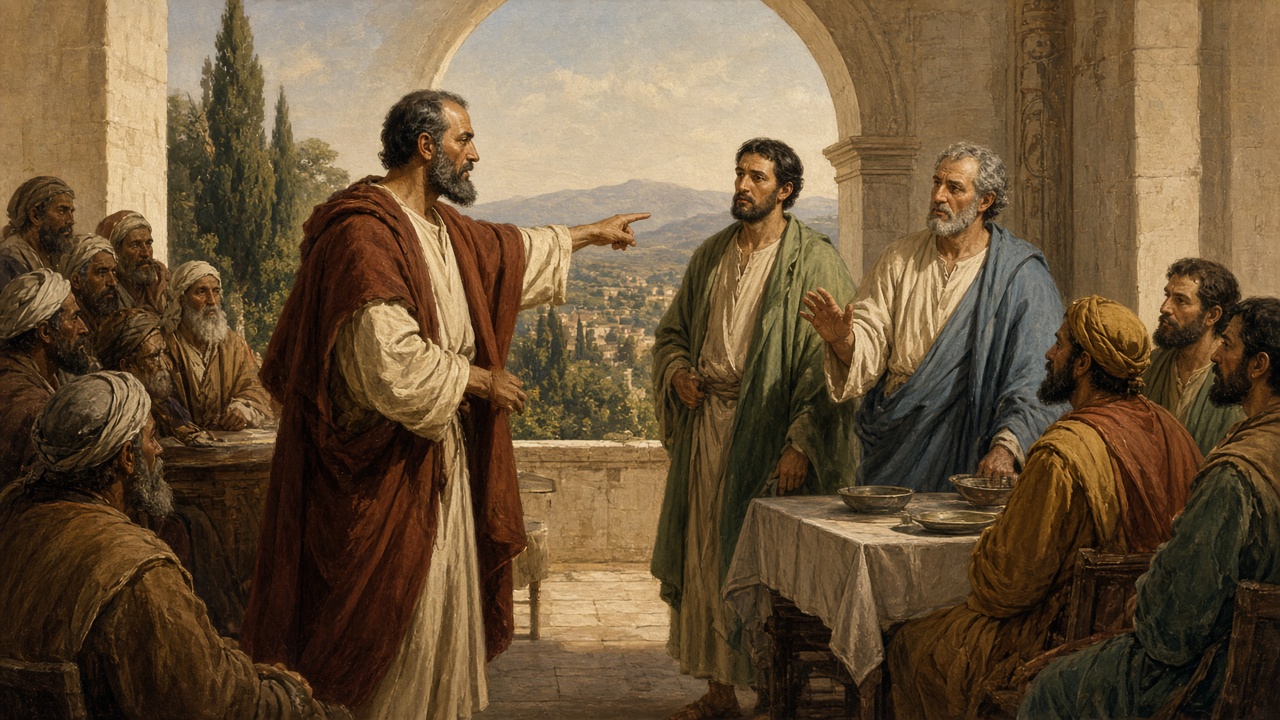
11Ajta aꞌɨ́ɨn ɨ́ Pedro, tɨ́ꞌɨj aꞌuun aꞌatanéj u Antioquía, nee nu raꞌajtéꞌaxɨ ɨ́ jemin, aꞌiné aꞌɨ́ɨ pu aꞌutéꞌɨtzee tiꞌitɨ́j jɨmeꞌe. 12Matɨ́ꞌɨj caí xɨ á aꞌatanéj seica ɨ́ teteca jamuan aꞌɨ́jna ɨ́ Jacobo, ayée pu rɨjcaa aꞌɨ́jna ɨ́ Pedro. Huáꞌa jamuan pu tíꞌicuaꞌacareꞌe aꞌɨ́mej ɨ́ mej caí Israél jetze ajtémeꞌecan. Mɨ́ ajta aꞌɨ́ɨn, matɨ́ꞌɨj eꞌiréꞌene aꞌɨ́ɨme ɨ́ seica, Pedro pu ayén aꞌutéjche tɨ ajtáraꞌani huáꞌa jemi ɨ́ mej caí Israél jetze ajtémeꞌecan. Capu chéꞌe huáꞌajaahuateꞌecaꞌa aꞌiné huáꞌatziɨɨneꞌecaꞌa aꞌɨ́mej ɨ́ mej huáꞌa jetze ajtémeꞌecan aꞌɨ́ɨme ɨ́ mej miyen raꞌantisíꞌiche ɨ́ runavij.
13Majta ɨ́ seica ɨ́ mej Israél jetze ajtémeꞌecan, camu majta miyen huarɨ́j jéꞌiyecan jɨmeꞌe sino miyen huaꞌitzi jɨ́n ruseíjratacaꞌa aꞌij tɨ ajta huarɨ́j aꞌɨ́jna ɨ́ Pedro. Aꞌɨ́j pu jɨ́n teꞌuteujhuaꞌitze ajta aꞌɨ́jna ɨ́ Bernabé. 14Tɨ́ꞌɨj ayén tináꞌamitɨejteꞌecaꞌa mej caí miyen rɨ́ꞌɨ titetiújchaꞌɨɨcaꞌa tzáahuatiꞌiraꞌa jɨmeꞌe aꞌij tɨ tíꞌitamuaꞌate ɨ́ niuucari, matɨ́ꞌɨj neseíiracaꞌa ɨ́ teɨte niyen tiraataꞌixaa neꞌɨ́jna ɨ́ Pedro tɨjɨ́n: “Múꞌee pej huáꞌa jetze ajtémeꞌecan ɨ́ mej Israél jetze huanéj. Mɨ́ pajta múꞌee, ayée pepuꞌu tiꞌitiꞌáꞌachaꞌɨɨ matɨ́j aꞌɨ́ɨme ɨ́ mej caí Israél jetze ajtémeꞌecan. Pecaj xaa neꞌu piyen tiꞌitiꞌáꞌachaꞌɨɨ. ¿Aꞌiné een jɨmeꞌe piyen huáꞌaruure peꞌɨ́mej ɨ́ mej caí Israél jetze ajtémeꞌecan mej mi miyen teꞌaraúrasten tihuáꞌayeꞌira aꞌɨ́ɨme ɨ́ mej Israél jetze ajtémeꞌecan?”
Dios pu ayén naíjmiꞌica huirátuaasin matɨ́j manaꞌa mej téꞌatzaahuateꞌe
15Teen tu huáꞌa jetze ajtémeꞌecan teꞌɨ́jna jɨmeꞌe tej Israél jetze huanéj. Catu huáꞌa jetze ajtémeꞌecan aꞌɨ́mej ɨ́ mej autéꞌɨtzeaꞌara ɨ́ Dios jemi. 16Teen tu tiyen ramuaꞌaree aꞌij tɨ een ɨ́ Dios jemi tɨ jaꞌatɨ́ rɨꞌéeneꞌecán jɨ́n huateáturan ɨ́ jemin. Capu xaa neꞌu tiꞌitɨ́ aꞌij tiraatévaɨreꞌen aꞌɨ́jna ɨ́ jaꞌatɨ tɨ puaꞌa nain jɨ́n araúrasten aꞌɨ́jna ɨ́ niuucari ɨ́ mej jɨ́n tíꞌaijta, sino aꞌɨ́ɨ pu xaa rɨꞌéeneꞌecán jɨ́n huateáturan ɨ́ Dios jemi tɨ puaꞌa aꞌɨ́ɨn raꞌaráꞌastijreꞌen ɨ́ Jesús tɨ ajta iꞌi Cɨríistuꞌu. Teajta iteen, ayée tu teajta iteen teri ráꞌatzaahuateꞌe teꞌɨ́jna ɨ́ Cɨríistuꞌu tɨ ajta iꞌi Jesús tej ti tiyen rɨꞌéeneꞌecán jɨ́n huateáturan ɨ́ Dios jemi aꞌɨ́jna jɨmeꞌe tej raꞌaráꞌastijreꞌen teꞌɨ́jna ɨ́ Cɨríistuꞌu. Catu xaa neꞌu raꞌaráꞌastijreꞌe teꞌɨ́jna ɨ́ niuucari ɨ́ mej jɨ́n tíꞌaijta aꞌiné capu jaꞌatɨ́ rɨꞌéeneꞌecán jɨ́n huateáturaasin ɨ́ Dios jemi tɨ puaꞌa raꞌaráꞌastijreꞌen aꞌɨ́jna ɨ́ niuucari ɨ́ mej jɨ́n tíꞌaijta.
17Ari tɨ puaꞌa ayén teꞌirájraꞌani tej tiyen aꞌij puaꞌa éeneꞌecan jɨ́n huateáturan matɨ́j aꞌɨ́ɨme ɨ́ mej caí Israél jetze ajtémeꞌecan teꞌɨ́jna jɨmeꞌe tej tiyen ráahuausin tej ti tiyen rɨꞌéeneꞌecán jɨ́n huateáturan jemin ɨ́ Cɨríistuꞌu, ¿aꞌiné naꞌaqui huataújmuaꞌa? ¿Ni qui ayén huataújmuaꞌa tɨ Cɨríistuꞌu caꞌaníjraꞌa tatáꞌa tej ti tiyen aꞌij puaꞌa tiꞌitítachaꞌɨɨ? Capu xaa neꞌu, capu aꞌatzu. 18Mɨ́ neajta inee, tɨ puaꞌa neajtahuaꞌa nenaꞌa raꞌutéjcheni nej raꞌaráꞌastijreꞌen ɨ́ nej nejmíꞌi raatapuáꞌajtacaꞌa nej niyen ráꞌastijreꞌecaꞌa, tɨ puaꞌa niyen huárɨni neajtahuaꞌa, ayée pu huataújmuaꞌa tɨjɨ́n yee naꞌutéꞌɨtze tiꞌitɨ́j jɨmeꞌe netɨ́ꞌɨj amuacaícan raatapuáꞌajtacaꞌa.
19Aꞌɨ́j pu jɨ́n, netɨ́ꞌɨj ráꞌastijreꞌecaꞌa ɨ́ niuucari ɨ́ mej jɨ́n tíꞌaijta, ayée pu tejaꞌuréꞌene tɨ caí huatárɨꞌɨristarecaꞌa nej nain jɨ́n aráneꞌastijreꞌen. Aꞌɨ́j pu jɨ́n ayén pu huataújmuaꞌa, cu xɨee nej huamɨ́ꞌɨ jemin aꞌɨ́jna ɨ́ niuucari ɨ́ mej jɨ́n tíꞌaijta nej ni ruurican huateáturan ɨ́ Dios jemi. 20Naacɨ́ꞌɨ ajta ineetzi mej mi miyen náaruuren matɨ́ꞌɨj ráꞌutatai ɨ́ Cɨríistuꞌu ɨ́ cúruu jetze. Aꞌɨ́j nu jɨ́n caí chéꞌe nenaꞌa ruurican huateájturaa sino ruurican nu huateájturaa aꞌiné Cɨríistuꞌu pu ruurican seijreꞌe neetzi jetze. Ajta aꞌij nej rɨ́ꞌɨ tiꞌitínchaꞌɨɨ íjii nej nauj ratéhuaꞌiraꞌa, ayée nu aráncaꞌane neꞌɨ́jna jɨmeꞌe nej raꞌaráꞌastijreꞌen neꞌɨ́jna tɨ iꞌi yaujraꞌan púꞌeen ɨ́ Dios. Aꞌɨ́ɨ pu icu naataxɨ́ꞌeve, ajta huataúraꞌa tɨ huámɨꞌɨni neetzi jetze meꞌecan.
21Aꞌɨ́j nu jɨ́n caí mé rúujɨsin neꞌɨ́jna ɨ́ tɨ Dios jɨ́n rɨ́ꞌɨ tinaatáꞌa ruxɨ́ꞌeviꞌiraꞌa jɨmeꞌe. Ayej xaa neꞌu, tɨ puaꞌa rɨꞌɨríistancheꞌe tɨ jaꞌatɨ́ ayén rɨꞌéeneꞌecán jɨ́n huateáturan ɨ́ Dios jemi aꞌɨ́jna jɨmeꞌe tɨ nain jɨ́n raꞌaráꞌasten aꞌɨ́jna jɨmeꞌe ɨ́ niuucari ɨ́ mej jɨ́n tíꞌaijta, capu chéꞌe tiꞌitɨ́ huatevaɨ́ɨreꞌencheꞌe tɨ huamɨ́ꞌɨ ɨ́ Cɨríistuꞌu.
Você sabia?
Gentios, comunhão e um confronto em Antioquia
- Tito foi com Paulo e Barnabé a Jerusalém. O Easton's Bible Dictionary (1897) diz que ele parece ter sido gentio e que seu nome não aparece em Atos. Paulo escreve que Tito, embora fosse grego, não foi obrigado a circuncidar-se.Fontes: Titus · o próprio texto bíblico
- O confronto posterior ocorreu em Antioquia da Síria, às margens do Orontes, a umas trezentas milhas ao norte de Jerusalém. A cidade ocupava o terceiro lugar entre as cidades do Império Romano, depois de Roma e Alexandria, e foi ali que os crentes foram chamados cristãos pela primeira vez.Fontes: Antioch (Syria) · o próprio texto bíblico
- O Easton's Bible Dictionary (1897) descreve Tiago, citado com Cefas e João como um dos pilares, como cabeça da igreja em Jerusalém, onde presidiu o concílio sobre os gentios. Paulo diz que, antes de chegarem certos homens da parte de Tiago, Cefas costumava comer com os gentios, mas depois se afastou por medo do grupo da circuncisão.Fontes: James (Brother of Jesus) · o próprio texto bíblico
Notas escritas com auxílio de IA a partir de fontes abertas (Theographic Bible Metadata, CC BY-SA 4.0; Easton’s Bible Dictionary, domínio público) e revisadas antes de publicar.
Lugares deste capítulo
- Jerusalem · 31.777, 35.234 · versículo 1
- Antioch · Hoje: Antioch on the Orontes · 36.227, 36.172 · versículo 11
Só aparecem lugares com identificação de alta confiança (90% ou mais segundo as fontes acadêmicas reunidas pelo OpenBible). Mapa da época: DARE (Digital Atlas of the Roman Empire), CC BY 4.0; mapa atual: © colaboradores do OpenStreetMap; lugares: OpenBible.info (CC BY 4.0).
Créditos e licença desta tradução
Ɨ niuucari tɨ jejcua, tɨ ajta jɨme'en ra'axa a'ɨjna ɨ tavastara'a, ɨ Cɨriistu'u tɨ ji'i Jesús tɨ̀ tu'irájtuaa
New Testament in Cora, El Nayar Presidio De Los Reyes; crn (MX:crn:Cora, El Nayar)
copyright © 2008 Wycliffe Bible Translators, Inc.
Language: Cora, El Nayar
Translation by: Wycliffe Bible Translators, Inc.
Cora, Presidio de los Reyes [crn], Mexico
Copyright Information
© 2008, Wycliffe Bible Translators, Inc. All rights reserved.
This translation text is made available to you under the
terms of the Creative Commons License: Attribution-Noncommercial-No Derivative Works.
( http://creativecommons.org/licenses/by-nc-nd/3.0/ )
In addition, you have permission to port the text to different file formats, as long as you
do not change any of the text or punctuation of the Bible.
You may share, copy, distribute, transmit, and extract portions
or quotations from this work, provided that you include the above copyright
information:
You must give Attribution to the work.
You do not sell this work for a profit.
You do not make any derivative works that change any of the actual words or punctuation of the Scriptures.
Permissions beyond the scope of this license may be
available if you contact
us with your request.
The New Testament
in Cora, El Nayar
© 2008, Wycliffe Bible Translators, Inc. All rights reserved.
This translation is made available to you under the terms of the
Creative Commons Attribution-Noncommercial-No Derivatives license 4.0.
You may share and redistribute this Bible translation or extracts from it in any format, provided that:
You include the above copyright and source information.
You do not sell this work for a profit.
You do not change any of the words or punctuation of the Scriptures.
Pictures included with Scriptures and other documents on this site are licensed just for use with those Scriptures and documents.
For other uses, please contact the respective copyright owners.
2014-04-22
Fonte: http://ebible.org/crnNT/ · eBible.org