Marcos 12
Sahidica - طبعة جديدة من العهد الجديد باللغة القبطية الصعيدية · Toque num versículo para ver as referências cruzadas.
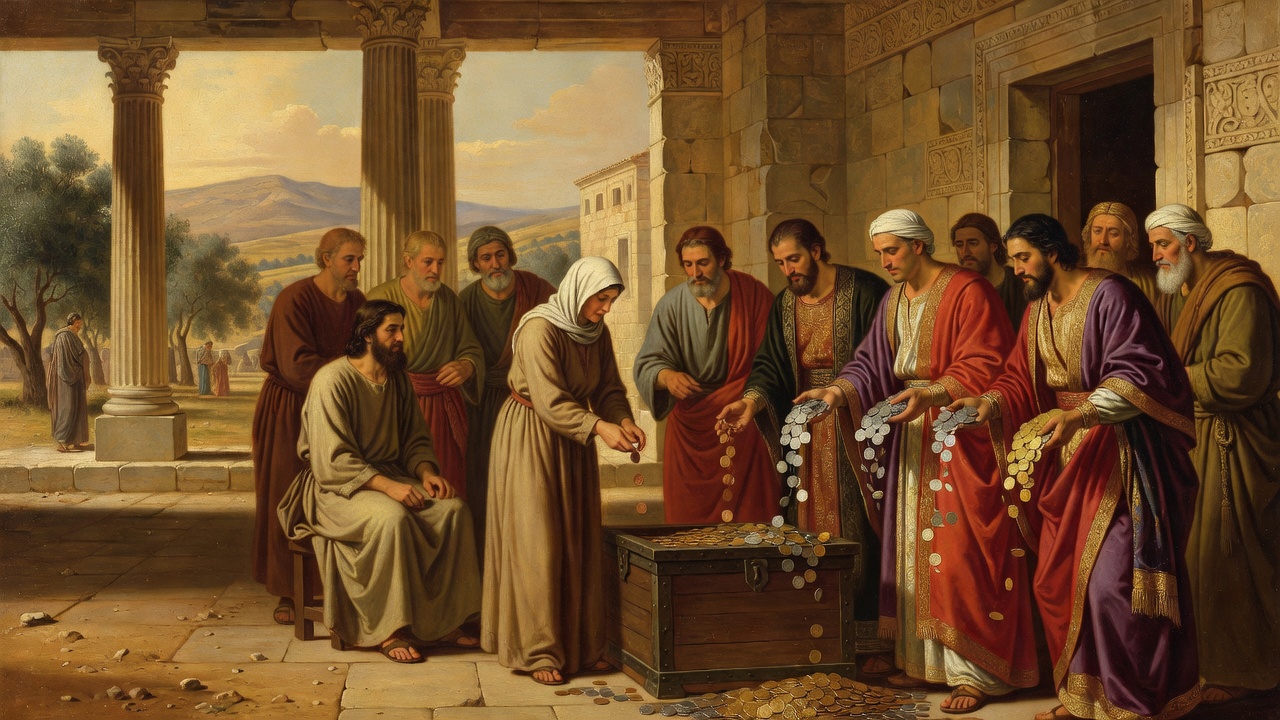
1ⲀⲨⲰ ⲀϤⲀⲢⲬⲈⲒ ⲚϪⲞⲞⲤ ⲚⲀⲨ ϨⲚ ϨⲈⲚⲠⲀⲢⲀⲂⲞⲖⲎ ϪⲈ ⲞⲨⲢⲰⲘⲈ ⲠⲈ ⲚⲦⲀϤⲦⲰϬⲈ ⲚⲞⲨⲘⲀ ⲚⲈⲖⲞⲞⲖⲈ. ⲀϤⲔⲦⲞ ⲈⲢⲞϤ ⲚⲞⲨϪⲞ ⲀϤϢⲀⲔⲦⲞⲨⲈⲒⲞⲘ ϨⲢⲀⲒ ⲚϨⲎⲦϤ. ⲀⲨⲰ ⲀϤⲔⲰⲦ ⲚⲞⲨⲠⲨⲢⲄⲞⲤ ⲀϤⲦⲀⲀϤ ⲈⲦⲞⲞⲦⲞⲨ ⲚϨⲈⲚϬⲘⲎⲞⲨ ⲀϤⲀⲠⲞⲆⲎⲘⲈⲒ 2ⲀⲨⲰ ⲀϤϪⲈⲨⲞⲨϨⲘϨⲀⲖ ⲈⲢⲀⲦⲞⲨ ⲚⲚⲈϬⲘⲎⲞⲨ ϨⲘ ⲠⲔⲀⲒⲢⲞⲤ ⲚⲚⲔⲀⲢⲠⲞⲤ ϪⲈ ⲈϤⲈϪⲒ ⲚⲦⲞⲞⲦⲞⲨ ⲚⲚⲈϬⲘⲎⲞⲨ ⲈⲂⲞⲖ ϨⲘ ⲚⲔⲀⲢⲠⲞⲤ ⲘⲠⲘⲀ ⲚⲈⲖⲞⲞⲖⲈ. 3ⲀⲨⲰ ⲚⲦⲈⲢⲞⲨⲀⲘⲀϨⲦⲈ ⲘⲘⲞϤ ⲀⲨϨⲒⲞⲨⲈ ⲈⲢⲞϤ ⲀⲨϪⲞⲞⲨϤ ⲈⲘⲠⲞⲨϮⲖⲀⲀⲨ ⲚⲀϤ. 4ⲀϤϪⲈⲨⲔⲈϨⲘϨⲀⲖ ⲞⲚ ⲈⲢⲀⲦⲞⲨ. ⲠⲔⲈⲞⲨⲀ ⲈⲦⲘⲘⲀⲨ ⲀⲨⲘⲞⲞⲨⲦϤ. ⲀⲨⲰ ⲀⲨⲤⲞϢϤ. 5ⲀϤϪⲈⲨⲔⲈⲞⲨⲀ ⲀⲨⲰ ⲠⲔⲈⲦ ⲀⲨⲘⲞⲞⲨⲦϤ ⲘⲚϨⲈⲚⲔⲞⲞⲨⲈ ⲦⲎⲢⲞⲨ ϨⲞⲒⲚⲈ ⲘⲈⲚ ⲈⲨϨⲒⲞⲨⲈ ⲈⲢⲞⲞⲨ ϨⲈⲚⲔⲞⲞⲨⲈ ⲆⲈ ⲈⲨⲘⲞⲞⲨⲦ ⲘⲘⲞⲞⲨ. 6ⲈⲦⲒ ⲚⲈⲨⲚⲦϤⲞⲨϢⲎⲢⲈ ⲘⲘⲀⲨ ⲘⲘⲈⲢⲒⲦ ⲀϤϪⲞⲞⲨϤ ⲈⲢⲀⲦⲞⲨ. ⲘⲚⲚⲤⲰⲞⲨ ⲈϤϪⲰ ⲘⲘⲞⲤ ϪⲈ ⲤⲈⲚⲀϢⲒⲠⲈ ϨⲎⲦϤ ⲘⲠⲀϢⲎⲢⲈ. 7ⲚⲈϬⲘⲎⲨ ⲆⲈ ⲈⲦⲘⲘⲀⲨ ⲀⲨϢⲀϪⲈ ⲘⲚ ⲚⲈⲨⲈⲢⲎⲨ ⲈⲨϪⲰ ⲘⲘⲞⲤ ϪⲈ ⲠⲀⲒ ⲠⲈ ⲠⲈⲔⲖⲎⲢⲞⲚⲞⲘⲞⲤ. ⲀⲘⲎⲒⲦⲚ ⲚⲦⲚⲘⲞⲞⲨⲦϤ. ⲀⲨⲰ ⲦⲈⲔⲖⲎⲢⲞⲚⲞⲘⲒⲀ ⲚⲀⲢⲦⲰⲚ. 8ⲚⲦⲈⲢⲞⲨⲀⲘⲀϨⲦⲈ ⲆⲈ ⲘⲘⲞϤ ⲀⲨⲘⲞⲞⲨⲦϤ ⲀⲨⲰ ⲀⲨⲚⲞϪϤ ⲈⲠⲂⲞⲖ ⲘⲠⲘⲀ ⲚⲈⲖⲞⲞⲖⲈ. 9ⲞⲨ ⲠⲈⲦⲈⲢⲈ ⲠϪⲞⲈⲒⲤ ⲘⲠⲘⲀ ⲚⲈⲖⲞⲞⲖⲈ ⲚⲀⲀⲀϤ. ϤⲚⲎⲨ ⲚϤⲦⲀⲔⲈⲚⲈϬⲘⲎⲨ ⲚϤϮ ⲘⲠⲘⲀ ⲚⲈⲖⲞⲞⲖⲈ ⲚϨⲈⲚⲔⲞⲞⲨⲈ. 10ⲦⲈⲒⲄⲢⲀⲪⲎ ⲆⲈ ⲞⲚ ⲘⲠⲈⲦⲚⲞϢⲤ. ϪⲈ ⲠⲰⲚⲈ ⲚⲦⲀⲚⲈⲦⲔⲰⲦ ⲤⲦⲞϤ ⲈⲂⲞⲖ ⲀϤϢⲰⲠⲈ ⲈⲨⲀⲠⲈ ⲚⲔⲞⲞϨ. 11ⲚⲦⲀⲠⲀⲒ ϢⲰⲠⲈ ϨⲒⲦⲞⲞⲦϤ ⲘⲠϪⲞⲈⲒⲤ ⲀⲨⲰ ⲞⲨϢⲠⲎⲢⲈ ⲠⲈ ⲘⲠⲈⲦⲚⲘⲦⲞ ⲈⲂⲞⲖ. 12ⲀⲨⲞⲨⲰϢ ⲆⲈ ⲈⲀⲘⲀϨⲦⲈ ⲘⲘⲞϤ ⲀⲨⲰ ⲀⲨⲢϨⲞⲦⲈ ϨⲎⲦϤ ⲘⲠⲘⲎⲎϢⲈ. ⲀⲨⲈⲒⲘⲈ ⲄⲀⲢ ϪⲈ ⲚⲦⲀϤϪⲈ ⲦⲈⲒⲠⲀⲢⲀⲂⲞⲖⲎ ⲈⲦⲂⲎⲎⲦⲞⲨ. ⲀⲨⲰ ⲚⲦⲈⲢⲞⲨⲔⲀⲀϤ ⲀⲨⲂⲰⲔ 13ⲀⲨⲰ ⲀⲨϪⲈⲨϨⲞⲒⲚⲈ ⲈⲢⲀⲦϤ ⲚϬⲒ ⲚⲈⲪⲀⲢⲒⲤⲤⲀⲒⲞⲤ ⲘⲚⲚϨⲎⲢⲰⲆⲒⲀⲚⲞⲤ ⲈⲦⲢⲈⲨϬⲞⲠϤ ϨⲚ ⲞⲨϢⲀϪⲈ. 14ⲀⲨⲰ ⲚⲦⲈⲢⲞⲨϮ ⲠⲈⲨⲞⲨⲞⲈⲒ ⲈⲢⲞϤ ⲠⲈϪⲀⲨ ⲚⲀϤ ϪⲈ ⲠⲤⲀϨ ⲦⲚⲤⲞⲞⲨⲚ ϪⲈ ⲚⲦⲔⲞⲨⲢⲘ ⲘⲘⲈ ⲀⲨⲰ ⲚⲄϨⲎϬⲈ ⲀⲚ ϨⲎⲦϤ ⲖⲖⲀⲀⲨ ⲚⲄϪⲒϨⲞ ⲄⲀⲢ ⲀⲚ ⲢⲢⲰⲘⲈ ⲀⲖⲖⲀ ϨⲚ ⲞⲨⲘⲈ ⲈⲔϮⲤⲂⲰ ⲚⲦⲈϨⲒⲎ ⲘⲠⲚⲞⲨⲦⲈ ⲈⲜⲈⲤⲦⲒ ⲈϮⲔⲎⲚⲤⲞⲤ ⲘⲠⲢⲢⲞ ϪⲚⲘⲘⲞⲚ ⲦⲀⲢⲚϮ ϪⲚⲘⲠⲰⲢ. 15ⲚⲦⲞϤ ⲆⲈ ⲈϤⲤⲞⲞⲨⲚ ⲚⲦⲈⲨϨⲨⲠⲞⲔⲢⲒⲤⲒⲤ ⲠⲈϪⲀϤ ⲚⲀⲨ ϪⲈ ⲈⲦⲂⲈ ⲞⲨ ⲦⲈⲦⲚⲠⲈⲒⲢⲀⲌⲈ ⲘⲘⲞⲒ ⲀⲚⲒⲞⲨⲤⲀⲦⲈⲈⲢⲈ ⲚⲀⲒ ϪⲈ ⲈⲒⲈⲚⲀⲨ ⲈⲢⲞⲤ. 16ⲚⲦⲞⲞⲨ ⲆⲈ ⲤⲞⲨⲦⲰⲚⲤ ⲈⲢⲞϤ ⲀⲨⲰ ⲠⲈϪⲀϤ ⲚⲀⲨ ϪⲈ ⲦⲀⲚⲒⲘ ⲦⲈ ⲦⲈⲈⲒϨⲒⲔⲰⲚ ⲘⲚ ⲚⲈⲒⲤϨⲀⲒ. ⲚⲦⲞⲞⲨ ⲆⲈ ⲠⲈϪⲀⲨ ⲚⲀϤ ϪⲈ ⲦⲀⲠⲢⲢⲞ ⲦⲈ. 17ⲒⲎⲤⲞⲨⲤ ⲆⲈ ⲠⲈϪⲀϤ ⲚⲀⲨ ϪⲈ ϮⲚⲀⲠⲢⲢⲞ ϬⲈ ⲘⲠⲢⲢⲞ ⲀⲨⲰ ⲚⲀⲠⲚⲞⲨⲦⲈ ⲘⲠⲚⲞⲨⲦⲈ. ⲀⲨⲰ ⲀⲨⲢϢⲠⲎⲢⲈ ⲘⲘⲞϤ. 18ⲀⲨⲈⲒ ⲆⲈ ϢⲀⲢⲞϤ ⲚϬⲒ ⲚⲤⲀⲆⲆⲞⲨⲔⲀⲒⲞⲤ ⲚⲈⲦϪⲰ ⲘⲘⲞⲤ ϪⲈ ⲘⲘⲚⲀⲚⲀⲤⲦⲀⲤⲒⲤ ⲚⲀϢⲰⲠⲈ. ⲀⲨⲰ ⲀⲨϪⲚⲞⲨϤ ⲈⲨϪⲰ ⲘⲘⲞⲤ 19ϪⲈ ⲠⲤⲀϨ ⲘⲰⲨⲤⲎⲤ ⲀϤⲤϨⲀⲒ ⲚⲀⲚ ϪⲈ ⲈϢⲰⲠⲈ ⲈⲢϢⲀⲚⲠⲤⲞⲚ ⲞⲨⲀ ⲘⲞⲨ ⲀⲨⲰ ⲚϤⲔⲀⲦⲈϤⲤϨⲒⲘⲈ ⲚϤⲦⲘⲔⲀϢⲎⲢⲈ ⲆⲈ ⲈⲢⲈⲠⲈϤⲤⲞⲚ ϪⲒⲦⲈϤⲤϨⲒⲘⲈ ⲚϤⲦⲞⲨⲚⲞⲤⲤⲠⲈⲢⲘⲀ ⲘⲠⲈϤⲤⲞⲚ. 20ⲚⲈⲨⲚⲤⲀϢϤ ⲆⲈ ⲚⲤⲞⲚ ⲀⲨⲰ ⲠϢⲞⲢⲠ ⲀϤϪⲒϨⲒⲘⲈ. ⲀⲨⲰ ⲀϤⲘⲞⲨ ⲘⲠϤⲔⲀⲤⲠⲈⲢⲘⲀ. 21ⲀⲨⲰ ⲠⲘⲈϨⲤⲚⲀⲨ ⲀϤϪⲒⲦⲤ ⲀⲨⲰ ⲀϤⲘⲞⲨ ⲈⲘⲠϤⲔⲀⲤⲠⲈⲢⲘⲀ. ⲀⲨⲰ ⲠⲘⲈϨϢⲞⲘⲚⲦ ϨⲞⲘⲞⲒⲰⲤ 22ϢⲀⲠⲘⲈϨⲤⲀϢϤ. ⲈⲘⲠⲈⲖⲀⲀⲨ ⲘⲘⲞⲞⲨ ⲔⲀⲤⲠⲈⲢⲘⲀ. ⲀⲨⲰ ⲦⲔⲈⲤϨⲒⲘⲈ ⲀⲤⲘⲞⲨ. 23ϨⲚ ⲦⲀⲚⲀⲤⲦⲀⲤⲒⲤ ϬⲈ ⲈⲤⲚⲀⲢⲤϨⲒⲘⲈ ⲚⲚⲒⲘ ⲘⲘⲞⲞⲨ. ⲠⲤⲀϢϤ ⲄⲀⲢ ⲀⲨϨⲘⲞⲞⲤ ⲚⲘⲘⲀⲤ. 24ⲒⲎⲤⲞⲨⲤ ⲆⲈ ⲠⲈϪⲀϤ ⲚⲀⲨ ϪⲈ ⲈⲦⲂⲈ ⲠⲀⲒ ⲀⲚ ϬⲈ ⲈⲦⲈⲦⲚⲠⲖⲀⲚⲀ ⲈⲚⲦⲈⲦⲚⲤⲞⲞⲨⲚ ⲀⲚ ⲚⲚⲈⲄⲢⲀⲪⲎ ⲞⲨⲆⲈ ⲦϬⲞⲘ ⲘⲠⲚⲞⲨⲦⲈ 25ⲈⲨϢⲀⲚⲦⲰⲞⲨⲚ ⲄⲀⲢ ⲈⲂⲞⲖ ϨⲚ ⲚⲈⲦⲘⲞⲞⲨⲦ ⲞⲨⲦⲈ ⲚⲤⲈⲚⲀϪⲒϨⲒⲘⲈ ⲀⲚ. ⲞⲨⲦⲈ ⲚⲤⲈⲚⲀϪⲒϨⲀⲒ ⲀⲚ. ⲀⲖⲖⲀ ⲈⲨⲚⲀϬⲰ ⲚⲐⲈ ⲚⲚⲀⲄⲄⲈⲖⲞⲤ ⲈⲦϨⲚⲘⲠⲎⲨⲈ. 26ⲈⲦⲂⲈ ⲚⲈⲦⲘⲞⲞⲨⲦ ⲆⲈ ϪⲈ ⲤⲈⲚⲀⲦⲰⲞⲨⲚ ⲘⲠⲈⲦⲚⲰϢ ϨⲘ ⲠϪⲰⲰⲘⲈ ⲘⲘⲰⲨⲤⲎⲤ ⲚⲐⲈ ⲈⲚⲦⲀⲠⲚⲞⲨⲦⲈ ϪⲞⲞⲤ ⲚⲀϤ ϨⲒⲠⲂⲀⲦⲞⲤ ⲈϤϪⲰ ⲘⲘⲞⲤ ϪⲈ ⲀⲚⲞⲔ ⲠⲈ ⲠⲚⲞⲨⲦⲈ ⲚⲀⲂⲢⲀϨⲀⲘ ⲀⲨⲰ ⲠⲚⲞⲨⲦⲈ ⲚⲒⲤⲀⲀⲔ ⲀⲨⲰ ⲠⲚⲞⲨⲦⲈ ⲚⲒⲀⲔⲰⲂ. 27ⲠⲚⲞⲨⲦⲈ ⲀⲚ ⲠⲈ ⲚⲚⲈⲦⲘⲞⲞⲨⲦ ⲀⲖⲖⲀ ⲚⲚⲈⲦⲞⲚϨ. ⲦⲈⲦⲚⲠⲖⲀⲚⲀ ⲈⲘⲀⲦⲈ. 28ⲀⲨⲰ ⲚⲦⲈⲢⲈϤϮ ⲠⲈϤⲞⲨⲞⲒ ⲈϨⲞⲨⲚ ⲈⲢⲞϤ ⲚϬⲒ ⲞⲨⲀ ⲚⲚⲈⲄⲢⲀⲘⲘⲀⲦⲈⲨⲤ ⲈⲀϤⲤⲰⲦⲘ ⲈⲢⲞⲞⲨ ⲈⲨϮⲦⲰⲚ ⲈϤⲤⲞⲞⲨⲚ ϪⲈ ⲀϤⲢⲞⲨⲰ ⲚⲀⲨ ⲔⲀⲖⲰⲤ. ⲀϤϪⲚⲞⲨϤ ϪⲈ ⲀϢ ⲦⲈ ⲦϢⲞⲢⲠ ⲚⲈⲚⲦⲞⲖⲎ ⲈⲢⲞⲞⲨ ⲦⲎⲢⲞⲨ. 29ⲀϤⲞⲨⲰϢⲂ ⲚϬⲒ ⲒⲎⲤⲞⲨⲤ ⲈϤϪⲰ ⲘⲘⲞⲤ ϪⲈ ⲦϢⲞⲢⲠ ⲦⲈ ⲤⲰⲦⲘ ⲠⲒⲤⲢⲀⲎⲖ ⲠϪⲞⲈⲒⲤ ⲠⲈⲚⲚⲞⲨⲦⲈ ⲠϪⲞⲈⲒⲤ ⲞⲨⲀ ⲠⲈ. 30ⲀⲨⲰ ⲈⲔⲈⲘⲈⲢⲈⲠϪⲞⲈⲒⲤ ⲠⲈⲔⲚⲞⲨⲦⲈ ⲈⲂⲞⲖ ϨⲘ ⲠⲈⲔϨⲎⲦ ⲦⲎⲢϤ ⲀⲨⲰ ⲈⲂⲞⲖ ϨⲚ ⲦⲈⲔⲮⲨⲬⲎ ⲦⲎⲢⲤ ⲀⲨⲰ ⲈⲂⲞⲖ ϨⲘ ⲠⲈⲔⲘⲈⲨⲈ ⲦⲎⲢϤ ⲀⲨⲰ ⲈⲂⲞⲖ ϨⲚ ⲦⲈⲔϬⲞⲘ ⲦⲎⲢⲤ. 31ⲦⲘⲈϨ ⲤⲚⲦⲈ ⲆⲈ ⲦⲈ ⲦⲀⲒ ⲈⲔⲈⲘⲈⲢⲈ ⲠⲈⲦϨⲒⲦⲞⲨⲰⲔ ⲚⲦⲈⲔϨⲈ. ⲘⲘⲚ ⲔⲈⲈⲚⲦⲞⲖⲎ ⲈⲚⲀⲀⲤ ⲈⲚⲀⲒ. 32ⲠⲈϪⲀϤ ⲆⲈ ⲚⲀϤ ⲚϬⲒ ⲠⲈⲄⲢⲀⲘⲘⲀⲦⲈⲨⲤ ϪⲈ ⲔⲀⲖⲰⲤ ⲠⲤⲀϨ ϨⲚ ⲞⲨⲘⲈ ⲀⲔϪⲞⲞⲤ ϪⲈ ⲞⲨⲀ ⲠⲈ ⲠⲚⲞⲨⲦⲈ ⲀⲨⲰ ⲘⲘⲚϬⲈ ⲂⲂⲖⲖⲀϤ. 33ⲀⲨⲰ ⲈⲘⲈⲢⲒⲦϤ ϨⲘ ⲠϨⲎⲦ ⲦⲎⲢϤ ⲀⲨⲰ ϨⲚ ⲦⲘⲚⲦⲢⲘⲚϨⲎⲦ ⲦⲎⲢⲤ ⲀⲨⲰ ϨⲚ ⲦⲈⲔϬⲞⲘ ⲦⲎⲢⲤ ⲀⲨⲰ ⲈⲘⲈⲢⲈⲠⲈⲦϨⲒⲦⲞⲨⲰϤ ⲚⲦⲈϤϨⲈ ⲞⲨϨⲞⲨⲞ ⲠⲈ ⲈⲚⲞⲖⲞⲔⲀⲨⲦⲰⲘⲀ ⲦⲎⲢⲞⲨ ⲘⲚⲚⲐⲨⲤⲒⲀ. 34ⲀⲨⲰ ⲒⲎⲤⲞⲨⲤ ⲚⲦⲈⲢⲈϤⲚⲀⲨ ⲈⲢⲞϤ ϪⲈ ⲀϤⲢⲞⲨⲰ ϨⲀⲢⲰϤ ϨⲚ ⲞⲨⲘⲚⲦⲢⲘⲚϨⲎⲦ ⲠⲈϪⲀϤ ⲚⲀϤ ϪⲈ ⲚⲄⲞⲨⲎⲨ ⲀⲚ ⲚⲦⲘⲚⲦⲢⲢⲞ ⲘⲠⲚⲞⲨⲦⲈ ⲀⲨⲰ ⲘⲠⲈϢⲖⲀⲀⲨ ϬⲈ ⲦⲞⲖⲘⲀ ⲈϪⲚⲞⲨϤ. 35ⲀϤⲞⲨⲰϢⲂ ⲆⲈ ⲚϬⲒ ⲒⲎⲤⲞⲨⲤ ⲈϤϮⲤⲂⲰ ϨⲘ ⲠⲈⲢⲠⲈ ⲈϤϪⲰ ⲘⲘⲞⲤ ϪⲈ ⲚⲀϢ ⲚϨⲈ ⲚⲈⲄⲢⲀⲘⲘⲀⲦⲈⲨⲤ ⲤⲈϪⲰ ⲘⲘⲞⲤ ϪⲈ ⲠⲈⲬⲢⲒⲤⲦⲞⲤ ⲠϢⲎⲢⲈ ⲚⲆⲀⲨⲈⲒⲆ ⲠⲈ. 36ⲚⲦⲞϤ ⲆⲀⲨⲈⲒⲆ ⲀϤϪⲞⲞⲤ ϨⲘ ⲠⲈⲠⲚⲈⲨⲘⲀ ⲈⲦⲞⲨⲀⲀⲂ ϪⲈ ⲠⲈϪⲈⲠϪⲞⲈⲒⲤ ⲘⲠⲀϪⲞⲈⲒⲤ ϪⲈ ϨⲘⲞⲞⲤ ⲚⲤⲀⲞⲨⲚⲀⲘ ⲘⲘⲞⲒ ϢⲀⲚϮⲔⲰ ⲚⲚⲈⲔϪⲀϪⲈⲈⲨ ϨⲀⲚⲈⲔⲞⲨⲈⲢⲎⲦⲈ. 37ⲚⲦⲞϤ ⲆⲀⲨⲈⲒⲆ ϤϪⲰ ⲘⲘⲞⲤ ϪⲈ ⲠϪⲞⲈⲒⲤ ⲠⲈ. ⲀⲨⲰ ⲚⲀϢ ⲚϨⲈ ⲠⲈϤϢⲎⲢⲈ ⲠⲈ. ⲀⲨⲰ ⲠⲘⲎⲎϢⲈ ⲦⲎⲢϤ ⲚⲈⲨⲤⲰⲦⲘ ⲈⲢⲞϤ ⲔⲀⲖⲰⲤ 38ⲀⲨⲰ ⲚⲈϤϪⲰ ⲘⲘⲞⲤ ⲚⲀⲨ ϨⲚ ⲦⲈϤⲤⲂⲰ. ϪⲈ ϮϨⲦⲎⲦⲚ ⲈⲢⲰⲦⲚ ⲚⲈⲄⲢⲀⲘⲘⲀⲦⲈⲨⲤ ⲚⲈⲦⲞⲨⲰϢ ⲈⲘⲞⲞϢⲈ ϨⲚ ϨⲈⲚⲤⲦⲞⲖⲎ ⲀⲨⲰ ⲈⲨⲈϢⲚⲀⲤⲠⲀⲤⲘⲞⲤ ϨⲚ ⲚⲀⲄⲞⲢⲀ 39ⲀⲨⲰ ⲘⲘⲀ ⲚϨⲘⲞⲞⲤ ⲈⲦϪⲞⲤⲈ ϨⲚ ⲚⲤⲨⲚⲀⲄⲰⲄⲎ. ⲀⲨⲰ ⲘⲘⲀ ⲚⲚⲞϪⲞⲨ ⲈⲦϪⲞⲤⲈ ϨⲚ ⲚⲆⲈⲒⲠⲚⲞⲚ 40ⲈⲨⲞⲨⲰⲘ ⲚⲚⲎⲈⲒ ⲚⲚⲈⲬⲎⲢⲀ. ⲀⲨⲰ ϨⲚ ⲞⲨⲖⲞⲒϬⲈ ⲈⲨⲰⲤⲔ ⲈⲨϢⲖⲎⲖ. ⲚⲀⲒ ⲤⲈϪⲒ ⲚⲞⲨⲔⲢⲒⲘⲀ ⲚϨⲞⲨⲞ. 41ⲀⲨⲰ ⲚⲦⲈⲢⲈϤϨⲘⲞⲞⲤ ⲘⲠⲈⲘⲦⲞ ⲈⲂⲞⲖ ⲘⲠⲄⲀⲌⲞⲪⲨⲖⲀⲔⲒⲞⲚ. ⲀϤϮϨⲦⲎϤ ϪⲈ ⲈⲢⲈⲠⲘⲎⲎϢⲈ ⲚⲈϪϨⲞⲘⲚⲦ ⲚⲀϢ ⲚϨⲈ ⲈⲠⲄⲀⲌⲞⲪⲨⲖⲀⲔⲒⲞⲚ ⲀⲨⲰ ⲞⲨⲘⲎⲎϢⲈ ⲚⲢⲘⲘⲀⲞ ⲚⲈⲨⲚⲞⲨϪϨⲀϨ ⲈϨⲢⲀⲒ ⲈⲢⲞϤ. 42ⲚⲦⲈⲢⲈⲤⲈⲒ ⲆⲈ ⲚϬⲒ ⲞⲨⲬⲎⲢⲀ ⲚϨⲎⲔⲈ ⲀⲤⲚⲞⲨϪⲈ ⲈϨⲢⲀⲒ ⲈⲢⲞϤ ⲖⲖⲈⲠⲦⲞⲚ ⲤⲚⲀⲨ ⲈⲦⲈⲞⲨⲔⲞⲆⲢⲀⲚⲦⲎⲤ ⲠⲈ 43ⲀⲨⲰ ⲀϤⲘⲞⲨⲦⲈ ⲈⲚⲈϤⲘⲀⲐⲎⲦⲎⲤ ⲈϤϪⲰ ⲘⲘⲞⲤ ⲚⲀⲨ. ϪⲈ ϨⲀⲘⲎⲚ ϮϪⲰ ⲘⲘⲞⲤ ⲚⲎⲦⲚ ϪⲈ ⲦⲈⲒⲬⲎⲢⲀ ⲚϨⲎⲔⲈ ⲀⲤⲚⲞⲨϪⲈ ⲈⲠⲄⲀⲌⲞⲪⲨⲖⲀⲔⲒⲞⲚ ⲈϨⲞⲨⲈ ⲚⲈⲦⲚⲞⲨϪⲈ ⲦⲎⲢⲞⲨ. 44ⲚⲀⲒ ⲄⲀⲢ ⲦⲎⲢⲞⲨ ⲚⲦⲀⲨⲚⲞⲨϪⲈ ⲈⲂⲞⲖ ϨⲘ ⲠⲈϨⲞⲨⲞ ⲈⲦϢⲞⲞⲠ ⲚⲀⲨ. ⲦⲀⲒ ⲆⲈ ⲈⲂⲞⲖ ⲘⲠⲈⲤϢⲰⲰⲦ ⲠⲈⲤⲂⲒⲞⲤ ⲦⲎⲢϤ ⲈⲦⲈⲨⲚⲦⲀⲤϤ ⲀⲤⲦⲀⲀϤ.
Você sabia?
Debates no templo
- Os saduceus, que dizem não haver ressurreição, interrogam Jesus sobre sete irmãos e uma viúva, apelando ao que Moisés escreveu. Ele os remete à sarça ardente no Livro de Moisés, onde Deus diz: “Eu sou o Deus de Abraão, o Deus de Isaque e o Deus de Jacó”. Abraão, “pai de uma multidão”, era filho de Terá; Isaque era o único filho de Abraão com Sara; e Jacó era o segundo dos filhos gêmeos de Isaque e Rebeca.Fontes: o próprio texto bíblico · Abraham · Isaac · Jacob (Israel)
- Quando lhe perguntam qual é o mandamento mais importante, Jesus começa: “Ouve, ó Israel, o Senhor, nosso Deus, o Senhor é um”, e acrescenta: “Ama o teu próximo como a ti mesmo”. Israel é outro nome de Jacó, o segundo dos gêmeos de Isaque e Rebeca; o nome Jacó é explicado como aquele que segue nos calcanhares de outro, ou suplantador.Fontes: o próprio texto bíblico · Jacob (Israel)
- Ensinando nos pátios do templo, Jesus pergunta como os escribas podem dizer que o Cristo é o Filho de Davi, se o próprio Davi o chama de “Senhor”. Davi, cujo nome significa “Amado”, era o oitavo e mais novo filho de Jessé, cidadão de Belém, e sua primeira ocupação foi cuidar das ovelhas do pai nas terras altas de Judá.Fontes: o próprio texto bíblico · David
Notas escritas com auxílio de IA a partir de fontes abertas (Theographic Bible Metadata, CC BY-SA 4.0; Easton’s Bible Dictionary, domínio público) e revisadas antes de publicar.
Créditos e licença desta tradução
Sahidica - طبعة جديدة من العهد الجديد باللغة القبطية الصعيدية
Sahidica - A New Edition of the New Testament in Sahidic Coptic
copyright © 2000-2006 J Warren Wells
Language: ⲘⲉⲧⲢⲉⲙ̀ⲛⲭⲏⲙⲓ (Coptic)
Dialect: Sahidic
Translation by: J Warren Wells
Coptic: Sahidic NT "Sahidica - A New Edition of the New Testament in Sahidic Coptic"
Copyright (c)2000-2006 by J Warren Wells. All rights reserved.
For more information visit www.sahidica.org .
This edition is available free of charge for use in free electronic
editions of the New Testament as long as the full title and copyright
information are included and credited. For written permission to use
all or any part of this document in print editions, contact the editor
at www.sahidica.org .
This edition is primarily meant for use by teachers and students of
Sahidic Coptic, and to a lesser degree by Coptologists involved in
scholarly research, textual criticism, or New Testament translation.
PURPOSE
Please note: This text is a work in progress. As such, there
is an ongoing effort to standardize the spelling of words in
the text. Be aware that version updates periodically appear.
The primary purpose is to produce a standardized edition of
the Sahidic NT similar to standard Greek editions.
An additional purpose of this text is to allow side-by-side
comparison with the Greek New Testament. To facilitate this
effort, a new version of the Greek text has been developed,
which is meant to better represent the Greek text upon which
the Sahidic was based. This text is entitled "The New Testament
According to the Egyptian Greek Text" [NTAEG]
This text does not include representation of either accents or
supralinear strokes, since these are used inconsistently in the
original texts. There is also a higher degree of standardization
in spelling and punctuation; like today's standard Greek master
texts, but unlike both the original Sahidic texts, and the PHI
and Coptic Society texts. Moreover, as in standard Greek texts,
instances of the Nomina Sacra have been expanded to their full
forms. This is again a departure from earlier versions of the
Sahidic, including the PHI and Coptic Society texts, which are
Both inconsistent in their usage.
Special thanks to David Brakke of Indiana University Bloomington,
Brigitte Comparini of the Packard Humanities Institute, and
Michael Heiser, Academic Editor, at Logos Research Systems; for
their assistance in making this edition possible.
BASIS
Sahidica was initially based (by permission) on the Coptic New Testament,
which is an electronic publication, which was edited by David Brakke.
(PHI-CD 5.3 dated 7/2/91. Los Altos. Packard Humanities Institute. 1991).
During later development, Sahidica was electronically collated against
the Coptic CD I by the St. Shenouda The Archmandrite Coptic Society.
Los Angeles, CA dated April, 1998.
These two editions were reduced to a raw electronic form, which allowed both
to be compared electronically letter by letter with Sahidica in order to
accurately detect and report every single variation and input error in any
of the texts. Though errors are inevitable, the collators of three seperate
editions are highly unlikely to make the same errors. Therefore, this method
helps to insure the integrity of the Sahidica edition.
Throughout the project, Sahidica was also collated against printed editions
of the following coptic manuscripts, which manuscripts date from the third
century and later.
Matt: Pierpont Morgan Library M-569 collated against Bodmer XIX papyrus
Mark:* PPalau Rib. Inv.Nr.182 collated against Pierpont Morgan Library M-569
Luke: PPalau Rib. Inv.Nr.181 collated against Pierpont Morgan Library M-569
John: PPalau Rib. Inv.Nr.183 collated against Pierpont Morgan Library M-569
Acts: Chester Beatty B (Copt.Ms.814) collated against Berlin P.15926 and British Museum MS Or.7594
Paul: Chester Beatty A (Copt.Ms.813) collated against Pierpont Morgan Library M-570 and M-571
James-Jude:** Pierpont Morgan Library M-572 collated against the Pierpont Morgan Library M-573 and M-601***
Revelation: Berlin MS Or.408 ( British Museum Ms Or.3518) collated against British Museum MS Or.6803
* Note: The longer and shorter endings of Mark are based on Horner; cf Kahle (JTS.1951.p49-57)
** Note: 1st Peter was also collated against the Crosby-Schøyen Ms.193.
*** Note: Portions of James and Jude were reconstructed from M-573, M-601, and four other mss.
Note on Interpolations
The short and long endings of Mark are ommited from the PPalau ms 182, but they do appear in most mss.
To better represent the overall Sahidic tradition, both endings are included, but in double brackets.
The pericope of the adultress (John 7:53-8:11) does not appear in any Sahidic ms. Herein it is omitted.
2014-09-16
Fonte: http://ebible.org/copshc/ · eBible.org