Mateus 13
Sahidica - طبعة جديدة من العهد الجديد باللغة القبطية الصعيدية · Toque num versículo para ver as referências cruzadas.
1ϨⲘ ⲠⲈϨⲞⲞⲨ ⲈⲦⲘⲘⲀⲨ ⲀϤⲈⲒ ⲈⲂⲞⲖ ⲀϤⲈⲒ ⲈⲂⲞⲖ ⲚϬⲒ ⲒⲎⲤⲞⲨⲤ ϨⲘ ⲠⲎⲒ ⲀϤϨⲘⲞⲞⲤ ϨⲀⲦⲚⲐⲀⲖⲀⲤⲤⲀ. 2ⲀⲨⲤⲰⲞⲨϨ ⲈⲢⲞϤ ⲚϬⲒ ϨⲈⲚⲘⲎⲎϢⲈ ⲈⲚⲀϢⲰⲞⲨ ϨⲰⲤⲦⲈ ⲈⲦⲢⲈϤⲀⲖⲈ ⲈⲠϪⲞⲒ ⲚϤϨⲘⲞⲞⲤ. ⲠⲘⲎⲎϢⲈ ⲆⲈ ⲦⲎⲢϤ ⲚⲈϤⲀϨⲈⲢⲀⲦϤ ⲠⲈ ϨⲒⲠⲈⲔⲢⲞ. 3ⲀϤϢⲀϪⲈ ⲚⲘⲘⲀⲨ ϨⲘ ⲠϢⲀϪⲈ ϨⲒⲦⲚ ϨⲈⲚⲠⲀⲢⲀⲂⲞⲖⲎ ⲈϤϪⲰ ⲘⲘⲞⲤ ϪⲈ ⲈⲒⲤ ϨⲎⲎⲦⲈ ⲀϤⲈⲒ ⲈⲂⲞⲖ ⲚϬⲒ ⲠⲈⲦϪⲞ ⲈϪⲞ. 4ⲀⲤϢⲰⲠⲈ ⲆⲈ ⲚⲦⲈⲢⲈϤϪⲞ. ϨⲞⲒⲚⲈ ⲘⲈⲚ ⲀⲨϨⲈ ϨⲀⲦⲚⲦⲈϨⲒⲎ. ⲀⲨⲈⲒ ⲚϬⲒ ⲚϨⲀⲖⲀⲦⲈ ⲚⲦⲠⲈ ⲀⲨⲞⲨⲞⲘⲞⲨ. 5ϨⲈⲚⲔⲞⲞⲨⲈ ⲆⲈ ⲀⲨϨⲈ ⲈϨⲢⲀⲒ ⲈϪⲚ ⲘⲘⲀ ⲘⲠⲈⲦⲢⲀ. ⲠⲘⲀ ⲈⲦⲈⲘⲚⲔⲀϨ ⲈⲚⲀϢⲰϤ ⲚϨⲎⲦϤ. ⲀⲨⲰ ⲚⲦⲈⲨⲚⲞⲨ ⲀⲨϮⲞⲨⲰ ϪⲈ ⲘⲚ ϨⲀϨ ⲚⲔⲀϨ ϨⲀⲢⲞⲞⲨ. 6ⲠⲢⲎ ⲆⲈ ⲚⲦⲈⲢⲈϤϢⲀ ⲀⲨⲢⲔⲀⲨⲘⲀ. ⲀⲨⲰ ⲈⲂⲞⲖ ϪⲈ ⲘⲚ ⲚⲞⲨⲚⲈ ⲘⲘⲞⲞⲨ ⲀⲨϢⲞⲞⲨⲈ. 7ϨⲈⲚⲔⲞⲞⲨⲈ ⲆⲈ ⲀⲨϨⲈ ⲈϨⲢⲀⲒ ⲈϪⲚ ⲚϢⲞⲚⲦⲈ. ⲀⲨⲈⲒ ⲈϨⲢⲀⲒ ⲚϬⲒ ⲚϢⲞⲚⲦⲈ ⲀⲨⲞϬⲦⲞⲨ. 8ϨⲈⲚⲔⲞⲞⲨⲈ ⲆⲈ ⲀⲨϨⲈ ⲈϨⲢⲀⲒ ⲈϪⲘ ⲠⲔⲀϨ ⲈⲦⲚⲀⲚⲞⲨϤ ⲀⲨϮⲔⲀⲢⲠⲞⲤ ⲞⲨⲀ ⲘⲈⲚ ⲀϤϮϢⲈ ⲞⲨⲀ ⲆⲈ ⲀϤϮⲤⲈ ⲔⲈⲦ ⲆⲈ ⲀϤϮⲘⲀⲀⲂ. 9ⲠⲈⲦⲈⲞⲨⲚⲦϤⲘⲀⲀϪⲈ ⲘⲘⲀⲨ ⲈⲤⲰⲦⲘ ⲘⲀⲢⲈϤⲤⲰⲦⲘ. 10ⲀⲨϮⲠⲈⲨⲞⲨⲞⲒ ⲆⲈ ⲈⲢⲞϤ ⲚϬⲒ ⲚⲈϤⲘⲀⲐⲎⲦⲎⲤ ⲠⲈϪⲀⲨ ⲚⲀϤ ϪⲈ ⲈⲦⲂⲈ ⲞⲨ ⲔϢⲀϪⲈ ⲚⲘⲘⲀⲨ ϨⲚ ϨⲈⲚⲠⲀⲢⲀⲂⲞⲖⲎ. 11ⲚⲦⲞϤ ⲆⲈ ⲠⲈϪⲀϤ ⲚⲀⲨ. ϪⲈ ⲚⲦⲀⲨⲦⲀⲀⲤ ⲚⲎⲦⲚ ⲈⲈⲒⲘⲈ ⲈⲘⲘⲨⲤⲦⲎⲢⲒⲞⲚ ⲚⲦⲘⲚⲦⲢⲢⲞ ⲚⲘⲠⲎⲨⲈ. ⲚⲎ ⲆⲈ ⲘⲠⲞⲨⲦⲀⲀⲤ ⲚⲀⲨ. 12ⲠⲈⲦⲈ ⲞⲨⲚⲦⲀϤ ⲄⲀⲢ ⲤⲈⲚⲀϮ ⲚⲀϤ ⲚϤⲢϨⲞⲨⲞ. ⲀⲨⲰ ⲠⲈⲦⲈⲘⲚⲦⲀϤ ⲠⲔⲈⲦⲈⲨⲚⲦⲀϤ ⲤⲈⲚⲀϤⲒⲦϤ ⲚⲦⲞⲞⲦϤ. 13ⲈⲦⲂⲈ ⲠⲀⲒ ⲈⲒϢⲀϪⲈ ⲚⲘⲘⲀⲨ ϨⲚ ϨⲈⲚⲠⲀⲢⲀⲂⲞⲖⲎ ϪⲈ ⲈⲨⲈⲚⲀⲨ ⲈⲂⲞⲖ ⲚⲤⲈⲚⲀⲨ ⲈⲂⲞⲖ ⲀⲚ ⲀⲨⲰ ⲈⲨⲈⲤⲰⲦⲘ ⲚⲤⲈⲤⲰⲦⲘ ⲀⲚ ⲞⲨⲦⲈ ⲚⲤⲈⲚⲞⲈⲒ ⲀⲚ. 14ⲤⲚⲀϪⲰⲔ ⲚⲀⲨ ⲈⲂⲞⲖ ⲚϬⲒ ⲦⲈⲠⲢⲞⲪⲎⲦⲒⲀ ⲚⲎⲤⲀⲒⲀⲤ ⲈⲦϪⲰ ⲘⲘⲞⲤ ϪⲈ ϨⲚ ⲞⲨⲤⲰⲦⲘ ⲦⲈⲦⲚⲚⲀⲤⲰⲦⲘ ⲚⲦⲈⲦⲚ ⲦⲘⲚⲞⲒ. ⲀⲨⲰ ϨⲚ ⲞⲨⲚⲀⲨ ⲦⲈⲦⲚⲀⲚⲀⲨ ⲚⲦⲈⲦⲚ ⲦⲘⲈⲒⲰⲢϨ. 15ⲀϤⲚϢⲞⲦ ⲄⲀⲢ ⲚϬⲒ ⲠϨⲎⲦ ⲘⲠⲒⲖⲀⲦⲞⲤ ⲀⲨⲰ ⲀⲨⲤⲰⲦⲘ ϨⲚ ⲚⲈⲨⲘⲀⲀϪⲈ ϨⲚ ⲞⲨϨⲢⲞϢ ⲀⲨⲰ ⲀⲨϢⲦⲀⲘ ⲚⲚⲈⲨⲂⲀⲖ ϪⲈ ⲚⲚⲈⲨⲚⲀⲨ ϨⲚ ⲚⲈⲨⲂⲀⲖ ⲚⲤⲈⲤⲰⲦⲘ ϨⲘ ⲚⲈⲨⲘⲀⲀϪⲈ ⲚⲤⲈⲚⲞⲒ ϨⲘ ⲠⲈⲨϨⲎⲦ ⲚⲤⲈⲔⲞⲦⲞⲨ ⲦⲀⲦⲀⲖϬⲞⲞⲨ. 16ⲚⲀⲒⲀⲦⲞⲨ ⲚⲚⲈⲦⲚⲂⲀⲖ ϪⲈ ⲤⲈⲚⲀⲨ ⲈⲂⲞⲖ. ⲀⲨⲰ ⲚⲈⲦⲚⲘⲀⲀϪⲈ ϪⲈ ⲤⲈⲤⲰⲦⲘ. 17ϨⲀⲘⲎⲚ ⲄⲀⲢ ϮϪⲰ ⲘⲘⲞⲤ ⲚⲎⲦⲚ. ϪⲈ ⲀϨⲀϨ ⲘⲠⲢⲞⲪⲎⲦⲎⲤ ϨⲒⲆⲒⲔⲀⲒⲞⲤ ⲈⲠⲈⲒⲐⲨⲘⲈⲒ ⲈⲚⲀⲨ ⲈⲚⲈⲦⲈⲦⲚⲚⲀⲨ ⲈⲢⲞⲞⲨ ⲀⲨⲰ ⲘⲠⲞⲨⲚⲀⲨ. ⲀⲨⲰ ⲈⲤⲰⲦⲘ ⲈⲢⲞⲒ ⲈⲚⲈⲦⲈⲦⲚⲤⲰⲦⲘ ⲈⲢⲞⲞⲨ ⲀⲨⲰ ⲘⲠⲞⲨⲤⲰⲦⲘ. 18ⲚⲦⲰⲦⲚ ⲆⲈ ⲤⲰⲦⲘ ⲈⲦⲠⲀⲢⲀⲂⲞⲖⲎ ⲘⲠⲈⲦϪⲞ. 19ⲞⲨⲞⲚ ⲚⲒⲘ ⲈⲦⲤⲰⲦⲘ ⲈⲠϢⲀϪⲈ ⲚⲦⲘⲚⲦⲢⲢⲞ ⲈⲚϤⲚⲞⲒ ⲘⲘⲞϤ ⲀⲚ ϢⲀϤⲈⲒ ⲚϬⲒ ⲠⲠⲞⲚⲎⲢⲞⲤ ⲚϤⲦⲰⲢⲠ ⲘⲠⲈⲚⲦⲀⲨϪⲞϤ ϨⲢⲀⲒ ϨⲘ ⲠⲈϤϨⲎⲦ. ⲠⲀⲒ ⲠⲈⲚⲦⲀⲨϪⲞϤ ϨⲀⲦⲚⲦⲈϨⲒⲎ. 20ⲠⲈⲚⲦⲀⲨϪⲞϤ ⲆⲈ ⲈϪⲚ ⲘⲘⲀ ⲘⲠⲈⲦⲢⲀ. ⲠⲀⲒ ⲠⲈⲦⲤⲰⲦⲘ ⲈⲠϢⲀϪⲈ ⲈⲦϪⲒ ⲘⲘⲞϤ ⲚⲦⲈⲨⲚⲞⲨ ϨⲚ ⲞⲨⲢⲀϢⲈ. 21ⲘⲚ ⲚⲞⲨⲚⲈ ⲆⲈ ϢⲞⲞⲠ ϨⲢⲀⲒ ⲚϨⲎⲦϤ ⲀⲖⲖⲀ ⲞⲨⲠⲢⲞⲤⲞⲨⲞⲈⲒϢ ⲠⲈ ⲈⲢϢⲀⲚⲞⲨⲐⲖⲒⲮⲒⲤ ⲆⲈ ϢⲰⲠⲈ ⲎⲞⲨⲆⲒⲰⲄⲘⲞⲤ ⲈⲦⲂⲈ ⲠϢⲀϪⲈ ⲚⲦⲈⲨⲚⲞⲨ ϢⲀϤⲤⲔⲀⲚⲆⲀⲖⲒⲌⲈ. 22ⲠⲈⲚⲦⲀⲨϪⲞϤ ⲆⲈ ⲈϪⲚ ⲚϢⲞⲚⲦⲈ. ⲠⲀⲒ ⲠⲈⲦⲤⲰⲦⲘ ⲈⲠϢⲀϪⲈ. ⲈⲢⲈⲠⲢⲞⲞⲨϢ ⲘⲠⲈⲒⲀⲒⲰⲚ ⲘⲚ ⲦⲀⲠⲀⲦⲎ ⲚⲦⲘⲚⲦⲢⲘⲘⲀⲞ ⲰϬⲦ ⲘⲠϢⲀϪⲈ ⲈϤϢⲰⲠⲈ ⲀϪⲚⲔⲀⲢⲠⲞⲤ. 23ⲠⲈⲚⲦⲀⲨϪⲞϤ ⲆⲈ ⲈϪⲘ ⲠⲔⲀϨ ⲈⲦⲚⲀⲚⲞⲨϤ ⲠⲀⲒ ⲠⲈⲦⲤⲰⲦⲘ ⲈⲠϢⲀϪⲈ ⲈⲦⲚⲞⲒ ⲘⲘⲞϤ ⲈϤϮⲔⲀⲢⲠⲞⲤ ⲞⲨⲀ ⲘⲈⲚ ⲈϤⲈⲒⲢⲈ ⲚϢⲈ ⲔⲈⲦ ⲆⲈ ⲚⲤⲈ ⲔⲈⲞⲨⲀ ⲆⲈ ⲘⲘⲀⲀⲂ. 24ⲀϤⲔⲰ ⲚⲀⲨ ⲈϨⲢⲀⲒ ⲚⲔⲈⲠⲀⲢⲀⲂⲞⲖⲎ ⲈϤϪⲰ ⲘⲘⲞⲤ ϪⲈ ⲈⲤⲦⲚⲦⲰⲚ ⲚϬⲒ ⲦⲘⲚⲦⲢⲢⲞ ⲚⲘⲠⲎⲨⲈ ⲈⲨⲢⲰⲘⲈ ⲈⲀϤϪⲞ ⲚⲞⲨϬⲢⲞϬ ⲈⲚⲀⲚⲞⲨϤ ϨⲢⲀⲒ ϨⲚ ⲦⲈϤⲤⲰϢⲈ. 25ϨⲘ ⲠⲦⲢⲈⲨⲚⲔⲞⲦⲔ ⲆⲈ ⲚϬⲒ ⲚⲢⲰⲘⲈ. ⲀϤⲈⲒ ⲚϬⲒ ⲠⲈϤϪⲀϪⲈ ⲀϤϪⲞ ⲚϨⲈⲚⲈⲚⲦⲎϬ ⲚⲦⲘⲎⲦⲈ ⲘⲠⲤⲞⲨⲞ ⲀϤⲂⲰⲔ. 26ⲚⲦⲈⲢⲈϤϮⲞⲨⲰ ⲆⲈ ⲚϬⲒ ⲠⲈⲬⲞⲢⲦⲞⲤ ⲀⲨⲰ ⲀϤⲈⲒⲢⲈ ⲚⲞⲨⲔⲀⲢⲠⲞⲤ. ⲦⲞⲦⲈ ⲀⲨⲞⲨⲰⲚϨ ⲈⲂⲞⲖ ⲚϬⲒ ⲚⲈⲚⲦⲎϬ. 27ⲀⲨϮⲠⲈⲨⲞⲨⲞⲒ ⲆⲈ ⲚϬⲒ ⲚϨⲘϨⲀⲖ ⲈⲠⲈⲨϪⲞⲈⲒⲤ. ⲈⲨϪⲰ ⲘⲘⲞⲤ ⲚⲀϤ ϪⲈ ⲠϪⲞⲈⲒⲤ ⲘⲎ ⲚⲞⲨϬⲢⲞϬ ⲈⲚⲀⲚⲞⲨϤ ⲀⲚ ⲠⲈⲚⲦⲀⲔϪⲞϤ ϨⲢⲀⲒ ϨⲚ ⲦⲈⲔⲤⲰϢⲈ. ⲚⲦⲀϤϨⲈ ϬⲈ ⲈⲈⲚⲦⲎϬ ⲦⲰⲚ. 28ⲚⲦⲞϤ ⲆⲈ ⲠⲈϪⲀϤ ⲚⲀⲨ ϪⲈ ⲞⲨϪⲀϪⲈ ⲚⲢⲰⲘⲈ ⲠⲈⲚⲦⲀϤⲈⲒⲢⲈ ⲘⲠⲀⲒ ⲚⲦⲞⲞⲨ ⲆⲈ ⲠⲈϪⲀⲨ ⲚⲀϤ ϪⲈ ⲔⲞⲨⲰϢ ϬⲈ ⲈⲦⲢⲈⲚⲂⲰⲔ ⲚⲦⲚⲤⲞⲞⲨϨⲞⲨ ⲈϨⲞⲨⲚ. 29ⲚⲦⲞϤ ⲆⲈ ⲠⲈϪⲀϤ ⲚⲀⲨ ϪⲈ ⲘⲘⲞⲚ ⲘⲎⲠⲞⲦⲈ ⲚⲦⲈⲦⲚ ⲤⲰⲞⲨϨ ⲈϨⲞⲨⲚ ⲚⲚⲦⲎϬ ⲚⲦⲈⲦⲚ ⲠⲰⲢⲔ ⲚⲘⲘⲀⲨ ⲘⲠⲔⲈⲤⲞⲨⲞ. 30ⲀⲖⲰⲦⲚ ϨⲀⲢⲞⲞⲨ ⲚⲤⲈⲀⲒⲀⲒ ϨⲒⲞⲨⲤⲞⲠ ϢⲀⲠⲈⲨⲞⲈⲒϢ ⲘⲠⲰϨⲤ ⲀⲨⲰ ϨⲢⲀⲒ ϨⲘ ⲠⲈⲨⲞⲈⲒϢ ⲘⲠⲰϨⲤ ϮⲚⲀϪⲞⲞⲤ ⲚⲚⲀϪⲀⲒⲞϨⲤ ϪⲈ ⲤⲰⲞⲨϨ ⲈϨⲞⲨⲚ ⲚϢⲞⲢⲠ ⲚⲚⲈⲚⲦⲎϬ ⲚⲦⲈⲦⲚ ⲘⲞⲢⲞⲨ ⲚϨⲚϢⲞⲖ ⲈⲠⲢⲞⲔϨⲞⲨ ⲠⲈⲤⲞⲨⲞ ⲆⲈ ⲚⲦⲈⲦⲚ ⲤⲞⲞⲨϨϤ ⲈϨⲞⲨⲚ ⲈⲦⲀⲀⲠⲞⲐⲎⲔⲎ. 31ⲀϤⲔⲰ ⲚⲀⲨ ⲞⲚ ⲈϨⲢⲀⲒ ⲚⲔⲈⲠⲀⲢⲀⲂⲞⲖⲎ ⲈϤϪⲰ ⲘⲘⲞⲤ ϪⲈ ⲈⲤⲦⲚⲦⲰⲚ ⲚϬⲒ ⲦⲘⲚⲦⲢⲢⲞ ⲚⲘⲠⲎⲨⲈ ⲈⲨⲂⲖⲂⲒⲖⲈ ⲚϢⲖⲦⲎⲘ. ⲦⲀⲒ ⲈⲀⲨⲢⲰⲘⲈ ϪⲒⲦⲤ ⲀϤϪⲞ ⲘⲘⲞⲤ ϨⲢⲀⲒ ϨⲚ ⲦⲈϤⲤⲰϢⲈ. 32ⲦⲀⲒ ⲘⲈⲚ ⲈⲨⲔⲞⲨⲒ ⲦⲈ ⲈⲚⲈϬⲢⲞⲞϬ ⲦⲎⲢⲞⲨ ϨⲞⲦⲀⲚ ⲆⲈ ⲈⲤϢⲀⲚⲀⲨⲜⲀⲚⲈ ϢⲀⲤⲢⲞⲨⲚⲞϬ ⲚⲞⲨⲞⲞⲦⲈ ⲚⲤϢⲰⲠⲈ ⲈⲨⲚⲞϬ ⲚϢⲎⲚ ϨⲰⲤⲦⲈ ⲚⲤⲈⲈⲒ ⲚϬⲒ ⲚϨⲀⲖⲀⲦⲈ ⲚⲦⲠⲈ ⲚⲤⲈⲞⲨⲰϨ ϨⲚ ⲚⲈⲤⲔⲖⲀⲆⲞⲤ. 33ⲀϤϪⲰ ⲚⲀⲨ ⲚⲔⲈⲠⲀⲢⲀⲂⲞⲖⲎ ⲈϤϪⲰ ⲘⲘⲞⲤ ϪⲈ ⲈⲤⲦⲚⲦⲰⲚ ⲚϬⲒ ⲦⲘⲚⲦⲢⲢⲞ ⲚⲘⲠⲎⲨⲈ ⲈⲨⲐⲀⲂ ⲈⲀⲨⲤϨⲒⲘⲈ ϪⲒⲦϤ ⲀⲤϨⲞⲠϤ ϨⲚ ϢⲞⲘⲚⲦ ⲚϢⲒ ⲚⲚⲞⲈⲒⲦ ϢⲀⲚⲦⲈϤϪⲒⲐⲀⲂ ⲦⲎⲢϤ. 34ⲚⲀⲒ ⲆⲈ ⲦⲎⲢⲞⲨ ⲀϤϪⲞⲞⲨ ⲚϬⲒ ⲒⲎⲤⲞⲨⲤ ϨⲚ ϨⲈⲚⲠⲀⲢⲀⲂⲞⲖⲎ ⲚⲘⲘⲎⲎϢⲈ. ⲀⲨⲰ ⲀϪⲘⲠⲀⲢⲀⲂⲞⲖⲎ ⲘⲠⲈϤϪⲈⲖⲀⲀⲨ ⲚⲀⲨ. 35ϪⲈⲔⲀⲀⲤ ⲈϤⲈϪⲰⲔ ⲈⲂⲞⲖ ⲚϬⲒ ⲠⲈⲚⲦⲀⲨϪⲞⲞϤ ϨⲒⲦⲘ ⲠⲈⲠⲢⲞⲪⲎⲦⲎⲤ ⲈϤϪⲰ ⲘⲘⲞⲤ ϪⲈ ϮⲚⲀⲞⲨⲰⲚ ⲈⲢⲰⲒ ϨⲚ ϨⲈⲚⲠⲀⲢⲀⲂⲞⲖⲎ ⲚⲦⲀϪⲰ ⲚⲚⲈⲦϨⲎⲠ ϪⲒⲚⲈⲠϢⲀⲤⲰⲚⲦ ⲘⲠⲔⲞⲤⲘⲞⲤ. 36ⲦⲞⲦⲈ ⲀϤⲔⲰ ⲚⲘⲘⲎⲎϢⲈ ⲀϤⲈⲒ ⲈϨⲢⲀⲒ ⲈⲠⲎⲒ. ⲀⲨϮⲠⲈⲨⲞⲨⲞⲒ ⲈⲢⲞϤ ⲚϬⲒ ⲚⲈϤⲘⲀⲐⲎⲦⲎⲤ ⲈⲨϪⲰ ⲘⲘⲞⲤ ϪⲈ ⲂⲰⲖ ⲈⲢⲞⲚ ⲚⲦⲠⲀⲢⲀⲂⲞⲖⲎ ⲚⲚⲈⲚⲦⲎϬ ⲚⲦⲤⲰϢⲈ. 37ⲚⲦⲞϤ ⲆⲈ ⲀϤⲞⲨⲰϢⲂ ⲈϤϪⲰ ⲘⲘⲞⲤ ϪⲈ ⲠⲈⲦϪⲞ ⲘⲠⲈϬⲢⲞϬ ⲈⲦⲚⲀⲚⲞⲨϤ ⲠⲈ ⲠϢⲎⲢⲈ ⲘⲠⲢⲰⲘⲈ. 38ⲦⲤⲰϢⲈ ⲆⲈ ⲠⲈ ⲠⲔⲞⲤⲘⲞⲤ. ⲠⲈϬⲢⲞϬ ⲈⲦⲚⲀⲚⲞⲨϤ ⲚⲈ ⲚϢⲎⲢⲈ ⲚⲦⲘⲚⲦⲢⲢⲞ. ⲚⲈⲚⲦⲎϬ ⲆⲈ ⲚⲈ ⲚϢⲎⲢⲈ ⲘⲠⲠⲞⲚⲎⲢⲞⲤ. 39ⲠϪⲀϪⲈ ⲚⲦⲀϤϪⲞⲞⲨ ⲠⲈ ⲠⲆⲒⲀⲂⲞⲖⲞⲤ. ⲠⲰϨⲤ ⲆⲈ ⲠⲈ ⲦⲤⲨⲚⲦⲈⲖⲈⲒⲀ ⲘⲠⲀⲒⲰⲚ. ⲚϪⲀⲒⲞϨⲤ ⲆⲈ ⲚⲈ ⲚⲀⲄⲄⲈⲖⲞⲤ. 40ⲚⲐⲈ ϬⲈ ⲚϢⲀⲨⲤⲰⲞⲨϨ ⲈϨⲞⲨⲚ ⲚⲚⲈⲚⲦⲎϬ. ⲚⲤⲈⲢⲞⲔϨⲞⲨ ϨⲢⲀⲒ ϨⲚ ⲞⲨⲔⲰϨⲦ. ⲦⲀⲒ ⲦⲈ ⲐⲈ ⲈⲦⲚⲀϢⲰⲠⲈ ϨⲢⲀⲒ ϨⲚ ⲦⲤⲨⲚⲦⲈⲖⲈⲒⲀ ⲘⲠⲀⲒⲰⲚ. 41ⲠϢⲎⲢⲈ ⲘⲠⲢⲰⲘⲈ ⲚⲀϪⲞⲞⲨ ⲚⲚⲈϤⲀⲄⲄⲈⲖⲞⲤ. ⲚⲤⲈⲤⲰⲞⲨϨ ⲈϨⲞⲨⲚ ⲈⲂⲞⲖ ϨⲚ ⲦⲈϤⲘⲚⲦⲢⲢⲞ ⲚⲚⲈⲤⲔⲀⲚⲆⲀⲖⲞⲚ ⲦⲎⲢⲞⲨ ⲘⲚ ⲚⲈⲦⲈⲒⲢⲈ ⲚⲦⲀⲚⲞⲘⲒⲀ. 42ⲚⲤⲈⲚⲞϪⲞⲨ ⲈϨⲢⲀⲒ ⲈⲦⲈϨⲢⲰ ⲚⲤⲀⲦⲈ. ⲈϤⲚⲀϢⲰⲠⲈ ⲘⲘⲀⲨ ⲚϬⲒ ⲠⲢⲒⲘⲈ ⲀⲨⲰ ⲠϬⲀϨϬϨ ⲚⲚⲞⲂϨⲈ. 43ⲦⲞⲦⲈ ⲚⲆⲒⲔⲀⲒⲞⲤ ⲤⲈⲚⲀⲢⲞⲨⲞⲈⲒⲚ ⲚⲐⲈ ⲘⲠⲢⲎ ϨⲚ ⲦⲘⲚⲦⲢⲢⲞ ⲘⲠⲈⲨⲈⲒⲰⲦ. ⲠⲈⲦⲈⲞⲨⲚⲦϤⲘⲀⲀϪⲈ ⲘⲘⲀⲨ ⲈⲤⲰⲦⲘ ⲘⲀⲢⲈϤⲤⲰⲦⲘ. 44ⲈⲤⲦⲚⲦⲰⲚ ⲚϬⲒ ⲦⲘⲚⲦⲢⲢⲞ ⲚⲘⲠⲎⲨⲈ ⲈⲨⲀϨⲞ ⲈϤϨⲎⲠ ϨⲚ ⲦⲤⲰϢⲈ ⲠⲀⲒ ⲚⲦⲀⲞⲨⲢⲰⲘⲈ ϨⲈ ⲈⲢⲞϤ ⲀϤϨⲞⲠϤ. ⲀⲨⲰ ⲈⲂⲞⲖ ϨⲘ ⲠⲈϤⲢⲀϢⲈ. ϢⲀϤⲂⲰⲔ ⲚϤϮ ⲈⲂⲞⲖ ⲚⲚⲔⲀ ⲚⲒⲘ ⲈⲦϢⲞⲞⲠ ⲚⲀϤ ⲚϤϢⲰⲠ ⲚⲦⲤⲰϢⲈ ⲈⲦⲘⲘⲀⲨ. 45ⲠⲀⲖⲒⲚ ⲞⲚ ⲈⲤⲦⲚⲦⲰⲚ ⲚϬⲒ ⲦⲘⲚⲦⲢⲢⲞ ⲚⲘⲠⲎⲨⲈ ⲈⲨⲢⲰⲘⲈ ⲚⲈϢⲰⲦ ⲈϤϢⲒⲚⲈ ⲚⲤⲀϨⲈⲚⲰⲚⲈ ⲘⲘⲈ ⲈⲚⲀⲚⲞⲨⲞⲨ. 46ⲚⲦⲈⲢⲈϤϨⲈ ⲆⲈ ⲈⲨⲰⲚⲈ ⲘⲘⲈ ⲈⲚⲀϢⲈⲤⲞⲨⲚⲦϤ. ⲀϤⲂⲰⲔ ⲀϤϮ ⲈⲂⲞⲖ ⲚⲚⲔⲀ ⲚⲒⲘ ⲈⲦⲚⲦⲀϤ ⲀϤϢⲞⲠϤ ⲚⲀϤ. 47ⲦⲘⲚⲦⲢⲢⲞ ⲚⲘⲠⲎⲨⲈ ⲈⲤⲦⲚⲦⲰⲚ ⲈⲨⲀⲂⲰ ⲈⲀⲨⲚⲞϪⲤ ⲈⲐⲀⲖⲀⲤⲤⲀ. ⲈⲀⲤⲤⲰⲞⲨϨ ⲈϨⲞⲨⲚ ⲚⲄⲈⲚⲞⲤ ⲚⲒⲘ ⲚⲦⲎⲂⲦ. 48ⲦⲀⲒ ⲚⲦⲈⲢⲈⲤⲘⲞⲨϨ ⲀⲨⲈⲒⲚⲈ ⲘⲘⲞⲤ ⲈϨⲢⲀⲒ ⲀⲨⲰ ⲀⲨϨⲘⲞⲞⲤ ϨⲒⲠⲈⲔⲢⲞ ⲀⲨⲔⲰⲦϤ ⲚⲚⲈⲦⲚⲀⲚⲞⲨⲞⲨ ⲈⲚⲈⲨϨⲚⲀⲀⲨ ⲚⲈⲐⲞⲞⲨ ⲆⲈ ⲀⲨⲚⲞϪⲞⲨ ⲈⲂⲞⲖ. 49ⲦⲀⲒ ⲦⲈ ⲐⲈ ⲈⲦⲚⲀϢⲰⲠⲈ ϨⲢⲀⲒ ϨⲚ ⲦⲤⲨⲚⲦⲈⲖⲈⲒⲀ ⲘⲠⲀⲒⲰⲚ. ⲤⲈⲚⲎⲨ ⲈⲂⲞⲖ ⲚϬⲒ ⲚⲀⲄⲄⲈⲖⲞⲤ ⲚⲤⲈⲠⲰⲢϪ ⲈⲂⲞⲖ ⲚⲘⲠⲞⲚⲎⲢⲞⲤ ⲚⲦⲘⲎⲦⲈ ⲚⲚⲆⲒⲔⲀⲒⲞⲤ. 50ⲚⲤⲈⲚⲞⲨϪⲈ ⲘⲘⲞⲞⲨ ⲈϨⲢⲀⲒ ⲈⲦⲈϨⲢⲰ ⲚⲤⲀⲦⲈ. ⲈϤⲚⲀϢⲰⲠⲈ ⲘⲘⲀⲨ ⲚϬⲒ ⲠⲢⲒⲘⲈ ⲀⲨⲰ ⲠϬⲀϨϬϨ ⲚⲚⲞⲂϨⲈ. 51ⲀⲦⲈⲦⲚⲚⲞⲒ ⲚⲚⲀⲒ ⲦⲎⲢⲞⲨ. ⲠⲈϪⲀⲨ ϪⲈ ⲀϨⲈ ⲠϪⲞⲈⲒⲤ. 52ⲚⲦⲞϤ ⲆⲈ ⲠⲈϪⲀϤ ⲚⲀⲨ ϪⲈ ⲈⲦⲂⲈ ⲠⲀⲒ ⲄⲢⲀⲘⲘⲀⲦⲈⲨⲤ ⲚⲒⲘ ⲈⲀϤϪⲒⲤⲂⲰ ⲈⲦⲘⲚⲦⲢⲢⲞ ⲚⲘⲠⲎⲨⲈ ⲈϤⲦⲚⲦⲰⲚ ⲈⲨⲢⲰⲘⲈ ⲚⲢⲘⲘⲀⲞ. ⲠⲀⲒ ⲈⲦⲚⲞⲨϪⲈ ⲈⲂⲞⲖ ϨⲘ ⲠⲈϤⲀϨⲞ ⲚϨⲈⲚⲂⲢⲢⲈ ⲘⲚ ϨⲈⲚⲀⲤ. 53ⲀⲤϢⲰⲠⲈ ⲆⲈ ⲚⲦⲈⲢⲈ ⲒⲎⲤⲞⲨⲤ ⲞⲨⲰ ⲚⲚⲈⲒⲠⲀⲢⲀⲂⲞⲖⲎ ⲀϤⲠⲰⲰⲚⲈ ⲈⲂⲞⲖ ϨⲘ ⲠⲘⲀ ⲈⲦⲘⲘⲀⲨ. 54ⲀϤⲈⲒ ⲈϨⲢⲀⲒ ⲈⲠⲈϤϮⲘⲈ ⲀϤϮⲤⲰ ⲚⲀⲨ ϨⲢⲀⲒ ϨⲚ ⲦⲈⲨⲤⲨⲚⲀⲄⲰⲄⲎ. ϨⲰⲤⲦⲈ ⲈⲦⲢⲈⲨⲢϢⲠⲎⲢⲈ ⲚⲤⲈϪⲞⲞⲤ ϪⲈ ⲚⲦⲀⲠⲀⲒ ϨⲈ ⲈⲦⲈⲒⲤⲞⲪⲒⲀ ⲦⲰⲚ ⲘⲚ ⲚⲈⲒϬⲞⲘ. 55ⲘⲎ ⲘⲠⲀⲒ ⲀⲚ ⲠⲈ ⲠϢⲎⲢⲈ ⲘⲠϨⲀϢⲈ. ⲘⲎ ⲚⲦⲈϤⲘⲀⲀⲨ ⲀⲚ ⲦⲈ ⲚϢⲀⲨⲘⲞⲨⲦⲈ ⲈⲢⲞⲤ ϪⲈ ⲘⲀⲢⲒϨⲀⲘ ⲀⲨⲰ ⲚⲈϤⲤⲚⲎⲨ ⲠⲈ ⲒⲀⲔⲰⲂⲞⲤ ⲘⲚ ⲒⲰⲤⲎⲤ ⲘⲚ ⲤⲒⲘⲰⲚ ⲘⲚ ⲒⲞⲨⲆⲀⲤ. 56ⲀⲨⲰ ⲚⲈϤⲤⲰⲚⲈ ⲚⲤⲒⲘⲰⲚ ⲘⲎ ⲚⲤⲈϢⲞⲞⲠ ⲀⲚ ⲦⲎⲢⲞⲨ ϨⲀⲦⲎⲚ. ⲚⲦⲀⲠⲀⲒ ϬⲈ ϨⲈ ⲈⲚⲀⲒ ⲦⲎⲢⲞⲨ ⲦⲰⲚ. 57ⲀⲨⲰ ⲚⲈⲨⲤⲔⲀⲚⲆⲀⲖⲒⲌⲈ ⲚϨⲎⲦϤ. ⲒⲎⲤⲞⲨⲤ ⲆⲈ ⲠⲈϪⲀϤ ⲚⲀⲨ ϪⲈ ⲘⲚ ⲠⲢⲞⲪⲎⲦⲎⲤ ⲤⲎϢ ⲈⲒ ⲘⲎⲦⲒ ϨⲢⲀⲒ ϨⲚ ⲠⲈϤϮⲘⲈ ⲘⲘⲒⲚ ⲘⲘⲞϤ ⲀⲨⲰ ϨⲢⲀⲒ ϨⲘ ⲠⲈϤⲎⲒ. 58ⲘⲠⲈϤⲢϨⲀϨ ⲚϬⲞⲘ ϨⲘ ⲠⲘⲀ ⲈⲦⲘⲘⲀⲨ ⲈⲦⲂⲈ ⲦⲈⲨⲘⲚⲦⲀⲦⲚⲀϨⲦⲈ.
Você sabia?
Parábolas do Reino dos Céus
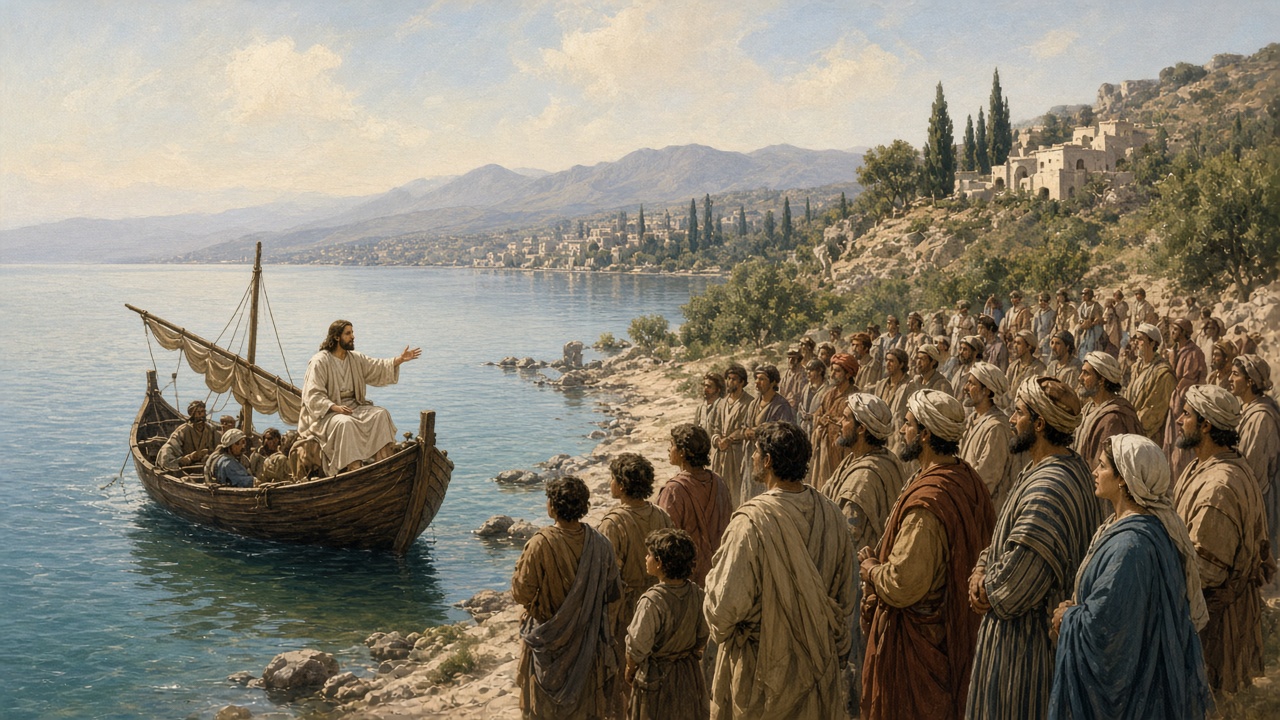
- No dia que este capítulo descreve, Jesus saiu de casa e sentou-se à beira do mar. A multidão ficou tão grande que ele entrou num barco e ensinou dali, enquanto o povo permanecia em pé na praia, e não lhes falou nada senão em parábolas. Uma cronologia data essas parábolas à beira-mar em 28 d.C.Fontes: o próprio texto bíblico · Seaside Parables and Miracle
- Quando os discípulos perguntaram por que ele falava ao povo em parábolas, Jesus respondeu que o conhecimento dos mistérios do reino dos céus lhes tinha sido dado, mas não às multidões. Disse que a profecia de Isaías se cumpria nas multidões: continuariam ouvindo e vendo, mas jamais entenderiam ou perceberiam, porque o coração delas se havia endurecido. O Easton’s Bible Dictionary (1897) descreve Isaías como filho de Amoz, que profetizou durante os reinados de Uzias, Jotão, Acaz e Ezequias.Fontes: o próprio texto bíblico · Isaiah
- Mais tarde, Jesus chegou à sua cidade natal, ensinou na sinagoga, e o povo se ofendeu com ele. Perguntaram se ele era o filho do carpinteiro, nomearam sua mãe Maria e seus irmãos Tiago, José, Simão e Judas, e observaram que suas irmãs viviam entre eles; por causa da incredulidade deles, ele não fez muitos milagres ali. Maria é identificada como esposa de José e mãe de Jesus, Simão como um dos irmãos do Senhor, e uma cronologia data essa segunda rejeição em Nazaré no ano 29 d.C.Fontes: o próprio texto bíblico · Mary (Mother of Jesus) · Simon · 2nd Rejection at Nazareth
Notas escritas com auxílio de IA a partir de fontes abertas (Theographic Bible Metadata, CC BY-SA 4.0; Easton’s Bible Dictionary, domínio público) e revisadas antes de publicar.
Lugares deste capítulo
- Nazareth · 32.702, 35.298 · versículo 54
Só aparecem lugares com identificação de alta confiança (90% ou mais segundo as fontes acadêmicas reunidas pelo OpenBible). Mapa da época: DARE (Digital Atlas of the Roman Empire), CC BY 4.0; mapa atual: © colaboradores do OpenStreetMap; lugares: OpenBible.info (CC BY 4.0).
Créditos e licença desta tradução
Sahidica - طبعة جديدة من العهد الجديد باللغة القبطية الصعيدية
Sahidica - A New Edition of the New Testament in Sahidic Coptic
copyright © 2000-2006 J Warren Wells
Language: ⲘⲉⲧⲢⲉⲙ̀ⲛⲭⲏⲙⲓ (Coptic)
Dialect: Sahidic
Translation by: J Warren Wells
Coptic: Sahidic NT "Sahidica - A New Edition of the New Testament in Sahidic Coptic"
Copyright (c)2000-2006 by J Warren Wells. All rights reserved.
For more information visit www.sahidica.org .
This edition is available free of charge for use in free electronic
editions of the New Testament as long as the full title and copyright
information are included and credited. For written permission to use
all or any part of this document in print editions, contact the editor
at www.sahidica.org .
This edition is primarily meant for use by teachers and students of
Sahidic Coptic, and to a lesser degree by Coptologists involved in
scholarly research, textual criticism, or New Testament translation.
PURPOSE
Please note: This text is a work in progress. As such, there
is an ongoing effort to standardize the spelling of words in
the text. Be aware that version updates periodically appear.
The primary purpose is to produce a standardized edition of
the Sahidic NT similar to standard Greek editions.
An additional purpose of this text is to allow side-by-side
comparison with the Greek New Testament. To facilitate this
effort, a new version of the Greek text has been developed,
which is meant to better represent the Greek text upon which
the Sahidic was based. This text is entitled "The New Testament
According to the Egyptian Greek Text" [NTAEG]
This text does not include representation of either accents or
supralinear strokes, since these are used inconsistently in the
original texts. There is also a higher degree of standardization
in spelling and punctuation; like today's standard Greek master
texts, but unlike both the original Sahidic texts, and the PHI
and Coptic Society texts. Moreover, as in standard Greek texts,
instances of the Nomina Sacra have been expanded to their full
forms. This is again a departure from earlier versions of the
Sahidic, including the PHI and Coptic Society texts, which are
Both inconsistent in their usage.
Special thanks to David Brakke of Indiana University Bloomington,
Brigitte Comparini of the Packard Humanities Institute, and
Michael Heiser, Academic Editor, at Logos Research Systems; for
their assistance in making this edition possible.
BASIS
Sahidica was initially based (by permission) on the Coptic New Testament,
which is an electronic publication, which was edited by David Brakke.
(PHI-CD 5.3 dated 7/2/91. Los Altos. Packard Humanities Institute. 1991).
During later development, Sahidica was electronically collated against
the Coptic CD I by the St. Shenouda The Archmandrite Coptic Society.
Los Angeles, CA dated April, 1998.
These two editions were reduced to a raw electronic form, which allowed both
to be compared electronically letter by letter with Sahidica in order to
accurately detect and report every single variation and input error in any
of the texts. Though errors are inevitable, the collators of three seperate
editions are highly unlikely to make the same errors. Therefore, this method
helps to insure the integrity of the Sahidica edition.
Throughout the project, Sahidica was also collated against printed editions
of the following coptic manuscripts, which manuscripts date from the third
century and later.
Matt: Pierpont Morgan Library M-569 collated against Bodmer XIX papyrus
Mark:* PPalau Rib. Inv.Nr.182 collated against Pierpont Morgan Library M-569
Luke: PPalau Rib. Inv.Nr.181 collated against Pierpont Morgan Library M-569
John: PPalau Rib. Inv.Nr.183 collated against Pierpont Morgan Library M-569
Acts: Chester Beatty B (Copt.Ms.814) collated against Berlin P.15926 and British Museum MS Or.7594
Paul: Chester Beatty A (Copt.Ms.813) collated against Pierpont Morgan Library M-570 and M-571
James-Jude:** Pierpont Morgan Library M-572 collated against the Pierpont Morgan Library M-573 and M-601***
Revelation: Berlin MS Or.408 ( British Museum Ms Or.3518) collated against British Museum MS Or.6803
* Note: The longer and shorter endings of Mark are based on Horner; cf Kahle (JTS.1951.p49-57)
** Note: 1st Peter was also collated against the Crosby-Schøyen Ms.193.
*** Note: Portions of James and Jude were reconstructed from M-573, M-601, and four other mss.
Note on Interpolations
The short and long endings of Mark are ommited from the PPalau ms 182, but they do appear in most mss.
To better represent the overall Sahidic tradition, both endings are included, but in double brackets.
The pericope of the adultress (John 7:53-8:11) does not appear in any Sahidic ms. Herein it is omitted.
2014-09-16
Fonte: http://ebible.org/copshc/ · eBible.org