Lucas 6
Sahidica - طبعة جديدة من العهد الجديد باللغة القبطية الصعيدية · Toque num versículo para ver as referências cruzadas.
1ⲀⲤϢⲰⲠⲈ ⲆⲈ ⲘⲠⲤⲀⲂⲂⲀⲦⲞⲚ ⲈⲦⲢⲈϤⲈⲒ ⲈⲂⲞⲖ ϨⲒⲦⲚ ⲘⲘⲀ ⲈⲦϪⲎⲨ ⲀⲚⲈϤⲘⲀⲐⲎⲦⲎⲤ ϬⲰⲚϬ ⲚⲚϨⲘⲤ ⲀⲨⲤⲈϨⲤⲰϨⲞⲨ ⲚⲚⲈⲨϬⲒϪ ⲀⲨⲞⲨⲰⲘ 2ⲠⲈϪⲈϨⲞⲒⲚⲈ ⲚⲚⲈⲪⲀⲢⲒⲤⲤⲀⲒⲞⲤ ϪⲈ ⲈⲦⲂⲈ ⲞⲨ ⲦⲈⲦⲚⲒⲢⲈ ⲘⲠⲈⲦⲈⲘⲈϢϢⲈ ϨⲘ ⲠⲤⲀⲂⲂⲀⲦⲞⲚ. 3ⲀⲒⲎⲤⲞⲨⲤ ⲆⲈ ⲞⲨⲰϢⲂ ⲠⲈϪⲀϤ ⲚⲀⲨ ϪⲈ. ⲘⲠⲈⲦⲚⲈϢⲠⲀⲒ ⲈⲀⲆⲀⲨⲈⲒⲆ ⲀⲀϤ ⲚⲦⲈⲢⲈϤϨⲔⲞ ⲚⲦⲞϤ ⲘⲚ ⲚⲈⲦⲚⲘⲘⲀϤ 4ϪⲈ ⲚⲚⲀϢ ⲚϨⲈ ⲀϤⲂⲰⲔ ⲈϨⲞⲨⲚ ⲈⲠⲎⲒ ⲘⲠⲚⲞⲨⲦⲈ ⲀϤϪⲒ ⲚⲚⲚⲞⲈⲒⲔ ⲚⲦⲈⲠⲢⲞⲐⲈⲤⲒⲤ ⲀϤⲞⲨⲞⲘⲞⲨ ⲀⲨⲰ ⲀϤϮ ⲚⲚⲈⲦⲚⲘⲘⲀϤ ⲚⲀⲒ ⲈⲦⲈⲘⲈϢϢⲈ ⲈⲢⲞⲞⲨ ⲈⲨⲞⲘⲞⲨ ⲈⲒⲘⲎⲦⲒ ⲞⲨⲎⲎⲂ ⲘⲀⲨⲀⲀⲨ. 5ⲠⲈϪⲀϤ ⲆⲈ ⲚⲀⲨ ϪⲈ ⲠϪⲞⲈⲒⲤ ⲘⲠⲔⲈⲤⲀⲂⲂⲀⲦⲞⲚ ⲠⲈ ⲠϢⲎⲢⲈ ⲘⲠⲢⲰⲘⲈ. 6ⲀⲤϢⲰⲠⲈ ⲆⲈ ϨⲘ ⲠⲔⲈⲤⲀⲂⲂⲀⲦⲞⲚ ⲈⲦⲢⲈϤⲂⲰⲔ ⲈϨⲞⲨⲚ ⲈⲦⲤⲨⲚⲀⲄⲰⲄⲎ ⲚϤϮⲤⲂⲰ ⲀⲨⲰ ⲚⲈⲨⲚⲞⲨⲢⲰⲘⲈ ⲘⲘⲀⲨ ⲠⲈ ⲈⲢⲈⲦⲈϤϬⲒϪ ⲚⲞⲨⲚⲀⲘ ϢⲞⲨⲰⲞⲨ. 7ⲚⲈⲨⲠⲀⲢⲀⲦⲎⲢⲒ ⲆⲈ ⲈⲢⲞϤ ⲠⲈ ⲚϬⲒ ⲚⲈⲄⲢⲀⲘⲘⲀⲦⲈⲨⲤ ⲘⲚ ⲚⲈⲪⲀⲢⲒⲤⲤⲀⲒⲞⲤ ϪⲈ ⲚⲈⲚⲈⲚϤⲚⲀⲢⲠⲀϨⲢⲈ ⲈⲢⲞϤ ⲘⲠⲤⲀⲂⲂⲀⲦⲞⲚ ϪⲈ ⲈⲨⲈϨⲈ ⲈⲐⲈ ⲚⲔⲀⲦⲎⲄⲞⲢⲒ ⲘⲘⲞϤ 8ⲚⲦⲞϤ ⲆⲈ ⲚⲈϤⲤⲞⲞⲨⲚ ⲚⲚⲈⲨⲘⲞⲔⲘⲈⲔ ⲠⲈϪⲀϤ ⲆⲈ ⲘⲠⲢⲰⲘⲈ ⲈⲦⲈⲢⲈⲦⲈϤϬⲒϪ ϢⲞⲨⲰⲞⲨ ϪⲈ ⲦⲰⲞⲨⲚ ⲀϨⲈⲢⲀⲦⲔ ⲚⲦⲘⲎⲦⲈ ⲀϤⲦⲰⲞⲨⲚ ⲆⲈ ⲀϤⲀϨⲈⲢⲀⲦϤ. 9ⲠⲈϪⲈ ⲒⲎⲤⲞⲨⲤ ⲚⲀⲨ. ϪⲈ ϮⲚⲀϪⲚⲈ ⲦⲎⲞⲨⲦⲚ ϪⲈ ⲈⲚⲈⲈⲜⲈⲤⲦⲒ ⲈⲢⲠⲈⲦⲚⲀⲚⲞⲨϤ ϨⲘ ⲠⲤⲀⲂⲂⲀⲦⲞⲚ ϪⲈⲚⲈⲢⲠⲈⲐⲞⲞⲨ. ⲈⲦⲞⲨϪⲈⲞⲨⲮⲨⲬⲎ ϪⲈⲚⲈⲦⲀⲔⲞⲤ. 10ⲀϤⲔⲦⲈⲒⲀⲦϤ ⲆⲈ ⲚϨⲎⲦⲞⲨ ⲦⲎⲢⲞⲨ ⲠⲈϪⲀϤ ⲚⲀϤ ϪⲈ ⲤⲞⲨⲦⲚⲦⲈⲔϬⲒϪ ⲈⲂⲞⲖ. ⲚⲦⲞϤ ⲆⲈ ⲀϤⲤⲞⲨⲦⲰⲚⲤ. ⲀⲨⲰ ⲀⲦⲈϤϬⲒϪ ⲖⲞ. 11ⲚⲦⲞⲞⲨ ⲆⲈ ⲀⲨⲘⲞⲨϨ ⲘⲘⲚⲦⲀⲐⲎⲦ ⲀⲨⲘⲈⲔⲘⲞⲨⲔⲞⲨ ⲘⲚ ⲚⲈⲨⲈⲢⲎⲨ ϪⲈ ⲈⲚⲚⲀⲢ ⲞⲨ ⲚⲒⲎⲤⲞⲨⲤ. 12ⲀⲤϢⲰⲠⲈ ⲆⲈ ⲚⲚⲈⲒϨⲞⲞⲨ ⲈⲦⲢⲈϤⲈⲒ ⲈⲂⲞⲖ ⲈⲠⲦⲞⲞⲨ ⲈϢⲖⲎⲖ ⲀⲨⲰ ⲚⲈϤⲞ ⲚⲞⲨϢⲎ ⲢⲢⲞⲈⲒⲤ ⲠⲈ ϨⲘ ⲠⲈϢⲖⲎⲖ ⲘⲠⲚⲞⲨⲦⲈ. 13ⲀⲨⲰ ⲚⲦⲈⲢⲈϨⲦⲞⲞⲨⲈ ϢⲰⲠⲈ ⲀϤⲘⲞⲨⲦⲈ ⲈⲚⲈϤⲘⲀⲐⲎⲦⲎⲤ ⲀϤⲤⲈⲦⲠ ⲘⲚⲦⲤⲚⲞⲞⲨⲤ ⲈⲂⲞⲖ ⲚϨⲎⲦⲞⲨ ⲚⲀⲒ ⲈⲚⲦⲀϤⲘⲞⲨⲦⲈ ⲈⲢⲞⲞⲨ ϪⲈ ⲚⲀⲠⲞⲤⲦⲞⲖⲞⲤ. 14ⲤⲒⲘⲰⲚ ⲠⲈⲚⲦⲀⲨϮⲢⲒⲚϤ ⲈⲠⲈⲦⲢⲞⲤ ⲚⲘⲀⲚⲆⲢⲈⲀⲤ ⲠⲈϤⲤⲞⲚ. ⲒⲀⲔⲰⲂⲞⲤ ⲚⲘⲒⲰϨⲀⲚⲚⲎⲤ ⲠⲈϤⲤⲞⲚ. ⲪⲒⲖⲒⲠⲠⲞⲤ ⲚⲘⲂⲀⲢⲐⲞⲖⲞⲘⲀⲒⲞⲤ. 15ⲚⲘⲘⲀⲐⲐⲀⲒⲞⲤ ⲚⲘⲐⲰⲘⲀⲤ ⲚⲘⲒⲀⲔⲰⲂⲞⲤ ⲠϢⲎⲢⲈ ⲚⲚⲀⲖⲪⲀⲒⲞⲤ ⲚⲘⲤⲒⲘⲰⲚ ⲠⲈⲦⲈϢⲀⲨⲘⲞⲨⲦⲈ ⲈⲢⲞϤ ϪⲈ ⲠⲌⲎⲖⲰⲦⲎⲤ. 16ⲚⲘⲒⲞⲨⲆⲀⲤ ⲠϢⲎⲢⲈ ⲚⲒⲀⲔⲰⲂⲞⲤ ⲚⲘⲒⲞⲨⲆⲀⲤ ⲠⲒⲤⲔⲀⲢⲒⲰⲦⲎⲤ ⲠⲀⲒ ⲈⲚⲦⲀϤϢⲰⲠⲈ ⲘⲠⲢⲞⲆⲞⲦⲎⲤ. 17ⲀϤⲈⲒ ⲆⲈ ⲈⲠⲈⲤⲎⲦ ⲚⲘⲘⲀⲨ ⲀϤⲀϨⲈⲢⲀⲦϤ ϨⲒⲞⲨⲘⲀ ⲈϤⲞⲨⲞϢⲤ. ⲀⲨⲰ ⲞⲨⲘⲎⲎϢⲈ ⲈⲚⲀϢⲰϤ ⲘⲚ ⲚⲈϤⲘⲀⲐⲎⲦⲎⲤ ⲚⲘⲞⲨⲘⲎⲎϢⲈ ⲈϤⲞϢ ⲚⲦⲈⲠⲖⲀⲞⲤ ⲈⲂⲞⲖ ϨⲚ ϮⲞⲨⲆⲀⲒⲀ ⲚⲘⲐⲒⲈⲢⲞⲤⲞⲖⲨⲘⲀ ⲚⲘⲦⲠⲀⲢϨⲀⲖⲒⲀ ⲚⲦⲨⲢⲞⲤ ⲚⲘⲤⲒⲆⲰⲚ 18ⲚⲀⲒ ⲈⲚⲦⲀⲨⲈⲒ ⲈⲤⲰⲦⲘ ⲈⲢⲞϤ ⲀⲨⲰ ⲈⲦⲀⲖϬⲞⲞⲨ ⲈⲂⲞⲖ ϨⲚ ⲚⲈⲨϢⲰⲚⲈ ⲀⲨⲰ ⲚⲈⲦⲘⲞⲔϨ ⲈⲂⲞⲖ ϨⲒⲦⲚ ⲚⲈⲠⲚⲈⲨⲘⲀ ⲚⲀⲔⲀⲐⲀⲢⲦⲞⲚ ⲀⲨⲦⲀⲖϬⲞ. 19ⲠⲘⲎⲎϢⲈ ⲆⲈ ⲦⲎⲢϤ ⲚⲈⲨϢⲒⲚⲈ ⲚⲤⲀϪⲰϨ ⲈⲢⲞϤ ⲠⲈ ϪⲈ ⲚⲈⲢⲈⲞⲨϬⲞⲘ ⲚⲎⲨ ⲈⲂⲞⲖ ⲚϨⲎⲦϤ ⲈⲤⲦⲀⲖϬⲞ ⲘⲘⲞⲞⲨ ⲦⲎⲢⲞⲨ. 20ⲚⲦⲞϤ ⲆⲈ ⲀϤϤⲒⲀⲦϤ ⲈϨⲢⲀⲒ ⲈⲚⲈϤⲘⲀⲐⲎⲦⲎⲤ ⲠⲈϪⲀϤ ϪⲈ. ⲚⲀⲒⲀⲦⲞⲨ ⲚⲚϨⲎⲔⲈ ϪⲈ ⲦⲰⲞⲨ ⲦⲈ ⲦⲘⲚⲦⲢⲢⲞ ⲚⲘⲠⲎⲨⲈ. 21ⲚⲀⲒⲀⲦⲦⲎⲨⲦⲚ ⲚⲈⲦϨⲔⲀⲈⲒⲦ ⲦⲈⲚⲞⲨ ϪⲈ ⲦⲈⲦⲚⲀⲤⲈⲒ. ⲚⲀⲒⲀⲦⲞⲨ ⲚⲚⲈⲦⲢⲒⲘⲈ ⲦⲈⲚⲞⲨ ϪⲈ ⲤⲈⲚⲀⲤⲰⲂⲈ. 22ⲚⲀⲒⲀⲦⲦⲎⲞⲨⲦⲚ ⲈⲢϢⲀⲚⲢⲰⲘⲈ ⲚⲒⲘ ⲘⲈⲤⲦⲰⲦⲚ ⲚⲤⲈⲠⲢϪⲦⲎⲞⲨⲦⲚ ⲈⲂⲞⲖ. ⲚⲤⲈⲚⲞϬⲚⲈϬ ⲘⲘⲰⲦⲚ ⲚⲤⲈⲦⲤⲦⲈ ⲠⲈⲦⲚⲢⲀⲚ ⲈⲂⲞⲖ ϨⲰⲤⲠⲞⲚⲎⲢⲞⲤ ⲈⲦⲂⲈ ⲠϢⲎⲢⲈ ⲘⲠⲢⲰⲘⲈ. 23ⲢⲀϢⲈ ϨⲘ ⲠⲈϨⲞⲞⲨ ⲈⲦⲘⲘⲀⲨ ⲚⲦⲈⲦⲚⲦⲈⲖⲎⲖ ⲈⲒⲤ ϨⲎⲎⲦⲈ ⲠⲈⲦⲚⲂⲈⲔⲈ ϤⲚⲀϢⲰⲠⲈ ⲈⲚⲀϢⲰϤ ϨⲚ ⲦⲠⲈ. ⲚⲈⲢⲈⲚⲈⲨⲒⲞⲦⲈ ⲄⲀⲢ ⲈⲒⲢⲈ ⲠⲈ ϨⲒⲚⲀⲈⲒ ⲚⲚⲈⲠⲢⲞⲪⲎⲦⲎⲤ. 24ⲠⲖⲎⲚ ⲞⲨⲞⲒ ⲚⲎⲦⲚ ⲢⲢⲘⲘⲀⲞ ϪⲈ ⲀⲦⲈⲦⲚϪⲒ ⲘⲠⲈⲦⲚⲘⲦⲞⲚ. 25ⲞⲨⲞⲒ ⲚⲎⲦⲚ ⲚⲈⲦⲤⲎⲞⲨ ⲦⲈⲚⲞⲨ ϪⲈ ⲦⲈⲦⲚⲀϨⲔⲞ. ⲞⲨⲞⲒ ⲚⲎⲦⲚ ⲚⲈⲦⲤⲰⲂⲈ ⲦⲈⲚⲞⲨ ϪⲈ ⲦⲈⲦⲚⲀⲢϨⲎⲂⲈ ⲚⲦⲈⲦⲚⲢⲒⲘⲈ. 26ⲞⲨⲞⲒ ⲚⲎⲦⲚ ⲈⲢϢⲀⲚⲢⲢⲰⲘⲈ ⲦⲎⲢⲞⲨ ⲦⲀⲒⲈⲦⲎⲞⲨⲦⲚ. ⲚⲈⲨⲈⲒⲢⲈ ⲄⲀⲢ ⲚⲦⲈⲒϨⲈ ⲠⲈ ⲚⲚⲈⲠⲢⲞⲪⲎⲦⲎⲤ ⲚⲚⲞⲨϪ. 27ⲀⲖⲖⲀ ϮϪⲰ ⲘⲘⲞⲤ ⲚⲎⲦⲚ ⲚⲈⲦⲤⲰⲦⲘ ⲈⲢⲞⲒ ϪⲈ ⲘⲈⲢⲈⲚⲈⲦⲚϪⲒϪⲈⲞⲨ ⲀⲢⲒⲠⲈⲦⲚⲀⲚⲞⲨϤ ⲚⲚⲈⲦⲘⲞⲤⲦⲈ ⲘⲘⲰⲦⲚ. 28ⲤⲘⲞⲨ ⲈⲚⲈⲦⲤⲀϨⲞⲨ ⲘⲘⲰⲦⲚ. ϢⲖⲎⲖ ⲈϪⲚ ⲚⲈⲦⲠⲎⲦ ⲚⲤⲰⲦⲚ 29ⲠⲈⲦⲚⲀⲢⲀϨⲦⲔ ⲈⲦⲈⲔⲞⲨⲞϬⲈ ⲔⲦⲞ ⲈⲢⲞϤ ⲚⲦⲔⲈⲞⲨⲈⲒ. ⲀⲨⲰ ⲔⲀⲦⲈⲔϢⲦⲎⲚ ⲈⲂⲞⲖ ⲚⲤⲀⲠⲈⲦϤⲒ ⲘⲠⲈⲔϨⲞⲒⲦⲈ. 30ϮⲞⲨⲞⲚ ⲚⲒⲘ ⲈⲦⲀⲒⲦⲒ ⲘⲘⲞⲔ. ⲀⲨⲰ ⲚⲄⲦⲘⲦⲈⲤⲠⲈⲦϤⲒ ⲚⲚⲈⲦⲈⲚⲞⲨⲔ ⲚⲈ. 31ⲀⲨⲰ ⲚⲐⲈ ⲈⲦⲈⲦⲚⲞⲨⲈ ϢⲦⲢⲈⲢⲢⲰⲘⲈ ⲀⲀⲤ ⲚⲎⲦⲚ. ⲀⲢⲒⲤ ϨⲰⲦⲦⲎⲨⲦⲚ ⲚⲀⲨ. 32ⲀⲨⲰ ⲈϢϪⲈ ⲦⲈⲦⲚⲘⲈ ⲚⲚⲈⲦⲘⲈ ⲘⲘⲰⲦⲚ ⲀϢ ⲠⲈ ⲠⲈⲦⲚϨⲘⲞⲦ ⲔⲀⲒⲄⲀⲢ ⲢⲢⲈϤⲢⲚⲞⲂⲈ ⲤⲈⲘⲈ ⲚⲚⲈⲦⲘⲈ ⲘⲘⲞⲞⲨ. 33ⲀⲨⲰ ⲈⲦⲈⲦⲚϢⲀⲢ ⲠⲈⲦⲚⲀⲚⲞⲨϤ ⲚⲚⲈϮⲢⲈ ⲚⲎⲦⲚ. ⲀϢ ⲠⲈ ⲠⲈⲦⲚϨⲘⲞⲦ ⲢⲢⲈϤⲢⲚⲞⲂⲈ ϨⲰⲞⲨ ⲈⲒⲢⲈ ⲘⲠⲀⲒ. 34ⲈⲦⲈⲦⲚϢⲀⲚϮ ⲈⲘⲎⲤⲈ ⲚⲚⲈⲦⲈⲦⲚϨⲈⲖⲠⲒⲌⲈ ⲈϪⲒ ⲚⲦⲞⲞⲦⲞⲨ. ⲀϢ ⲠⲈ ⲠⲈⲦⲚϨⲘⲞⲦ ⲢⲢⲈϤⲢⲚⲞⲂⲈ ϨⲰⲞⲨ ϮⲚⲢⲢⲈϤⲢⲚⲞⲂⲈ ϪⲈ ⲈⲨⲈϪⲒ ⲘⲠⲈⲨⲔⲰⲂ. 35ⲠⲖⲎⲚ ⲘⲈⲢⲈⲚⲈⲦⲚϪⲒϪⲈⲞⲨ ⲚⲦⲈⲦⲚ ⲢⲠⲈⲦⲚⲀⲚⲞⲨϤ ⲚⲦⲈⲦⲚ ϮⲈⲘⲎⲤⲈ ⲈⲚⲦⲈⲦⲚⲔⲰ ⲚϨⲦⲎⲦⲚ ⲀⲚ ⲈϪⲒⲖⲀⲀⲨ. ⲀⲨⲰ ⲠⲈⲦⲚⲂⲈⲔⲈ ⲚⲀϢⲰⲠⲈ ⲈⲚⲀϢⲰϤ ⲚⲦⲈⲦⲚϢⲰⲠⲈ ⲚϢⲎⲢⲈ ⲘⲠⲈⲦϪⲞⲤⲈ ϪⲈ ⲚⲦⲞϤ ⲞⲨⲬⲢⲎⲤⲦⲞⲤ ⲠⲈ ⲈϪⲚ ⲚⲈⲦⲈⲘⲈⲨϢⲠϨⲘⲞⲦ ⲚⲘⲘⲠⲞⲚⲎⲢⲞⲤ. 36ϢⲰⲠⲈ ⲚϢⲀⲚϨⲦⲎϤ ϪⲈ ⲞⲨϢⲀⲚϨⲦⲎϤ ⲠⲈ ⲠⲈⲦⲚⲈⲒⲰⲦ. 37ⲘⲠⲢⲔⲢⲒⲚⲈ ϪⲈ ⲚⲚⲈⲨⲔⲢⲒⲚⲈ ⲘⲘⲰⲦⲚ. ⲘⲠⲢⲦϬⲀⲒⲞ ϪⲈ ⲚⲚⲈⲨⲦϬⲀⲒⲈⲦⲎⲨⲦⲚ. ⲔⲰ ⲈⲂⲞⲖ ⲦⲀⲢⲞⲨⲔⲰ ⲚⲎⲦⲚ ⲈⲂⲞⲖ 38ϮⲦⲀⲢⲞⲨϮ ⲚⲎⲦⲚ ⲚⲞⲨϢⲒ ⲈⲚⲀⲚⲞⲨϤ ⲈϤⲦⲈϬⲦⲰϬ ⲈϤⲚⲈϨⲚⲞⲨϨ ⲈϤⲠⲎⲚ ⲈⲂⲞⲖ ⲤⲈⲚⲀⲦⲀⲀϤ ⲈⲔⲞⲨⲚⲦ ⲦⲎⲞⲨⲦⲚ. ϨⲘ ⲠϢⲒ ⲄⲀⲢ ⲈⲦⲈⲦⲚⲀϢⲒ ⲘⲘⲞϤ ⲈⲨⲚⲀϢⲒ ⲚⲎⲦⲚ ⲘⲘⲞϤ. 39ⲀϤϪⲰ ⲆⲈ ⲚⲀⲨ ⲞⲚ ⲚⲔⲈⲠⲀⲢⲀⲂⲞⲖⲎ. ϪⲈ ⲘⲎ ⲞⲨⲚϬⲞⲘ ⲚⲞⲨⲂⲖⲖⲈ ⲈϪⲒⲘⲞⲈⲒⲦ ϨⲎⲦϤ ⲚⲞⲨⲂⲖⲖⲈ ⲘⲎ ⲚⲤⲈⲚⲀϨⲈ ⲀⲚ ⲈⲨϨⲒⲈⲒⲦ ⲘⲠⲈⲤⲚⲀⲨ. 40ⲘⲘⲚⲤⲂⲞⲨⲒ ⲈϤϪⲞⲤⲈ ⲈⲠⲈϤⲤⲀϨ. ⲘⲀⲢⲈⲞⲨⲞⲚ ⲚⲒⲘ ϢⲰⲠⲈ ⲈϤⲤⲂⲦⲰⲦ ⲚⲐⲈ ⲘⲠⲈϤⲤⲀϨ. 41ⲀϨⲢⲞⲔ ⲆⲈ ⲔϬⲰϢⲦ ⲈⲠϪⲎ ⲈⲦϨⲘ ⲠⲂⲀⲖ ⲘⲠⲈⲔⲤⲞⲚ. ⲠⲤⲞⲒ ⲆⲈ ⲈⲦϨⲘⲠⲈⲔⲂⲀⲖ ⲈⲚⲄⲚⲀⲨ ⲈⲢⲞϤ ⲀⲚ. 42ⲎⲚⲀϢ ⲚϨⲈ ⲔⲚⲀϪⲞⲞⲤ ⲘⲠⲈⲔⲤⲞⲚ ϪⲈ ⲠⲀⲤⲞⲚ ϬⲰ ⲦⲀⲚⲈϪⲠϪⲎ ⲈⲂⲞⲖ ϨⲘ ⲠⲈⲔⲂⲀⲖ ⲈⲚⲄⲚⲀⲨ ⲀⲚ ⲈⲠⲤⲞⲒ ⲈⲦϨⲘ ⲠⲈⲔⲂⲀⲖ. ⲪⲨⲠⲞⲔⲢⲒⲦⲎⲤ ⲚⲈϪⲠⲤⲞⲒ ⲚϢⲞⲢⲠ ⲈⲂⲞⲖ ϨⲘ ⲠⲈⲔⲂⲀⲖ ⲦⲀⲢⲈⲔⲚⲀⲨ ⲈⲂⲞⲖ ⲈⲚⲈϪⲠϪⲎ ⲈⲂⲞⲖ ϨⲘ ⲠⲂⲀⲖ ⲘⲠⲈⲔⲤⲞⲚ. 43ⲘⲘⲚϢⲎⲚ ⲄⲀⲢ ⲈⲚⲀⲚⲞⲨϤ ⲚⲀⲦⲀⲨⲈⲔⲀⲢⲠⲞⲤ ⲈⲂⲞⲖ ⲈϤϨⲞⲞⲨ. ⲞⲨⲆⲈ ⲘⲘⲚϢⲎⲚ ⲈϤϨⲞⲞⲨ ⲚⲀⲦⲀⲨⲈⲔⲀⲢⲠⲞⲤ ⲈⲂⲞⲖ ⲈⲚⲀⲚⲞⲨϤ. 44ⲈϢⲀⲨⲤⲞⲨⲚ ⲠϢⲎⲚ ⲄⲀⲢ ⲠϢⲎⲚ ⲈⲂⲞⲖ ϨⲘ ⲠⲈϤⲔⲀⲢⲠⲞⲤ. ⲘⲈⲨⲔⲈⲦϤⲔⲚⲦⲈ ⲈⲂⲞⲖ ϨⲚ ϢⲞⲚⲦⲈ. ⲞⲨⲆⲈ ⲘⲈⲨϪⲈⲖⲈ ⲈⲖⲞⲞⲖⲈ ⲈⲂⲞⲖ ϨⲚ ⲂⲀⲦⲞⲤ. 45ⲈϢⲀⲢⲈⲠⲢⲰⲘⲈ ⲚⲀⲄⲀⲐⲞⲤ ⲦⲀⲨⲈⲀⲄⲀⲐⲞⲚ ⲈⲂⲞⲖ ϨⲘ ⲠⲀϨⲞ ⲘⲠⲈϤϨⲎⲦ ⲈⲦⲚⲀⲚⲞⲨϤ. ⲀⲨⲰ ⲈϢⲀⲢⲈⲠⲢⲰⲘⲈ ⲘⲠⲞⲚⲎⲢⲞⲤ ⲦⲀⲨⲈⲠⲞⲚⲎⲢⲞⲚ ⲈⲂⲞⲖ ϨⲘ ⲠⲈϤⲀϨⲞ ⲘⲠⲞⲚⲎⲢⲞⲚ. ⲈⲂⲞⲖ ⲄⲀⲢ ϨⲘ ⲠⲈϨⲞⲨⲞ ⲘⲠϨⲎⲦ ⲈϢⲀⲢⲈⲦⲦⲀⲠⲢⲞ ϢⲀϪⲈ. 46ⲀϨⲢⲰⲦⲚ ⲦⲈⲦⲚⲘⲞⲨⲦⲈ ⲈⲢⲞⲒ ϪⲈ ⲠϪⲞⲈⲒⲤ ⲠϪⲞⲈⲒⲤ ⲈⲚⲦⲈⲦⲚⲈⲒⲢⲈ ⲀⲚ ⲘⲠⲈϮϪⲰ ⲘⲘⲞϤ. 47ⲞⲨⲞⲚ ⲚⲒⲘ ⲈⲦⲚⲎⲨ ϢⲀⲢⲞⲒ ⲈⲦⲤⲰⲦⲘ ⲈⲚⲀϢⲀϪⲈ ⲈϮⲢⲈ ⲘⲘⲞⲞⲨ ϮⲚⲀⲦⲀⲘⲰⲦⲚ ϪⲈ ⲈϤⲦⲚⲦⲰⲚ ⲈⲚⲒⲘ. 48ⲈϤⲦⲚⲦⲰⲚ ⲈⲨⲢⲰⲘⲈ ⲈϤⲔⲰⲦ ⲚⲞⲨⲎⲒ ⲠⲀⲒ ⲈⲚⲦⲀϤϬⲰϪⲈ ⲀⲨⲰ ⲀϤϢⲒⲔⲈ ⲀϤⲤⲘⲒⲚⲈ ⲚⲦⲤⲚⲦⲈ ⲈϪⲚ ⲦⲠⲈⲦⲢⲀ. ⲚⲦⲈⲢⲈⲦⲈⲘⲎⲢⲈ ⲆⲈ ϢⲰⲠⲈ ⲀⲠⲒⲈⲢⲞ ϨⲒⲞⲨⲈ ⲈϨⲞⲨⲚ ⲈϨⲘⲠⲎⲒ ⲈⲦⲘⲘⲀⲨ ⲘⲠϤⲈϢϬⲘϬⲞⲘ ⲈⲢⲞϤ ϪⲈ ⲚⲈϤⲔⲎⲦ ⲔⲀⲖⲰⲤ. 49ⲠⲈⲦⲤⲰⲦⲘ ⲆⲈ ⲈⲢⲞⲞⲨ ⲈⲚϤⲈⲒⲢⲈ ⲘⲘⲞⲞⲨ ⲀⲚ. ⲈϤⲦⲚⲦⲰⲚ ⲈⲨⲢⲰⲘⲈ ⲈⲀϤⲔⲰⲦ ⲘⲠⲈϤⲎⲒ ⲈϪⲘⲠⲔⲀϨ ⲚⲞⲨⲈϢⲚⲤⲚⲦⲈ ⲚⲦⲈⲨⲚⲞⲨ ⲆⲈ ⲈⲚⲦⲀⲠⲒⲈⲢⲞ ϨⲒⲞⲨⲈ ⲈϨⲞⲨⲚ ⲈϨⲢⲀϤ ⲀϤϨⲈ ⲠϨⲈ ⲘⲠⲎⲒ ⲈⲦⲘⲘⲀⲨ ⲀϤϢⲰⲠⲈ ⲚⲞⲨⲚⲞϬ.
Você sabia?
O sábado, os Doze e a planície
- Num sábado, enquanto Jesus passava pelas plantações, os discípulos colhiam espigas, esfregavam os grãos nas mãos e os comiam, e alguns fariseus disseram que isso era ilícito. Jesus lembrou que Davi e seus companheiros, com fome, comeram o pão consagrado da casa de Deus, permitido apenas aos sacerdotes, e disse que o Filho do Homem é Senhor do sábado. Noutro sábado, restaurou na sinagoga a mão direita atrofiada de um homem, enquanto escribas e fariseus o observavam em busca de um motivo para acusá-lo; uma cronologia data os dois episódios em 28 d.C.Fontes: o próprio texto bíblico · Corn on the Sabbath · Healing a Withered Hand
- Depois de passar a noite em oração no monte, Jesus chamou os discípulos e escolheu doze, aos quais designou apóstolos. Entre eles estavam Simão, a quem deu o nome de Pedro, e André, irmão de Pedro, pescadores de Betsaida, na costa ocidental do mar da Galileia, e Mateus, cobrador de impostos em Cafarnaum, antes conhecido como Levi.Fontes: o próprio texto bíblico · Simon Peter · Andrew · Matthew
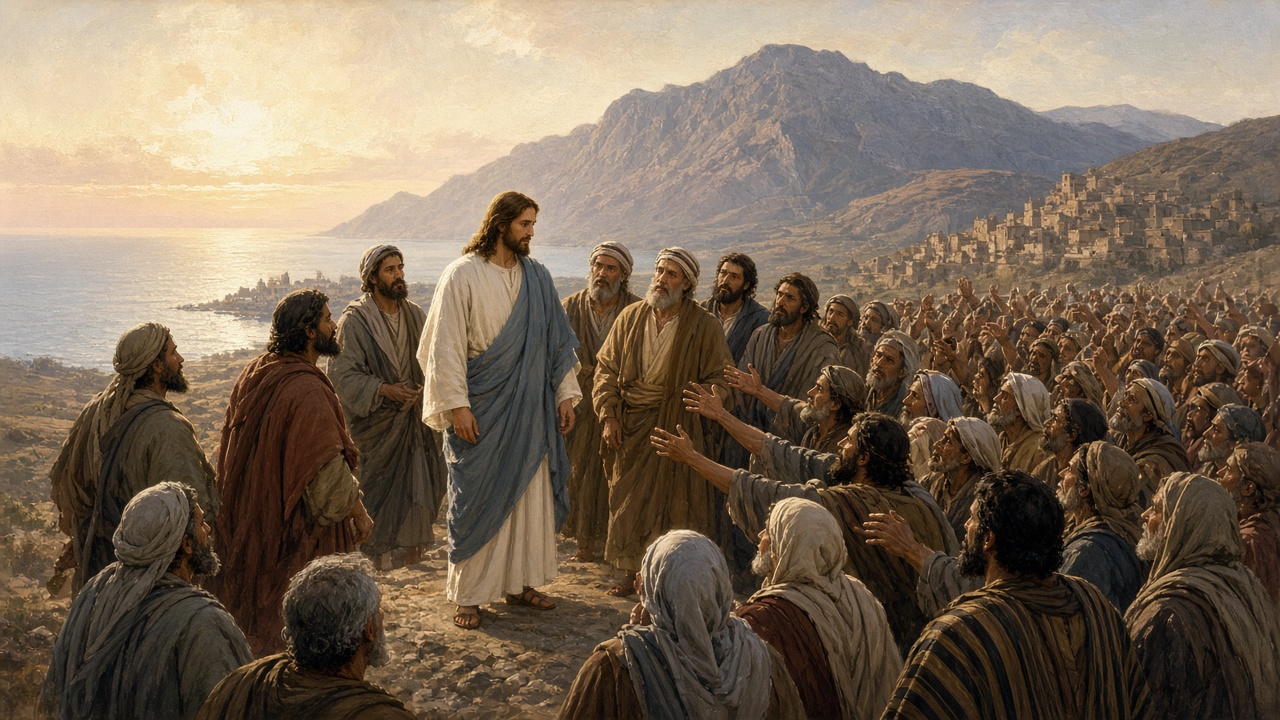
- Jesus desceu com eles e parou num lugar plano, onde havia gente da Judeia, de Jerusalém e do litoral de Tiro e Sidom para ouvi-lo e ser curada. Tiro e Sidom eram antigas cidades fenícias no Mediterrâneo; Sidom, a mais antiga, ficava a cerca de vinte e cinco milhas ao norte de Tiro. Uma cronologia data esse ensinamento em 28 d.C. e o intitula Sermão da Montanha, embora a narrativa coloque Jesus em terreno plano depois de descer do monte.Fontes: o próprio texto bíblico · Tyre · Sidon · Sermon on the Mount
Notas escritas com auxílio de IA a partir de fontes abertas (Theographic Bible Metadata, CC BY-SA 4.0; Easton’s Bible Dictionary, domínio público) e revisadas antes de publicar.
Lugares deste capítulo
- Jerusalem · 31.777, 35.234 · versículo 17
- Judea · Hoje: Judea 1 · 31.777, 35.234 · versículo 17
- Sidon · Hoje: Sandikli archaeological site in Sidon · 33.561, 35.372 · versículo 17
- Tyre · 33.271, 35.196 · versículo 17
Só aparecem lugares com identificação de alta confiança (90% ou mais segundo as fontes acadêmicas reunidas pelo OpenBible). Mapa da época: DARE (Digital Atlas of the Roman Empire), CC BY 4.0; mapa atual: © colaboradores do OpenStreetMap; lugares: OpenBible.info (CC BY 4.0).
Créditos e licença desta tradução
Sahidica - طبعة جديدة من العهد الجديد باللغة القبطية الصعيدية
Sahidica - A New Edition of the New Testament in Sahidic Coptic
copyright © 2000-2006 J Warren Wells
Language: ⲘⲉⲧⲢⲉⲙ̀ⲛⲭⲏⲙⲓ (Coptic)
Dialect: Sahidic
Translation by: J Warren Wells
Coptic: Sahidic NT "Sahidica - A New Edition of the New Testament in Sahidic Coptic"
Copyright (c)2000-2006 by J Warren Wells. All rights reserved.
For more information visit www.sahidica.org .
This edition is available free of charge for use in free electronic
editions of the New Testament as long as the full title and copyright
information are included and credited. For written permission to use
all or any part of this document in print editions, contact the editor
at www.sahidica.org .
This edition is primarily meant for use by teachers and students of
Sahidic Coptic, and to a lesser degree by Coptologists involved in
scholarly research, textual criticism, or New Testament translation.
PURPOSE
Please note: This text is a work in progress. As such, there
is an ongoing effort to standardize the spelling of words in
the text. Be aware that version updates periodically appear.
The primary purpose is to produce a standardized edition of
the Sahidic NT similar to standard Greek editions.
An additional purpose of this text is to allow side-by-side
comparison with the Greek New Testament. To facilitate this
effort, a new version of the Greek text has been developed,
which is meant to better represent the Greek text upon which
the Sahidic was based. This text is entitled "The New Testament
According to the Egyptian Greek Text" [NTAEG]
This text does not include representation of either accents or
supralinear strokes, since these are used inconsistently in the
original texts. There is also a higher degree of standardization
in spelling and punctuation; like today's standard Greek master
texts, but unlike both the original Sahidic texts, and the PHI
and Coptic Society texts. Moreover, as in standard Greek texts,
instances of the Nomina Sacra have been expanded to their full
forms. This is again a departure from earlier versions of the
Sahidic, including the PHI and Coptic Society texts, which are
Both inconsistent in their usage.
Special thanks to David Brakke of Indiana University Bloomington,
Brigitte Comparini of the Packard Humanities Institute, and
Michael Heiser, Academic Editor, at Logos Research Systems; for
their assistance in making this edition possible.
BASIS
Sahidica was initially based (by permission) on the Coptic New Testament,
which is an electronic publication, which was edited by David Brakke.
(PHI-CD 5.3 dated 7/2/91. Los Altos. Packard Humanities Institute. 1991).
During later development, Sahidica was electronically collated against
the Coptic CD I by the St. Shenouda The Archmandrite Coptic Society.
Los Angeles, CA dated April, 1998.
These two editions were reduced to a raw electronic form, which allowed both
to be compared electronically letter by letter with Sahidica in order to
accurately detect and report every single variation and input error in any
of the texts. Though errors are inevitable, the collators of three seperate
editions are highly unlikely to make the same errors. Therefore, this method
helps to insure the integrity of the Sahidica edition.
Throughout the project, Sahidica was also collated against printed editions
of the following coptic manuscripts, which manuscripts date from the third
century and later.
Matt: Pierpont Morgan Library M-569 collated against Bodmer XIX papyrus
Mark:* PPalau Rib. Inv.Nr.182 collated against Pierpont Morgan Library M-569
Luke: PPalau Rib. Inv.Nr.181 collated against Pierpont Morgan Library M-569
John: PPalau Rib. Inv.Nr.183 collated against Pierpont Morgan Library M-569
Acts: Chester Beatty B (Copt.Ms.814) collated against Berlin P.15926 and British Museum MS Or.7594
Paul: Chester Beatty A (Copt.Ms.813) collated against Pierpont Morgan Library M-570 and M-571
James-Jude:** Pierpont Morgan Library M-572 collated against the Pierpont Morgan Library M-573 and M-601***
Revelation: Berlin MS Or.408 ( British Museum Ms Or.3518) collated against British Museum MS Or.6803
* Note: The longer and shorter endings of Mark are based on Horner; cf Kahle (JTS.1951.p49-57)
** Note: 1st Peter was also collated against the Crosby-Schøyen Ms.193.
*** Note: Portions of James and Jude were reconstructed from M-573, M-601, and four other mss.
Note on Interpolations
The short and long endings of Mark are ommited from the PPalau ms 182, but they do appear in most mss.
To better represent the overall Sahidic tradition, both endings are included, but in double brackets.
The pericope of the adultress (John 7:53-8:11) does not appear in any Sahidic ms. Herein it is omitted.
2014-09-16
Fonte: http://ebible.org/copshc/ · eBible.org