Lucas 22
Sahidica - طبعة جديدة من العهد الجديد باللغة القبطية الصعيدية · Toque num versículo para ver as referências cruzadas.
1ⲀϤϨⲰⲚ ⲆⲈ ⲈϨⲞⲨⲚ ⲚϬⲒ ⲠϢⲀ ⲚⲀⲐⲀⲂ ⲠⲈⲦⲈ ϢⲀⲨⲘⲞⲨⲦⲈ ⲈⲢⲞϤ ϪⲈ ⲠⲠⲀⲤⲬⲀ. 2ⲀⲨⲰ ⲀⲨϢⲒⲚⲈ ⲚϬⲒ ⲚⲀⲢⲬⲒⲈⲢⲈⲨⲤ ⲘⲚ ⲚⲈⲄⲢⲀⲘⲘⲀⲦⲈⲨⲤ ⲚⲤⲀ ⲐⲈ ⲚⲦⲀⲔⲞϤ. ⲚⲈⲨⲢϨⲞⲦⲈ ⲄⲀⲢ ϨⲎⲦϤ ⲘⲠⲖⲀⲞⲤ. 3ⲀⲠⲤⲀⲦⲀⲚⲀⲤ ⲆⲈ ⲂⲰⲔ ⲈϨⲞⲨⲚ ⲈⲒⲞⲨⲆⲀⲤ ⲠⲈⲦⲈ ϢⲀⲨⲘⲞⲨⲦⲈ ⲈⲢⲞϤ ϪⲈ ⲠⲒⲤⲔⲀⲢⲒⲰⲦⲎⲤ ⲈⲨⲀ ⲈⲂⲞⲖ ⲠⲈ ϨⲚ ⲦⲎⲠⲈ ⲠⲈ ⲘⲠⲘⲚⲦⲤⲚⲞⲞⲨⲤ 4ⲀϤⲂⲰⲔ ⲆⲈ ⲀϤϪⲰ ⲚⲚⲀⲢⲬⲒⲈⲢⲈⲨⲤ ⲘⲚ ⲚⲈⲤⲦⲢⲀⲦⲎⲄⲞⲤ ⲚⲐⲈ ⲘⲠⲀⲢⲀⲆⲒⲆⲞⲨ ⲘⲘⲞϤ ⲚⲀⲨ 5ⲀⲨⲰ ⲀⲨⲢⲀϢⲈ ⲀⲨⲤⲘⲚⲦⲤ ⲚⲘⲘⲀϤ ⲈϮ ⲚⲀϤ ⲚϨⲈⲚϨⲞⲘⲚⲦ 6ⲀϤⲈⲜⲞⲘⲞⲖⲞⲄⲒ. ⲀϤϢⲒⲚⲈ ⲚⲤⲀ ⲞⲨⲞⲒϢ ⲘⲠⲀⲢⲀⲆⲒⲆⲞⲨ ⲘⲘⲞϤ ⲚⲀⲨ ⲀϪⲚ ⲘⲎⲎϢⲈ. 7ⲀⲠⲈϨⲞⲞⲨ ⲆⲈ ⲚⲀⲐⲀⲂ ϨⲰⲚ ⲈϨⲞⲨⲚ ⲠⲀⲒ ⲈⲦⲎⲠ ⲈϢⲈⲦⲠ ⲠⲀⲤⲬⲀ ⲚϨⲎⲦϤ. 8ⲀϤϪⲞⲞⲨ ⲆⲈ ⲘⲠⲈⲦⲢⲞⲤ ⲚⲘ ⲒⲰϨⲀⲚⲚⲎⲤ ⲈϤϪⲰ ⲘⲘⲞⲤ ⲚⲀⲨ ϪⲈ. ⲂⲰⲔ ⲚⲦⲈⲦⲚ ⲤⲞⲂⲦⲈ ⲚⲀⲚ ⲘⲠⲠⲀⲤⲬⲀ ϪⲈ ⲈⲚⲈⲞⲨⲞⲘϤ. 9ⲚⲦⲞⲞⲨ ⲆⲈ ⲠⲈϪⲀⲨ ⲚⲀϤ ϪⲈ. ⲈⲔⲞⲨⲈϢ ⲦⲢⲈⲚⲤⲞⲂⲦⲈ ⲚⲀⲔ ⲦⲰⲚ. 10ⲚⲦⲞϤ ⲆⲈ ⲠⲈϪⲀϤ ⲚⲀⲨ ϪⲈ ⲈⲒⲤ ϨⲎⲎⲦⲈ ⲈⲦⲈⲦⲚϢⲀⲚⲂⲰⲔ ⲈϨⲞⲨⲚ ⲈⲦⲈⲒⲠⲞⲖⲒⲤ ⲞⲨⲚ ⲞⲨⲢⲰⲘⲈ ⲚⲀⲦⲰⲘⲚⲦ ⲈⲢⲰⲦⲚ ⲈⲢⲈ ⲞⲨϢⲞϢⲞⲨ ⲘⲘⲞⲞⲨ ϨⲒϪⲰϤ ⲞⲨⲀϨ ⲦⲎⲨⲦⲚ ⲚⲤⲰϤ ⲈϨⲞⲨⲚ ⲈⲠⲎⲒ ⲈⲦϤⲚⲀ ⲂⲰⲔ ⲈϨⲞⲨⲚ ⲈⲢⲞϤ 11ⲚⲦⲈⲦⲚ ϪⲞⲞⲤ ⲘⲠϪⲞⲈⲒⲤ ⲘⲠⲎⲒ. ϪⲈ ⲠⲤⲀϨ ⲠⲈⲦϪⲰ ⲘⲘⲞⲤ ⲚⲀⲔ ϪⲈ ⲈⲢⲈ ⲠⲀⲘⲀ ⲚϬⲞⲒⲖⲈ ⲦⲰⲚ ⲠⲘⲀ ⲈϮⲚⲀⲞⲨⲰⲘ ⲘⲠⲠⲀⲤⲬⲀ ⲚϨⲎⲦϤ ⲚⲘ ⲚⲀⲘⲀⲐⲎⲦⲎⲤ 12ⲀⲨⲰ ⲠⲈⲦⲘⲘⲀⲨ ⲚⲀⲦⲤⲀⲂⲰⲦⲚ ⲈⲨⲚⲞϬ ⲘⲘⲀ ⲚⲦⲠⲈ ⲈϤⲠⲞⲢϢ ⲤⲂⲦⲰⲦϤ ⲚⲀⲒ ⲘⲠⲘⲀ ⲈⲦⲘⲘⲀⲨ. 13ⲀⲨⲂⲰⲔ ⲆⲈ ⲀⲨϨⲈ ⲈⲢⲞϤ ⲔⲀⲦⲀ ⲐⲈ ⲈⲚⲦⲀϤϪⲞⲞⲤ ⲚⲀⲨ ⲀⲨⲤⲞⲂⲦⲈ ⲘⲠⲠⲀⲤⲬⲀ 14ⲀⲨⲰ ⲚⲦⲈⲢⲈ ⲦⲈⲨⲚⲞⲨ ϢⲰⲠⲈ ⲀϤⲚⲞϪϤ ⲚⲘⲠⲘⲚⲦⲤⲚⲞⲞⲨⲤ 15ⲠⲈϪⲀϤ ⲆⲈ ⲚⲀⲨ ϪⲈ ϨⲚ ⲞⲨⲈⲠⲒⲐⲨⲘⲒⲀ ⲀⲒⲈⲠⲒⲐⲨⲘⲒ ⲈⲨⲰⲘ ⲘⲠⲈⲒⲠⲀⲤⲬⲀ ϢⲚⲘ ⲚⲘⲘⲎⲦⲚ ⲈⲘⲠⲀϮⲘⲞⲨ. 16ϮϪⲰ ⲄⲀⲢ ⲘⲘⲞⲤ ⲚⲎⲦⲚ ϪⲈ ⲚⲚⲀⲞⲨⲞⲘϤ ϢⲀⲚⲦϤϪⲰⲔ ⲈⲂⲞⲖ ϨⲚ ⲦⲘⲚⲦⲢⲢⲞ ⲘⲠⲚⲞⲨⲦⲈ. 17ⲀϤϪⲒ ⲆⲈ ⲚⲞⲨⲀⲠⲞⲦ ⲀϤⲤⲘⲞⲨ ⲈⲢⲞϤ ⲠⲈϪⲀϤ ⲚⲀⲨ ϪⲈ ϪⲒ ⲠⲀⲒ ⲚⲦⲈⲦⲚ ⲠⲞϢϤ ⲈϪⲰⲦⲚ. 18ϮϪⲰ ⲄⲀⲢ ⲘⲘⲞⲤ ⲚⲎⲦⲚ ϪⲈ ⲚⲚⲀⲤⲰ ϪⲒⲚ ⲦⲈⲚⲞⲨ ⲈⲂⲞⲖ ϨⲘ ⲠⲈⲒⲄⲈⲚⲎⲘⲀ ⲚⲦⲈⲒⲂⲰ ⲚⲈⲖⲞⲞⲖⲈ ϢⲀⲚⲦⲈ ⲦⲘⲚⲦⲢⲢⲞ ⲘⲠⲚⲞⲨⲦⲈ ⲈⲒ. 19ⲀⲨⲰ ⲀϤϪⲒ ⲚⲞⲨⲞⲒⲔ ⲀϤⲤⲘⲞⲨ ⲈⲢⲞϤ ⲀϤⲠⲞϢϤ ⲀϤⲦⲀⲀϤ ⲚⲀⲨ ⲈϤϪⲰ ⲘⲘⲞⲤ ϪⲈ ⲠⲀⲒ ⲠⲈ ⲠⲀⲤⲰⲘⲀ ⲈⲦⲞⲨⲚⲀⲦⲀⲀϤ ϨⲀⲢⲰⲦⲚ. ⲀⲢⲒ ⲠⲀⲒ ⲈⲠⲀⲢⲠⲘⲈⲨⲈ. 20ⲀⲨⲰ ⲠⲀⲠⲞⲦ ⲞⲚ ⲘⲘⲚⲚⲤⲀ ⲦⲢⲈⲨⲞⲨⲰⲘ ⲈϤϪⲰ ⲘⲘⲞⲤ ϪⲈ ⲠⲈⲒⲀⲠⲞⲦ ⲦⲈ ⲦⲆⲒⲀⲐⲎⲔⲎ ⲂⲂⲢⲢⲈ ⲠⲈ ϨⲘ ⲠⲀⲤⲚⲞϤ ⲠⲀⲒ ⲈⲦⲞⲨⲚⲀⲠⲀϨⲦϤ ⲈⲂⲞⲖ ϨⲀⲢⲰⲦⲚ. 21ⲠⲖⲎⲚ ⲈⲒⲤ ⲦϬⲒϪ ⲘⲠⲈⲦⲚⲀⲠⲀⲢⲀⲆⲒⲆⲞⲨ ⲘⲘⲞⲒ ϨⲒ ⲦⲈⲦⲢⲀⲠⲈⲌⲀ ⲚⲘⲘⲀⲒ. 22ϪⲈ ⲠϢⲎⲢⲈ ⲘⲈⲚ ⲘⲠⲢⲰⲘⲈ ⲚⲀⲂⲰⲔ ⲔⲀⲦⲀ ⲐⲈ ⲈⲦⲤⲎϨ ⲚⲀϤ. ⲠⲖⲎⲚ ⲞⲨⲞⲒ ⲘⲠⲢⲰⲘⲈ ⲈⲦⲘⲘⲀⲨ ⲈⲦⲞⲨⲚⲀⲦⲀⲀϤ ⲈⲂⲞⲖ ϨⲒ ⲦⲞⲞⲦϤ. 23ⲚⲦⲞⲞⲨ ⲆⲈ ⲀⲨⲀⲢⲬⲒ ⲚⲤⲨⲚⲌⲎⲦⲒ ⲘⲚ ⲚⲈⲨⲈⲢⲎⲨ ϪⲈ ⲚⲒⲘ ⲚϨⲎⲦⲞⲨ ⲠⲈⲦⲚⲀⲢ ⲠⲀⲒ. 24ⲀϤϢⲰⲠⲈ ⲆⲈ ⲚϬⲒ ⲞⲨϮⲦⲰⲚ ⲚϨⲎⲦⲞⲨ ϪⲈ ⲚⲒⲘ ⲘⲘⲞⲞⲨ ⲠⲈ ⲠⲚⲞϬ 25ⲚⲦⲞϤ ⲆⲈ ⲠⲈϪⲀϤ ⲚⲀⲨ ϪⲈ ⲚⲈⲢⲢⲰⲞⲨ ⲚⲚϨⲈⲐⲚⲞⲤ ⲤⲈⲞ ⲘⲠⲈⲨϪⲞⲈⲒⲤ ⲀⲨⲰ ⲚⲈⲦⲞ ⲚϪⲞⲈⲒⲤ ⲈⲢⲞⲞⲨ ⲤⲈⲘⲞⲨⲦⲈ ⲈⲢⲞⲞⲨ ϪⲈ ⲢⲢⲈϤⲢⲠⲈⲦⲚⲀⲚⲞⲨϤ. 26ⲚⲦⲰⲦⲚ ⲆⲈ ⲚⲦⲈⲒϨⲈ ⲀⲚ ⲦⲈ ⲀⲖⲖⲀ ⲠⲚⲞϬ ⲈⲦⲚϨⲎⲦ ⲦⲎⲞⲨⲦⲚ ⲘⲀⲢⲈϤⲢ ⲐⲈ ⲘⲠⲔⲞⲨⲒ ⲀⲨⲰ ⲠⲈⲦϨⲒϪⲰⲦⲚ ⲚⲐⲈ ⲘⲠⲈⲦⲆⲒⲀⲔⲞⲚⲒ. 27ⲚⲒⲘ ⲄⲀⲢ ⲠⲈ ⲠⲚⲞϬ ⲠⲈⲦⲚⲎϪ ⲠⲈ ϪⲈ ⲘⲠⲈⲦⲆⲒⲀⲔⲞⲚⲒ ⲠⲈ. ⲘⲎ ⲘⲠⲈⲦⲚⲎϪ ⲀⲚ ⲠⲈ ⲀⲚⲞⲔ ⲆⲈ ⲈⲒϨⲚ ⲦⲈⲦⲚⲘⲎⲦⲈ ⲚⲐⲈ ⲘⲠⲈⲦⲆⲒⲀⲔⲞⲚⲒ. 28ⲚⲦⲰⲦⲚ ⲆⲈ ⲚⲈⲚⲦⲀⲨϨⲨⲠⲞⲘⲒⲚⲈ ⲚⲘⲘⲀⲒ ϨⲚ ⲚⲀⲠⲈⲒⲢⲀⲤⲘⲞⲤ 29ⲀⲚⲞⲔ ϨⲰ ϮⲤⲘⲒⲚⲈ ⲘⲘⲞⲤ ⲚⲘⲘⲎⲦⲚ ⲚⲐⲈ ⲈⲚⲦⲀ ⲠⲀⲒⲰⲦ ⲤⲘⲒⲚⲈ ⲘⲘⲞⲤ ⲚⲘⲘⲀⲒ ⲚⲞⲨⲘⲚⲦⲢⲢⲞ 30ϪⲈ ⲈⲦⲈⲦⲚⲈⲞⲨⲰⲘ ⲚⲦⲈⲦⲚ ⲤⲰ ϨⲒϪⲚ ⲦⲀⲦⲢⲀⲠⲈⲌⲀ ϨⲚ ⲦⲀⲘⲚⲦⲢⲢⲞ ⲀⲨⲰ ⲚⲦⲈⲦⲚ ϨⲘ ⲞⲞⲤ ϨⲒϪⲚ ⲚⲈⲐⲢⲞⲚⲞⲤ ⲚⲦⲈⲦⲚ ⲔⲢⲒⲚⲈ ⲚⲦⲘⲚⲦⲤⲚⲞⲞⲨⲤ ⲘⲪⲨⲖⲎ ⲘⲠⲒⲤⲢⲀⲎⲖ. 31ⲤⲒⲘⲰⲚ ⲤⲒⲘⲰⲚ ⲈⲒⲤ ⲠⲤⲀⲦⲀⲚⲀⲤ ⲀϤⲀⲒⲦⲒ ⲘⲘⲰⲦⲚ ⲈⲤⲈⲔⲦ ⲦⲎⲞⲨⲦⲚ ⲚⲐⲈ ⲘⲠⲈⲤⲞⲨⲞ 32ⲀⲚⲞⲔ ⲆⲈ ⲀⲒⲤⲞⲠⲤ ⲈϪⲰⲔ ϪⲈ ⲚⲚⲈⲦⲈⲔⲠⲒⲤⲦⲒⲤ ⲰϪⲚ. ⲚⲦⲞⲔ ⲆⲈ ϨⲰⲰⲔ ⲔⲞⲦⲔ ⲚⲄⲦⲀϪⲢⲈ ⲚⲈⲔⲤⲚⲎⲞⲨ. 33ⲚⲦⲞϤ ⲆⲈ ⲠⲈϪⲀϤ ⲚⲀϤ ϪⲈ ⲠϪⲞⲈⲒⲤ. ϮⲤⲂⲦⲰⲦ ⲚⲘⲘⲀⲔ ⲈⲈⲒ ⲈⲠⲈϢⲦⲈⲔⲞ ⲀⲨⲰ ⲈⲠⲘⲞⲨ. 34ⲚⲦⲞϤ ⲆⲈ ⲠⲈϪⲀϤ ⲚⲀϤ ϪⲈ. ϮϪⲰ ⲘⲘⲞⲤ ⲚⲀⲔ ⲠⲈⲦⲢⲈ ϪⲈ ⲚⲚⲈ ⲞⲨⲀⲖⲈⲔⲦⲰⲢ ⲘⲞⲨⲦⲈ ⲘⲠⲞⲞⲨ ϢⲀⲚⲦⲔⲀⲠⲀⲢⲚⲀ ⲘⲘⲞⲒ ⲚϢⲘⲚⲦ ⲤⲰⲰⲠ. ϪⲈ ⲚϮⲤⲞⲞⲨⲚ ⲘⲘⲞϤ ⲀⲚ. 35ⲀⲨⲰ ⲠⲈϪⲀϤ ⲚⲀⲨ ϪⲈ ⲚⲦⲈⲢⲒϪⲈⲨ ⲦⲎⲞⲨⲦⲚ ⲀϪⲚ ⲦⲰⲰⲘⲈ ϨⲒ ⲠⲎⲢⲀ ϨⲒ ⲦⲞⲞⲨⲈ ⲘⲎ ⲀⲦⲈⲦⲚϢⲰⲰⲦ ⲖⲖⲀⲀⲨ. ⲚⲦⲞⲞⲨ ⲆⲈ ⲠⲈϪⲀⲨ ϪⲈ ⲘⲠⲈ. 36ⲠⲈϪⲀϤ ⲆⲈ ⲚⲀⲨ ϪⲈ. ⲀⲖⲖⲀ ⲦⲈⲚⲞⲨ ⲠⲈⲦⲈ ⲞⲨⲚⲦϤ ⲦⲰⲰⲘⲈ ⲘⲀⲢⲈϤϤⲒ ϨⲞⲘⲞⲒⲰⲤ ⲠⲈⲦⲈ ⲞⲨⲚⲦϤ ⲞⲨⲠⲎⲢⲀ ⲀⲨⲰ ⲠⲈⲦ ⲈⲘⲘⲚⲦⲀϤ. ⲘⲀⲢⲈ ϤϮ ⲦⲈϤϢⲦⲎⲚ ⲈⲂⲞⲖ ⲚϤⲦⲈⲨ ⲞⲨⲤⲎϤⲈ ⲚⲀϤ. 37ϮϪⲰ ⲄⲀⲢ ⲘⲘⲞⲤ ⲚⲎⲦⲚ ϪⲈ ⲠⲀⲒ ⲈⲦⲤⲎϨ ⲈⲦⲂⲎⲎⲦ ϨⲀⲠⲤ ⲈⲦⲢⲈϤϪⲰⲔ ⲈⲂⲞⲖ ⲚϨⲎⲦ ϪⲈ ⲀⲨⲞⲠⲦ ⲚⲘⲚⲚⲀⲚⲞⲘⲞⲤ. ⲔⲀⲒⲄⲀⲢ ⲀⲠⲈⲦⲎⲠ ⲈⲢⲞⲒ ϪⲰⲔ ⲈⲂⲞⲖ. 38ⲚⲦⲞⲞⲨ ⲆⲈ ⲠⲈϪⲀⲨ ϪⲈ ⲠϪⲞⲈⲒⲤ ⲈⲒⲤ ⲤⲎϤⲈ ⲤⲚⲦⲈ ⲘⲠⲈⲒⲘⲀ. ⲠⲈϪⲀϤ ⲚⲀⲨ ϪⲈ ⲤⲈⲢⲰϢⲈ. 39ⲀϤⲈⲒ ⲆⲈ ⲈⲂⲞⲖ ⲀϤⲂⲰⲔ ⲔⲀⲦⲀ ⲠⲈϤⲤⲰⲚⲦ ⲈⲠⲦⲞⲞⲨ ⲚⲚϪⲞⲒⲦ ⲀⲨⲞⲨⲀϨⲞⲨ ⲆⲈ ⲚⲤⲰϤ ⲚϬⲒ ⲚⲈϤⲘⲀⲐⲎⲦⲎⲤ. 40ⲚⲦⲈⲢⲈϤⲈⲒ ⲆⲈ ⲈϪⲘ ⲠⲘⲀ ⲠⲈϪⲀϤ ⲚⲀⲨ ϪⲈ ϢⲖⲎⲖ ⲈⲦⲘⲦⲢⲈⲦⲚⲂⲰⲔ ⲈϨⲞⲨⲚ ⲈⲠⲈⲒⲢⲀⲤⲘⲞⲤ. 41ⲚⲦⲞϤ ⲆⲈ ⲀϤⲞⲨⲈ ⲘⲘⲞⲞⲨ ⲚⲀⲠⲚⲞⲨϪⲈ ⲚⲞⲨⲰⲚⲈ ⲀϤⲔⲖϪ ⲚⲈϤⲠⲀⲦ 42ⲈϤϪⲰ ⲘⲘⲞⲤ ϪⲈ ⲠⲀⲒⲰⲦ ⲈϢϪⲈ ⲔⲞⲨⲰϢ ⲘⲀⲢⲈ ⲠⲈⲒⲀⲠⲞⲦ ⲤⲀⲀⲦ ⲠⲖⲎⲚ ⲘⲀⲢⲈ ⲠⲈⲔⲞⲨⲰϢ ϢⲰⲠⲈ ⲘⲠⲰⲒ ⲀⲚ. 43[—] 44[—] 45ⲀϤⲦⲰⲞⲨⲚ ⲆⲈ ⲈϤϢⲖⲎⲖ ⲀϤⲈⲒ ⲈⲢⲀⲦⲞⲨ ⲚⲘⲘⲀⲐⲎⲦⲎⲤ ⲀϤϨⲈ ⲈⲢⲞⲞⲨ ⲈⲨⲚⲔⲞⲦⲔ ⲈⲂⲞⲖ ⲚⲦⲖⲨⲠⲎ. 46ⲠⲈϪⲀϤ ⲚⲀⲨ ϪⲈ ⲀϨⲢⲰⲦⲚ ⲦⲈⲦⲚⲔⲞⲦⲔ ⲦⲰⲞⲨⲚ ϢⲖⲎⲖ ϪⲈ ⲚⲚⲈⲦⲚⲂⲰⲔ ⲈϨⲞⲨⲚ ⲈⲠⲈⲒⲢⲀⲤⲘⲞⲤ. 47ⲈⲦⲒ ⲆⲈ ⲈϤϢⲀϪⲈ ⲈⲒⲤ ⲞⲨⲘⲎⲎϢⲈ ⲀϤⲈⲒ ⲈⲢⲈ ⲠⲈϢⲀⲨⲘⲞⲨⲦⲈ ⲈⲢⲞϤ ϪⲈ ⲒⲞⲨⲆⲀⲤ ⲈⲨⲀ ⲈⲂⲞⲖ ϨⲘ ⲠⲘⲚⲦⲤⲚⲞⲞⲨⲤ ⲠⲈ ⲈϤⲘⲞⲞϢⲈ ϨⲎⲦⲞⲨ. ⲀϤϨⲰⲚ ⲈϨⲞⲨⲚ ⲈⲒⲎⲤⲞⲨⲤ ⲈϮⲠⲒ ⲈⲢⲰϤ. 48ⲠⲈϪⲈ ⲒⲎⲤⲞⲨⲤ ⲚⲀϤ ϪⲈ. ⲒⲞⲨⲆⲀ ϨⲚ ⲞⲨⲠⲒ ⲈⲔⲚⲀϮⲠϢⲎⲢⲈ ⲘⲠⲢⲰⲘⲈ. 49ⲀⲨⲚⲀⲨ ⲆⲈ ⲚϬⲒ ⲚⲈⲦⲘⲠⲈϤⲔⲰⲦⲈ ⲈⲚⲈⲦⲚⲀϢⲰⲠⲈ ⲠⲈϪⲀⲨ ⲚⲀϤ ϪⲈ. ⲠϪⲞⲈⲒⲤ ⲦⲀⲢⲚϨⲒⲞⲨⲈ ⲚⲦⲤⲎϤⲈ. 50ⲀⲨⲰ ⲀⲨⲀ ⲈⲂⲞⲖ ⲚϨⲎⲦⲞⲨ ⲢⲰϨⲦ ⲘⲠϨⲘϨⲀⲖ ⲘⲠⲀⲢⲬⲒⲈⲢⲈⲨⲤ ⲀϤϤⲒ ⲠⲈϤⲘⲀⲀϪⲈ ⲈⲂⲞⲖ ⲚⲞⲨⲚⲀⲘ. 51ⲀⲒⲎⲤⲞⲨⲤ ⲆⲈ ⲞⲨⲰϢⲂ ⲠⲈϪⲀϤ ⲚⲀϤ ϪⲈ ϬⲰ ⲦⲈⲚⲞⲨ. ⲀϤϪⲰϨ ⲆⲈ ⲈⲠⲈϤⲘⲀⲀϪⲈ ⲀϤⲦⲀⲖϬ ⲞϤ. 52ⲠⲈϪⲈ ⲒⲎⲤⲞⲨⲤ ⲚⲀⲢⲬⲒⲈⲢⲈⲨⲤ ⲈⲦⲚⲎⲨ ⲈϨⲢⲀⲒ ⲈϪⲰϤ ⲚⲘ ⲚⲈⲤⲦⲢⲀⲦⲎⲄⲞⲤ ⲘⲠⲈⲢⲠⲈ ⲚⲘ ⲚⲈⲠⲢⲈⲤⲂⲨⲦⲈⲢⲞⲤ ϪⲈ ⲈϢϪⲈ ⲚⲦⲀⲦⲈⲦⲚⲈⲒ ⲈⲂⲞⲖ ⲚⲤⲀⲞⲨⲰϪ ⲚⲘ ⲚⲈⲦⲚⲤⲎϤⲈ ⲚⲘ ⲚⲈⲦⲚϢⲈ. 53ⲘⲘⲎⲚⲈ ⲈⲒϨⲘ ⲠⲈⲢⲠⲈ ⲘⲠⲈⲦⲚⲚ ⲚⲈⲦⲚϬⲒϪ ⲈϨⲢⲀⲒ ⲈϪⲰⲒ. ⲀⲖⲖⲀ ⲦⲀⲒ ⲦⲈ ⲦⲈⲦⲚⲞⲨⲚⲞⲨ ⲚⲘ ⲦⲈⲦⲚⲈⲜⲞⲨⲤⲒⲀ ⲠⲔⲀⲔⲈ. 54ⲀⲨⲀⲘⲀϨⲦⲈ ⲘⲘⲞϤ ⲀⲨⲚⲦϤ ⲀⲨϪⲒⲦϤ ⲈϨⲞⲨⲚ ⲈⲠⲎⲒ ⲘⲠⲀⲢⲬⲒⲈⲢⲈⲨⲤ. ⲠⲈⲦⲢⲞⲤ ⲆⲈ ⲚⲈϤⲞⲨⲎϨ ⲚⲤⲰϤ ⲘⲠⲞⲨⲈ. 55ⲚⲦⲈⲢⲈⲨϪⲈⲢⲈⲨ ϢⲀϨ ⲆⲈ ⲈⲢⲞⲞⲨ ⲚⲦⲘⲎⲦⲈ ⲚⲦⲀⲨⲖⲎ ⲀⲨϨⲘⲞⲞⲤ ⲀⲠⲈⲦⲢⲞⲤ ϨⲘ ⲞⲞⲤ ⲚⲦⲈⲨⲘⲎⲦⲈ. 56ⲚⲦⲈⲢⲈⲨϨⲘϨⲀⲖ ⲆⲈ ⲚⲀⲨ ⲈⲢⲞϤ ⲈϤϨⲘⲞⲞⲤ ϨⲀⲦⲚ ⲠⲔⲰϨⲦ ⲀⲤⲒⲰⲢⲘ ⲈϨⲞⲨⲚ ⲈϨⲢⲀϤ ⲠⲈϪⲀⲤ ϪⲈ. ⲚⲈⲢⲈ ⲠⲈⲒⲔⲈ ⲚⲘⲘⲀϤ. 57ⲚⲦⲞϤ ⲆⲈ ⲀϤⲀⲢⲚⲀ ⲈϤϪⲰ ⲘⲘⲞⲤ ϪⲈ. ⲚϮⲤⲞⲞⲨⲚ ⲀⲚ ⲘⲘⲞϤ ⲦⲈⲤϨⲒⲘⲈ. 58ⲘⲚⲚⲤⲀ ⲞⲨⲔⲞⲨⲒ ⲆⲈ ⲀⲔⲈⲨⲀ ⲚⲀⲨ ⲈⲢⲞϤ ⲠⲈϪⲀϤ ϪⲈ. ⲚⲦⲞⲔ ϨⲰⲰⲔ ⲚⲦⲔ ⲞⲨⲀ ⲈⲂⲞⲖ ⲚϨⲎⲦⲞⲨ. ⲠⲈϪⲈ ⲠⲈⲦⲢⲞⲤ ϪⲈ ⲠⲢⲰⲘⲈ ⲘⲘⲞⲚ. 59ⲀⲨⲰ ⲚⲦⲈⲢⲈ ⲀⲞⲨⲚⲞⲨ ⲞⲨⲒⲚⲈ. ⲀⲔⲈⲨⲀ ⲦⲰⲔ ⲈϨⲞⲨⲚ ⲈϤϪⲰ ⲘⲘⲞⲤ ϪⲈ ϨⲚ ⲞⲨⲘⲈ ⲚⲈⲢⲈ ⲠⲀⲒ ⲚⲘⲘⲀϤ ⲠⲈ. ⲔⲀⲒ ⲄⲀⲢ ⲞⲨⲄⲀⲖⲒⲖⲀⲒⲞⲤ ⲠⲈ. 60ⲠⲈϪⲈ ⲠⲈⲦⲢⲞⲤ ϪⲈ ⲠⲢⲰⲘⲈ ⲚϮⲤⲞⲞⲨⲚ ⲀⲚ ϪⲈ ⲈⲔϪⲈ ⲞⲨ. ⲀⲨⲰ ϨⲚ ⲦⲈⲨⲚⲞⲨ ⲈⲦⲒ ⲈϤϢⲀϪⲈ ⲀⲠⲀⲖⲈⲔⲦⲰⲢ ⲘⲞⲨⲦⲈ. 61ⲀⲠϪⲞⲈⲒⲤ ⲆⲈ ⲔⲞⲦϤ ⲀϤϬⲰϢⲦ ⲈⲠⲈⲦⲢⲞⲤ ⲀⲠⲈⲦⲢⲞⲤ ⲢⲠⲘⲈⲨⲈ ⲘⲠϢⲀϪⲈ ⲘⲠϪⲞⲈⲒⲤ ⲚⲐⲈ ⲈⲚⲦⲀϤϪⲞⲞⲤ ϪⲈ ⲈⲘⲠⲀⲦⲈ ⲞⲨⲀⲖⲈⲔⲦⲰⲢ ⲘⲞⲨⲦⲈ ⲘⲠⲞⲞⲨ. ⲔⲚⲀⲀⲠⲀⲢⲚⲀ ⲘⲘⲞⲒ ⲚϢⲘⲦ ⲤⲰⲰⲠ. 62ⲀϤⲈⲒ ⲈⲂⲞⲖ ⲀϤⲢⲒⲘⲈ ϨⲚ ⲞⲨⲤⲒϢⲈ. 63ⲢⲢⲰⲘⲈ ⲆⲈ ⲈⲦⲀⲘⲀϨⲦⲈ ⲘⲘⲞϤ ⲀⲨⲤⲰⲂⲈ ⲘⲘⲞϤ ⲈⲨϨⲒⲞⲨⲈ ⲈⲢⲞϤ. 64ⲀⲨϨⲂⲤ ⲠⲈϤϨⲞ ⲀⲨϪⲚⲞⲨϤ ⲈⲨϪⲰ ⲘⲘⲞⲤ ϪⲈ ⲠⲢⲞⲪⲎⲦⲈⲨⲈ ⲚⲀⲚ ⲠⲈⲬⲢⲒⲤⲦⲞⲤ ϪⲈ ⲚⲒⲘ ⲠⲈⲚⲦⲀϤⲢⲀϨⲦⲔ 65ⲀⲨⲰ ⲚⲈⲨϪⲰ ⲚⲔⲈⲘⲎⲎϢⲈ ⲚϢⲀϪⲈ ⲈϨⲞⲨⲚ ⲈⲢⲞϤ ⲈⲨϪⲒⲞⲨⲀ. 66ⲚⲦⲈⲢⲈ ϨⲦⲞⲞⲨⲈ ⲆⲈ ϢⲰⲠⲈ ⲀⲨⲤⲰⲞⲨϨ ⲈϨⲞⲨⲚ ⲚϬⲒ ⲚⲈⲠⲢⲈⲤⲂⲨⲦⲈⲢⲞⲤ ⲘⲠⲖⲀⲞⲤ ⲚⲘ ⲚⲚⲀⲢⲬⲒⲈⲢⲈⲨⲤ ⲘⲚ ⲚⲈⲄⲢⲀⲘⲘⲀⲦⲈⲨⲤ ⲀⲨϪⲒⲦϤ ⲈⲠⲤⲨⲚϨⲈⲆⲢⲒⲞⲚ 67ⲈⲨϪⲰ ⲘⲘⲞⲤ ϪⲈ ⲚⲦⲞⲔ ⲠⲈ ⲠⲈⲬⲢⲒⲤⲦⲞⲤ ⲀϪⲒⲤ ⲚⲀⲚ ⲠⲈϪⲀϤ ⲆⲈ ⲚⲀⲨ ϪⲈ ⲈⲒϢⲀⲚϪⲞⲞⲤ ⲚⲎⲦⲚ ⲚⲚⲈⲦⲚⲠⲒⲤⲦⲈⲨⲈ. 68ⲈϢⲰⲠⲈ ⲆⲈ ⲞⲚ ⲈⲒϢⲀⲚϪⲚⲞⲨⲦⲚ ⲚⲚⲈⲦⲚⲞⲨⲰϢⲂ ⲚⲀⲒ. 69ϪⲒⲚ ⲦⲈⲚⲞⲨ ⲠϢⲎⲢⲈ ⲘⲠⲢⲰⲘⲈ ⲚⲀϢⲰⲠⲈ ⲈϤϨⲘⲞⲞⲤ ⲚⲤⲀⲞⲨⲚⲀⲘ ⲚⲦϬⲞⲘ ⲘⲠⲚⲞⲨⲦⲈ. 70ⲠⲈϪⲀⲨ ⲆⲈ ⲦⲎⲢⲞⲨ ϪⲈ ⲚⲦⲞⲔ ⲠⲈ ⲠϢⲎⲢⲈ ⲘⲠⲚⲞⲨⲦⲈ. ⲚⲦⲞϤ ⲆⲈ ⲠⲈϪⲀϤ ⲚⲀⲨ ϪⲈ ⲚⲦⲰⲦⲚ ⲈⲦⲈⲦⲚϪⲰ ⲘⲘⲞⲤ ϪⲈ ⲀⲚⲞⲔ ⲠⲈ. 71ⲚⲦⲞⲞⲨ ⲆⲈ ⲠⲈϪⲀⲨ ϪⲈ ⲈⲚⲢⲬⲢⲒⲀ ϬⲈ ⲘⲘⲚⲦⲢⲈ ⲈⲢ ⲞⲨ ⲀⲚⲞⲚ ⲄⲀⲢ ⲀⲚⲤⲰⲦⲘ ⲈⲂⲞⲖ ϨⲚ ⲢⲰϤ.
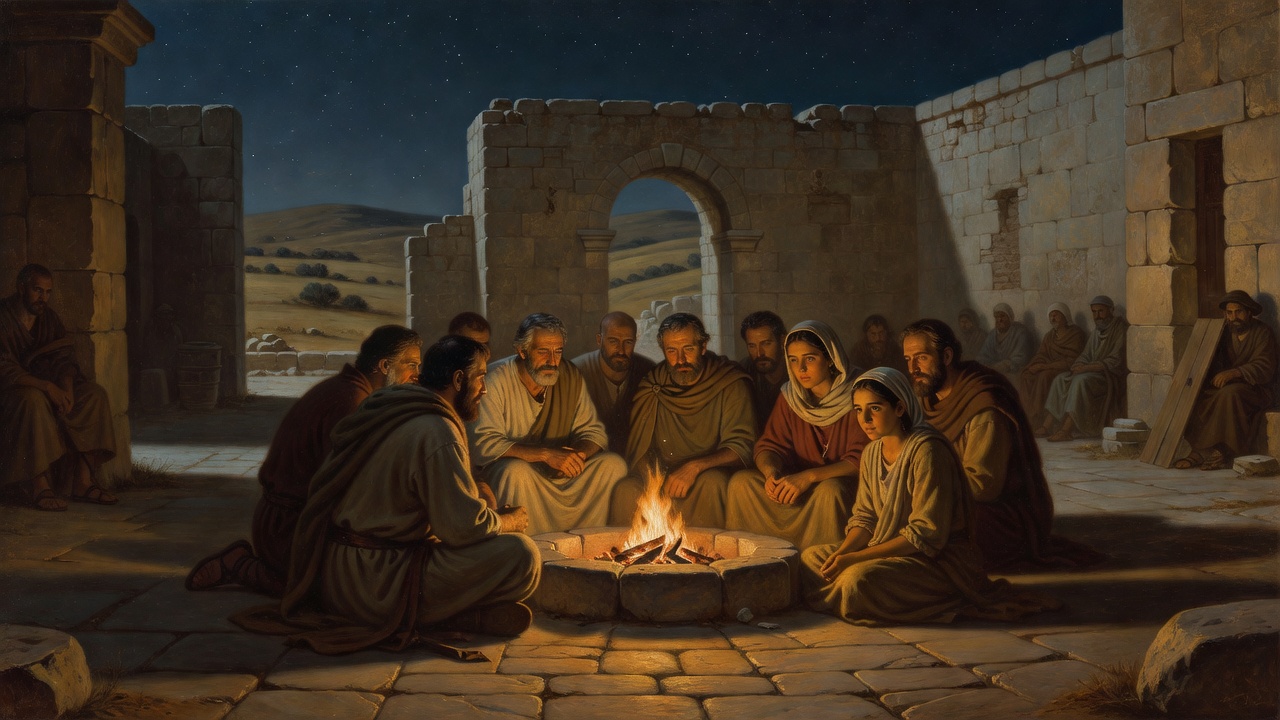
Você sabia?
A ceia da Páscoa e a prisão
- O capítulo chama de Páscoa a Festa dos Pães Asmos, que se aproximava, e situa a refeição no dia em que o cordeiro da Páscoa devia ser sacrificado. Jesus enviou Pedro e João, ambos de Betsaida e ambos pescadores, para prepará-la; eles encontraram uma grande sala mobiliada no andar superior e, chegada a hora, ele se reclinou à mesa com os apóstolos.Fontes: o próprio texto bíblico · Simon Peter · John the Apostle
- Judas, um dos Doze, é chamado Iscariotes, sobrenome explicado como homem de Queriote, e é identificado como filho de Simão. O capítulo diz que Satanás — nome que significa adversário ou acusador — entrou nele; Judas então combinou com os principais sacerdotes e os oficiais do templo entregar Jesus por dinheiro, longe da multidão.Fontes: o próprio texto bíblico · Judas Iscariot · Satan
- Depois da refeição, Jesus foi, como de costume, ao Monte das Oliveiras, uma serra a leste de Jerusalém, assim chamada pelas oliveiras que cobrem suas encostas e separada da cidade pelo vale do Cedrom. Ele se afastou cerca de um tiro de pedra para além dos discípulos, ajoelhou-se e orou; então chegou uma multidão conduzida por Judas, e Jesus foi levado à casa do sumo sacerdote.Fontes: o próprio texto bíblico · Mount of Olives
Notas escritas com auxílio de IA a partir de fontes abertas (Theographic Bible Metadata, CC BY-SA 4.0; Easton’s Bible Dictionary, domínio público) e revisadas antes de publicar.
Lugares deste capítulo
Só aparecem lugares com identificação de alta confiança (90% ou mais segundo as fontes acadêmicas reunidas pelo OpenBible). Mapa da época: DARE (Digital Atlas of the Roman Empire), CC BY 4.0; mapa atual: © colaboradores do OpenStreetMap; lugares: OpenBible.info (CC BY 4.0).
Créditos e licença desta tradução
Sahidica - طبعة جديدة من العهد الجديد باللغة القبطية الصعيدية
Sahidica - A New Edition of the New Testament in Sahidic Coptic
copyright © 2000-2006 J Warren Wells
Language: ⲘⲉⲧⲢⲉⲙ̀ⲛⲭⲏⲙⲓ (Coptic)
Dialect: Sahidic
Translation by: J Warren Wells
Coptic: Sahidic NT "Sahidica - A New Edition of the New Testament in Sahidic Coptic"
Copyright (c)2000-2006 by J Warren Wells. All rights reserved.
For more information visit www.sahidica.org .
This edition is available free of charge for use in free electronic
editions of the New Testament as long as the full title and copyright
information are included and credited. For written permission to use
all or any part of this document in print editions, contact the editor
at www.sahidica.org .
This edition is primarily meant for use by teachers and students of
Sahidic Coptic, and to a lesser degree by Coptologists involved in
scholarly research, textual criticism, or New Testament translation.
PURPOSE
Please note: This text is a work in progress. As such, there
is an ongoing effort to standardize the spelling of words in
the text. Be aware that version updates periodically appear.
The primary purpose is to produce a standardized edition of
the Sahidic NT similar to standard Greek editions.
An additional purpose of this text is to allow side-by-side
comparison with the Greek New Testament. To facilitate this
effort, a new version of the Greek text has been developed,
which is meant to better represent the Greek text upon which
the Sahidic was based. This text is entitled "The New Testament
According to the Egyptian Greek Text" [NTAEG]
This text does not include representation of either accents or
supralinear strokes, since these are used inconsistently in the
original texts. There is also a higher degree of standardization
in spelling and punctuation; like today's standard Greek master
texts, but unlike both the original Sahidic texts, and the PHI
and Coptic Society texts. Moreover, as in standard Greek texts,
instances of the Nomina Sacra have been expanded to their full
forms. This is again a departure from earlier versions of the
Sahidic, including the PHI and Coptic Society texts, which are
Both inconsistent in their usage.
Special thanks to David Brakke of Indiana University Bloomington,
Brigitte Comparini of the Packard Humanities Institute, and
Michael Heiser, Academic Editor, at Logos Research Systems; for
their assistance in making this edition possible.
BASIS
Sahidica was initially based (by permission) on the Coptic New Testament,
which is an electronic publication, which was edited by David Brakke.
(PHI-CD 5.3 dated 7/2/91. Los Altos. Packard Humanities Institute. 1991).
During later development, Sahidica was electronically collated against
the Coptic CD I by the St. Shenouda The Archmandrite Coptic Society.
Los Angeles, CA dated April, 1998.
These two editions were reduced to a raw electronic form, which allowed both
to be compared electronically letter by letter with Sahidica in order to
accurately detect and report every single variation and input error in any
of the texts. Though errors are inevitable, the collators of three seperate
editions are highly unlikely to make the same errors. Therefore, this method
helps to insure the integrity of the Sahidica edition.
Throughout the project, Sahidica was also collated against printed editions
of the following coptic manuscripts, which manuscripts date from the third
century and later.
Matt: Pierpont Morgan Library M-569 collated against Bodmer XIX papyrus
Mark:* PPalau Rib. Inv.Nr.182 collated against Pierpont Morgan Library M-569
Luke: PPalau Rib. Inv.Nr.181 collated against Pierpont Morgan Library M-569
John: PPalau Rib. Inv.Nr.183 collated against Pierpont Morgan Library M-569
Acts: Chester Beatty B (Copt.Ms.814) collated against Berlin P.15926 and British Museum MS Or.7594
Paul: Chester Beatty A (Copt.Ms.813) collated against Pierpont Morgan Library M-570 and M-571
James-Jude:** Pierpont Morgan Library M-572 collated against the Pierpont Morgan Library M-573 and M-601***
Revelation: Berlin MS Or.408 ( British Museum Ms Or.3518) collated against British Museum MS Or.6803
* Note: The longer and shorter endings of Mark are based on Horner; cf Kahle (JTS.1951.p49-57)
** Note: 1st Peter was also collated against the Crosby-Schøyen Ms.193.
*** Note: Portions of James and Jude were reconstructed from M-573, M-601, and four other mss.
Note on Interpolations
The short and long endings of Mark are ommited from the PPalau ms 182, but they do appear in most mss.
To better represent the overall Sahidic tradition, both endings are included, but in double brackets.
The pericope of the adultress (John 7:53-8:11) does not appear in any Sahidic ms. Herein it is omitted.
2014-09-16
Fonte: http://ebible.org/copshc/ · eBible.org