Lucas 2
Sahidica - طبعة جديدة من العهد الجديد باللغة القبطية الصعيدية · Toque num versículo para ver as referências cruzadas.
1ⲀⲤϢⲰⲠⲈ ⲆⲈ ϨⲚ ⲚⲈϨⲞⲞⲨ ⲈⲦⲘⲘⲀⲨ ⲀⲨⲆⲞⲄⲘⲀ ⲈⲒ ⲈⲂⲞⲖ ϨⲒⲦⲘ ⲠⲢⲢⲞ ⲀⲄⲞⲨⲤⲦⲞⲤ ⲈⲦⲢⲈⲦⲞⲒⲔⲞⲨⲘⲈⲚⲎ ⲦⲎⲢⲤ ⲤϨⲀⲒⲤ ⲚⲤⲀⲚⲈⲤⲦⲘⲈ. 2ⲦⲀⲒ ⲦⲈ ⲦϢⲞⲢⲠ ⲚⲀⲠⲞⲄⲢⲀⲪⲎ ⲈⲚⲦⲀⲤϢⲰⲠⲈ. ⲈⲢⲈⲔⲨⲢⲒⲚⲞⲤ ⲞⲚϨⲎⲄⲈⲘⲰⲚ ⲈⲦⲤⲨⲢⲒⲀ. 3ⲀⲨⲰ ⲚⲈⲨⲂⲎⲔ ⲦⲎⲢⲞⲨ ⲠⲈ ⲠⲞⲨⲀ ⲠⲞⲨⲀ ⲈⲤϨⲀⲒϤ ⲚⲤⲀ ⲦⲈϤⲠⲞⲖⲒⲤ 4ⲀϤⲂⲰⲔ ϨⲰⲰϤ ⲈϨⲢⲀⲒ ⲚϬⲒ ⲒⲰⲤⲎⲪ ⲈⲂⲞⲖ ϨⲚ ⲦⲄⲀⲖⲒⲖⲀⲒⲀ ⲈⲂⲞⲖ ϨⲚ ⲚⲀⲌⲀⲢⲈⲐ ⲦⲠⲞⲖⲒⲤ ⲚϮⲞⲨⲆⲀⲒⲀ ⲈⲦⲠⲞⲖⲈⲒⲤ ⲚⲆⲀⲨⲈⲒⲆ ⲦⲈϢⲀⲨⲘⲞⲨⲦⲈ ⲈⲢⲞⲤ ϪⲈ ⲂⲎⲐⲖⲈⲈⲘ ϪⲈ ⲞⲨⲈⲂⲞⲖ ϨⲘ ⲠⲎⲒ ⲚⲘⲦⲠⲀⲦⲢⲒⲀ ⲚⲆⲀⲨⲈⲒⲆ. 5ⲈⲦⲢⲈϤⲦⲀⲀϤ ⲈϨⲞⲨⲚ ⲚⲘⲘⲀⲢⲒⲀ ⲦⲈⲦⲈ ⲢⲈⲦⲞⲞⲦⲤ ϢⲎⲠ ⲚⲀϤ ⲈⲤⲈⲈⲦ. 6ⲀⲤϢⲰⲠⲈ ⲆⲈ ϨⲘ ⲠⲦⲢⲈⲨϢⲰⲠⲈ ϨⲘ ⲠⲘⲀ ⲈⲦⲘⲘⲀⲨ ⲀⲨϪⲰⲔ ⲈⲂⲞⲖ ⲚϬⲒ ⲚⲈⲤϨⲞⲞⲨ ⲈⲦⲢⲈⲤⲘⲒⲤⲈ. 7ⲀⲤϪⲠⲞ ⲘⲠⲈⲤϢⲎⲢⲈ ⲠⲈⲤϢⲢⲠⲘⲘⲒⲤⲈ ⲀⲤϬⲞⲞⲖⲈϤ ⲚϨⲈⲚⲦⲞⲈⲒⲤ ⲀⲤϪⲦⲞϤ ϨⲚ ⲞⲨⲞⲘϤ ϪⲈ ⲚⲈⲘⲘⲚⲘⲀ ϢⲞⲞⲠ ⲚⲀⲨ ϨⲘ ⲠⲘⲀ ⲚϬⲞⲒⲖⲈ. 8ⲚⲈⲨⲚϨⲈⲚϢⲞⲞⲤ ⲆⲈ ϨⲚ ⲦⲈⲬⲰⲢⲀ ⲈⲦⲘⲘⲀⲨ ⲈⲨϢⲞⲞⲠ ϨⲚ ⲦⲤⲰϢⲈ ⲈⲨⲀⲢⲈϨ ϨⲚ ⲞⲨⲢϢⲈ ⲚⲦⲈⲨϢⲎ ⲈⲠⲈⲨⲞϨⲈ ⲚⲈⲤⲞⲞⲨ. 9ⲀⲠⲀⲄⲄⲈⲖⲞⲤ ⲘⲠϪⲞⲈⲒⲤ ⲞⲨⲰⲚϨ ⲚⲀⲨ ⲈⲂⲞⲖ ⲀⲨⲰ ⲀⲠⲈⲞⲞⲨ ⲘⲠϪⲞⲈⲒⲤ ⲢⲞⲨⲞⲈⲒⲚ ⲈⲢⲞⲞⲨ ⲀⲨⲢϨⲞⲦⲈ ⲚⲞⲨⲚⲞϬ ⲚϨⲞⲦⲈ. 10ⲠⲈϪⲈ ⲠⲀⲄⲄⲈⲖⲞⲤ ⲆⲈ ⲚⲀⲨ ϪⲈ. ⲘⲠⲢⲢϨⲞⲦⲈ. ⲈⲒⲤ ϨⲎⲦⲈ ⲄⲀⲢ ϮⲚⲀⲦⲀϢⲈⲞⲈⲒϢ ⲚⲎⲦⲚ ⲚⲞⲨⲚⲞϬ ⲢⲢⲀϢⲈ ⲠⲀⲒ ⲈⲦⲚⲀϢⲰⲠⲈ ⲘⲠⲖⲀⲞⲤ ⲦⲎⲢϤ. 11ϪⲈ ⲀⲨϪⲠⲞ ⲚⲎⲦⲚ ⲘⲠⲞⲞⲨ ⲘⲠⲤⲰⲦⲎⲢ ⲈⲦⲈ ⲠⲀⲒ ⲠⲈ ⲠⲈⲬⲢⲒⲤⲦⲞⲤ ⲠϪⲞⲈⲒⲤ ϨⲚ ⲦⲠⲞⲖⲒⲤ ⲚⲆⲀⲨⲈⲒⲆ. 12ⲀⲨⲰ ⲞⲨⲘⲀⲈⲒⲚ ⲚⲎⲦⲚ ⲠⲈ ⲠⲀⲒ ⲦⲈⲦⲚⲀϨⲈ ⲈⲨϢⲎⲢⲈ ϢⲎⲘ ⲈϤϬⲞⲞⲖⲈ ⲚϨⲈⲚⲦⲞⲈⲒⲤ ⲈϤⲔⲎ ϨⲚ ⲞⲨⲞⲘϤ. 13ⲀⲨϢⲰⲠⲈ ⲆⲈ ϨⲚ ⲞⲨϢⲤⲚⲈ ⲚⲘⲠⲀⲄⲄⲈⲖⲞⲤ ⲚϬⲒ ⲞⲨⲘⲎⲎϢⲈ ⲚⲦⲈⲤⲦⲢⲀⲦⲒⲀ ⲚⲦⲠⲈ ⲈⲨⲤⲘⲞⲨ ⲈⲠⲚⲞⲨⲦⲈ ⲈⲨϪⲰ ⲘⲘⲞⲤ 14ϪⲈ. ⲠⲈⲞⲞⲨ ⲘⲠⲚⲞⲨⲦⲈ ϨⲚ ⲚⲈⲦϪⲞⲤⲈ ⲀⲨⲰ ϮⲢⲎⲚⲎ ϨⲒϪⲚ ⲠⲔⲀϨ ϨⲚ ⲢⲢⲰⲘⲈ ⲘⲠⲈϤⲞⲨⲰϢ. 15ⲀⲤϢⲰⲠⲈ ⲆⲈ ⲚⲦⲈⲢⲈⲚⲀⲄⲄⲈⲖⲞⲤ ⲂⲰⲔ ⲈϨⲢⲀⲒ ϨⲒⲦⲞⲞⲦⲞⲨ ⲈⲦⲠⲈ. ⲚⲈⲢⲈⲚϢⲞⲞⲤ ϢⲀϪⲈ ⲘⲚ ⲚⲈⲨⲈⲢⲎⲨ. ϪⲈ ⲘⲀⲢⲚⲂⲰⲔ ϢⲀⲂⲎⲐⲖⲈⲈⲘ ⲚⲦⲚⲚⲀⲨ ⲈⲠⲈⲒϢⲀϪⲈ ⲈⲚⲦⲀϤϢⲰⲠⲈ ⲈⲚⲦⲀⲠϪⲞⲈⲒⲤ ⲞⲨⲞⲚϨϤ ⲈⲢⲞⲚ. 16ⲀⲨϬⲈⲠⲎ ⲆⲈ ⲀⲨⲈⲒ ⲀⲨϨⲈ ⲈⲘⲀⲢⲒⲀ ⲚⲘⲒⲰⲤⲎⲪ ⲚⲘⲠϢⲎⲢⲈ ϢⲎⲘ ⲈϤⲔⲎ ϨⲚ ⲞⲨⲞⲘϤ. 17ⲚⲦⲈⲢⲞⲨⲚⲀⲨ ⲆⲈ ⲀⲨⲈⲒⲘⲈ ⲈⲠϢⲀϪⲈ ⲈⲚⲦⲀⲨϪⲞⲞϤ ⲚⲀⲨ ⲈⲦⲂⲈ ⲠϢⲎⲢⲈ ϢⲎⲘ. 18ⲀⲨⲰ ⲞⲨⲞⲚ ⲚⲒⲘ ⲈⲚⲦⲀⲨⲤⲰⲦⲘ ⲀⲨⲢϢⲠⲎⲢⲈ ⲈϪⲚ ⲚⲈⲚⲦⲀⲚϢⲞⲞⲤ ϪⲞⲞⲨ ⲚⲀⲨ 19ⲘⲀⲢⲒⲀ ⲆⲈ ⲚⲈⲤϨⲀⲢⲈϨ ⲈⲚⲈⲒϢⲀϪⲈ ⲦⲎⲢⲞⲨ ⲠⲈ ⲈⲤⲔⲰ ⲘⲘⲞⲞⲨ ϨⲘ ⲠⲈⲤϨⲎⲦ. 20ⲀⲨⲔⲞⲦⲞⲨ ⲆⲈ ⲚϬⲒ ⲚϢⲞⲞⲤ ⲈⲨϮⲈⲞⲞⲨ ⲀⲨⲰ ⲈⲨⲤⲘⲞⲨ ⲈⲠⲚⲞⲨⲦⲈ ⲈϪⲚ ⲚⲈⲚⲦⲀⲨⲤⲞⲦⲘⲞⲨ ⲦⲎⲢⲞⲨ ⲀⲨⲰ ⲀⲨⲚⲀⲨ ⲔⲀⲦⲀ ⲐⲈ ⲈⲚⲦⲀⲨϪⲞⲞⲤ ⲚⲀⲨ. 21ⲚⲦⲈⲢⲈϢⲘⲞⲨⲚ ⲆⲈ ⲚϨⲞⲞⲨ ϪⲰⲔ ⲈⲂⲞⲖ ⲈⲦⲢⲈⲨⲤⲂⲂⲎⲦϤ ⲀⲨⲘⲞⲨⲦⲈ ⲈⲠⲈϤⲢⲀⲚ ϪⲈ ⲒⲎⲤⲞⲨⲤ ⲠⲈⲚⲦⲀⲠⲀⲄⲄⲈⲖⲞⲤ ⲦⲀⲀϤ ⲈⲢⲞϤ ⲈⲘⲠⲀⲦⲤⲰⲰ ⲘⲘⲞϤ ϨⲚ ⲐⲎ. 22ⲀⲨⲰ ⲚⲦⲈⲢⲞⲨϪⲰⲔ ⲈⲂⲞⲖ ⲚϬⲒ ⲚⲈϨⲞⲞⲨ ⲘⲠⲈⲨⲦⲂⲂⲞ ⲔⲀⲦⲀⲠⲚⲞⲘⲞⲤ ⲘⲘⲰⲨⲤⲎⲤ ⲀⲨϪⲒⲦϤ ⲈϨⲢⲀⲒ ⲈⲐⲒⲒⲈⲢⲞⲤⲞⲖⲨⲘⲀ ⲈⲦⲀϨⲞϤ ⲈⲢⲀⲦϤ ⲘⲠϪⲞⲈⲒⲤ 23ⲔⲀⲦⲀ ⲐⲈ ⲈⲦⲤⲎϨ ϨⲘ ⲠⲚⲞⲘⲞⲤ ⲘⲠϪⲞⲈⲒⲤ ϪⲈ ϨⲞⲞⲨⲦ ⲚⲒⲘ ⲈⲦⲚⲀⲞⲨⲰⲚ ⲈⲦⲞⲞⲦⲈ ⲈⲨⲈⲘⲞⲨⲦⲈ ⲈⲢⲞϤ ϪⲈ ⲠⲈⲦⲞⲨⲀⲀⲂ ⲘⲠϪⲞⲈⲒⲤ. 24ⲀⲨⲰ ⲈϮ ⲚⲞⲨⲐⲨⲤⲒⲀ ⲔⲀⲦⲀ ⲠⲈⲚⲦⲀⲨϪⲞⲞϤ ϨⲘ ⲠⲚⲞⲘⲞⲤ ⲘⲠϪⲞⲈⲒⲤ. ϪⲈ ⲞⲨⲤⲞⲈⲒϢ ⲚϬⲢⲘⲠϢⲀⲚ ⲎⲘⲀⲤ ⲤⲚⲀⲨ ⲚϬⲢⲞⲞⲘⲠⲈ. 25ⲈⲒⲤ ϨⲎⲎⲦⲈ ⲆⲈ ⲚⲈⲨⲚⲞⲨⲢⲰⲘⲈ ⲠⲈ ϨⲚ ⲐⲒⲈⲢⲞⲤⲞⲖⲨⲘⲀ ⲈⲠⲈϤⲢⲀⲚ ⲠⲈ ⲤⲨⲘⲈⲰⲚ. ⲀⲨⲰ ⲠⲈⲒⲢⲰⲘⲈ ⲚⲈⲨⲆⲒⲔⲀⲒⲞⲤ ⲠⲈ ⲢⲢⲈϤϢⲘϢⲈ ⲘⲠⲚⲞⲨⲦⲈ ⲈϤϬⲰϢⲦ ⲈⲂⲞⲖ ϨⲎⲦϤ ⲘⲠⲤⲞⲖⲤⲖ ⲘⲠⲒⲤⲢⲀⲎⲖ ⲈⲨⲚⲞⲨⲠⲚⲈⲨⲘⲀ ⲈϤⲞⲨⲀⲀⲂ ϢⲞⲞⲠ ⲚⲘⲘⲀϤ 26ⲈⲀⲨⲦⲀⲘⲞϤ ⲈⲂⲞⲖ ϨⲒⲦⲚ ⲠⲈⲠⲚⲈⲨⲘⲀ ⲈⲦⲞⲨⲀⲀⲂ ϪⲈ ⲚϤⲚⲀⲘⲞⲨ ⲀⲚ ⲈⲘⲠϤⲚⲀⲨ ⲈⲠⲈⲬⲢⲒⲤⲦⲞⲤ ⲘⲠϪⲞⲈⲒⲤ. 27ⲀⲨⲰ ⲀϤⲈⲒ ϨⲘ ⲠⲈⲠⲚⲈⲨⲘⲀ ⲈⲠⲈⲢⲠⲈ ϨⲘ ⲠⲦⲢⲈⲚⲈⲒⲞⲦⲈ ⲆⲈ ϪⲒ ⲘⲠϢⲎⲢⲈ ϢⲎⲘ ⲈϨⲞⲨⲚ ⲒⲎⲤⲞⲨⲤ ⲈⲦⲢⲈⲨⲈⲒⲢⲈ ⲘⲠⲤⲰⲚⲦ ⲘⲠⲚⲞⲘⲞⲤ ϨⲀⲢⲞϤ. 28ⲚⲦⲞϤ ⲆⲈ ⲀϤϪⲒⲦϤ ⲈⲠⲈϤϨⲀⲘⲎⲢ ⲀϤⲤⲘⲞⲨ ⲈⲠⲚⲞⲨⲦⲈ ⲠⲈϪⲀϤ 29ϪⲈ. ⲦⲈⲚⲞⲨ ⲔⲚⲀⲔⲰ ⲈⲂⲞⲖ ⲘⲠⲈⲔϨⲘϨⲀⲖ ⲠϪⲞⲈⲒⲤ ⲔⲀⲦⲀⲠⲈⲔϢⲀϪⲈ ϨⲚ ⲞⲨⲈⲒⲢⲎⲚⲎ 30ϪⲈ ⲀⲚⲀⲂⲀⲖ ⲚⲀⲨ ⲈⲠⲈⲔⲞⲨϪⲀⲈⲒ 31ⲠⲀⲒ ⲈⲚⲦⲀⲔⲤⲂⲦⲰⲦϤ ⲘⲠⲈⲔⲦⲞ ⲈⲂⲞⲖ ⲚⲖⲖⲀⲞⲤ ⲦⲎⲢⲞⲨ 32ⲠⲞⲨⲞⲈⲒⲚ ⲈⲨϬⲰⲖⲠ ⲈⲂⲞⲖ ⲚⲚϨⲈⲐⲚⲞⲤ ⲀⲨⲰ ⲈⲠⲈⲞⲞⲨ ⲘⲠⲈⲔⲖⲀⲞⲤ ⲠⲒⲤⲢⲀⲎⲖ. 33ⲠⲈϤⲈⲒⲰⲦ ⲆⲈ ⲚⲘⲦⲈϤⲘⲀⲀⲨ ⲚⲈⲨⲢϢⲠⲎⲢⲈ ⲈϪⲚ ⲚⲈⲦⲞⲨϪⲰ ⲘⲘⲞⲞⲨ ⲈⲦⲂⲎⲎⲦϤ. 34ⲀⲤⲨⲘⲈⲰⲚ ⲆⲈ ⲤⲘⲞⲨ ⲈⲢⲞⲞⲨ ⲠⲈϪⲀϤ ⲘⲘⲀⲢⲒⲀ ⲦⲈϤⲘⲀⲀⲨ ϪⲈ ⲈⲒⲤⲠⲀⲒ ⲔⲎ ⲈϨⲢⲀⲈⲒ ⲈⲨϨⲈ ⲚⲘⲞⲨⲦⲰⲞⲨⲚ ⲚϨⲀϨ ϨⲘ ⲠⲒⲤⲢⲀⲎⲖ ⲀⲨⲰ ⲈⲨⲘⲀⲈⲒⲚ ⲈⲨⲰϨⲘ ϨⲒⲰⲰϤ. 35ⲚⲦⲞ ⲆⲈ ⲞⲨⲚⲞⲨⲤⲎϤⲈ ⲚⲎⲞⲨ ⲈⲂⲞⲖ ϨⲒⲦⲚ ⲦⲞⲨⲮⲨⲬⲎ ϪⲈⲔⲀⲀⲤ ⲈⲨⲈϬⲰⲖⲠ ⲈⲂⲞⲖ ⲚϬⲒ ⲘⲘⲞⲔⲘⲈⲔ ⲚϨⲀϨ ⲚϨⲎⲦ. 36ⲚⲈⲨⲚ ⲞⲨⲠⲢⲞⲪⲎⲦⲎⲦⲒⲤ ⲆⲈ ϪⲈ ⲀⲚⲚⲀ ⲦϢⲈⲈⲢⲈ ⲘⲪⲀⲚⲞⲨⲎⲖ ⲈⲂⲞⲖ ϨⲚ ⲦⲈⲪⲨⲖⲎ ⲚⲀⲤⲎⲢ ⲦⲀⲒ ⲆⲈ ⲀⲤⲀⲒⲀⲒ ϨⲚ ϨⲈⲚϨⲞⲞⲨ ⲈⲚⲀϢⲰⲞⲨ ⲈⲀⲤⲢⲤⲀϢϤⲈ ⲢⲢⲞⲘⲠⲈ ⲘⲚ ⲠⲈⲤϨⲀⲒ ϪⲒⲚ ⲦⲈⲤⲘⲚⲦⲢⲞⲞⲨⲚⲈ 37ⲀⲨⲰ ⲀⲤⲢⲬⲎⲢⲀ ϢⲀⲦⲤⲢϨⲘⲈⲚⲈⲦⲀϤⲦⲈ ⲢⲢⲞⲘⲠⲈ. ⲦⲀⲒ ⲆⲈ ⲘⲈⲤⲤⲚⲠⲈⲢⲠⲈ ⲈⲂⲞⲖ ⲈⲤϢⲘϢⲈ ⲘⲠⲈϨⲞⲞⲨ ⲚⲘⲦⲈⲨϢⲎ ϨⲚ ϨⲈⲚⲚⲎⲤⲦⲒⲀ ⲚⲘϨⲈⲚⲤⲞⲠⲤ. 38ϨⲚ ⲦⲈⲨⲚⲞⲨ ⲆⲈ ⲈⲦⲘⲘⲀⲨ ⲀⲤⲀϨⲈⲢⲀⲦⲤ ⲀⲤⲈⲜϨⲞⲘⲞⲖⲞⲄⲒ ⲘⲠϪⲞⲈⲒⲤ. ⲀⲨⲰ ⲚⲈⲤϢⲀϪⲈ ⲚⲘⲞⲨⲞⲚ ⲚⲒⲘ ⲈⲦϬⲰϢⲦ ⲈⲂⲞⲖ ϨⲎⲦϤ ⲘⲠⲤⲰⲦⲈ ⲚⲐⲒⲈⲢⲞⲤⲞⲖⲨⲘⲀ. 39ⲚⲦⲈⲢⲞⲨϪⲰⲔ ⲆⲈ ⲈⲂⲞⲖ ⲚϬⲒ ϨⲰⲂ ⲚⲒⲘ ⲔⲀⲦⲀⲠⲚⲞⲘⲞⲤ ⲘⲠϪⲞⲈⲒⲤ ⲀⲨⲔⲞⲦⲞⲨ ⲈϨⲢⲀⲒ ⲈⲦⲄⲀⲖⲒⲖⲀⲒⲀ ⲈⲦⲈⲨⲠⲞⲖⲈⲒⲤ ⲚⲀⲌⲀⲢⲈⲐ. 40ⲠϢⲎⲢⲈ ⲆⲈ ϢⲎⲘ ⲚⲈⲀϤⲀⲒⲀⲈⲒ ⲀⲨⲰ ⲚⲈϤϬⲘϬⲞⲘ ⲈϤⲘⲈϨ ⲚⲦⲤⲞⲪⲒⲀ ⲈⲢⲈⲦⲈⲬⲀⲢⲒⲤ ⲘⲠⲚⲞⲨⲦⲈ ϨⲒϪⲰϤ. 41ⲚⲈⲢⲈⲚⲈϤⲒⲞⲦⲈ ⲆⲈ ⲂⲎⲔ ⲠⲈ ⲦⲢⲢⲞⲘⲠⲈ ⲈⲐⲒⲈⲢⲞⲤⲞⲖⲨⲘⲀ ⲘⲠϢⲀ ⲘⲠⲠⲀⲤⲬⲀ. 42ⲚⲦⲈⲢⲈϤⲢⲘⲚⲦⲤⲚⲞⲞⲨⲤ ⲆⲈ ⲢⲢⲞⲘⲠⲈ ⲈⲨⲚⲀⲂⲰⲔ ⲈϨⲢⲀⲒ ⲔⲀⲦⲀⲠⲤⲰⲚⲦ ⲘⲠϢⲀⲀ. 43ⲀⲨⲰ ⲚⲦⲈⲢⲞⲨϪⲰⲔ ⲈⲂⲞⲖ ⲚⲚⲈϨⲞⲞⲨ ϨⲘ ⲠⲦⲢⲈⲨⲔⲞⲦⲞⲨ ⲀϤϬⲰ ⲚϬⲒ ⲠϢⲎⲢⲈ ϢⲎⲘ ⲒⲎⲤⲞⲨⲤ ϨⲚ ⲐⲒⲈⲢⲞⲤⲞⲖⲨⲘⲀ. ⲘⲠⲞⲨⲒⲘⲈ ⲆⲈ ⲚϬⲒ ⲚⲈϤⲒⲞⲦⲈ 44ⲈⲨⲘⲈⲨⲈ ϪⲈ ϤϨⲚⲦⲈϨⲒⲎ ⲚⲘⲘⲀⲨ. ⲚⲦⲈⲢⲞⲨⲢⲞⲨϨⲞⲞⲨ ⲆⲈ ⲘⲘⲞⲞϢⲈ ⲀⲨϢⲒⲚⲈ ⲚⲤⲰϤ ϨⲚ ⲚⲈⲨⲤⲨⲄⲄⲈⲚⲎⲤ ⲘⲚ ⲚⲈⲦⲤⲞⲞⲨⲚ ⲘⲘⲞⲞⲨ. 45ⲀⲨⲰ ⲚⲦⲈⲢⲞⲨⲦⲘϨⲈ ⲈⲢⲞϤ ⲀⲨⲔⲞⲦⲞⲨ ⲈϨⲢⲀⲈⲒ ⲈⲐⲒⲈⲢⲞⲤⲞⲖⲨⲘⲀ ⲈⲨϢⲒⲚⲈ ⲚⲤⲰϤ. 46ⲀⲤϢⲰⲠⲈ ⲆⲈ ⲘⲚⲚⲤⲀϢⲞⲘⲚⲦ ⲚϨⲞⲞⲨ ⲀⲨϨⲈ ⲈⲢⲞϤ ϨⲘ ⲠⲈⲢⲠⲈ ⲈϤϨⲘⲞⲞⲤ ⲚⲦⲘⲎⲦⲈ ⲚⲚⲤⲀϨ ⲈϤⲤⲰⲦⲘ ⲈⲢⲞⲞⲨ ⲈϤϪⲚⲞⲨ ⲘⲘⲞⲞⲨ. 47ⲀⲨⲢϢⲠⲎⲢⲈ ⲆⲈ ⲦⲎⲢⲞⲨ ⲚϬⲒ ⲚⲈⲦⲤⲰⲦⲘ ⲈⲢⲞϤ ⲈϪⲚ ⲚⲈϤⲘⲚⲦⲤⲀⲂⲈ ⲘⲚ ⲚⲈϤϬⲒⲚⲞⲨⲰϢⲂ. 48ⲀⲨⲚⲀⲨ ⲆⲈ ⲈⲢⲞϤ ⲀⲨⲢϢⲠⲎⲢⲈ. ⲠⲈϪⲈ ⲦⲈϤⲘⲀⲀⲨ ⲚⲀϤ ϪⲈ ⲠⲀϢⲎⲢⲈ ⲚⲦⲀⲔⲢⲞⲨ ⲚⲀⲚ ϨⲒⲚⲀⲒ ⲈⲒⲤ ϨⲎⲎⲦⲈ ⲀⲚⲞⲔ ⲘⲚ ⲠⲈⲔⲒⲰⲦ ⲈⲚⲘⲞⲔϨ ⲚϨⲎⲦ ⲈⲚϢⲒⲚⲈ ⲚⲤⲰⲔ. 49ⲠⲈϪⲀϤ ⲆⲈ ⲚⲀⲨ ϪⲈ ⲈⲦⲂⲈ ⲞⲨ ⲦⲈⲦⲚϢⲒⲚⲈ ⲚⲤⲰⲒ. ⲚⲦⲈⲦⲚⲤⲞⲞⲨⲚ ⲀⲚ ϪⲈ ϨⲀⲠⲤ ⲈⲦⲢⲀϬⲰ ϨⲚ ⲚⲀⲠⲀⲒⲰⲦ. 50ⲚⲦⲞⲞⲨ ⲆⲈ ⲘⲠⲞⲨⲒⲘⲈ ⲈⲠϢⲀϪⲈ ⲈⲚⲦⲀϤϪⲞⲞϤ ⲚⲀⲨ. 51ⲀϤⲈⲒ ⲆⲈ ⲈⲠⲈⲤⲎⲦ ⲚⲘⲘⲀⲨ ⲈϨⲢⲀⲒ ⲈⲚⲀⲌⲀⲢⲈⲐ ⲀⲨⲰ ⲚⲈϤⲤⲰⲦⲘ ⲚⲤⲰⲞⲨ. ⲦⲈϤⲘⲀⲀⲨ ⲆⲈ ⲚⲈⲤϨⲀⲢⲈϨ ⲈⲚⲈⲒϢⲀϪⲈ ⲦⲎⲢⲞⲨ ⲠⲈ ϨⲘ ⲠⲈⲤϨⲎⲦ. 52ⲒⲎⲤⲞⲨⲤ ⲆⲈ ⲚⲈϤⲠⲢⲞⲔⲞⲠⲦⲈ ϨⲚ ⲦⲤⲞⲪⲒⲀ ⲚⲘⲐⲎⲖⲒⲔⲒⲀ ⲚⲘⲦⲈⲬⲀⲢⲒⲤ ⲚⲚⲀϨⲢⲘ ⲠⲚⲞⲨⲦⲈ ⲚⲘ ⲢⲢⲰⲘⲈ.
Você sabia?
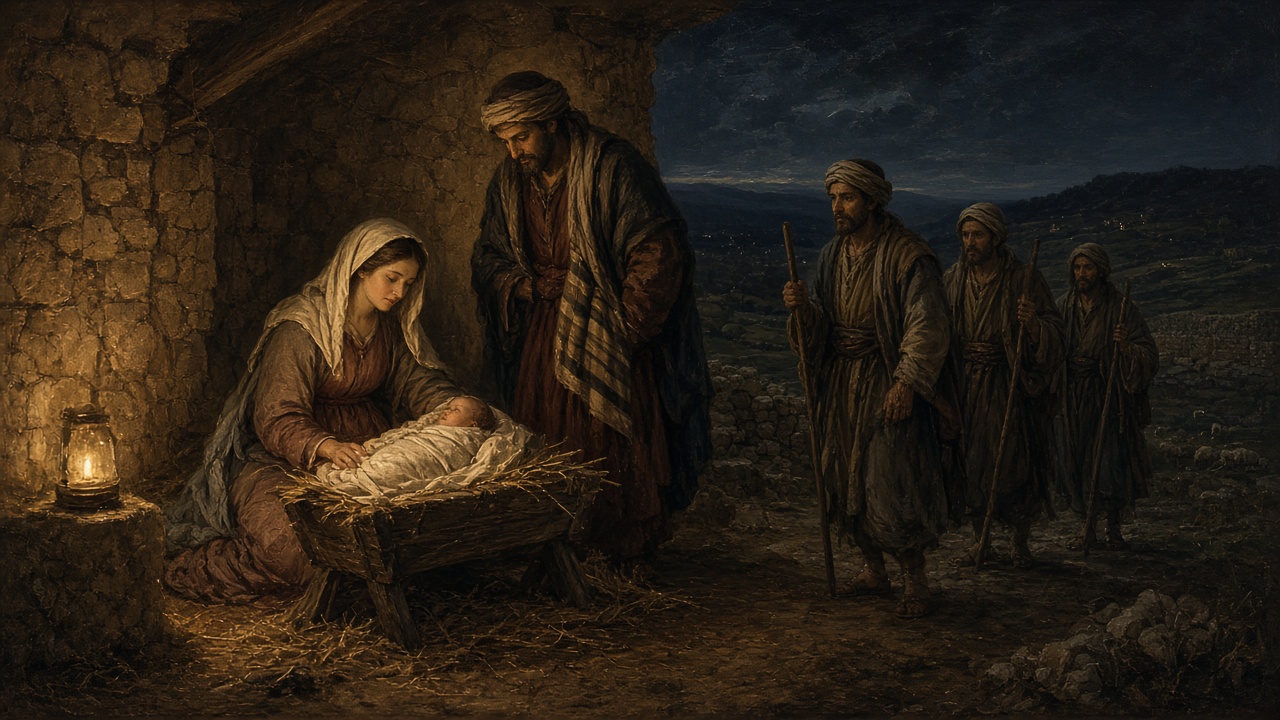
O nascimento e os primeiros anos de Jesus
- Lucas situa o nascimento de Jesus na época de um decreto de César Augusto para que se fizesse um recenseamento de todo o império. Augusto era o cognome do primeiro imperador romano, C. Júlio César Otaviano; o título, que significa “majestade” ou “venerável”, foi dado primeiro pelo senado. Lucas chama esse o primeiro recenseamento feito enquanto Quirino era governador da Síria — Cirênio é a forma grega de Públio Sulpício Quirino.Fontes: o próprio texto bíblico · Augustus · Cyrenius
- José morava em Nazaré, na Galileia, e de lá subiu à Judeia, a Belém, a cidade de Davi, porque pertencia à casa e à linhagem de Davi. Belém fica na região montanhosa de Judá e era a própria cidade de Davi: Davi, o oitavo e mais novo filho de Jessé, era cidadão de Belém. Maria, prometida em casamento a José e à espera de um filho, viajou com ele para se registrar.Fontes: o próprio texto bíblico · Joseph (Mary's Husband) · Bethlehem · David
- Quando se completou o tempo da purificação exigido pela Lei de Moisés, os pais levaram o menino a Jerusalém para apresentá-lo ao Senhor, oferecendo um par de rolas ou dois pombinhos. No templo encontraram Simeão e Ana, uma profetisa, filha de Fanuel, da tribo de Aser. Ela tinha sido casada durante sete anos e depois ficou viúva até os oitenta e quatro anos, e nunca deixava o templo, adorando noite e dia, em jejum e oração.Fontes: o próprio texto bíblico · Anna
Notas escritas com auxílio de IA a partir de fontes abertas (Theographic Bible Metadata, CC BY-SA 4.0; Easton’s Bible Dictionary, domínio público) e revisadas antes de publicar.
Lugares deste capítulo
- Syria · Hoje: Syria 2 · 33.511, 36.306 · versículo 2
- Bethlehem · 31.704, 35.208 · versículos 4, 11, 15
- Galilee · 32.760, 35.527 · versículos 4, 39
- Judea · Hoje: Judea 1 · 31.777, 35.234 · versículo 4
- Nazareth · 32.702, 35.298 · versículos 4, 39, 43, 51
- Jerusalem · 31.777, 35.234 · versículos 22, 25, 38, 41, 42, 43, 45
Só aparecem lugares com identificação de alta confiança (90% ou mais segundo as fontes acadêmicas reunidas pelo OpenBible). Mapa da época: DARE (Digital Atlas of the Roman Empire), CC BY 4.0; mapa atual: © colaboradores do OpenStreetMap; lugares: OpenBible.info (CC BY 4.0).
Créditos e licença desta tradução
Sahidica - طبعة جديدة من العهد الجديد باللغة القبطية الصعيدية
Sahidica - A New Edition of the New Testament in Sahidic Coptic
copyright © 2000-2006 J Warren Wells
Language: ⲘⲉⲧⲢⲉⲙ̀ⲛⲭⲏⲙⲓ (Coptic)
Dialect: Sahidic
Translation by: J Warren Wells
Coptic: Sahidic NT "Sahidica - A New Edition of the New Testament in Sahidic Coptic"
Copyright (c)2000-2006 by J Warren Wells. All rights reserved.
For more information visit www.sahidica.org .
This edition is available free of charge for use in free electronic
editions of the New Testament as long as the full title and copyright
information are included and credited. For written permission to use
all or any part of this document in print editions, contact the editor
at www.sahidica.org .
This edition is primarily meant for use by teachers and students of
Sahidic Coptic, and to a lesser degree by Coptologists involved in
scholarly research, textual criticism, or New Testament translation.
PURPOSE
Please note: This text is a work in progress. As such, there
is an ongoing effort to standardize the spelling of words in
the text. Be aware that version updates periodically appear.
The primary purpose is to produce a standardized edition of
the Sahidic NT similar to standard Greek editions.
An additional purpose of this text is to allow side-by-side
comparison with the Greek New Testament. To facilitate this
effort, a new version of the Greek text has been developed,
which is meant to better represent the Greek text upon which
the Sahidic was based. This text is entitled "The New Testament
According to the Egyptian Greek Text" [NTAEG]
This text does not include representation of either accents or
supralinear strokes, since these are used inconsistently in the
original texts. There is also a higher degree of standardization
in spelling and punctuation; like today's standard Greek master
texts, but unlike both the original Sahidic texts, and the PHI
and Coptic Society texts. Moreover, as in standard Greek texts,
instances of the Nomina Sacra have been expanded to their full
forms. This is again a departure from earlier versions of the
Sahidic, including the PHI and Coptic Society texts, which are
Both inconsistent in their usage.
Special thanks to David Brakke of Indiana University Bloomington,
Brigitte Comparini of the Packard Humanities Institute, and
Michael Heiser, Academic Editor, at Logos Research Systems; for
their assistance in making this edition possible.
BASIS
Sahidica was initially based (by permission) on the Coptic New Testament,
which is an electronic publication, which was edited by David Brakke.
(PHI-CD 5.3 dated 7/2/91. Los Altos. Packard Humanities Institute. 1991).
During later development, Sahidica was electronically collated against
the Coptic CD I by the St. Shenouda The Archmandrite Coptic Society.
Los Angeles, CA dated April, 1998.
These two editions were reduced to a raw electronic form, which allowed both
to be compared electronically letter by letter with Sahidica in order to
accurately detect and report every single variation and input error in any
of the texts. Though errors are inevitable, the collators of three seperate
editions are highly unlikely to make the same errors. Therefore, this method
helps to insure the integrity of the Sahidica edition.
Throughout the project, Sahidica was also collated against printed editions
of the following coptic manuscripts, which manuscripts date from the third
century and later.
Matt: Pierpont Morgan Library M-569 collated against Bodmer XIX papyrus
Mark:* PPalau Rib. Inv.Nr.182 collated against Pierpont Morgan Library M-569
Luke: PPalau Rib. Inv.Nr.181 collated against Pierpont Morgan Library M-569
John: PPalau Rib. Inv.Nr.183 collated against Pierpont Morgan Library M-569
Acts: Chester Beatty B (Copt.Ms.814) collated against Berlin P.15926 and British Museum MS Or.7594
Paul: Chester Beatty A (Copt.Ms.813) collated against Pierpont Morgan Library M-570 and M-571
James-Jude:** Pierpont Morgan Library M-572 collated against the Pierpont Morgan Library M-573 and M-601***
Revelation: Berlin MS Or.408 ( British Museum Ms Or.3518) collated against British Museum MS Or.6803
* Note: The longer and shorter endings of Mark are based on Horner; cf Kahle (JTS.1951.p49-57)
** Note: 1st Peter was also collated against the Crosby-Schøyen Ms.193.
*** Note: Portions of James and Jude were reconstructed from M-573, M-601, and four other mss.
Note on Interpolations
The short and long endings of Mark are ommited from the PPalau ms 182, but they do appear in most mss.
To better represent the overall Sahidic tradition, both endings are included, but in double brackets.
The pericope of the adultress (John 7:53-8:11) does not appear in any Sahidic ms. Herein it is omitted.
2014-09-16
Fonte: http://ebible.org/copshc/ · eBible.org