Lucas 16
Sahidica - طبعة جديدة من العهد الجديد باللغة القبطية الصعيدية · Toque num versículo para ver as referências cruzadas.
1ⲠⲈϪⲀϤ ⲆⲈ ⲚⲚⲈϤⲘⲀⲐⲎⲦⲎⲤ ϪⲈ ⲚⲈⲨⲚⲞⲨⲢⲰⲘⲈ ⲢⲢⲘⲘⲀⲞ ⲈⲨⲚⲦⲀϤ ⲘⲘⲀⲨ ⲚⲞⲨⲞⲒⲔⲞⲚⲞⲘⲞⲤ ⲀⲨⲦⲀⲀϤ ⲆⲈ ⲚϢⲦⲞⲨⲎⲦ ϪⲈ ϤϪⲰⲰⲢⲈ ⲈⲂⲞⲖ ⲚⲚⲈϤϨⲨⲠⲀⲢⲬⲞⲚⲦⲀ 2ⲀϤⲘⲞⲨⲦⲈ ⲈⲢⲞϤ ⲠⲈϪⲀϤ ⲚⲀϤ ϪⲈ ⲞⲨ ⲠⲈ ⲠⲀⲒ ⲈϮⲤⲰⲦⲘ ⲘⲘⲞϤ ⲈⲦⲂⲎⲦⲔ. ⲀⲨⲠⲰⲠ ⲚⲀⲒ ⲚⲦⲈⲔⲞⲒⲔⲞⲚⲞⲘⲒⲀ ⲘⲘⲚϢϬⲞⲘ ⲄⲀⲢ ϪⲒⲚⲦⲈⲚⲞⲨ ⲈⲦⲢⲈⲔⲞⲒⲔⲞⲚⲞⲘⲒ. 3ⲠⲈϪⲈⲠⲞⲒⲔⲞⲚⲞⲘⲞⲤ ⲆⲈ ϨⲘ ⲠⲈϤϨⲎⲦ ϪⲈ ⲈⲒⲚⲀⲢⲞⲨ ϪⲈ ⲠⲀϪⲞⲈⲒⲤ ⲚⲀϤⲒ ⲚⲦⲞⲒⲔⲞⲚⲞⲘⲒⲀ ⲚⲦⲞⲞⲦ ⲘⲘⲚϢϬⲞⲘ ⲘⲘⲞⲒ ⲈϬⲢⲎ ⲀⲨⲰ ϮϢⲒⲠⲈ ⲈⲦⲰⲂⲀϨ. 4ⲀⲒⲈⲒⲘⲈ ϪⲈ ⲈⲒⲚⲀⲢⲞⲨ ϪⲈⲔⲀⲀⲤ ⲈⲨϢⲀⲚϤⲒⲦ ϨⲚ ⲦⲞⲒⲔⲞⲚⲞⲘⲒⲀ. ⲈⲨⲈϪⲒⲦ ⲈϨⲞⲨⲚ ⲈⲚⲈⲨⲎⲒ. 5ⲀϤⲘⲞⲨⲦⲈ ⲆⲈ ⲈⲠⲞⲨⲀ ⲠⲞⲨⲀ ⲚⲚⲈⲦⲈⲞⲨⲚⲦⲈ ⲠⲈϤϪⲞⲈⲒⲤ ⲈⲢⲞⲞⲨ. ⲠⲈϪⲀϤ ⲘⲠϢⲞⲢⲠ ϪⲈ ⲞⲨⲚⲦⲈ ⲠⲀϪⲞⲈⲒⲤ ⲞⲨⲎⲢ ⲈⲢⲞⲔ 6ⲚⲦⲞϤ ⲆⲈ ⲠⲈϪⲀϤ ϪⲈ ϢⲈ ⲂⲂⲀⲦⲞⲤ ⲚⲚⲈϨ. ⲠⲈϪⲀϤ ⲚⲀϤ ϪⲈ ϪⲒⲠⲈⲔⲤϨⲀⲒ ⲚⲄϨⲘⲞⲞⲤ ϬⲈⲠⲎ ⲚⲄⲤϨⲀⲒ ⲈⲦⲀⲒⲞⲨ. 7ⲘⲘⲚⲚⲤⲰⲤ ⲠⲈϪⲀϤ ⲚⲔⲈⲞⲨⲀ ϪⲈ ⲚⲦⲞⲔ ⲞⲨⲚⲞⲨⲎⲢ ⲈⲢⲞⲔ. ⲠⲈϪⲀϤ ϪⲈ ϢⲈ ⲚⲔⲞⲢⲞⲤ ⲚⲤⲞⲨⲞ. ⲠⲈϪⲀϤ ϪⲈ ϪⲒⲠⲈⲔⲤϨⲀⲒ ⲚⲄⲤϨⲀⲒ ⲈϨⲘⲈⲚⲈ. 8ⲀⲠϪⲞⲈⲒⲤ ⲆⲈ ⲈⲠⲀⲒⲚⲞⲨ ⲘⲠⲞⲒⲔⲞⲚⲞⲘⲞⲤ ⲘⲠϪⲒⲚϬⲞⲚⲤ ϪⲈ ⲀϤⲈⲒⲢⲈ ϨⲚ ⲞⲨⲘⲚⲦⲢⲘ ⲚϨⲎⲦ ϪⲈ ϨⲈⲚⲤⲀⲂⲈ ⲚⲈ ⲚϢⲎⲢⲈ ⲘⲠⲈⲒⲀⲒⲰⲚ ⲈϨⲞⲨⲈⲚϢⲎⲢⲈ ⲘⲠⲞⲨⲞⲒⲚ ⲈⲦⲈⲨⲄⲈⲚⲈⲀ. 9ⲀⲚⲞⲔ ϨⲰ ϮϪⲰ ⲘⲘⲞⲤ ⲚⲎⲦⲚ ϪⲈ. ⲔⲀϨⲈⲚϢⲂⲎⲢ ⲚⲎⲦⲚ ⲈⲂⲞⲖ ϨⲘ ⲠⲀⲘⲘⲰⲚⲀⲤ ⲚⲦⲀⲆⲒⲔⲒⲀ ϪⲈⲔⲀⲀⲤ ⲈϤϢⲀⲚⲰϪⲚ. ⲈⲨⲈϪⲒⲦⲎⲨⲦⲚ ⲈϨⲞⲨⲚ ⲈⲚⲈⲤⲔⲎⲚⲎ ⲚϢⲀ ⲈⲚⲈϨ. 10ⲠⲠⲒⲤⲦⲞⲤ ϨⲚ ⲞⲨⲔⲞⲨⲒ ⲞⲨⲠⲒⲤⲦⲞⲤ ⲞⲚ ⲠⲈ ϨⲚ ⲞⲨⲚⲞϬ ⲀⲨⲰ ⲠⲀⲆⲒⲔⲞⲤ ϨⲚ ⲞⲨⲔⲞⲨⲒ ⲞⲨⲀⲆⲒⲔⲞⲤ ⲞⲚ ⲠⲈ ϨⲚ ⲞⲨⲚⲞϬ. 11ⲈϢϪⲈ ⲘⲠⲈⲦⲚϢⲰⲠⲈ ϬⲈ ⲘⲠⲒⲤⲦⲞⲤ ϨⲘ ⲠⲀⲘⲘⲰⲚⲀⲤ ⲚⲀⲆⲒⲔⲞⲤ ⲚⲒⲘ ⲠⲈⲦⲚⲀⲦⲀⲚϨⲈⲦ ⲦⲎⲞⲨⲦⲚ ⲈⲠⲈⲦⲈϨⲰⲰϤ ⲠⲈ. 12ⲀⲨⲰ ⲈϢϪⲈ ⲘⲠⲈⲦⲚⲢⲠⲒⲤⲦⲞⲤ ϨⲘ ⲠⲈⲦⲈⲘⲠⲰⲦⲚ ⲀⲚ ⲠⲈ. ⲚⲒⲘ ⲠⲈⲦⲚⲀϮ ⲚⲎⲦⲚ ⲘⲠⲈⲦⲈⲠⲰⲦⲚ ⲠⲈ. 13ⲘⲘⲚϢϬⲞⲘ ⲖⲖⲀⲀⲨ ⲈⲢϨⲘϨⲀⲖ ⲚϪⲞⲈⲒⲤ ⲤⲚⲀⲨ ⲎⲄⲀⲢ ϤⲚⲀⲘⲈⲤⲦⲈⲞⲨⲀ ⲚϤⲘⲈⲢⲈⲞⲨⲀ ⲎⲚϤⲀⲚⲈⲬⲈⲞⲨⲀ ⲚϤⲔⲀⲦⲀⲪⲢⲞⲚⲒⲞⲨⲀ ⲘⲘⲚϢϬⲞⲘ ⲘⲘⲰⲦⲚ ⲈⲦⲢⲈⲦⲚⲢ ϨⲘϨⲀⲖ ⲘⲠⲚⲞⲨⲦⲈ ⲚⲘⲠⲀⲘⲘⲰⲚⲀⲤ. 14ⲀⲚⲈⲪⲀⲢⲒⲤⲤⲀⲒⲞⲤ ⲆⲈ ⲤⲰⲦⲘ ⲈⲚⲀⲒ ⲦⲎⲢⲞⲨ ⲈϨⲈⲚⲘⲀⲒϨⲞⲘⲚⲦ ⲚⲈ. ⲀⲨⲔⲰⲘϢ ⲚⲤⲰϤ. 15ⲠⲈϪⲀϤ ⲆⲈ ⲚⲀⲨ ϪⲈ ⲚⲦⲰⲦⲚ ⲚⲈⲦⲦⲘⲀⲒⲞ ⲘⲘⲰⲦⲚ ⲘⲠⲈⲘⲦⲞ ⲈⲂⲞⲖ ⲚⲢⲢⲰⲘⲈ. ⲠⲚⲞⲨⲦⲈ ⲆⲈ ⲤⲞⲞⲨⲚ ⲚⲚⲈⲦⲚϨⲎⲦ ϪⲈ ⲦⲘⲚⲦϪⲀⲤⲒϨⲎⲦ ⲈⲦϨⲚⲢⲢⲰⲘⲈ. ⲞⲨⲂⲞⲦⲈ ⲦⲈ ⲘⲠⲈⲘⲦⲞ ⲈⲂⲞⲖ ⲘⲠⲚⲞⲨⲦⲈ. 16ⲠⲚⲞⲘⲞⲤ ⲘⲚ ⲚⲈⲠⲢⲞⲪⲎⲦⲎⲤ ⲚⲦⲀⲨⲠⲰϨ ϢⲀⲒⲰϨⲀⲚⲚⲎⲤ. ϪⲒⲚⲠⲈⲨⲞⲈⲒϢ ⲈⲦⲘⲘⲀⲨ ⲤⲈⲈⲨⲀⲄⲄⲈⲖⲒⲌⲈ ⲚⲦⲘⲚⲦⲢⲢⲞ ⲘⲠⲚⲞⲨⲦⲈ ⲀⲨⲰ ⲞⲨⲞⲚ ⲚⲒⲘ ϪⲒ ⲘⲘⲞϤ ⲚϬⲞⲚⲤ ⲈⲢⲞⲤ. 17ⲤⲘⲞⲦⲚ ⲆⲈ ⲈⲦⲢⲈⲦⲠⲈ ⲚⲘⲠⲔⲀϨ ⲠⲀⲢⲀⲄⲈ ⲎⲈⲦⲢⲈⲞⲨϢⲰⲖϨ ⲚⲞⲨⲰⲦ ϨⲈ ⲈⲂⲞⲖ ϨⲘ ⲠⲚⲞⲘⲞⲤ. 18ⲞⲨⲞⲚ ⲚⲒⲘ ⲈⲦⲚⲀⲚⲈϪ ⲦⲈϤⲤϨⲒⲘⲈ ⲈⲂⲞⲖ ⲚϤϨⲘⲞⲞⲤ ⲚⲘⲔⲈⲨⲈⲒ ϤⲞ ⲚⲚⲞⲈⲒⲔ. ⲀⲨⲰ ⲠⲈⲦⲚⲀϨⲘⲞⲞⲤ ⲚⲘⲔⲈⲨⲈⲒ ⲈⲀⲠⲈⲤϨⲀⲒ ⲚⲞϪⲤ ⲈⲂⲞⲖ. ϤⲞ ⲚⲚⲞⲈⲒⲔ. 19ⲚⲈⲨⲚⲞⲨⲢⲰⲘⲈ ⲆⲈ ⲢⲢⲘⲘⲀⲞ ⲈⲠⲈϤⲢⲀⲚ ⲠⲈ ⲚⲒⲚⲈⲨⲎ ⲈϢⲀϤϮ ϨⲒⲰⲰϤ ⲚⲞⲨϪⲎϬⲈ ⲚⲘⲞⲨϢⲚⲤ ⲈϤⲈⲨⲪⲢⲀⲚⲈ ⲘⲘⲎⲚⲈ ⲔⲀⲖⲰⲤ. 20ⲚⲈⲨⲚⲞⲨϨⲎⲔⲈ ⲆⲈ ⲈⲠⲈϤⲢⲀⲚ ⲠⲈ ⲖⲀⲌⲀⲢⲞⲤ ⲈϤⲚⲎϪ ϨⲚ ⲦⲈϤϨⲀⲒⲦ ⲈϤⲞ ⲚⲤⲀϢ 21ⲈϤⲈⲠⲒⲐⲨⲘⲒ ⲈⲤⲒ ⲈⲂⲞⲖ ϨⲚ ⲚⲈϢⲀⲨϨⲈ ⲈⲂⲞⲖ ϨⲚ ⲦⲈⲦⲢⲀⲠⲈⲌⲀ ⲘⲠⲢⲘⲘⲀⲞ. ⲀⲖⲖⲀ ⲚⲔⲈⲞⲨϨⲞⲞⲢ ϢⲀⲨⲈⲒ ⲚⲤⲈⲖⲰϪϨ ⲚⲚⲈϤⲤⲀϢ. 22ⲀⲤϢⲰⲠⲈ ⲆⲈ ϨⲘ ⲠⲦⲢⲈⲠϨⲎⲔⲈ ⲘⲞⲨ ⲚⲤⲈϪⲒⲦϤ ⲈⲂⲞⲖ ϨⲒⲦⲚ ⲚⲚⲀⲄⲄⲈⲖⲞⲤ ⲈⲔⲞⲨⲚϤ ⲚⲀⲂⲢⲀϨⲀⲘ ⲀⲠⲔⲈⲢⲘⲘⲀⲞ ⲆⲈ ⲘⲞⲨ ⲀⲨⲦⲞⲘⲤϤ. 23ⲀϤϤⲒⲀⲦϤ ⲆⲈ ⲈϨⲢⲀⲒ ϨⲚ ⲀⲘⲚⲦⲈ ⲈϤϢⲞⲞⲠ ϨⲚ ϨⲈⲚⲂⲀⲤⲀⲚⲞⲤ ⲀϤⲚⲀⲨ ⲈⲀⲂⲢⲀϨⲀⲘ ⲘⲠⲞⲨⲈ. ⲀⲨⲰ ⲖⲀⲌⲀⲢⲞⲤ ϨⲚ ⲔⲞⲨⲚϤ 24ⲀϤⲘⲞⲨⲦⲈ ⲆⲈ ⲠⲈϪⲀϤ ϪⲈ ⲠⲒⲰⲦ ⲀⲂⲢⲀϨⲀⲘ ⲚⲀ ⲚⲀⲒ. ⲘⲀⲦⲚⲚⲈⲨ ⲖⲀⲌⲀⲢⲞⲤ ⲚϤⲤⲈⲠϨⲦⲎϤ ⲘⲠⲈϤⲦⲎⲎⲂⲈ ⲘⲘⲞⲞⲨ ⲚϤⲔⲂⲈⲠⲀⲖⲀⲤ ϪⲈ ϮⲘⲞⲔϨ ⲀⲚⲞⲔ ϨⲘ ⲠⲈⲒⲔⲰϨⲦ. 25ⲠⲈϪⲈⲀⲂⲢⲀϨⲀⲘ ⲆⲈ ϪⲈ ⲠⲀϢⲎⲢⲈ ⲀⲢⲒⲠⲘⲈⲈⲨⲈ ϪⲈ ⲀⲔϪⲒ ⲚⲚⲈⲔⲀⲄⲀⲐⲞⲚ ϨⲘ ⲠⲈⲔⲰⲚⲀϨ ⲀⲨⲰ ⲖⲀⲌⲀⲢⲞⲤ ϨⲰⲰϤ ϨⲚ ϨⲈⲚⲠⲈⲐⲞⲞⲨ ⲦⲈⲚⲞⲨ ⲆⲈ ⲤⲈⲤⲞⲖⲤⲖ ⲘⲘⲞϤ ⲘⲠⲈⲒⲘⲀ ⲚⲦⲞⲔ ⲆⲈ ⲤⲈⲘⲞⲨⲔϨ ⲘⲘⲞⲔ. 26ⲘⲚⲚⲤⲀⲚⲀⲒ ⲆⲈ ⲦⲎⲢⲞⲨ ⲞⲨⲚⲞⲨⲚⲞϬ ⲚⲬⲀⲤⲘⲀ ⲦⲀϪⲢⲎⲞⲨ ϨⲚ ⲦⲈⲚⲘⲎⲦⲈ ϨⲒⲞⲨⲤⲞⲠ ϪⲈⲔⲀⲀⲤ ⲚⲈⲦⲞⲨⲰϢ ⲈϪⲒⲞⲞⲢ ⲘⲠⲈⲒⲘⲀ ϢⲀⲢⲰⲦⲚ ⲚⲚⲈⲨⲈϢϬⲘϬⲞⲘ. ⲞⲨⲆⲈ ⲚⲚⲈⲨⲈϢϪⲒⲞⲞⲢ ⲈⲂⲞⲖ ϨⲒⲦⲈ ⲦⲎⲞⲨⲦⲚ ⲚⲀⲚ. 27ⲠⲈϪⲀϤ ⲆⲈ ϪⲈ ϮⲤⲞⲠⲤ ⲚⲦⲞⲞⲨⲚ ⲘⲘⲞⲔ ⲠⲀⲒⲰⲦ ϪⲈ ⲈⲔⲈϪⲞⲞⲨϤ ⲈⲠⲎⲒ ⲘⲠⲀⲒⲰⲦ 28ⲞⲨⲚϮϮⲞⲨ ⲄⲀⲢ ⲚⲤⲞⲚ ϪⲈ ⲈϤⲈⲢⲘⲚⲦⲢⲈ ⲚⲀⲨ ϪⲈ ⲚⲚⲈⲨⲈⲒ ϨⲰⲞⲨ ⲈⲠⲈⲒⲘⲀ ⲂⲂⲀⲤⲀⲚⲞⲤ. 29ⲠⲈϪⲈⲀⲂⲢⲀϨⲀⲘ ⲆⲈ ⲚⲀϤ ϪⲈ ⲞⲨⲚⲦⲞⲨⲘⲰⲨⲤⲎⲤ ⲘⲘⲀⲨ ⲘⲚ ⲚⲈⲠⲢⲞⲪⲎⲦⲎⲤ ⲘⲀⲢⲞⲨⲤⲰⲦⲘ ⲚⲤⲰⲞⲨ. 30ⲚⲦⲞϤ ⲆⲈ ⲠⲈϪⲀϤ ϪⲈ ⲘⲘⲞⲚ ⲠⲒⲰⲦ ⲀⲂⲢⲀϨⲀⲘ. ⲀⲖⲖⲀ ⲈⲢϢⲀⲚⲞⲨⲀ ⲂⲰⲔ ϢⲀⲢⲞⲞⲨ ⲈⲂⲞⲖ ϨⲚ ⲚⲈⲦⲘⲞⲞⲨⲦ ⲤⲈⲚⲀⲘⲈⲦⲀⲚⲞⲒ 31ⲠⲈϪⲀϤ ⲆⲈ ⲚⲀϤ ϪⲈ ⲈϢϪⲈ ⲚⲤⲈⲚⲀⲤⲰⲦⲘ ⲀⲚ ⲚⲤⲀ ⲘⲰⲨⲤⲎⲤ ⲘⲚ ⲚⲈⲠⲢⲞⲪⲎⲦⲎⲤ ⲈⲒⲈ ⲈⲢϢⲀⲚⲞⲨⲀ ⲞⲚ ⲦⲰⲞⲨⲚ ⲈⲂⲞⲖ ϨⲚ ⲚⲈⲦⲘⲞⲞⲨⲦ ⲚⲤⲈⲚⲀⲤⲰⲦⲘ ⲚⲤⲰϤ ⲀⲚ.
Você sabia?
Riqueza, dois senhores e Lázaro
- Nas palavras de Jesus sobre o rico e Lázaro, o rico clama: 'Pai Abraão', e Abraão responde: 'Filho'. O Dicionário Bíblico de Easton (1897) explica o nome Abraão como 'Pai de uma multidão' e o descreve como herdeiro das promessas.Fontes: o próprio texto bíblico · Abraham
- Falando aos fariseus, que zombavam dele, Jesus diz que a Lei e os Profetas foram proclamados até João, e que, desde então, o evangelho do reino de Deus está sendo pregado. O Dicionário Bíblico de Easton (1897) chama João Batista de 'precursor de nosso Senhor', afirma que sua missão foi objeto de profecia, inclusive Isaías 40:3 e Malaquias 3:1, e declara que seu nascimento ocorreu seis meses antes do de Jesus.Fontes: o próprio texto bíblico · John the Baptist
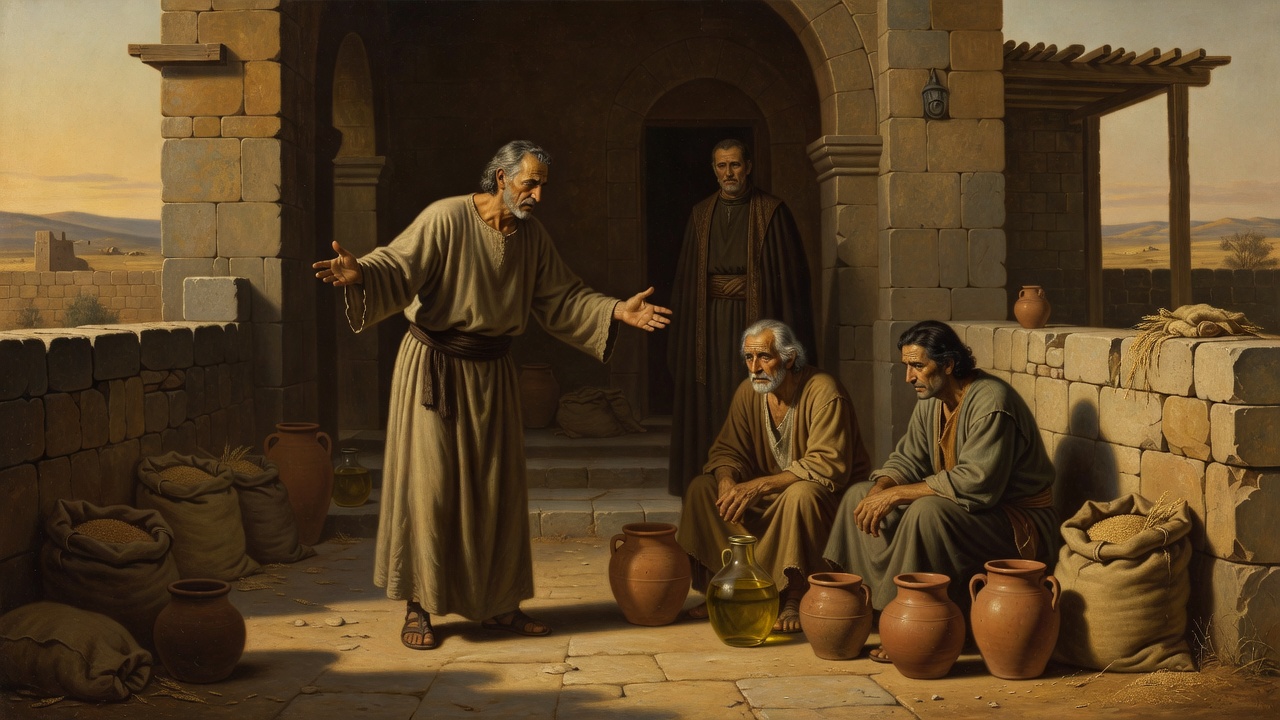
- Um administrador acusado de desperdiçar os bens de seu senhor recebe ordem de prestar contas e deixar o cargo. Ele faz os devedores reescreverem suas contas, reduzindo cem medidas de azeite a cinquenta e cem medidas de trigo a oitenta, e o senhor elogia o administrador desonesto porque havia agido com astúcia. Jesus diz então que nenhum servo pode servir a dois senhores, e que ninguém pode servir ao mesmo tempo a Deus e ao dinheiro.Fontes: o próprio texto bíblico
Notas escritas com auxílio de IA a partir de fontes abertas (Theographic Bible Metadata, CC BY-SA 4.0; Easton’s Bible Dictionary, domínio público) e revisadas antes de publicar.
Créditos e licença desta tradução
Sahidica - طبعة جديدة من العهد الجديد باللغة القبطية الصعيدية
Sahidica - A New Edition of the New Testament in Sahidic Coptic
copyright © 2000-2006 J Warren Wells
Language: ⲘⲉⲧⲢⲉⲙ̀ⲛⲭⲏⲙⲓ (Coptic)
Dialect: Sahidic
Translation by: J Warren Wells
Coptic: Sahidic NT "Sahidica - A New Edition of the New Testament in Sahidic Coptic"
Copyright (c)2000-2006 by J Warren Wells. All rights reserved.
For more information visit www.sahidica.org .
This edition is available free of charge for use in free electronic
editions of the New Testament as long as the full title and copyright
information are included and credited. For written permission to use
all or any part of this document in print editions, contact the editor
at www.sahidica.org .
This edition is primarily meant for use by teachers and students of
Sahidic Coptic, and to a lesser degree by Coptologists involved in
scholarly research, textual criticism, or New Testament translation.
PURPOSE
Please note: This text is a work in progress. As such, there
is an ongoing effort to standardize the spelling of words in
the text. Be aware that version updates periodically appear.
The primary purpose is to produce a standardized edition of
the Sahidic NT similar to standard Greek editions.
An additional purpose of this text is to allow side-by-side
comparison with the Greek New Testament. To facilitate this
effort, a new version of the Greek text has been developed,
which is meant to better represent the Greek text upon which
the Sahidic was based. This text is entitled "The New Testament
According to the Egyptian Greek Text" [NTAEG]
This text does not include representation of either accents or
supralinear strokes, since these are used inconsistently in the
original texts. There is also a higher degree of standardization
in spelling and punctuation; like today's standard Greek master
texts, but unlike both the original Sahidic texts, and the PHI
and Coptic Society texts. Moreover, as in standard Greek texts,
instances of the Nomina Sacra have been expanded to their full
forms. This is again a departure from earlier versions of the
Sahidic, including the PHI and Coptic Society texts, which are
Both inconsistent in their usage.
Special thanks to David Brakke of Indiana University Bloomington,
Brigitte Comparini of the Packard Humanities Institute, and
Michael Heiser, Academic Editor, at Logos Research Systems; for
their assistance in making this edition possible.
BASIS
Sahidica was initially based (by permission) on the Coptic New Testament,
which is an electronic publication, which was edited by David Brakke.
(PHI-CD 5.3 dated 7/2/91. Los Altos. Packard Humanities Institute. 1991).
During later development, Sahidica was electronically collated against
the Coptic CD I by the St. Shenouda The Archmandrite Coptic Society.
Los Angeles, CA dated April, 1998.
These two editions were reduced to a raw electronic form, which allowed both
to be compared electronically letter by letter with Sahidica in order to
accurately detect and report every single variation and input error in any
of the texts. Though errors are inevitable, the collators of three seperate
editions are highly unlikely to make the same errors. Therefore, this method
helps to insure the integrity of the Sahidica edition.
Throughout the project, Sahidica was also collated against printed editions
of the following coptic manuscripts, which manuscripts date from the third
century and later.
Matt: Pierpont Morgan Library M-569 collated against Bodmer XIX papyrus
Mark:* PPalau Rib. Inv.Nr.182 collated against Pierpont Morgan Library M-569
Luke: PPalau Rib. Inv.Nr.181 collated against Pierpont Morgan Library M-569
John: PPalau Rib. Inv.Nr.183 collated against Pierpont Morgan Library M-569
Acts: Chester Beatty B (Copt.Ms.814) collated against Berlin P.15926 and British Museum MS Or.7594
Paul: Chester Beatty A (Copt.Ms.813) collated against Pierpont Morgan Library M-570 and M-571
James-Jude:** Pierpont Morgan Library M-572 collated against the Pierpont Morgan Library M-573 and M-601***
Revelation: Berlin MS Or.408 ( British Museum Ms Or.3518) collated against British Museum MS Or.6803
* Note: The longer and shorter endings of Mark are based on Horner; cf Kahle (JTS.1951.p49-57)
** Note: 1st Peter was also collated against the Crosby-Schøyen Ms.193.
*** Note: Portions of James and Jude were reconstructed from M-573, M-601, and four other mss.
Note on Interpolations
The short and long endings of Mark are ommited from the PPalau ms 182, but they do appear in most mss.
To better represent the overall Sahidic tradition, both endings are included, but in double brackets.
The pericope of the adultress (John 7:53-8:11) does not appear in any Sahidic ms. Herein it is omitted.
2014-09-16
Fonte: http://ebible.org/copshc/ · eBible.org