Hebreus 3
Sahidica - طبعة جديدة من العهد الجديد باللغة القبطية الصعيدية · Toque num versículo para ver as referências cruzadas.
1ⲈⲦⲂⲈ ⲠⲀⲒ ϬⲈ ⲚⲈⲤⲚⲎⲨ ⲈⲦⲞⲨⲀⲀⲂ ⲘⲘⲈⲦⲞⲬ ⲞⲤ ⲘⲠⲦⲰϨⲘ ⲚⲦⲠⲈ. ⲤⲞⲨⲚ ⲠⲀⲠⲞⲤⲦⲞⲖⲞⲤ. ⲀⲨⲰ ⲠⲀⲢⲬⲒⲈⲢⲈⲨⲤ ⲚⲦⲈⲚϨⲞⲘⲞⲖⲞⲄⲒⲀ ⲒⲎⲤⲞⲨⲤ. 2ⲈⲨⲠⲒⲤⲦⲞⲤ ⲠⲈ ⲘⲠⲈⲚⲦⲀϤⲦⲀⲘⲒⲞϤ. ⲚⲐⲈ ϨⲰⲰϤ ⲘⲘⲰⲨⲤⲎⲤ ϨⲘ ⲠⲈϤⲎⲈⲒ. 3ⲀⲠⲀⲒ ⲄⲀⲢ ⲘⲠϢⲀ ⲚϨⲞⲨⲈ ⲈⲞⲞⲨ ⲠⲀⲢⲀ ⲘⲰⲨⲤⲎⲤ ⲔⲀⲦⲀ ⲐⲈ ⲈⲦⲈⲞⲨⲚⲦϤ ϨⲞⲨⲈ ⲦⲀⲈⲒⲞ ⲘⲘⲀⲨ ⲈⲠⲎⲒ ⲚϬⲒ ⲠⲈⲚⲦⲀϤⲦⲀⲘⲒⲞϤ. 4ⲎⲈⲒ ⲄⲀⲢ ⲚⲒⲘ ⲈϢⲀⲨⲦⲀⲘⲒⲞⲞⲨ ϨⲒⲦⲚ ⲞⲨⲀ. ⲠⲈⲚⲦⲀϤⲦⲀⲘⲒⲈ ⲚⲔⲀ ⲆⲈ ⲚⲒⲘ ⲠⲈ ⲠⲚⲞⲨⲦⲈ. 5ⲠⲔⲈ ⲘⲰⲨⲤⲎⲤ ⲘⲈⲚ ⲞⲨⲠⲒⲤⲦⲞⲤ ⲠⲈ ϨⲘ ⲠⲈϤⲎⲈⲒ ⲦⲎⲢϤ ϨⲰⲤ ϨⲘϨⲀⲖ ⲈⲨⲘⲚⲦⲘⲚⲦⲢⲈ ⲚⲚⲈⲦⲞⲨⲚⲀϪⲞⲞⲨ. 6ⲠⲈⲬⲢⲒⲤⲦⲞⲤ ⲆⲈ ϨⲰⲤ ϢⲎⲢⲈ ⲈϪⲘ ⲠⲈϤⲎⲈⲒ. ⲈⲀⲚⲞⲚ ⲠⲈ ⲠⲈϤⲎⲈⲒ. ⲈϢⲰⲠⲈ ⲈⲚϢⲀⲚⲀⲘⲀϨⲦⲈ ⲚⲦⲠⲀⲢϨⲎⲤⲒⲀ ⲘⲚ ⲠϢⲞⲨϢⲞⲨ ⲚⲐⲈⲖⲠⲒⲤ. 7ⲈⲦⲂⲈ ⲠⲀⲒ ⲔⲀⲦⲀ ⲐⲈ ⲈⲚⲦⲀϤϪⲞⲞⲤ ⲚϬⲒ ⲠⲈⲠⲚⲈⲨⲘⲀ ⲈⲦⲞⲨⲀⲀⲂ ϪⲈ ⲘⲠⲞⲞⲨ ⲈⲦⲈⲦⲚϢⲀⲚⲤⲰⲦⲘ ⲈⲦⲈϤⲤⲘⲎ 8ⲘⲠⲢϮⲚϢⲞⲦ ⲚⲚⲈⲦⲚϨⲎⲦ ⲚⲐⲈ ϨⲘ ⲠⲘⲀ ⲘⲠϮϬⲚⲀⲦ ⲔⲀⲦⲀ ⲠⲈϨⲞⲞⲨ ⲘⲠⲠⲈⲒⲢⲀⲤⲘⲞⲤ ϨⲚ ⲦⲈⲢⲎⲘⲞⲤ 9ⲈⲚⲦⲀⲨⲠⲈⲒⲢⲀⲌⲈ ⲘⲘⲞϤ ⲚϬⲒ ⲚⲈⲦⲚⲈⲒⲞⲦⲈ ϨⲚ ⲞⲨⲆⲞⲔⲒⲘⲀⲤⲒⲀ ⲀⲨⲰ ⲀⲨⲚⲀⲨ ⲈⲚⲀϨⲂⲎⲨⲈ 10ⲚϨⲘⲈ ⲚⲢⲞⲘⲠⲈ ⲈⲦⲂⲈ ⲠⲀⲒ ⲀⲒⲘⲈⲤⲦⲈ ϮⲄⲈⲚⲈⲀ ⲀⲨⲰ ⲀⲒϪⲞⲞⲤ ϪⲈ ⲤⲈⲠⲖⲀⲚⲀ ⲚⲞⲨⲞⲈⲒϢ ⲚⲒⲘ ϨⲘ ⲠⲈⲨϨⲎⲦ ⲚⲦⲞⲞⲨ ⲆⲈ ⲘⲠⲞⲨⲤⲞⲨⲚ ⲚⲀϨⲒⲞⲞⲨⲈ 11ⲚⲐⲈ ⲈⲚⲦⲀⲒⲰⲢⲔ ⲘⲘⲞⲤ ϨⲚ ⲦⲀⲞⲢⲄⲎ ϪⲈ ⲚⲚⲤⲈⲚⲎⲨ ⲈϨⲞⲨⲚ ⲈⲠⲀⲘⲀ ⲚⲘⲦⲞⲚ. 12ϬⲰϢⲦ ϬⲈ ⲚⲈⲤⲚⲎⲨ ⲘⲎⲠⲞⲦⲈ ⲚϤϢⲰⲠⲈ ϨⲚ ⲞⲨⲀ ⲘⲘⲰⲦⲚ ⲚϬⲒ ⲞⲨϨⲎⲦ ⲈϤϨⲞⲞⲨ ⲘⲘⲚⲦⲀⲦⲚⲀϨⲦⲈ. ϨⲘ ⲠⲦⲢⲈϤⲤⲀϨⲰϤ ⲈⲂⲞⲖ ⲘⲠⲚⲞⲨⲦⲈ ⲈⲦⲞⲚϨ. 13ⲀⲖⲖⲀ ⲠⲀⲢⲀⲔⲀⲖⲈⲒ ⲘⲘⲰⲦⲚ ⲘⲘⲎⲚⲈ ⲈⲚϨⲞⲤⲞⲚ ⲤⲈⲘⲞⲨⲦⲈ ϪⲈ ⲠⲞⲞⲨ. ϪⲈ ⲚⲚⲈ ⲞⲨⲀ ⲚϢⲞⲦ ⲚϨⲎⲦ ⲦⲎⲨⲦⲚ ϨⲚ ⲦⲀⲠⲀⲦⲎ ⲘⲠⲚⲞⲂⲈ. 14ⲀⲚϬⲰⲠⲈ ⲄⲀⲢ ⲈⲠⲈⲬⲢⲒⲤⲦⲞⲤ. ⲈϢⲰⲠⲈ ⲈⲚϢⲀⲚⲀⲘⲀϨⲦⲈ ⲚⲦⲀⲢⲬⲎ ⲘⲠⲦⲀϪⲢⲞ ⲈⲤⲦⲀϪⲢⲎⲨ ϢⲀⲂⲞⲖ. 15ϨⲘ ⲠⲦⲢⲈϤϪⲞⲞⲤ ϪⲈ ⲘⲠⲞⲞⲨ ⲈⲦⲈⲦⲚϢⲀⲚⲤⲰⲦⲘ ⲈⲦⲈϤⲤⲘⲎ ⲘⲠⲢϮⲚϢⲞⲦ ⲚⲚⲈⲦⲚϨⲎⲦ ⲚⲐⲈ ϨⲘ ⲠⲘⲀ ⲘⲠϮϬⲚⲀⲦ. 16ϨⲞⲒⲚⲈ ⲄⲀⲢ ⲀⲨⲤⲰⲦⲘ ⲀⲨϮϬⲚⲀⲦ. ⲀⲖⲖⲀ ⲚⲞⲨⲞⲚ ⲚⲒⲘ ⲀⲚ ⲚⲈⲚⲦⲀⲨⲈⲒ ⲈⲂⲞⲖ ϨⲚ ⲔⲎⲘⲈ ϨⲒⲦⲚ ⲘⲰⲨⲤⲎⲤ. 17ⲚⲒⲘ ⲆⲈ ⲚⲈⲚⲦⲀϤⲘⲈⲤⲦⲰⲞⲨ ⲚϨⲘⲈ ⲚⲢⲞⲘⲠⲈ. ⲘⲎ ⲚⲈⲚⲦⲀⲨⲢⲚⲞⲂⲈ ⲀⲚ ⲚⲈ. ⲚⲀⲒ ⲈⲚⲦⲀⲚⲈⲨϢⲀⲨ ϨⲈ ϨⲒ ⲠϪⲀⲒⲈ. 18ⲚⲦⲀϤⲰⲢⲔ ⲆⲈ ⲚⲚⲒⲘ ⲈⲦⲘⲦⲢⲈⲨⲂⲰⲔ ⲈϨⲞⲨⲚ ⲈⲠⲈϤⲘⲀ ⲚⲘⲦⲞⲚ ⲈⲒⲘⲎⲦⲒ ⲚⲈⲚⲦⲀⲨⲢⲀⲦⲚⲀϨⲦⲈ. 19ⲀⲨⲰ ⲦⲚⲚⲀⲨ ϪⲈ ⲘⲠⲞⲨϢϬⲘϬⲞⲘ ⲈⲂⲰⲔ ⲈϨⲞⲨⲚ ⲈⲦⲂⲈ ⲦⲈⲨⲘⲚⲦⲀⲠⲒⲤⲦⲞⲤ.
Você sabia?
Glória maior do que a de Moisés
- Hebreus pede aos leitores que fixem a atenção em Jesus, o apóstolo e sumo sacerdote que confessam. Ele foi fiel àquele que o designou, assim como Moisés foi fiel em toda a casa de Deus, mas Jesus é considerado digno de maior glória do que Moisés, como o construtor de uma casa tem mais honra do que a própria casa. Moisés foi fiel como servo; Cristo é fiel como Filho sobre a casa de Deus.Fontes: o próprio texto bíblico
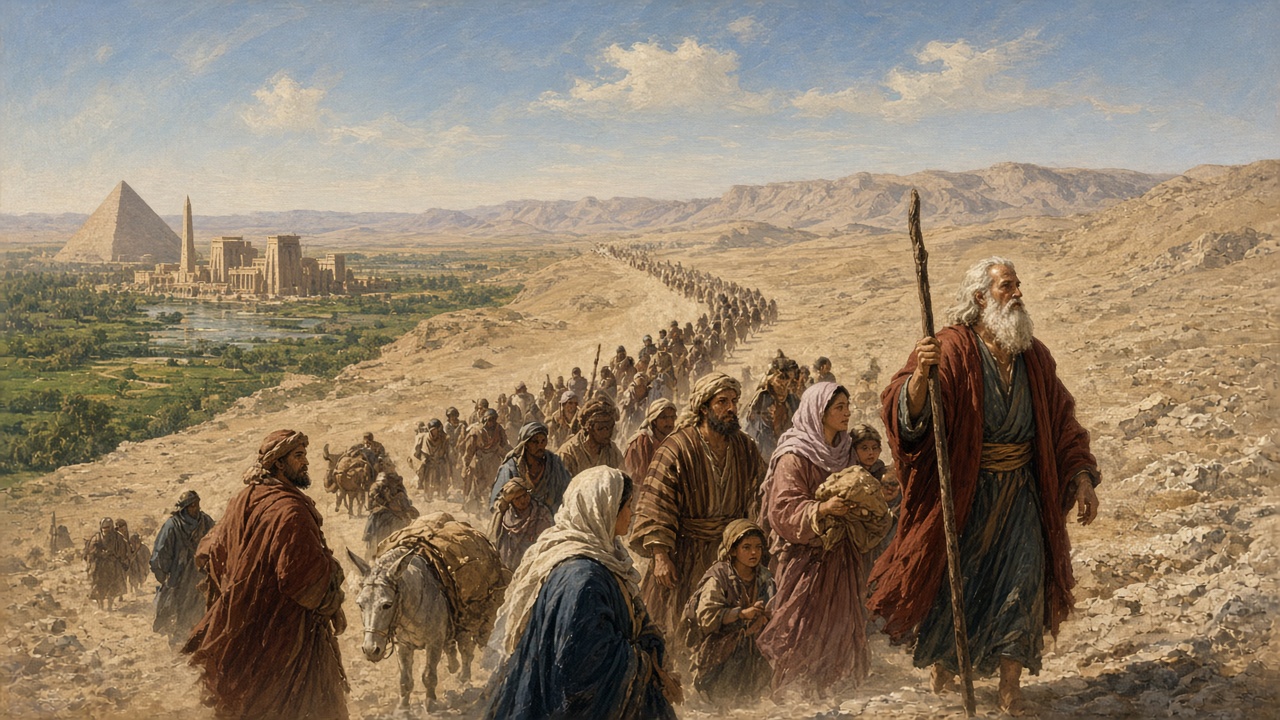
- A advertência volta-se ao povo que Moisés tirou do Egito. Durante quarenta anos no deserto, eles puseram Deus à prova; Deus se irou contra aquela geração e jurou que jamais entrariam no seu descanso, e os corpos deles caíram no deserto. O capítulo diz que a incredulidade os impediu de entrar.Fontes: o próprio texto bíblico
- O Egito, a terra que deixaram com Moisés, é a terra do Nilo e das pirâmides. O dicionário bíblico de Easton (1897) explica o nome Moisés como tirado, ou o liga à palavra egípcia mesu, que significa filho.Fontes: o próprio texto bíblico · Egypt · Moses
Notas escritas com auxílio de IA a partir de fontes abertas (Theographic Bible Metadata, CC BY-SA 4.0; Easton’s Bible Dictionary, domínio público) e revisadas antes de publicar.
Lugares deste capítulo
- Egypt · 30.129, 31.308 · versículo 16
Só aparecem lugares com identificação de alta confiança (90% ou mais segundo as fontes acadêmicas reunidas pelo OpenBible). Mapa da época: DARE (Digital Atlas of the Roman Empire), CC BY 4.0; mapa atual: © colaboradores do OpenStreetMap; lugares: OpenBible.info (CC BY 4.0).
Créditos e licença desta tradução
Sahidica - طبعة جديدة من العهد الجديد باللغة القبطية الصعيدية
Sahidica - A New Edition of the New Testament in Sahidic Coptic
copyright © 2000-2006 J Warren Wells
Language: ⲘⲉⲧⲢⲉⲙ̀ⲛⲭⲏⲙⲓ (Coptic)
Dialect: Sahidic
Translation by: J Warren Wells
Coptic: Sahidic NT "Sahidica - A New Edition of the New Testament in Sahidic Coptic"
Copyright (c)2000-2006 by J Warren Wells. All rights reserved.
For more information visit www.sahidica.org .
This edition is available free of charge for use in free electronic
editions of the New Testament as long as the full title and copyright
information are included and credited. For written permission to use
all or any part of this document in print editions, contact the editor
at www.sahidica.org .
This edition is primarily meant for use by teachers and students of
Sahidic Coptic, and to a lesser degree by Coptologists involved in
scholarly research, textual criticism, or New Testament translation.
PURPOSE
Please note: This text is a work in progress. As such, there
is an ongoing effort to standardize the spelling of words in
the text. Be aware that version updates periodically appear.
The primary purpose is to produce a standardized edition of
the Sahidic NT similar to standard Greek editions.
An additional purpose of this text is to allow side-by-side
comparison with the Greek New Testament. To facilitate this
effort, a new version of the Greek text has been developed,
which is meant to better represent the Greek text upon which
the Sahidic was based. This text is entitled "The New Testament
According to the Egyptian Greek Text" [NTAEG]
This text does not include representation of either accents or
supralinear strokes, since these are used inconsistently in the
original texts. There is also a higher degree of standardization
in spelling and punctuation; like today's standard Greek master
texts, but unlike both the original Sahidic texts, and the PHI
and Coptic Society texts. Moreover, as in standard Greek texts,
instances of the Nomina Sacra have been expanded to their full
forms. This is again a departure from earlier versions of the
Sahidic, including the PHI and Coptic Society texts, which are
Both inconsistent in their usage.
Special thanks to David Brakke of Indiana University Bloomington,
Brigitte Comparini of the Packard Humanities Institute, and
Michael Heiser, Academic Editor, at Logos Research Systems; for
their assistance in making this edition possible.
BASIS
Sahidica was initially based (by permission) on the Coptic New Testament,
which is an electronic publication, which was edited by David Brakke.
(PHI-CD 5.3 dated 7/2/91. Los Altos. Packard Humanities Institute. 1991).
During later development, Sahidica was electronically collated against
the Coptic CD I by the St. Shenouda The Archmandrite Coptic Society.
Los Angeles, CA dated April, 1998.
These two editions were reduced to a raw electronic form, which allowed both
to be compared electronically letter by letter with Sahidica in order to
accurately detect and report every single variation and input error in any
of the texts. Though errors are inevitable, the collators of three seperate
editions are highly unlikely to make the same errors. Therefore, this method
helps to insure the integrity of the Sahidica edition.
Throughout the project, Sahidica was also collated against printed editions
of the following coptic manuscripts, which manuscripts date from the third
century and later.
Matt: Pierpont Morgan Library M-569 collated against Bodmer XIX papyrus
Mark:* PPalau Rib. Inv.Nr.182 collated against Pierpont Morgan Library M-569
Luke: PPalau Rib. Inv.Nr.181 collated against Pierpont Morgan Library M-569
John: PPalau Rib. Inv.Nr.183 collated against Pierpont Morgan Library M-569
Acts: Chester Beatty B (Copt.Ms.814) collated against Berlin P.15926 and British Museum MS Or.7594
Paul: Chester Beatty A (Copt.Ms.813) collated against Pierpont Morgan Library M-570 and M-571
James-Jude:** Pierpont Morgan Library M-572 collated against the Pierpont Morgan Library M-573 and M-601***
Revelation: Berlin MS Or.408 ( British Museum Ms Or.3518) collated against British Museum MS Or.6803
* Note: The longer and shorter endings of Mark are based on Horner; cf Kahle (JTS.1951.p49-57)
** Note: 1st Peter was also collated against the Crosby-Schøyen Ms.193.
*** Note: Portions of James and Jude were reconstructed from M-573, M-601, and four other mss.
Note on Interpolations
The short and long endings of Mark are ommited from the PPalau ms 182, but they do appear in most mss.
To better represent the overall Sahidic tradition, both endings are included, but in double brackets.
The pericope of the adultress (John 7:53-8:11) does not appear in any Sahidic ms. Herein it is omitted.
2014-09-16
Fonte: http://ebible.org/copshc/ · eBible.org