Hebreus 10
Sahidica - طبعة جديدة من العهد الجديد باللغة القبطية الصعيدية · Toque num versículo para ver as referências cruzadas.
1ⲠⲚⲞⲘⲞⲤ ⲄⲀⲢ ⲈⲨⲚⲦⲀϤ ⲘⲘⲀⲨ ⲚⲐⲀⲒⲂⲈⲤ ⲚⲚⲀⲄⲀⲐⲞⲚ ⲈⲦⲚⲀϢⲰⲠⲈ. ⲚⲐⲒⲔⲰⲚ ⲀⲚ ⲚⲚⲈϨⲂⲎⲨⲈ. ϨⲚ ⲚⲒⲐⲨⲤⲒⲀ ⲚⲞⲨⲰⲦ ⲈⲦⲞⲨⲦⲀⲖⲞ ⲘⲘⲞⲞⲨ ⲈϨⲢⲀⲒ ⲚϨⲀϨ ⲚⲤⲞⲠ ⲦⲈⲢⲞⲘⲠⲈ ⲈⲘⲚϢ ϬⲞⲘ ⲈⲚⲈϨ ⲈϪⲰⲔ ⲈⲂⲞⲖ ⲚⲚⲈⲦⲚⲀϮⲠⲈⲨⲞⲨⲒ ⲈⲢⲞⲞⲨ. 2ⲈⲘⲘⲞⲚ ⲚⲈⲨⲚⲀⲖⲞ ⲀⲚ ⲠⲈ ⲈⲨⲦⲀⲖⲞ ⲘⲘⲞⲞⲨ ⲈϨⲢⲀⲒ. ⲈⲂⲞⲖ ϬⲈ ϪⲈ ⲘⲚ ⲖⲀⲀⲨ ⲚⲤⲨⲚⲒⲆⲎⲤⲒⲤ ⲚⲚⲞⲂⲈ ϨⲚ ⲚⲈⲦϢⲘϢⲈ ⲈⲀⲨⲦⲂⲂⲞ ⲚⲞⲨⲤⲞⲠ. 3ⲀⲖⲖⲀ ⲞⲨⲚⲢⲠⲘⲈⲈⲨⲈ ⲚϨⲎⲦⲞⲨ ⲚⲚⲞⲂⲈ ⲦⲈⲢⲞⲘⲠⲈ. 4ⲞⲨⲀⲦϬⲞⲘ ⲄⲀⲢ ⲠⲈ ⲈⲦⲢⲈ ⲤⲚⲞϤ ⲚϬⲒⲈ ϨⲒ ⲘⲀⲤⲈ ⲔⲀ ⲚⲞⲂⲈ ⲈⲂⲞⲖ. 5ⲈⲦⲂⲈ ⲠⲀⲒ ⲈϤⲚⲎⲨ ⲈϨⲞⲨⲚ ⲈⲠⲔⲞⲤⲘⲞⲤ. ϢⲀϤϪⲞⲞⲤ ϪⲈ ⲞⲨⲐⲨⲤⲒⲀ ⲘⲚ ⲞⲨⲠⲢⲞⲤⲪⲞⲢⲀ ⲘⲠⲔⲞⲨⲀϢⲞⲨ. ⲞⲨⲤⲰⲘⲀ ⲆⲈ ⲀⲔⲤⲂⲦⲰⲦϤ ⲚⲀⲒ. 6ⲞⲨϬⲖⲒⲖ ⲘⲚ ⲚⲈϢⲀⲨⲦⲀⲀⲨ ϨⲀ ⲚⲞⲂⲈ ⲘⲠⲔⲢϨⲚⲀⲔ ⲚϨⲎⲦⲞⲨ. 7ⲦⲞⲦⲈ ⲀⲒϪⲞⲞⲤ ϪⲈ ⲈⲒⲤ ϨⲎⲎⲦⲈ ϮⲚⲎⲨ. ϤⲤⲎϨ ϨⲚ ⲞⲨⲔⲈⲪⲀⲖⲒⲤ ⲚϪⲰⲰⲘⲈ ⲈⲦⲂⲎⲎⲦ ⲈⲦⲢⲀⲈⲒⲢⲈ ⲠⲚⲞⲨⲦⲈ ⲘⲠⲈⲔⲞⲨⲰϢ. 8ⲚⲦⲠⲈ ⲆⲈ ϤϪⲰ ⲘⲘⲞⲤ ϪⲈ ⲞⲨⲐⲨⲤⲒⲀ ⲘⲚ ⲞⲨⲠⲢⲞⲤⲪⲞⲢⲀ ⲘⲚ ϨⲈⲚϬⲖⲒⲖ ⲘⲚ ⲚⲈϢⲀⲨⲦⲀⲀⲨ ϨⲀ ⲚⲞⲂⲈ ⲘⲠⲔⲞⲨⲀϢⲞⲨ ⲞⲨⲆⲈ ⲘⲠⲔⲢϨⲚⲀⲔ ⲚϨⲎⲦⲞⲨ ⲚⲀⲒ ⲈϢⲀⲨⲦⲀⲖⲞⲞⲨ ⲈϨⲢⲀⲒ ⲔⲀⲦⲀ ⲠⲚⲞⲘⲞⲤ. 9ⲦⲞⲦⲈ ⲀϤϪⲞⲞⲤ ϪⲈ ⲈⲒⲤ ϨⲎⲎⲦⲈ ϮⲚⲎⲨ ⲈⲦⲢⲀⲈⲒⲢⲈ ⲘⲠⲈⲔⲞⲨⲰϢ. ϢⲀϤϤⲒ ⲘⲠϢⲞⲢⲠ ϪⲈ ⲈϤⲈⲦⲀϨⲈ ⲠⲘⲈϨⲤⲚⲀⲨ ⲈⲢⲀⲦϤ. 10ϨⲘ ⲠⲈⲒⲞⲨⲰϢ ⲈⲚⲦⲂⲂⲎⲨ ⲚϨⲎⲦϤ ϨⲒⲦⲚ ⲦⲈⲠⲢⲞⲤⲪⲞⲢⲀ ⲘⲠⲤⲰⲘⲀ ⲚⲒⲎⲤⲞⲨⲤ ⲠⲈⲬⲢⲒⲤⲦⲞⲤ ⲚⲞⲨⲤⲞⲠ. 11ⲀⲢⲬⲒⲈⲢⲈⲨⲤ ⲘⲈⲚ ⲚⲒⲘ ⲀϨⲈⲢⲀⲦϤ ⲘⲘⲎⲚⲈ ⲈϤϢⲘϢⲈ. ⲈⲦⲀⲖⲞ ⲈϨⲢⲀⲒ ⲚⲚⲒⲐⲨⲤⲒⲀ ⲚⲞⲨⲰⲦ ⲚϨⲀϨ ⲚⲤⲞⲠ. ⲚⲀⲒ ⲈⲘⲚϬⲞⲘ ⲘⲘⲞⲞⲨ ⲈⲚⲈϨ ⲈⲔⲀ ⲚⲞⲂⲈ ⲈⲂⲞⲖ. 12ⲠⲀⲒ ⲆⲈ ⲀϤⲦⲀⲖⲞϤ ⲈϨⲢⲀⲒ ⲚⲞⲨⲐⲨⲤⲒⲀ ⲚⲞⲨⲰⲦ ϨⲀⲚⲞⲂⲈ ⲀϤϨⲘⲞⲞⲤ ϢⲀ ⲈⲚⲈϨ ⲚⲤⲀⲞⲨⲚⲀⲘ ⲘⲠⲚⲞⲨⲦⲈ. 13ⲈϤϬⲰϢⲦ ⲈⲂⲞⲖ ϢⲀⲚⲦⲞⲨⲔⲰ ⲚⲚⲈϤϪⲀϪⲈ ϨⲀ ⲠⲈⲤⲎⲦ ⲚⲚⲈϤⲞⲨⲈⲢⲎⲦⲈ. 14ϨⲚ ⲞⲨⲠⲢⲞⲤⲪⲞⲢⲀ ⲄⲀⲢ ⲚⲞⲨⲰⲦ ⲀϤϪⲰⲔ ⲈⲂⲞⲖ ⲚⲚⲈⲦⲚⲀⲦⲂⲂⲞ ϢⲀ ⲈⲚⲈϨ. 15ϤⲢⲘⲚⲦⲢⲈ ⲆⲈ ⲚⲀⲚ ⲚϬⲒ ⲠⲈⲠⲚⲈⲨⲘⲀ ⲈⲦⲞⲨⲀⲀⲂ ⲘⲚⲚⲤⲀ ⲦⲢⲈϤϪⲞⲞⲤ ⲄⲀⲢ 16ϪⲈ ⲦⲀⲒ ⲦⲈ ⲦⲆⲒⲀⲐⲎⲔⲎ ⲈϮⲚⲀⲤⲘⲚⲦⲤ ⲚⲘⲘⲀⲨ ⲘⲚⲚⲤⲀ ⲚⲈϨⲞⲞⲨ ⲈⲦⲘⲘⲀⲨ ⲠⲈϪⲈ ⲠϪⲞⲈⲒⲤ. ⲈⲒⲈϮⲚⲀⲚⲞⲘⲞⲤ ⲈϪⲚ ⲚⲈⲨϨⲎⲦ ⲦⲀⲤϨⲀⲒⲤⲞⲨ ⲈϪⲚ ⲚⲈⲨⲘⲈⲈⲨⲈ. 17ⲘⲚⲚⲤⲰⲤ ϢⲀϤϪⲞⲞⲤ ϪⲈ ⲚⲈⲨⲚⲞⲂⲈ ⲘⲚ ⲚⲈⲨⲀⲚⲞⲘⲒⲀ ⲚⲚⲀⲢⲠⲈⲨⲘⲈⲈⲨⲈ ϬⲈ. 18ϨⲞⲠⲞⲨ ⲆⲈ ⲔⲰ ⲈⲂⲞⲖ ⲚⲚⲀⲒ. ⲈⲒⲈ ⲘⲚⲦⲀⲖⲞ ϬⲈ ⲈϨⲢⲀⲒ ϨⲀ ⲚⲞⲂⲈ. 19ⲈⲨⲚⲦⲀⲚ ϬⲈ ⲘⲘⲀⲨ ⲚⲀⲤⲚⲎⲨ ⲚⲞⲨⲠⲀⲢϨⲎⲤⲒⲀ ⲈϨⲞⲨⲚ ⲈⲘⲠⲈⲦⲞⲨⲀⲀⲂ ϨⲘ ⲠⲈⲤⲚⲞϤ ⲚⲒⲎⲤⲞⲨⲤ. 20ⲦⲈϨⲒⲎ ⲈⲚⲦⲀϤⲔⲈϨⲔⲰϨⲤ ⲚⲀⲚ ⲚⲂⲢⲢⲈ ⲈⲦⲞⲚϨ ϨⲒⲦⲘ ⲠⲔⲀⲦⲀⲠⲈⲦⲀⲤⲘⲀ ⲈⲦⲈ ⲠⲀⲒ ⲠⲈ ⲦⲈϤⲤⲀⲢⲜ. 21ⲀⲨⲰ ⲞⲨⲚⲞϬ ⲚⲞⲨⲎⲎⲂ ⲈϪⲘ ⲠⲎⲈⲒ ⲘⲠⲚⲞⲨⲦⲈ. 22ⲘⲀⲢⲚϮⲠⲈⲚⲞⲨⲞⲒ ϨⲚ ⲞⲨϨⲎⲦ ⲘⲘⲈ. ϨⲚ ⲞⲨⲦⲰⲦ ⲚϨⲎⲦ ⲘⲠⲒⲤⲦⲒⲤ ⲈⲢⲈ ⲚⲈⲚϨⲎⲦ ϬⲈϢϬⲰϢ ⲈⲂⲞⲖ ϨⲚ ⲞⲨⲤⲨⲚⲒⲆⲎⲤⲒⲤ ⲘⲠⲞⲚⲎⲢⲞⲚ ⲈⲢⲈ ⲠⲈⲚⲤⲰⲘⲀ ϪⲞⲔⲘ ϨⲚ ⲞⲨⲘⲞⲞⲨ ⲈϤⲞⲨⲀⲀⲂ. 23ⲚⲦⲚⲀⲘⲀϨⲦⲈ ⲚⲐⲞⲘⲞⲖⲞⲄⲒⲀ ⲚⲐⲈⲖⲠⲒⲤ ⲀϪⲚⲢⲒⲔⲈ ⲞⲨⲠⲒⲤⲦⲞⲤ ⲄⲀⲢ ⲠⲈ ⲠⲈⲚⲦⲀϤⲈⲢⲎⲦ 24ⲚⲦⲚϬⲰϢⲦ ⲚⲤⲀ ⲚⲈⲚⲈⲢⲎⲨ ⲈⲨⲠⲀⲢⲞⲜⲨⲤⲘⲞⲤ ⲚⲀⲄⲀⲠⲎ ⲘⲚ ϨⲈⲚϨⲂⲎⲨⲈ ⲈⲚⲀⲚⲞⲨⲞⲨ. 25ⲈⲘⲠⲚⲔⲰ ⲚⲤⲰⲚ ⲚⲦⲈⲚⲤⲨⲚⲀⲄⲰⲄⲎ ⲚⲐⲈ ⲈⲠⲤⲰⲚⲦ ⲚϨⲞⲒⲚⲈ ⲠⲈ. ⲀⲖⲖⲀ ⲈⲦⲈⲦⲚⲠⲀⲢⲀⲔⲀⲖⲈⲒ. ⲀⲨⲰ ⲚⲦⲈⲈⲒϨⲈ ⲚϨⲞⲨⲞ ⲚⲐⲈ ⲈⲦⲈⲦⲚⲚⲀⲨ ⲈⲠⲈϨⲞⲞⲨ ⲈϤϨⲰⲚ ⲈϨⲞⲨⲚ. 26ⲈⲚⲢⲚⲞⲂⲈ ⲄⲀⲢ ⲚⲦⲈⲚϬⲞⲘ ⲘⲚⲚⲤⲀ ⲦⲢⲈⲚϪⲒ ⲘⲠⲤⲞⲞⲨⲚ ⲚⲦⲘⲈ. ⲘⲚ ⲐⲨⲤⲒⲀ ϬⲈ ⲚⲀϢⲰϪⲠ ϨⲀ ⲚⲞⲂⲈ. 27ⲞⲨϨⲞⲦⲈ ⲆⲈ ⲠⲈ ⲈϬⲰϢⲦ ⲈⲂⲞⲖ ϨⲎⲦⲤ ⲚⲦⲈⲔⲢⲒⲤⲒⲤ. ⲘⲚ ⲠⲔⲰϨⲦ ⲚⲦⲤⲀⲦⲈ ⲈⲦⲚⲀⲞⲨⲰⲘ ⲚⲚϪⲀϪⲈ. 28ⲈⲢϢⲀⲚ ⲞⲨⲀ ⲀⲐⲈⲦⲈⲒ ⲘⲠⲚⲞⲘⲞⲤ ⲘⲘⲰⲨⲤⲎⲤ ⲚⲞⲨⲈϢ ⲘⲘⲚⲦϢⲚϨⲦⲎϤ. ϨⲒⲘⲚⲦⲢⲈ ⲤⲚⲀⲨ. ⲎϢⲞⲘⲚⲦ ϢⲀϤⲘⲞⲨ. 29ⲈⲒⲈ ⲦⲈⲦⲚϪⲰ ⲘⲘⲞⲤ ϪⲈ ϤⲚⲀⲘⲠϢⲀ ⲚⲚⲀⲞⲨⲎⲢ ⲚⲦⲒⲘⲰⲢⲒⲀ ⲚϬⲒ ⲠⲈⲦⲚⲀⲤⲈϢϤ ⲠϢⲎⲢⲈ ⲘⲠⲚⲞⲨⲦⲈ ⲈⲀϤⲈⲠ ⲠⲤⲚⲞϤ ⲚⲦⲆⲒⲀⲐⲎⲔⲎ ϪⲈ ϤϪⲀϨⲘ ⲠⲀⲒ ⲈⲚⲦⲀⲨⲦⲂⲂⲞϤ ⲚϨⲎⲦϤ ⲈⲀϤⲤⲰϢ ⲘⲠⲈⲠⲚⲈⲨⲘⲀ ⲚⲦⲈⲬⲀⲢⲒⲤ. 30ⲦⲚⲤⲞⲞⲨⲚ ⲄⲀⲢ ⲘⲠⲈⲚⲦⲀϤϪⲞⲞⲤ ϪⲈ ⲚⲞⲨϪⲈ ⲈⲢⲞⲒ ⲘⲠⲈⲔⲂⲀ. ⲀⲨⲰ ⲀⲚⲞⲔ ϮⲚⲀⲦⲰⲰⲂⲈ. ⲀⲨⲰ ⲞⲚ ϪⲈ ⲠϪⲞⲈⲒⲤ ⲚⲀⲔⲢⲒⲚⲈ ⲘⲠⲈϤⲖⲀⲞⲤ. 31ⲞⲨϨⲞⲦⲈ ⲆⲈ ⲠⲈ ϨⲈ ⲈϨⲢⲀⲒ ⲈⲚϬⲒϪ ⲘⲠⲚⲞⲨⲦⲈ ⲈⲦⲞⲚϨ. 32ⲀⲢⲒⲠⲘⲈⲈⲨⲈ ⲆⲈ ⲚⲚⲈϨⲞⲞⲨ ⲚϢⲞⲢⲠ ⲈⲚⲦⲀⲦⲈⲦⲚϪⲒ ⲞⲨⲞⲈⲒⲚ ⲚϨⲎⲦⲞⲨ. ⲈⲀⲦⲈⲦⲚϨⲨⲠⲞⲘⲒⲚⲈ ϨⲚ ⲞⲨⲚⲞϬ ⲚⲀⲐⲖⲎⲤⲒⲤ ⲘⲘⲚⲦⲢⲈϤϢⲠϨⲒⲤⲈ. 33ⲠⲀⲒ ⲘⲈⲚ ⲚⲈⲨⲤⲰⲂⲈ ⲚⲤⲰⲦⲚ ϨⲚ ϨⲈⲚⲚⲞϬⲚⲈϬ ⲘⲚ ϨⲈⲚⲐⲖⲒⲮⲒⲤ. ⲠⲈⲒⲔⲈ ⲆⲈ ⲞⲚ ⲈⲀⲦⲈⲦⲚⲢⲔⲞⲒⲚⲰⲚⲞⲤ ⲚⲚⲈⲦϢⲞⲞⲠ ϨⲒ ⲚⲀⲒ. 34ⲔⲀⲒⲄⲀⲢ ⲀⲦⲈⲦⲚϢⲠϨⲒⲤⲈ ⲘⲚ ⲚⲈⲦⲘⲎⲢ ⲀⲨⲰ ⲠⲦⲰⲢⲠ ⲚⲚⲈⲦⲚϨⲨⲠⲀⲢⲬⲞⲚⲦⲀ ⲀⲦⲈⲦⲚϢⲞⲠϤ ⲈⲢⲰⲦⲚ ϨⲚ ⲞⲨⲢⲀϢⲈ ⲈⲦⲈⲦⲚⲈⲒⲘⲈ ϪⲈ ⲞⲨⲚⲦⲎⲦⲚ ⲘⲘⲀⲨ ⲚⲞⲨⲘⲚⲦⲢⲘⲘⲀⲞ ⲈⲤⲤⲞⲦⲠ ⲈⲤⲘⲎⲚ ⲈⲂⲞⲖ. 35ⲘⲠⲢⲚⲞⲨϪⲈ ϬⲈ ⲈⲂⲞⲖ ⲚⲦⲈⲦⲚ ⲠⲀⲢϨⲎⲤⲒⲀ ⲦⲀⲒ ⲈⲦⲈⲞⲨⲚⲦⲤ ⲞⲨⲚⲞϬ ⲚⲦⲞⲨⲈⲒⲞ ⲚⲂⲈⲔⲈ. 36ⲈⲦⲈⲦⲚⲢⲬⲢⲒⲀ ⲄⲀⲢ ⲚⲞⲨϨⲨⲠⲞⲘⲞⲚⲎ. ϪⲈⲔⲀⲀⲤ ⲈⲀⲦⲈⲦⲚⲢⲠⲞⲨⲰϢ ⲘⲠⲚⲞⲨⲦⲈ ⲚⲦⲈⲦⲚϪⲒ ⲘⲠⲈⲢⲎⲦ. 37ⲈⲦⲈⲒ ⲄⲀⲢ ⲔⲈⲔⲞⲨⲒ ⲠⲈ ϨⲞⲤⲞⲚ. ϨⲞⲤⲞⲚ ⲠⲈⲦⲚⲎⲨ ⲚⲎⲨ ⲚϤⲚⲀⲰⲤⲔ ⲀⲚ 38ⲠⲀⲆⲒⲔⲀⲒⲞⲤ ⲆⲈ ⲈϤⲚⲀⲰⲚϨ ⲈⲂⲞⲖ ϨⲚ ⲦⲠⲒⲤⲦⲒⲤ. ⲈϢⲰⲠⲈ ⲈϤϢⲀⲚϨⲰⲠ ⲚϨⲚⲈ ⲦⲀⲮⲨⲬⲎ ⲀⲚ ⲚϨⲎⲦϤ. 39ⲀⲚⲞⲚ ⲆⲈ ⲚⲈⲚⲎⲠ ⲀⲚ ⲈⲠϨⲰⲠ ⲈⲠⲦⲀⲔⲞ. ⲀⲖⲖⲀ ⲈⲨⲠⲒⲤⲦⲒⲤ ⲈⲨⲞⲨϪⲀⲒ ⲚⲦⲈⲚⲮⲨⲬⲎ.
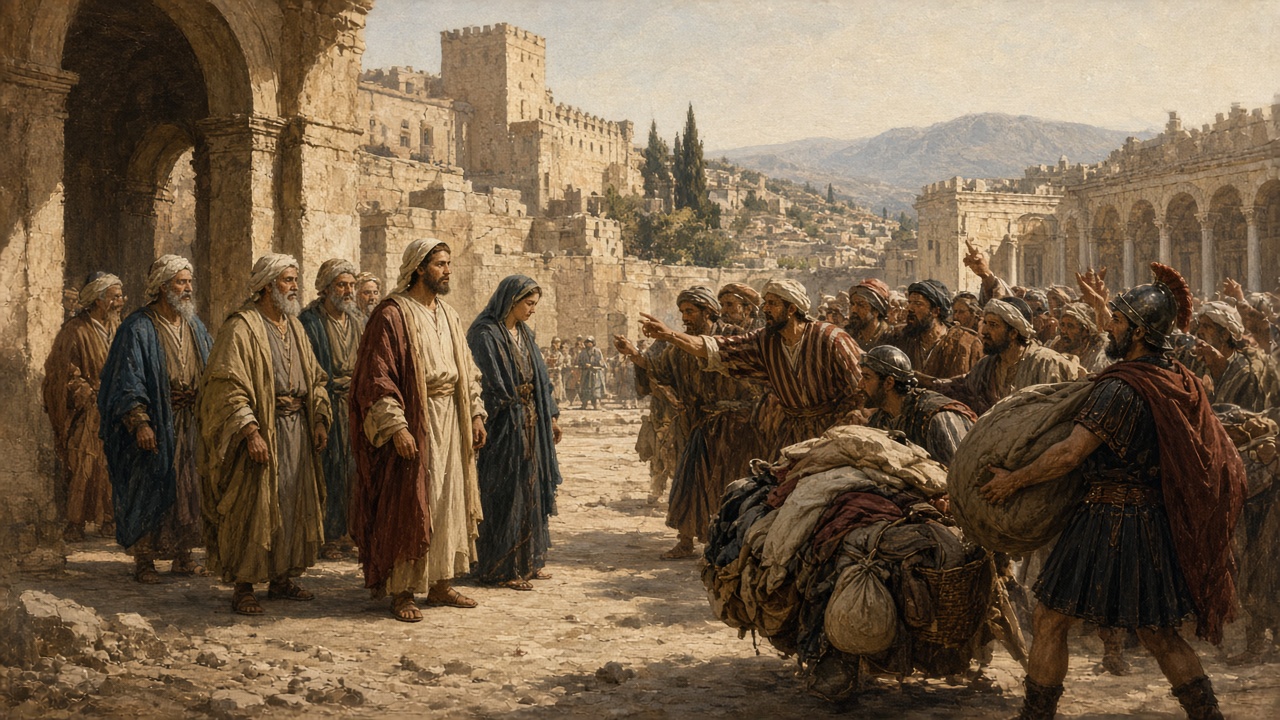
Você sabia?
Um sacrifício oferecido uma vez por todas
- A lei é chamada apenas de sombra das boas coisas que hão de vir. Os sacrifícios repetidos ano após ano, e o sangue de bois e bodes, são apresentados como lembrança dos pecados para os adoradores, e não como algo que os tire; em contraste, o sacrifício do corpo de Jesus Cristo é descrito como aquilo que santifica as pessoas de uma vez por todas.Fontes: o próprio texto bíblico
- Cada sacerdote é retratado de pé, dia após dia, para oferecer os mesmos sacrifícios, que jamais podem tirar pecados. Depois de um único sacrifício pelos pecados, diz-se que este Sacerdote sentou-se à direita de Deus, e o capítulo fala de um caminho novo e vivo para o Santo dos Santos, através do véu do seu corpo.Fontes: o próprio texto bíblico
- Rejeitar a lei de Moisés, diz o capítulo, trazia morte sem misericórdia pelo testemunho de duas ou três testemunhas. Em seguida, o texto recorda um tempo anterior em que os leitores suportaram zombaria e perseguição públicas, permaneceram ao lado dos que eram assim tratados, se compadeceram dos que estavam na prisão e aceitaram com alegria a confiscação dos seus bens.Fontes: o próprio texto bíblico
Notas escritas com auxílio de IA a partir de fontes abertas (Theographic Bible Metadata, CC BY-SA 4.0; Easton’s Bible Dictionary, domínio público) e revisadas antes de publicar.
Lugares deste capítulo
Só aparecem lugares com identificação de alta confiança (90% ou mais segundo as fontes acadêmicas reunidas pelo OpenBible). Mapa da época: DARE (Digital Atlas of the Roman Empire), CC BY 4.0; mapa atual: © colaboradores do OpenStreetMap; lugares: OpenBible.info (CC BY 4.0).
Créditos e licença desta tradução
Sahidica - طبعة جديدة من العهد الجديد باللغة القبطية الصعيدية
Sahidica - A New Edition of the New Testament in Sahidic Coptic
copyright © 2000-2006 J Warren Wells
Language: ⲘⲉⲧⲢⲉⲙ̀ⲛⲭⲏⲙⲓ (Coptic)
Dialect: Sahidic
Translation by: J Warren Wells
Coptic: Sahidic NT "Sahidica - A New Edition of the New Testament in Sahidic Coptic"
Copyright (c)2000-2006 by J Warren Wells. All rights reserved.
For more information visit www.sahidica.org .
This edition is available free of charge for use in free electronic
editions of the New Testament as long as the full title and copyright
information are included and credited. For written permission to use
all or any part of this document in print editions, contact the editor
at www.sahidica.org .
This edition is primarily meant for use by teachers and students of
Sahidic Coptic, and to a lesser degree by Coptologists involved in
scholarly research, textual criticism, or New Testament translation.
PURPOSE
Please note: This text is a work in progress. As such, there
is an ongoing effort to standardize the spelling of words in
the text. Be aware that version updates periodically appear.
The primary purpose is to produce a standardized edition of
the Sahidic NT similar to standard Greek editions.
An additional purpose of this text is to allow side-by-side
comparison with the Greek New Testament. To facilitate this
effort, a new version of the Greek text has been developed,
which is meant to better represent the Greek text upon which
the Sahidic was based. This text is entitled "The New Testament
According to the Egyptian Greek Text" [NTAEG]
This text does not include representation of either accents or
supralinear strokes, since these are used inconsistently in the
original texts. There is also a higher degree of standardization
in spelling and punctuation; like today's standard Greek master
texts, but unlike both the original Sahidic texts, and the PHI
and Coptic Society texts. Moreover, as in standard Greek texts,
instances of the Nomina Sacra have been expanded to their full
forms. This is again a departure from earlier versions of the
Sahidic, including the PHI and Coptic Society texts, which are
Both inconsistent in their usage.
Special thanks to David Brakke of Indiana University Bloomington,
Brigitte Comparini of the Packard Humanities Institute, and
Michael Heiser, Academic Editor, at Logos Research Systems; for
their assistance in making this edition possible.
BASIS
Sahidica was initially based (by permission) on the Coptic New Testament,
which is an electronic publication, which was edited by David Brakke.
(PHI-CD 5.3 dated 7/2/91. Los Altos. Packard Humanities Institute. 1991).
During later development, Sahidica was electronically collated against
the Coptic CD I by the St. Shenouda The Archmandrite Coptic Society.
Los Angeles, CA dated April, 1998.
These two editions were reduced to a raw electronic form, which allowed both
to be compared electronically letter by letter with Sahidica in order to
accurately detect and report every single variation and input error in any
of the texts. Though errors are inevitable, the collators of three seperate
editions are highly unlikely to make the same errors. Therefore, this method
helps to insure the integrity of the Sahidica edition.
Throughout the project, Sahidica was also collated against printed editions
of the following coptic manuscripts, which manuscripts date from the third
century and later.
Matt: Pierpont Morgan Library M-569 collated against Bodmer XIX papyrus
Mark:* PPalau Rib. Inv.Nr.182 collated against Pierpont Morgan Library M-569
Luke: PPalau Rib. Inv.Nr.181 collated against Pierpont Morgan Library M-569
John: PPalau Rib. Inv.Nr.183 collated against Pierpont Morgan Library M-569
Acts: Chester Beatty B (Copt.Ms.814) collated against Berlin P.15926 and British Museum MS Or.7594
Paul: Chester Beatty A (Copt.Ms.813) collated against Pierpont Morgan Library M-570 and M-571
James-Jude:** Pierpont Morgan Library M-572 collated against the Pierpont Morgan Library M-573 and M-601***
Revelation: Berlin MS Or.408 ( British Museum Ms Or.3518) collated against British Museum MS Or.6803
* Note: The longer and shorter endings of Mark are based on Horner; cf Kahle (JTS.1951.p49-57)
** Note: 1st Peter was also collated against the Crosby-Schøyen Ms.193.
*** Note: Portions of James and Jude were reconstructed from M-573, M-601, and four other mss.
Note on Interpolations
The short and long endings of Mark are ommited from the PPalau ms 182, but they do appear in most mss.
To better represent the overall Sahidic tradition, both endings are included, but in double brackets.
The pericope of the adultress (John 7:53-8:11) does not appear in any Sahidic ms. Herein it is omitted.
2014-09-16
Fonte: http://ebible.org/copshc/ · eBible.org