Atos 8
Sahidica - طبعة جديدة من العهد الجديد باللغة القبطية الصعيدية · Toque num versículo para ver as referências cruzadas.
1ⲤⲀⲨⲖⲞⲤ ⲆⲈ ⲚⲈϤⲤⲨⲚⲈⲨⲆⲞⲔⲒ ⲠⲈ ⲈⲠⲈϤϨⲰⲦⲂ. ⲀⲤϢⲰⲠⲈ ⲆⲈ ⲘⲠⲈϨⲞⲞⲨ ⲈⲦⲘⲘⲀⲨ ⲚϬⲒ ⲞⲨⲐⲖⲒⲮⲒⲤ ⲘⲚ ⲞⲨⲚⲞϬ ⲚⲆⲒⲰⲄⲘⲞⲤ ⲈϨⲢⲀⲒ ⲈϪⲚ ⲦⲈⲔⲔⲖⲎⲤⲒⲀ ⲈⲦϨⲚ ⲐⲒⲈⲢⲞⲤⲞⲖⲨⲘⲀ. ⲞⲨⲞⲚ ⲆⲈ ⲚⲒⲘ ⲀⲨϪⲰⲰⲢⲈ ⲈⲂⲞⲖ ⲈⲚⲈⲬⲰⲢⲀ ⲚϮⲞⲨⲆⲀⲒⲀ ⲘⲚ ⲦⲤⲀⲘⲀⲢⲒⲀ ϢⲀⲦⲚ ⲚⲀⲠⲞⲤⲦⲞⲖⲞⲤ ⲘⲀⲨⲀⲀⲨ ⲈⲀⲨϬⲰ ϨⲚ ⲐⲒⲈⲢⲞⲤⲞⲖⲨⲘⲀ. 2ⲀⲨⲔⲰⲰⲤ ⲆⲈ ⲚⲤⲦⲈⲪⲀⲚⲞⲤ ⲚϬⲒ ϨⲈⲚⲢⲰⲘⲈ ⲚⲢⲈϤⲢϨⲞⲦⲈ ⲈⲀⲨⲈⲒⲢⲈ ⲚⲞⲨⲚⲞϬ ⲚⲚⲈϨⲠⲈ ⲈϨⲢⲀⲒ ⲈϪⲰϤ. 3ⲤⲀⲨⲖⲞⲤ ⲆⲈ ⲚⲈϤϢⲰϤ ⲠⲈ ⲚⲦⲈⲔⲔⲖⲎⲤⲒⲀ. ⲈϤⲂⲎⲔ ⲈϨⲞⲨⲚ ⲈⲚⲎⲒ ⲈϤⲤⲰⲔ ⲈⲂⲞⲖ ⲚⲚⲢⲰⲘⲈ ⲘⲚ ⲚⲈϨⲒⲞⲘⲈ ⲈϤⲚⲞⲨϪⲈ ⲘⲘⲞⲞⲨ ⲈⲠⲈϢⲦⲈⲔⲞ. 4ⲚⲦⲞⲞⲨ ⲆⲈ ⲚⲦⲈⲢⲞⲨϪⲰⲰⲢⲈ ⲈⲂⲞⲖ. ⲀⲨⲘⲞⲞϢⲈ ⲈⲨⲦⲀϢⲈⲞⲈⲒϢ ⲘⲠϢⲀϪⲈ ⲔⲀⲦⲀ ⲠⲞⲖⲒⲤ. 5ⲪⲒⲖⲒⲠⲠⲞⲤ ⲆⲈ ⲀϤⲈⲒ ⲈϨⲢⲀⲒ ⲈⲨⲠⲞⲖⲒⲤ ⲚⲦⲈ ⲦⲤⲀⲘⲀⲢⲒⲀ ⲀϤⲔⲎⲢⲨⲤⲤⲈ ⲚⲀⲨ ⲘⲠⲈⲬⲢⲒⲤⲦⲞⲤ. 6ⲘⲘⲎⲎϢⲈ ⲆⲈ ⲈⲚⲈⲨϮ ⲚϨⲦⲎⲨ ϨⲒ ⲞⲨⲤⲞⲠ ⲈⲚⲈⲦⲈⲢⲈ ⲪⲒⲖⲒⲠⲠⲞⲤ ϪⲰ ⲘⲘⲞⲞⲨ. ϨⲘ ⲠⲦⲢⲈⲨⲤⲰⲦⲘ ⲈⲢⲞϤ ⲀⲨⲰ ⲚⲤⲈⲚⲀⲨ ⲈⲘⲘⲀⲈⲒⲚ ⲈⲚⲈϤⲈⲒⲢⲈ ⲘⲘⲞⲞⲨ. 7ϨⲀϨ ⲄⲀⲢ ⲚⲚⲈⲦⲈⲢⲈ ⲚⲈⲠⲚⲈⲨⲘⲀ ⲚⲀⲔⲀⲐⲀⲢⲦⲞⲚ ϨⲒⲰⲞⲨ. ⲚⲈⲨⲰϢ ⲈⲂⲞⲖ ϨⲚ ⲞⲨⲚⲞϬ ⲚⲤⲘⲎ ⲈⲨⲚⲎⲨ ⲈⲂⲞⲖ ⲚϨⲎⲦⲞⲨ. ⲞⲨⲘⲎⲎϢⲈ ⲆⲈ ⲞⲚ ⲈⲨⲤⲎϬ ⲀⲨⲰ ⲚϬⲀⲖⲈ ⲀϤⲦⲀⲖϬⲞⲞⲨ. 8ⲞⲨⲚⲞϬ ⲚⲢⲀϢⲈ ⲀϤϢⲰⲠⲈ ϨⲚ ⲦⲠⲞⲖⲒⲤ ⲈⲦⲘⲘⲀⲨ. 9ⲚⲈⲨⲚ ⲞⲨⲢⲰⲘⲈ ⲆⲈ ϨⲚ ⲦⲠⲞⲖⲒⲤ ⲈⲠⲈϤⲢⲀⲚ ⲠⲈ ⲤⲒⲘⲰⲚ ⲈϤⲢϨⲒⲔ. ⲀⲨⲰ ⲈϤⲠⲰϢⲤ ⲘⲠϨⲈⲐⲚⲞⲤ ⲚⲦⲤⲀⲘⲀⲢⲒⲀ ⲈϤϪⲰ ⲘⲘⲞⲤ ⲈⲢⲞϤ ϪⲈ ⲀⲚⲞⲔ ⲠⲈ. 10ⲀⲨⲰ ⲚⲈⲨϮ ⲚϨⲦⲎⲨ ⲈⲢⲞϤ ⲦⲎⲢⲞⲨ ϪⲒⲚ ⲠⲈⲨⲔⲞⲨⲒ ϢⲀ ⲠⲈⲨⲚⲞϬ. ⲈⲨϪⲰ ⲘⲘⲞⲤ ϪⲈ ⲠⲀⲒ ⲠⲈ ⲦⲚⲞϬ ⲚϬⲞⲘ ⲚⲦⲈ ⲠⲚⲞⲨⲦⲈ. 11ⲚⲈⲨⲠⲢⲞⲤⲈⲬⲈ ⲆⲈ ⲈⲢⲞϤ. ⲈⲂⲞⲖ ϪⲈ ⲀϤⲢⲞⲨⲚⲞϬ ⲚⲞⲨⲞⲒϢ ⲈϤⲠⲰϢⲤ ⲘⲘⲞⲞⲨ ϨⲚ ⲘⲘⲚⲦⲘⲀⲄⲞⲤ. 12ⲚⲦⲈⲢⲞⲨⲤⲰⲦⲘ ⲆⲈ ⲈⲪⲒⲖⲒⲠⲠⲞⲤ ⲈϤⲈⲨⲀⲄⲄⲈⲖⲒⲌⲈ ⲚⲦⲘⲚⲦⲢⲢⲞ ⲘⲠⲚⲞⲨⲦⲈ. ⲀⲨⲰ ⲘⲠⲢⲀⲚ ⲚⲒⲎⲤⲞⲨⲤ ⲠⲈⲬⲢⲒⲤⲦⲞⲤ. ⲀⲨϪⲒⲂⲀⲠⲦⲒⲤⲘⲀ ⲚϬⲒ ⲚⲢⲰⲘⲈ ⲀⲨⲰ ⲚⲈϨⲒⲞⲘⲈ. 13ⲤⲒⲘⲰⲚ ϨⲰⲰϤ ⲞⲚ ⲀϤⲠⲒⲤⲦⲈⲨⲈ ⲀⲨⲰ ⲚⲦⲈⲢⲈϤϪⲒⲂⲀⲠⲦⲒⲤⲘⲀ ⲚⲈϤⲠⲢⲞⲤⲔⲀⲢⲦⲈⲢⲒ ⲈⲪⲒⲖⲒⲠⲠⲞⲤ ⲈϤⲚⲀⲨ ⲆⲈ ⲈϨⲈⲚⲘⲀⲈⲒⲚ ⲘⲚ ϨⲈⲚⲚⲞϬ ⲚϬⲞⲘ ⲈϤⲈⲒⲢⲈ ⲘⲘⲞⲞⲨ ⲀϤⲠⲰϢⲤ. 14ⲚⲦⲈⲢⲞⲨⲤⲰⲦⲘ ⲆⲈ ⲚϬⲒ ⲚⲀⲠⲞⲤⲦⲞⲖⲞⲤ ⲈⲦϨⲚ ⲐⲒⲈⲢⲞⲤⲞⲖⲨⲘⲀ ϪⲈ ⲀⲦⲤⲀⲘⲀⲢⲒⲀ ϢⲰⲠ ⲈⲢⲞⲤ ⲘⲠϢⲀϪⲈ ⲘⲠⲚⲞⲨⲦⲈ. ⲀⲨϪⲞⲞⲨ ϢⲀⲢⲞⲞⲨ ⲘⲠⲈⲦⲢⲞⲤ ⲘⲚ ⲒⲰϨⲀⲚⲚⲎⲤ. 15ⲚⲀⲒ ⲚⲦⲈⲢⲞⲨⲂⲰⲔ ⲀⲨϢⲖⲎⲖ ⲈϨⲢⲀⲒ ⲈϪⲰⲞⲨ. ϪⲈⲔⲀⲀⲤ ⲈⲨⲈϪⲒ ⲠⲚⲈⲨⲘⲀ ⲈϤⲞⲨⲀⲀⲂ. 16ⲚⲈⲘⲠⲀⲦϤⲈⲒ ⲄⲀⲢ ⲈϨⲢⲀⲒ ⲈϪⲚ ⲖⲀⲀⲨ ⲘⲘⲞⲞⲨ. ⲀⲖⲖⲀ ⲚⲦⲀⲨϪⲒⲂⲀⲠⲦⲒⲤⲘⲀ ⲘⲘⲀⲦⲈ ⲈⲠⲢⲀⲚ ⲘⲠϪⲞⲈⲒⲤ ⲒⲎⲤⲞⲨⲤ. 17ⲦⲞⲦⲈ ⲀⲨⲦⲀⲖⲈ ϬⲒϪ ⲈϪⲰⲞⲨ ⲀⲨϪⲒ ⲘⲠⲈⲠⲚⲈⲨⲘⲀ ⲈⲦⲞⲨⲀⲀⲂ. 18ⲚⲦⲈⲢⲈϤⲚⲀⲨ ⲆⲈ ⲚϬⲒ ⲤⲒⲘⲰⲚ ϪⲈ ⲈⲂⲞⲖ ϨⲒⲦⲘ ⲠⲦⲀⲖⲞ ⲚⲚϬⲒϪ ⲚⲚⲀⲠⲞⲤⲦⲞⲖⲞⲤ ⲈⲨϮ ⲘⲠⲈⲠⲚⲈⲨⲘⲀ. ⲀϤⲈⲒⲚⲈ ⲚⲀⲨ ⲚϨⲈⲚⲬⲢⲎⲘⲀ 19ⲈϤϪⲰ ⲘⲘⲞⲤ ϪⲈ ⲘⲀ ⲚⲀⲒ ϨⲰ ⲚⲦⲈⲒ ⲈⲜⲞⲨⲤⲒⲀ. ϪⲈⲔⲀⲀⲤ ⲠⲈϮⲚⲀⲦⲀⲖⲈ ϬⲒϪ ⲈϪⲰϤ ⲈϤⲈϪⲒ ⲘⲠⲈⲠⲚⲈⲨⲘⲀ ⲈⲦⲞⲨⲀⲀⲂ. 20ⲠⲈⲦⲢⲞⲤ ⲆⲈ ⲠⲈϪⲀϤ ⲚⲀϤ ϪⲈ ⲠⲈⲔϨⲀⲦ ⲈϤⲈϢⲰⲠⲈ ⲚⲘⲘⲀⲔ ⲈⲠⲦⲀⲔⲞ. ϪⲈ ⲀⲔⲘⲈⲈⲨⲈ ϪⲈ ⲦⲆⲰⲢⲈⲀ ⲘⲠⲚⲞⲨⲦⲈ ⲈϢⲀⲨϪⲠⲞⲤ ϨⲒⲦⲚ ϨⲈⲚⲬⲢⲎⲘⲀ. 21ⲘⲚ ⲘⲈⲢⲒⲤ ⲞⲨⲆⲈ ⲘⲚ ⲔⲖⲎⲢⲞⲤ ϢⲞⲞⲠ ⲚⲀⲔ ϨⲘ ⲠⲈⲒϢⲀϪⲈ. ⲘⲠⲈⲔϨⲎⲦ ⲄⲀⲢ ⲤⲞⲨⲦⲰⲚ ⲀⲚ ⲘⲠⲈⲘⲦⲞ ⲈⲂⲞⲖ ⲘⲠⲚⲞⲨⲦⲈ. 22ⲘⲈⲦⲀⲚⲞⲒ ϬⲈ ⲈⲂⲞⲖ ⲚⲦⲈⲔⲔⲀⲔⲒⲀ ⲚⲄⲤⲞⲠⲤ ⲘⲠϪⲞⲈⲒⲤ. ⲈϢⲰⲠⲈ ⲤⲈⲚⲀⲔⲰ ⲚⲀⲔ ⲈⲂⲞⲖ ⲘⲠⲘⲈⲈⲨⲈ ⲘⲠⲈⲔϨⲎⲦ. 23ϮⲚⲀⲨ ⲄⲀⲢ ⲈⲢⲞⲔ ⲈⲔϢⲞⲞⲠ ϨⲚ ⲞⲨⲬⲞⲖⲎ ⲘⲠⲈⲔⲢⲒⲀ. ⲀⲨⲰ ⲞⲨⲘⲢⲢⲈ ⲚϪⲒ ⲚϬⲞⲚⲤ. 24ⲀϤⲞⲨⲰϢⲂ ⲆⲈ ⲚϬⲒ ⲤⲒⲘⲰⲚ ⲈϤϪⲰ ⲘⲘⲞⲤ ϪⲈ ⲤⲞⲠⲤ ⲚⲦⲰⲦⲚ ⲘⲠϪⲞⲈⲒⲤ ϨⲀⲢⲞⲒ ϪⲈⲔⲀⲀⲤ ⲚⲚⲈ ⲖⲀⲀⲨ ⲚⲚⲈⲚⲦⲀⲦⲈⲦⲚϪⲞⲞⲨ ⲈⲒ ⲈϨⲢⲀⲒ ⲈϪⲰⲒ. 25ⲚⲦⲞⲞⲨ ϬⲈ ⲚⲦⲈⲢⲞⲨⲢⲘⲚⲦⲢⲈ ⲘⲠⲘⲎⲎϢⲈ ⲀⲨⲰ ⲀⲨϪⲰ ⲈⲢⲞⲞⲨ ⲘⲠϢⲀϪⲈ ⲘⲠϪⲞⲈⲒⲤ ⲀⲨⲔⲞⲦⲞⲨ ⲈⲐⲒⲈⲢⲞⲤⲞⲖⲨⲘⲀ ⲈⲨⲘⲞⲞϢⲈ ⲆⲈ ⲞⲨⲘⲎⲎϢⲈ ⲚϮⲘⲈ ⲚⲤⲀⲘⲀⲢⲒⲦⲎⲤ ⲀⲨⲈⲨⲀⲄⲄⲈⲖⲒⲌⲈ ⲚⲀⲨ. 26ⲠⲀⲄⲄⲈⲖⲞⲤ ⲆⲈ ⲘⲠϪⲞⲈⲒⲤ ⲀϤϢⲀϪⲈ ⲘⲚ ⲪⲒⲖⲒⲠⲠⲞⲤ. ⲈϤϪⲰ ⲘⲘⲞⲤ ϪⲈ ⲦⲰⲞⲨⲚ ⲚⲄⲘⲞⲞϢⲈ ⲘⲠⲚⲞⲨ ⲘⲘⲈⲈⲢⲈ. ϨⲒ ⲦⲈϨⲒⲎ ⲈⲦⲞ ⲚⲈⲢⲎⲘⲞⲤ ⲈⲦⲚⲎⲨ ⲈⲂⲞⲖ ϨⲚ ⲐⲒⲈⲢⲞⲤⲞⲖⲨⲘⲀ ⲈϨⲢⲀⲒ ⲈⲄⲀⲌⲀ. 27ⲀϤⲦⲰⲞⲨⲚ ⲀϤⲂⲰⲔ ⲀⲨⲰ ⲈⲒⲤ ⲞⲨⲢⲰⲘⲈ ⲚⲈϬⲰϢ ⲚⲤⲒⲞⲨⲢ ⲚⲆⲨⲚⲀⲤⲦⲎⲤ ⲚⲦⲈ ⲔⲀⲚⲆⲀⲔⲎ ⲦⲢⲢⲰ ⲚⲚⲈϬⲞⲞϢ ⲠⲀⲒ ⲈⲚⲈϤϢⲞⲞⲠ ⲈϨⲢⲀⲒ ⲈϪⲚ ⲚⲈⲤⲬⲢⲎⲘⲀ ⲦⲎⲢⲞⲨ ⲚⲈⲀϤⲈⲒ ⲠⲈ ⲈⲐⲒⲈⲢⲞⲤⲞⲖⲨⲘⲀ ⲈⲞⲨⲰϢⲦ. 28ⲚⲦⲈⲢⲈϤⲔⲦⲞϤ ⲆⲈ ⲚⲈϤϨⲘⲞⲞⲤ ϨⲒ ⲠⲈϤϨⲀⲢⲘⲀ. ⲈϤⲰϢ ⲚⲎⲤⲀⲒⲀⲤ ⲠⲈⲠⲢⲞⲪⲎⲦⲎⲤ. 29ⲠⲈϪⲈ ⲠⲈⲠⲚⲈⲨⲘⲀ ⲘⲪⲒⲖⲒⲠⲠⲞⲤ ϪⲈ ϮⲠⲈⲔⲞⲨⲞⲒ ⲚⲄⲦⲞϬⲔ ⲈⲠⲈⲒϨⲀⲢⲘⲀ. 30ⲀϤϮ ⲠⲈϤⲞⲨⲞⲒ ⲚϬⲒ ⲪⲒⲖⲒⲠⲠⲞⲤ ⲀϤⲤⲰⲦⲘ ⲈⲢⲞϤ ⲈϤⲰϢ ⲚⲎⲤⲀⲒⲀⲤ ⲠⲈⲠⲢⲞⲪⲎⲦⲎⲤ. ⲠⲈϪⲀϤ ⲘⲠⲈⲤⲒⲞⲨⲢ ϪⲈ ⲀⲢⲀ ⲔⲚⲞⲒ ⲚⲚⲈⲦⲔⲰϢ ⲘⲘⲞⲞⲨ. 31ⲚⲦⲞϤ ⲆⲈ ⲠⲈϪⲀϤ ⲚⲀϤ ϪⲈ ⲚⲀϢ ⲚϨⲈ ϮⲚⲀϢϬⲘϬⲞⲘ ⲈⲒⲘⲎⲦⲒ ⲚⲦⲈ ⲞⲨⲀ ⲦⲤⲈⲂⲈ ⲈⲒⲀⲦ ⲈⲂⲞⲖ. ⲀϤⲤⲈⲠⲤ ⲪⲒⲖⲒⲠⲠⲞⲤ ⲆⲈ ⲈⲦⲢⲈϤⲀⲖⲈ ⲚϤϨⲘⲞⲞⲤ ϨⲒⲦⲞⲨⲰϤ. 32ⲠⲘⲀ ⲆⲈ ⲚⲦⲈⲄⲢⲀⲪⲎ ⲈⲚⲈϤⲰϢ ⲘⲘⲞϤ ⲠⲈ ⲠⲀⲒ ⲚⲐⲈ ⲚⲞⲨⲈⲤⲞⲞⲨ ⲈⲀⲨⲚⲦϤ ⲈⲔⲞⲚⲤϤ ⲀⲨⲰ ⲚⲐⲈ ⲚⲞⲨϨⲒⲈⲒⲂ ⲘⲠⲈⲘⲦⲞ ⲈⲂⲞⲖ ⲘⲠⲈⲦϨⲰⲰⲔⲈ ⲘⲘⲞϤ ⲈⲚϤϮ ⲀⲚ ⲚⲦⲈϤⲤⲘⲎ ⲦⲀⲒ ⲦⲈ ⲐⲈ ⲘⲠϤⲞⲨⲰⲚ ⲚⲢⲰϤ 33ϨⲘ ⲠⲈϤⲐⲂⲂⲒⲞ ⲀⲨϤⲒ ⲘⲠⲈϤϨⲀⲠ ⲦⲈϤⲄⲈⲚⲈⲀ ⲚⲒⲘ ⲠⲈⲦⲚⲀϢⲦⲀⲨⲞⲤ ϪⲈ ⲤⲈⲚⲀϤⲒ ⲘⲠⲈϤⲰⲚϨ ⲈⲂⲞⲖ ϨⲒϪⲘ ⲠⲔⲀϨ. 34ⲀϤⲞⲨⲰϢⲂ ⲚϬⲒ ⲠⲈⲤⲒⲞⲨⲢ ⲠⲈϪⲀϤ ⲘⲪⲒⲖⲒⲠⲠⲞⲤ ϪⲈ ϮⲤⲞⲠⲤ ⲘⲘⲞⲔ. ⲀϪⲒⲤ ⲈⲢⲞⲒ ϪⲈ ⲈⲢⲈ ⲠⲈⲠⲢⲞⲪⲎⲦⲎⲤ ϪⲰ ⲘⲠⲀⲒ ⲈⲦⲂⲈ ⲚⲒⲘ. ⲈⲦⲂⲎⲎⲦϤ ϪⲚ ⲈⲦⲂⲈ ⲔⲈⲞⲨⲀ. 35ⲀⲪⲒⲖⲒⲠⲠⲞⲤ ⲆⲈ ⲞⲨⲰⲚ ⲚⲢⲰϤ ⲈⲀϤⲀⲢⲬ ⲈⲒ ⲈⲂⲞⲖ ϨⲚ ⲦⲈⲒⲄⲢⲀⲪⲎ. ⲀϤⲈⲨⲀⲄⲄⲈⲖⲒⲌⲈ ⲚⲀϤ ⲘⲠϪⲞⲈⲒⲤ ⲒⲎⲤⲞⲨⲤ ⲠⲈⲬⲢⲒⲤⲦⲞⲤ. 36ⲈⲨⲘⲞⲞϢⲈ ⲆⲈ ϨⲒ ⲦⲈϨⲒⲎ ⲀⲨⲈⲒ ⲈϨⲢⲀⲒ ⲈϪⲚ ⲞⲨⲘⲞⲞⲨ. ⲠⲈϪⲈ ⲠⲈⲤⲒⲞⲨⲢ ⲘⲪⲒⲖⲒⲠⲠⲞⲤ ϪⲈ ⲈⲒⲤ ⲠⲘⲞⲞⲨ ⲞⲨ ⲠⲈⲦⲔⲰⲖⲨ ⲘⲘⲞⲒ ⲈⲦⲢⲀϪⲒⲂⲀⲠⲦⲒⲤⲘⲀ. 37[—] 38ⲀϤⲞⲨⲈϨⲤⲀϨⲚⲈ ⲚϬⲒ ⲪⲒⲖⲒⲠⲠⲞⲤ ⲈⲦⲢⲈ ⲠϨⲀⲢⲘⲀ ⲀϨⲈⲢⲀⲦϤ. ⲀⲨⲂⲰⲔ ⲘⲠⲈⲤⲚⲀⲨ ⲈϨⲢⲀⲒ ⲈⲠⲘⲞⲞⲨ. ⲀⲨⲰ ⲀⲪⲒⲖⲒⲠⲠⲞⲤ ⲂⲀⲠⲦⲒⲌⲈ ⲘⲘⲞϤ. 39ⲚⲦⲈⲢⲞⲨⲈⲒ ⲆⲈ ⲈϨⲢⲀⲒ ϨⲘ ⲠⲘⲞⲞⲨ. ⲞⲨⲠⲚⲈⲨⲘⲀ ⲚⲦⲈ ⲠϪⲞⲈⲒⲤ ⲀϤⲦⲰⲢⲠ ⲘⲪⲒⲖⲒⲠⲠⲞⲤ. ⲀⲨⲰ ⲘⲠϤⲔⲞⲦϤ ⲈⲚⲀⲨ ⲈⲢⲞϤ ⲚϬⲒ ⲠⲈⲤⲒⲞⲨⲢ ⲚⲈϤⲘⲞⲞϢⲈ ⲄⲀⲢ ⲠⲈ ⲚⲦⲈϤϨⲒⲎ ⲈϤⲢⲀϢⲈ. 40ⲪⲒⲖⲒⲠⲠⲞⲤ ⲆⲈ ⲀⲨϨⲈ ⲈⲢⲞϤ ϨⲚ ⲀⲌⲰⲦⲞⲤ. ⲀⲨⲰ ⲈϤⲘⲞⲞϢⲈ ⲈϤⲦⲀϢⲈⲞⲈⲒϢ ⲚⲘⲠⲞⲖⲒⲤ ⲦⲎⲢⲞⲨ. ϢⲀⲚⲦϤⲈⲒ ⲈϨⲢⲀⲒ ⲈⲔⲀⲒⲤⲀⲢⲒⲀ.
Você sabia?
A mensagem se espalha além de Jerusalém
- Após a morte de Estêvão, irrompeu uma grande perseguição contra a igreja em Jerusalém, e todos, exceto os apóstolos, foram dispersos pela Judeia e por Samaria. Filipe, um dos sete e mais tarde chamado o evangelista, estava entre eles; foi primeiro a Samaria, onde as multidões deram atenção à sua mensagem sobre o Cristo.Fontes: o próprio texto bíblico · Phillip the Evangelist
- Antes da chegada de Filipe, Simão já havia muito tempo assombrado Samaria com feitiçaria, e o povo o chamava de o poder divino conhecido como o Grande Poder. Ele creu e foi batizado, e depois ofereceu dinheiro pelo poder de conceder o Espírito Santo pela imposição das mãos; a palavra simonia, que designa a compra de um cargo espiritual, deriva do seu nome.Fontes: o próprio texto bíblico · Simon the Sorcerer
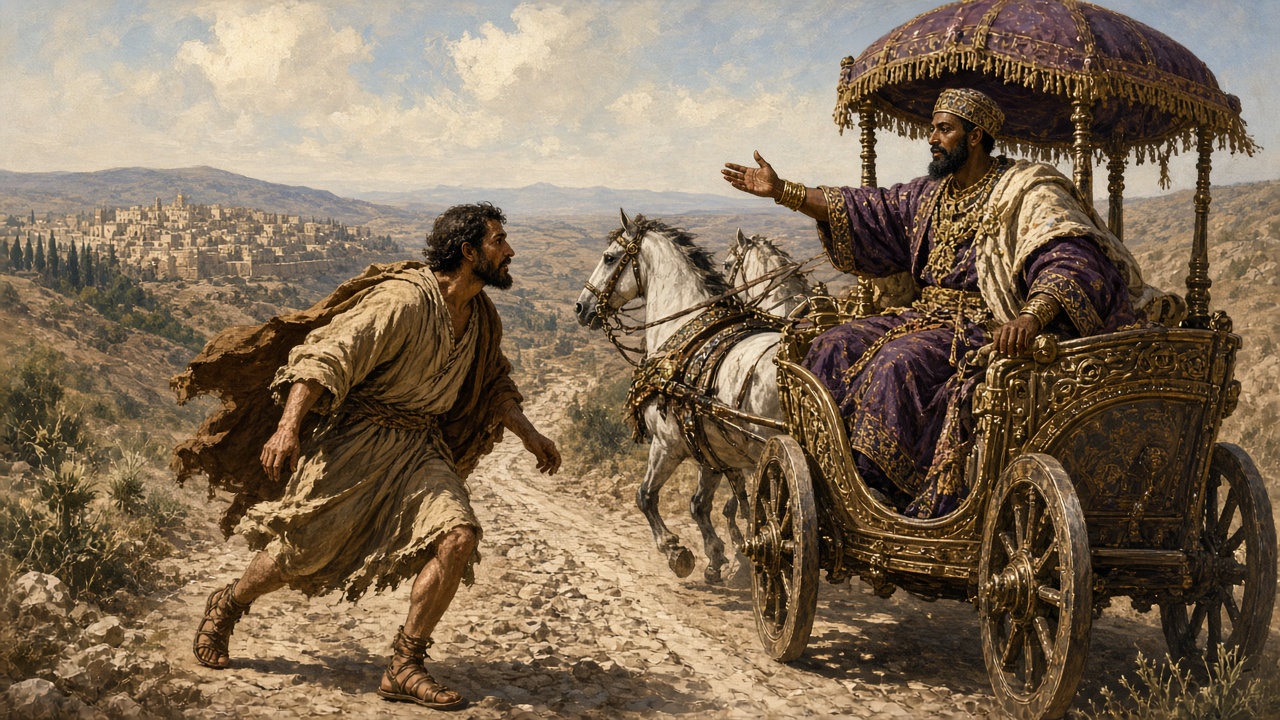
- Duas estradas ligavam Jerusalém a Gaza; Filipe foi enviado pela que passava por Hebrom e por uma região pouco habitada, chamada deserto. Ali encontrou um eunuco etíope, tesoureiro de Candace, rainha dos etíopes, que voltava de adorar em Jerusalém e lia o profeta Isaías em sua carruagem. Candace era um título usado por rainhas sucessivas de Meroé, na Alta Núbia, rico centro de comércio entre a África e o sul da Ásia.Fontes: o próprio texto bíblico · Phillip the Evangelist · Candace
Notas escritas com auxílio de IA a partir de fontes abertas (Theographic Bible Metadata, CC BY-SA 4.0; Easton’s Bible Dictionary, domínio público) e revisadas antes de publicar.
Lugares deste capítulo
- Jerusalem · 31.777, 35.234 · versículos 1, 14, 25, 26, 27
- Judea · Hoje: Judea 1 · 31.777, 35.234 · versículo 1
- Samaria · Hoje: Samaria 2 · 32.276, 35.195 · versículos 1, 5, 9, 14, 25
- Gaza · Hoje: Tell Harube · 31.504, 34.464 · versículo 26
- Ethiopia · 16.935, 33.751 · versículo 27
- Ashdod · Hoje: Tel Ashdod · 31.757, 34.658 · versículo 40
- Caesarea · Hoje: Caesarea Maritima · 32.500, 34.892 · versículo 40
Só aparecem lugares com identificação de alta confiança (90% ou mais segundo as fontes acadêmicas reunidas pelo OpenBible). Mapa da época: DARE (Digital Atlas of the Roman Empire), CC BY 4.0; mapa atual: © colaboradores do OpenStreetMap; lugares: OpenBible.info (CC BY 4.0).
Créditos e licença desta tradução
Sahidica - طبعة جديدة من العهد الجديد باللغة القبطية الصعيدية
Sahidica - A New Edition of the New Testament in Sahidic Coptic
copyright © 2000-2006 J Warren Wells
Language: ⲘⲉⲧⲢⲉⲙ̀ⲛⲭⲏⲙⲓ (Coptic)
Dialect: Sahidic
Translation by: J Warren Wells
Coptic: Sahidic NT "Sahidica - A New Edition of the New Testament in Sahidic Coptic"
Copyright (c)2000-2006 by J Warren Wells. All rights reserved.
For more information visit www.sahidica.org .
This edition is available free of charge for use in free electronic
editions of the New Testament as long as the full title and copyright
information are included and credited. For written permission to use
all or any part of this document in print editions, contact the editor
at www.sahidica.org .
This edition is primarily meant for use by teachers and students of
Sahidic Coptic, and to a lesser degree by Coptologists involved in
scholarly research, textual criticism, or New Testament translation.
PURPOSE
Please note: This text is a work in progress. As such, there
is an ongoing effort to standardize the spelling of words in
the text. Be aware that version updates periodically appear.
The primary purpose is to produce a standardized edition of
the Sahidic NT similar to standard Greek editions.
An additional purpose of this text is to allow side-by-side
comparison with the Greek New Testament. To facilitate this
effort, a new version of the Greek text has been developed,
which is meant to better represent the Greek text upon which
the Sahidic was based. This text is entitled "The New Testament
According to the Egyptian Greek Text" [NTAEG]
This text does not include representation of either accents or
supralinear strokes, since these are used inconsistently in the
original texts. There is also a higher degree of standardization
in spelling and punctuation; like today's standard Greek master
texts, but unlike both the original Sahidic texts, and the PHI
and Coptic Society texts. Moreover, as in standard Greek texts,
instances of the Nomina Sacra have been expanded to their full
forms. This is again a departure from earlier versions of the
Sahidic, including the PHI and Coptic Society texts, which are
Both inconsistent in their usage.
Special thanks to David Brakke of Indiana University Bloomington,
Brigitte Comparini of the Packard Humanities Institute, and
Michael Heiser, Academic Editor, at Logos Research Systems; for
their assistance in making this edition possible.
BASIS
Sahidica was initially based (by permission) on the Coptic New Testament,
which is an electronic publication, which was edited by David Brakke.
(PHI-CD 5.3 dated 7/2/91. Los Altos. Packard Humanities Institute. 1991).
During later development, Sahidica was electronically collated against
the Coptic CD I by the St. Shenouda The Archmandrite Coptic Society.
Los Angeles, CA dated April, 1998.
These two editions were reduced to a raw electronic form, which allowed both
to be compared electronically letter by letter with Sahidica in order to
accurately detect and report every single variation and input error in any
of the texts. Though errors are inevitable, the collators of three seperate
editions are highly unlikely to make the same errors. Therefore, this method
helps to insure the integrity of the Sahidica edition.
Throughout the project, Sahidica was also collated against printed editions
of the following coptic manuscripts, which manuscripts date from the third
century and later.
Matt: Pierpont Morgan Library M-569 collated against Bodmer XIX papyrus
Mark:* PPalau Rib. Inv.Nr.182 collated against Pierpont Morgan Library M-569
Luke: PPalau Rib. Inv.Nr.181 collated against Pierpont Morgan Library M-569
John: PPalau Rib. Inv.Nr.183 collated against Pierpont Morgan Library M-569
Acts: Chester Beatty B (Copt.Ms.814) collated against Berlin P.15926 and British Museum MS Or.7594
Paul: Chester Beatty A (Copt.Ms.813) collated against Pierpont Morgan Library M-570 and M-571
James-Jude:** Pierpont Morgan Library M-572 collated against the Pierpont Morgan Library M-573 and M-601***
Revelation: Berlin MS Or.408 ( British Museum Ms Or.3518) collated against British Museum MS Or.6803
* Note: The longer and shorter endings of Mark are based on Horner; cf Kahle (JTS.1951.p49-57)
** Note: 1st Peter was also collated against the Crosby-Schøyen Ms.193.
*** Note: Portions of James and Jude were reconstructed from M-573, M-601, and four other mss.
Note on Interpolations
The short and long endings of Mark are ommited from the PPalau ms 182, but they do appear in most mss.
To better represent the overall Sahidic tradition, both endings are included, but in double brackets.
The pericope of the adultress (John 7:53-8:11) does not appear in any Sahidic ms. Herein it is omitted.
2014-09-16
Fonte: http://ebible.org/copshc/ · eBible.org