Atos 15
Sahidica - طبعة جديدة من العهد الجديد باللغة القبطية الصعيدية · Toque num versículo para ver as referências cruzadas.
1ⲀⲨⲰ ⲀϨⲞⲒⲚⲈ ⲈⲒ ⲈⲂⲞⲖ ϨⲚ ϮⲞⲨⲆⲀⲒⲀ ⲀⲨϮⲤⲂⲰ ⲚⲚⲈⲤⲚⲎⲨ. ϪⲈ ⲈⲒⲘⲎⲦⲒ ⲚⲦⲈⲦⲚ ⲤⲂⲂⲈⲦⲎⲨⲦⲚ. ⲀⲨⲰ ⲚⲦⲈⲦⲚ ⲘⲞⲞϢⲈ ϨⲘ ⲠⲤⲰⲚⲦ ⲘⲘⲰⲨⲤⲎⲤ ⲘⲚϬⲞⲘ ⲘⲘⲰⲦⲚ ⲈⲞⲨϪⲀⲒ. 2ⲚⲦⲈⲢⲈ ⲞⲨⲤⲦⲀⲤⲒⲤ ⲆⲈ ϢⲰⲠⲈ ⲘⲚ ⲞⲨⲚⲞϬ ⲚⲌⲎⲦⲎⲤⲒⲤ ⲘⲠⲀⲨⲖⲞⲤ ⲘⲚ ⲂⲀⲢⲚⲀⲂⲀⲤ ⲚⲘⲘⲀⲨ. ⲀⲨⲦⲈϢ ⲠⲀⲨⲖⲞⲤ ⲘⲚ ⲂⲀⲢⲚⲀⲂⲀⲤ ⲀⲨⲰ ϨⲈⲚⲔⲈⲤⲚⲎⲨ ⲈⲂⲞⲖ ⲚϨⲎⲦⲞⲨ. ⲈⲦⲢⲈⲨⲂⲰⲔ ϢⲀ ⲚⲀⲠⲞⲤⲦⲞⲖⲞⲤ ⲘⲚ ⲚⲈⲠⲢⲈⲤⲂⲨⲦⲈⲢⲞⲤ ⲈⲦϨⲚ ⲐⲒⲈⲢⲞⲤⲞⲖⲨⲘⲀ ⲈⲦⲂⲈ ⲠⲈⲒⲌⲎⲦⲎⲘⲀ. 3ⲚⲦⲞⲞⲨ ϬⲈ ⲚⲦⲈⲢⲞⲨⲐⲠⲞⲞⲨ ⲈⲂⲞⲖ ϨⲒⲦⲚ ⲦⲈⲔⲔⲖⲎⲤⲒⲀ ⲀⲨⲈⲒ ⲈⲂⲞⲖ ϨⲒⲦⲚ ⲦⲈⲪⲞⲒⲚⲒⲔⲎ ⲘⲚ ⲦⲤⲀⲘⲀⲢⲒⲀ ⲈⲨϪⲰ ⲘⲠⲈⲔⲦⲞ ⲚⲚϨⲈⲐⲚⲞⲤ ⲀⲨⲰ ⲈⲨⲈⲒⲢⲈ ⲚⲞⲨⲚⲞϬ ⲚⲢⲀϢⲈ ϨⲚ ⲚⲈⲤⲚⲎⲨ ⲦⲎⲢⲞⲨ. 4ⲚⲦⲈⲢⲞⲨⲂⲰⲔ ⲆⲈ ⲈϨⲢⲀⲒ ⲈⲐⲒⲈⲢⲞⲤⲞⲖⲨⲘⲀ ⲀⲨϢⲞⲠⲞⲨ ⲈⲢⲞⲞⲨ ⲈⲘⲀⲦⲈ ⲚϬⲒ ⲦⲈⲔⲔⲖⲎⲤⲒⲀ ⲘⲚ ⲚⲀⲠⲞⲤⲦⲞⲖⲞⲤ ⲀⲨⲰ ⲚⲈⲠⲢⲈⲤⲂⲨⲦⲈⲢⲞⲤ ⲀⲨⲦⲀⲘⲞⲞⲨ ⲆⲈ ⲈⲚⲈⲚⲦⲀ ⲠⲚⲞⲨⲦⲈ ⲀⲀⲨ ⲚⲘⲘⲀⲨ ϨⲚ ⲚϨⲈⲐⲚⲞⲤ. 5ⲀⲨⲦⲰⲞⲨⲚⲞⲨ ⲆⲈ ⲚϬⲒ ϨⲞⲒⲚⲈ ⲚⲚⲈⲚⲦⲀⲨⲠⲒⲤⲦⲈⲨⲈ ⲈⲂⲞⲖ ϨⲚ ⲐⲀⲒⲢⲈⲤⲒⲤ ⲚⲚⲈⲪⲀⲢⲒⲤⲤⲀⲒⲞⲤ ⲈⲨϪⲰ ⲘⲘⲞⲤ ϪⲈ ϢϢⲈ ⲈⲢⲞⲞⲨ ⲈⲦⲢⲈⲨⲤⲂⲂⲎ ⲦⲞⲨ. ⲀⲨⲰ ⲚⲤⲈⲠⲀⲢⲀⲄⲄⲒⲖⲈ ⲚⲀⲨ ⲈϨⲀⲢⲈϨ ⲈⲠⲚⲞⲘⲞⲤ ⲘⲘⲰⲨⲤⲎⲤ. 6ⲀⲨⲤⲰⲞⲨϨ ⲆⲈ ⲚϬⲒ ⲚⲀⲠⲞⲤⲦⲞⲖⲞⲤ ⲘⲚ ⲚⲈⲠⲢⲈⲤⲂⲨⲦⲈⲢⲞⲤ ⲈⲚⲀⲨ ⲈⲦⲂⲈ ⲠⲈⲒϢⲀϪⲈ. 7ⲚⲦⲈⲢⲈ ⲞⲨⲚⲞϬ ⲆⲈ ⲚⲌⲎⲦⲎⲤⲒⲤ ϢⲰⲠⲈ ⲀⲠⲈⲦⲢⲞⲤ ⲦⲰⲞⲨⲚ ⲠⲈϪⲀϤ ⲚⲀⲨ ϪⲈ ⲚⲢⲰⲘⲈ ⲚⲀⲤⲚⲎⲨ ⲚⲦⲰⲦⲚ ⲦⲈⲦⲚⲤⲞⲞⲨⲚ ϪⲈ ϪⲒⲚ ⲚⲈϨⲞⲞⲨ ⲚϢⲞⲢⲠ ⲀⲠⲚⲞⲨⲦⲈ ⲤⲰⲦⲠ ⲈⲂⲞⲖ ϨⲒⲦⲚ ⲦⲀⲦⲀⲠⲢⲞ ⲈⲦⲢⲈ ⲚϨⲈⲐⲚⲞⲤ ⲤⲰⲦⲘ ⲈⲠϢⲀϪⲈ ⲘⲠⲈⲨⲀⲄⲄⲈⲖⲒⲞⲚ ⲚⲤⲈⲠⲒⲤⲦⲈⲨⲈ. 8ⲀⲨⲰ ⲠⲚⲞⲨⲦⲈ ⲈⲦⲤⲞⲞⲨⲚ ⲚⲚϨⲎⲦ ⲀϤⲢⲘⲚⲦⲢⲈ. ⲈⲀϤϮ ⲚⲀⲨ ⲘⲠⲈⲠⲚⲈⲨⲘⲀ ⲈⲦⲞⲨⲀⲀⲂ. ⲔⲀⲦⲀ ⲐⲈ ϨⲰⲰⲚ ⲚⲦⲀϤⲦⲀⲀϤ ⲚⲀⲚ. 9ⲀⲨⲰ ⲘⲠϤϮⲠⲰⲢϪ ⲖⲀⲀⲨ ⲞⲨⲦⲰⲚ ⲚⲘⲘⲀⲨ ϨⲚ ⲦⲠⲒⲤⲦⲒⲤ ⲀϤⲦⲂⲂⲈ ⲚⲈⲨϨⲎⲦ. 10ⲦⲈⲚⲞⲨ ϬⲈ ⲈⲦⲂⲈ ⲞⲨ ⲦⲈⲦⲚⲠⲈⲒⲢⲀⲌⲈ ⲘⲠⲚⲞⲨⲦⲈ. ⲈⲞⲨⲈϨ ⲞⲨⲚⲀϨⲂ ⲈϪⲘ ⲠⲘⲀⲔϨ ⲚⲘⲘⲀⲐⲎⲦⲎⲤ. ⲠⲀⲒ ⲈⲦⲈⲘⲠⲈ ⲚⲈⲚⲈⲒⲞⲦⲈ ⲞⲨⲆⲈ ⲀⲚⲞⲚ ϢϬⲘϬⲞⲘ ⲈϤⲒ ϨⲀⲢⲞϤ. 11ⲀⲖⲖⲀ ⲈⲂⲞⲖ ϨⲒⲦⲚ ⲦⲈⲬⲀⲢⲒⲤ ⲘⲠⲈⲚϪⲞⲈⲒⲤ ⲒⲎⲤⲞⲨⲤ. ⲦⲚⲠⲒⲤⲦⲈⲨⲈ ⲈⲞⲨϪⲀⲒ. ⲔⲀⲦⲀ ⲐⲈ ⲚⲦⲞⲞⲨ ϨⲰⲞⲨ. 12ⲀⲠⲘⲎⲎϢⲈ ⲦⲎⲢϤ ⲔⲀⲢⲰⲞⲨ. ⲀⲨⲰ ⲀⲨϪⲒⲤⲘⲎ ⲈⲂⲀⲢⲚⲀⲂⲀⲤ ⲘⲚ ⲠⲀⲨⲖⲞⲤ. ⲈⲨⲦⲀⲨⲞ ⲚⲘⲘⲀⲈⲒⲚ ⲘⲚ ⲚⲈϢⲠⲎⲢⲈ ⲚⲦⲀ ⲠⲚⲞⲨⲦⲈ ⲀⲀⲨ ϨⲚ ⲚϨⲈⲐⲚⲞⲤ ⲈⲂⲞⲖ ϨⲒⲦⲞⲞⲦⲞⲨ. 13ⲘⲚⲚⲤⲀ ⲦⲢⲈⲨⲔⲀⲢⲰⲞⲨ ⲆⲈ ⲀⲒⲀⲔⲰⲂⲞⲤ ⲞⲨⲰϢⲂ ⲈϤϪⲰ ⲘⲘⲞⲤ ϪⲈ ⲚⲢⲰⲘⲈ ⲚⲈⲤⲚⲎⲨ ⲤⲰⲦⲘ ⲈⲢⲞⲒ. 14ⲤⲨⲘⲈⲰⲚ ⲀϤϪⲰ ⲈⲢⲞⲚ ⲚⲐⲈ ⲚⲦⲀ ⲠⲚⲞⲨⲦⲈ ϬⲘⲠϢⲒⲚⲈ ϪⲒⲚⲚ ϢⲞⲢⲠ. ⲈϪⲒ ⲞⲨⲖⲀⲞⲤ ⲈⲂⲞⲖ ϨⲚ ⲚϨⲈⲐⲚⲞⲤ ⲘⲠⲈϤⲢⲀⲚ. 15ⲀⲨⲰ ⲚϢⲀϪⲈ ⲚⲚⲈⲠⲢⲞⲪⲎⲦⲎⲤ ⲤⲨⲘⲪⲰⲚⲒ ⲚⲦⲈⲒϨⲈ. ⲔⲀⲦⲀ ⲐⲈ ⲈⲦⲤⲎϨ 16ϪⲈ ⲘⲚⲚⲤⲀ ⲚⲀⲒ ϮⲚⲀⲔⲦⲞⲒ ⲦⲀⲔⲰⲦ ⲚⲦⲈⲤⲔⲨⲚⲎ ⲚⲆⲀⲨⲈⲒⲆ ⲦⲈⲚⲦⲀⲤϨⲈ ⲀⲨⲰ ϮⲚⲀⲔⲰⲦ ⲚⲚⲈⲚⲦⲀⲨϢⲞⲢϢⲢ ⲚϨⲎⲦⲤ ⲀⲨⲰ ⲦⲀⲦⲀϨⲞⲤ ⲈⲢⲀⲦⲤ. 17ϪⲈⲔⲀⲀⲤ ⲈⲢⲈ ⲠⲔⲈⲤⲈⲈⲠⲈ ⲚⲚⲢⲰⲘⲈ ϢⲒⲚⲈ ⲚⲤⲀ ⲠϪⲞⲈⲒⲤ. ⲀⲨⲰ ⲚϨⲈⲐⲚⲞⲤ ⲦⲎⲢⲞⲨ ⲚⲦⲀⲨⲈⲠⲒⲔⲀⲖⲈⲒ ⲘⲠⲀⲢⲀⲚ ⲈϨⲢⲀⲒ ⲈϪⲰⲞⲨ ⲠⲈϪⲈ ⲠϪⲞⲈⲒⲤ. 18ⲠⲈⲦⲞⲨⲰⲚϨ ⲈⲂⲞⲖ ⲚⲚⲀⲒ ϪⲒⲚ ⲈⲚⲈϨ. 19ⲈⲦⲂⲈ ⲠⲀⲒ ⲀⲚⲞⲔ ϨⲰ ϮⲔⲢⲒⲚⲈ ⲈⲦⲘϮϨⲒⲤⲈ ⲚⲚⲈⲦⲔⲰⲦ ⲘⲘⲞⲞⲨ ⲈⲠⲚⲞⲨⲦⲈ ⲈⲂⲞⲖ ϨⲚ ⲚϨⲈⲐⲚⲞⲤ. 20ⲀⲖⲖⲀ ⲤϨⲀⲒ ⲚⲀⲨ ⲈⲦⲢⲈⲨⲤⲀϨⲰⲞⲨ ⲈⲂⲞⲖ ⲚⲚϪⲰ ϨⲘ ⲚⲚⲈⲒⲆⲰⲖⲞⲚ ⲀⲨⲰ ⲦⲠⲞⲢⲚⲈⲒⲀ ⲘⲚ ⲞⲨⲚⲔⲀ ⲈϤⲘⲞⲞⲨⲦ ⲀⲨⲰ ⲠⲈⲤⲚⲞϤ [[ⲀⲨⲰ ⲠⲈⲦⲈⲚⲤⲈⲞⲨⲀϢϤ ⲀⲚ ⲈⲦⲢⲈϤϢⲰⲠⲈ ⲘⲘⲞⲞⲨ ⲈⲦⲘⲦⲢⲈⲨⲀⲀϤ ⲚϬⲈ]]. 21ⲘⲰⲨⲤⲎⲤ ⲄⲀⲢ ϪⲒⲚ ⲚⲄⲈⲚⲈⲀ ⲚⲚⲀⲢⲬⲀⲒⲞⲚ. ⲞⲨⲚⲦⲀϤ ⲘⲘⲀⲨ ⲚⲚⲈⲦⲔⲎⲢⲨⲤⲤⲈ ⲘⲘⲞϤ ⲔⲀⲦⲀ ⲠⲞⲖⲒⲤ. ϨⲢⲀⲒ ϨⲚ ⲚⲤⲨⲚⲀⲄⲰⲄⲎ ⲈⲨⲰϢ ⲘⲘⲞϤ ⲔⲀⲦⲀ ⲤⲀⲂⲂⲀⲦⲞⲚ ⲚⲒⲘ. 22ⲦⲞⲦⲈ ⲀⲤⲚⲆⲞⲔⲒ ⲚⲚⲀⲠⲞⲤⲦⲞⲖⲞⲤ ⲘⲚ ⲚⲈⲠⲢⲈⲤⲂⲨⲦⲈⲢⲞⲤ ⲘⲚ ⲦⲈⲔⲔⲖⲎⲤⲒⲀ ⲦⲎⲢⲤ ⲈⲦⲢⲈⲨⲤⲰⲦⲠ ⲚϨⲈⲚⲢⲰⲘⲈ ⲈⲂⲞⲖ ⲚϨⲎⲦⲞⲨ ⲚⲤⲈϪⲞⲞⲨⲤⲈ ⲈϨⲢⲀⲒ ⲈⲦⲀⲚⲦⲒⲞⲬⲒⲀ ⲘⲚ ⲠⲀⲨⲖⲞⲤ ⲀⲨⲰ ⲂⲀⲢⲚⲀⲂⲀⲤ ⲈⲦⲈ ⲒⲞⲨⲆⲀⲤ ⲠⲈϢⲀⲨⲘⲞⲨⲦⲈ ⲈⲢⲞϤ ϪⲈ ⲂⲀⲢⲤⲀⲂⲀⲤ ⲀⲨⲰ ⲤⲒⲖⲀⲤ ϨⲈⲚⲢⲰⲘⲈ ⲚⲚⲞϬ ϨⲚ ⲚⲈⲤⲚⲎⲨ. 23ⲈⲀⲨⲤϨⲀⲒ ⲈⲂⲞⲖ ϨⲒⲦⲞⲞⲦⲞⲨ ⲚⲞⲨⲈⲠⲒⲤⲦⲞⲖⲎ ⲚⲦⲈⲒϨⲈ ⲚⲀⲠⲞⲤⲦⲞⲖⲞⲤ ⲘⲚ ⲚⲈⲠⲢⲈⲤⲂⲨⲦⲈⲢⲞⲤ ⲈⲨⲤϨⲀⲒ ⲚⲚⲈⲤⲚⲎⲨ ⲈⲦϨⲚ ⲦⲀⲚⲦⲒⲞⲬⲒⲀ ⲘⲚ ⲦⲤⲨⲢⲒⲀ ⲘⲚ ⲦⲔⲨⲖⲒⲔⲒⲀ ⲚⲈⲦϢⲞⲞⲠ ⲈⲂⲞⲖ ϨⲚ ⲚϨⲈⲐⲚⲞⲤ ⲬⲀⲒⲢⲈⲦⲈ. 24ⲈⲠⲈⲒⲆⲎ ⲀⲚⲤⲰⲦⲘ ϪⲈ ⲀϨⲞⲒⲚⲈ ⲈⲂⲞⲖ ⲚϨⲎⲦⲚ ⲈⲒ ϢⲀⲢⲰⲦⲚ ⲀⲨϢⲦⲢⲦⲢ ⲦⲎⲨⲦⲚ ϨⲚ ϨⲈⲚϢⲀϪⲈ ⲈⲨϮⲘⲔⲀϨ ⲚⲚⲈⲦⲘⲮⲨⲬⲎ ⲘⲠⲚϨⲰⲚ ⲈⲦⲞⲞⲦⲞⲨ. 25ⲀⲤⲚⲆⲞⲔⲒ ⲚⲀⲚ ⲈⲀⲚⲈⲒ ⲈⲨⲘⲀ ⲚⲞⲨⲰⲦ ϨⲒ ⲞⲨⲤⲞⲠ ⲈⲦⲢⲈⲚⲤⲰⲦⲠ ⲚϨⲈⲚⲢⲰⲘⲈ ⲚⲦⲚⲦⲀⲨⲞⲞⲨ ϢⲀⲢⲰⲦⲚ. ⲘⲚ ⲚⲈⲚⲘⲈⲢⲀⲦⲈ ⲂⲀⲢⲚⲀⲂⲀⲤ ⲘⲚ ⲠⲀⲨⲖⲞⲤ. 26ϨⲈⲚⲢⲰⲘⲈ ⲈⲀⲨϮ ⲚⲚⲈⲨⲮⲨⲬⲎ ϨⲀ ⲠⲢⲀⲚ ⲘⲠⲈⲚϪⲞⲈⲒⲤ ⲒⲎⲤⲞⲨⲤ. 27ⲀⲚⲦⲚⲚⲞⲞⲨ ⲆⲈ ⲚⲒⲞⲨⲆⲀⲤ ⲘⲚ ⲤⲒⲖⲀⲤ. ⲚⲦⲞⲞⲨ ϨⲰⲞⲨ ⲞⲚ ϨⲒⲦⲘ ⲠϢⲀϪⲈ ⲈⲨⲚⲀϪⲰ ⲚⲎⲦⲚ ⲚⲚⲀⲒ. 28ⲀⲤⲚⲆⲞⲔⲒ ⲄⲀⲢ ⲘⲠⲈⲠⲚⲈⲨⲘⲀ ⲈⲦⲞⲨⲀⲀⲂ ⲀⲨⲰ ⲚⲀⲚ. ⲈⲦⲘⲦⲀⲖⲈ ⲖⲀⲀⲨ ⲚⲂⲀⲢⲞⲤ ⲈϪⲚ ⲦⲎⲨⲦⲚ ⲚⲤⲀ ⲚⲀⲒ ϨⲚ ⲞⲨϨⲦⲞⲢ. 29ⲈⲤⲀϨⲈ ⲦⲎⲨⲦⲚ ⲈⲂⲞⲖ ⲘⲘⲞⲞⲨ ⲚϢⲰⲰⲦ ⲚⲚⲈⲒⲆⲰⲖⲞⲚ ⲘⲚ ⲠⲈⲤⲚⲞϤ ⲘⲚ ⲚⲈϢⲀⲨⲘⲞⲨ ⲀⲨⲰ ⲦⲠⲞⲢⲚⲈⲒⲀ ⲘⲚ ⲚⲈⲦⲈⲦⲚⲞⲨⲀϢⲞⲨ ⲀⲚ ⲈⲦⲢⲈⲨϢⲰⲠⲈ ⲘⲘⲰⲦⲚ ⲘⲠⲢⲀⲀⲨ ⲚϬⲈ ⲚⲀⲒ ⲈⲦⲈⲦⲚϢⲀⲚϨⲀⲢⲈϨ ⲈⲢⲰⲦⲚ ⲈⲢⲞⲞⲨ ⲦⲈⲦⲚⲀⲢϢⲀⲨ ⲞⲨϪⲀⲒ. 30ⲚⲦⲞⲞⲨ ϬⲈ ⲚⲦⲈⲢⲞⲨⲔⲀⲀⲨ ⲈⲂⲞⲖ ⲀⲨⲈⲒ ⲈϨⲢⲀⲒ ⲈⲦⲀⲚⲦⲒⲞⲬⲒⲀ. ⲀⲨⲤⲈⲨϨ ⲠⲘⲎⲎϢⲈ. ⲀⲨϮ ⲚⲀⲨ ⲚⲦⲈⲠⲒⲤⲦⲞⲖⲎ 31ⲀⲨⲰ ⲚⲦⲈⲢⲞⲨⲞϢⲤ ⲀⲨⲢⲀϢⲈ ⲈϨⲢⲀⲒ ⲈϪⲘ ⲠⲤⲞⲠⲤ. 32ⲒⲞⲨⲆⲀⲤ ⲆⲈ ⲘⲚ ⲤⲒⲖⲀⲤ ϨⲈⲚⲠⲢⲞⲪⲎⲦⲎⲤ ϨⲰⲞⲨ ⲚⲈ ⲈⲂⲞⲖ ϨⲒⲦⲚ ϨⲀϨ ⲚϢⲀϪⲈ. ⲀⲨⲤⲈⲠⲤ ⲚⲈⲤⲚⲎⲨ ⲀⲨⲰ ⲀⲨⲦⲀϪⲢⲞⲞⲨ. 33ⲚⲦⲈⲢⲞⲨⲢⲞⲨⲞⲈⲒϢ ⲆⲈ ⲀⲨϪⲞⲞⲨⲤⲈ ⲈⲂⲞⲖ ϨⲒⲦⲚ ⲚⲈⲤⲚⲎⲨ ϨⲚ ⲞⲨⲈⲒⲢⲎⲚⲎ ⲈϨⲢⲀⲒ ⲈⲐⲒⲈⲢⲞⲤⲞⲖⲨⲘⲀ ϢⲀ ⲚⲈⲚⲦⲀⲨⲦⲀⲞⲨⲞⲞⲨ. 34ⲀⲤⲚⲆⲞⲔⲒ ⲆⲈ ⲚⲤⲒⲖⲀⲤ ⲈⲦⲢⲈϤϬⲰ ⲘⲠⲘⲀ ⲈⲦⲘⲘⲀⲨ. 35ⲠⲀⲨⲖⲞⲤ ⲆⲈ ⲘⲚ ⲂⲀⲢⲚⲀⲂⲀⲤ ⲚⲈⲨϢⲞⲞⲠ ⲠⲈ ϨⲚ ⲦⲀⲚⲦⲒⲞⲬⲒⲀ. ⲈⲨϮⲤⲂⲰ ⲀⲨⲰ ⲈⲨⲈⲨⲀⲄⲄⲈⲖⲒⲌⲈ ⲘⲚ ϨⲈⲚⲔⲈⲘⲎⲎϢⲈ ⲘⲠϢⲀϪⲈ ⲘⲠⲚⲞⲨⲦⲈ. 36ⲘⲚⲚⲤⲀ ϨⲈⲚϨⲞⲞⲨ ⲆⲈ ⲠⲈϪⲈ ⲠⲀⲨⲖⲞⲤ ⲚⲂⲀⲢⲚⲀⲂⲀⲤ ϪⲈ ⲘⲀⲢⲚⲔⲞⲦⲚ ⲚⲦⲚϬⲘⲠϢⲒⲚⲈ ⲚⲚⲈⲤⲚⲎⲨ ⲔⲀⲦⲀ ⲠⲞⲖⲒⲤ ⲚⲒⲘ. ⲚⲀⲒ ⲚⲦⲀⲚⲦⲀϢⲈⲞⲈⲒϢ ⲚⲀⲨ ⲘⲠϢⲀϪⲈ ⲘⲠϪⲞⲈⲒⲤ ϪⲈ ⲤⲈⲢⲞⲨ. 37ⲂⲀⲢⲚⲀⲂⲀⲤ ⲆⲈ ⲚⲈϤⲞⲨⲰϢ ⲈϪⲒ ⲚⲘⲘⲀϤ ⲚⲒⲰϨⲀⲚⲚⲎⲤ ⲠⲈϢⲀⲨⲘⲞⲨⲦⲈ ⲈⲢⲞϤ ϪⲈ ⲘⲀⲢⲔⲞⲤ. 38ⲠⲀⲨⲖⲞⲤ ⲆⲈ ⲚⲈϤⲀⲜⲒⲞⲨ ⲈⲦⲘϪⲒ ⲠⲈⲚⲦⲀϤⲠⲰⲢϪ ⲈⲂⲞⲖ ⲘⲘⲞⲞⲨ ϪⲒⲚ ⲚⲦⲠⲀⲘⲪⲨⲖⲒⲀ ⲘⲠϤⲂⲰⲔ ⲚⲘⲘⲀⲨ ⲘⲪⲰⲂ. 39ⲀⲨⲠⲀⲢⲞⲜⲨⲤⲘⲞⲤ ⲆⲈ ϢⲰⲠⲈ. ϨⲰⲤⲦⲈ ⲚⲤⲈⲤⲀϨⲰⲞⲨ ⲈⲂⲞⲖ ⲚⲚⲈⲨⲈⲢⲎⲨ. ⲂⲀⲢⲚⲀⲂⲀⲤ ⲘⲈⲚ ⲀϤϪⲒ ⲘⲘⲀⲢⲔⲞⲤ ⲀϤⲤϬⲎⲢ ⲈϨⲢⲀⲒ ⲈⲔⲨⲠⲢⲞⲤ. 40ⲠⲀⲨⲖⲞⲤ ⲆⲈ ⲀϤⲤⲰⲦⲠ ⲚⲤⲒⲖⲀⲤ. ⲀϤⲈⲒ ⲈⲂⲞⲖ ⲈⲨϮ ⲘⲘⲞϤ ⲚⲦⲈⲬⲀⲢⲒⲤ ⲘⲠϪⲞⲈⲒⲤ ϨⲒⲦⲚ ⲚⲈⲤⲚⲎⲨ. 41ⲀϤⲈⲒ ⲆⲈ ⲈⲂⲞⲖ ⲈⲦⲤⲨⲢⲒⲀ ⲘⲚ ⲦⲔⲒⲖⲒⲔⲒⲀ. ⲀϤⲦⲀϪⲢⲞ ⲚⲚⲈⲔⲔⲖⲎⲤⲒⲀ.
Você sabia?
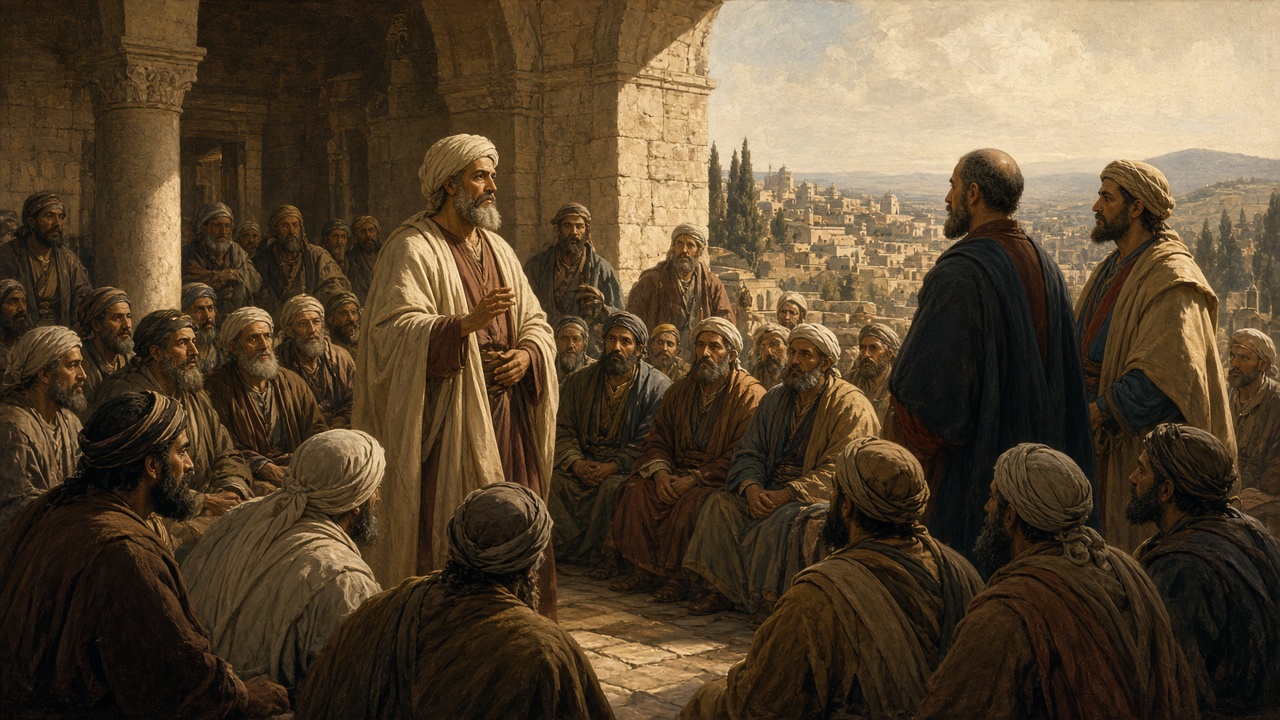
O concílio sobre os crentes gentios
- A controvérsia começou em Antioquia, às margens do Orontes, cerca de trezentas milhas ao norte de Jerusalém, cidade que então ocupava o terceiro lugar entre as cidades do Império Romano, depois de Roma e Alexandria. A caminho do concílio, Paulo e Barnabé passaram pela Fenícia, uma faixa litorânea de cerca de cento e vinte milhas, e pela Samaria. Uma nota cronológica data o Concílio de Jerusalém em 46 d.C.Fontes: Antioch (Syria) · Phenicia · o próprio texto bíblico · Jerusalem Council
- O Easton's Bible Dictionary (1897) afirma que Tiago, a quem chama de irmão ou parente próximo de Jesus, dirigia a igreja em Jerusalém e presidiu o concílio sobre os gentios. A carta que se seguiu foi endereçada aos crentes gentios em Antioquia, na Síria e na Cilícia. A Cilícia, província de origem de Paulo e província marítima romana no sudeste da Ásia Menor desde 67 a.C., incluía sua cidade natal, Tarso.Fontes: James (Brother of Jesus) · o próprio texto bíblico · Cilicia · Paul
- Judas, chamado Barsabás, e Silas, também conhecido como Silvano, eram profetas e homens de destaque da igreja de Jerusalém, enviados para confirmar pessoalmente a decisão do concílio. Um desentendimento posterior e acirrado por causa de João Marcos, primo de Barnabé, separou os dois missionários: Barnabé levou Marcos e embarcou para Chipre, enquanto Paulo escolheu Silas. Uma nota cronológica data essa separação em 47 d.C.Fontes: o próprio texto bíblico · Silas · John Mark · Paul and Barnabas part ways
Notas escritas com auxílio de IA a partir de fontes abertas (Theographic Bible Metadata, CC BY-SA 4.0; Easton’s Bible Dictionary, domínio público) e revisadas antes de publicar.
Lugares deste capítulo
- Antioch · Hoje: Antioch on the Orontes · 36.227, 36.172 · versículos 1, 22, 23, 30, 35
- Judea · Hoje: Judea 1 · 31.777, 35.234 · versículo 1
- Jerusalem · 31.777, 35.234 · versículos 2, 3, 4, 22, 23, 33
- Phoenicia · 33.271, 35.196 · versículo 3
- Samaria · Hoje: Samaria 2 · 32.276, 35.195 · versículo 3
- Cilicia · 36.913, 34.892 · versículos 23, 41
- Syria · Hoje: Syria 2 · 33.511, 36.306 · versículos 23, 41
- Pamphylia · 37.000, 31.000 · versículo 38
- Cyprus · 35.000, 33.000 · versículo 39
Só aparecem lugares com identificação de alta confiança (90% ou mais segundo as fontes acadêmicas reunidas pelo OpenBible). Mapa da época: DARE (Digital Atlas of the Roman Empire), CC BY 4.0; mapa atual: © colaboradores do OpenStreetMap; lugares: OpenBible.info (CC BY 4.0).
Créditos e licença desta tradução
Sahidica - طبعة جديدة من العهد الجديد باللغة القبطية الصعيدية
Sahidica - A New Edition of the New Testament in Sahidic Coptic
copyright © 2000-2006 J Warren Wells
Language: ⲘⲉⲧⲢⲉⲙ̀ⲛⲭⲏⲙⲓ (Coptic)
Dialect: Sahidic
Translation by: J Warren Wells
Coptic: Sahidic NT "Sahidica - A New Edition of the New Testament in Sahidic Coptic"
Copyright (c)2000-2006 by J Warren Wells. All rights reserved.
For more information visit www.sahidica.org .
This edition is available free of charge for use in free electronic
editions of the New Testament as long as the full title and copyright
information are included and credited. For written permission to use
all or any part of this document in print editions, contact the editor
at www.sahidica.org .
This edition is primarily meant for use by teachers and students of
Sahidic Coptic, and to a lesser degree by Coptologists involved in
scholarly research, textual criticism, or New Testament translation.
PURPOSE
Please note: This text is a work in progress. As such, there
is an ongoing effort to standardize the spelling of words in
the text. Be aware that version updates periodically appear.
The primary purpose is to produce a standardized edition of
the Sahidic NT similar to standard Greek editions.
An additional purpose of this text is to allow side-by-side
comparison with the Greek New Testament. To facilitate this
effort, a new version of the Greek text has been developed,
which is meant to better represent the Greek text upon which
the Sahidic was based. This text is entitled "The New Testament
According to the Egyptian Greek Text" [NTAEG]
This text does not include representation of either accents or
supralinear strokes, since these are used inconsistently in the
original texts. There is also a higher degree of standardization
in spelling and punctuation; like today's standard Greek master
texts, but unlike both the original Sahidic texts, and the PHI
and Coptic Society texts. Moreover, as in standard Greek texts,
instances of the Nomina Sacra have been expanded to their full
forms. This is again a departure from earlier versions of the
Sahidic, including the PHI and Coptic Society texts, which are
Both inconsistent in their usage.
Special thanks to David Brakke of Indiana University Bloomington,
Brigitte Comparini of the Packard Humanities Institute, and
Michael Heiser, Academic Editor, at Logos Research Systems; for
their assistance in making this edition possible.
BASIS
Sahidica was initially based (by permission) on the Coptic New Testament,
which is an electronic publication, which was edited by David Brakke.
(PHI-CD 5.3 dated 7/2/91. Los Altos. Packard Humanities Institute. 1991).
During later development, Sahidica was electronically collated against
the Coptic CD I by the St. Shenouda The Archmandrite Coptic Society.
Los Angeles, CA dated April, 1998.
These two editions were reduced to a raw electronic form, which allowed both
to be compared electronically letter by letter with Sahidica in order to
accurately detect and report every single variation and input error in any
of the texts. Though errors are inevitable, the collators of three seperate
editions are highly unlikely to make the same errors. Therefore, this method
helps to insure the integrity of the Sahidica edition.
Throughout the project, Sahidica was also collated against printed editions
of the following coptic manuscripts, which manuscripts date from the third
century and later.
Matt: Pierpont Morgan Library M-569 collated against Bodmer XIX papyrus
Mark:* PPalau Rib. Inv.Nr.182 collated against Pierpont Morgan Library M-569
Luke: PPalau Rib. Inv.Nr.181 collated against Pierpont Morgan Library M-569
John: PPalau Rib. Inv.Nr.183 collated against Pierpont Morgan Library M-569
Acts: Chester Beatty B (Copt.Ms.814) collated against Berlin P.15926 and British Museum MS Or.7594
Paul: Chester Beatty A (Copt.Ms.813) collated against Pierpont Morgan Library M-570 and M-571
James-Jude:** Pierpont Morgan Library M-572 collated against the Pierpont Morgan Library M-573 and M-601***
Revelation: Berlin MS Or.408 ( British Museum Ms Or.3518) collated against British Museum MS Or.6803
* Note: The longer and shorter endings of Mark are based on Horner; cf Kahle (JTS.1951.p49-57)
** Note: 1st Peter was also collated against the Crosby-Schøyen Ms.193.
*** Note: Portions of James and Jude were reconstructed from M-573, M-601, and four other mss.
Note on Interpolations
The short and long endings of Mark are ommited from the PPalau ms 182, but they do appear in most mss.
To better represent the overall Sahidic tradition, both endings are included, but in double brackets.
The pericope of the adultress (John 7:53-8:11) does not appear in any Sahidic ms. Herein it is omitted.
2014-09-16
Fonte: http://ebible.org/copshc/ · eBible.org