2 Timóteo 4
Sahidica - طبعة جديدة من العهد الجديد باللغة القبطية الصعيدية · Toque num versículo para ver as referências cruzadas.
1ϮⲢⲘⲚⲦⲢⲈ ⲘⲠⲈⲘⲦⲞ ⲈⲂⲞⲖ ⲘⲠⲚⲞⲨⲦⲈ ⲘⲚ ⲠⲈⲬⲢⲒⲤⲦⲞⲤ ⲒⲎⲤⲞⲨⲤ. ⲠⲀⲒ ⲈⲦⲚⲀⲔⲢⲒⲚⲈ ⲚⲚⲈⲦⲞⲚϨ ⲘⲚ ⲚⲈⲦⲘⲞⲞⲨⲦ. ⲔⲀⲦⲀ ⲠⲈϤⲞⲨⲰⲚϨ ⲈⲂⲞⲖ ⲘⲚ ⲦⲈϤⲘⲚⲦⲢⲢⲞ. 2ⲦⲀϢⲈⲞⲈⲒϢ ⲘⲠϢⲀϪⲈ ⲀϨⲈⲢⲀⲦⲔ ϨⲒϪⲰⲞⲨ ⲠⲀⲢⲀⲠⲞⲨⲞⲈⲒϢ ϪⲠⲒⲞ ϨⲘ ⲠⲞⲨⲞⲈⲒϢ ⲤⲈⲠⲤⲰⲠⲞⲨ ⲈⲠⲒⲦⲒⲘⲀ ⲚⲀⲨ ϨⲘ ⲘⲚⲦϨⲀⲢϢϨⲎⲦ ⲚⲒⲘ ⲀⲨⲰ ⲦⲈⲤⲂⲰ. 3ⲞⲨⲚ ⲞⲨⲞⲈⲒϢ ⲄⲀⲢ ⲚⲀϢⲰⲠⲈ ⲈⲚⲤⲈⲚⲀⲀⲚⲈⲬⲈ ⲀⲚ ⲚⲦⲈⲤⲂⲰ ⲈⲦⲞⲨⲞϪ ⲀⲖⲖⲀ ⲔⲀⲦⲀ ⲚⲈⲨⲞⲨⲰϢ ⲘⲘⲒⲚ ⲘⲘⲞⲞⲨ ⲤⲈⲚⲀϪⲠⲞ ⲚⲀⲨ ⲚϨⲈⲚⲤⲀϨ ⲈⲢⲈ ⲚⲈⲨⲘⲀⲀϪⲈ ϨⲰϨ. 4ⲀⲨⲰ ⲚⲤⲈⲔⲦⲞ ⲘⲈⲚ ⲚⲚⲈⲨⲘⲀⲀϪⲈ ⲈⲂⲞⲖ ϨⲚ ⲦⲘⲈ. ⲤⲈⲂⲰⲔ ⲆⲈ ⲈⲚⲈϢϤⲰ. 5ⲚⲦⲞⲔ ⲆⲈ ⲚⲎⲪⲈ ϨⲚ ϨⲰⲂ ⲚⲒⲘ ϢⲠϨⲒ ⲤⲈ ⲀⲢⲒⲠϨⲰⲂ ⲘⲠⲢⲈϤⲦⲀϢⲈⲞⲈⲒϢ ϪⲰⲔ ⲈⲂⲞⲖ ⲚⲦⲈⲔⲆⲒⲀⲔⲞⲚⲒⲀ. 6ⲀⲚⲞⲔ ⲄⲀⲢ ⲀⲠⲀⲘⲒϢⲈ ⲞⲨⲰ. ⲀⲨⲰ ⲀⲠⲈⲞⲨⲞⲈⲒϢ ⲘⲠⲀⲂⲰⲔ ⲈⲂⲞⲖ ϨⲰⲚ ⲈϨⲞⲨⲚ. 7ⲀⲒⲘⲒϢⲈ ⲘⲠⲀⲄⲰⲚ ⲈⲦⲚⲀⲚⲞⲨϤ. ⲀⲒϪⲈⲔ ⲠⲠⲰⲦ ⲈⲂⲞⲖ. ⲀⲒϨⲀⲢⲈϨ ⲈⲦⲠⲒⲤⲦⲒⲤ 8ⲦⲈⲚⲞⲨ ϬⲈ ϤⲔⲎ ⲚⲀⲒ ⲈϨⲢⲀⲒ ⲚϬⲒ ⲠⲈⲔⲖⲞⲘ ⲚⲦⲆⲒⲔⲀⲒⲞⲤⲨⲚⲎ ⲠⲀⲒ ⲈⲦⲈⲢⲈ ⲠϪⲞⲈⲒⲤ ⲚⲀⲦⲀⲀϤ ⲚⲀⲒ ϨⲘ ⲠⲈϨⲞⲞⲨ ⲈⲦⲘⲘⲀⲨ ⲠⲆⲒⲔⲀⲒⲞⲤ ⲚⲔⲢⲒⲦⲎⲤ ⲚⲀⲒ ⲆⲈ ⲘⲀⲨⲀⲀⲦ ⲀⲚ ⲀⲖⲖⲀ ⲚⲞⲨⲞⲚ ⲚⲒⲘ ⲈⲚⲦⲀⲨⲘⲈⲢⲈ ⲠⲈϤⲞⲨⲰⲚϨ ⲈⲂⲞⲖ. 9ⲀⲢⲒⲀⲠⲀⲦⲞⲞⲦⲔ ⲈⲈⲒ ϢⲀⲢⲞⲒ ϨⲚ ⲞⲨϬⲈⲠⲎ. 10ⲀⲆⲎⲘⲀⲤ ⲄⲀⲢ ⲔⲀⲀⲦ ⲚⲤⲰϤ ⲈⲀϤⲘⲈⲢⲈ ⲠⲈⲒⲀⲒⲰⲚ ⲀⲨⲰ ⲀϤⲂⲰⲔ ⲈⲐⲈⲤⲤⲀⲖⲞⲚⲒⲔⲎ ⲔⲢⲎⲤⲔⲎⲤ ⲈⲦⲄⲀⲖⲖⲒⲀ ⲦⲒⲦⲞⲤ ⲈⲆⲀⲖⲘⲀⲦⲒⲀ. 11ⲖⲞⲨⲔⲀⲤ ⲘⲘⲀⲦⲈ ⲠⲈⲦϨⲀⲦⲎⲒ. ϪⲒ ⲘⲘⲀⲢⲔⲞⲤ ⲚⲄⲚⲦϤ ⲚⲘⲘⲀⲔ. ϤⲢϢⲀⲨ ⲄⲀⲢ ⲚⲀⲒ ⲈⲨⲆⲒⲀⲔⲞⲚⲒⲀ. 12ⲦⲨⲬⲒⲔⲞⲤ ⲆⲈ ⲀⲒϪⲞⲞⲨϤ ⲈⲈⲪⲈⲤⲞⲤ. 13ⲠⲀⲪⲈⲖⲰⲚⲎⲤ ⲈⲚⲦⲀⲒⲔⲀⲀϤ ⲚⲤⲰⲒ ϨⲚ ⲦⲢⲰⲀⲤ ⲚⲦⲚⲔⲀⲢⲠⲞⲤ ⲀⲚⲒϤ ⲈⲔⲚⲎⲨ ⲘⲚ ⲚϪⲰⲰⲘⲈ. ⲚϨⲞⲨⲞ ⲆⲈ ⲘⲘⲈⲘⲂⲢⲀⲚⲞⲚ. 14ⲀⲀⲖⲈⲜⲀⲚⲆⲢⲞⲤ ⲪⲀⲘⲔⲖⲖⲈ ⲢϨⲀϨ ⲚⲀⲒ ⲘⲠⲈⲐⲞⲞⲨ. ⲈⲢⲈ ⲠϪⲞⲈⲒⲤ ⲦⲰⲰⲂⲈ ⲚⲀϤ ⲔⲀⲦⲀ ⲚⲈϤϨⲂⲎⲨⲈ. 15ⲠⲀⲒ ϨⲰⲰⲔ ⲞⲚ ϨⲀⲢⲈϨ ⲈⲢⲞⲔ ⲈⲢⲞϤ ⲀϤϮ ⲄⲀⲢ ⲈⲘⲀⲦⲈ ⲞⲨⲂⲈ ⲚⲀϢⲀϪⲈ 16ϨⲚ ⲦⲀϢⲞⲢⲠ ⲚⲀⲠⲞⲖⲞⲄⲒⲀ ⲘⲠⲈ ⲖⲀⲀⲨ ⲀϨⲈⲢⲀⲦϤ ⲚⲘⲘⲀⲒ ⲀⲖⲖⲀ ⲀⲨⲔⲀⲀⲦ ⲚⲤⲰⲞⲨ ⲦⲎⲢⲞⲨ ⲚⲚⲈⲨⲞⲠϤ ⲈⲢⲞⲞⲨ. 17ⲠϪⲞⲈⲒⲤ ⲆⲈ ⲠⲈⲚⲦⲀϤⲀϨⲈⲢⲀⲦϤ ⲚⲘⲘⲀⲒ ⲀⲨⲰ ⲀϤϮϬⲞⲘ ⲚⲀⲒ ϪⲈⲔⲀⲀⲤ ⲈⲢⲈ ⲠⲦⲀϢⲈⲞⲈⲒϢ ϪⲰⲔ ⲈⲂⲞⲖ ϨⲒ ⲦⲞⲞⲦ ⲚⲤⲈⲤⲰⲦⲘ ⲚϬⲒ ⲚϨⲈⲐⲚⲞⲤ ⲦⲎⲢⲞⲨ ⲀⲨⲰ ⲀⲒⲞⲨϪⲀⲒ ⲈⲢⲰϤ ⲘⲠⲘⲞⲨⲒ. 18ⲠϪⲞⲈⲒⲤ ⲚⲀⲚⲀϨⲘⲈⲦ ⲈϨⲰⲂ ⲚⲒⲘ ⲈϤϨⲞⲞⲨ. ⲀⲨⲰ ϤⲚⲀⲦⲞⲨϪⲞⲒ ⲈϨⲞⲨⲚ ⲈⲦⲈϤⲘⲚⲦⲢⲢⲞ ⲈⲦϨⲚ ⲦⲠⲈ. ⲠⲀⲒ ⲠⲈⲞⲞⲨ ⲚⲀϤ ϢⲀ ⲈⲚⲈϨ ⲚⲈⲚⲈϨ ϨⲀⲘⲎⲚ. 19ϢⲒⲚⲈ ⲈⲠⲢⲒⲤⲔⲀ ⲘⲚ ⲀⲔⲨⲖⲀ. ⲘⲚ ⲚⲀⲠⲎⲈⲒ ⲚⲞⲚⲎⲤⲒⲪⲞⲢⲞⲤ. 20ⲀⲈⲢⲀⲤⲦⲞⲤ ϬⲰ ϨⲚ ⲔⲞⲢⲒⲚⲐⲞⲤ. ⲀⲒⲔⲀ ⲦⲢⲞⲪⲒⲘⲞⲤ ⲆⲈ ϨⲚ ⲘⲒⲖⲎⲦⲞⲤ ⲈϤϢⲰⲚⲈ. 21ⲀⲢⲒⲀⲠⲀⲦⲞⲞⲦⲔ ⲈⲈⲒ ϢⲀⲢⲞⲒ ϨⲀⲐⲎ ⲚⲦⲈⲠⲢⲰ ⲈⲨⲂⲞⲨⲖⲞⲤ ϢⲒⲚⲈ ⲈⲢⲞⲔ ⲘⲚ ⲠⲞⲨⲆⲎⲤ ⲘⲚ ⲖⲒⲚⲞⲤ ⲀⲨⲰ ⲔⲖⲀⲨⲆⲒⲀ ⲘⲚ ⲚⲈⲤⲚⲎⲨ ⲦⲎⲢⲞⲨ. 22ⲠϪⲞⲈⲒⲤ ⲘⲚ ⲠⲈⲔⲠⲚⲈⲨⲘⲀ
Você sabia?
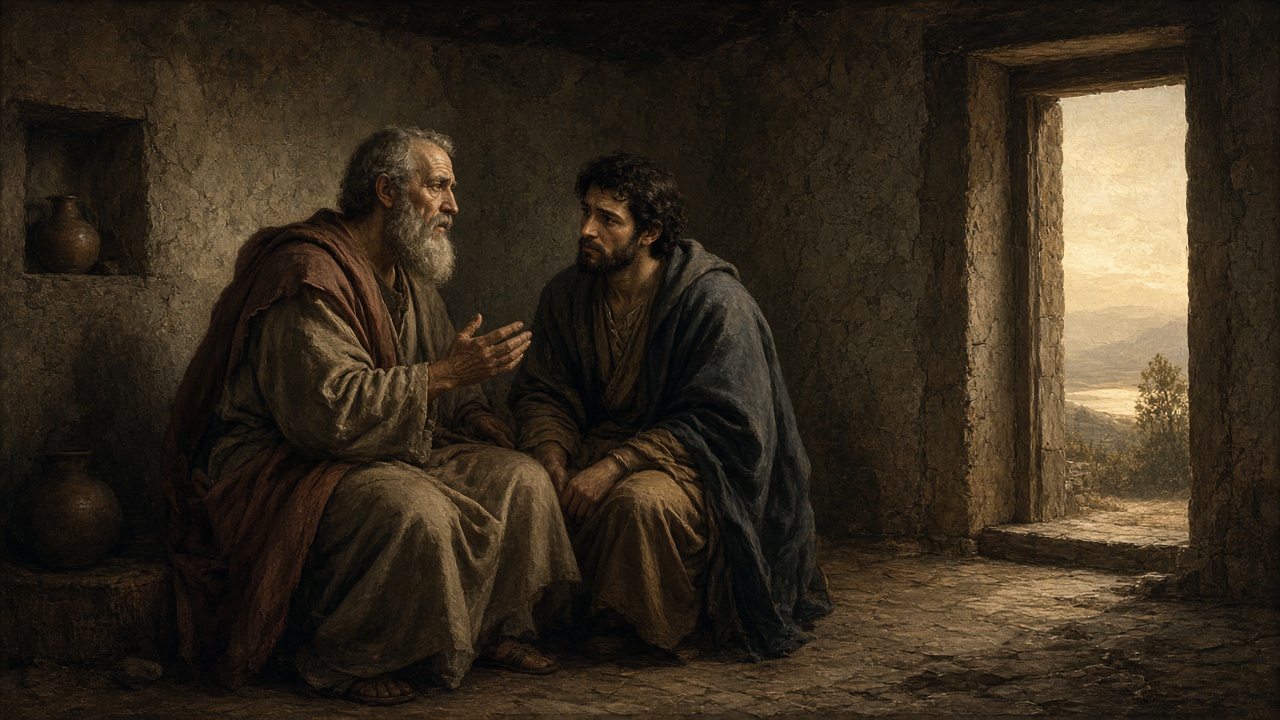
A exortação final e a despedida de Paulo
- Paulo pede a Timóteo que venha depressa. Demas, que o Dicionário Bíblico de Easton (1897) descreve como companheiro e colaborador de Paulo durante sua primeira prisão em Roma, abandonou-o por amor a este mundo e foi para Tessalônica, grande cidade no golfo Termaico e capital de um dos quatro distritos romanos da Macedônia. Crescente foi para a Galácia e Tito para a Dalmácia, região montanhosa na costa oriental do Adriático e parte da província romana do Ilírico; Paulo enviou Tíquico a Éfeso, e só Lucas permanece com ele.Fontes: Demas · Thessalonica · Dalmatia · o próprio texto bíblico
- O Dicionário Bíblico de Easton (1897) identifica Alexandre, o latoeiro, como um homem que, com Himeneu e outros, ensinava certas ideias sobre a ressurreição, e afirma que Paulo o excomungou. Neste capítulo, Paulo escreve que Alexandre lhe fez grande mal, pede a Timóteo que se acautele dele, porque se opôs com vigor à nossa mensagem, e diz que o Senhor lhe retribuirá segundo as suas obras.Fontes: Alexander · o próprio texto bíblico
- Paulo pede a Timóteo que traga a capa que deixou com Carpo em Trôade, junto com os rolos, especialmente os pergaminhos, e que chegue antes do inverno. Trôade era uma cidade no litoral da Mísia, no noroeste da Ásia Menor, que recebeu o nome da antiga Troia, situada cerca de quatro milhas ao norte.Fontes: Troas · o próprio texto bíblico
Notas escritas com auxílio de IA a partir de fontes abertas (Theographic Bible Metadata, CC BY-SA 4.0; Easton’s Bible Dictionary, domínio público) e revisadas antes de publicar.
Lugares deste capítulo
- Dalmatia · 43.813, 16.219 · versículo 10
- Galatia · 39.267, 32.983 · versículo 10
- Thessalonica · Hoje: Thessaloniki · 40.638, 22.946 · versículo 10
- Ephesus · 37.939, 27.341 · versículo 12
- Troas · Hoje: Alexandria Troas · 39.752, 26.159 · versículo 13
- Corinth · 37.906, 22.879 · versículo 20
- Miletus · 37.531, 27.276 · versículo 20
Só aparecem lugares com identificação de alta confiança (90% ou mais segundo as fontes acadêmicas reunidas pelo OpenBible). Mapa da época: DARE (Digital Atlas of the Roman Empire), CC BY 4.0; mapa atual: © colaboradores do OpenStreetMap; lugares: OpenBible.info (CC BY 4.0).
Créditos e licença desta tradução
Sahidica - طبعة جديدة من العهد الجديد باللغة القبطية الصعيدية
Sahidica - A New Edition of the New Testament in Sahidic Coptic
copyright © 2000-2006 J Warren Wells
Language: ⲘⲉⲧⲢⲉⲙ̀ⲛⲭⲏⲙⲓ (Coptic)
Dialect: Sahidic
Translation by: J Warren Wells
Coptic: Sahidic NT "Sahidica - A New Edition of the New Testament in Sahidic Coptic"
Copyright (c)2000-2006 by J Warren Wells. All rights reserved.
For more information visit www.sahidica.org .
This edition is available free of charge for use in free electronic
editions of the New Testament as long as the full title and copyright
information are included and credited. For written permission to use
all or any part of this document in print editions, contact the editor
at www.sahidica.org .
This edition is primarily meant for use by teachers and students of
Sahidic Coptic, and to a lesser degree by Coptologists involved in
scholarly research, textual criticism, or New Testament translation.
PURPOSE
Please note: This text is a work in progress. As such, there
is an ongoing effort to standardize the spelling of words in
the text. Be aware that version updates periodically appear.
The primary purpose is to produce a standardized edition of
the Sahidic NT similar to standard Greek editions.
An additional purpose of this text is to allow side-by-side
comparison with the Greek New Testament. To facilitate this
effort, a new version of the Greek text has been developed,
which is meant to better represent the Greek text upon which
the Sahidic was based. This text is entitled "The New Testament
According to the Egyptian Greek Text" [NTAEG]
This text does not include representation of either accents or
supralinear strokes, since these are used inconsistently in the
original texts. There is also a higher degree of standardization
in spelling and punctuation; like today's standard Greek master
texts, but unlike both the original Sahidic texts, and the PHI
and Coptic Society texts. Moreover, as in standard Greek texts,
instances of the Nomina Sacra have been expanded to their full
forms. This is again a departure from earlier versions of the
Sahidic, including the PHI and Coptic Society texts, which are
Both inconsistent in their usage.
Special thanks to David Brakke of Indiana University Bloomington,
Brigitte Comparini of the Packard Humanities Institute, and
Michael Heiser, Academic Editor, at Logos Research Systems; for
their assistance in making this edition possible.
BASIS
Sahidica was initially based (by permission) on the Coptic New Testament,
which is an electronic publication, which was edited by David Brakke.
(PHI-CD 5.3 dated 7/2/91. Los Altos. Packard Humanities Institute. 1991).
During later development, Sahidica was electronically collated against
the Coptic CD I by the St. Shenouda The Archmandrite Coptic Society.
Los Angeles, CA dated April, 1998.
These two editions were reduced to a raw electronic form, which allowed both
to be compared electronically letter by letter with Sahidica in order to
accurately detect and report every single variation and input error in any
of the texts. Though errors are inevitable, the collators of three seperate
editions are highly unlikely to make the same errors. Therefore, this method
helps to insure the integrity of the Sahidica edition.
Throughout the project, Sahidica was also collated against printed editions
of the following coptic manuscripts, which manuscripts date from the third
century and later.
Matt: Pierpont Morgan Library M-569 collated against Bodmer XIX papyrus
Mark:* PPalau Rib. Inv.Nr.182 collated against Pierpont Morgan Library M-569
Luke: PPalau Rib. Inv.Nr.181 collated against Pierpont Morgan Library M-569
John: PPalau Rib. Inv.Nr.183 collated against Pierpont Morgan Library M-569
Acts: Chester Beatty B (Copt.Ms.814) collated against Berlin P.15926 and British Museum MS Or.7594
Paul: Chester Beatty A (Copt.Ms.813) collated against Pierpont Morgan Library M-570 and M-571
James-Jude:** Pierpont Morgan Library M-572 collated against the Pierpont Morgan Library M-573 and M-601***
Revelation: Berlin MS Or.408 ( British Museum Ms Or.3518) collated against British Museum MS Or.6803
* Note: The longer and shorter endings of Mark are based on Horner; cf Kahle (JTS.1951.p49-57)
** Note: 1st Peter was also collated against the Crosby-Schøyen Ms.193.
*** Note: Portions of James and Jude were reconstructed from M-573, M-601, and four other mss.
Note on Interpolations
The short and long endings of Mark are ommited from the PPalau ms 182, but they do appear in most mss.
To better represent the overall Sahidic tradition, both endings are included, but in double brackets.
The pericope of the adultress (John 7:53-8:11) does not appear in any Sahidic ms. Herein it is omitted.
2014-09-16
Fonte: http://ebible.org/copshc/ · eBible.org