2 Coríntios 3
Sahidica - طبعة جديدة من العهد الجديد باللغة القبطية الصعيدية · Toque num versículo para ver as referências cruzadas.
1ⲀⲚⲀⲢⲬⲒ ⲞⲚ ⲚⲤⲨⲚϨⲒⲤⲦⲀ ⲘⲘⲞⲚ ⲘⲎⲦⲒ ⲦⲚⲢⲬⲢⲒⲀ ⲚϨⲈⲚⲈⲠⲒⲤⲦⲞⲖⲎ ⲈⲨⲤⲨⲚϨⲒⲤⲦⲀ ⲘⲘⲞⲚ ⲚⲎⲦⲚ ⲚⲐⲈ ⲚϨⲈⲚⲔⲞⲞⲨⲈ ⲎⲈⲂⲞⲖ ϨⲒⲦⲚ ⲦⲎⲨⲦⲚ ⲚⲚⲀϨⲢⲚ ϨⲈⲚⲔⲞⲞⲨⲈ. 2ⲦⲈⲚⲈⲠⲒⲤⲦⲞⲖⲎ ⲚⲦⲰⲦⲚ ⲠⲈ ⲈⲤⲤⲎϨ ϨⲚ ⲚⲈⲚϨⲎⲦ ⲈⲨⲈⲒⲘⲈ ⲈⲢⲞⲤ ⲀⲨⲰ ⲈⲨⲰϢ ⲘⲘⲞⲤ ϨⲒⲦⲚ ⲢⲰⲘⲈ ⲚⲒⲘ 3ⲈⲦⲈⲦⲚⲞⲨⲞⲚϨ ⲈⲂⲞⲖ ϪⲈ ⲚⲦⲈⲦⲚⲦⲈⲠⲒⲤⲦⲞⲖⲎ ⲘⲠⲈⲬⲢⲒⲤⲦⲞⲤ ⲈⲀⲨⲆⲒⲀⲔⲞⲚⲒ ⲘⲘⲞⲤ ⲈⲂⲞⲖ ϨⲒⲦⲞⲞⲦⲚ ⲈⲤⲤⲎϨ ⲘⲘⲈⲖⲀ ⲀⲚ ⲀⲖⲖⲀ ϨⲘ ⲠⲈⲠⲚⲈⲨⲘⲀ ⲘⲠⲚⲞⲨⲦⲈ ⲈⲦⲞⲚϨ ϨⲚ ϨⲈⲚⲠⲖⲀⲜ ⲀⲚ ⲚⲰⲚⲈ ⲀⲖⲖⲀ ϨⲚ ϨⲈⲚⲠⲖⲀⲜ ⲚϨⲎⲦ ⲚⲤⲀⲢⲜ. 4ⲞⲨⲚⲦⲀⲚ ⲆⲈ ⲘⲘⲀⲨ ⲚⲞⲨⲚⲀϨⲦⲈ ⲚⲦⲈⲒⲘⲒⲚⲈ ⲈⲠⲚⲞⲨⲦⲈ ⲈⲂⲞⲖ ϨⲒⲦⲞⲞⲦϤ ⲘⲠⲈⲬⲢⲒⲤⲦⲞⲤ. 5ϪⲈ ⲈⲚⲞ ⲀⲚ ⲚϨⲒⲔⲀⲚⲞⲤ ⲘⲘⲒⲚ ⲘⲘⲞⲚ ⲈⲦⲢⲈⲚⲘⲈⲈⲨⲈ ⲈⲨϨⲰⲂ ϨⲀⲠⲈⲚϨⲦⲞⲢ. ⲀⲖⲖⲀ ⲦⲈⲚⲘⲚⲦϨⲒⲔⲀⲚⲞⲤ ⲈⲤϢⲞⲞⲠ ⲈⲂⲞⲖ ϨⲒⲦⲘ ⲠⲚⲞⲨⲦⲈ. 6ⲠⲀⲒ ⲈⲚⲦⲀϤⲦⲢⲈⲚⲢⲠϢⲀ ⲚⲢⲆⲒⲀⲔⲞⲚⲞⲤ ⲚⲦⲆⲒⲀⲐⲎⲔⲎ ⲚⲂⲢⲢⲈ ⲚⲦⲈⲠⲈⲤϨⲀⲒ ⲀⲚ. ⲀⲖⲖⲀ ⲘⲠⲈⲠⲚⲈⲨⲘⲀ. ⲠⲈⲤϨⲀⲒ ⲄⲀⲢ ⲘⲞⲨⲞⲨⲦ ⲠⲈⲠⲚⲈⲨⲘⲀ ⲆⲈ ⲦⲀⲚϨⲞ. 7ⲈϢϪⲈ ⲦⲆⲒⲀⲔⲞⲚⲒⲀ ⲆⲈ ⲘⲠⲘⲞⲨ ⲈⲤϢⲈⲦϢⲰⲦ ϨⲚ ϨⲈⲚⲤϨⲀⲒ ϨⲚ ϨⲈⲚⲰⲚⲈ ⲀⲤϢⲰⲠⲈ ϨⲚ ⲞⲨⲈⲞⲞⲨ. ϨⲰⲤⲦⲈ ⲚⲤⲈⲦⲘϬⲘϬⲞⲘ ⲚϬⲒ ⲚϢⲎⲢⲈ ⲘⲠⲒⲤⲢⲀⲎⲖ ⲈϬⲰϢⲦ ⲈϨⲞⲨⲚ ⲈⲠϨⲞ ⲘⲘⲰⲨⲤⲎⲤ ⲈⲦⲂⲈ ⲠⲈⲞⲞⲨ ⲘⲠⲈϤϨⲞ ⲠⲀⲒ ⲈⲦⲚⲀⲞⲨⲰⲤϤ. 8ⲚⲀϢ ⲚϨⲈ ⲚϨⲞⲨⲞ ⲈⲚⲦⲆⲒⲀⲔⲞⲚⲒⲀ ⲀⲚ ⲘⲠⲈⲠⲚⲈⲨⲘⲀ ⲚⲀϢⲰⲠⲈ ϨⲚ ⲞⲨⲈⲞⲞⲨ. 9ⲈϢϪⲈ ⲀⲨⲈⲞⲞⲨ ⲄⲀⲢ ϢⲰⲠⲈ ⲚⲦⲆⲒⲀⲔⲞⲚⲒⲀ ⲘⲠⲦϬⲀⲈⲒⲞ. ⲠⲞⲤⲰ ⲘⲀⲖⲖⲞⲚ ⲤⲚⲀⲢϨⲞⲨⲞ ⲚϬⲒ ⲦⲆⲒⲀⲔⲞⲚⲒⲀ ⲚⲦⲆⲒⲔⲀⲒⲞⲤⲨⲚⲎ ϨⲘ ⲠⲈⲞⲞⲨ. 10ⲔⲀⲒⲄⲀⲢ ⲘⲠⲞⲨϮⲈⲞⲞⲨ ⲘⲠⲈⲦⲦⲀⲒⲎⲨ ϨⲘ ⲠⲈⲈⲒⲘⲈⲢⲞⲤ ⲈⲦⲂⲈ ⲠⲈϨⲞⲨⲞ ⲘⲠⲈⲞⲞⲨ. 11ⲈϢϪⲈ ⲀⲠⲈⲦⲚⲀⲞⲨⲰⲤϤ ⲄⲀⲢ ϢⲰⲠⲈ ϨⲒⲦⲚ ⲞⲨⲈⲞⲞⲨ. ⲚϨⲞⲨⲞ ϬⲈ ⲠⲈⲦⲚⲀϬⲰ ϤⲚⲀϢⲰⲠⲈ ϨⲘ ⲠⲈⲞⲞⲨ. 12ⲈⲨⲚⲦⲀⲚ ϬⲈ ⲘⲘⲀⲨ ⲚⲦⲈⲈⲒϨⲈⲖⲠⲒⲤ ⲚⲦⲈⲒⲘⲒⲚⲈ. ⲦⲚⲬⲢⲰ ϨⲚ ⲞⲨⲚⲞϬ ⲘⲠⲀⲢϨⲎⲤⲒⲀ. 13ⲈⲚⲔⲀⲦⲀ ⲐⲈ ⲀⲚ ⲘⲘⲰⲨⲤⲎⲤ ⲈϢⲀϤⲔⲰ ⲚⲞⲨⲔⲀⲖⲨⲘⲀ ⲈϨⲢⲀⲒ ⲈϪⲘ ⲠⲈϤϨⲞ ϪⲈ ⲚⲚⲈⲨϬⲰϢⲦ ⲚϬⲒ ⲚϢⲎⲢⲈ ⲘⲠⲒⲤⲢⲀⲎⲖ ⲈⲐⲀⲎ ⲘⲠⲈⲦⲚⲀⲞⲨⲰⲤϤ. 14ⲀⲖⲖⲀ ⲀⲨⲦⲰⲘ ⲚϬⲒ ⲚⲈⲨⲘⲈⲈⲨⲈ ⲚϨⲎⲦ ϢⲀ ϨⲢⲀⲒ ⲄⲀⲢ ⲈⲠⲞⲞⲨ ⲚϨⲞⲞⲨ ⲠⲒϨⲂⲤ ⲚⲞⲨⲰⲦ ϢⲞⲞⲠ ⲈϨⲢⲀⲒ ⲈϪⲘ ⲠⲰϢ ⲚⲦⲆⲒⲀⲐⲎⲔⲎ ⲚⲀⲤ. ⲈⲚⲤⲈϬⲰⲖⲠ ⲘⲘⲞϤ ⲈⲂⲞⲖ ⲀⲚ ϪⲈ ⲈϤⲚⲀⲞⲨⲰⲤϤ ϨⲘ ⲠⲈⲬⲢⲒⲤⲦⲞⲤ. 15ⲀⲖⲖⲀ ϢⲀ ⲠⲞⲞⲨ ⲈⲨⲚⲀⲰϢ ⲘⲘⲰⲨⲤⲎⲤ ⲞⲨⲚ ⲞⲨⲔⲀⲖⲨⲘⲀ ⲔⲎ ⲈϨⲢⲀⲒ ⲈϪⲘⲠⲈⲨϨⲎⲦ. 16ⲈϤⲈⲒ ⲆⲈ ⲈϤⲚⲀⲔⲞⲦϤ ⲈⲠϪⲞⲈⲒⲤ ϢⲀϤϤⲒ ⲘⲠⲔⲀⲖⲨⲘⲀ. 17ⲠϪⲞⲈⲒⲤ ⲆⲈ ⲠⲈ ⲠⲈⲠⲚⲈⲨⲘⲀ. ⲠⲘⲀ ⲆⲈ ⲈⲦⲈⲢⲈ ⲠⲈⲠⲚⲈⲨⲘⲀ ⲘⲠϪⲞⲈⲒⲤ ⲚϨⲎⲦϤ ⲈⲤⲘⲘⲀⲨ ⲚϬⲒ ⲦⲘⲚⲦⲢⲘϨⲈ. 18ⲀⲚⲞⲚ ⲆⲈ ⲦⲎⲢⲚ ϨⲚ ⲞⲨϨⲞ ⲈϤϬⲞⲖⲠ ⲈⲂⲞⲖ. ⲈⲚⲈⲒⲰⲢϨ ⲘⲠⲈⲞⲞⲨ ⲘⲠⲚⲞⲨⲦⲈ ϨⲒⲦⲚ ⲞⲨⲈⲒⲀⲖ ⲦⲚϪⲒϨⲢⲂ ⲚϮϨⲒⲔⲰⲚ ⲚⲞⲨⲰⲦ ⲈⲂⲞⲖ ϨⲚ ⲞⲨⲈⲞⲞⲨ ⲈⲨⲈⲞⲞⲨ ⲔⲀⲦⲀ ⲐⲈ ⲈⲂⲞⲖ ϨⲒⲦⲘ ⲠϪⲞⲈⲒⲤ ⲠⲈⲠⲚⲈⲨⲘⲀ.
Você sabia?
Uma aliança mais gloriosa
- O capítulo pergunta se são necessárias cartas de recomendação para os crentes ou da parte deles, como algumas pessoas exigem. Responde que os próprios crentes são uma carta de Cristo, fruto desse ministério, inscrita nos corações dos ministros e conhecida e lida por todos.Fontes: o próprio texto bíblico
- O capítulo contrasta a tinta e as tábuas de pedra com o Espírito do Deus vivo a escrever em corações humanos. Chama de ministério de morte e de condenação o ministério gravado em letras sobre pedra, e descreve uma nova aliança do Espírito, pois a letra mata, mas o Espírito dá vida.Fontes: o próprio texto bíblico
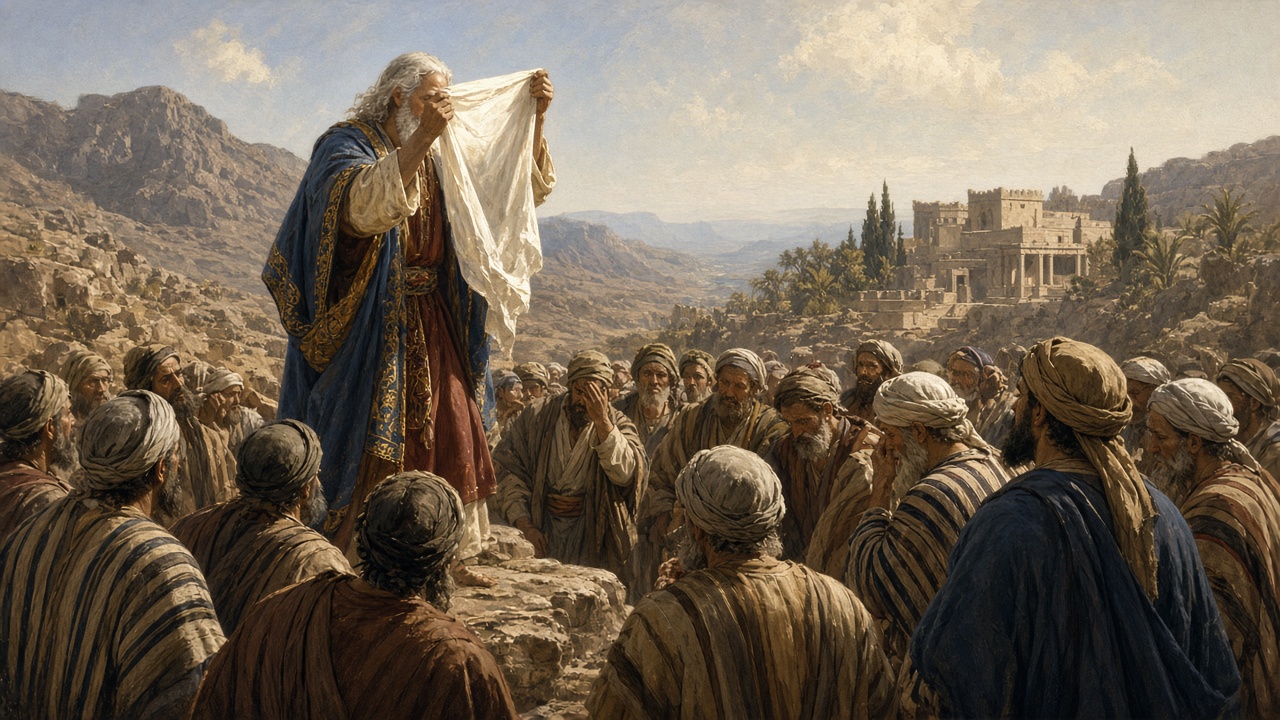
- Os israelitas não conseguiam fitar o rosto de Moisés por causa de uma glória que se desvanecia, e Moisés pôs um véu sobre o rosto para que não contemplassem o fim do que ia passando. O capítulo diz que um véu ainda cobre os corações deles quando se lê Moisés, e que ele é retirado sempre que alguém se volta para o Senhor.Fontes: o próprio texto bíblico
Notas escritas com auxílio de IA a partir de fontes abertas (Theographic Bible Metadata, CC BY-SA 4.0; Easton’s Bible Dictionary, domínio público) e revisadas antes de publicar.
Créditos e licença desta tradução
Sahidica - طبعة جديدة من العهد الجديد باللغة القبطية الصعيدية
Sahidica - A New Edition of the New Testament in Sahidic Coptic
copyright © 2000-2006 J Warren Wells
Language: ⲘⲉⲧⲢⲉⲙ̀ⲛⲭⲏⲙⲓ (Coptic)
Dialect: Sahidic
Translation by: J Warren Wells
Coptic: Sahidic NT "Sahidica - A New Edition of the New Testament in Sahidic Coptic"
Copyright (c)2000-2006 by J Warren Wells. All rights reserved.
For more information visit www.sahidica.org .
This edition is available free of charge for use in free electronic
editions of the New Testament as long as the full title and copyright
information are included and credited. For written permission to use
all or any part of this document in print editions, contact the editor
at www.sahidica.org .
This edition is primarily meant for use by teachers and students of
Sahidic Coptic, and to a lesser degree by Coptologists involved in
scholarly research, textual criticism, or New Testament translation.
PURPOSE
Please note: This text is a work in progress. As such, there
is an ongoing effort to standardize the spelling of words in
the text. Be aware that version updates periodically appear.
The primary purpose is to produce a standardized edition of
the Sahidic NT similar to standard Greek editions.
An additional purpose of this text is to allow side-by-side
comparison with the Greek New Testament. To facilitate this
effort, a new version of the Greek text has been developed,
which is meant to better represent the Greek text upon which
the Sahidic was based. This text is entitled "The New Testament
According to the Egyptian Greek Text" [NTAEG]
This text does not include representation of either accents or
supralinear strokes, since these are used inconsistently in the
original texts. There is also a higher degree of standardization
in spelling and punctuation; like today's standard Greek master
texts, but unlike both the original Sahidic texts, and the PHI
and Coptic Society texts. Moreover, as in standard Greek texts,
instances of the Nomina Sacra have been expanded to their full
forms. This is again a departure from earlier versions of the
Sahidic, including the PHI and Coptic Society texts, which are
Both inconsistent in their usage.
Special thanks to David Brakke of Indiana University Bloomington,
Brigitte Comparini of the Packard Humanities Institute, and
Michael Heiser, Academic Editor, at Logos Research Systems; for
their assistance in making this edition possible.
BASIS
Sahidica was initially based (by permission) on the Coptic New Testament,
which is an electronic publication, which was edited by David Brakke.
(PHI-CD 5.3 dated 7/2/91. Los Altos. Packard Humanities Institute. 1991).
During later development, Sahidica was electronically collated against
the Coptic CD I by the St. Shenouda The Archmandrite Coptic Society.
Los Angeles, CA dated April, 1998.
These two editions were reduced to a raw electronic form, which allowed both
to be compared electronically letter by letter with Sahidica in order to
accurately detect and report every single variation and input error in any
of the texts. Though errors are inevitable, the collators of three seperate
editions are highly unlikely to make the same errors. Therefore, this method
helps to insure the integrity of the Sahidica edition.
Throughout the project, Sahidica was also collated against printed editions
of the following coptic manuscripts, which manuscripts date from the third
century and later.
Matt: Pierpont Morgan Library M-569 collated against Bodmer XIX papyrus
Mark:* PPalau Rib. Inv.Nr.182 collated against Pierpont Morgan Library M-569
Luke: PPalau Rib. Inv.Nr.181 collated against Pierpont Morgan Library M-569
John: PPalau Rib. Inv.Nr.183 collated against Pierpont Morgan Library M-569
Acts: Chester Beatty B (Copt.Ms.814) collated against Berlin P.15926 and British Museum MS Or.7594
Paul: Chester Beatty A (Copt.Ms.813) collated against Pierpont Morgan Library M-570 and M-571
James-Jude:** Pierpont Morgan Library M-572 collated against the Pierpont Morgan Library M-573 and M-601***
Revelation: Berlin MS Or.408 ( British Museum Ms Or.3518) collated against British Museum MS Or.6803
* Note: The longer and shorter endings of Mark are based on Horner; cf Kahle (JTS.1951.p49-57)
** Note: 1st Peter was also collated against the Crosby-Schøyen Ms.193.
*** Note: Portions of James and Jude were reconstructed from M-573, M-601, and four other mss.
Note on Interpolations
The short and long endings of Mark are ommited from the PPalau ms 182, but they do appear in most mss.
To better represent the overall Sahidic tradition, both endings are included, but in double brackets.
The pericope of the adultress (John 7:53-8:11) does not appear in any Sahidic ms. Herein it is omitted.
2014-09-16
Fonte: http://ebible.org/copshc/ · eBible.org