1 Coríntios 7
Sahidica - طبعة جديدة من العهد الجديد باللغة القبطية الصعيدية · Toque num versículo para ver as referências cruzadas.
1ⲈⲦⲂⲈ ⲚⲈⲚⲦⲀⲦⲈⲦⲚⲤϨⲀⲒⲤⲞⲨ ⲆⲈ ⲚⲀⲒ ⲚⲀⲚⲞⲨⲤ ⲘⲠⲢⲰⲘⲈ ⲈⲦⲘϪⲰϨ ⲈⲤϨⲒⲘⲈ. 2ⲈⲦⲂⲈ ⲘⲠⲞⲢⲚⲈⲒⲀ ⲆⲈ ⲘⲀⲢⲈ ⲠⲞⲨⲀ ⲠⲞⲨⲀ ϪⲒ ⲚⲀϤ ⲚⲦⲈϤⲤϨⲒⲘⲈ. ⲀⲨⲰ ⲘⲀⲢⲈ ⲦⲞⲨⲈⲒ ⲦⲞⲨⲈⲒ ϪⲒ ⲚⲀⲤ ⲘⲠⲈⲤϨⲀⲒ. 3ⲠϨⲞⲞⲨⲦ ⲘⲀⲢⲈϤϮ ⲘⲠⲈⲦⲈⲢⲞϤ ⲚⲦⲈϤⲤϨⲒⲘⲈ. ϨⲞⲘⲞⲒⲰⲤ ⲆⲈ ⲦⲔⲈⲤϨⲒⲘⲈ ⲘⲀⲢⲈⲤϮ ⲘⲠⲈⲦⲈⲢⲞⲤ ⲘⲠⲈⲤϨⲀⲒ. 4ⲦⲈⲤϨⲒⲘⲈ ⲞⲘⲠϪⲞⲈⲒⲤ ⲀⲚ ⲘⲠⲈⲤⲤⲰⲘⲀ ⲀⲖⲖⲀ ⲠⲈⲤϨⲀⲒ ⲠⲈ. ϨⲞⲘⲞⲒⲰⲤ ⲆⲈ ⲘⲠϨⲀⲒ ⲞⲘⲠϪⲞⲈⲒⲤ ⲀⲚ ⲘⲠⲈϤⲤⲰⲘⲀ. ⲀⲖⲖⲀ ⲦⲈϤⲤϨⲒⲘⲈ ⲦⲈ. 5ⲘⲠⲢϤⲈϬ ⲚⲈⲦⲚⲈⲢⲎⲨ ⲈⲒⲘⲎⲦⲒ ϨⲚ ⲞⲨϢⲰⲚⲂ ⲠⲢⲞⲤ ⲞⲨⲞⲈⲒϢ ϪⲈ ⲈⲦⲈⲦⲚⲈⲤⲢϤⲈ ⲈⲠⲈϢⲖⲎⲖ. ⲀⲨⲰ ⲞⲚ ⲚⲦⲈⲦⲚ ⲈⲒ ⲈⲦⲞⲨⲈⲚ ⲚⲈⲦⲚⲈⲢⲎⲨ ϪⲈ ⲚⲚⲈ ⲠⲤⲀⲦⲀⲚⲀⲤ ⲠⲈⲒⲢⲀⲌⲈ ⲘⲘⲰⲦⲚ ⲈⲦⲂⲈ ⲦⲈⲦⲚⲘⲚⲦⲀⲦⲀⲘⲀϨⲦⲈ. 6ⲠⲀⲒ ⲆⲈ ⲈⲒϪⲰ ⲘⲘⲞϤ ⲔⲀⲦⲀ ⲞⲨⲤⲨⲚⲄⲚⲰⲘⲎ. ⲚⲔⲀⲦⲀ ⲞⲨⲈϨⲤⲀϨⲚⲈ ⲀⲚ. 7ϮⲞⲨⲰϢ ⲄⲀⲢ ⲈⲦⲢⲈ ⲢⲰⲘⲈ ⲚⲒⲘ ϢⲰⲠⲈ ⲚⲦⲀϨⲈ ⲀⲖⲖⲀ ⲞⲨⲚⲦⲈ ⲠⲞⲨⲀ ⲠⲞⲨⲀ ⲞⲨⲬⲀⲢⲒⲤⲘⲀ ⲈⲂⲞⲖ ϨⲒⲦⲘ ⲠⲚⲞⲨⲦⲈ ⲞⲨⲀ ⲘⲈⲚ ϨⲒⲚⲀⲒ ⲔⲈⲦ ⲆⲈ ⲚⲦⲈⲒϨⲈ. 8ϮϪⲰ ⲆⲈ ⲘⲘⲞⲤ ⲚⲚⲈⲦⲈⲘⲚⲦⲞⲨ ⲤϨⲒⲘⲈ ⲘⲚ ⲚⲈⲬⲎⲢⲀ ϪⲈ ⲚⲀⲚⲞⲨⲤ ⲚⲀⲨ ⲈϬⲰ ⲚⲦⲀϨⲈ ϨⲰ. 9ⲈϢⲰⲠⲈ ⲆⲈ ⲈⲚⲤⲈⲚⲀⲈϢⲈⲄⲔⲢⲀⲦⲈⲨⲈ ⲀⲚ ⲘⲘⲞⲞⲨ ⲘⲀⲢⲞⲨϪⲒ. ⲚⲀⲚⲞⲨ ϪⲒ ⲄⲀⲢ ⲈϨⲞⲨⲈⲢⲰⲔϨ. 10ⲚⲈⲚⲦⲀⲨϪⲒ ⲆⲈ ϮⲠⲀⲢⲀⲄⲄⲈⲒⲖⲈ ⲚⲀⲨ ⲀⲚⲞⲔ ⲀⲚ ⲀⲖⲖⲀ ⲠϪⲞⲈⲒⲤ ⲈⲦⲘⲦⲢⲈ ⲦⲈⲤϨⲒⲘⲈ ⲠⲰⲢϪ ⲈⲠⲈⲤϨⲀⲒ. 11ⲈϢⲰⲠⲈ ⲆⲈ ⲈⲤϢⲀⲚⲠⲰⲢϪ ⲘⲀⲢⲈⲤϬⲰ ⲚⲦⲈⲒϨⲈ. ⲎⲚⲤϨⲰⲦⲠ ⲈⲠⲈⲤϨⲀⲒ. ⲀⲨⲰ ⲠϨⲞⲞⲨⲦ ⲈⲦⲘⲦⲢⲈϤⲔⲰ ⲚⲤⲰϤ ⲚⲦⲈϤⲤϨⲒⲘⲈ. 12ϮϪⲰ ⲆⲈ ⲘⲘⲞⲤ ⲘⲠⲔⲈⲤⲈⲈⲠⲈ ⲀⲚⲞⲔ ⲘⲠϪⲞⲈⲒⲤ ⲀⲚ ϪⲈ ⲈϢⲰⲠⲈ ⲞⲨⲤⲞⲚ ⲈⲨⲚⲦⲀϤ ⲘⲘⲀⲨ ⲚⲞⲨⲤϨⲒⲘⲈ ⲚⲀⲠⲒⲤⲦⲞⲤ ⲀⲨⲰ ⲈⲤⲞⲨⲰϢ ⲈϬⲰ ⲚⲘⲘⲀϤ ⲘⲠⲢⲦⲢⲈϤⲖⲞ ϨⲀⲢⲞⲤ. 13ⲀⲨⲰ ⲈϢⲰⲠⲈ ⲞⲨⲤϨⲒⲘⲈ ⲈⲨⲚⲦⲀⲤ ⲘⲘⲀⲨ ⲚⲞⲨϨⲀⲒ ⲚⲀⲠⲒⲤⲦⲞⲤ ⲈϤⲞⲨⲰϢ ⲈϬⲰ ⲚⲘⲘⲀⲤ ⲘⲠⲢⲦⲢⲈⲤⲖⲞ ϨⲀ ⲠϨⲀⲒ. 14ⲀϤⲦⲂⲂⲞ ⲄⲀⲢ ⲚϬⲒ ⲠϨⲀⲒ ⲚⲀⲠⲒⲤⲦⲞⲤ ϨⲚ ⲦⲈⲤϨⲒⲘⲈ ⲀⲨⲰ ⲀⲤⲦⲂⲂⲞ ⲚϬⲒ ⲦⲈⲤϨⲒⲘⲈ ⲚⲀⲠⲒⲤⲦⲞⲤ ϨⲘ ⲠⲤⲞⲚ ⲈϢϪⲈ ⲘⲠⲈ ⲈⲒⲈ ⲚⲈⲦⲚϢⲎⲢⲈ ϨⲈⲚⲀⲔⲀⲐⲀⲢⲦⲞⲚ ⲚⲈ ⲦⲈⲚⲞⲨ ⲆⲈ ⲤⲈⲞⲨⲀⲀⲂ. 15ⲈϢϪⲈ ⲠⲀⲠⲒⲤⲦⲞⲤ ⲆⲈ ⲚⲀⲠⲰⲢϪ ⲘⲀⲢⲈϤⲠⲰⲢϪ ⲈⲚϤⲞ ⲀⲚ ⲚϨⲘϨⲀⲖ ⲚϬⲒ ⲠⲤⲞⲚ ⲎⲦⲤⲰⲚⲈ ϨⲚ ⲚⲈⲈⲒϨⲰⲂ ⲚⲦⲈⲒⲘⲒⲚⲈ ⲚⲦⲀ ⲠϪⲞⲈⲒⲤ ⲄⲀⲢ ⲦⲀϨⲘⲚ ϨⲚ ⲞⲨⲈⲒⲢⲎⲚⲎ. 16ⲞⲨ ⲄⲀⲢ ⲠⲈⲦⲈⲢⲈ ⲤⲞⲞⲨⲚ ⲘⲘⲞϤ ⲦⲈⲤϨⲒⲘⲈ. ⲘⲎ ⲦⲈⲚⲀϢⲦⲞⲨϪⲈ ⲠⲞⲨϨⲀⲒ. ⲀⲨⲰ ⲞⲨ ⲠⲈⲦⲔⲤⲞⲞⲨⲚ ⲘⲘⲞϤ ⲠϨⲀⲒ ⲘⲎ ⲔⲚⲀϢⲦⲞⲨϪⲈ ⲦⲈⲔⲤϨⲒⲘⲈ. 17ⲈⲒⲘⲎ ⲚⲐⲈ ⲈⲚⲦⲀ ⲠϪⲞⲈⲒⲤ ⲦⲈϢ ⲠⲞⲨⲀ ⲠⲞⲨⲀ ⲘⲘⲞⲤ. ⲠⲞⲨⲀ ⲠⲞⲨⲀ ⲚⲐⲈ ⲈⲚⲦⲀ ⲠⲚⲞⲨⲦⲈ ⲦⲀϨⲘⲈϤ ⲘⲀⲢⲈϤⲘⲞⲞϢⲈ ⲘⲘⲞⲤ. ⲀⲨⲰ ⲦⲀⲒ ⲦⲈ ⲐⲈ ⲈϮⲦⲰϢ ⲘⲘⲞⲤ ϨⲚ ⲚⲈⲔⲔⲖⲎⲤⲒⲀ ⲚⲒⲘ. 18ⲀⲨⲦⲈϨⲘ ⲞⲨⲀ ⲈϤⲤⲂⲂⲎⲨ ⲘⲠⲢⲦⲢⲈϤϨⲞⲂⲤϤ. ⲀⲨⲦⲈϨⲘ ⲞⲨⲀ ⲈϤⲞ ⲚⲀⲦⲤⲂⲂⲈ ⲘⲠⲢⲦⲢⲈϤⲤⲂⲂⲎⲦϤ. 19ⲠⲤⲂⲂⲈ ⲞⲨⲖⲀⲀⲨ ⲠⲈ ⲀⲨⲰ ⲦⲘⲚⲦⲀⲦⲤⲂⲂⲈ ⲞⲨⲖⲀⲀⲨ ⲦⲈ. ⲀⲖⲖⲀ ⲠϨⲀⲢⲈϨ ⲈⲚⲈⲚⲦⲞⲖⲎ ⲘⲠⲚⲞⲨⲦⲈ ⲠⲈ. 20ⲠⲞⲨⲀ ⲠⲞⲨⲀ ϨⲘ ⲠⲦⲰϨⲘ ⲈⲚⲦⲀⲨⲦⲀϨⲘⲈϤ ⲚϨⲎⲦϤ ⲘⲀⲢⲈϤϬⲰ ⲚϨⲎⲦϤ. 21ⲀⲨⲦⲀϨⲘⲈⲔ ⲈⲔⲞ ⲚϨⲘϨⲀⲖ ⲘⲠⲢⲦⲢⲈϤⲢⲢⲞⲞⲨϢ ⲚⲀⲔ. ⲀⲖⲖⲀ ⲔⲀⲚ ⲈϢⲰⲠⲈ ⲞⲨⲚϬⲞⲘ ⲘⲘⲞⲔ ⲈⲢⲢⲘϨⲈ ⲬⲢⲰ ⲚϨⲞⲨⲞ. 22ⲠϨⲘϨⲀⲖ ⲄⲀⲢ ⲈⲚⲦⲀⲨⲦⲀϨⲘⲈϤ ϨⲘ ⲠϪⲞⲈⲒⲤ ⲠⲀ ⲠⲈⲖⲈⲨⲐⲈⲢⲞⲤ ⲘⲠϪⲞⲈⲒⲤ ⲠⲈ. ϨⲞⲘⲞⲒⲰⲤ ⲠⲢⲘϨⲈ ⲈⲚⲦⲀⲨⲦⲀϨⲘⲈϤ ⲠϨⲘϨⲀⲖ ⲘⲠⲈⲬⲢⲒⲤⲦⲞⲤ ⲠⲈ. 23ⲀⲨϢⲈⲠ ⲦⲎⲨⲦⲚ ϨⲀ ⲞⲨⲀⲤⲞⲨ ⲘⲠⲢϢⲰⲠⲈ ⲚϨⲘϨⲀⲖ ⲚⲢⲰⲘⲈ. 24ⲠⲞⲨⲀ ⲠⲞⲨⲀ ϨⲘ ⲠⲈⲚⲦⲀⲨⲦⲀϨⲘⲈϤ ⲚϨⲎⲦϤ ⲚⲀⲤⲚⲎⲨ ⲘⲀⲢⲈϤϬⲰ ϨⲘ ⲠⲀⲒ ⲚⲚⲀϨⲢⲘ ⲠⲚⲞⲨⲦⲈ. 25ⲈⲦⲂⲈ ⲘⲠⲀⲢⲐⲈⲚⲞⲤ ⲆⲈ ⲘⲚⲦⲀⲒ ⲞⲨⲈϨⲤⲀϨⲚⲈ ⲘⲘⲀⲨ ⲚⲦⲈ ⲠϪⲞⲈⲒⲤ. ϮϮ ⲆⲈ ⲚⲞⲨⲄⲚⲰⲘⲎ ϨⲰⲤ ⲈⲀⲨⲚⲀ ⲚⲀⲒ ϨⲒⲦⲘ ⲠϪⲞⲈⲒⲤ ⲈⲢⲠⲒⲤⲦⲞⲤ. 26ϮⲘⲈⲈⲨⲈ ϬⲈ ϪⲈ ⲚⲀⲚⲞⲨ ⲠⲀⲒ ⲈⲦⲂⲈ ⲦⲀⲚⲀⲄⲔⲎ ⲈⲦϢⲞⲞⲠ. ϪⲈ ⲚⲀⲚⲞⲨⲤ ⲘⲠⲢⲰⲘⲈ ⲈϬⲰ ⲚⲦⲈⲒϨⲈ. 27ⲔⲘⲎⲢ ⲈⲤϨⲒⲘⲈ ⲘⲠⲢϢⲒⲚⲈ ⲚⲤⲀⲂⲰⲖ ⲔⲂⲎⲖ ⲈⲂⲞⲖ ⲚⲤϨⲒⲘⲈ ⲘⲠⲢϢⲒⲚⲈ ⲚⲤⲀ ⲤϨⲒⲘⲈ. 28ⲈϢⲰⲠⲈ ⲆⲈ ⲈⲔϢⲀⲚϪⲒ ⲘⲠⲔⲢⲚⲞⲂⲈ ⲀⲨⲰ ⲈⲤϢⲀⲚϪⲒ ⲚϬⲒ ⲦⲠⲀⲢⲐⲈⲚⲞⲤ ⲘⲠⲤⲢⲚⲞⲂⲈ ⲚⲀⲒ ⲆⲈ ⲚⲦⲈⲈⲒⲘⲒⲚⲈ ⲚⲀϢⲈ ⲠⲐⲖⲒⲮⲒⲤ ϨⲚ ⲦⲈⲨⲤⲀⲢⲜ ⲀⲚⲞⲔ ⲆⲈ ϮϮⲤⲞ ⲈⲢⲰⲦⲚ. 29ⲠⲀⲒ ⲆⲈ ⲈⲒϪⲰ ⲘⲘⲞϤ ⲚⲀⲤⲚⲎⲨ ϪⲈ ⲠⲈⲨⲞⲈⲒϢ ⲚⲞⲖⲔ ⲠⲈ. ϪⲈⲔⲀⲀⲤ ϬⲈ ⲚⲔⲞⲞⲨⲈ ⲈⲦⲈⲨⲚⲦⲞⲨ ⲤϨⲒⲘⲈ ⲘⲘⲀⲨ ⲚⲤⲈⲢⲐⲈ ⲚⲚⲈⲦⲈⲘⲚⲦⲀⲨ. 30ⲀⲨⲰ ⲚⲈⲦⲢⲒⲘⲈ ϨⲰⲤ ⲈⲚⲤⲈⲢⲒⲘⲈ ⲀⲚ. ⲀⲨⲰ ⲚⲈⲦⲢⲀϢⲈ ϨⲰⲤ ⲈⲚⲤⲈⲢⲀϢⲈ ⲀⲚ. ⲀⲨⲰ ⲚⲈⲦϢⲰⲠ ϨⲰⲤ ⲈⲚⲤⲈⲀⲘⲀϨⲦⲈ ⲀⲚ. 31ⲀⲨⲰ ⲚⲈⲦⲬⲢⲰ ⲘⲠⲈⲈⲒⲔⲞⲤⲘⲞⲤ ϨⲰⲤ ⲈⲚⲤⲈⲬⲢⲰ ⲀⲚ. ϤⲚⲀⲠⲀⲢⲀⲄⲈ ⲄⲀⲢ ⲚϬⲒ ⲠⲈⲤⲬⲎⲘⲀ ⲘⲠⲈⲒⲔⲞⲤⲘⲞⲤ. 32ϮⲞⲨⲈϢ ⲦⲎⲨⲦⲚ ⲆⲈ ⲈⲦⲢⲈⲦⲈⲦⲚϢⲰⲠⲈ ⲚⲀⲦⲢⲞⲞⲨϢ. ⲠⲈⲦⲈⲘⲚⲦϤ ⲤϨⲒⲘⲈ ϤϤⲒⲢⲞⲞⲨϢ ⲈⲚⲀ ⲠϪⲞⲈⲒⲤ ϪⲈ ⲈϤⲚⲀⲀⲢⲈⲤⲔⲈ ⲘⲠϪⲞⲈⲒⲤ ⲚⲀϢ ⲚϨⲈ. 33ⲠⲈⲚⲦⲀϤϪⲒ ⲆⲈ ϤϤⲒⲢⲞⲞⲨϢ ⲈⲚⲀ ⲠⲔⲞⲤⲘⲞⲤ ϪⲈ ⲈϤⲚⲀⲀⲢⲈⲤⲔⲈ ⲚⲦⲈϤⲤϨⲒⲘⲈ ⲚⲀϢ ⲚϨⲈ. 34ⲀⲨⲰ ϤⲠⲎϢ ⲀⲨⲰ ⲦⲈⲤϨⲒⲘⲈ ⲈⲦⲈⲘⲚⲦⲤ ϨⲀⲒ ⲘⲚ ⲦⲠⲀⲢⲐⲈⲚⲞⲤ ϤⲒⲢⲞⲞⲨϢ ⲈⲚⲀ ⲠϪⲞⲈⲒⲤ ϪⲈⲔⲀⲀⲤ ⲈⲤⲈϢⲰⲠⲈ ⲈⲤⲞⲨⲀⲀⲂ ϨⲘ ⲠⲈⲤⲤⲰⲘⲀ ⲘⲚ ⲠⲈⲤⲠⲚⲈⲨⲘⲀ ⲦⲈⲚⲦⲀⲤϪⲒϨⲀⲒ ⲆⲈ ϤⲒⲢⲞⲞⲨϢ ⲈⲚⲀ ⲠⲔⲞⲤⲘⲞⲤ ϪⲈ ⲚⲀϢ ⲚϨⲈ ⲈⲤⲚⲀⲀⲢⲈⲤⲔⲈ ⲘⲠⲈⲤϨⲀⲒ. 35ⲈⲒϪⲰ ⲆⲈ ⲘⲠⲀⲒ ⲈⲦⲈⲦⲚⲚⲞϤⲢⲈ. ϪⲈⲔⲀⲀⲤ ⲀⲚ ⲈⲒⲈϮ ⲚⲞⲨⲈⲖⲰ ⲈϨⲎⲦ ⲦⲎⲨⲦⲚ ⲀⲖⲖⲀ ⲠⲢⲞⲤⲞⲨⲦⲤⲀⲚⲞ ⲘⲚⲦϬⲒⲚⲀϨⲈⲢⲀⲦⲔ ⲈⲠϪⲞⲈⲒⲤ ⲔⲀⲖⲰⲤ ⲀϪⲚⲢⲞⲞⲨϢ 36ⲈϢϪⲈ ⲞⲨⲚ ⲞⲨⲀ ⲆⲈ ϪⲰ ⲘⲘⲞⲤ ϪⲈ ϤϢⲒⲠⲈ ⲈϪⲚ ⲦⲈϤϢⲈⲈⲢⲈ ⲈϢⲰⲠⲈ ⲀⲤⲢⲚⲞϬ ⲀⲨⲰ ⲦⲀⲒ ⲦⲈ ⲐⲈ ⲈⲦϢϢⲈ ⲈϢⲰⲠⲈ ⲠⲈⲦϤⲞⲨⲀϢϤ ⲘⲀⲢⲈϤⲀⲀϤ ⲚϤⲢⲚⲞⲂⲈ ⲀⲚ ⲘⲀⲢⲞⲨϪⲒ. 37ⲠⲈⲚⲦⲀϤⲀϨⲈ ⲆⲈ ⲈⲢⲀⲦϤ ϨⲘ ⲠⲈϤϨⲎⲦ ⲈϤⲦⲀϪⲢⲎⲨ ⲈⲘⲚϨⲦⲞⲢ ⲈⲢⲞϤ. ⲞⲨⲚⲦϤ ⲈⲜⲞⲨⲤⲒⲀ ⲆⲈ ⲘⲘⲀⲨ ⲈⲦⲂⲈ ⲠⲈϤⲞⲨⲰϢ ⲘⲘⲒⲚ ⲘⲘⲞϤ. ⲀⲨⲰ ⲀϤⲔⲢⲒⲚⲈ ⲘⲠⲀⲒ ϨⲘ ⲠⲈϤϨⲎⲦ ⲈϨⲀⲢⲈϨ ⲈⲦⲈϤϢⲈⲈⲢⲈ ⲔⲀⲖⲰⲤ ϤⲚⲀⲀⲀⲤ. 38ϨⲰⲤⲦⲈ ⲠⲈⲦⲚⲀϮ ⲦⲈϤϢⲈⲈⲢⲈ ⲚϨⲀⲒ ⲔⲀⲖⲰⲤ ϤⲚⲀⲀⲀⲤ. ⲀⲨⲰ ⲠⲈⲦⲈⲚϤⲚⲀⲦⲀⲀⲤ ⲀⲚ ⲈϤⲚⲀⲢⲞⲨϨⲞⲨⲞ. 39ⲦⲈⲤϨⲒⲘⲈ ⲘⲎⲢ ⲈⲠϨⲞⲤⲞⲚ ⲠⲈⲨⲞⲈⲒϢ ⲠⲈⲤϨⲀⲒ ⲞⲚϨ ⲈⲢϢⲀⲚ ⲠⲈⲤϨⲀⲒ ⲆⲈ ⲘⲞⲨ ⲞⲨⲢⲘϨⲎ ⲦⲈ ⲈϨⲘⲞⲞⲤ ⲘⲚ ⲠⲈⲦⲈϨⲚⲀⲤ ⲘⲞⲚⲞⲚ ϨⲘ ⲠϪⲞⲈⲒⲤ. 40ⲚⲀⲒⲀⲦⲤ ⲆⲈ ⲚϨⲞⲨⲞ ⲈⲤϢⲀⲚϬⲰ ⲚⲦⲈⲈⲒϨⲈ ⲔⲀⲦⲀ ⲦⲀⲄⲚⲰⲘⲎ. ϮϪⲰ ⲄⲀⲢ ⲘⲘⲞⲤ ϨⲰ ϪⲈ ⲞⲨⲚⲦⲀⲒ ⲘⲘⲀⲨ ⲘⲠⲈⲠⲚⲈⲨⲘⲀ ⲘⲠⲚⲞⲨⲦⲈ.
Você sabia?
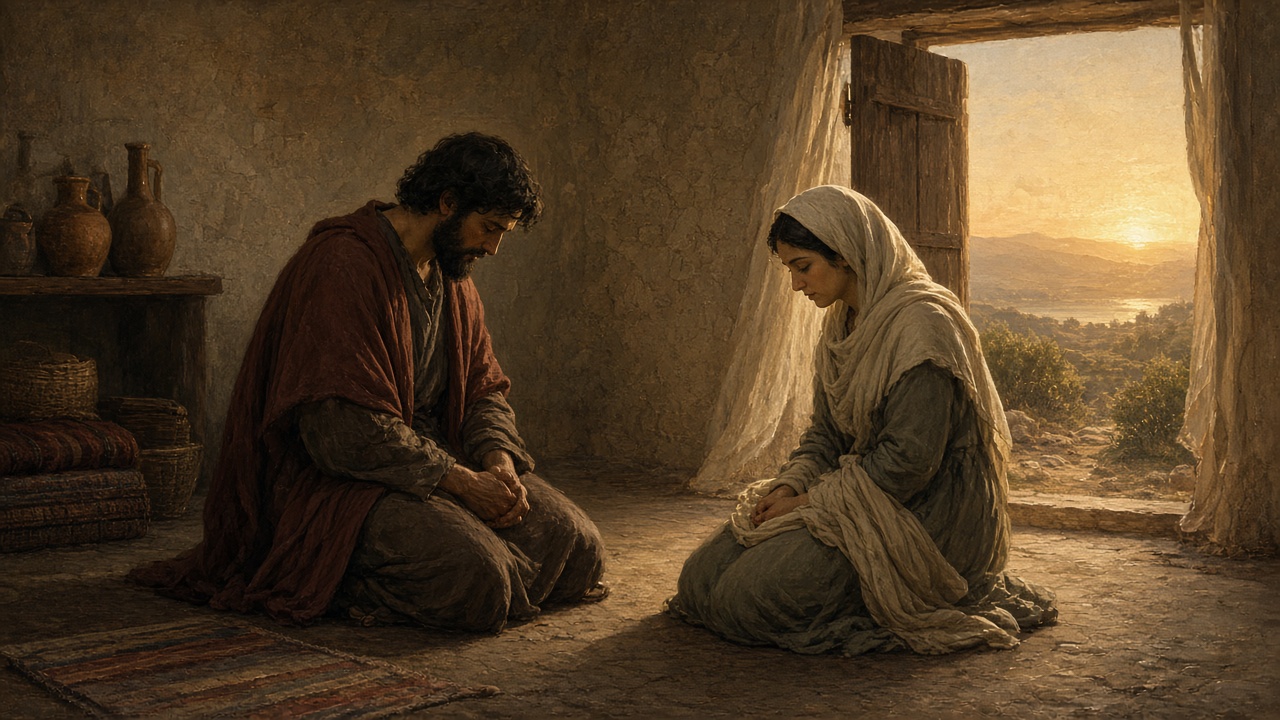
Conselhos sobre o casamento e a crise presente
- O capítulo começa como resposta a assuntos sobre os quais os leitores haviam escrito. O autor diz que é bom abster-se das relações sexuais, mas, porque há tanta imoralidade sexual, cada homem deve ter a própria esposa e cada mulher o próprio marido. Ele apresenta isso como uma concessão, não como uma ordem, e diz que cada pessoa tem o seu próprio dom da parte de Deus.Fontes: o próprio texto bíblico
- No casamento, o autor diz que a esposa não tem autoridade sobre o próprio corpo, mas o marido, e, do mesmo modo, o marido não tem autoridade sobre o próprio corpo, mas a esposa. Não devem privar-se um do outro, exceto por mútuo consentimento e por um tempo, para se dedicarem à oração, e depois voltar a unir-se, para que Satanás não os tente por falta de domínio próprio. O dicionário bíblico de Easton (1897) apresenta o nome Satanás como “adversário” ou “acusador” e observa que ele tentou Jesus no deserto.Fontes: o próprio texto bíblico · Satan
- O autor distingue um mandamento que atribui ao Senhor — a esposa não deve separar-se do marido, e o marido não deve divorciar-se da esposa — do seu próprio juízo, nos casos em que diz que fala ele, e não o Senhor, inclusive casamentos com uma pessoa incrédula e questões sobre virgens. Por causa do que chama de crise presente, e porque diz que o tempo é curto e que este mundo, na sua forma atual, está passando, ele acha bom permanecer como se está. Acrescenta que casar não é pecar, embora os que casam enfrentem dificuldades nesta vida.Fontes: o próprio texto bíblico
Notas escritas com auxílio de IA a partir de fontes abertas (Theographic Bible Metadata, CC BY-SA 4.0; Easton’s Bible Dictionary, domínio público) e revisadas antes de publicar.
Créditos e licença desta tradução
Sahidica - طبعة جديدة من العهد الجديد باللغة القبطية الصعيدية
Sahidica - A New Edition of the New Testament in Sahidic Coptic
copyright © 2000-2006 J Warren Wells
Language: ⲘⲉⲧⲢⲉⲙ̀ⲛⲭⲏⲙⲓ (Coptic)
Dialect: Sahidic
Translation by: J Warren Wells
Coptic: Sahidic NT "Sahidica - A New Edition of the New Testament in Sahidic Coptic"
Copyright (c)2000-2006 by J Warren Wells. All rights reserved.
For more information visit www.sahidica.org .
This edition is available free of charge for use in free electronic
editions of the New Testament as long as the full title and copyright
information are included and credited. For written permission to use
all or any part of this document in print editions, contact the editor
at www.sahidica.org .
This edition is primarily meant for use by teachers and students of
Sahidic Coptic, and to a lesser degree by Coptologists involved in
scholarly research, textual criticism, or New Testament translation.
PURPOSE
Please note: This text is a work in progress. As such, there
is an ongoing effort to standardize the spelling of words in
the text. Be aware that version updates periodically appear.
The primary purpose is to produce a standardized edition of
the Sahidic NT similar to standard Greek editions.
An additional purpose of this text is to allow side-by-side
comparison with the Greek New Testament. To facilitate this
effort, a new version of the Greek text has been developed,
which is meant to better represent the Greek text upon which
the Sahidic was based. This text is entitled "The New Testament
According to the Egyptian Greek Text" [NTAEG]
This text does not include representation of either accents or
supralinear strokes, since these are used inconsistently in the
original texts. There is also a higher degree of standardization
in spelling and punctuation; like today's standard Greek master
texts, but unlike both the original Sahidic texts, and the PHI
and Coptic Society texts. Moreover, as in standard Greek texts,
instances of the Nomina Sacra have been expanded to their full
forms. This is again a departure from earlier versions of the
Sahidic, including the PHI and Coptic Society texts, which are
Both inconsistent in their usage.
Special thanks to David Brakke of Indiana University Bloomington,
Brigitte Comparini of the Packard Humanities Institute, and
Michael Heiser, Academic Editor, at Logos Research Systems; for
their assistance in making this edition possible.
BASIS
Sahidica was initially based (by permission) on the Coptic New Testament,
which is an electronic publication, which was edited by David Brakke.
(PHI-CD 5.3 dated 7/2/91. Los Altos. Packard Humanities Institute. 1991).
During later development, Sahidica was electronically collated against
the Coptic CD I by the St. Shenouda The Archmandrite Coptic Society.
Los Angeles, CA dated April, 1998.
These two editions were reduced to a raw electronic form, which allowed both
to be compared electronically letter by letter with Sahidica in order to
accurately detect and report every single variation and input error in any
of the texts. Though errors are inevitable, the collators of three seperate
editions are highly unlikely to make the same errors. Therefore, this method
helps to insure the integrity of the Sahidica edition.
Throughout the project, Sahidica was also collated against printed editions
of the following coptic manuscripts, which manuscripts date from the third
century and later.
Matt: Pierpont Morgan Library M-569 collated against Bodmer XIX papyrus
Mark:* PPalau Rib. Inv.Nr.182 collated against Pierpont Morgan Library M-569
Luke: PPalau Rib. Inv.Nr.181 collated against Pierpont Morgan Library M-569
John: PPalau Rib. Inv.Nr.183 collated against Pierpont Morgan Library M-569
Acts: Chester Beatty B (Copt.Ms.814) collated against Berlin P.15926 and British Museum MS Or.7594
Paul: Chester Beatty A (Copt.Ms.813) collated against Pierpont Morgan Library M-570 and M-571
James-Jude:** Pierpont Morgan Library M-572 collated against the Pierpont Morgan Library M-573 and M-601***
Revelation: Berlin MS Or.408 ( British Museum Ms Or.3518) collated against British Museum MS Or.6803
* Note: The longer and shorter endings of Mark are based on Horner; cf Kahle (JTS.1951.p49-57)
** Note: 1st Peter was also collated against the Crosby-Schøyen Ms.193.
*** Note: Portions of James and Jude were reconstructed from M-573, M-601, and four other mss.
Note on Interpolations
The short and long endings of Mark are ommited from the PPalau ms 182, but they do appear in most mss.
To better represent the overall Sahidic tradition, both endings are included, but in double brackets.
The pericope of the adultress (John 7:53-8:11) does not appear in any Sahidic ms. Herein it is omitted.
2014-09-16
Fonte: http://ebible.org/copshc/ · eBible.org