1 Coríntios 15
Sahidica - طبعة جديدة من العهد الجديد باللغة القبطية الصعيدية · Toque num versículo para ver as referências cruzadas.
1ϮⲦⲀⲘⲞ ⲆⲈ ⲘⲘⲰⲦⲚ ⲚⲀⲤⲚⲎⲨ ⲈⲠⲀⲈⲨⲀⲄⲄⲈⲖⲒⲞⲚ ⲠⲀⲒ ⲈⲚⲦⲀⲒⲈⲨⲀⲄⲄⲈⲖⲒⲌⲈ ⲘⲘⲞϤ ⲚⲎⲦⲚ. ⲠⲀⲒ ⲞⲚ ⲈⲚⲦⲀⲦⲈⲦⲚϪⲒⲦϤ. ⲠⲀⲒ ⲞⲚ ⲈⲦⲈⲦⲚⲀϨⲈⲢⲀⲦ ⲦⲎⲨⲦⲚ ⲚϨⲎⲦϤ. 2ⲀⲨⲰ ⲞⲚ ⲈⲦⲈⲦⲚⲀⲞⲨϪⲀⲒ ⲈⲂⲞⲖ ϨⲒⲦⲞⲞⲦϤ ϪⲈ ⲞⲨ ⲠⲈ ⲠϢⲀϪⲈ ⲈⲚⲦⲀⲒⲈⲨⲀⲄⲄⲈⲖⲒⲌⲈ ⲘⲘⲞϤ ⲚⲎⲦⲚ ⲈϢϪⲈ ⲦⲈⲦⲚⲀⲘⲀϨⲦⲈ ϨⲒⲂⲞⲖ ⲈϢϪⲈ ⲈⲒⲔⲎ ⲀⲚ ⲀⲦⲈⲦⲚⲠⲒⲤⲦⲈⲨⲈ. 3ⲀⲒϮ ⲄⲀⲢ ⲚⲎⲦⲚ ⲚϢⲞⲢⲠ ⲘⲠⲈⲚⲦⲀⲒϪⲒⲦϤ. ϪⲈ ⲠⲈⲬⲢⲒⲤⲦⲞⲤ ⲀϤⲘⲞⲨ ϨⲀ ⲚⲈⲚⲚⲞⲂⲈ ⲔⲀⲦⲀ ⲚⲈⲄⲢⲀⲪⲎ. 4ⲀⲨⲰ ϪⲈ ⲀⲨⲦⲞⲘⲤϤ. ⲀⲨⲰ ϪⲈ ⲀϤⲦⲰⲞⲨⲚ ϨⲘ ⲠⲘⲈϨϢⲞⲘⲚⲦ ⲚϨⲞⲞⲨ ⲔⲀⲦⲀ ⲚⲈⲄⲢⲀⲪⲎ. 5ⲀⲨⲰ ϪⲈ ⲀϤⲞⲨⲰⲚϨ ⲈⲂⲞⲖ ⲚⲔⲎⲪⲀ. ⲈⲒⲦⲀ ⲘⲠⲘⲚⲦⲤⲚⲞⲞⲨⲤ 6ⲘⲚⲚⲤⲰⲤ ⲀϤⲞⲨⲰⲚϨ ⲈⲂⲞⲖ ⲚϨⲞⲨⲞ ⲈϮⲞⲨ ⲚϢⲈ ⲚⲤⲞⲚ ⲚⲞⲨⲤⲞⲠ ⲚⲞⲨⲰⲦ ⲚⲀⲒ ⲈⲢⲈ ⲠⲈⲨϨⲞⲨⲞ ϢⲞⲞⲠ ϢⲀ ⲦⲈⲚⲞⲨ. ϨⲞⲒⲚⲈ ⲆⲈ ⲘⲘⲞⲞⲨ ⲀⲨⲚⲔⲞⲦⲔ. 7ⲘⲚⲚⲤⲰⲤ ⲀϤⲞⲨⲰⲚϨ ⲈⲂⲞⲖ ⲚⲒⲀⲔⲰⲂⲞⲤ. ⲈⲒⲦⲀ ⲚⲀⲠⲞⲤⲦⲞⲖⲞⲤ ⲦⲎⲢⲞⲨ. 8ⲚϨⲀⲈ ⲆⲈ ⲈⲞⲨⲞⲚ ⲚⲒⲘ ⲚⲐⲈ ⲚⲞⲨϨⲞⲨϨⲈ. ⲀϤⲞⲨⲰⲚϨ ϨⲰ ⲚⲀⲒ ⲈⲂⲞⲖ. 9ⲀⲚⲞⲔ ⲄⲀⲢ ⲠⲈ ⲠⲈⲖⲀⲬⲒⲤⲦⲞⲤ ⲚⲀⲠⲞⲤⲦⲞⲖⲞⲤ. ⲈⲚϮⲘⲠϢⲀ ⲀⲚ ⲘⲘⲞⲨⲦⲈ ⲈⲢⲞⲒ ϪⲈ ⲀⲠⲞⲤⲦⲞⲖⲞⲤ ϪⲈ ⲀⲒⲆⲒⲰⲔⲈ ⲚⲤ ⲀⲦⲈⲔⲔⲖⲎⲤⲒⲀ ⲘⲠⲚⲞⲨⲦⲈ. 10ⲐⲈ ⲆⲈ ⲈϮⲞ ⲘⲘⲞⲤ ⲈⲒⲞ ⲘⲘⲞⲤ ϨⲘ ⲠⲈϨⲘⲞⲦ ⲘⲠⲚⲞⲨⲦⲈ ⲀⲨⲰ ⲦⲈϤⲬⲀⲢⲒⲤ ⲈⲚⲦⲀⲤⲠⲰϨ ϢⲀⲢⲞⲒ ⲘⲠⲤϢⲰⲠⲈ ⲈⲤϢⲞⲨⲈⲒⲦ ⲀⲖⲖⲀ ⲀⲒϢⲠϨⲒⲤⲈ ⲈϨⲞⲨⲈ ⲈⲢⲞⲞⲨ ⲦⲎⲢⲞⲨ ⲚⲀⲚⲞⲔ ⲆⲈ ⲀⲚ ⲀⲖⲖⲀ ⲦⲈⲬⲀⲢⲒⲤ ⲘⲠⲚⲞⲨⲦⲈ ⲈⲦⲚⲘⲘⲀⲒ. 11ⲈⲒⲦⲈ ϬⲈ ⲀⲚⲞⲔ. ⲈⲒⲦⲈ ⲚⲎ ⲦⲀⲒ ⲦⲈ ⲐⲈ ⲈⲦⲚⲦⲀϢⲈⲞⲈⲒϢ ⲘⲘⲞⲤ. ⲀⲨⲰ ⲦⲀⲒ ⲦⲈ ⲐⲈ ⲈⲚⲦⲀⲦⲈⲦⲚⲠⲒⲤⲦⲈⲨⲈ. 12ⲈϢϪⲈ ⲠⲈⲬⲢⲒⲤⲦⲞⲤ ⲆⲈ ⲤⲈⲦⲀϢⲈⲞⲈⲒϢ ⲘⲘⲞϤ ϪⲈ ⲀϤⲦⲰⲞⲨⲚ ϨⲚ ⲚⲈⲦⲘⲞⲞⲨⲦ ⲚⲀϢ ⲚϨⲈ ⲞⲨⲚ ϨⲞⲒⲚⲈ ϪⲰ ⲘⲘⲞⲤ ⲚϨⲎⲦ ⲦⲎⲨⲦⲚ ϪⲈ ⲚⲈⲦⲘⲞⲞⲨⲦ ⲚⲀⲦⲰⲞⲨⲚ ⲀⲚ. 13ⲈϢϪⲈ ⲚⲈⲦⲘⲞⲞⲨⲦ ⲚⲀⲦⲰⲞⲨⲚ ⲀⲚ ⲈⲒⲈ ⲘⲠⲈ ⲠⲈⲬⲢⲒⲤⲦⲞⲤ ⲦⲰⲞⲨⲚ. 14ⲈϢϪⲈ ⲘⲠⲈ ⲠⲈⲬⲢⲒⲤⲦⲞⲤ ⲦⲰⲞⲨⲚ ⲈⲒⲈ ⲠⲈⲚⲦⲀϢⲈⲞⲈⲒϢ ϢⲞⲨⲈⲒⲦ. ⲀⲨⲰ ⲤϢⲞⲨⲈⲒⲦ ⲚϬⲒ ⲦⲈⲚⲠⲒⲤⲦⲒⲤ. 15ⲤⲈⲚⲀϨⲈ ⲆⲈ ⲞⲚ ⲈⲢⲞⲚ ⲈⲚⲞ ⲘⲘⲚⲦⲢⲈ ⲚⲚⲞⲨϪ ⲈⲠⲚⲞⲨⲦⲈ ϪⲈ ⲀⲚⲢⲘⲚⲦⲢⲈ ⲘⲠⲚⲞⲨⲦⲈ. ϪⲈ ⲀϤⲦⲞⲨⲚⲈⲤ ⲠⲈⲬⲢⲒⲤⲦⲞⲤ ⲠⲀⲒ ⲈⲦⲈⲘⲠϤⲦⲞⲨⲚⲞⲤϤ. 16ⲈϢϪⲈ ⲚⲈⲦⲘⲞⲞⲨⲦ ⲚⲀⲦⲰⲞⲨⲚ ⲀⲚ. ⲈϢϪⲈ ⲚⲈⲦⲘⲞⲞⲨⲦ ⲄⲀⲢ ⲚⲀⲦⲰⲞⲨⲚ ⲀⲚ. ⲈⲒⲈ ⲘⲠⲈ ⲠⲈⲬⲢⲒⲤⲦⲞⲤ ⲦⲰⲞⲨⲚ. 17ⲈϢϪⲈ ⲘⲠⲈ ⲠⲈⲬⲢⲒⲤⲦⲞⲤ ⲦⲰⲞⲨⲚ ⲈⲒⲈ ⲤϢⲞⲨⲈⲒⲦ ⲚϬⲒ ⲦⲈⲦⲚⲠⲒⲤⲦⲒⲤ. ⲀⲨⲰ ⲈⲦⲈⲒ ⲦⲈⲦⲚϢⲞⲞⲠ ϨⲚ ⲚⲈⲦⲚⲚⲞⲂⲈ. 18ⲈⲒⲈ ⲀⲚⲔⲞⲞⲨⲈ ⲈⲚⲦⲀⲨⲚⲔⲞⲦⲔ ϨⲘ ⲠⲈⲬⲢⲒⲤⲦⲞⲤ ϨⲈ ⲈⲂⲞⲖ. 19ⲈϢϪⲈ ϨⲢⲀⲒ ϨⲘ ⲠⲈⲒⲰⲚϨ ⲘⲘⲀⲦⲈ ⲈⲚⲚⲀϨⲦⲈ ϨⲘ ⲠⲈⲬⲢⲒⲤⲦⲞⲤ. ⲈⲒⲈ ⲀⲚϨⲈⲚⲈⲂⲒⲎⲚ ⲈϨⲞⲨⲈ ⲢⲰⲘⲈ ⲚⲒⲘ. 20ⲦⲈⲚⲞⲨ ⲆⲈ ⲀⲠⲈⲬⲢⲒⲤⲦⲞⲤ ⲦⲰⲞⲨⲚ ⲈⲂⲞⲖ ϨⲚ ⲚⲈⲦⲘⲞⲞⲨⲦ ⲦⲀⲠⲀⲢⲬⲎ ⲚⲚⲈⲚⲦⲀⲨⲚⲔⲞⲦⲔ 21ⲈⲠⲈⲒⲆⲎ ⲄⲀⲢ ⲚⲦⲀ ⲠⲘⲞⲨ ϢⲰⲠⲈ ⲈⲂⲞⲖ ϨⲒⲦⲚ ⲞⲨⲢⲰⲘⲈ. ⲈⲂⲞⲖ ϨⲒⲦⲚ ⲞⲨⲢⲰⲘⲈ ⲞⲚ ⲠⲈ ⲠⲦⲰⲞⲨⲚ ⲚⲚⲈⲦⲘⲞⲞⲨⲦ. 22ⲚⲐⲈ ⲄⲀⲢ ⲈⲦⲞⲨⲘⲞⲨ ⲦⲎⲢⲞⲨ ϨⲚ ⲀⲆⲀⲘ. ⲦⲀⲒ ⲦⲈ ⲐⲈ ϨⲘ ⲠⲈⲬⲢⲒⲤⲦⲞⲤ ⲤⲈⲚⲀⲰⲚϨ ⲦⲎⲢⲞⲨ. 23ⲠⲞⲨⲀ ⲆⲈ ⲠⲞⲨⲀ ϨⲘ ⲠⲈϤⲦⲀⲄⲘⲀ. ⲦⲀⲠⲀⲢⲬⲎ ⲠⲈⲬⲢⲒⲤⲦⲞⲤ. ⲘⲚⲚⲤⲰⲤ ⲚⲀ ⲠⲈⲬⲢⲒⲤⲦⲞⲤ ϨⲚ ⲦⲈϤⲠⲀⲢϨⲞⲨⲤⲒⲀ. 24ⲈⲒⲦⲀ ⲐⲀⲎ ⲈϤϢⲀⲚϮ ⲚⲦⲘⲚⲦⲢⲢⲞ ⲘⲠⲚⲞⲨⲦⲈ ⲠⲈⲒⲰⲦ ⲈϤϢⲀⲚⲞⲨⲰⲤϤ ⲚⲀⲢⲬⲎ ⲚⲒⲘ. ϨⲒ ⲈⲜⲞⲨⲤⲒⲀ ⲚⲒⲘ. ϨⲒϬⲞⲘ ⲚⲒⲘ. 25ϨⲀⲠⲤ ⲄⲀⲢ ⲠⲈ ⲈⲦⲢⲈϤⲢⲢⲢⲞ ϢⲀⲚⲦϤⲔⲰ ⲚⲚⲈϤϪⲀϪⲈ ⲦⲎⲢⲞⲨ ϨⲀ ⲚⲈϤⲞⲨⲈⲢⲎⲦⲈ. 26ⲠϨⲀⲈ ⲆⲈ ⲚϪⲀϪⲈ ϤⲚⲀⲞⲨⲰⲤϤ ⲈⲦⲈ ⲠⲘⲞⲨ ⲠⲈ. 27ⲀϤⲔⲀ ⲚⲔⲀ ⲄⲀⲢ ⲚⲒⲘ ϨⲀ ⲚⲈϤⲞⲨⲈⲢⲎ ⲦⲈ. ϨⲞⲦⲀⲚ ⲆⲈ ⲈϤϢⲀⲚϪⲞⲞⲤ ϪⲈ ⲚⲔⲀ ⲚⲒⲘ ⲀⲨϨⲨⲠⲞⲦⲀⲤⲤⲈ ⲚⲀϤ. ⲈⲒⲈ ⲠⲂⲞⲖ ⲘⲠⲈⲚⲦⲀϤⲦⲢⲈ ⲚⲔⲀ ⲚⲒⲘ ϨⲨⲠⲞⲦⲀⲤⲤⲈ ⲚⲀϤ. 28ϨⲞⲦⲀⲚ ⲆⲈ ⲈⲢϢⲀⲚ ⲚⲔⲀ ⲚⲒⲘ ϨⲨⲠⲞⲦⲀⲤⲤⲈ ⲚⲀϤ. ⲦⲞⲦⲈ ⲚⲦⲞϤ ⲠϢⲎⲢⲈ ϤⲚⲀϨⲨⲠⲞⲦⲀⲤⲤⲈ ⲘⲠⲈⲚⲦⲀϤⲦⲢⲈ ⲚⲔⲀ ⲚⲒⲘ ϨⲨⲠⲞⲦⲀⲤⲤⲈ ⲚⲀϤ. ϪⲈⲔⲀⲀⲤ ⲈⲢⲈ ⲠⲚⲞⲨⲦⲈ ϢⲰⲠⲈ ⲈⲠⲦⲎⲢϤ ⲠⲈ ⲈϤϨⲘ ⲠⲦⲎⲢϤ. 29ⲈⲘⲘⲞⲚ ⲈⲨⲚⲀⲢⲞⲨ ⲚϬⲒ ⲚⲈⲦⲂⲀⲠⲦⲒⲌⲈ ϨⲀ ⲚⲈⲦⲘⲞⲞⲨⲦ. ⲈϢϪⲈ ⲚⲈⲦⲘⲞⲞⲨⲦ ⲢⲰ ⲚⲀⲦⲰⲞⲨⲚ ⲀⲚ ⲀϨⲢⲞⲞⲨ ⲤⲈⲂⲀⲠⲦⲒⲌⲈ ϨⲀⲢⲞⲞⲨ. 30ⲀϨⲢⲞⲚ ϨⲰⲰⲚ ⲦⲚⲔⲒⲚⲆⲨⲚⲈⲨⲈ ⲚⲚⲀⲨ ⲚⲒⲘ. 31ϮⲘⲞⲨ ⲘⲘⲎⲚⲈ ϢⲈⲠⲈⲦⲚϢⲞⲨϢⲞⲨ ⲈⲦⲈⲨⲚⲦⲀⲈⲒϤ ⲚⲀⲤⲚⲎⲨ ϨⲘ ⲠⲈⲬⲢⲒⲤⲦⲞⲤ ⲒⲎⲤⲞⲨⲤ ⲠϪⲞⲈⲒⲤ. 32ⲈϢϪⲈ ⲔⲀⲦⲀ ⲢⲰⲘⲈ ⲚⲦⲀⲒⲘⲒϢⲈ ⲘⲚ ⲚⲈⲐⲎⲢⲒⲞⲚ ϨⲚ ⲈⲪⲈⲤⲞⲤ ⲞⲨ ⲠⲈ ⲠⲀϨⲎⲨ. ⲈϢϪⲈ ⲚⲈⲦⲘⲞⲞⲨⲦ ⲚⲀⲦⲰⲞⲨⲚ ⲀⲚ ⲘⲀⲢⲚⲞⲨⲰⲘ ⲚⲦⲚⲤⲰ. ϪⲈ ⲦⲚⲚⲀⲘⲞⲨ ⲄⲀⲢ ⲚⲢⲀⲤⲦⲈ. 33ⲘⲠⲢⲠⲖⲀⲚⲀ. ϢⲀⲢⲈ ⲚⲒϢⲀϪⲈ ⲈⲐⲞⲞⲨ ⲦⲀⲔⲈ ⲚⲒϨⲎⲦ ⲈⲦⲚⲀⲚⲞⲨⲞⲨ. 34ⲚⲎⲪⲈ ⲆⲒⲔⲀⲒⲰⲤ ⲀⲨⲰ ⲘⲠⲢⲢⲚⲞⲂⲈ. ⲞⲨⲚ ϨⲞⲒⲚⲈ ⲄⲀⲢ ⲞⲚⲀⲦⲤⲞⲞⲨⲚ ⲘⲠⲚⲞⲨⲦⲈ. ⲈⲒϪⲰ ⲚⲚⲀⲒ ⲈⲒϮϢⲒⲠⲈ ⲚⲎⲦⲚ. 35ⲀⲖⲖⲀ ⲞⲨⲚ ⲞⲨⲀ ⲚⲀϪⲞⲞⲤ ϪⲈ ⲈⲢⲈ ⲚⲈⲦⲘⲞⲞⲨⲦ ⲚⲀⲦⲰⲞⲨⲚ ⲚⲀϢ ⲚϨⲈ. ⲈⲨⲚⲎⲨ ⲆⲈ ϨⲚ ⲀϢ ⲚⲤⲰⲘⲀ. 36ⲠⲀⲐⲎⲦ ⲚⲦⲞⲔ ⲠⲈϢⲀϤϪⲞϤ ⲘⲈϤⲰⲚϨ. ⲈⲒ ⲘⲎⲦⲒ ⲚϤⲘⲞⲨ. 37ⲀⲨⲰ ⲘⲠⲤⲰⲘⲀ ⲀⲚ ⲈⲦⲚⲀϢⲰⲠⲈ ⲠⲈϢⲀⲔϪⲞϤ. ⲀⲖⲖⲀ ⲞⲨⲂⲖⲂⲒⲖⲈ ⲦⲈ ⲈⲤⲔⲎⲔⲀϨⲎⲨ ⲚⲤⲞⲨⲞ. ⲎⲘⲠⲔⲈⲤⲈⲈⲠⲈ ⲚϬⲢⲞϬ. 38ϢⲀⲢⲈ ⲠⲚⲞⲨⲦⲈ ⲆⲈ ϮⲚⲀϤ ⲚⲞⲨⲤⲰⲘⲀ ⲔⲀⲦⲀ ⲐⲈ ⲈⲦϤⲞⲨⲀϢⲤ. ⲀⲨⲰ ⲞⲨⲤⲰⲘⲀ ⲘⲠⲞⲨⲀ ⲠⲞⲨⲀ ⲚⲚⲈϬⲢⲰⲰϬ ⲔⲀⲦⲀⲢⲞϤ. 39ⲚⲞⲨⲤⲀⲢⲜ ⲚⲞⲨⲰⲦ ⲀⲚ ⲦⲈ ⲤⲀⲢⲜ ⲚⲒⲘ ⲀⲖⲖⲀ ⲞⲨⲈⲦ ⲦⲀⲚⲢⲰⲘⲈ ⲀⲨⲰ ⲞⲨⲈⲦ ⲦⲤⲀⲢⲜ ⲚⲚⲦⲂⲚⲎ ⲀⲨⲰ ⲞⲨⲈⲦ ⲦⲤⲀⲢⲜ ⲚⲚϨⲀⲖⲎⲦ ⲀⲨⲰ ⲞⲨⲈⲦ ⲦⲀ ⲚⲦⲂⲦ. 40ⲘⲚ ⲚⲤⲰⲘⲀ ⲈⲦϨⲚ ⲦⲠⲈ ⲘⲚ ⲚⲤⲰⲘⲀ ⲈⲦϨⲘ ⲠⲔⲀϨ ⲀⲖⲖⲀ ⲞⲨⲈⲦ ⲠⲈⲞⲞⲨ ⲘⲈⲚ ⲚⲚⲈⲦϨⲚ ⲦⲠⲈ ⲞⲨⲈⲦ ⲠⲈⲞⲞⲨ ⲆⲈ ⲚⲚⲈⲦϨⲘ ⲠⲔⲀϨ. 41ⲞⲨⲈⲦ ⲠⲈⲞⲞⲨ ⲘⲠⲢⲎ ⲞⲨⲈⲦ ⲠⲈⲞⲞⲨ ⲘⲠⲞⲞϨ ⲞⲨⲈⲦ ⲠⲈⲞⲞⲨ ⲚⲚⲤⲒⲞⲨ ⲞⲨⲚ ⲤⲒⲞⲨ ⲄⲀⲢ ϢⲞⲂⲈ ⲈⲤⲒⲞⲨ ϨⲘ ⲠⲈⲞⲞⲨ. 42ⲦⲀⲒ ⲦⲈ ⲐⲈ ⲘⲠⲔⲈⲦⲰⲞⲨⲚ ⲚⲚⲈⲦⲘⲞⲞⲨⲦ. ⲤⲈⲚⲀϪⲞϤ ϨⲚ ⲞⲨⲦⲀⲔⲞ ⲚϤⲦⲰⲞⲨⲚ ϨⲚ ⲞⲨⲘⲚⲦⲀⲦⲦⲀⲔⲞ. 43ⲤⲈⲚⲀϪⲞϤ ϨⲚ ⲞⲨⲤⲰϢ ⲚϤⲦⲰⲞⲨⲚ ϨⲚ ⲞⲨⲈⲞⲞⲨ. ⲤⲈⲚⲀϪⲞϤ ϨⲚ ⲞⲨⲘⲚⲦϬⲰⲂ ⲚϤⲦⲰⲞⲨⲚ ϨⲚ ⲞⲨϬⲞⲘ. 44ⲤⲈⲚⲀϪⲞϤ ⲚⲤⲰⲘⲀ ⲘⲮⲨⲬⲒⲔⲞⲚ ⲚϤⲦⲰⲞⲨⲚ ⲚⲤⲰⲘⲀ ⲘⲠⲚⲈⲨⲘⲀⲦⲒⲔⲞⲚ ⲈϢϪⲈ ⲞⲨⲚ ⲤⲰⲘⲀ ⲘⲮⲨⲬⲒⲔⲞⲚ ⲞⲨⲚ ⲤⲰⲘⲀ ⲞⲚ ⲘⲠⲚⲈⲨⲘⲀⲦⲒⲔⲞⲚ. 45ⲦⲀⲒ ⲦⲈ ⲐⲈ ⲈⲦⲤⲎϨ. ϪⲈ ⲀⲠϢⲞⲢⲠ ⲚⲢⲰⲘⲈ ⲀⲆⲀⲘ ϢⲰⲠⲈ ⲈⲨⲮⲨⲬⲎ ⲈⲤⲞⲚϨ. ⲠϨⲀⲈ ⲆⲈ ⲀⲆⲀⲘ ⲈⲨⲠⲚⲈⲨⲘⲀ ⲈϤⲦⲀⲚϨⲞ. 46ⲀⲖⲖⲀ ⲘⲠϢⲞⲢⲠ ⲀⲚ ⲠⲈ ⲠⲈⲠⲚⲈⲨⲘⲀⲦⲒⲔⲞⲚ ⲀⲖⲖⲀ ⲠⲈⲮⲨⲬⲒⲔⲞⲚ. ⲘⲚⲚⲤⲰⲤ ⲠⲈⲠⲚⲈⲨⲘⲀⲦⲒⲔⲞⲚ. 47ⲠϢⲞⲢⲠ ⲚⲢⲰⲘⲈ ⲞⲨⲔⲀϨ ⲠⲈ ⲈⲂⲞⲖ ϨⲘ ⲠⲔⲀϨ. ⲠⲘⲈϨ ⲤⲚⲀⲨ ⲞⲨⲈⲂⲞⲖ ϨⲚ ⲦⲠⲈ ⲠⲈ. 48ⲚⲐⲈ ⲘⲠⲈⲂⲞⲖ ϨⲘ ⲠⲔⲀϨ. ⲦⲀⲒ ⲦⲈ ⲐⲈ ⲚⲚⲈⲂⲞⲖ ϨⲘ ⲠⲔⲀϨ. ⲀⲨⲰ ⲚⲐⲈ ⲘⲠⲈⲂⲞⲖ ϨⲚ ⲦⲠⲈ ⲦⲀⲒ ⲦⲈ ⲐⲈ ⲚⲚⲈⲂⲞⲖ ϨⲚ ⲦⲠⲈ. 49ⲀⲨⲰ ⲔⲀⲦⲀ ⲐⲈ ⲈⲚⲦⲀⲚⲪⲞⲢⲒ ⲚⲐⲒⲔⲰⲚ ⲘⲠⲈⲂⲞⲖ ϨⲘ ⲠⲔⲀϨ. ⲦⲚⲚⲀⲪⲞⲢⲒ ⲞⲚ ⲚⲐⲒⲔⲰⲚ ⲘⲠⲈⲂⲞⲖ ϨⲚ ⲦⲠⲈ. 50ⲠⲀⲒ ⲆⲈ ϮϪⲰ ⲘⲘⲞϤ ⲚⲀⲤⲚⲎⲨ ϪⲈ ⲚⲚⲈϢ ⲤⲀⲢⲜ ϨⲒ ⲤⲚⲞϤ ⲔⲖⲎⲢⲞⲚⲞⲘⲒ ⲚⲦⲘⲚⲦⲢⲢⲞ ⲘⲠⲚⲞⲨⲦⲈ. ⲞⲨⲆⲈ ⲠⲦⲀⲔⲞ ⲚⲀⲔⲖⲎⲢⲞⲚⲞⲘⲒ ⲀⲚ ⲚⲦⲘⲚⲦⲀⲦⲦⲀⲔⲞ. 51ⲈⲒⲤ ϨⲎⲎⲦⲈ ϮϪⲰ ⲚⲎⲦⲚ ⲚⲞⲨⲘⲨⲤⲦⲎⲢⲒⲞⲚ. ϪⲈ ⲀⲚⲞⲚ ⲘⲈⲚ ⲦⲎⲢⲚ ⲦⲚⲚⲀⲚⲔⲦⲞⲔ ⲀⲚ. ⲀⲚⲞⲚ ⲆⲈ ⲦⲎⲢⲚ ⲦⲚⲚⲀϢⲒⲂⲈ 52ϨⲚ ⲞⲨϢⲠⲚϢⲰⲠ ϨⲚ ⲞⲨⲢⲒⲔⲈ ⲚⲂⲀⲖ ϨⲚ ⲐⲀⲎ ⲚⲤⲀⲖⲠⲒⲄⲜ ϤⲚⲀⲤⲀⲖⲠⲒⲌⲈ ⲄⲀⲢ ⲚⲦⲈ ⲚⲈⲦⲘⲞⲞⲨⲦ ⲦⲰⲞⲨⲚ ⲈⲨⲞ ⲚⲀⲦⲦⲀⲔⲞ ⲀⲨⲰ ⲀⲚⲞⲚ ⲦⲚⲚⲀϢⲒⲂⲈ. 53ϨⲀⲠⲤ ⲄⲀⲢ ⲈⲦⲢⲈ ⲠⲀⲒ ⲈϢⲀϤⲦⲀⲔⲞ ϮϨⲒⲰⲰϤ ⲚⲞⲨⲘⲚⲦⲀⲦⲦⲀⲔⲞ. ⲀⲨⲰ ⲠⲀⲒ ⲈϢⲀϤⲘⲞⲨ ⲈⲦⲢⲈϤϮ ϨⲒⲰⲰϤ ⲚⲦⲘⲚⲦⲀⲦⲘⲞⲨ. 54ϨⲞⲦⲀⲚ ⲆⲈ ⲈⲢϢⲀⲚ ⲠⲀⲒ ⲈϢⲀϤⲘⲞⲨ ϮϨⲒⲰⲰϤ ⲚⲦⲘⲚⲦⲀⲦⲘⲞⲨ. ⲦⲞⲦⲈ ϤⲚⲀϢⲰⲠⲈ ⲚϬⲒ ⲠϢⲀϪⲈ ⲈⲦⲤⲎϨ ϪⲈ ⲀⲨⲈⲘⲔⲠⲘⲞⲨ ⲈⲨϪⲢⲞ. 55ⲠⲘⲞⲨ ⲈϤⲦⲰⲚ ⲦⲈⲔϪⲢⲞ. ⲠⲘⲞⲨ ⲈϤⲦⲰⲚ ⲠⲈⲔⲒⲈⲒⲂ. 56ⲠⲒⲈⲒⲂ ⲆⲈ ⲘⲠⲘⲞⲨ ⲠⲈ ⲠⲚⲞⲂⲈ. ⲦϬⲞⲘ ⲆⲈ ⲘⲠⲚⲞⲂⲈ ⲠⲈ ⲠⲚⲞⲘⲞⲤ. 57ⲠⲈϨⲘⲞⲦ ⲆⲈ ⲘⲠⲚⲞⲨⲦⲈ ϢⲎⲠ ⲠⲀⲒ ⲈⲦϮ ⲚⲀⲚ ⲘⲠⲈϪⲢⲞ ϨⲒⲦⲚ ⲠⲈⲚϪⲞⲈⲒⲤ ⲒⲎⲤⲞⲨⲤ ⲠⲈⲬⲢⲒⲤⲦⲞⲤ. 58ϨⲰⲤⲦⲈ ⲚⲀⲤⲚⲎⲨ ⲘⲘⲈⲢⲒⲦ ϢⲰⲠⲈ ⲈⲦⲈⲦⲚⲦⲀϪⲢⲎⲨ ⲈⲚⲤⲈⲠⲰⲰⲚⲈ ⲘⲘⲰⲦⲚ ⲀⲚ ⲈⲦⲈⲦⲚⲞ ⲚϨⲞⲨⲞ ϨⲘ ⲠϨⲰⲂ ⲘⲠϪⲞⲈⲒⲤ ⲚⲞⲨⲞⲈⲒϢ ⲚⲒⲘ. ⲈⲦⲈⲦⲚⲤⲞⲞⲨⲚ ϪⲈ ⲠⲈⲦⲚϨⲒⲤⲈ ϢⲞⲨⲈⲒⲦ ⲀⲚ ϨⲘ ⲠϪⲞⲈⲒⲤ.
Você sabia?
A ressurreição dos mortos
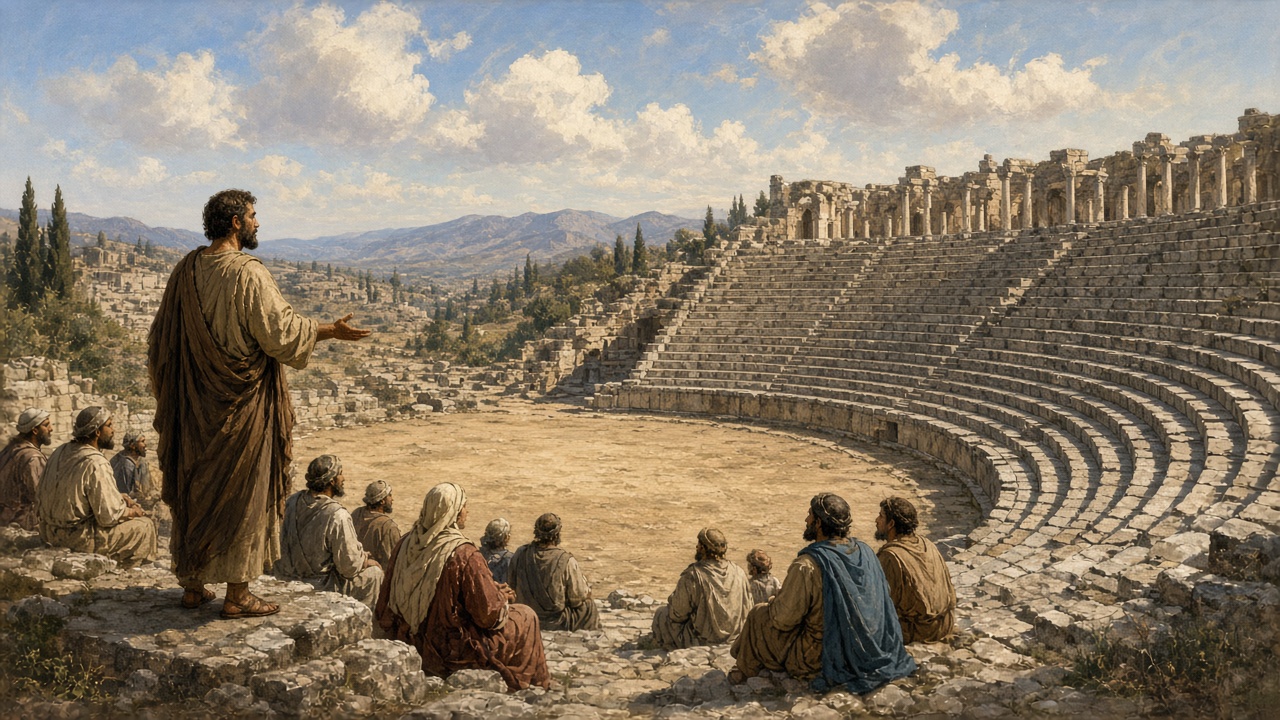
- Quando este capítulo pergunta o que se ganhou ao lutar com feras em Éfeso, nomeia uma cidade que o Easton's Bible Dictionary chama de capital da Ásia proconsular, conhecida por um teatro a céu aberto — o maior do mundo, capaz de abrigar 50 mil espectadores — onde se realizavam lutas de feras e de homens contra feras.Fontes: Ephesus · o próprio texto bíblico
- O Easton's Bible Dictionary explica que Adão, palavra babilônica que significa vermelho e o nome comum de homem em hebraico e em assírio, foi o primeiro homem, formado do pó da terra, e por isso recebeu esse nome. Este capítulo retoma essa imagem: a morte veio por meio de um homem, o primeiro homem era do pó, e o último Adão é espírito vivificante.Fontes: Adam · o próprio texto bíblico
- O Easton's Bible Dictionary (1897) identifica o Tiago a quem Cristo apareceu depois da ressurreição, como este capítulo registra, como irmão ou parente próximo de Jesus, também chamado Tiago, o Menor, e diz que ele depois liderou a igreja em Jerusalém.Fontes: James (Brother of Jesus) · o próprio texto bíblico
Notas escritas com auxílio de IA a partir de fontes abertas (Theographic Bible Metadata, CC BY-SA 4.0; Easton’s Bible Dictionary, domínio público) e revisadas antes de publicar.
Lugares deste capítulo
- Ephesus · 37.939, 27.341 · versículo 32
Só aparecem lugares com identificação de alta confiança (90% ou mais segundo as fontes acadêmicas reunidas pelo OpenBible). Mapa da época: DARE (Digital Atlas of the Roman Empire), CC BY 4.0; mapa atual: © colaboradores do OpenStreetMap; lugares: OpenBible.info (CC BY 4.0).
Créditos e licença desta tradução
Sahidica - طبعة جديدة من العهد الجديد باللغة القبطية الصعيدية
Sahidica - A New Edition of the New Testament in Sahidic Coptic
copyright © 2000-2006 J Warren Wells
Language: ⲘⲉⲧⲢⲉⲙ̀ⲛⲭⲏⲙⲓ (Coptic)
Dialect: Sahidic
Translation by: J Warren Wells
Coptic: Sahidic NT "Sahidica - A New Edition of the New Testament in Sahidic Coptic"
Copyright (c)2000-2006 by J Warren Wells. All rights reserved.
For more information visit www.sahidica.org .
This edition is available free of charge for use in free electronic
editions of the New Testament as long as the full title and copyright
information are included and credited. For written permission to use
all or any part of this document in print editions, contact the editor
at www.sahidica.org .
This edition is primarily meant for use by teachers and students of
Sahidic Coptic, and to a lesser degree by Coptologists involved in
scholarly research, textual criticism, or New Testament translation.
PURPOSE
Please note: This text is a work in progress. As such, there
is an ongoing effort to standardize the spelling of words in
the text. Be aware that version updates periodically appear.
The primary purpose is to produce a standardized edition of
the Sahidic NT similar to standard Greek editions.
An additional purpose of this text is to allow side-by-side
comparison with the Greek New Testament. To facilitate this
effort, a new version of the Greek text has been developed,
which is meant to better represent the Greek text upon which
the Sahidic was based. This text is entitled "The New Testament
According to the Egyptian Greek Text" [NTAEG]
This text does not include representation of either accents or
supralinear strokes, since these are used inconsistently in the
original texts. There is also a higher degree of standardization
in spelling and punctuation; like today's standard Greek master
texts, but unlike both the original Sahidic texts, and the PHI
and Coptic Society texts. Moreover, as in standard Greek texts,
instances of the Nomina Sacra have been expanded to their full
forms. This is again a departure from earlier versions of the
Sahidic, including the PHI and Coptic Society texts, which are
Both inconsistent in their usage.
Special thanks to David Brakke of Indiana University Bloomington,
Brigitte Comparini of the Packard Humanities Institute, and
Michael Heiser, Academic Editor, at Logos Research Systems; for
their assistance in making this edition possible.
BASIS
Sahidica was initially based (by permission) on the Coptic New Testament,
which is an electronic publication, which was edited by David Brakke.
(PHI-CD 5.3 dated 7/2/91. Los Altos. Packard Humanities Institute. 1991).
During later development, Sahidica was electronically collated against
the Coptic CD I by the St. Shenouda The Archmandrite Coptic Society.
Los Angeles, CA dated April, 1998.
These two editions were reduced to a raw electronic form, which allowed both
to be compared electronically letter by letter with Sahidica in order to
accurately detect and report every single variation and input error in any
of the texts. Though errors are inevitable, the collators of three seperate
editions are highly unlikely to make the same errors. Therefore, this method
helps to insure the integrity of the Sahidica edition.
Throughout the project, Sahidica was also collated against printed editions
of the following coptic manuscripts, which manuscripts date from the third
century and later.
Matt: Pierpont Morgan Library M-569 collated against Bodmer XIX papyrus
Mark:* PPalau Rib. Inv.Nr.182 collated against Pierpont Morgan Library M-569
Luke: PPalau Rib. Inv.Nr.181 collated against Pierpont Morgan Library M-569
John: PPalau Rib. Inv.Nr.183 collated against Pierpont Morgan Library M-569
Acts: Chester Beatty B (Copt.Ms.814) collated against Berlin P.15926 and British Museum MS Or.7594
Paul: Chester Beatty A (Copt.Ms.813) collated against Pierpont Morgan Library M-570 and M-571
James-Jude:** Pierpont Morgan Library M-572 collated against the Pierpont Morgan Library M-573 and M-601***
Revelation: Berlin MS Or.408 ( British Museum Ms Or.3518) collated against British Museum MS Or.6803
* Note: The longer and shorter endings of Mark are based on Horner; cf Kahle (JTS.1951.p49-57)
** Note: 1st Peter was also collated against the Crosby-Schøyen Ms.193.
*** Note: Portions of James and Jude were reconstructed from M-573, M-601, and four other mss.
Note on Interpolations
The short and long endings of Mark are ommited from the PPalau ms 182, but they do appear in most mss.
To better represent the overall Sahidic tradition, both endings are included, but in double brackets.
The pericope of the adultress (John 7:53-8:11) does not appear in any Sahidic ms. Herein it is omitted.
2014-09-16
Fonte: http://ebible.org/copshc/ · eBible.org