Apocalipse 6
Diiloŋ-nelma Tobisĩfɛlɛnni · Toque num versículo para ver as referências cruzadas.
Dãnyɔbaa-ba yerma‑i
1Ku huoŋgu-na, mi da *Tũmbiloŋo yiraa dãnyɔdĩɛlãŋo‑i. Bimuɔmba naa-baaŋ daaba‑i miɛ nu unaŋo piiye da gbagaga ŋaa diiloŋo‑i naaraa wuɔ: «Jo bande!» 2Miɛ mi ne da sũmpilaŋo naŋo hilaa. Umaŋ waa u dɔrɔ‑i-na tãaŋgu waa u naŋga-na. Uŋ juɔ, baa hã-yo nyantuoluo wuɔ u yaraa cor; wuɔ ta duɔ ka tiraa yar u bigãarãamba‑i.
3Tũmbiloŋ uŋ juɔ yer hãalĩŋ-dãnyuɔ‑i, miɛ nu hãalĩŋ-bimoloŋo ciɛra wuɔ: «Jo bande!» 4Sũŋo naŋo tiraa hel, fuɔ waa dãa ŋaa tãmma. Uŋ juɔ, umaŋ waa u dɔrɔ‑i-na, baa hã-yo ku fɔ̃ŋgũɔ‑i u duɔ tuɔ dii bɛrru terni-na hiere hĩɛma-na, a ce nuɔmba ta ba hel ba ko ba-naa. Ba hãa ufaŋo‑i jigãpɔruɔŋgu.
5Tũmbiloŋ uŋ juɔ yer siɛliŋ-dãnyuɔ‑i, miɛ nu siɛliŋ-bimoloŋo ciɛra wuɔ: «Jo bande!» Miɛ mi ne da sũŋo naŋo hilaa da kirkirkir. Umaŋ waa u dɔrɔ‑i-na, kilo waa u naŋga-na. 6Miɛ nu ŋaa molo piiye bimuɔmba naa-baaŋ daaba hɔlma-na wuɔ: «Yuure dĩmma sullu‑i. Ŋ ce yinduɔŋ-maacemmaŋ-sullu gbãa sãa mahĩbieŋa‑i kilo diei yoŋ aa da kuɔ jijaaŋa‑i, kilobaa-ba siɛi. Namma‑i baa duvɛ̃ŋo‑i baa yuure nifanni sullu‑i.»
7Tũmbiloŋ uŋ juɔ yer naaliŋ-dãnyuɔ‑i, miɛ nu naaliŋ-bimoloŋo ciɛra wuɔ: «Jo bande!» 8Miɛ mi ne da sũŋo naŋo hilaa, u waa puguu. Umaŋ waa u dɔrɔ‑i-na, ba taa ba bĩ-yo Kuliiŋgu, aa u saatieŋo‑i ba taa ba bĩ-yo «Kuoŋ-nelle». Baŋ juɔ, baa hã-ba fɔ̃ŋgũɔ‑i wuɔ ba ko nelbiliemba namba. Da ba calnu nelbiliemba‑i sɔmma naa‑i, ba hãa-ba fɔ̃ŋgũɔ‑i sɔmma diei nuɔ wuɔ ba ce bɛrru ko banamba, aa ce nyulmu ko banamba, aa ce jarma ko banamba, aa ce bĩmbabalmba ko banamba.
9Tũmbiloŋ uŋ juɔ yer diiluŋ-dãnyuɔ‑i, baŋ kuɔ bamaŋ Diiloŋ-nelma maama-na, miɛ da ba yalɛiŋa‑i mumbuolmuŋ-terieŋgu cicaara‑i-na 10a piiye da gbagaga wuɔ: «Yuntieŋ nuɔ, nuɔni maŋ faa aa tiraa ta ŋ waŋ ninsoŋo‑i; bamaŋ kuɔ miɛŋo‑i, ŋ cie bige‑i aa da ŋ yuu-ba? Ŋ cie bige‑i aa da ŋ suu ku sɔlaaŋgu‑i nelbiliemba-na?» 11Baa hã-ba joŋgorpiɛlmba hiere ba yunniŋ, ba dii. Aa naa waŋ baa-ba wuɔ ba fɛ̃ ba hɔmmu‑i cɛllɛ, kɛrɛ baŋ taaraŋ nuŋgu maŋ ku saa yu yogo. Baŋ taa aa yaŋ ba natobimba maŋ, baŋ taa aa yaŋ ba namaacembiemba maŋ Diiloŋ-suoŋgu-na, ba ka bi ko-ba bafamba temma‑i. Ba'i ka jo ji yuliiye-bɛi.
12Ku huoŋgu-na, mi da Tũmbiloŋo yiraa dãnyuɔ maŋ niediei-wuoŋo‑i. Uŋ yiraa-yo terieŋgu maŋ nuɔ‑i, hĩɛma gbuu sagalla da dɛi! Bãaŋ-yufel diɛ bir kau ŋaa kompabileŋga, cɛiŋo bir ŋaa tãmma da dãa! 13Mɔɛŋa par diire hiere hĩɛma-na ŋaa fafalmuŋ hũl kpaani dumaa nanna. 14Dɔrɔ wuɔ pĩŋ halaŋ ŋaa ba pĩɛŋ figĩiŋgu. Tãnni‑i baa dãmmaŋ-nuoraaŋguŋ cĩilãayã nilɛiŋa maŋ hiere niɛ halaŋ ni terni-na hiere. 15Nuɔmba‑i hiere baa gbar ka fuo tãnniŋ: Yuntaamba‑i, nelbɔ̃mbɔ̃mbaa-ba‑i, sorosi ba yuntaamba‑i, waamba‑i, fɔ̃ŋgɔ̃taamba‑i, baa nuɔmba namba‑i hiere, kɔraamba‑i baa nebimba‑i hiere, baa gbar ka fuo tãnfonniŋ! 16Aa naa ta ba waŋ baa tãnni‑i wuɔ: «Ciiŋ na haa-yiɛ na fuo-ye, umaŋ tĩɛnaana fɔ̃ŋgɔ̃taaŋ-teterre-na u baa da i yufelle aa Tũmbiloŋo baa bi da-ye gãŋ baa-ye. 17Baŋ ka pigãaŋ ba jãyãmma‑i yiiŋgu maŋ nuɔ‑i ku hii. Hai ka gbãa kor?»
Você sabia?
A Abertura dos Seis Selos
- Os primeiros quatro selos revelam quatro cavaleiros em cavalos branco, vermelho brilhante, preto e amarelo, convocados um a um pelos quatro seres viventes. Cada cavaleiro traz uma aflição distinta sobre a terra, desde a conquista e a retirada da paz até a fome generalizada, a peste e a morte.Fontes: o próprio texto bíblico
- O terceiro cavaleiro segura uma balança, acompanhado por uma proclamação que fixa o preço de uma medida de trigo ou três de cevada em um denário, refletindo uma grave escassez e racionamento de alimentos enquanto o azeite e o vinho são poupados.Fontes: o próprio texto bíblico
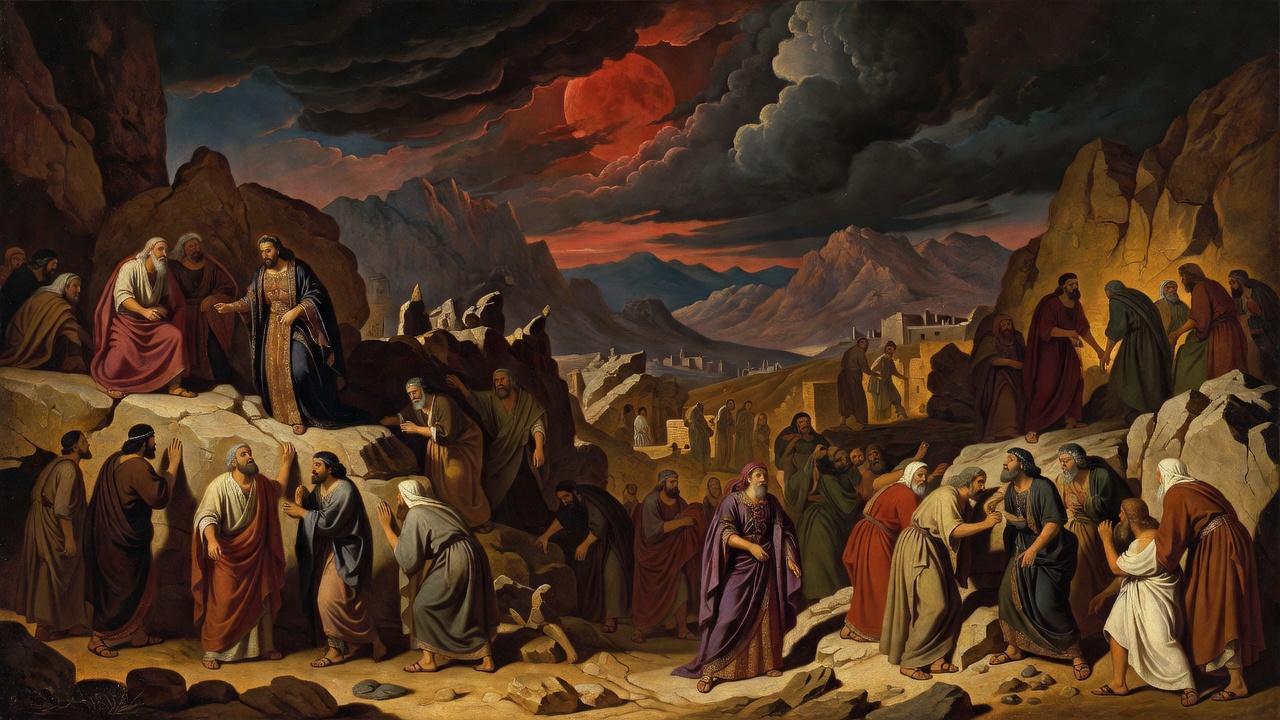
- Com a abertura do quinto e do sexto selos, o foco se volta para as almas dos mártires debaixo do altar e, em seguida, para imensas convulsões cósmicas e terrestres que levam pessoas de todas as classes sociais a se esconderem em cavernas nas montanhas.Fontes: o próprio texto bíblico
Notas escritas com auxílio de IA a partir de fontes abertas (Theographic Bible Metadata, CC BY-SA 4.0; Easton’s Bible Dictionary, domínio público) e revisadas antes de publicar.
Créditos e licença desta tradução
Diiloŋ-nelma Tobisĩfɛlɛnni
New Testament in Cerma (UV:cme:Cerma)
copyright © 2011 Wycliffe Bible Translators, Inc.
Language: (Cerma)
Translation by: Wycliffe Bible Translators, Inc.
Copyright Information
© 2011, Wycliffe Bible Translators, Inc. All rights reserved.
This translation text is made available to you under the
terms of the Creative Commons License: Attribution-Noncommercial-No Derivative Works.
( http://creativecommons.org/licenses/by-nc-nd/3.0/ )
In addition, you have permission to port the text to different file formats, as long as you
do not change any of the text or punctuation of the Bible.
You may share, copy, distribute, transmit, and extract portions
or quotations from this work, provided that you include the above copyright
information:
You must give Attribution to the work.
You do not sell this work for a profit.
You do not make any derivative works that change any of the actual words or punctuation of the Scriptures.
Permissions beyond the scope of this license may be
available if you contact
us with your request.
The New Testament
in Cerma
© 2011, Wycliffe Bible Translators, Inc. All rights reserved.
This translation is made available to you under the terms of the
Creative Commons Attribution-Noncommercial-No Derivatives license 4.0.
You may share and redistribute this Bible translation or extracts from it in any format, provided that:
You include the above copyright and source information.
You do not sell this work for a profit.
You do not change any of the words or punctuation of the Scriptures.
Pictures included with Scriptures and other documents on this site are licensed just for use with those Scriptures and documents.
For other uses, please contact the respective copyright owners.
2014-04-23
Fonte: http://ebible.org/cmeNT/ · eBible.org