Atos 27
Diiloŋ-nelma Tobisĩfɛlɛnni · Toque num versículo para ver as referências cruzadas.
Ba kãa baa Pol jãmatigi wulaa
1I tammaŋ juɔ hel yiiŋgu-na diɛ kã *Itali‑i-na, baa cira i ta baa baatoŋo, aa naa dii Pol sorosi ba yuntieŋo naŋo naŋ-na a naara kasobiemba namba. Ba taa ba bĩ sorosi ba yuntieŋo faŋo‑i Yulusi. U waa *jãmatigi sorosibaa-ba yaa nuɔ‑i. 2Iŋ taa baa baatoŋo maŋ, uu naa hel Adarmiti jo aa bir tuɔ kã *Asi‑i-na. Naacolŋo naŋo waa baa-ye, ba taa ba bĩ-yo Aritarke; u taa u hel Tesalonike, dii Maseduɔni mara nuɔ. 3Iŋ taa yiiŋgu maŋ nuɔ‑i, ku cuo kaala‑i-na, yiɛ kã ka hi Sidɔ̃. Yulusi taa u ce baa Pol u cor. Iŋ hii Sidɔ̃‑i, wuɔ hã-yo hũmelle‑i u suur nelleŋ-huɔŋga-na ka taara u yufieŋ-niini‑i u jɛ̃naamba wulaa bir jo.
4Iŋ siire Sidɔ̃‑i-na diɛ cor, fafal muɔ ta mu jãrã-yiɛ. Yiɛ naa yiɛ cĩil ka bella Sipire kɔtuɔŋgu‑i tiɛ kã, 5kã ka cor Silisi‑i aa sire ka cor Pãnfili‑i kã ka hi Mira, dii Lisi mara nuɔ. 6Iŋ hii Mira‑i, sorosi ba yuntieŋ wuɔ da baatoŋo naŋo hilaa Alɛsãndiri tuɔ kã Itali‑i-na, wuɔ ce i hel suur u yaa nuɔ‑i.
7Iŋ biyaa hũmelle‑i, i saa gbãa tiɛ gbar fafamma; i ciɛ sũlma‑i dumɛi diɛ ka hi Kinide‑i. Kuŋ ciɛ dumaaŋo-na, i daa yinni hũmelle-na. Iŋ juɔ ne da fafalmu sa hũu-ma, yiɛ karnu hel Salmone, a cĩil Kirɛti kɔtuɔŋgu naŋgu-na. 8Iŋ fiɛ kã terieŋgu-na, i ciɛ sũlma‑i dumɛi aa diɛ hi baatoŋ ba munyiɛrammu maŋ baŋ bĩŋ-muŋ «Munyiɛrafafammu‑i»; dii Lase caaŋgu-na.
9I bãaŋgu cuɔ hũmelle-na cor, a ce *Yuifu ba sũŋgu maŋ baŋ dii-kuŋ dĩkara-huɔŋgu-na, ku ji cor. Kuɔ migãaŋ ta ku balaŋ-yiɛ baatoŋo gbarma-na ku kã. Polŋ daa-ku dumaaŋo-na, wuɔ gboya bamaŋ waa baatoŋo-na wuɔ: 10«Mi jɛ̃naaŋ namaa, diɛ suuye i yufieŋa‑i aa cor, i siɛ ka hi. Baatoŋo siɛ hi, coŋgorni siɛ hi! Aa miɛ fɛrɛ‑i diɛ saa gbãŋ, i ka tĩɛ-maŋ.» 11Baatoŋo yuntieŋo‑i baa u tieŋo‑i baa yagar Pol nuŋgu‑i. Sorosi ba yuntieŋ wuɔ bi cu ba huoŋ-nu. 12Iŋ ŋa naa yiɛra munyiɛrammu maŋ nuɔ‑i, mu saa fa waaŋ-huɔŋgu‑i. Munyiɛrammu nammu bi waa Feniki‑i-na dii Kirɛti bãsuuruŋgu-na. Iŋ waa baa bamaŋ, ba fɔ̃ŋgũɔ baa cira i gbãŋ kpelle a hi terieŋgu faŋgu‑i, kɛrɛ ba taara ba ka tĩɛna kusuɔŋ-nu'i aa waaŋgu cor. 13Fafalmu maŋ taa mu jo huɔŋgu faŋgu-na, mu saa waa baa fɔ̃ŋgũɔ dumaa. Muɔ hilaa cicaaryaŋga ta mu kã dɔryaŋga. Baa da niɛ sĩ ma ka dɔl-ba. Baa ce yiɛ sire bella Kirɛti kɔtuɔŋgu‑i tiɛ kã.
14I saa maa, fafalmu naŋ teŋ muɔ sire i dɔryaŋga-na a jo ji suuye-yiɛ; ba bĩ fafalmu fammu‑i «Erakilɔ̃». 15Baatoŋ wuɔ tuɔ kã kɔtuɔŋgu; i saa gbãa diɛ yiɛra-yuɔ, yiɛ naa yiɛ yaŋ muɔ ta mu kã baa-ye mu muŋkãmmu. 16Yiɛ kã ka cor terieŋgu naŋgu kɔtuɔŋgu-na aa yaŋ-ku i nadieŋ-na. Ba bĩ terieŋgu‑i Koda. Kuɔ cĩnnu-yiɛ cɛllɛ fafalmu-na. Beŋo naŋo waa baa-ye tuɔ kãyã-yiɛ. Iŋ cĩɛnu dumaaŋo-na, yiɛ gbãŋ baa ufaŋo‑i haa-yo baatoŋo-na. 17Iŋ haa-yo, maacenciraamba maŋ dii baatoŋo-na, baa ce iyiemba a pɛ̃rã baatoŋo‑i wuɔ u baa ji bĩɛna. Yiɛ kãalã yiɛ sĩ fafalmu ka kã baa baatoŋo‑i Libi jãmalã yaŋga u ka nyugũŋ hĩɛmugãaŋgu-na yiɛra i wulaa; a ce dumaaŋo-na, yiɛ hiire baatoŋo kompaŋga‑i aa naa yaŋ i fɛrɛ hã fafalmu ta mu kã baa-ye mu muŋkãmmu.
18Ku cuo kaala‑i-na, fafalmu yagar ce hũmma ta ma sagalla-yiɛ bɔ̃mbɔ̃ŋ ma naara. Yiɛ naa yiɛ parra coŋgorni‑i nanna hũmma-na. 19Yiiŋgu faŋgu curoŋo-na, bamaŋ ciɛŋ maacemma‑i baatoŋo-na, baa biɛ baatoŋ-bĩmbĩnni‑i baa ba fɛrɛŋ nammu a nanna-niɛ.
20I ciɛ yinni bɔi molo sa da bãaŋgu yufelle baa mɔɛŋa‑i hiere. Fafal muɔ bi tĩɛ mu temma‑i kunaŋgu sa parra-muɔ. I saa tiraa tiɛ hĩŋ taaluŋgu i fɛrɛŋ nuɔ. 21I daa yinni i saa wuo kuuwuoŋgu. Pol wuɔ sire yiɛra i hɔlma-na aa cira: «Mi jɛ̃naaŋ namaa, kuɔ naa naa nu mi nuŋgu‑i aa i tĩɛna dii Kirɛti‑i-na, mamaŋ juɔ ta ma da-ye daama‑i a ji ce i tiɛ nanna coŋgorni‑i, maa naa saa da-ye. 22Mamaŋ dii fiɛfiɛ‑i-na, fĩɛŋ na hɔmmu‑i, molo siɛ ku, baatoŋo yaa ka tĩɛ-maŋ yoŋ. 23Miŋ cuu Diiloŋo maŋ huoŋ-nu'i ta mi cãa-yo, u puɔraa *dɔrpɔpuɔrbiloŋo naŋo‑i mi wulaa isuɔŋgu-na u ji waŋ baa-mi 24wuɔ mi baa kãalã, kɛrɛ da ku fiɛ ce niɛ niɛ, mi ka hi jãmatigi‑i u ce mi ãndaaŋgu‑i. A ce dumaaŋo-na, bamaŋ dii baa-mi hiere u ka bi kor-ba, u siɛ yaŋ ba ku. 25Terieŋgu faŋgu-na, fĩɛŋ na hɔmmu‑i, mi haa mi naŋga‑i Diiloŋo-na. Uŋ waaŋ-ma dumaa u ka bi ce-ma dumɛi. 26Mi suyaa miɛ fafalmu ka kã baa-ye ka nanna bomborma nammaŋ.»
27Fafalmu bĩɛŋ baa-ye da suu hũmma-na a ce yinni cĩncieluo ni siɛi. Cĩncieluo ni naa yiiŋgu isuɔŋgu-na, isuɔholleŋ juɔ ta di hi, bamaŋ ciɛŋ maacemma‑i baatoŋo-na, baa suɔ wuɔ i piɛ bomborma namma. 28Baa fi hũmma pupurma‑i a da ma yuu mɛtiribaa komorre baa cĩncieluo niehãi. Yiɛ cor. Iŋ kaa maa cɛllɛ, ba tiraa fi-ma, a da ma yuu mɛtiribaa komorre baa niisiɛi. 29Baa ta ba kãalã wuɔ sĩ baatoŋo ka kã ka jũŋ tãmpĩɛŋa hũmma-na. Baa ful baatoŋo fagammu naa huoŋ-yaŋga-na aa tĩɛna ta ba niya cuo kaalma‑i. 30Ku huoŋgu-na, baa ji ta ba taara ba hel gbar. Baa hiire beŋo maŋ waa baa-ye baatoŋo-na aa gbɛ̃-ye dumaa wuɔ ba taara ba hiire gbu baatoŋo fagammu nammu yaaŋga-na a bella-yuɔ u baa ji bibirre. 31Pol wuɔ gbɛ̃ sorosibaa-ba‑i baa ba yuntieŋo‑i wuɔ: «Da ŋ da na yaaŋ balaŋ daaba hel, na ka tĩɛ-maŋ.» 32Baa naa hiel beŋo‑i aa vaa-yo baa iyiemba namba bella-yuɔ. Polŋ juɔ piiye dumaaŋo-na, sorosibaa baa kar iyieŋ daaba‑i aa naa yaŋ beŋo ta.
33Iŋ tĩɛnaana tiɛ cie cuo kaalma‑i, Pol wuɔ cira: «I ciɛ yinni cĩncieluo baa ni naa yaa dɛi hɔculle-na, aa molo saa dii kuuwuoŋgu u nuŋgu-na. 34Jande, wuyaaŋ! Ku yaa fɔ̃ŋgũɔ ka da-nɛi na hel-mɛi. Baa na tie holle, i ka hi hĩnni hiere unaŋ yuŋgu siɛ jaŋ-yo.» 35Uŋ piiye dumaaŋo-na, *buruo naŋo waa, wuɔ biɛ-yo aa jaal Diiloŋo‑i ba yaaŋga-na hiere aa bũl-oŋ a doŋ tuɔ wuo. 36Sirɛiŋa suɔ da-ba hiere baa kã ba ta ba wuo. 37Miɛ maŋ waa baatoŋo-na, i waa nuɔŋ miɛ nuɔsũɔ komuɔŋa siɛi baa cĩncieluo nuɔŋ miɛ niediei.
38Baatoŋ daa wuɔ tũyãa dĩmma yaa bɔi. Baŋ juɔ wuo tĩ, baa huɔl-ma kũnna hũmma-na a parra coŋgorni‑i aa baatoŋo duɔ ce fiɛfiɛ.
39Cuoŋ juɔ kaal, maacenciraaŋ baa fara da terieŋgu naŋgu‑i ba saa suɔ-ku, aa da hũmma wuyaa terieŋgu faŋgu yiɛŋgu naŋgu‑i. Baa cira ba ka gbãŋ kpelle hi terieŋgu faŋgu‑i. 40Baa fir baatoŋo‑i aa yaŋ fagammu‑i dii hũmma-na, aa naa bi fir yilemmu iyiemba‑i. Baŋ ciɛ mafamma‑i, baa vaa baatoŋo kompaŋga‑i yaaŋga-na fafalmu da mu kã baa-ye terieŋ daaku-na.
41Iŋ taa ka hi hɔlma namma‑i, hĩɛmugãaŋ kuɔ yiɛra baatoŋo‑i u saa gbãa duɔ cor. U yaaŋga suurii hiere hĩɛmugãaŋgu-na. Hũŋ maa ta ma jo ma naŋ u tuole‑i ma kara-diɛ. 42Sorosibaa-baŋ daa-ma dumaaŋo-na, baa cira ba ko kasobiemba maŋ waa baa-ye hiere wuɔ sĩ da ba sɔ hel ba ka gbar. 43Ba yuntieŋ wuɔ cie-ba. U saa tuɔ taara ba ko Pol ku'i ciɛ wuɔ cie-ba aa naa cira: «Bamaŋ suyaaŋ sɔmma, ba ta yaaŋga ba ta ba sɔ ba kã bomborma-na, 44banamba ka nyugũŋ baatoŋ-yilanni-na cu ba huoŋ-nu.» Ba ciɛ dumɛi a gbãa huɔl hiere; molo saa tĩɛ-maŋ.
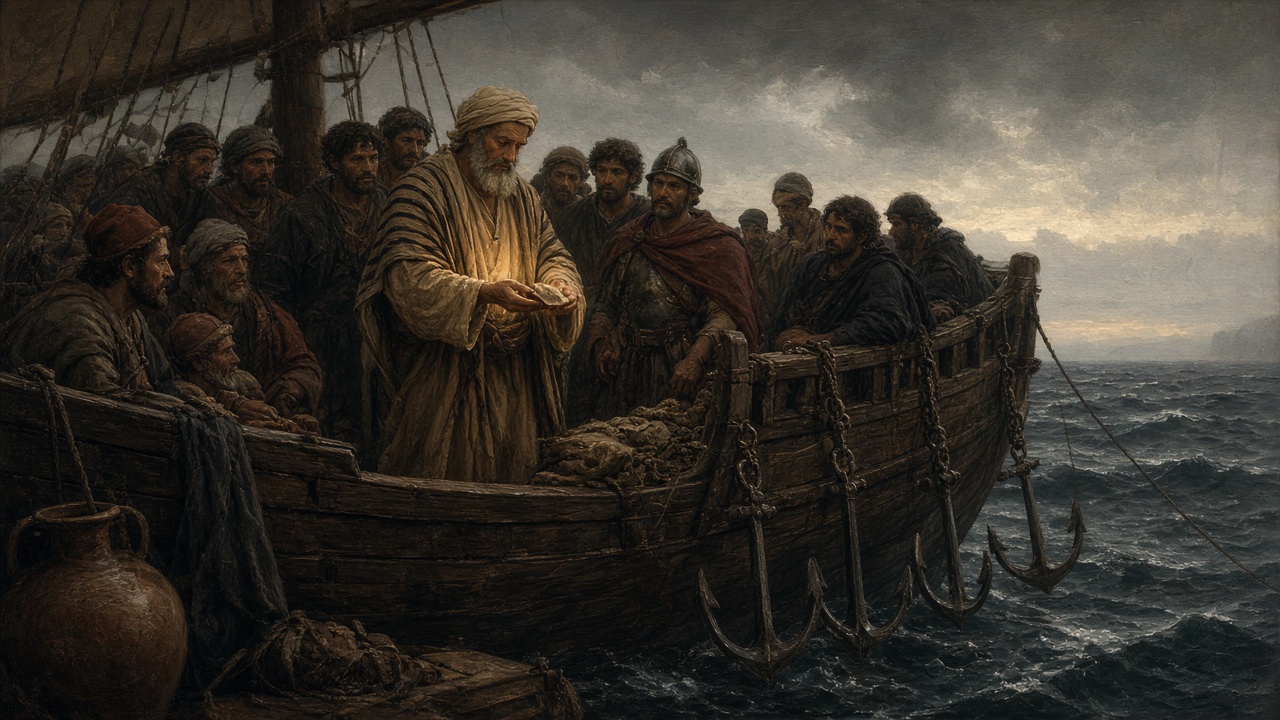
Você sabia?
Tempestade e naufrágio a caminho de Roma
- Paulo e os outros prisioneiros não navegaram direto para a Itália. Em Cesareia embarcaram num navio de Adramítio, cidade no litoral da Mísia, na Ásia Menor, com destino a portos ao longo da costa da Ásia, nome que o Easton's Bible Dictionary entende neste versículo provavelmente como Ásia Menor, e esse navio os levou apenas até Mira, na Lícia. Ali o centurião os fez embarcar num navio alexandrino que seguia para a Itália; o dicionário observa que era raro um navio partir de qualquer porto da Palestina direto para a Itália.Fontes: Adramyttium · Asia · o próprio texto bíblico
- Os prisioneiros foram entregues a Júlio, centurião do Regimento Imperial. O Easton's Bible Dictionary o identifica como centurião da coorte Augusta, ou da guarda pessoal do imperador, e descreve a consideração cortês que teve por Paulo. Em Sidom, cerca de vinte e cinco milhas ao norte de Tiro, ele permitiu que Paulo visitasse os amigos e recebesse cuidados; mais tarde impediu o plano dos soldados de matar os prisioneiros, para que a vida de Paulo fosse poupada.Fontes: Julius · Sidon · o próprio texto bíblico
- Depois de Cnido, o navio avançou ao longo de Creta, uma das maiores ilhas do Mediterrâneo, com cerca de 140 milhas de comprimento e 35 de largura, visitada por Paulo nessa viagem a Roma. O relato diz que a viagem já se tornara perigosa porque era depois do Jejum, e que Bons Portos não servia para passar o inverno. Uma cronologia data o início da viagem a Roma em 56 d.C. e o naufrágio na tempestade em 57 d.C.Fontes: Crete · Journey to Rome begins · Paul is shipwrecked by a storm · o próprio texto bíblico
Notas escritas com auxílio de IA a partir de fontes abertas (Theographic Bible Metadata, CC BY-SA 4.0; Easton’s Bible Dictionary, domínio público) e revisadas antes de publicar.
Lugares deste capítulo
- Italy · 41.892, 12.485 · versículos 1, 6
- Adramyttium · Hoje: Oren · 39.501, 26.933 · versículo 2
- Asia · 38.400, 28.300 · versículo 2
- Thessalonica · Hoje: Thessaloniki · 40.638, 22.946 · versículo 2
- Sidon · Hoje: Sandikli archaeological site in Sidon · 33.561, 35.372 · versículo 3
- Cyprus · 35.000, 33.000 · versículo 4
- Cilicia · 36.913, 34.892 · versículo 5
- Lycia · 36.733, 29.900 · versículo 5
- Myra · 36.259, 29.985 · versículo 5
- Pamphylia · 37.000, 31.000 · versículo 5
- Alexandria · 31.183, 29.896 · versículo 6
- Cnidus · 36.686, 27.375 · versículo 7
- Crete · 35.310, 24.893 · versículos 7, 8, 12, 13, 14, 21
- Salmone · Hoje: Cape Sideros · 35.316, 26.312 · versículo 7
- Fair Havens · Hoje: Kaloi Limenes · 34.930, 24.800 · versículos 8, 12
- Lasea · Hoje: Lasaea · 34.941, 24.811 · versículo 8
- Cauda · Hoje: Gavdos · 34.833, 24.083 · versículo 16
- Syrtis · Hoje: Sidra · 31.500, 18.000 · versículo 17
- Adriatic Sea · Hoje: Adriatic and Ionian Seas · 38.000, 19.000 · versículo 27
Só aparecem lugares com identificação de alta confiança (90% ou mais segundo as fontes acadêmicas reunidas pelo OpenBible). Mapa da época: DARE (Digital Atlas of the Roman Empire), CC BY 4.0; mapa atual: © colaboradores do OpenStreetMap; lugares: OpenBible.info (CC BY 4.0).
Créditos e licença desta tradução
Diiloŋ-nelma Tobisĩfɛlɛnni
New Testament in Cerma (UV:cme:Cerma)
copyright © 2011 Wycliffe Bible Translators, Inc.
Language: (Cerma)
Translation by: Wycliffe Bible Translators, Inc.
Copyright Information
© 2011, Wycliffe Bible Translators, Inc. All rights reserved.
This translation text is made available to you under the
terms of the Creative Commons License: Attribution-Noncommercial-No Derivative Works.
( http://creativecommons.org/licenses/by-nc-nd/3.0/ )
In addition, you have permission to port the text to different file formats, as long as you
do not change any of the text or punctuation of the Bible.
You may share, copy, distribute, transmit, and extract portions
or quotations from this work, provided that you include the above copyright
information:
You must give Attribution to the work.
You do not sell this work for a profit.
You do not make any derivative works that change any of the actual words or punctuation of the Scriptures.
Permissions beyond the scope of this license may be
available if you contact
us with your request.
The New Testament
in Cerma
© 2011, Wycliffe Bible Translators, Inc. All rights reserved.
This translation is made available to you under the terms of the
Creative Commons Attribution-Noncommercial-No Derivatives license 4.0.
You may share and redistribute this Bible translation or extracts from it in any format, provided that:
You include the above copyright and source information.
You do not sell this work for a profit.
You do not change any of the words or punctuation of the Scriptures.
Pictures included with Scriptures and other documents on this site are licensed just for use with those Scriptures and documents.
For other uses, please contact the respective copyright owners.
2014-04-23
Fonte: http://ebible.org/cmeNT/ · eBible.org