Gálatas 5
Hmooh hmëë he- ga-jmee Jesucristo; Salmos · Toque num versículo para ver as referências cruzadas.
Saꜙ waˊ jmeeˊ jneˊ taꜙ kooꜘ heˉ maˉnaˉla̱a̱ˊ jneˊ
1Gaꜙlä̱ä̱ꜗ Cristo jneˊ mahꜗ dsaˊtoohnˊ naˉla̱a̱ˊ jneˊ. Heˉja̱ˉ jä̱ˊ hnähꜘ ko̱o̱ˉ hwehˉ läꜙko̱hꜘ maˉtä̱ä̱hˊ hnähꜘ naˉ baˊ. Taꜙ kwa̱a̱ꜙ hnähꜘ hñaahꜗ le̱e̱hꜘ hnähꜘ kaˉlähꜘ läꜙko̱o̱ˉ ja̱a̱ˉ hi̱ˉ naˉhnëëˊ jmeeꜙ taˊ.
2Nʉʉˉ daˊ hnähꜘ, jnäꜘ Paaˊ jwë̱ë̱hn˜ hnähꜘ. Cherˊmahꜗ gaꜙwɨ̱hꜘ jmɨˉngoꜗ kyahꜗ hnähꜘ saꜙ jmääꜗ niꜙ miihˉ kyahꜗ hnähꜘ heˉ gaꜙju̱u̱ꜗ Cristo. 3Jwahnꜙ kaˉlähꜘ läꜙhmëëꜘ. Gaꜙläꜙjë̱ë̱ꜙ dsaˉñʉʉhˉ, cherˊmahꜗ gaꜙwɨ̱hꜘ jmɨˉngoꜗ kiyhꜗ, jmeeꜙ biiꜗ miˉteyꜗ läꜙhiiꜘ nëˊ heˉ lleˋ nëˊ ley kihꜗ Moisé. 4Hnähꜘ hi̱ˉ hnoohˉ haˉ läꜙ jeeˊ hwë̱ë̱hꜙ hnähꜘ llu̱u̱ꜗ kya̱a̱hˊ heˉ miˉtehˋ hnähꜘ ley, heˉ maˉjmeehˊ hnähꜘ taꜙ kooꜘ kihꜗ Cristo baˊ ja̱ˉ. Maˉhwë̱ë̱hˉ hnähꜘ jeeˊ miˉjä̱ä̱ꜗ Dio hnähꜘ. 5Pero jnäähˈ, jmeeˉ jnäähˈ dsooꜘ dsëˉ jnäähˈ kihꜗ Cristo kya̱a̱hˊ beꜘ kihꜗ Jmɨˉlleꜘ, heˉja̱ˉ chaˉ oˉjø̱hꜙ dsëˉ kya̱a̱ꜗ jnäähˈ hwë̱ë̱ꜙ jnäähˈ llu̱u̱ꜗ. 6Heˉ maˉla̱a̱ꜗ jneˊ ko̱o̱ˉ kya̱a̱hˊ Cristo Jesús, saꜙ chaˉ heˉ jmeeꜗ cheˊ gaꜙwɨ̱hꜘ jmɨˉngoꜗ jnänˋ o saꜙ gaꜙwɨ̱hꜘ. Ko̱o̱ˉ baˊ heˉ kye̱e̱ꜘ jeeˊ läꜙjëꜙ: heˉ dsooꜘ dsëˉ jneˊ kihˈ Dio, heˉ miˉjnääꜙ heˉ hnääꜙ jneˊ dsaˉkya̱a̱hnˊ.
7Maˊ gaꜙnäähˊ baˊ hnähꜘ lluꜗ jä̱ä̱ꜗ. ¿Hi̱i̱ˉ naˉ gaꜙhaꜘ kyahꜗ hnähꜘ, heˉja̱ˉ moꜙsoꜙ høøhˉ hnähꜘ juˈdsooꜘ? 8Juuˈ heˉ gaꜙta̱a̱yhˉ hnähꜘ naˉ, saꜙ jaꜗ kihꜗ Dio hi̱ˉ gaꜙtëëhꜗ hnähꜘ. 9(Hiꜙ juuˈ naˉ laꜗ läꜙko̱hꜘ levadura.) Jëëhꜘ “miihˉ baˊ levadura le̱e̱ꜙ ka̱a̱hꜗ dsaˉ läꜙka̱a̱ˉ ko̱o̱ˉ nääꜗ tʉˊka̱ˊ.” 10Kye̱ˊ baˊ jnäꜘ oˉjø̱hꜙ dsëˉ kihꜗ Dsaˉjø̱ø̱hˈ jnänˋ, goꜚ saꜙ jmeehˈ gaˊ hnähꜘ jyohꜘ hʉʉˊdsëˉ läꜙko̱hꜘ gaˊ heˉ jmeeꜙ jnäꜘ. Pero dsaˉ hi̱ˉ ka̱hˉgwë̱hˉ hʉʉˊdsëˉ kyahꜗ hnähꜘ, hi̱ˉ heꜘ miˉhmaahˋ kihˈ läꜙjëꜙ heˉ jmeeyꜙ, saꜙ chaˉ heˉ jmeeꜗ waˊ heˉ chaˉ heˉ heˉ la̱a̱yꜗ.
11Ø̱ø̱hnꜗ, ko̱ˉlla̱a̱ˊ dsaˉ jähꜘ kinꜙ heˉ kwaꜙ gaˊ jnäꜘ juuˈ heˉ jmeeꜙ biiꜗ ʉ̱ʉ̱hꜙ jmɨˉngoꜗ kihꜗ dsaˉñʉʉhˉ. Pero taˉju̱u̱yˈ baˊ. Jëëhꜘ, waˊraˉ jähꜘ kihꜗ gaꜙtʉnꜗ kwanˋ juuˈ heˉ gaꜙju̱u̱ꜗ Jesús dsohꜘ hmaˉcruꜚ, moꜙsoꜙ chaˉ heˉ kihꜗ tøhꜙ wɨɨꜘ kihꜗ dsaꜙ, hiꜙ läꜙja̱ˉ moꜙsoꜙ jmeehꜙ gyihꜗ jnäꜘ. 12Heˉja̱ˉ naˉ jwahnꜙ, läꜙjë̱ë̱ꜙ hi̱ˉ ka̱hˉgwë̱hˉ hʉʉˊdsëˉ kyahꜗ hnähꜘ, lluꜗ gaˊ hnäyˈ goˉte˜ heˉ kye̱yˉ jayꜗ jmɨˉgyʉʉꜙ laˉ.
13Gaꜙtëëhꜗ Dio jneˊ ø̱ø̱hnˈ, mahꜗ dsaˊtoohnˊ naˉla̱a̱ˊ jneˊ. Pero ja̱ꜙ kihꜗ heˉja̱ˉ naˉ, chaˉ jwëˈ jnänˋ jmeenˊ waˊ heˉ chaˉ heˉ läꜙ hyohˉ dsëˉ jneˊ. Waˊ jmeenˊ beꜘ kihꜗ dsaˉkya̱a̱hnˊ baˊ, kihꜗ heˉ hnääꜙ jneˊ ø̱ø̱hˈ jneˊ. 14Jeeˊ kihˈ läꜙjëꜙ nʉʉhꜚ heˉ gaꜙkwaꜘ Moisé yaˉhɨɨˈ ko̱o̱ˉ nʉʉhꜚ laˉ: “Waˊ hnaahꜙ hnähꜘ dsaˉkya̱a̱hˊ hnähꜘ läꜙko̱hꜘ hnaahꜙ hñaahꜗ.” 15Pero cherˊmahꜗ kuhˉhɨhꜘ hnähꜘ kihꜗ dsaˉkya̱a̱hˊ hnähꜘ kya̱a̱hˊ heˉ hlëëhˊ hnähꜘ, le̱e̱hꜚ waˊraˉ gaꜙhe̱e̱hꜙ hnähꜘ läꜙjë̱ë̱ꜙ dsaˉkya̱a̱hˊ hnähꜘ.
Saꜙ jwa̱hꜘ Jmɨˉlleꜘ Naˉjngɨɨˈ kya̱a̱hˊ heˉ ngɨɨꜙ jmɨˉngoꜗ jnänˋ
16Heˉja̱ˉ naˉ jwahnꜙ. Goˉta̱a̱hˊ hnähꜘ läꜙko̱o̱ˉ jøøꜙ Jmɨˉlleꜘ kihꜗ Dio kyahꜗ hnähꜘ, läꜙja̱ˉ moꜙsoꜙ jmeehˈ hnähꜘ heˉ ngɨɨꜙ jmɨˉngoꜗ kyahꜗ hnähꜘ. 17Hnøøꜗ jmɨˉngoꜗ jnänˋ läꜙjëꜙ heˉ saꜙ so̱o̱h˜ kihꜗ Jmɨˉlleꜘ hiꜙ läꜙjëꜙ heˉ hnøøꜗ Jmɨˉlleꜘ, saꜙ je̱e̱hˈ kya̱a̱hˊ heˉ ngɨɨꜙ jmɨˉngoꜗ jnänˋ. Läꜙto̱ꜘ baˊ llaˉdsëëˋ heˉja̱ˉ saꜙ kwaꜙ jwëˈ jmeehˈ hnähꜘ läꜙ ngɨɨꜙ jmɨˉngoꜗ kyahꜗ hnähꜘ. 18Pero cherˊmahꜗ gaꜙnäähˊ baˊ hnähꜘ läꜙko̱o̱ˉ jøøꜙ Jmɨˉlleꜘ kyahꜗ hnähꜘ, moꜙsoꜙ naˉhnëëhˊ gaˊ hnähꜘ jmeehˈ hnähꜘ taˊheꜗ kihꜗ ley.
19Jnäꜘhäꜘ baˊ laˈ läꜙjëꜙ heˉ hlɨɨhˈ heˉ hwëëˉ tuhˉdsëꜗ dsaˉ jmɨˉgyʉʉꜙ. Dsaˉmëꜘ dsaˉñʉʉhˉ hi̱ˉ ka̱a̱h˜ hi̱ˉ saꜙ la̱a̱ꜗ kya̱a̱ꜗ, hi̱ˉ ka̱a̱h˜ waˊ hi̱ˉ chaˉ hi̱ˉ, hi̱ˉ miˉsa̱hꜘ hñiiꜘ kya̱a̱hˊ heˉ hlɨɨhˈ, hi̱ˉ jmeeꜙ läꜙjëꜙ heˉ laꜗ oˉhihꜙ. 20Jmä̱ä̱y˜ jø̱ø̱hˈ dio hi̱ˉ naˉla̱a̱ꜚ ka̱a̱h˜ dsaˉ, jmeeyꜙ jiˉnahˊ, naˉhøøyhˊ, hneeyˉ, lliyhꜙ, lle̱e̱yꜘ, te̱e̱y˜, hi̱ˉ jmeeꜙ to̱ꜗ nääꜗ, hi̱ˉ hnaahˉ maꜙlaꜙ hi̱ˉ tɨh˜ dsëyꜗ, 21hi̱ˉ wɨɨꜘ dsëꜗ, hi̱ˉ jngɨɨhꜙ, llaˊhe̱e̱yhꜚ, jmeeyꜙ heˉ llaꜙ dsëyꜗ jeeˊ tëˉ jmɨɨˊ, hiꜙ jmeeꜙ gyihꜗ jyohꜘ heˉ hlɨɨhˈ. Maˉñehˊ baˊ hnähꜘ, saꜙ he̱yhꜗ yaꜙjwɨɨꜗ kihꜗ Dio läꜙjë̱ë̱ꜙ hi̱ˉ jmeeꜙ läꜙja̱ˉ, ja̱ˉbaˊ läꜙko̱hꜘ gaꜙjwë̱ë̱hnꜗ hnähꜘ jä̱ä̱ꜗ.
22Pero kya̱a̱hˊ beꜘ kihꜗ Jmɨˉlleꜘ Naˉjngɨɨˈ baˊ hwëëˉ läꜙjëꜙ heˉ laˉ: heˉ hnääꜗ dsaˉ ø̱ø̱hꜚ, heˉ jë̱ë̱ˉ dsëꜗ dsaˉ, heˉ hiiꜘ tiiˊ dsëyˈ, chaˉ oˉjø̱hꜙ dsëˉ kiyhꜗ, heˉ tɨh˜ dsëyꜗ dsaˉkya̱a̱yhˊ, lluꜗ dsëyꜗ, miˉteyꜗ juuˈ kiyhꜗ, 23hwa̱a̱yˊ, hä̱ä̱y˜ hñiiyꜘ. Niꜙ miihˉ saꜙ haꜙ ley kihꜗ läꜙjëꜙ heˉ laˉ. 24Läꜙjë̱ë̱ꜙ hi̱ˉ la̱a̱ꜗ kya̱a̱ꜗ Cristo Jesús maˉbeyꜗ läꜙjëꜙ heˉ ngɨɨꜙ dsëyꜗ, läꜙko̱o̱ˉ heˉ maˉnaˉju̱u̱yˊ baˊ laˈ kihꜗ heˉ hlɨɨhˈ heˉ maˊ he̱e̱ꜘ dsëyꜗ. 25Naꜗ heˉ ji̱i̱hꜙ jneˊ kya̱a̱hˊ beꜘ kihꜗ Jmɨˉlleꜘ kihꜗ Dio, heˉja̱ˉ jmeeꜙ biiꜗ jnänˋ dsaˊnøøˈ jneˊ taꜙ chaˊnëˊ läꜙko̱o̱ˉ jähꜘ Jmɨˉlleꜘ. 26Taꜙ waˊ jmä̱ä̱nˊ hñaanˈ ka̱a̱hˊ, saꜙ waˊ lla̱a̱nˊ dsaˉ hniiˉ, saꜙ waˊ jmeenˊ wɨɨꜘ dsëˉ jneˊ kya̱a̱hˊ dsaˉkya̱a̱hnˊ.
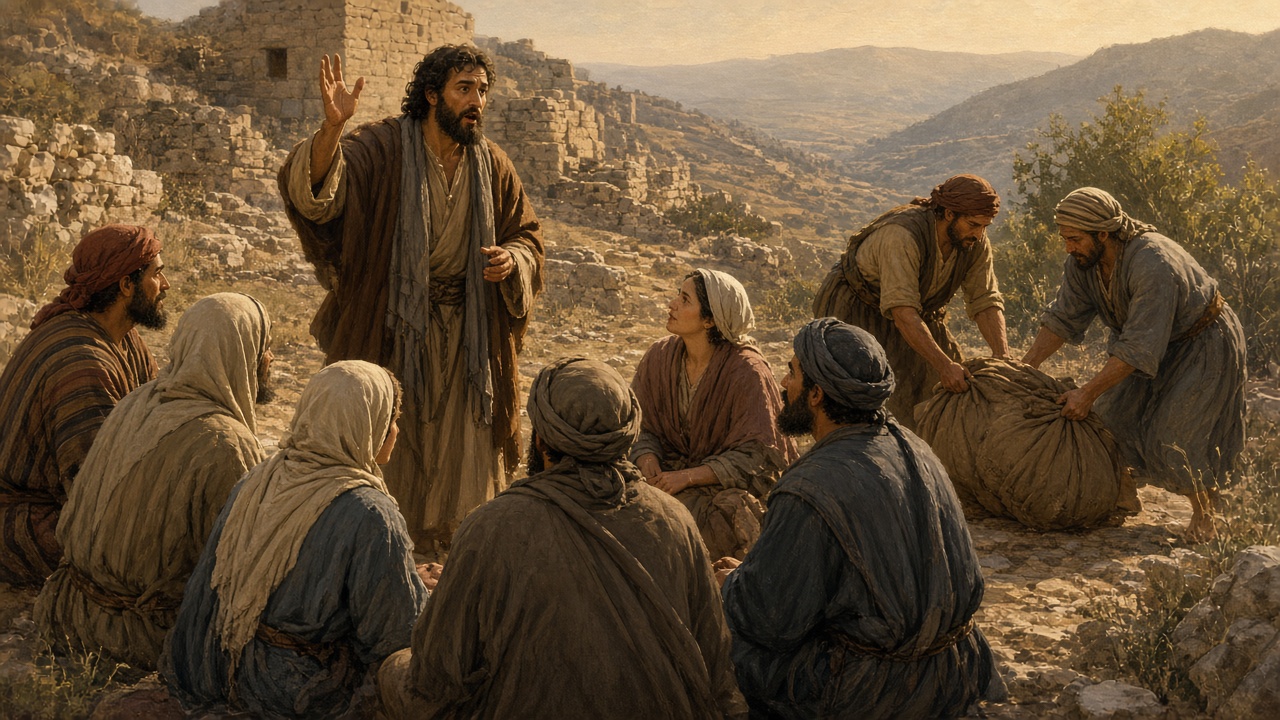
Você sabia?
A liberdade, a lei e o Espírito
- Quem fala identifica-se como Paulo e adverte que, se aqueles a quem se dirige se deixarem circuncidar, Cristo de nada lhes valerá, e que todo homem que se faz circuncidar fica obrigado a cumprir toda a lei. Um relato biográfico diz que o nome de circuncisão de Paulo era Saulo e que o nome Paulo provavelmente lhe foi dado na infância para uso no mundo dos gentios, enquanto Saulo seria o nome hebraico que ele usaria em casa.Fontes: o próprio texto bíblico · Paul
- A liberdade é contraposta a um jugo de escravidão: o capítulo diz que Cristo os libertou e manda que permaneçam firmes e não voltem a ser sobrecarregados por esse jugo. Foram chamados à liberdade, não como ocasião para a carne, mas para servir uns aos outros em amor, e toda a lei se cumpre no único preceito de amar o próximo como a si mesmo.Fontes: o próprio texto bíblico
- Andar pelo Espírito é contrastado com satisfazer os desejos da carne, que se opõem um ao outro. Se as pessoas são guiadas pelo Espírito, não estão debaixo da lei; o capítulo lista as obras da carne e o fruto do Espírito, e diz que contra essas coisas não há lei.Fontes: o próprio texto bíblico
Notas escritas com auxílio de IA a partir de fontes abertas (Theographic Bible Metadata, CC BY-SA 4.0; Easton’s Bible Dictionary, domínio público) e revisadas antes de publicar.
Créditos e licença desta tradução
Hmooh hmëë he- ga-jmee Jesucristo; Salmos
New Testament and Psalms in Chinantec, Ozumacín (MX:chz:Chinantec, Ozumacín)
copyright © 2003 Wycliffe Bible Translators, Inc.
Language: Chinantec, Ozumacín
Translation by: Wycliffe Bible Translators, Inc.
Chinanteco, Ozumacín [chz], Mexico
Copyright Information
© 2003, Wycliffe Bible Translators, Inc.
This translation text is made available to you under the
terms of the Creative Commons License: Attribution-Noncommercial-No Derivative Works.
( http://creativecommons.org/licenses/by-nc-nd/3.0/ )
In addition, you have permission to port the text to different file formats, as long as you
do not change any of the text or punctuation of the Bible.
You may share, copy, distribute, transmit, and extract portions
or quotations from this work, provided that you include the above copyright
information:
You must give Attribution to the work.
You do not sell this work for a profit.
You do not make any derivative works that change any of the actual words or punctuation of the Scriptures.
Permissions beyond the scope of this license may be
available if you contact
us with your request.
The New Testament and Psalms
in Chinantec, Ozumacín
© 2003, Wycliffe Bible Translators, Inc.
This translation is made available to you under the terms of the
Creative Commons Attribution-Noncommercial-No Derivatives license 4.0.
You may share and redistribute this Bible translation or extracts from it in any format, provided that:
You include the above copyright and source information.
You do not sell this work for a profit.
You do not change any of the words or punctuation of the Scriptures.
Pictures included with Scriptures and other documents on this site are licensed just for use with those Scriptures and documents.
For other uses, please contact the respective copyright owners.
2014-04-22
Fonte: http://ebible.org/chzNTps/ · eBible.org