Amós 4
Paipel · Toque num versículo para ver as referências cruzadas.
1Oupwe rongorong ekei kapas, ämi fin Samaria mi kitinupula usun ekewe kow lon Pasan mi amongööch. Oua ariaföüü ekewe chon wöüngau o purätiu ekewe chon mwelele, oua pwal üreni pwülüemi kewe pwe repwe uwato ünümemi sakau. 2Kot ewe Samol mi Lapalap mi pin a eäni eu akapel o üra, “Epwe fokun war ewe fansoun, lupwen repwe efikemiila ren ö, repwe efikemiila meinisin usun ik. 3Repwe atokemiiwu me lon pwangen tittin ewe telinimw eman me eman seni awenewenen en me lenian o aturukemiiwu ngeni ewe chuk Hermon.” Iei usun mine ewe Samol mi Lapalap a apasa.
Chon Israel resap kaiö seni än Kot apwüng
4Iei alon Kot ewe Samol mi Lapalap, “Ämi chon Israel, oupwe feila Petel o föri tipis, oupwe feila Kilkal o achomongala ämi tipis. Oupwe uwato ämi kewe asor iteiten lesosor pwal ämi kewe leengol iteiten ülüngat rän. 5Oupwe keni pilawa mi wor iis lon pwe ämi kewe asoren kilisou o sikesik usun ämi kewe asor oua uwato seni püsin letipemi. Oupwe aingaing wor, pun iei usun oua efich.”
6Iei alon ewe Samol mi Lapalap, “Ngang ewe mi awarato lengita lon ämi kewe telinimw meinisin, pwe esap wor enemi lon leniemi kewe. Iei mwo nge ämi ousap liwinto rei. 7Üa pwal amwöchü senikemi üt lon fansoun epwe fokun wor üt fän iten fotämi irä. Üa apüngätiu üt won eu telinimw, nge üsap apüngätiu won pwal eu. Üt a püngütiu won eu mälämäl, nge pwal ewe eu mälämäl esap püng üt won. 8Iei mine aramasen ekoch telinimw ra feila ngeni pwal eu telinimw fän ar moror pwe repwe ün koluk, nge esap naf ngeniir. Iei mwo nge ämi ousap liwinto rei.
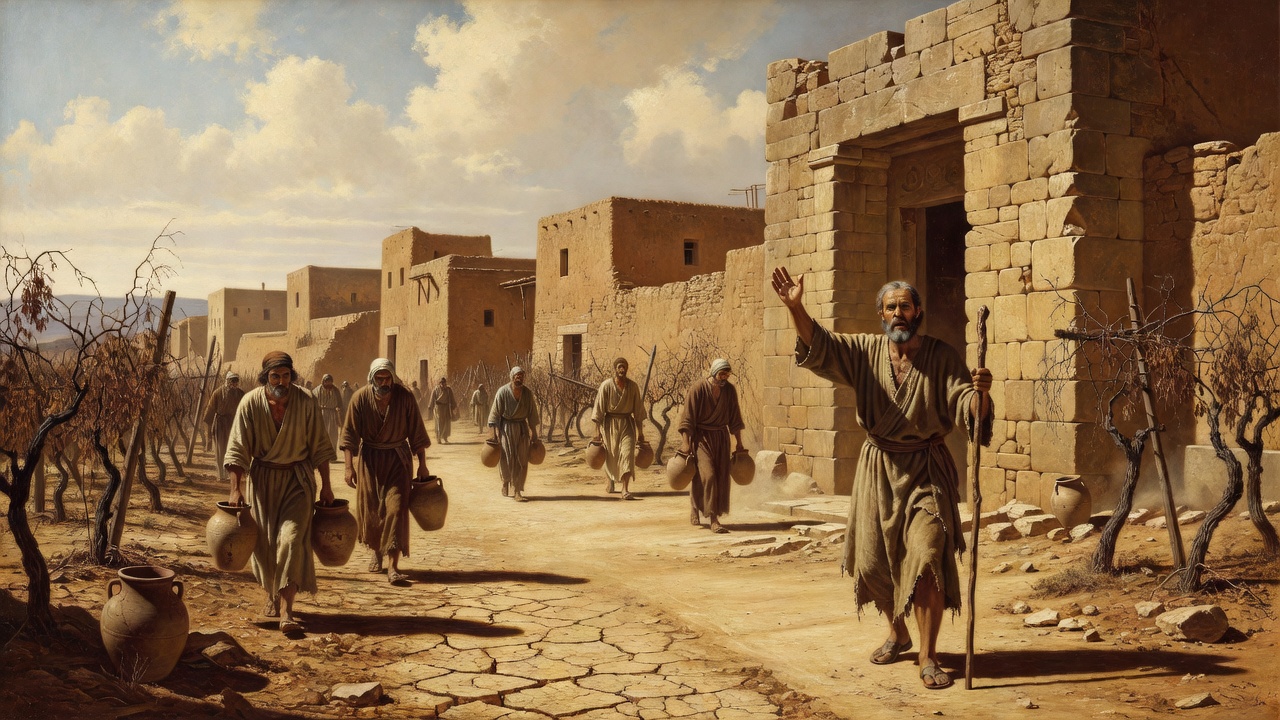
9Üa awarato moi me mesenipik won tanipimi me ämi tanipin wain pwe repwe atarala. Ekewe lifichimas ra enala ämi kewe irä fiik me irä olif. Iei mwo nge ämi ousap liwinto rei.
10Üa tinato mätter leimi usun üa föri me lon Isip. Üa niela nöümi kewe alüal lon maun o angeala nöümi kewe oris. Üa aura pwötümi ren pwomachen ekewe somä me lon leniemi. Iei mwo nge ämi ousap liwinto rei. 11Üa niela ekoch me leimi usun üa niela ekewe chon Sotom me Komora. Nge chokewe mi chüen manau me leimi ra usun esop mwüch a katowu seni ekkei. Iei mwo nge ämi ousap liwinto rei.” Iei usun mine ewe Samol mi Lapalap a apasa.
12“Iei mine üpwe apwüngükemi, ämi chon Israel. Pokiten üpwe föri ei, ämi chon Israel oupwe amolakemiitä pwe oupwe churiei, ngang ämi we Kot.”
13Kot ewe mi alapalapa ekewe chuk
o föri asepwäl.
A pwäri an ekiek ngeni aramas.
A föri mallen rän me rochopwak
o nemeni unusen fanüfan,
itan Kot ewe Samol mi Unusen Manaman.
Você sabia?
Avisos ignorados e o Deus dos Exércitos
- Amós se dirige às mulheres ricas e exploradoras de Samaria chamando-as de vacas de Basã. Samaria era a capital do reino do norte de Israel, situada no alto de uma colina, enquanto Basã era uma região fértil ao norte de Gileade, conhecida por suas ricas pastagens.Fontes: o próprio texto bíblico · Samaria · Bashan
- O profeta convida ironicamente o povo a levar sacrifícios e dízimos a Betel e a Gilgal. Ambos os locais tinham profunda importância histórica e religiosa em Israel, mas haviam se tornado centros de rituais vazios e transgressão.Fontes: o próprio texto bíblico · Bethel (of Palestine) · Gilgal
- Amós relata uma série de avisos divinos por meio de desastres naturais e militares, como secas severas, pragas de gafanhotos, pestes semelhantes às do Egito e derrotas em batalha. Apesar de cada calamidade, o texto repete o refrão de que o povo se recusou a voltar para Deus.Fontes: o próprio texto bíblico · Egypt
Notas escritas com auxílio de IA a partir de fontes abertas (Theographic Bible Metadata, CC BY-SA 4.0; Easton’s Bible Dictionary, domínio público) e revisadas antes de publicar.
Lugares deste capítulo
- Bashan · 32.781, 35.935 · versículo 1
- Samaria · 32.276, 35.195 · versículo 1
- Egypt · 30.129, 31.308 · versículo 10
Só aparecem lugares com identificação de alta confiança (90% ou mais segundo as fontes acadêmicas reunidas pelo OpenBible). Mapa da época: DARE (Digital Atlas of the Roman Empire), CC BY 4.0; mapa atual: © colaboradores do OpenStreetMap; lugares: OpenBible.info (CC BY 4.0).
Créditos e licença desta tradução
Paipel
The Holy Bible in the Chuukese language of the Federated States of Micronesia
copyright © 1984, 1989, 1991, 2001 Liebenzel Mission
Language: Chuukese
Translation by: Liebenzell Mission
Old Testament © 1989, 2001 Liebenzel Mission
New Testament © 1984, 1991 Liebenzel Mission
This translation is made available to you under the terms of the
Creative Commons Attribution-No Derivatives license 4.0.
You may share and redistribute this Bible translation or extracts from it in any format, provided that:
You include the above copyright and source information.
You do not make any derivative works that change any of the actual words or punctuation of the Scriptures.
Pictures included with Scriptures and other documents on this site are licensed just for use with those Scriptures and documents.
For other uses, please contact the respective copyright owners.
2024-01-24
Fonte: http://ebible.org/chk/ · eBible.org