Jó 18
Biblica® Open Ang Pulong sa Dios · Toque num versículo para ver as referências cruzadas.
Ang Tubag ni Bildad
1Unya mitubag si Bildad nga taga-Shua,
2“Job, kanus-a ka pa ba moundang nianang imong gipanulti?
Tarunga ra gud ang imong gipanulti,
ug unya makigsulti kami kanimo.
3Giisip mo ba kami nga sama sa mga baka nga walay panabot?
4Gisakit mo lang ang imong kaugalingon sa imong kasuko.
Naghuna-huna ka ba nga tungod lang kanimo
pasagdan sa Dios ang kalibotan o balhinon niya
ang mga bato gikan sa ilang nahimutangan?
5“Sa pagkatinuod, ang daotan nga tawo
sigurado gayod nga mamatay.
Sama siya sa suga nga dili na mosiga.
6Mongitngit ang iyang tolda
kay mapalong ang suga sa iyang tapad.
7Kaniadto sigurado ang iyang mga lakang,
apan karon magkadagma-dagma na siya.
Ang iya mismong daotang plano maoy molaglag kaniya.
8Siya mismo ang mipaingon sa lit-ag, ug nalit-agan siya.
9Nabitik siya sa tiil ug dili na makabuhi.
10Gibutang kini nga lit-ag sa iyang agianan,
ug natago kini sa yuta.
11Napalibotan siya sa mga butang nga gapahadlok kaniya
ug daw sa naggukod kini kaniya.
12Ang kalamidad daw sa gutom nga tawo
nga gustong molamoy kaniya.
Ang kalaglagan andam na sa paglaglag kaniya.
13Ang iyang panit gikutkot sa makamatay nga balatian.
Nagkadunot ang iyang mga tiil ug kamot.
14Gipapahawa siya sa iyang puloy-anan
nga naghatag ug kasigurohan kaniya,
ug gidala siya ngadto sa makahahadlok nga hari.
15Mawala ang iyang puloy-anan tungod kay masunog kini
sa nagdilaab nga asupre.
16Mahisama siya sa kahoy nga mangalaya
ang mga gamot ug mga sanga.
17Wala nay makahinumdom kaniya dinhi sa kalibotan.
Kalimtan na gayod siya.
18Abugon siya gikan niining kalibotan nga mahayag
paingon sa mangitngit nga dapit sa mga patay.
19Wala siyay mga anak o mga kaliwat,
ug wala gayoy mahibiling buhi sa iyang pamilya.
20Ang mga tawo sa bisan asang lugar nangatingala
ug nangahadlok sa nahitabo kaniya.
21Mao gayod kanay dangatan sa tawong daotan,
nga wala nag-ila sa Dios.”
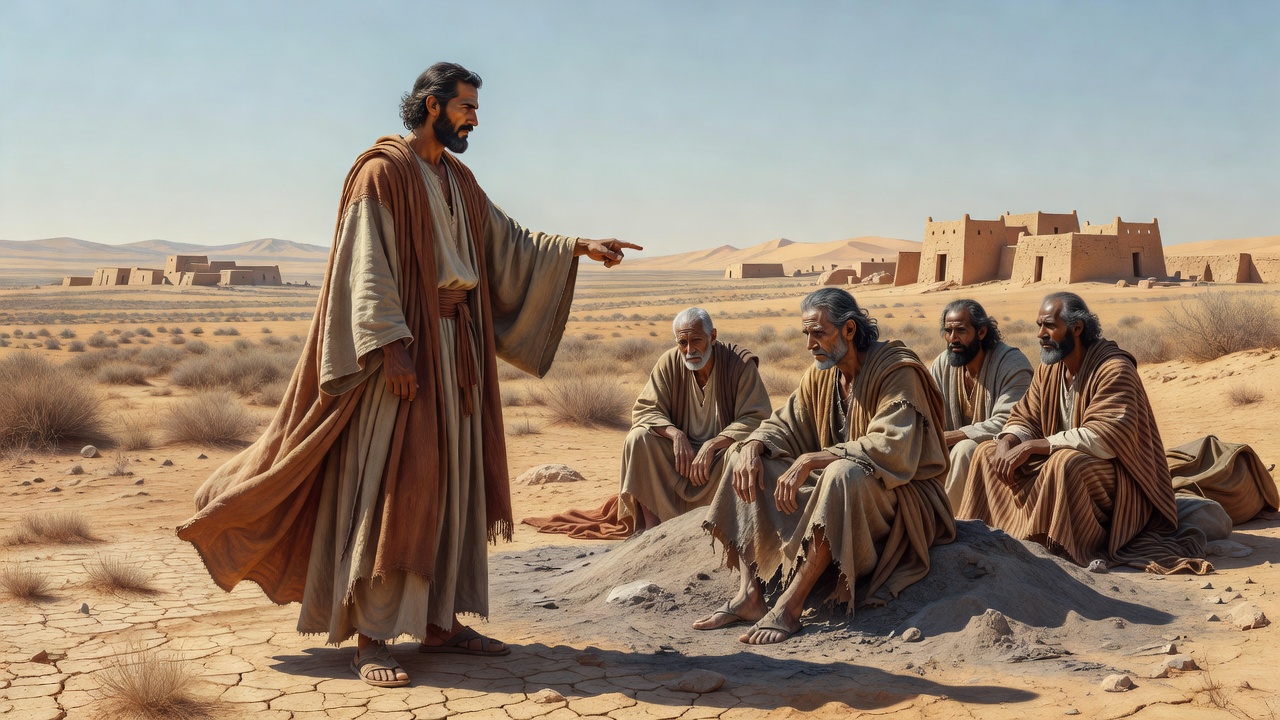
Você sabia?
O segundo discurso de Bildade sobre o destino dos ímpios
- Bildade é chamado de suíta, uma designação tradicionalmente associada a Suá, região da Arábia ligada aos descendentes de Abraão e Quetura. Neste segundo discurso a Jó, Bildade mantém um tom severo ao repreendê-lo e afirmar a ruína inevitável dos ímpios.Fontes: Bildad · o próprio texto bíblico
- Para ilustrar a destruição reservada aos maus, Bildade recorre a imagens de caça antigas. Ele retrata a queda dos ímpios por meio de metáforas de laços ocultos, armadilhas enterradas e redes que capturam os passos de quem caminha.Fontes: o próprio texto bíblico
Notas escritas com auxílio de IA a partir de fontes abertas (Theographic Bible Metadata, CC BY-SA 4.0; Easton’s Bible Dictionary, domínio público) e revisadas antes de publicar.
Créditos e licença desta tradução
Biblica® Open Ang Pulong sa Dios
Cebuano: Biblica® Open Ang Pulong sa Dios (Bible)
copyright © 2009,2010,2014,2024 Biblica, Inc.
Language: Cebuano
Contributor: Biblica, Inc.
Biblica® Open Ang Pulong sa Dios™
Katungod sa pagmantala © 2009, 2010, 2014, 2024 Biblica, Inc.
Biblica® Open Cebuano Contemporary Bible™
Copyright © 2009, 2010, 2014, 2024 by Biblica, Inc.
Trademark Statement
“Biblica” narehistro kini nga tatak sa United States Patent ug Trademark Office sa Biblica, Inc.
Gigamit pinaagi sa pagtugot.
“Biblica” is a trademark registered in the United States Patent and Trademark Office by Biblica, Inc.
Used with permission.
Creative Commons license
This work is made available under the Creative Commons Attribution-ShareAlike 4.0 International License (CC BY-SA). To view a copy of this license, visit https://creativecommons.org/licenses/by-sa/4.0 or send a letter to Creative Commons, PO Box 1866, Mountain View, CA 94042, USA.
You have permission to copy and distribute this Work, as long as you do not change it and you keep the title as it is. Changing or translating this Work will create a derivative work. When you publish this derivative work, you must list what changes you have made where people can see them, such as on a website. You must also show where the original Work is from: “The original Work by its copyright holders is available for free at www.biblica.com and open.bible .”
Notice of copyright must appear on the title or copyright page of the work as follows:
Biblica® Open Ang Pulong sa Dios™
Katungod sa pagmantala © 2009, 2010, 2014, 2024 Biblica, Inc.
Biblica® Open Cebuano Contemporary Bible™
Copyright © 2009, 2010, 2014, 2024 by Biblica, Inc.
“Biblica” narehistro kini nga tatak sa United States Patent ug Trademark Office sa Biblica, Inc.
Gigamit pinaagi sa pagtugot.
“Biblica” is a trademark registered in the United States Patent and Trademark Office by Biblica, Inc.
Used with permission.
You must also make your derivative work available under the same license (CC BY-SA).
If you would like to notify Biblica, Inc. regarding your translation of this work, please contact us at https://open.bible/#feedback .
This translation is made available to you under the terms of the
Creative Commons Attribution Share-Alike license 4.0.
You have permission to share and redistribute this Bible translation in any format and to make reasonable revisions and adaptations of this translation, provided that:
You include the above copyright and source information.
If you make any changes to the text, you must indicate that you did so in a way that makes it clear that the original licensor is not necessarily endorsing your changes.
If you redistribute this text, you must distribute your contributions under the same license as the original.
Pictures included with Scriptures and other documents on this site are licensed just for use with those Scriptures and documents.
For other uses, please contact the respective copyright owners.
Note that in addition to the rules above, revising and adapting God's Word involves a great responsibility to be true to God's Word. See Revelation 22:18-19.
2025-04-30
Fonte: http://ebible.org/cebocb/ · eBible.org