Lucas 15
Dios ã jáap naáwát tólih · Toque num versículo para ver as referências cruzadas.
Bʉʉdní oveja naáwát
1Biíh yeó jáapdih dawá cã́acwã, Romanowã ĩ maáta ĩ ʉʉ́bát tʉ́ʉtnit dinerodih ʉʉ́bh wʉ̃hnit, bita Moisés ã wʉtatjidih jepahcannit “Yeejépwã”, niijnítbʉt Jesúsdih joyódih ĩt jʉibínap wʉt jĩ. 2Páant ĩ jʉibínachah ennit, fariseowã, Moisés ã wʉtatjidih bohénitbʉt íijnit, queétjeh nin pah ĩt míic niijíp wʉt jĩ:
—Nin newé yeejépwãdih tʉ́i wẽi jwãáhnit, ĩjeéh ãpĩ́ jeémpna caá, ĩt niijíp wʉt jĩ.
3Páant ĩ niijíchah jéihnit, Jesús nin naáwátjĩh queétdih ãt bohénap wʉt jĩ: 4“Cien ovejawãdih bíbohni, biíc oveja caandíh ã bʉʉdʉ́chah ennit, ¿ded pah tigaá ã chãjbi? yeéb ñi jenah joyóchah. Bita noventa y nueve ovejawãdih ĩ jeémát yílip jʉmʉpboó jwejnit, caán bʉʉdnídih bididih ã bejbipna caá. Pánihna, caandíh bid jʉinítna, ã cádahbipna caá. 5Caandíh bid jʉí wẽina, ã́ih daadjíh mao cáagnit, ã́ih mʉʉná ã ʉb jwʉ́ʉb bejbipna caá. 6Pánih ʉb jwʉ́ʉb jʉibínit, ‘Wĩ́ih oveja bʉʉdnídih wã bid jʉyʉ́p be. Pánihna, wãjeéh ñi wẽi wáac jʉ̃ʉ́wʉ́’, niijnít, ã pebh jʉmnitdih, ã déewãdihbʉt ã bid wáacbipna caá. 7Páant ã weñat pah, ded biíc cã́ac ã yéejatdih cádahnit, ã tʉ́ʉt nʉʉmʉ́chah, Dios pebhboó jʉmnit bʉ́dí ĩ wẽibipna caá. Obohjeéhtih, noventa y nueve panihnit ‘Weemdíh yéejat wihcan caá. ¿Dépanih tigaá wãta tʉ́ʉt nʉʉ́m?’ niíj jenah joinítdih Dios pebhboó jʉmnit ĩ wẽican niít”, Jesús ãt niijíp wʉt jĩ.
Bʉʉdní dinero jʉ́dʉ naáwát
8“Diez dinero jʉ́dʉ bíbohnih biíc jʉ́dʉ caántdih ã bʉʉdʉ́chah ennit, ¿ded pah tigaá mi chãjbi? Jiiát dahjĩh jiinít, mʉʉdíh mi tʉ́i tóodh bid beedábipna caá. Caán jʉ́dʉdih bid jʉinítna, mi cádahbipna caá. 9Caán jʉ́dʉdih bid jʉinít, ‘Weemdíh bʉʉdní dinero jʉ́dʉdih wã bid jʉiná beé. Pánihna, wãjeéh ñi wẽi wáac jʉ̃ʉ́wʉ́’, niijnít, mi pebh jʉmnitdih, mi déewãdihbʉt mi bid wáacbipna caá. 10Yoobópdih yeebdíh wã naóhna caá. Páant mi weñat pah, biíc yéejni ã yéejatdih cádahnit, tʉ́iniboodíh ã tʉ́ʉt nʉʉmʉ́chah, Dioíh ángelwãbʉt bʉ́dí ĩ wẽibipna caá”, Jesús ãt niijíp wʉt jĩ.
Bʉʉdní ã wʉ̃ʉ́h naáwát
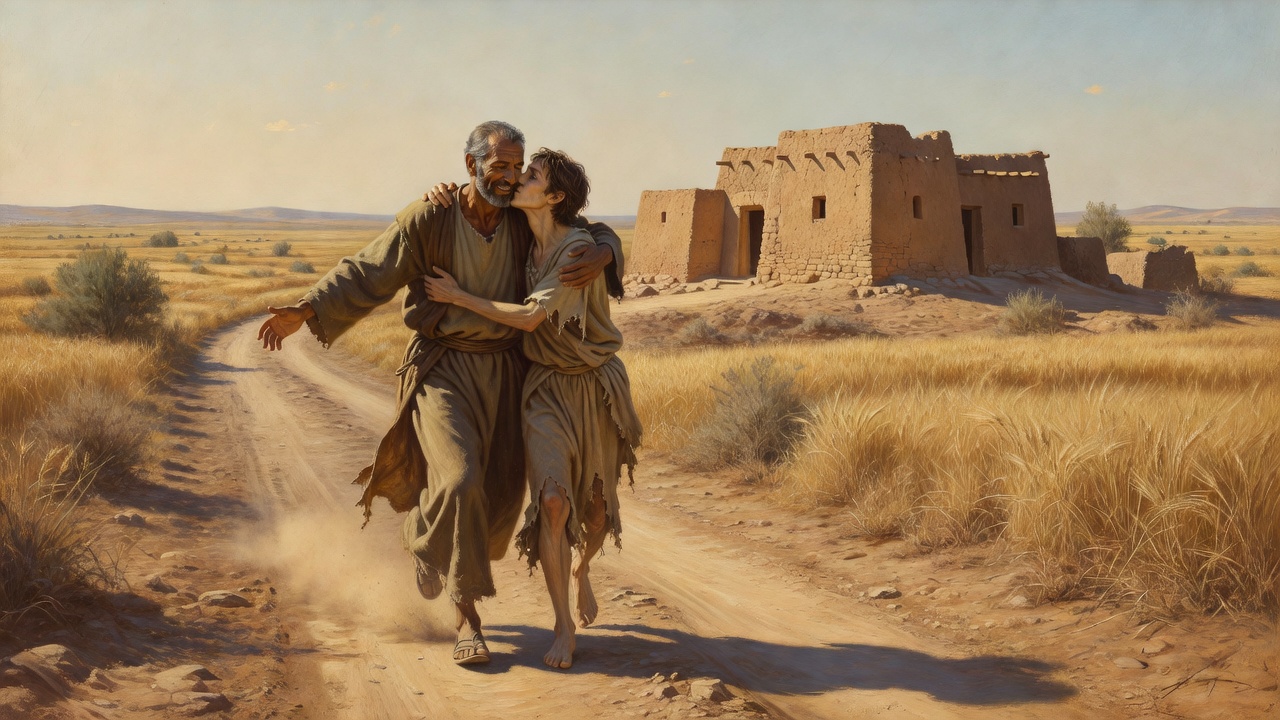
11“Biíc newé chénewã ã weh jʉmʉp be. 12Ʉ́ʉdyiboó ã íipdih nin pah ã niijíp be: ‘ “Wʉnna, meemdíh wã wʉ̃hbipna caá”, ma niijnídih bʉʉ ma wʉ̃hʉʉ́, Paá’, ã niijíp be. Páant ã niijíchah joinít, ã íip ã́ih bií déedih ã wehdih ã pãááp be. 13Daocánni yeó jáap tʉ́ttimah, ʉ́ʉdyiboó nihat ã́ih bií déedih ʉbnit, yʉʉ́p biíh baácboó jibidih ã bejep be. Caán baácboó jʉmna, cheha náahdih jíib chãj, yaádh metat jíib wʉ̃h, nʉmah jeémát jíib wʉ̃h, bʉ́dí ã jíib chãjap be. Pánih jíib chãjna, ã́ih dinerodih ã yoh beedánap be. 14Páant ã yoh beedáát tʉ́ttimah, caán baácboó jeémát wihcah, nʉʉgʉ́p láa ã jʉmʉp be. Caanbʉ́t nʉʉgʉ́pjĩh diib wʉ́nna ã chãjap be. 15Páant jeémát ã wihcah, tewat bididih ã bejep be. Páant ã bid bejechah, biíc newé caandíh ií náah jʉmni tewat wʉ̃hnit, ã́ih momo mʉʉwã jʉmni wáihyat jʉ́dʉboó caandíh ã wahap be, queétdih jeémát ã wʉ̃hat pínah niijná. 16Pánih queétdih inna, queét mʉʉwãdih wʉ̃hni jeémátdih bʉ́dí ã jeémíhip yʉh be. Obohjeéhtih, ã maáh caandíh ã jeémát tʉ́ʉtcah, bitabʉt caandíh dedé jeémát ĩ wʉ̃hcap be. 17Páant ã yapat tʉ́ttimah, ã jwʉ́ʉb náhninap be, ‘Nihat wã íipdih teo wʉ̃hnit jeémát bíboh, ĩ jʉdh jeémpni jeémátbʉt ãpĩ́ jʉmna beé. Obohjeéhtih, nin baácboó jʉmna, weemdíh jeémát wihcah, wʉnna caá wã chãjap. 18Pánihna, wã íip pebhna wã jwʉ́ʉb bejbipna caá. Caanná jwʉ́ʉb jʉibínit, wã íipdih nin pah wã niijbípna caá: “Diosdih bʉ́dí wã yéej chãjna beé, Paá. Meemdíhbʉt wã yéej chãjna beé. 19Pánihna, ¡‘Wʉ̃ʉhʉ́’, bʉʉ weemdíh ma niijcá bojoó! Meemdíh teo wʉ̃hnijeh wã jʉmbipna caá”, wã íipdih wã niijbípna caá’, caán míicjeh ã niíj, jenah joyóp be. 20Páant niíj jenah joinít, ã íip pebhna ã jwʉ́ʉb bejep be.
“Pánih jwʉ́ʉb bejna, ã íipíh mʉʉdíh ã tóah bejechah, ã íipboó caandíh yʉʉ́pmah ã jwãáh enep be. Pánih jwãáh enna, ã́ih caolihjĩh bʉ́dí jĩ́gahnit, ã wʉ̃ʉ́hdih jwãáádih ã ñáo ñah bejep be. Jwãáhnit, caandíh bʉ́dí wẽina, ã pin tewep be. 21Páant ã pin tewechah, ã íipdih nin pah ã niíj naáwáp be: ‘Diosdih bʉ́dí wã yéej chãjap be, Paá. Meemdíhbʉt wã yéej chãjap be. Pánihna, “Wʉ̃ʉhʉ́”, weemdíh ma niijcá bojoó’, ã niijíp be. 22Obohjeéhtih, páant ã niijíchah yʉhna, ã íipboó caandíh teo wʉ̃hnitdih nin pah ã niíj wʉtʉp be: ‘Waícanjeh tʉ́ini yégueh chóodih ʉb jʉ̃óhnit, wã wʉ̃ʉ́hdih ñi yacaá. Tʉ́ini téihya yacat jʉ́dʉdih ã́ih téih tíibdihbʉt ñi yacaá. Ã́ih jítchadihbʉt tʉ́ini zapatos ñi yacaá. 23Jwĩ tʉ́i in débehani momo jiwi wʉ̃ʉ́hdih ʉb jʉ̃óhnit, ñi mawaáp. Mao péa, quibh péanit, ñi pʉʉbʉ́. 24“Wã wʉ̃ʉ́h ã wʉnah bejna nacaá”, wã niíj jenah joyóp yʉh be. Bʉʉdní déeji bʉʉ ã tʉ́i jwʉ́ʉb jʉiná caá, bʉca. Bʉ́dí wẽinit, chóbe jeémpjĩh’, caandíh teo wʉ̃hnitdih ã niijíp be. Pánihna, queét nihat bʉ́dí wẽinit, ĩ jeémép be.
25“Obohjeéhtih, ʉ́ʉdyi ã jwʉ́ʉb jʉyʉ́chah, weép jeñéboó momo jiwiwã jʉmni wáihyat jʉ́dʉboó ã jʉmʉp be. Pánihna, ã íipíh mʉʉdíh tóah bejna, ĩ wẽi ewechah, ã joyóp be. 26Pánih joinít, teo wʉ̃hnidih nin pah ã niíj ʉʉ́bh joyóp be: ‘¿Dépanih eo tigaá queét ĩ chãj?’ ã niijíp be. 27Páant ã niíj ʉʉ́bh joyóchah joinít, teo wʉ̃hni caandíh nin pah ã niíj jepahap be: ‘Ma ʉ́ʉd ã jwʉ́ʉb jʉiná beé. Ã tʉ́i jʉyʉ́chah, ma íip jwĩ in débehani momo jiwi wʉ̃ʉ́hdih ã mawat tʉ́ʉtʉp be. Pánih maonijidih jwĩ pʉʉ́b péanachah, nʉmah jeémp wẽi eona caá ĩ chãjap’, caandíh ã niijíp be. 28Páant teo wʉ̃hni ã niíj naáwáchah joinít, weép jeñé ã íipdih tʉbit ã íijip be. Íijnit, ã waádíhcap be. Páant ã waádíhcah enna, ã íipboó bac bejnit, ‘Wʉ̃ʉhʉ́, ma waád jʉ̃ʉ́wʉ́’, caandíh ã niijíp yʉh be. 29Obohjeéhtih, ã íipdih nin pah ã niíj jepahap be: ‘Maatápdih meemdíh bʉ́dí teo wʉ̃hnit, ma naáwáchah wã yap yohcah yʉhna, wã pej jʉmnitdih wã nʉmah jeémát déedih cabra wʉ̃ʉ́hbitdih weemdíh mapĩ́ wʉ̃hcan beé. 30Obohjeéhtih, bʉʉ yeejép ma wʉ̃ʉ́h ã jwʉ́ʉb jʉyʉ́chah, yaádh metat jíib míih dinero yoh beedánidih bʉ́dí wẽinit, meém ma nʉmah jeémpna caá. Jwĩ in débehani momo jiwi wʉ̃ʉ́hdih maonit, caandíh ma nʉmah jeémpna caá’, ã íipdih ã niíj jʉ̃ihñʉp be.
31“Páant ã niíj jʉ̃ihñʉchah joinít, ã íip caandíh nin pah ã niíj jepahap be: ‘Wʉ̃ʉhʉ́, meém wãjeéh mapĩ́ jʉmna caá. Nihat wĩ́ih bií déedih míih mʉn caá. 32Obohjeéhtih, ma ʉ́ʉd wʉnni déeji bʉʉ ã tʉ́i jwʉ́ʉb jʉyʉ́p be. Pánihna, wẽinit, jwĩ nʉmah jeémp ewechah, ã tʉ́ina caá’, ã íip weép jeñédih ã niijíp be”, Jesús queétdih ãt niijíp wʉt jĩ.
Você sabia?
Perdido e encontrado
- Cobradores de impostos e pecadores estavam se reunindo para ouvir Jesus, e os fariseus e os escribas começaram a murmurar que ele acolhe pecadores e come com eles. Jesus então lhes contou parábolas sobre uma ovelha perdida, uma moeda de prata perdida e um filho perdido.Fontes: o próprio texto bíblico
- O ensino e a cura na Pereia em direção a Jerusalém são registrados como começando em 30 d.C. com duração de um dia.Fontes: Teaching and Healing in Perea to Jerusalem
Notas escritas com auxílio de IA a partir de fontes abertas (Theographic Bible Metadata, CC BY-SA 4.0; Easton’s Bible Dictionary, domínio público) e revisadas antes de publicar.
Créditos e licença desta tradução
Dios ã jáap naáwát tólih
New Testament in Cacua
copyright © 2008 Wycliffe Bible Translators, Inc.
Language: Cacua
Translation by: Wycliffe Bible Translators, Inc.
Copyright Information
© 2008, Wycliffe Bible Translators, Inc. All rights reserved.
This translation text is made available to you under the
terms of the Creative Commons License: Attribution-Noncommercial-No Derivative Works.
( http://creativecommons.org/licenses/by-nc-nd/3.0/ )
In addition, you have permission to port the text to different file formats, as long as you
do not change any of the text or punctuation of the Bible.
You may share, copy, distribute, transmit, and extract portions
or quotations from this work, provided that you include the above copyright
information:
You must give Attribution to the work.
You do not sell this work for a profit.
You do not make any derivative works that change any of the actual words or punctuation of the Scriptures.
Permissions beyond the scope of this license may be
available if you contact
us with your request.
The New Testament
in Cacua
© 2008, Wycliffe Bible Translators, Inc. All rights reserved.
This translation is made available to you under the terms of the
Creative Commons Attribution-Noncommercial-No Derivatives license 4.0.
You may share and redistribute this Bible translation or extracts from it in any format, provided that:
You include the above copyright and source information.
You do not sell this work for a profit.
You do not change any of the words or punctuation of the Scriptures.
Pictures included with Scriptures and other documents on this site are licensed just for use with those Scriptures and documents.
For other uses, please contact the respective copyright owners.
2014-08-06
Fonte: http://ebible.org/cbv/ · eBible.org