João 17
Dios ã jáap naáwát tólih · Toque num versículo para ver as referências cruzadas.
Jesús ã́ih pínahdih Diosdih ã ʉʉ́bát
1Páant niíj péanit, Jesús jeáboó chéi ennit, Diosdih nin pah ã niíj ʉʉ́bʉ́p jĩ: “Paá, bʉʉ ma niijátji pah tih weemdíh ĩ mawat pínah ã jʉiná caá. Pánihna, weém ma wʉ̃ʉ́h wã jʉmatdih cã́acwãdih ma jéihyanaá, weemdíh ĩ weñat pínah niijná. Páant ma chãjachah, weem jwʉ́h meemdíhbʉt queétdih wã weñat tʉ́ʉtbipna caá. 2Nihat cã́acwã ĩ maáh weemdíh ma waadánap be. Pánih maáh jʉmna, det weemdíh ma wʉ̃hnitdih majeéh wã jʉmat tʉ́ʉtbipna caá. 3Det meém Dios biícjeh jʉmnidih jéihna, weém ma wahnidihbʉt jéihna, japboó jwĩjeéh biícdih páantjeh ĩ tʉ́i jʉmbipna caá.
4“Nin baácboó jʉm jwʉhna, ma chãjat tʉ́ʉtatjidih wã chãj péanap be. Pánih chãjna, ded pah ma jʉmatdih cã́acwãdih wã tʉ́i jéihyanap be, meemdíh ĩ weñat pínah niijná. 5Pánihna, nin baácdih jwĩ chãjat pínah jã́tih, majeéh biícdih jʉm jwʉhna, biíc yoobó jwĩpĩ́ wʉtat pah mʉntih, weemdíh ma jwʉ́ʉb maáh waadánaá.
Jesús ã bohénitíh pínahdih jwʉh Diosdih ã ʉʉ́bát
6“Paá, nit wĩ́ihwãdih jwʉh wã ʉʉ́bhna caá. Nit weemdíh ma wʉ̃hnit nin baácboó yeejépwã cãtíh ĩ jʉmʉchah yʉhna, queétdih ded pah ma jʉmatdih wã jéihyanap be. Queét míihwãdih weemdíh ma wʉ̃hʉchah, queét ma wʉtat pah ĩ chãjna beé. 7Weemdíh ma naáwátjidih queétdih wã bohénachah, ĩ tʉ́i wẽi joyóp be. Pánih wẽi joinít, ma pebhmant jʉ̃óhni wã jʉmatdih, ma wahni wã jʉmatdihbʉt ĩ tʉ́i jéihna caá. Pánih jéihnit, ‘Nihat jwiítdih ã bohéátjidih, nihat ã chãj jʉ́ʉtatjidihbʉt Dios ãt wʉtʉp taga’, ĩ niíj jéihna caá.
9“Paá, nit wã bohénitíh pínahdihjeh ʉʉ́bhna caá wã chãjap. Bitaíh pínahdih ʉʉ́bhna wã chãj jwʉhcan caá. Nit weemdíh ma wʉ̃hnit míihwã caá ĩ jʉmʉp. Ĩ́ih pínahdih meemdíh ʉʉ́bhna caá wã chãjap. 10Nit wĩ́ihwã nihat míihwã mʉn tigaá. Pánihna, míihwãboó wĩ́ihwã mʉn tigaá. Weemdíh jepahna, ĩ tʉ́ʉt nʉʉmʉ́chah ennit, bitabʉt weemdíh ĩ wẽina caá.
11“Bʉʉ nin baácboó wã chãocán niít. Ma pebhna jwʉ́ʉb bejat tʉ́ʉt caá wã chãjap. Páant ma pebhna wã jwʉ́ʉb bejechah yʉhna, nit weemdíh ma wʉ̃hnit nin baácboó ĩ chãobípna caá. Paá, meém tʉ́ini jʉmna, nit weemdíh ma wʉ̃hnitdih ma wẽpatjĩh, weemdíh ma wʉ̃hni wẽpat biícdih, ma tʉ́i en dawaá. Páant ma tʉ́i en dawáchah, jwiít tʉ́i biícdih jwĩ jʉmat pah mʉntih nitbʉt tʉ́i biícdih ĩ jʉmbipna caá. 12Ĩjeéh jʉm jwʉhna, ma wẽpatjĩh nitdih wã tʉ́i en dawáp be, biícboó ã bʉʉdcát pínah niijná. Obohjeéhtih, ma naáwátdih ĩ daacátji pahjeh tih, biíc bácah iiguípna ã bejbipna caá.
13“Bʉʉ ma pebhboó bejat tʉ́ʉt caá wã chãjap. Nin baácboó jʉm jwʉhna, ĩ́ih pínahdih páant wã niíj ʉʉ́bʉ́p be, caandíh joinít, weém biícdih bʉ́dí ĩ weñat pínah niijná. 14Ded pah ma jʉmatdih nitdih wãát naáwáp be. Weém yeejép wã chãjcat pah nit wĩ́ihwãboó yeejép chãjnitji ĩ tʉ́ʉt nʉʉmʉ́p be. Páant ĩ tʉ́ʉt nʉʉmʉ́chah ennit, bita tʉ́ʉt nʉʉmcánnitboó queétdih ĩ iiná caá. 15‘Nin baácdih jʉmnit wĩ́ihwãdih ma ʉb bejeé’, wã niíj ʉʉ́bhcan caá. Obohjeéhtih, ‘nin baácdih ĩ jʉm jwʉhʉchah, ma tʉ́i en dawaá, Nemép queétdih ã yéejacat pínah niijná’, wã niíj ʉʉ́bhna caá. 16Weém nin baácdih moón yeejép ĩ jenah joyát pah wã jenah joicán caá. Pánihna, weemdíh jepahnit jʉmna, nin baácdih moón ĩ jenah joyát pah queétbʉt ĩ jenah joicán caá. 17Ma naáwát yoobópdih ã jʉmʉchah, caandíh nit wĩ́ihwãdih ma tʉ́i bohénaá, meemdíh chah ĩ jepahat pínah niijná. 18Nin baácboó weemdíh ma wahat pahjeh mʉntih, weembʉ́t nit wĩ́ihwãdihbʉt wã wahna caá, ded pah jwĩ jʉmatdih queét jwʉh bitadih ĩ bohéát pínah niijná. 19Cã́acwãdih wã wʉn wʉ̃hbipna caá, míihwã jʉmna, ma weñat pínahdihjeh ĩ chãjat pínah niijná.
Jesús nihat ã́ihwã pínahdihbʉt ã ʉʉ́bát
20“ ‘Nit wĩ́ihwãdihjeh ma teo wáacá’, wã niíj ʉʉ́bhcan caá. Bʉʉ queétboó bitadih wĩ́ih doonádih ĩ bohénachah joinít, weemdíh jepahnitdihbʉt ma teo wáacat pínahdih wã ʉʉ́bhna caá, nihat wĩ́ihwã biícdih ĩ jʉmat pínah niijná. Weém majeéh jwiít chénewã jʉmna yʉhna, biícjeh caá. Pánihna, jwiít biícjeh jwĩ jʉmat pah queétbʉt jwĩjeéh tʉ́i biícdih ĩ jʉmʉ naáh, ma wahni wã jʉmatdih nihat cã́acwã ‘Yoobópdih tigaá’, ĩ niíj jéihyat pínah niijná. 22Weemdíh ma wʉ̃hni wẽpatdih wĩ́ihwãdihbʉt wãát wʉ̃hʉp be, biícdih jwiít jwĩ jʉmat pah, queétbʉt tʉ́i biícdih ĩ jʉmat pínah niijná. 23Weém queét biícdih wã jʉmʉchah, meembʉ́t weém biícdih ma jʉmna caá. Páant biícdih jwĩ jʉmʉchah, wĩ́ihwã yoobópdih biícwã pahjeh ĩ jʉmbipna caá. Páant biícwã pah ĩ jʉmʉchah enna, ma wahni wã jʉmatdih cã́acwã ĩ jéihbipna caá. Pánihna, weemdíh ma oyat pah mʉntih, queétdihbʉt biíc yoobó ma oyatdih ĩ tʉ́i jéihbipna caá.
24“Paá, nin baácdih jwĩ chãjat pínah jã́tih weemdíh bʉ́dí oina, ma wẽpat weemdíh wʉ̃hnit, biíc yoobó maáta jwĩ jʉmʉp jĩ. Pánihna, wĩ́ihwã jwĩ pebhboó wãjeéh ĩ jʉmat pínahdih queétdih wã náah yacna caá, weemdíh maáh ma jwʉ́ʉb waadáátdih ĩ enat pínah niijná. 25Paá, meém tʉ́ini yoobát chãjni, nin baácdih moón yeejépwã meemdíh ĩ jéihcah yʉhna, weémboó meemdíh wã tʉ́i jéihna caá. Ma wahni wã jʉmatdih nit wĩ́ihwã ĩ tʉ́i jéihna caá. 26Ded pah meém ma jʉmatdih queétdih wã jéihyanap be. Tʉ́ttimahbʉt, páantjeh wã jéihyabipna caá, weemdíh ma oyat pahjeh mʉntih queétdihbʉt ma oyatdih ĩ jéihyat pínah niijná. Pánih jéihnit, queétjehbʉt ĩ míic oyochah, ĩjeéh biícdih wã jʉmbipna caá”, Diosdih ã niijíp jĩ.
Você sabia?
João 17: a hora chegou
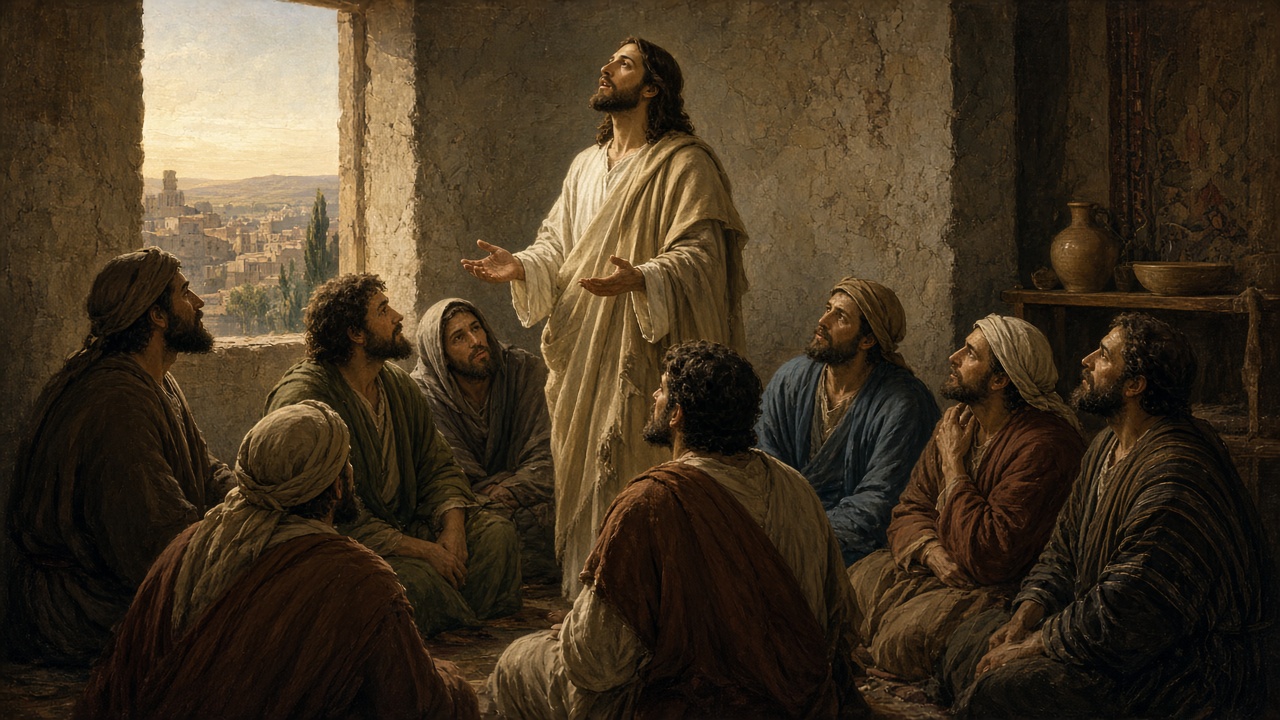
- A oração começa quando Jesus, depois de ter dito essas coisas, ergue os olhos ao céu e diz que a hora chegou. Ela está associada ao Discurso do Cenáculo, indicado como um dia, e à Semana Santa, indicada como oito dias.Fontes: o próprio texto bíblico · Upper Room Discourse · Holy Week
- Aqui a vida eterna é conhecer o único Deus verdadeiro e Jesus Cristo, a quem o Pai enviou. Jesus também fala da glória que tinha com o Pai antes de o mundo existir e do amor do Pai por ele antes da fundação do mundo.Fontes: o próprio texto bíblico
- Ele ora por aqueles que o Pai lhe deu do mundo, os que guardaram a palavra, e também por quem crerá por meio da mensagem deles, pedindo que sejam um. Não pede que sejam tirados do mundo, mas que sejam guardados do maligno e santificados pela verdade, que ele identifica como a palavra do Pai.Fontes: o próprio texto bíblico
Notas escritas com auxílio de IA a partir de fontes abertas (Theographic Bible Metadata, CC BY-SA 4.0; Easton’s Bible Dictionary, domínio público) e revisadas antes de publicar.
Créditos e licença desta tradução
Dios ã jáap naáwát tólih
New Testament in Cacua
copyright © 2008 Wycliffe Bible Translators, Inc.
Language: Cacua
Translation by: Wycliffe Bible Translators, Inc.
Copyright Information
© 2008, Wycliffe Bible Translators, Inc. All rights reserved.
This translation text is made available to you under the
terms of the Creative Commons License: Attribution-Noncommercial-No Derivative Works.
( http://creativecommons.org/licenses/by-nc-nd/3.0/ )
In addition, you have permission to port the text to different file formats, as long as you
do not change any of the text or punctuation of the Bible.
You may share, copy, distribute, transmit, and extract portions
or quotations from this work, provided that you include the above copyright
information:
You must give Attribution to the work.
You do not sell this work for a profit.
You do not make any derivative works that change any of the actual words or punctuation of the Scriptures.
Permissions beyond the scope of this license may be
available if you contact
us with your request.
The New Testament
in Cacua
© 2008, Wycliffe Bible Translators, Inc. All rights reserved.
This translation is made available to you under the terms of the
Creative Commons Attribution-Noncommercial-No Derivatives license 4.0.
You may share and redistribute this Bible translation or extracts from it in any format, provided that:
You include the above copyright and source information.
You do not sell this work for a profit.
You do not change any of the words or punctuation of the Scriptures.
Pictures included with Scriptures and other documents on this site are licensed just for use with those Scriptures and documents.
For other uses, please contact the respective copyright owners.
2014-08-06
Fonte: http://ebible.org/cbv/ · eBible.org