Gálatas 6
Dios ã jáap naáwát tólih · Toque num versículo para ver as referências cruzadas.
Jesúíhwã ĩ míic teo wáacat
1Wã déewã panihnitá, ñi tʉ́i míic teo wáacá. Pánih míic teo wáacnit, biíc ñijeéh jʉmni ã tʉ́i chãjcatdih ennit, Tʉ́ini Espíritu ã teo wáacatjĩh caandíh ñi tʉ́i míic wéhenaá, tʉ́ʉt nʉʉmnít, tʉ́inijeh ã jwʉ́ʉb chãjat pínah niijná. Pánih teo wáacnit, yeéb míicjehbʉt ñi tʉ́i chãja chaáh, “Yeejépdih chãjná”, niijná. 2Ñijeéh jʉmnit yeejép ĩ yapachah enna, queétdih ñi teo wáacá. Pánih míic teo wáacna, Cristo ded pah ã náah yacatdih jepahna caá ñi chãjap.
3“Bita chah tʉ́i chãjni jʉmna, dedé teo wáacatdih wã náahcan caá”, ded niíj jenah joiná, caanjéh míic yeena caá ã chãjap. 4Ded pah ñi chãjatdih jenah joinít, “Nin tʉ́ini caá. Caán yeejép caá”, niíj jéihyat caá náahap. Pánih jéihna, ded pah ñi chãjat tʉ́ini ã jʉmʉchah, bitadih ded pah ã yapatdih jenah joicánjeh, ñi tʉ́i wẽibipna caá. 5Jesús jwiítdih ded pah ã náah yacatdih jepahna, jwĩ jepahcahbʉt jwiítjeh jwĩ ñíwat pínah ã jʉmna caá. Bitaboó jwiítdih ĩ jéih ñío wʉ̃hcan caá.
6Det tʉ́ini doonádih bohénitboó queétdih naóhnidih ĩ tʉ́i teo wáaca naáh, dedé ã náahatdih ã bíbohat pínah niijná.
7Ded pah jwĩ chãjatdih jenah joinít, nindih náhniat caá náahap: Jwiít cã́acwãboó dedédih jwĩ momochah, caanjéh ã jwʉ́ʉb chíih jʉ̃ʉ́wʉ́chah, caandíhjeh jwĩ bíbohbipna caá. Tʉ́ininadih ñíonit, jwĩ momochah, tʉ́ini ã chíih jʉ̃óhbipna caá. Obohjeéhtih, yeejépnadih jwĩ momochah, tʉ́icanni ãta chíih jʉ̃óh tagaá. Pánihat pah, jwiít cã́acwãdihbʉt biíc yoobó ã jʉmna caá. Ded pah jwĩ chãjachah, biíc yoobójeh mʉntih jwiítdihbʉt ã yapbipna caá. Ñi tʉ́i náhninaá, Dios nihat jéihnidih jwĩ jéih tíohcan caá. Pánihna, “Weém wã tʉ́i chãjcatdih Dios ã encan caá”, ñi niíj míic yeeca bojoó. 8Ded ã weñat pínahdihjeh chãjna, yeejép ã chãjachah, ã yéej chãjat jíib, iiguípna ã bejbipna caá. Obohjeéhtih, ded Tʉ́ini Espíritu ã náah yacatboodíh jepahna, ã tʉ́i chãjat jíib, páantjeh Diosjeéh ã jʉmbipna caá. 9Dios ã jenahat láa, tʉ́i chãj cádahcan, tʉ́inidih jwĩ bíbohbipna caá. Páant jwĩ bíbohat pínahdih jéihnit, tʉ́i chãj chʉʉcán, jwĩ cádahca boj jĩíh. 10Dedé teo wáacatdih ĩ náahachah, jwĩ bʉʉjáát pah bóo, nihat cã́acwãdih jwĩ tʉ́i chãj jĩíh. Jwĩ déewã panihnit Jesúíhwãdih bácah, chah jwĩ míic tʉ́i teo wáacat dée caá.
Pablo naóh péanit, ã tʉ́yat tʉ́ʉtat
11Nin nʉ́odih wã chéen ã daác wʉ̃hʉp be. Pánihna, nin péeni naáwátdih dahwani wã daacátdih ennit, “Pablojeh jwiítdih ãt daác wahap taga”, ñi niíj jéihbipna caá.
12Bʉʉ queét yeebdíh yee bohénitdih wã jwʉ́ʉb naóhbipna caá. Queét yeebdíh bóodat tʉ́ʉtnitboó jwĩ déewã queétdih ĩ wẽi enat pínah niijná, páant ĩ bohéna caá. Jesús cruzboó ã wʉn wʉ̃hatjidihjeh bohéna, queétdih jʉ̃ihnit, jwĩ déewã yeejép ĩta chãj tagaá. Páant yeejép yapatdih náahcan, queét yeebdíh ĩ bóodat tʉ́ʉtna caá. 13Queét bóodat tʉ́ʉtnitboó Moisés ã wʉtatjidih tʉ́i jepah beedácan yʉhna, yeebdíh caandíh jepahat tʉ́ʉtnit, ĩ bóodat tʉ́ʉtna caá. Bita jwĩ déewã “Queétboó Gálatasdih moón Jesúíhwãdih ĩt tʉ́i bóodat tʉ́ʉtʉp tagaá”, queétdih ĩ niíj wẽi naáwát pínah niijná, páant ĩ bohéna caá. 14Obohjeéhtih, cã́acwã weemdíh ĩ tʉ́i wẽi naáwát pínahdih weémboó wã bidcan caá. Pánih bidcan, jwĩ Maáh Jesucristo cruzboó ã wʉn wʉ̃hatjidihjeh cã́acwã ĩ wẽi naáwát pínahdih wã náah yacna caá. Weemdíh ã wʉn wʉ̃hʉchah, nemép Dioíh nihcannitdih yeejép ã chãjat tʉ́ʉtʉchah yʉhna, weémboodíh ã bʉʉjácan niít. Páant yeejép ĩ chãjachah yʉhna, wã en yaccan niít. 15Jwiít Jesucristoíhwã jʉmna, Dios jwiítdih ã enechah, bóodnit, bóodcannitbʉt jwĩ jʉmʉchah, biíc yoobó dedé pínah nihcan caá. Obohjeéhtih, tʉ́iniboodíh jwĩ tʉ́ʉt nʉʉmʉ́chah ennit bácah, bʉ́dí yoobát ã wẽi enna caá.
16Nin wã bohéátdih tʉ́i jepahnit, Diosjeéh ʉ́ʉmcanjeh ñi tʉ́i jʉmʉʉ́. Dios yeebdíh jĩ́gah ennit, ã teo wáaca naáh. Biíc yoobó ã teo wáacat pínahdih nihat ã́ihwãdih wã náah yacna caá.
17Nin wã pée naáwátbit caá: Jwĩ Maáh Jesúsdih teo wʉ̃hni wã jʉmat jíib, weemdíh ĩ pʉñat yahwítji páantjeh wĩ́ih bácahdih wã dʉoná caá. Páant yaoh dʉoní wã jʉmʉchah ennit, “Pablo Jesúíh tʉ́ini doonádih Dios ã naáwát tʉ́ʉtni nihcan caá”, weemdíh ĩ jwʉ́ʉb niíj tac bʉʉgáca bojo naáh.
18Wã déewã panihnitá, jwĩ Maáh Jesucristo yeéb nihatdih bʉ́dí oinit, ã tʉ́i teo wáaca naáh. Pánih náah yacnit, yeebdíh bʉ́dí oinit, wã tʉ́yat tʉ́ʉtna caá.
Páant bóojeh tigaá wã daacát.
Pablo
Você sabia?
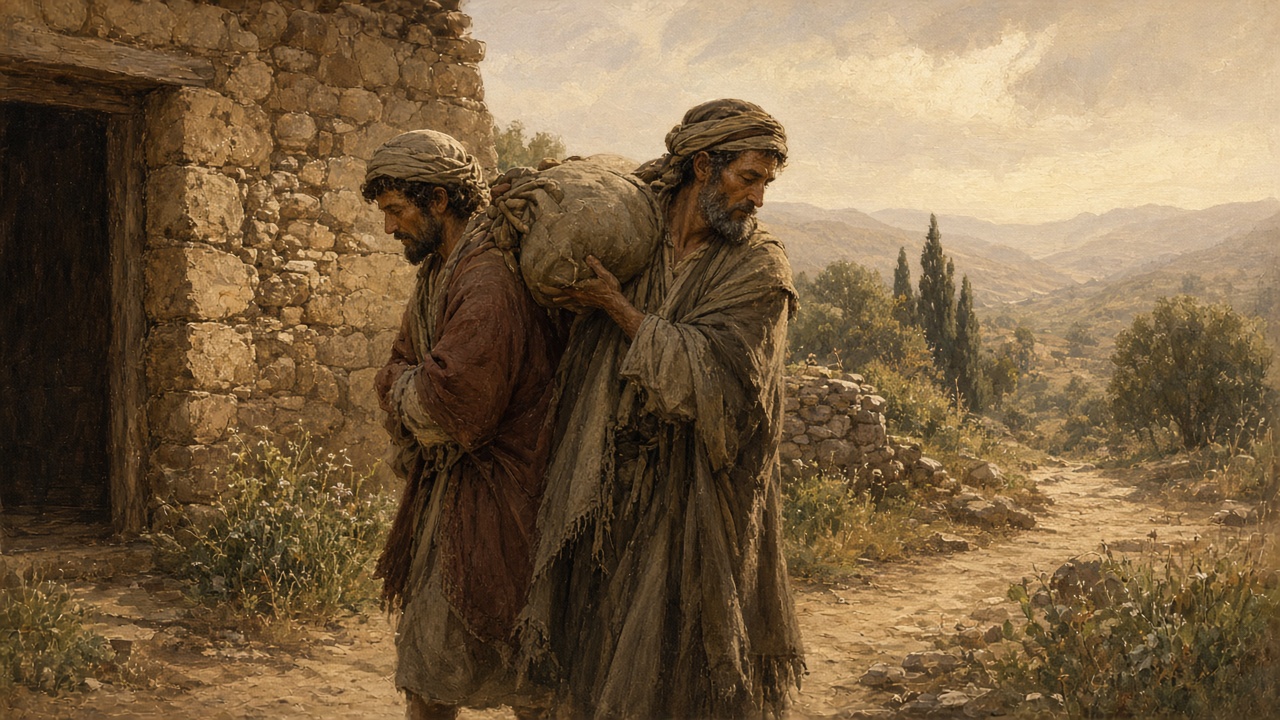
Fardos, a colheita e a cruz
- O capítulo coloca dois deveres lado a lado. Os que são espirituais devem restaurar com mansidão quem for surpreendido numa transgressão e carregar os fardos uns dos outros, o que a carta chama de cumprir a lei de Cristo. Cada um, porém, deve examinar o próprio trabalho e carregar a sua própria carga, em vez de se julgar alguma coisa quando não é nada e se gloriar por comparação com outra pessoa.Fontes: o próprio texto bíblico
- O autor usa a imagem da semeadura e da colheita: Deus não se deixa zombar, e cada um colhe o que semeia. Quem semeia para agradar a carne, da carne colhe destruição; quem semeia para agradar o Espírito, do Espírito colhe a vida eterna. Os leitores são exortados a não se cansar de fazer o bem, pois no tempo devido colherão, se não desistirem, e a fazer o bem a todos, especialmente à família da fé.Fontes: o próprio texto bíblico
- O autor chama a atenção para as letras grandes que está usando ao escrever de próprio punho. Diz que alguns tentam impor a circuncisão para causar boa impressão exterior, evitar a perseguição por causa da cruz de Cristo e gloriar-se na carne dos outros, embora os circuncidados nem sequer guardem a lei. Ele pede para jamais se gloriar, a não ser na cruz de nosso Senhor Jesus Cristo, afirma que nem a circuncisão nem a incircuncisão significam coisa alguma e que o que importa é uma nova criação, e declara que traz no corpo as marcas de Jesus.Fontes: o próprio texto bíblico
Notas escritas com auxílio de IA a partir de fontes abertas (Theographic Bible Metadata, CC BY-SA 4.0; Easton’s Bible Dictionary, domínio público) e revisadas antes de publicar.
Créditos e licença desta tradução
Dios ã jáap naáwát tólih
New Testament in Cacua
copyright © 2008 Wycliffe Bible Translators, Inc.
Language: Cacua
Translation by: Wycliffe Bible Translators, Inc.
Copyright Information
© 2008, Wycliffe Bible Translators, Inc. All rights reserved.
This translation text is made available to you under the
terms of the Creative Commons License: Attribution-Noncommercial-No Derivative Works.
( http://creativecommons.org/licenses/by-nc-nd/3.0/ )
In addition, you have permission to port the text to different file formats, as long as you
do not change any of the text or punctuation of the Bible.
You may share, copy, distribute, transmit, and extract portions
or quotations from this work, provided that you include the above copyright
information:
You must give Attribution to the work.
You do not sell this work for a profit.
You do not make any derivative works that change any of the actual words or punctuation of the Scriptures.
Permissions beyond the scope of this license may be
available if you contact
us with your request.
The New Testament
in Cacua
© 2008, Wycliffe Bible Translators, Inc. All rights reserved.
This translation is made available to you under the terms of the
Creative Commons Attribution-Noncommercial-No Derivatives license 4.0.
You may share and redistribute this Bible translation or extracts from it in any format, provided that:
You include the above copyright and source information.
You do not sell this work for a profit.
You do not change any of the words or punctuation of the Scriptures.
Pictures included with Scriptures and other documents on this site are licensed just for use with those Scriptures and documents.
For other uses, please contact the respective copyright owners.
2014-08-06
Fonte: http://ebible.org/cbv/ · eBible.org