Salmos 130
Candoshi-Shapra · Toque num versículo para ver as referências cruzadas.
Apanllimun mangich tatkuch, piy ashtarchi
Tputs Irusarinap naakchusin yaseeranganaya.
1Zurampatari mangipti Apaa, shiyaa kuruzkina.
Mangi kapung mantsakina.
2Apaa, nuwaa kuki mazinangandama.
Nayaningandama. Yutaritshishireetsi tchingangandama.
3Apaa, shiy iyaa yutaritshishirineetsini kirakarishish yandaranginaareesha, nda mbizakush,
¿chakaja shiyash pshtuch?
4Itaru, shiyamaricha yutaritshishirineetsini yaramaam waritaksha.
Shiyaatsimari chinakaniya.
5Ashiri Apaa, shiyangzimari mangiptarti kutakina.
Apaa, yaranganda, watam shiy, Mangeetsish tachingchinllpa, tárangshawa.
6Ashirucha, nuwsha shiyaam kutakina.
Yaktashuch ksutamapan psaan kutaksin, uru tarasitan ashkana,
nuwsha ashiritamti shiyaam kutakina, nuw atina.
7Ashiri siysa Israelchichis, Apanllimun mangis tatkus k'tangtamtsa, nuw tamakparina shingtamtsa.
Watam Apanllimari iyaa chinaku, izuuru tapachindakuwa.
Ashkachu, izuuru Apanllpatarisha kis taatssa.
8Iyaa Israelchicheetsini yutaritshishirinee ichinguru yarchiya, nuw siyaa atina.
Você sabia?
Um Clamor das Profundezas e Esperança de Redenção
- O Salmo 130 é identificado em seu cabeçalho inicial como um cântico de peregrinação, começando com um apelo pessoal das profundezas, no qual quem ora reconhece que ninguém poderia subsistir se o SENHOR guardasse registro das iniquidades.Fontes: o próprio texto bíblico
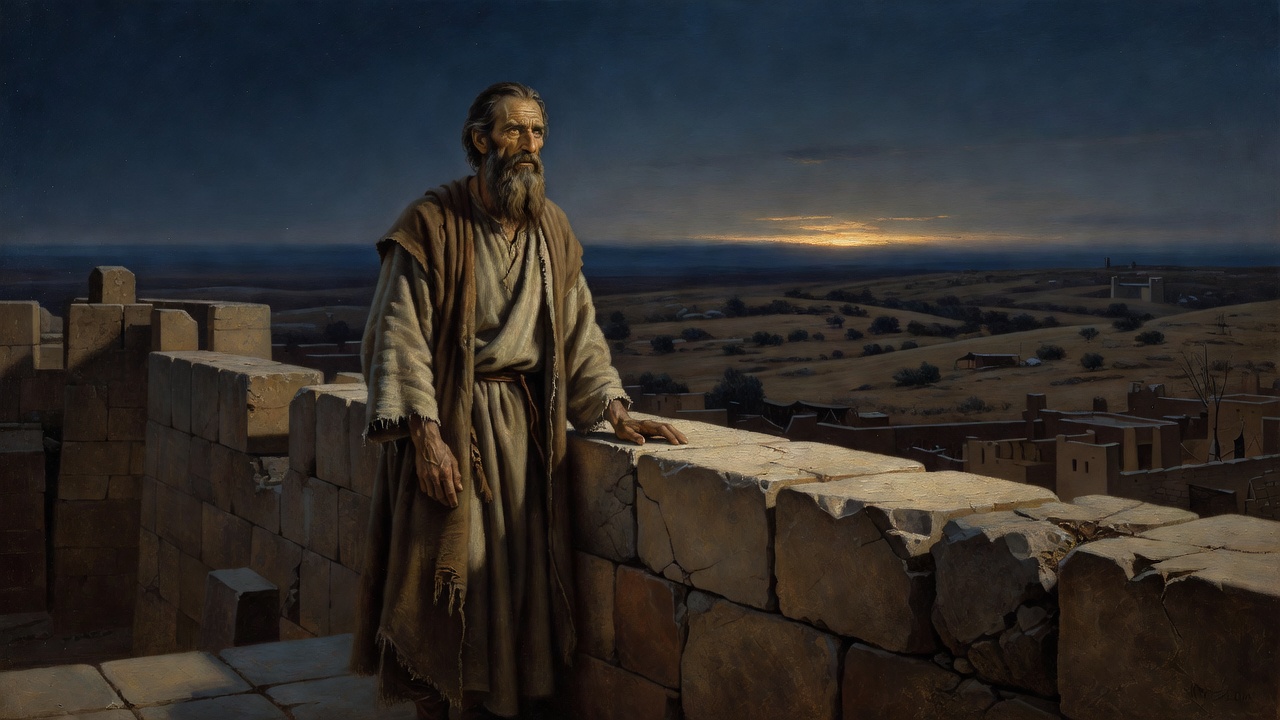
- O salmo usa a imagem marcante dos guardas noturnos que aguardam ansiosamente a luz da manhã para descrever a profunda expectativa pelo Senhor, antes de estender essa esperança a todo o Israel para uma redenção completa do pecado.Fontes: o próprio texto bíblico
Notas escritas com auxílio de IA a partir de fontes abertas (Theographic Bible Metadata, CC BY-SA 4.0; Easton’s Bible Dictionary, domínio público) e revisadas antes de publicar.
Lugares deste capítulo
- Jerusalem · 31.777, 35.234 · versículo 1
Só aparecem lugares com identificação de alta confiança (90% ou mais segundo as fontes acadêmicas reunidas pelo OpenBible). Mapa da época: DARE (Digital Atlas of the Roman Empire), CC BY 4.0; mapa atual: © colaboradores do OpenStreetMap; lugares: OpenBible.info (CC BY 4.0).
Créditos e licença desta tradução
Candoshi-Shapra
New Testament in Candoshi-Shapra (PE:cbu:Candoshi-Shapra)
copyright © 2010 Wycliffe Bible Translators, Inc.
Language: Candoshi-Shapra
Translation by: Wycliffe Bible Translators, Inc.
Candoshi-Shapra
cbu
Peru
Copyright Information
© 2010, Wycliffe Bible Translators, Inc. All rights reserved.
This translation text is made available to you under the
terms of the Creative Commons License: Attribution-Noncommercial-No Derivative Works.
( http://creativecommons.org/licenses/by-nc-nd/3.0/ )
In addition, you have permission to port the text to different file formats, as long as you
do not change any of the text or punctuation of the Bible.
You may share, copy, distribute, transmit, and extract portions
or quotations from this work, provided that you include the above copyright
information:
You must give Attribution to the work.
You do not sell this work for a profit.
You do not make any derivative works that change any of the actual words or punctuation of the Scriptures.
Permissions beyond the scope of this license may be
available if you contact
us with your request.
The New Testament
in Candoshi-Shapra
© 2010, Wycliffe Bible Translators, Inc. All rights reserved.
This translation is made available to you under the terms of the
Creative Commons Attribution-Noncommercial-No Derivatives license 4.0.
You may share and redistribute this Bible translation or extracts from it in any format, provided that:
You include the above copyright and source information.
You do not sell this work for a profit.
You do not change any of the words or punctuation of the Scriptures.
Pictures included with Scriptures and other documents on this site are licensed just for use with those Scriptures and documents.
For other uses, please contact the respective copyright owners.
2025-04-30
Fonte: http://ebible.org/cbuNT/ · eBible.org