Lucas 5
Tte Pa̱'a̱li̱ Me' Skëköl tö Se' a̱ · Toque num versículo para ver as referências cruzadas.
Jesús ttö̀ wa nima klöne tai̱ë
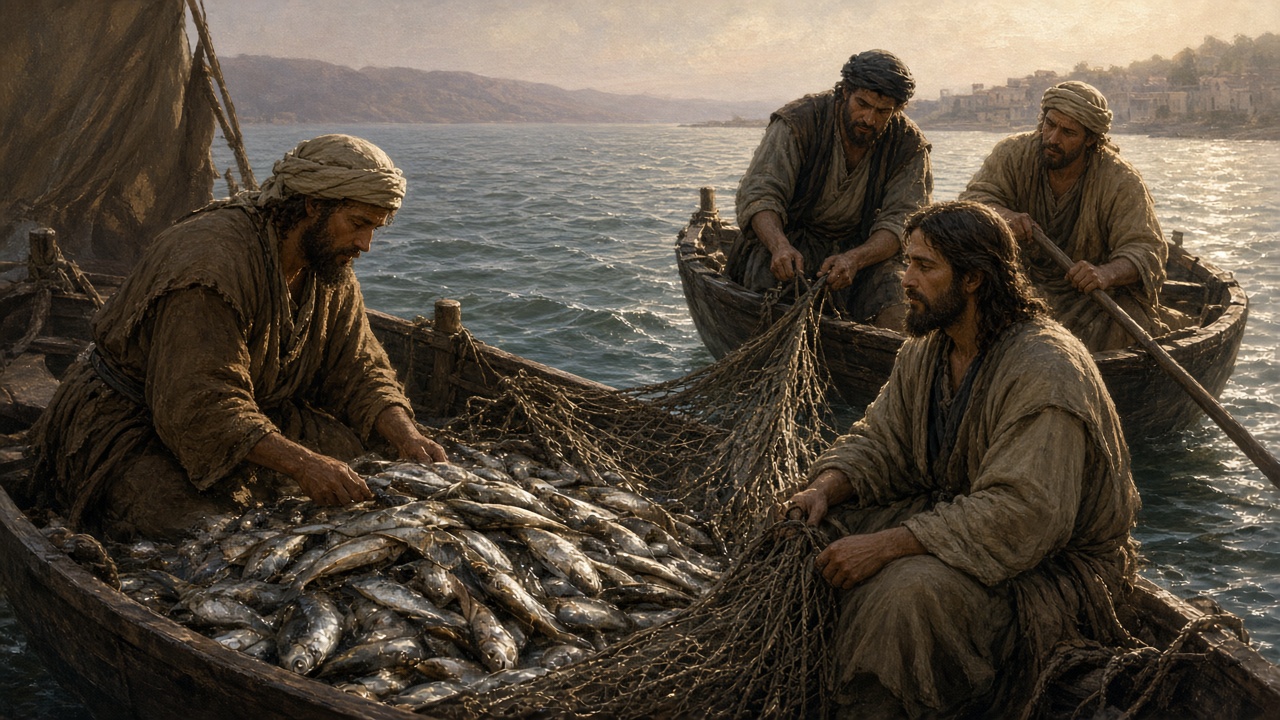
1Etökicha ta̱ Jesús dur s'wöbla'u̱k batsöri kiè Genesaret e' kkömik (batsöri e' kiè ñies Galilea). Tai̱ë pë' dapane ie' ska' Skëköl ttè pakekeitö e' ki̱ttsök, e' kë̀ wa ie' shkoia̱. 2Nima klö'u̱kwakpa dene tso' ikla' skuök, e'pa kanò àr bötö, e' sué̱ Jesús tö. 3Ta̱ ie' e̱' iéka̱ kanò etö a̱, e' dör Simón kanò. Ie' tö ikié Simón a̱: “Be' we'ikèyö, kanò patkö́mi bë́rë wöwi̱k.” Ie' e̱' tkése̱r kanò a̱ ta̱ ie'pa wöbla'wé̱itö. 4Mik ie' s'wöbla'wé̱ o̱ne, eta̱ ie' tö iché Simón a̱:
—Kanò patkö́u̱mi di' shu̱a̱ ta̱ a' tö kla' u̱yö́mi nima klö'wo̱ie.
5Simón tö ie' iu̱té:
—A s'wöbla'u̱kwak, nañeë sa' ima'wé̱, erë kë̀ sa' wa̱ iwà klöne yës. Erë be' ttö̀ wa ye' tö kla' u̱yekene.
6Mik ie'pa tö ikla' u̱yémi ta̱ iwà klö'wé̱rakitö tai̱ë, e' tö kla' batseeketke. 7Ta̱ iulà kkaché iyamipa tso' kanò ëtö a̱ e'pa a̱ tö a' shkö́ sa' ki̱muk. Iyamipa debitu̱ ie'pa ki̱muk ta̱ kanò bötö wà iérakitö chië, tsir eta̱ kanò wöturkewa̱tke di' a̱. 8Mik e' sué̱ Simón Pedro tö, eta̱ ie' e̱' tkéwa̱ kuchë ki̱ Jesús klö̀ ska' ta̱ ichéitö ia̱:
—¡A Skëkëpa, ye' dör pë' sulusi, be' e̱' skö́ttsa̱ ye' yöki̱!
9Nima klöne tai̱ë, e' tö Simón Pedro ena iyamipa ko̱s tso' ie' ta̱, e'pa tkiwé̱wa̱ tai̱ë, e' kue̱ki̱ ie' tö iché es. 10Ñies Santiago ena Juan dör Zebedeo ala'r e'pa tkirulune. Ie'pa kaneblöke Simón ta̱ nima klö'u̱k. Eta̱ Jesús tö iché Simón a̱:
—Kë̀ be' suanuk. Be' kë̀ tö nima klö'we̱paia̱. I' ta̱mi be' wa̱ s'ditsö bitu̱raë ye' ska'.
11Eta̱ ie'pa tö kanò ikléka̱, ta̱ íyi ko̱s tuléa̱t ie'pa tö ee̱ ta̱ imíyal Jesús ta̱.
Wëm eköl kiri'we̱ke lepra tö e' bua'wé̱ne Jesús tö
12Etökicha ta̱ Jesús tso' Judea ké̱ et a̱. Eta̱ ee̱ wëm debitu̱ eköl kiri'we̱ke lepra tö. Mik ie' tö Jesús sué̱, eta̱ ie' wöéwa dö̀ i̱ski̱ ta̱ ikköché tai̱ë Jesús a̱:
—A këkëpa, be' ki̱ ikiane, e' ta̱ be' a̱ ye' buarmine a̱s ye' batse'rne.
13Jesús tö ikéwa̱ ulà wa ta̱ ichéitö ia̱:
—Tö́, ye' ki̱ ikiane. Be' dene batse'r.
E' wösha̱ ta̱ ie' buanene, kë̀ ki̱ lepra ku̱'ia̱. 14Eta̱ Jesús tö ie' a̱ iché:
—Kë̀ ichar yi a̱. Be' yú e̱' kkachök sacerdote a̱. Ì muk Moisés tö a' ka' e̱' batse'wo̱ie, ese tsú̱mi mè Skëköl a̱ ie'pa a̱ ikkachoie.
15Erë Jesús tté ti̱neka̱ tai̱ë shu̱te̱. Tai̱ë pë' döke ie' ska' ie' ttè ki̱ttsök, ñies a̱s ie' tö ie'pa bua'ù̱ne. 16Erë tai̱ë ie' mi'ke bánet ttök S'yë́ ta̱ wé̱ kë̀ yi ku̱' ese ska'.
Jesús tö wëm eköl kraulewa̱ e' bua'wé̱ne
17Etökicha ta̱ Jesús tso' s'wöbla'u̱k ta̱ ee̱ fariseowakpa ena s'wöbla'u̱k ttè dalöiëno wa wakpa tulur Jesús tso' s'wöbla'u̱k e' ki̱ttsök. Ie'pa datse̱ ká̱ ko̱s tso' Galilea ñies Judea ena Jerusalén. Jesús wa̱ Skëköl diché tso' s'kirirke ese bua'wo̱ne. 18Eta̱ wëpa we̱lepa debitu̱ e'pa wa̱ wëm kraulewa̱ debitu̱ eköl ka̱'la ki̱. Ie'pa é̱na iduè tsa̱kmi u shu̱a̱ wé̱ Jesús dur ee̱ a̱s ie' tö ibua'ù̱ne. 19Erë tai̱ë s'tso', e' kue̱ki̱ ie'pa kë̀ a̱ itkö̀mi we̱s u shu̱a̱. E' kue̱ki̱ ie'pa míka̱ u bata ki̱ tö u jchée ta̱ iduè émirakitö e̱naë döttsa̱ i̱ski̱ wé̱ Jesús dur pë' tso' tai̱ë e' shu̱a̱ ee̱. |src="5 LB00305 b.tif" size="col" ref="Lc 5.19" 20Mik Jesús tö isué̱ tö moki̱ ie'pa e̱rblé ie' mik, eta̱ ie' tö iché wëm kirirke e' a̱:
—A yami, ì sulu ko̱s wamblébö, e' nuí̱ olone be' ki̱.
21Eta̱ s'wöbla'u̱k ttè dalöiëno wa wakpa ena fariseowakpa tö ibikeitsè: “¿I̱ma wëm wí̱ e̱rbikö̀ tö ie' dör yi e' tö Skëköl ché suluë es? Skëköl ë̀ a̱ se' nuì̱ olo'yarmi.”
22Erë ì bikeitsök ie'pa tso' e' sué̱wa̱ Jesús tö bet. E' kue̱ki̱ ie' tö ie'pa a̱ ichaké:
—¿Ì kue̱ki̱ a' ibikeitseke es? 23Ye' tö wëm i' bua'wè̱mine a̱s ishköne, e' ta̱ ¿we̱s a' tö iklö'wè̱mi tö ye' kë̀ a̱ inuì̱ oloyanuk iki̱? 24Ye' dör S'ditsö Alà, sú̱ e' tö a' a̱ ikkachè tö ye' wa̱ ka̱wö ta̱' ká̱ i' a̱ nuì̱ olo'yoie.
Eta̱ ie' tö iché wëm kraulewa̱ e' a̱:
—Be' e̱' kö́ka̱, be' ka̱'la kö́ka̱ ta̱ be' yúne u a̱.
25E' wösha̱ ta̱ ie' e̱' kéka̱ sulitane wörki̱ ta̱ ka̱'la a̱ ie' debitu̱, e' kéka̱itö ta̱ imía̱ne iu a̱ Skëköl ki̱keka̱ramiitö tai̱ë. 26Ie'pa wökrarulune iweblök ta̱ Skëköl ki̱kéka̱rakitö tai̱ë. Ie'pa suane ta̱ ichéitörak:
—Ì sué̱ se' tö i̱'ñe, e' kë̀ su̱ule se' wa̱ yës.
Jesús tö Leví kié ittökataie
27E' ukuöki̱ ta̱ Jesús mía̱, e' tö wëm sué̱ eköl kiè Leví, e' dör inuköl shtökwak Roma wökirpa a̱. Ie' tkër ikaneblöke e' wé a̱. Ta̱ Jesús tö ie' a̱ iché:
—Be' shkö́ ye' ta̱ ye' ttökataie.
28Eta̱ Leví e̱' kéka̱ tö ì ko̱s méa̱t ta̱ imía̱ Jesús ta̱.
29E' tsá̱li̱ ta̱ Leví tö iké̱wö tkö'wé̱ buaë chkè wa di'yè wa Jesús dalöioie. Inuköl shtökwakpa de tai̱ë. Ñies pë' kua̱'ki̱pa de, e'pa tulur chkök Jesús ena ittökatapa ta̱. 30Mik fariseowakpa ena s'wöbla'u̱k ttè dalöiëno wa wakpa tö isué̱, eta̱ ie'pa tö ichémi Jesús ttökatapa a̱:
—¿Iö́k a' chköke di' yöke inuköl shtökwakpa ta̱ ena pë' sulusipa male̱pa ta̱?
31Jesús tö ie'pa iu̱té:
—Wé̱pa kë̀ kirirku̱' esepa kë̀ ki̱ s'kapeyökwak kiane. Erë wé̱pa kirirke esepa ki̱ s'kapeyökwak kiane. 32Ye' kë̀ dë'bitu̱ wé̱pa e̱' bikeitsö̀ tö ise̱rke yësyësë esepa kiök. Ye' dë'bitu̱ pë' sulusipa kiök a̱s ie'pa e̱r mane'ù̱.
Ì kue̱ki̱ Jesús ttökatapa kë̀ batsöta̱'
33Judiopa wökirpa we̱lepa tö iché Jesús a̱:
—Juan S'wöskuökwak ttökatapa batsöke tai̱ë, ttöke S'yë́ ta̱ tai̱ë, we̱s fariseowakpa klépa tö iwe̱ke es, erë be' ichapa chköke ena di'yöke ke̱kraë kë̀ batsöta̱'.
34Jesús tö ie'pa iu̱té:
—Mik s'kiule ulabatsè ké̱wö tkö'u̱k ta̱ ¿we̱s ie'pa batsö̀mi wëm ulabatske ese tso'ia̱ ie'pa ta̱ e' dalewa? 35Erë iké̱wö döraë eta̱ ie' mi'datse̱r ie'pa yöki̱. E' je' ta̱ ie'pa batsöraë.
36Ñies Jesús tö ie'pa wöbla'wé̱ tö judiowak ttè këchke e' kë̀ shu̱tu̱rpaka̱ ie' ttè pa̱'a̱li̱ ta̱. E' kleéitö ttè i' wa:
—Kë̀ yi tö datsi' pa̱'a̱li̱ tak teepa batsèwa̱ datsi' këchke wöyuowa̱ie. Iwé̱sö es, e' ta̱ e' tö datsi' pa̱'a̱li̱ we'ikéwa, ñies itak pa̱'a̱li̱ kë̀ mène buaë datsi' këchke ki̱. 37Ñies vino pa̱'a̱li̱ kë̀ tërta̱'ka̱ iyiwak kkuölit yöule ibloie ese këchke a̱. Itéka̱sö es, e' ta̱ mik ibacha'nebitu̱, eta̱ ikkuölit këchke jchèemiitö. Es vino ena ikkuölit weirwami ë́me. 38E' kue̱ki̱ vino pa̱'a̱li̱ tekeka̱ ikkuölit pa̱'a̱li̱ a̱. |src="6 LB00145 or one that is in the Guaymi. b.tif" size="col" ref="Lc 5.38" 39Yi tö vino bacha'bacha yeke, ese tö ibikeitseke tö e' ya' bua' vino pa̱'a̱li̱ tsa̱ta̱. E' kue̱ki̱ ie' kë̀ é̱na vino pa̱'a̱li̱ yakia̱. Es ñies a' tö ibikeitseke tö ye' ttè pa̱'a̱li̱ e' kë̀ dör buaë.
Você sabia?
Chamados, curas e vinho novo
- Jesus ensinou o povo do barco de Simão, no lago de Genesaré, enquanto a multidão se apertava na margem. O nome vem de uma cidade de Naftali, na margem ocidental, antes chamada Quinerete; a planície junto ao lago, notável pela fertilidade e pela beleza, era chamada “o Paraíso da Galileia”.Fontes: Gennesaret · o próprio texto bíblico
- Simão, também chamado Pedro, cresceu em Betsaida, na costa ocidental do mar da Galileia, e aprendeu o ofício de pescador. Tiago e João, seus sócios no outro barco, eram filhos de Zebedeu, um pescador galileu; o Dicionário Bíblico de Easton (1897) infere que Zebedeu tinha certa posição em Cafarnaum, pois possuía dois barcos e jornaleiros.Fontes: Simon Peter · James (Son of Zebedee) · Zebedee · o próprio texto bíblico
- O homem que Jesus chamou da coletoria se chama Levi neste capítulo; em outros relatos é Mateus, filho de Alfeu, cobrador de impostos em Cafarnaum. O Dicionário Bíblico de Easton (1897) sugere que ele talvez tenha adotado o nome Mateus em grata lembrança do chamado, e descreve o grande banquete que ofereceu naquele mesmo dia como uma festa de despedida.Fontes: Matthew · o próprio texto bíblico
Notas escritas com auxílio de IA a partir de fontes abertas (Theographic Bible Metadata, CC BY-SA 4.0; Easton’s Bible Dictionary, domínio público) e revisadas antes de publicar.
Lugares deste capítulo
- Gennesaret · Hoje: El Ghuweir · 32.861, 35.507 · versículo 1
- Galilee · 32.760, 35.527 · versículo 17
- Jerusalem · 31.777, 35.234 · versículo 17
- Judea · Hoje: Judea 1 · 31.777, 35.234 · versículo 17
Só aparecem lugares com identificação de alta confiança (90% ou mais segundo as fontes acadêmicas reunidas pelo OpenBible). Mapa da época: DARE (Digital Atlas of the Roman Empire), CC BY 4.0; mapa atual: © colaboradores do OpenStreetMap; lugares: OpenBible.info (CC BY 4.0).
Créditos e licença desta tradução
Tte Pa̱'a̱li̱ Me' Skëköl tö Se' a̱
New Testament and Shorter Old Testament in Bribri (CS:bzd:Bribri)
copyright © 2010 Wycliffe Bible Translators, Inc.
Language: Bribri
Translation by: Wycliffe Bible Translators, Inc.
Bribri
bzd
Costa Rica
Copyright Information
© 2010, Wycliffe Bible Translators, Inc. All rights reserved.
This translation text is made available to you under the
terms of the Creative Commons License: Attribution-Noncommercial-No Derivative Works.
( http://creativecommons.org/licenses/by-nc-nd/3.0/ )
In addition, you have permission to port the text to different file formats, as long as you
do not change any of the text or punctuation of the Bible.
You may share, copy, distribute, transmit, and extract portions
or quotations from this work, provided that you include the above copyright
information:
You must give Attribution to the work.
You do not sell this work for a profit.
You do not make any derivative works that change any of the actual words or punctuation of the Scriptures.
Permissions beyond the scope of this license may be
available if you contact
us with your request.
The New Testament and Shorter Old Testament
in Bribri
© 2010, Wycliffe Bible Translators, Inc. All rights reserved.
This translation is made available to you under the terms of the
Creative Commons Attribution-Noncommercial-No Derivatives license 4.0.
You may share and redistribute this Bible translation or extracts from it in any format, provided that:
You include the above copyright and source information.
You do not sell this work for a profit.
You do not change any of the words or punctuation of the Scriptures.
Pictures included with Scriptures and other documents on this site are licensed just for use with those Scriptures and documents.
For other uses, please contact the respective copyright owners.
2014-04-22
Fonte: http://ebible.org/bzdNTpo/ · eBible.org