Lucas 16
Tte Pa̱'a̱li̱ Me' Skëköl tö Se' a̱ · Toque num versículo para ver as referências cruzadas.
Inuköl blú íyi kue̱blu e' e̱rbikö̀ buaë, e' tté
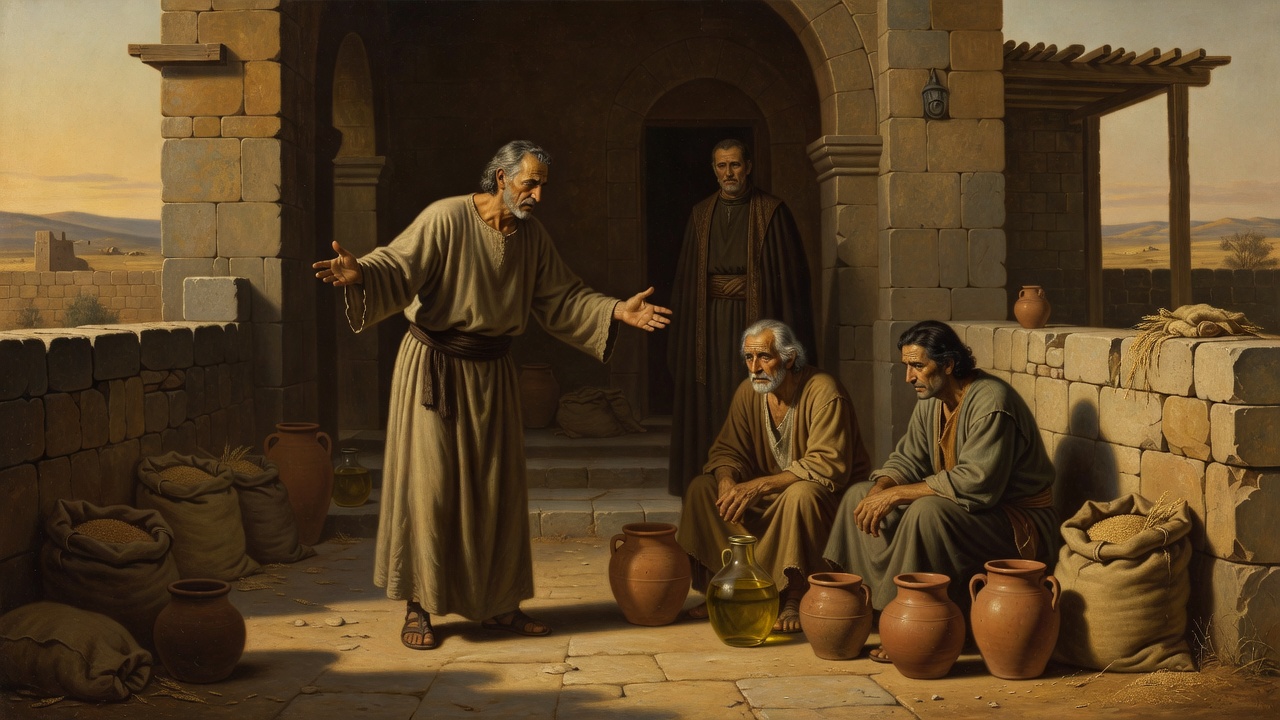
1Ñies Jesús tö ttè kleé ittökatapa a̱ i' es: “Wëm bak eköl kaneblöke inuköl blú a̱ iíyi kue̱bluie. Etökicha ta̱ pë' we̱lepa tö ie' kkaté iwökir a̱ tö ie' tso' iwökir inuköl we'ikökwa. 2Iwökir tö ie' kié ta̱ iché ia̱: ‘Ye' wa̱ ijche̱newa̱ tö be' tso' ye' inuköl we'ikök. Be' kë̀ a̱ kanè ta̱'ia̱. Ye' be' trë'we̱keshkar. E' yöki̱ ì ko̱s kanewé̱ be' tö, e' yëkkuö kkachö́ ye' a̱.’ 3Ie' ibikeitsé: ‘Ye' wökir tö ye' trë'we̱keshkar, ¿we̱s ye' e̱' ù̱mi? Kë̀ ye' diché ta̱'ia̱ kanè darërë wo̱ie ena ye' jaëne inuköl kakkiök. 4Ye' é̱na ia̱netke tö we̱s ye' e̱' ù̱mi mik ye' trëneshkar eta̱ a̱s yile tö ye' kkö'nù.’ 5Eta̱ ie' tö pë' ko̱s ña'we̱ke iwökir tö e'pa kiéttsa̱ eköl eköl. Mik e' tsá̱ de, eta̱ e' a̱ ie' tö ichaké: ‘¿Ko̱s be' ñarke ye' wökir ulà a̱?’ 6E' tö iu̱té: ‘Ye' ñarke ie' ulà a̱ kiö̀ döka̱ galon cien (100) ekkë.’ Ie' iché ia̱: ‘I' be' yëkkuö. Be' e̱' tkö́se̱r bet ta̱ yëkkuö se̱ ki̱ be' ñarke se̱, e' mane'ú̱ttsa̱ ta̱ ishtö́ka̱ tö be' ñarke galon döka̱ dabom ske̱yök ë̀ (50).’ 7E' ukuöki̱ ta̱ ie' tö ichaké iëköl ñarke a̱: ‘¿Ñe be', ko̱s be' ñarke ye' wökir ulà a̱?’ E' tö iu̱té: ‘Ye' ñarke trigowö döka̱ saco cien (100) ekkë.’ Ie' tö iché ia̱: ‘I' be' yëkkuö. Se̱ ki̱ be' tö imane'ú̱ttsa̱ ta̱ ishtö́ iki̱ saco döka̱ dabom paryök ë̀ (80).’ 8Mik ì wambléitö, e' jche̱newa̱ iwökir wa̱ ta̱ ibikeitséitö: ‘Ye' íyi kue̱blu kë̀ wa̱ ikanè o̱ne yësyësë, erë ie' ka̱bikeitso buaë e̱' ki̱moie. E' ë̀ kue̱ki̱ iki̱kekeka̱yö.’ ”
Jesús tö ichéne: “Es ñies yö ichè tö wé̱pa kë̀ tö Skëköl dalöiè esepa ka̱bikeitsö̀ buaë e̱' ki̱moie tkö̀ka̱ wé̱pa dör ie' olo ta̱' tai̱ë e' icha esepa tsa̱ta̱. 9E' kue̱ki̱ yö ichè a' a̱ tö inuköl kë̀ dör ibua'ie. E' wa s'male̱pa ki̱mú a̱s ie'pa tö Skëköl dalöiö̀. A' tö iwé̱ es e' ta̱ aishkuö ta̱ ie'pa tö a' kierawa̱ buaë we̱shke̱ se̱no wé yöbië e' a̱.
10“Yi tö kanè tsitsir we̱ke yësyësë, ñies ese tö kanè tai̱ë wè̱mi es. Erë yi kë̀ tö kanè tsitsir we̱ku̱' yësyësë, ñies ese kë̀ tö kanè tai̱ë wè̱pa yësyësë. 11E' kue̱ki̱ inuköl kë̀ wakanewè̱ a' tö yësyësë, e' ta̱ ¿yi e̱rblö̀mi a' mik ì tue̱ta̱' chökle, ese wakanéwo̱ie? 12Ñies a' kë̀ tö o̱'ka icha wakanewè̱ yësyësë, e' ta̱ ¿yi tö a' icha mèmi a' a̱ wakanewè̱?
13“Wé̱ klöulewa̱ kanè mésoie, ese ka̱wöta̱ iwökir ë̀ ttö̀ dalöiök. Iwökirpa chö́pa böl, e̱'ma ie' ka̱wöta̱ eköl ë̀ dalöiök ena iëköl watöktsa̱. Es a' kë̀ a̱ e̱r menukwa̱ Skëköl ki̱ ena inuköl ki̱ ñita̱.”
14Ì ché Jesús tö e' ttsé se̱raa̱ fariseowakpa tö. Ie'pa é̱na inuköl dalër tai̱ë, e' kue̱ki̱ ie'pa tö iwayué. 15Ie' tö iché ie'pa a̱: “A' e̱' ö̀ sulitane wörki̱ tö a' dör pë' buaë yësyësë, erë a' e̱r su̱ule buaë Skëköl wa̱. Ì ki̱kekeka̱ s'ditsö tö tai̱ë, ese wër suluë ie' wa.
Ì ko̱s kitule Skëköl yëkkuö ki̱ e' wà tköraë
16“Ì kit Moisés ena Skëköl ttekölpa tö yëkkuö ki̱, e' wa s'wöblao̱nebitu̱ dö̀ mik Juan S'wöskuökwak dë'bitu̱ eta̱. Erë e' itöki̱ ta̱ ì blúie Skëköl tso' e' tté buaë pakarke ta̱ sulitane tso' ima'u̱k darërëë diché wa dökwa̱ e' a̱.
17“Ká̱ jaì ena ká̱ i' e̱rta̱'wa. Erë Skëköl yëkkuö kitule, e' kë̀ e̱rta̱'wa yës, e' wà tköraë se̱raa̱ döwa̱ ttè bataë.
Se' ñì ö̀wa ese ché Jesús tö
18“Wëm tö itayë éwa ese tö tayë skà tsé̱wa̱ne, e' ta̱ e' wa ie' tö ise̱newa̱bak ke̱we e' dalöse̱wé̱wa̱. Ñies tayë a'wa iwëm tö, ese tsé̱wa̱ne wëm o̱'ka tö, e' ta̱ e' wa ie' tö tayë e' se̱newa̱bak ke̱we e' dalöse̱wé̱wa̱.
Inuköl blú ena Lázaro, e' tté
19“Inuköl blú bak eköl e' e̱' paiö̀ datsi' bua'bua ë̀ wa. Ke̱kraë ie' chköke, di' yöke buaë. 20Ñies s'sia̱rë bak eköl kiè Lázaro, e' e̱' tkökese̱r blu' e' u wékkö a̱. Ie' pa dör smewö ë̀me. 21Ie' é̱na blu' chkè po darke, e' ñakwa̱ suluë. Chichi döke ie' smewö pakuyök. 22Ká̱ et ta̱ ie' sia̱rla blënewa̱, ta̱ Skëköl biyöchökwakpa tö ie' wimblu tsé̱mi ká̱ jaì a̱ chkök Abraham ta̱. Ñies inuköl blú ñe' blënewa̱ ta̱ inú wötënewa̱.
23“Eta̱ ie' tso' weinuk sia̱rë wé̱ s'wimblu weirke ee̱ ta̱ iwökéka̱ ta̱ Abraham sué̱itö ka̱mië ká̱ bánet, e' batsi̱' a̱ Lázaro tkër. 24Eta̱ ie' a̱r tai̱ë Abraham wöa̱ ta̱ ichéitö: ‘¡A këkëpa Abraham, ye' sa̱ú̱ e̱r sia̱rë wa! Ye' weirke tai̱ë bö' i' a̱. Be' we'ikèyö, Lázaro patkö́ iulatska bata nuu̱kka̱ di' a̱ ta̱ ipatkö́ ye' ku' nuu̱kka̱ a̱s ipase̱r.’ 25Erë Abraham tö iiu̱té: ‘Be' é̱na ia̱nú tö mik be' bak ttsë'ka, eta̱ íyi buaë ko̱s bak be' wa̱. E' skéie Lázaro bak weinuk sia̱rë. Erë i̱'ñe ta̱ ie' wöpablëne buaë, e' skéie be' weirkene sia̱rë. 26Kí̱ie ta̱, ká̱blë i̱ski̱ë e' tso' se' shu̱sha̱ë. E' kue̱ki̱ sa' shkak a' ska', esepa kë̀ dö̀pa a' ska'. Ñies a' shkak sa' ska', esepa kë̀ dö̀pa sa' ska'.’
27“Inuköl blú tö iché: ‘A yë́wö Abraham, ye' kköchö̀ be' a̱, Lázaro patkö́ ye' yë́ u a̱ 28ye' ëlpa döka̱ ske̱l, e'pa pattök a̱s ie'pa kë̀ dö̀ ká̱ i' a̱ wé̱ s'weirke sia̱rë ee̱.’ 29Abraham tö iché ie' a̱: ‘Ì kit Moisés ena Skëköl ttekölpa male̱pa e'pa tö yëkkuö ki̱, e' tso' ie'pa wa̱, ¡a̱s ttè e' iu̱tö̀ ie'pa tö!’ 30Blu' tö iiu̱té: ‘A yë́wö Abraham, e' kë̀ dör wë'. Erë se' duowa̱ eköl shke̱neka̱ne ese tö ie'pa patté, e' ta̱ ie'pa e̱r mane'u̱raë.’ 31Erë Abraham tö iché ia̱: ‘Ttè kit Moisés ena Skëköl ttekölpa e'pa tö, e' kë̀ iu̱tëne ie'pa wa̱, e' ta̱ s'du'wa̱ shke̱neka̱ne ese mía̱ ie'pa pattök, e' ta̱ ñies ie'pa kë̀ tö ie' ttö̀ iu̱tepa.’ ”
Você sabia?
Riqueza, dois senhores e Lázaro
- Nas palavras de Jesus sobre o rico e Lázaro, o rico clama: 'Pai Abraão', e Abraão responde: 'Filho'. O Dicionário Bíblico de Easton (1897) explica o nome Abraão como 'Pai de uma multidão' e o descreve como herdeiro das promessas.Fontes: o próprio texto bíblico · Abraham
- Falando aos fariseus, que zombavam dele, Jesus diz que a Lei e os Profetas foram proclamados até João, e que, desde então, o evangelho do reino de Deus está sendo pregado. O Dicionário Bíblico de Easton (1897) chama João Batista de 'precursor de nosso Senhor', afirma que sua missão foi objeto de profecia, inclusive Isaías 40:3 e Malaquias 3:1, e declara que seu nascimento ocorreu seis meses antes do de Jesus.Fontes: o próprio texto bíblico · John the Baptist
- Um administrador acusado de desperdiçar os bens de seu senhor recebe ordem de prestar contas e deixar o cargo. Ele faz os devedores reescreverem suas contas, reduzindo cem medidas de azeite a cinquenta e cem medidas de trigo a oitenta, e o senhor elogia o administrador desonesto porque havia agido com astúcia. Jesus diz então que nenhum servo pode servir a dois senhores, e que ninguém pode servir ao mesmo tempo a Deus e ao dinheiro.Fontes: o próprio texto bíblico
Notas escritas com auxílio de IA a partir de fontes abertas (Theographic Bible Metadata, CC BY-SA 4.0; Easton’s Bible Dictionary, domínio público) e revisadas antes de publicar.
Créditos e licença desta tradução
Tte Pa̱'a̱li̱ Me' Skëköl tö Se' a̱
New Testament and Shorter Old Testament in Bribri (CS:bzd:Bribri)
copyright © 2010 Wycliffe Bible Translators, Inc.
Language: Bribri
Translation by: Wycliffe Bible Translators, Inc.
Bribri
bzd
Costa Rica
Copyright Information
© 2010, Wycliffe Bible Translators, Inc. All rights reserved.
This translation text is made available to you under the
terms of the Creative Commons License: Attribution-Noncommercial-No Derivative Works.
( http://creativecommons.org/licenses/by-nc-nd/3.0/ )
In addition, you have permission to port the text to different file formats, as long as you
do not change any of the text or punctuation of the Bible.
You may share, copy, distribute, transmit, and extract portions
or quotations from this work, provided that you include the above copyright
information:
You must give Attribution to the work.
You do not sell this work for a profit.
You do not make any derivative works that change any of the actual words or punctuation of the Scriptures.
Permissions beyond the scope of this license may be
available if you contact
us with your request.
The New Testament and Shorter Old Testament
in Bribri
© 2010, Wycliffe Bible Translators, Inc. All rights reserved.
This translation is made available to you under the terms of the
Creative Commons Attribution-Noncommercial-No Derivatives license 4.0.
You may share and redistribute this Bible translation or extracts from it in any format, provided that:
You include the above copyright and source information.
You do not sell this work for a profit.
You do not change any of the words or punctuation of the Scriptures.
Pictures included with Scriptures and other documents on this site are licensed just for use with those Scriptures and documents.
For other uses, please contact the respective copyright owners.
2014-04-22
Fonte: http://ebible.org/bzdNTpo/ · eBible.org