João 17
Tte Pa̱'a̱li̱ Me' Skëköl tö Se' a̱ · Toque num versículo para ver as referências cruzadas.
Jesús ikié S'yë́ a̱ ittökatapa ki̱
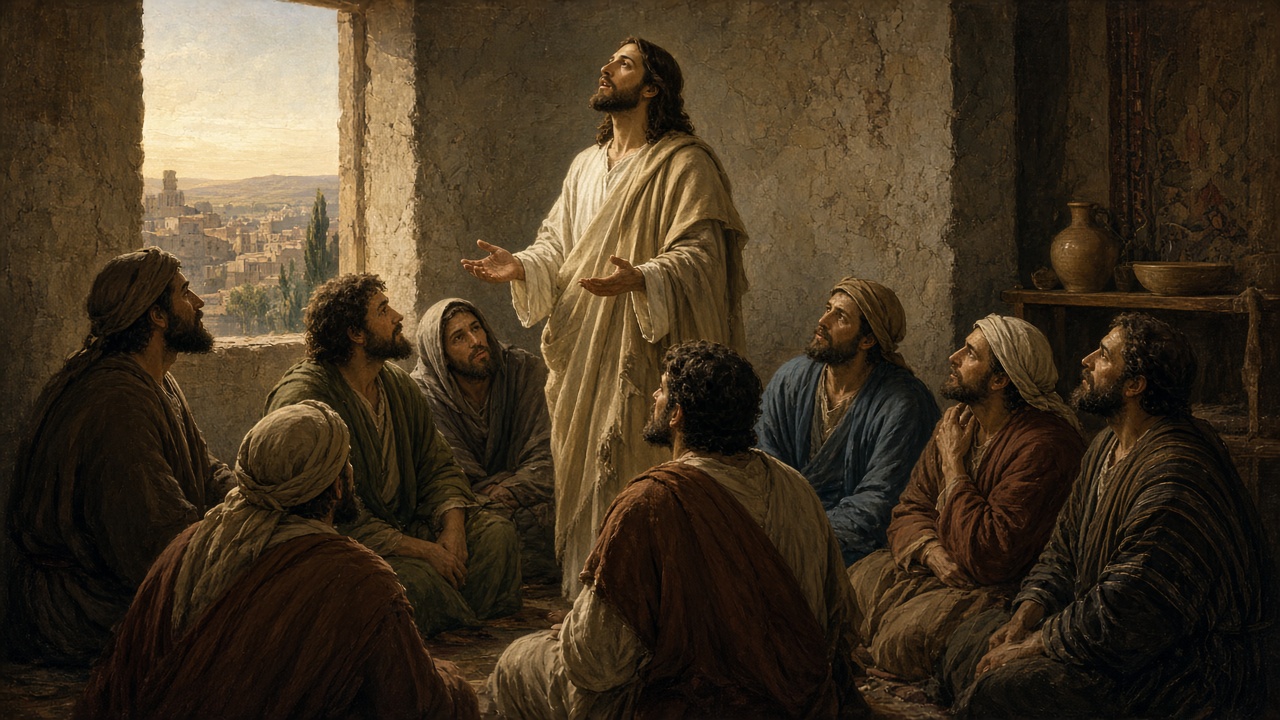
1Ttè ekkë ché Jesús tö o̱ne ta̱ iká̱ sué̱ ká̱ jaì a̱ ta̱ ichéitö: “A Yë́wöla, ye' ké̱wö detke. Ye' dör be' alà, e' olo kkachö́ a̱s be' olo kkayër sulitane a̱ ye' wa. 2S'ditsö ulitane ké̱wö me' be' tö ye' a̱ a̱s se̱ne michoë mù ye' tö, wé̱pa ko̱s me' be' tö ye' a̱, esepa a̱. 3Se̱ne michoë e' dör tö ie'pa bats buaë be' dör Skëköl chökle eköl ë̀ e' mik, ñies ye' dör Jesucristo patkë' be' tö e' mik.
4“Kanè me' be' tö ye' a̱ wè̱ ká̱ i' a̱, e' wé̱tkeyö. E' wa ye' tö be' olo kkayë'bitu̱. 5E' kue̱ki̱ i' ta̱, a yë́wöla, ye' tö be' a̱ ikiè tö mik ye' dene be' ska', eta̱ ye' olo kkachö́, we̱s be' tö ye' olo kkayë' mik ye' bak be' ta̱ ka̱m ká̱ i' yör e' yöki̱ eta̱ es.
6“Wé̱pa shu̱kitbak be' tö ká̱ i' wakpa shu̱a̱ mè ye' a̱, e'pa a̱ ye' tö ikkaché tö be' dör yi. Be' ichapa idir, e'pa me' be' tö ye' a̱. Ie'pa tö be' ttè iu̱teke. 7I̱'ñe ta̱ ie'pa wa̱ ijche̱r tö ì ko̱s wé̱yö, ñies ì ko̱s chéyö, e' me' be' tö ye' a̱. 8Ttè me' be' tö ye' a̱ pakè, e' pakéyö ie'pa a̱, ta̱ ie'pa tö iklö'wé̱. Ie'pa wa̱ ijche̱r tö moki̱ ye' datse̱ be' ska' patkë' be' tö.
9“Ye' tso' be' a̱ ikiök ie'pa ki̱. Ye' kë̀ ku̱' ikiök wé̱pa kë̀ tö be' dalöieta̱' esepa ki̱. Ye' tso' ikiök wé̱pa me' be' tö ye' a̱ esepa ki̱, ie'pa dör be' icha e' kue̱ki̱. 10Wé̱pa ko̱s dör ye' icha, esepa dör be' icha. Ñies be' icha ko̱s esepa dör ye' icha. Ie'pa wa ye' olo tai̱ë e' kkayëne.
11“Kë̀ ye' se̱rpaia̱ tai̱ë ká̱ i' ki̱. Ye' mitkene se̱nuk be' ska'. Erë ie'pa a̱te̱ ká̱ i' ki̱. A Yë́wöla batse'r, be' dalö̀ tai̱ë, be' diché tai̱ë me' be' ye' a̱, e' wa ie'pa kkö'nú a̱s ie'pa se̱r ñita̱ we̱s wák eköl ë̀ es we̱s be' ena ye' es. 12Mik ye' tso'ia̱ ká̱ i' a̱ ie'pa ta̱, eta̱ ye' tö ie'pa kkö'né tsa̱tké diché me'bö ña e' wa. Ie'pa ko̱s tsa̱tkéyö. Wé̱ wömenettsa̱bak weinuk, e' ë̀ e̱' yë'ttsa̱ sa' shu̱a̱. Ie' ë̀ weinewa a̱s iwà tkö̀ we̱s be' yëkkuö tö ichè es.
13“Írö ye' mitke be' ska', erë ttè i' chekeyö, ye' tso'ia̱ ká̱ i' a̱ e' dalewa, a̱s ie'pa ttsë'r buaë moki̱ë we̱s ye' es. 14Be' ttè yë'yö ie'pa a̱, erë wé̱pa kë̀ tö be' dalöiè esepa tö ie'pa sue̱ke suluë. Ye' kë̀ dör we̱s ká̱ i' wakpa es, e' sù̱ ye' ttökatapa kë̀ dör we̱s ie'pa es. E' kue̱ki̱ ká̱ i' wakpa tö ie'pa sue̱ke suluë. 15Ye' kë̀ ku̱' ikiök be' a̱ tö ie'pa yö́ttsa̱ ká̱ i' ki̱. Ye' tso' be' a̱ ikiök tö ie'pa blö́ bë́ yöki̱. 16Ye' kë̀ dör wé̱pa kë̀ tö be' dalöiè esepa eköl, ñies ye' ttökatapa kë̀ dör ie'pa es. 17Ie'pa klöú̱bö be' wák ë̀ a̱ be' ttè wa. Be' ttè dör moki̱. 18Ye' tso' ie'pa patkök ká̱ i' wakpa shu̱a̱, we̱s be' tö ye' patkë' ká̱ i' wakpa shu̱a̱ es. 19Es ye' e̱' mùttsa̱ be' a̱ a̱s ie'pa e̱' mùttsa̱ moki̱ be' a̱ ñies.
20“Ye' kë̀ ku̱' ikiök be' a̱ ie'pa ë̀ ki̱. Erë wé̱pa e̱rblö̀mi ye' mik ie'pa ikkëpa ttö̀ batamik, ñies esepa ki̱ ye' tso' be' a̱ ikiök. 21Ye' tö be' a̱ ikiè a̱s ie'pa dö̀ we̱s wák eköl ë̀ es. Be' ena ye', se' dör wák eköl ë̀. Es ye' tö be' a̱ ikiè tö ie'pa dö̀ we̱s wák eköl ë̀ es se' ta̱ we̱s se' dör eköl ë̀ es, a̱s ká̱ i' wakpa tö iklö'ù̱ moki̱ tö be' tö ye' patkë'. 22Diché me' be' tö ye' a̱, e' mé ye' tö ie'pa a̱ a̱s ie'pa dö̀ we̱s wák eköl ë̀ es, we̱s be' ena ye', se' dör eköl ë̀ es. 23Ye' bàtse̱ buaë ie'pa mik, ñies be' bàtse̱ buaë ye' mik. Es idir a̱s ie'pa dö̀ moki̱ë we̱s wák eköl ë̀ es. E' dör es, e' ta̱ ká̱ i' wakpa wa̱ ijche̱rdaë tö be' tö ye' patkë'. Ñies ie'pa wa̱ ijche̱rdaë tö be' é̱na ye' ttökatapa dalër tai̱ë we̱s be' é̱na ye' dalër es.
24“A yë́wö, be' tö ie'pa me' ye' a̱. Ye' ki̱ ikiane tö aishkuö ta̱ ie'pa dö̀mi ye' ta̱, wé̱ ye' tso' ee̱, a̱s ie'pa tö olo me' be' tö ye' a̱, e' sa̱ù̱. Ka̱m ká̱ i' yör, eta̱ wake' be' é̱na ye' dalër tai̱ë, e' kue̱ki̱ olo e' me'bak be' tö ye' a̱. 25A Yë́wö, be' dör yësyësë. Wé̱pa kë̀ tö be' dalöiè esepa kë̀ wa̱ be' su̱ule, erë ye' wa̱ be' su̱ule. Ñies ie'pa ikkëpa wa̱ ijche̱r tö be' tö ye' patkë'bitu̱. 26Ye' tö ie'pa a̱ ikkayë' tö be' dör yi, e' kkachekeia̱yö ie'pa a̱ a̱s ie'pa ñì dalëritsö̀ we̱s be' tö ye' dalëritseke es, ñies a̱s ye' dö̀ se̱nuk ie'pa e̱r a̱.”
Você sabia?
João 17: a hora chegou
- A oração começa quando Jesus, depois de ter dito essas coisas, ergue os olhos ao céu e diz que a hora chegou. Ela está associada ao Discurso do Cenáculo, indicado como um dia, e à Semana Santa, indicada como oito dias.Fontes: o próprio texto bíblico · Upper Room Discourse · Holy Week
- Aqui a vida eterna é conhecer o único Deus verdadeiro e Jesus Cristo, a quem o Pai enviou. Jesus também fala da glória que tinha com o Pai antes de o mundo existir e do amor do Pai por ele antes da fundação do mundo.Fontes: o próprio texto bíblico
- Ele ora por aqueles que o Pai lhe deu do mundo, os que guardaram a palavra, e também por quem crerá por meio da mensagem deles, pedindo que sejam um. Não pede que sejam tirados do mundo, mas que sejam guardados do maligno e santificados pela verdade, que ele identifica como a palavra do Pai.Fontes: o próprio texto bíblico
Notas escritas com auxílio de IA a partir de fontes abertas (Theographic Bible Metadata, CC BY-SA 4.0; Easton’s Bible Dictionary, domínio público) e revisadas antes de publicar.
Créditos e licença desta tradução
Tte Pa̱'a̱li̱ Me' Skëköl tö Se' a̱
New Testament and Shorter Old Testament in Bribri (CS:bzd:Bribri)
copyright © 2010 Wycliffe Bible Translators, Inc.
Language: Bribri
Translation by: Wycliffe Bible Translators, Inc.
Bribri
bzd
Costa Rica
Copyright Information
© 2010, Wycliffe Bible Translators, Inc. All rights reserved.
This translation text is made available to you under the
terms of the Creative Commons License: Attribution-Noncommercial-No Derivative Works.
( http://creativecommons.org/licenses/by-nc-nd/3.0/ )
In addition, you have permission to port the text to different file formats, as long as you
do not change any of the text or punctuation of the Bible.
You may share, copy, distribute, transmit, and extract portions
or quotations from this work, provided that you include the above copyright
information:
You must give Attribution to the work.
You do not sell this work for a profit.
You do not make any derivative works that change any of the actual words or punctuation of the Scriptures.
Permissions beyond the scope of this license may be
available if you contact
us with your request.
The New Testament and Shorter Old Testament
in Bribri
© 2010, Wycliffe Bible Translators, Inc. All rights reserved.
This translation is made available to you under the terms of the
Creative Commons Attribution-Noncommercial-No Derivatives license 4.0.
You may share and redistribute this Bible translation or extracts from it in any format, provided that:
You include the above copyright and source information.
You do not sell this work for a profit.
You do not change any of the words or punctuation of the Scriptures.
Pictures included with Scriptures and other documents on this site are licensed just for use with those Scriptures and documents.
For other uses, please contact the respective copyright owners.
2014-04-22
Fonte: http://ebible.org/bzdNTpo/ · eBible.org