Mateus 5
Handr Taara · Toque num versículo para ver as referências cruzadas.
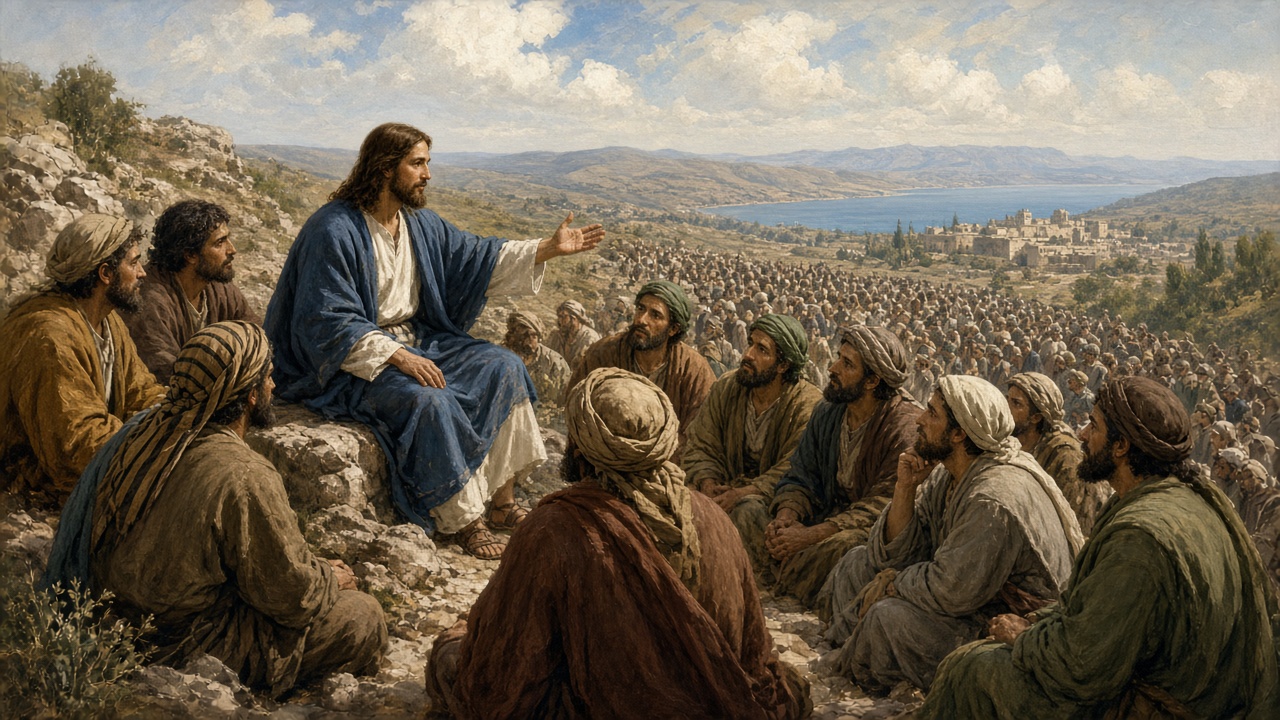
Iyesus guri abaatse bedek't b́danits dano
(K'ot' 5—7)
1Iyesus b́ shuuts shoydek't sha'iru ay asho b́ bek'tsok'on, guri abaats kesht beeb́dek'i, b́ danifwots b́maants t'iinbodek'i. 2Hank'o et tnwere daniyo dek'b́twi.
Arik wotts deero daatsit ashuwots
3«Dari mengstu bok b́wottsotse, Ik'ats te'eyirwots
derekne.
4Ik'o boon b́ k'up'shitwotse, shiyanirwots
derekne.
5Sheeng ashuwots datso bo naatetwotse derekne.
6Kááw keewo k'ak'irwotsnat shashwirwots, boworitwootse
derekne.
7Bosh maac'o k'ewetwosh maac' nefitwots derekne.
8Nib s'ayin detstswots Ik'o bobek'etwotse derekno.
9Ash ashi dagotse manonat jeenon woshitwots,
Ik'i nana'uwotsiye eteetwotse derekne.
10Kááw keewosh gisheyirwots Ik'i mengstu bok bwottsotse
Derekne.
11«T jangosha err ashaashwots itn boc'ashor bogiishor, kooton it shúútso bot'afiwor derek itne. 12Dari mengstotse it daatsit k'awntso een b́wottsotse gene'ore, ayide gene'ore. Itiyere shin teshts nebiyiwotsi mank'o gishewo boats betsrne.»
Beronat sháánon ariyetso
13Manats dabt Iyesus hank'owa bíet, «It datsatsi beerok'o itne, ernmó beero b́shaawo b́ t'ut'etka wotiyal b́shaawo aak'alrniya aaniy daatso b́faliti? Úromaants juweyar ashon net'eyoniyere okoon shinomaants egoshor woteratse. 14Itiye datsansh sháán itne, guri abaats ageets kitu ááshosh falratsane. 15Ashuwots c'eesho c'eeshde'er mootse fa'a ash jamwotssh b́sháánitwok'o girgijiyatsa bogedfoni bako oosh shirots dashan geraknee. 16Mank'o ashuwots it sheeng fino be'ear it nih darotstso bo mangiytwok'o, it sháánonwere ash jami shinatse shááne.»
Muse weeron imets nemo
17Aaninwere Iyesus hank'o bíet, «Muse nemonat nebiyiwots danits dano gakosh twatsok'o itsh bíarerawok'owa, taaye bos'eentwok'o woshoshe t weyi bako gákosh waratse. 18Ariko itsh keewirwe, daronat datson bobeshefetsosh nem jamo s'eenetwe bako nemotse fidel múk'na'a iku wee k'op'u t'afratsane. 19Mansha tzazi múkna'anotsitse dab iku gaketwonat k'osh ashuwotswor bogaketwok'o boon danit asho dari mengstotse múk'ee b́wotitiye. Ernmó t tzazi jamanotsi s'eentsosh, k'oshwotswere bo s'eentsitwok'o boon danit asho dari mengstotse een wotitwe. 20Manshe kááw it woto nem danifwotsenat ferisawino eteefwotskoniyere bogo b́k'azal b́jamon dari mengstots it kindrawok'o itsh keewirwe.
21«Yoots dúr teshts ashuwotssh eteetso shishrte, manwere ‹úd'k'aye, ash úd'tsats angshetwe› eteeke. 22Taamó itsh keewirwe, bíeshwi fayitw jamats angsha angsheti, ando bí'eshush, ‹Nee woterawani!› err c'ashetwo angshirwots shinatse bíats angsheti, ‹Dartsani› err c'ashetu jamo gahanem tawotsa b́kinditwok'o bíats angsheti. 23Eshe nee n wosho gizi wosh t'intseyiru t'arp'ezok Ik'osh n door, niyats iirts eshwo b́ beewo n gawitka wotiyal, 24n wosho gizi wosh t'intsiru tarap'ezmanok gerk'rar, amr shini n eeshunton manewe, maniyere okoon aanar n wosho t'intswe. 25N balngaro neen s'amire angishi moo maants b́ damfere weerindatse káári n balangaronton ik wotowe. Man woto b́k'zal n nbalangaro danyosh, danyonwere polisosh, polisonu beshde'er b́ ime tipi moots n kinditi. 26Aroniye neesh ti keewiri, niyats angshets santimi tebu day ni'ishfetsosh b́ jamon manitse keyatsne.»
Widi jangosh imets dano
27Manats dabt Iyesus hank'owa bíet, «Wido amk'aye!» eteetsok'o shishrte. 28Taamó itsh keewirwe, «Máátso s'iilt tewnts jamo, manoor b́ nibotse binton k'eeree» etre. 29N k'ani ááwo morro nfinitwok'o neen b́woshitka wotiyal, kishde juk'rowe! niats jamó gahanemits b́ juwewoniyere níatsatse ikoko nt'ut'o neesh k'anefe. 30N k'ani kisho morro n finitwok'o b́ k'aliyal, k'ut'de juk'rowe, niats jamo gahanemits b́ juwewoniyere niatsotse ikoku n t'ut'o k'anefe neesha.
Faksheyi jango imets dano
31«B́ máátsu fakshitu jamo bin b́fakshtsok'o kitsit frmo bish ímee» etre. 32Taamó «Widi jangon b́wotiyala bako, b́ máátsu fakshitu jamo widets bwotitwk'owa bin b́woshiti, fakshetsu deke'etu jamonwere widetsiye b́wotiti.»
Taari jangosh imets dano
33Ando shin ashuwotssh, «Kooton taark'ayere, ernmó it taaro doonzosh s'eentswere» eteetsonowere shishrte. 34Taamó, «B́jamonor taark'ayere» etirwe itsha. Daronwere Ik'i beyoki joor b́wottsotse, daronor b́wotiyal, 35Datsunwere doonzo tufi need'oko bwottsotse datsonor taark'ayere, nugus eeno kitu bwottsotse Iyerusalemno taark'ayere, 36N took s'iirotse ikunor dab nas'o wosho wee aak' wosho nfalrawotse ntookonor b́wotiyal taark'aye. 37Mansh it noon keew keewon «Ee» it etal «Ee» et wotowa wee «Iya'a» it etal «Iya'a» et wotowa bako maniyere beshtso shed'anikee.
Weer weersho b́ geyirawok'o
38« ‹Ááwi shegro ááwa, gáshi shegro gásha› eteetsok'o shishrte. 39Taamó hank'o etirwe itsha, gond itats finiru ashuwotsats weero wersh k'ayere. Ernmó nk'ani malalo jabitwosh ngiri malalo ananshde ime. 40Ash iko nkito dek'osh geeyar niyatse b́moshal, n kotiyonor b́dek'etwok'o bísh k'ayk'rowe. 41Ash iko ‹Taanton kuro kurde ik kilo metrok'o amee,› err neen b́shefiyal, nemon kuro kurde git kilometro bínton amee. 42Niyoke k'onitwosh ime, niyoke gushosh geyirwosh k'aze etk'aye.»
N balangaro shuni jango
43Manats dabt Iyesus hank'owa bí'eti, « ‹N giyo shune, n balngaro shid'ee› eteetsok'o shishrte. 44Taa it balngarwotsi shunere, iti gishirwotssh Ik'o k'onwere» etirwe. 45Han it k'aliyal, darotse fa'o it nihsh nana'úwotsi wotitute. Bíye gondwotsnat sheengwotssh aawo kishirwee, mank'o kááwwotsnat k'uurwotssh bí awsho butsirwee. 46Iti shunir ashuwots s'uzi it shunal eeg k'awntse it detsi? Morretswots mank'o k'alirunoshna 47It eshwots s'uzi jamo it aatitka wotiyal eshe aawne bogo it finirwoni? Ik' ash woterawotswor mank'o k'alirunoshna? 48Eshe daritstso it nih s'een b́wottsok'o itwere s'eenwotsi wotoore.
Você sabia?
O Sermão do Monte
- Ao ver as multidões, Jesus subiu ao monte, sentou-se e começou a ensinar os discípulos. Esse discurso é conhecido como o Sermão do Monte. Uma nota cronológica situa o início em 28 d.C. e lhe atribui a duração de um dia.Fontes: o próprio texto bíblico · Sermon on the Mount
- Ao ensinar sobre juramentos, Jesus diz para não jurar por Jerusalém, pois ela é a cidade do grande Rei. No original, o nome está no dual e significa possessão da paz ou fundação da paz. Essa forma provavelmente se refere aos dois montes sobre os quais a cidade foi construída, Sião e Moriá, ou, como alguns supõem, à cidade alta e à cidade baixa; também era chamada cidade de Deus e cidade santa.Fontes: o próprio texto bíblico · Jerusalem
Notas escritas com auxílio de IA a partir de fontes abertas (Theographic Bible Metadata, CC BY-SA 4.0; Easton’s Bible Dictionary, domínio público) e revisadas antes de publicar.
Lugares deste capítulo
- Jerusalem · 31.777, 35.234 · versículo 35
Só aparecem lugares com identificação de alta confiança (90% ou mais segundo as fontes acadêmicas reunidas pelo OpenBible). Mapa da época: DARE (Digital Atlas of the Roman Empire), CC BY 4.0; mapa atual: © colaboradores do OpenStreetMap; lugares: OpenBible.info (CC BY 4.0).
Créditos e licença desta tradução
Handr Taara
The New Testament in the Borna Language of Ethiopia (Handr Taara)
copyright © 2018 The Word for the World International
Language: Borni (Borna)
Contributor: The Word for the World Southern Africa
Handr Taara
The New Testament in Borna in Latin version
The Word for the World
This translation is made available to you under the terms of the
Creative Commons Attribution license 4.0.
You may share and redistribute this Bible translation or extracts from it in any format, provided that:
You include the above copyright and source information.
If you make any changes to the text, you must indicate that you did so in a way that makes it clear that the original licensor is not necessarily endorsing your changes.
Pictures included with Scriptures and other documents on this site are licensed just for use with those Scriptures and documents.
For other uses, please contact the respective copyright owners.
Note that in addition to the rules above, revising and adapting God's Word involves a great responsibility to be true to God's Word. See Revelation 22:18-19.
2023-04-08
Fonte: http://ebible.org/bwo/ · eBible.org