Mateus 10
Handr Taara · Toque num versículo para ver as referências cruzadas.
Tatse git wosheetsots jango
1Iyesus tatse git b́ danifwotsi bíyok s'eegdek't, kim shayiro bokishitwok'o, shodonat kúúni shod jamon bokashitwok'o alo boosh b́ ími. 2Tatse git wosheetsots shútsonwere hank'oyi, shin shinon P'et'rosi eteetso Sim'onnat bí eshu Indriyasi, Zebdiwos nana'uwots Yak'obnat Yohansn, 3Filip'os, Bert'elemiyos, Tomasi, t'ilish dek'fo Matiwosi, Ilfyos naay Yak'ob, Tadiwos 4Okooretso Sim'oni, Iyesusi beshidek't imtso Keriyot asho Yihudi.
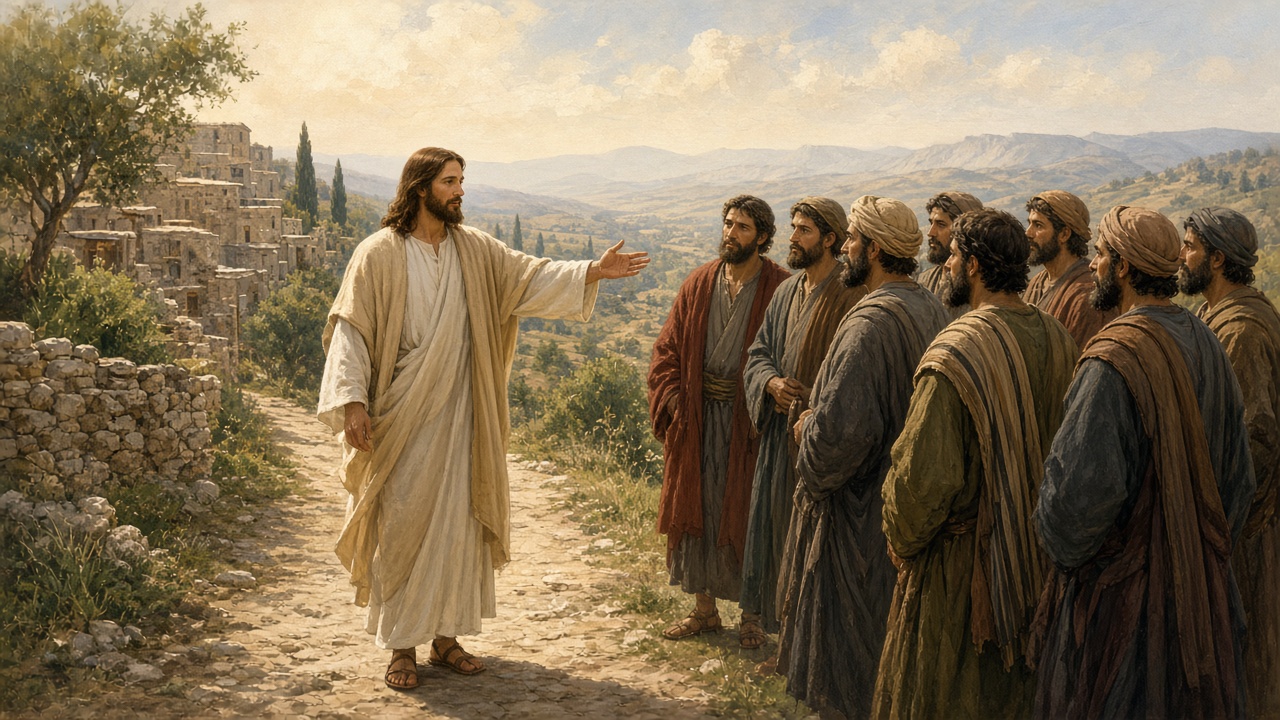
Wosheets tatsegitwotsi daniyosh bo woshetsok'o
5Iyesus tatse gitwotsi, hank'o ett boon b́woshi, «Ik' ash woterawwotsok amk'ayere, Semari dats ashuwots kitotso kindk'ayere, 6Maniyere mereerikok'o t'afts Isra'el ashuwotsok ameree. 7Amrnwere ‹Dari mengstuuniye karnraniyee!› err nabúwere. 8Shodetswotsi kashiwere, k'irtswotsi tuuzwere, een shodetswotsi s'ayintsworee, Fo'erawwotsi kishwere, beenon it dek'tso beenon imere. 9Awntso wee ambaro wee k'áázo it borsots deshdek'k'ayre. 10Fintsosh b́ misho daatso bísh b́ geyitsotse it weerindatse k'arc'ito, git kito, gitl c'amono, gumbonowere de'amk'ayere. 11Bíts itkindts kitotse, wee gálútse, itn dek'et asho koni b́woto t'iwintsde dande'ere, manokman fakshr it keshfetsosh bíyoke teyere. 12Ash moots it kindor jamo aatwere, 13Maa man it jeenosh b́wotititka wotiyal jeeno itoktso bísh boree, wotitkali wotiyalmó itoktso jeeno itsh aanowe. 14Asho konwor itide'awo wee it aap'tso k'ebo b́ k'azetka wotiyal gal man wee kit man k'ay it keshor it tufatsi k'undo teboree. 15Arikoniye itsh t keewiri, angshi aawots kit maniyere Sedomnat Gemor ashuwotsi fayet fayo ketefee.
Doonzo b́ wááftsere shino gishewonat gondbek'on b́wotitwok'o
16«Hambe! mereerikok'o elahi taalotse iti twoshiri, mansh dawnzikok'o s'ekwotsi, erkndikok'o dingatwotsi wotoore. 17Ashuwots angshosh jebats beshide itn imetune, ayhudiyots Ik' k'oni mootse iti jot'etune mansh ashuwotsatse itatso korde'ere. 18T jangosh itn dats k'eezirwtsonat, naashwotsoko it aats angshetwok'o itin de'ameyor bonat Ik' ash woterawwots shinatse t jangosh gawitwotsi wotitute, 19Mooshi jebats itn bot'intsor, it keewitwo manoori sa'atmann itsh imetwotse, ‹Aawuk'o k'alrniya, egek'una nokewiti?› err shiyanon kic'k'ayere. 20It gitsotse bede keewitwo it nih daritstso shayironi bako itnaliye. 21Asho b́took eshwo k'irosh beshide imetwe, mank'o nihonúwere b́ took na'o k'irosh beshide imetwe, na'naonwere bo indnihwotsats balngar wotar tuwitúne, k'iroshowere boon beshide imetune. 22T jangatse ash jamoke shit'eek wotitute, ernmó b́s'uwats b́borfetso kup'de'er ned'itwo kashitwe. 23Kit ikutse gondbek'o itats bo ayiwor kit k'oshuts k'ay woc'ere, arikon itsh etirwe, ash na'o aanar b́waafetsosh Isra'el kit jametswotsi gúrar betsatste. 24Danirwo bín danifoniyere bowatse, guutsonwere b́ doonziyere bowatse. 25Mansh danirwo bín danifokok'o, guutsonwere b́ doonzkok'o b́ bodal bísh bodfe. Moo doonzi ‹Beel Zebuliye› err bos'egiyakon b́ maa ashuwotsnmá maniyere bog gond shútson aawk'owe s'eego bok'azeti!
Shato b́ geyitwo koni b́wottsok'o
26«Haniyak ashuwotsi shatk'ayere, ipetso b́ be'erawo ooritwo, ááshtsonwere b́daneraniye ooritwo eegor aaliye. 27Eshe taa t'alwotse itsh tkeewirwo, it sháánatse keewwere, shashikon it shishtso dambaan tuuts beyok waaŕ sháánatse daniwere. 28Meets úd'oniyere beshar kash úd'o falraw ashuwotsi shatk'ayere, maniyere kashonat meetson gahanem tawots juwo falitu Ik'o sharere. 29Dimbiti gitwots santim múk'wotsn kemefoshná? Wotowa eree, daritstso it nih bí eekerawon, dimbiti ikú datsatse fed'arr ooreratsanee. 30It konmo dab it took s'ironwor taawekee. 31Eshe it dimbiti aywotsiyere bogts k'awntsetswotsi itwottsotse b́ jamon shatk'ayere.
32«Ash shinatse tjangosh gaw wotitu jametswotssh, taawere darotse fa'o tnih shinatse bísh gaw wotitwe. 33Ash shinatse taan haalitu jamwotsi taawere darotstso tnih shinatse haalitwee.
34«Taa twaa, jeeno datsats doosh ark'aye itsha, taa kes'a bako jeeno dek'waratsee. 35Taa twaa, nungush na'o b́ nihats, mááts na'ú bi indats, naayo máátsu bi awats, k'alewo tuzishee. 36Mansh ashosh balangarwots b́ took maa ashuwotsiye bowotiti. 37Taayere bogo b́ indi wee b́nihi shunetwo, tik wotosh falratse, taayere bogo b́ nungush na'onat b́ máátsna'ú shunetwo tik woto falratse. 38B́ took mask'aliyo kurde tshuutso sha'erawo asho tik woto falratse. 39B́ kashu kashiyosh geyiru jamo bin t'afitwe, b́ kashu t jangosh t'afitu jamonmó bin kashitwe. 40Itn dek'etwo taan deketwe, taano dek'etwo taan woshtso Aabi dek'etwe. 41Nebiyiyo nebiyi shútson dek'etwo nebiyi k'awntso daatsitwe, kááwo kááwi shútson dek'etwo kááwi k'awntso daatsitwe. 42Arikoniye itsh tietiri, t danif b́wottsatse tuutson, múk'anotsitse ikosh aats ak'o ik brc'k'o dab imetu asho b́ k'awntso t'ud'atsee.»
Você sabia?
Os doze enviados em missão
- Simão, chamado Pedro, e seu irmão André — o primeiro par nomeado entre os doze — eram pescadores de Betsaida, na costa ocidental do mar da Galileia. Tiago e João, citados em seguida, eram filhos de Zebedeu, um pescador da Galileia que tinha os próprios barcos e empregados.Fontes: o próprio texto bíblico · Simon Peter · Andrew · Zebedee
- Mateus, identificado na lista como o cobrador de impostos, era filho de Alfeu e antes era conhecido como Levi; recolhia impostos em Cafarnaum, e o nome Mateus significa “dom de Deus”. Tomé, nomeado ao lado dele, também era chamado Dídimo, o equivalente grego do nome hebraico, que significa “gêmeo”. Bartolomeu significa “filho de Tolmai” e, em geral, se supõe que seja a mesma pessoa que Natanael.Fontes: o próprio texto bíblico · Matthew · Thomas · Bartholomew
- Jesus adverte que o dia do juízo será mais tolerável para Sodoma e Gomorra do que para uma cidade que recusar os doze apóstolos. O Dicionário Bíblico de Easton (1897) descreve essas cidades da planície de Sidim como destruídas pelo fogo e proverbiais pela maldade, e as situa, provavelmente próximas uma da outra, perto da extremidade norte do que hoje é o mar Morto.Fontes: o próprio texto bíblico · Sodom · Gomorrah
Notas escritas com auxílio de IA a partir de fontes abertas (Theographic Bible Metadata, CC BY-SA 4.0; Easton’s Bible Dictionary, domínio público) e revisadas antes de publicar.
Créditos e licença desta tradução
Handr Taara
The New Testament in the Borna Language of Ethiopia (Handr Taara)
copyright © 2018 The Word for the World International
Language: Borni (Borna)
Contributor: The Word for the World Southern Africa
Handr Taara
The New Testament in Borna in Latin version
The Word for the World
This translation is made available to you under the terms of the
Creative Commons Attribution license 4.0.
You may share and redistribute this Bible translation or extracts from it in any format, provided that:
You include the above copyright and source information.
If you make any changes to the text, you must indicate that you did so in a way that makes it clear that the original licensor is not necessarily endorsing your changes.
Pictures included with Scriptures and other documents on this site are licensed just for use with those Scriptures and documents.
For other uses, please contact the respective copyright owners.
Note that in addition to the rules above, revising and adapting God's Word involves a great responsibility to be true to God's Word. See Revelation 22:18-19.
2023-04-08
Fonte: http://ebible.org/bwo/ · eBible.org